2027 Professional Writing Degree Program Availability Report: Which States and Schools Offer the Most Options

Co-Founder and Chief Data Scientist
The concentration of professional writing degree programs reflects broader shifts in how education aligns with labor market demands. States with diverse program offerings often correlate with regions investing in communication-centric industries, responding to a 12% projected growth in technical and specialized writing roles through 2028, based on the U. S. Bureau of Labor Statistics data updated in 2024. This alignment suggests that educational institutions adapt not only to workforce needs but also to regional economic strategies emphasizing digital content, technical communication, and multimedia storytelling. Examining which states and schools offer the most options reveals patterns in educational access, institutional priorities, and how workforce realities shape academic pathways within the field.
Key Benefits of States and Schools That Offer the Most Professional Writing Degree Program Options
- Greater program variety can require students to navigate complex course equivalencies, making transfer and credit alignment challenging, thus potentially extending degree completion times.
- Employers in fields valuing specialized writing skills often favor graduates from schools offering diverse professional writing tracks, reflecting aligned competencies with evolving industry demands.
- States with numerous programs statistically correlate with improved geographic access and lower overall costs, facilitating broader enrollment but necessitating careful selection to avoid redundant curricula.
- Key Benefits of States and Schools That Offer the Most Professional Writing Degree Program Options Key Benefits
- Which States Offer the Most Professional Writing Degree Programs? Top States
- Why Do Some States Have More Professional Writing Programs Than Others? Program Availability
- Which Colleges Offer the Largest Number of Professional Writing Degree Options? Top Schools
- How Do Online Programs Improve Access in States With Limited Options? Online Program Access
- How Much Does Professional Writing Program Tuition Vary by State? Tuition Across States
- How Does Professional Writing Program Demand Affect Admissions Decisions? Program Demand
- How Do Professional Writing Specialization Options Vary by Region? Specialization Options
- How Does Regional Employer Demand Affect Career Outcomes? Employer Demand
- What Factors Matter Most When Comparing Professional Writing Programs Across States? Key Comparison Factors
- Which Regions May See the Fastest Growth in Professional Writing Education? Fastest Growing Region
Which States Offer the Most Professional Writing Degree Programs?
Geographic patterns in the availability of professional writing degree programs are closely tied to the density of higher education institutions and the economic demands of local industry sectors. States with large urban centers and multifaceted economies typically offer more diverse and specialized options, reflecting both employer needs and educational infrastructure. Many programs intentionally align curriculum with regional labor markets, which helps explain the uneven distribution of professional writing offerings nationwide. Accessibility and program variety in certain states are also shaped by the presence of public universities alongside private colleges, each contributing distinct strengths.
- California: California hosts an extensive network of universities, from flagship public institutions to several private and community colleges, all serving a large and varied student body. The state's significant technology, media, and entertainment sectors in cities such as Los Angeles and San Francisco drive demand for specialized skills in technical writing, digital content creation, and multimedia communication. This concentration translates into abundant program choices with practical emphases suited to industry expectations, helping students tailor their education to specific career paths.
- New York: New York's status as a publishing and media hub underpins a robust selection of professional writing degree programs, particularly around New York City. Programs here often bridge professional writing with journalism, marketing, and business communication, incorporating applied learning elements like internships and portfolio development. The regional industry ecosystem encourages interdisciplinary skill sets that appeal to employers seeking flexible communicators capable of navigating evolving media landscapes.
- Texas: Texas benefits from a large higher education system with institutions in Houston, Austin, and Dallas offering professional writing curricula that emphasize pragmatic, market-driven skills. The state's diversified economy-including energy, technology, and education sectors-fosters demand for technical documentation, corporate communication, and digital media competencies. Growth in these industries supports an expanding range of program formats designed to improve job readiness within local and national labor markets.
States with fewer professional writing programs often reflect smaller populations or less developed higher education sectors, limiting student access to diverse offerings. For prospective students weighing location against program availability, understanding these structural forces is crucial to identifying programs aligned with both personal and labor market goals. Among the challenges faced is balancing in-state affordability against the benefits of program specialization and internship opportunities linked to regional industries.
To navigate these considerations effectively, some students explore flexible paths, including various easy degrees to get online, which can complement traditional professional writing programs by broadening skill sets without geographic constraints.
Why Do Some States Have More Professional Writing Programs Than Others?
Variations in professional writing program availability by state largely reflect differences in higher education infrastructure and the local demand for graduates equipped with specialized communication skills. States with dense networks of universities and colleges tend to offer a wider array of programs because these institutions have the capacity to develop niche curricula. Additionally, states with diverse metropolitan economies supporting media, technology, and corporate sectors generate higher labor market demand for professional writing graduates, encouraging academic offerings that align with regional workforce needs. According to the National Center for Education Statistics in 2024, states with larger metropolitan economies typically provide 30 to 50 percent more specialized writing programs per capita compared to states with less diverse industrial bases.
The key drivers underpinning these geographic disparities include state funding priorities, university research capacity, and the presence of industry clusters that require strong professional writing competencies. Wealthier states or those prioritizing higher education investment can support program development through dedicated resources, faculty recruitment, and curricular innovation, while states with tighter budgets often limit offerings to more generalized degrees. Industry clusters such as media, advertising, and publishing anchor academic initiatives, reinforcing demand for graduates with practical writing skills and facilitating partnerships for internships and employment. This interdependence between employer demand and institutional focus shapes where professional writing programs expand, reflecting the broader economic ecosystem's influence on program availability.
These structural and economic disparities significantly affect student access to varied professional writing degree options, often driving prospective students in underserved states to seek online alternatives. The growth of online education platforms is partially a response to uneven regional program distribution, aiming to mitigate geographic limitations while maintaining workforce alignment. However, state policies regarding higher education and workforce planning remain crucial in fostering program diversity and regional talent pipelines. For some students, understanding these systemic differences is essential when evaluating how location impacts educational opportunity and career readiness in professional writing fields, just as one might consider specific offerings related to a marriage and family therapist degree in a specialized discipline.
Which Colleges Offer the Largest Number of Professional Writing Degree Options?
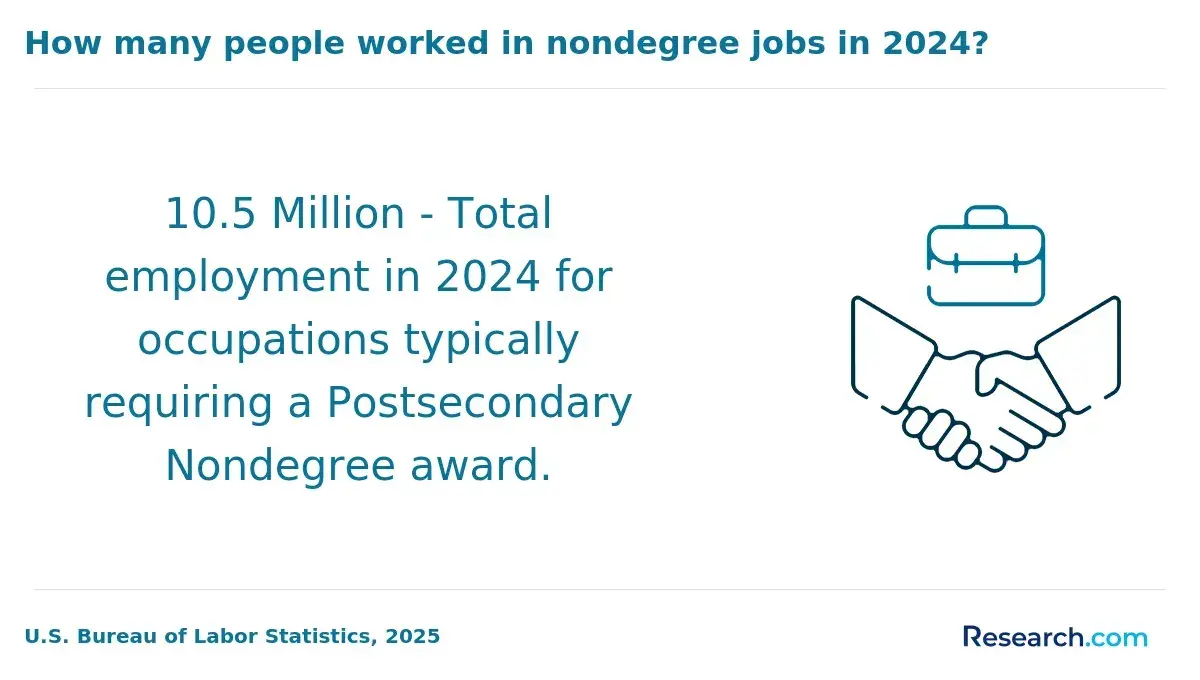
The breadth of professional writing degree options offered by colleges hinges primarily on institutional scale, academic resources, and strategic alignment with workforce needs rather than geographic location alone. Larger universities with extensive research activities and interdisciplinary departments typically support multiple specialized tracks, certificates, and delivery methods within professional writing. These schools leverage their broader faculty expertise and funding to diversify program offerings, accommodating varied student goals and evolving industry demands.
- Comprehensive Public Research Universities: Flagship state universities, such as those within the University of California or State University of New York systems, frequently provide the most extensive professional writing options. Their large student bodies, diverse academic departments, and access to significant public funding enable development of concentrations like digital media writing, business communication, and technical writing, often structured within interdisciplinary units.
- Private Research Universities with Strong Humanities and Communication Faculties: Institutions akin to Ivy League schools often offer a breadth of professional writing paths by integrating programs across English, communication, and emerging media studies. Their capacity for faculty research and collaboration fosters niche fields such as science communication and grant writing, providing diverse specialization opportunities typically unavailable at smaller colleges.
- Urban and Economically Diverse Regional Colleges: Colleges situated in metropolitan areas with robust media, healthcare, or technology sectors expand professional writing curricula to align closely with local industry needs. For instance, schools near centers of biomedical innovation may emphasize medical writing, while urban campuses often develop content strategy programs, leveraging regional economic partnerships to enhance employability for graduates.
- Institutions Offering Tiered Credentials and Flexible Formats: Schools that provide layered academic credentials-including bachelor's degrees, master's degrees, and certificate programs-naturally present a wider array of professional writing options. These offerings often span traditional in-person, online, and hybrid formats, accommodating nontraditional students and enhancing curricular diversity, a model evident in institutions like large technical institutes and expansive state systems.
According to 2024 data from comprehensive educational surveys, flagship state institutions consistently lead in the number of professional writing degree tracks offered, reflecting their structural advantages in funding, academic breadth, and workforce alignment. This diversity can foster adaptability in graduates but also requires students to carefully assess the balance between breadth and focused depth depending on their career objectives.
How Do Online Programs Improve Access in States With Limited Options?
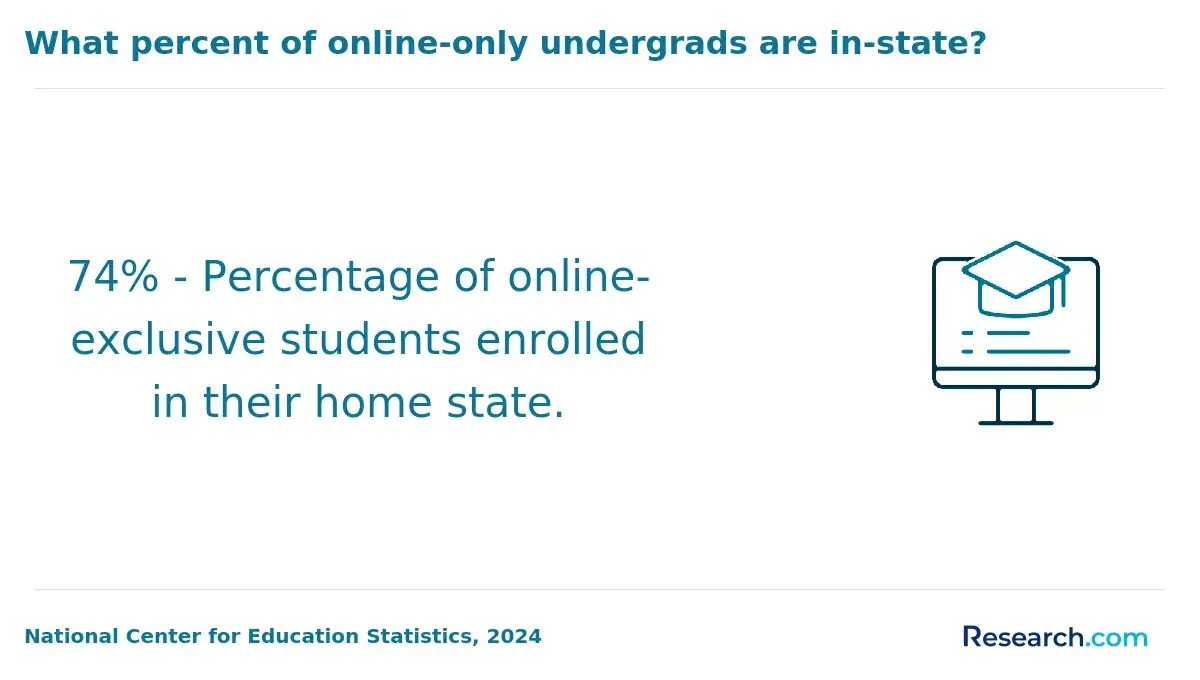
Online professional writing programs significantly mitigate geographic disparities in states where few or no brick-and-mortar options exist. They enable students in underserved or rural areas to pursue recognized degrees without the necessity of relocating or commuting to distant campuses. This expansion of access is not merely a matter of convenience but addresses structural limitations that previously constrained enrollment and degree completion rates in these regions. Data from the National Center for Education Statistics in 2024 highlights that over 35% of enrollment in professional writing and related communication programs now occurs fully online, underscoring how digital delivery channels substantially broaden academic engagement beyond traditional institutional footprints.
The key facilitators of this access transformation include asynchronous course models that accommodate varied schedules and time zones, reducing barriers tied to specific class times. Institutions leverage online infrastructure to scale offerings nationally, allowing students to select programs irrespective of state residency and bypass dependency on local universities. This multi-state enrollment landscape fosters institutional competition and program diversity, giving students a wider array of curricular focuses and pedagogical approaches than local campuses alone can offer. Furthermore, eliminating costs associated with housing and commuting reallocates financial resources for students, which can be critical in regions with fewer economic opportunities. Collectively, these mechanisms recalibrate enrollment patterns and institutional reach, functioning as operational solutions to the uneven distribution of professional writing education across states.
Beyond individual convenience, the growth of online professional writing education reshapes regional workforce pipelines by enabling broader skill acquisition where local training was previously scarce. This can contribute to more equitable talent development across varied labor markets, supporting industries reliant on effective communication skills nationwide. The diffusion of enrollment across geographic boundaries also pressures traditional colleges to innovate and respond competitively. However, regional disparities in internet access and digital literacy remain challenges that mediate who benefits most from these programs, emphasizing that online delivery is a necessary but insufficient condition for universal educational equity in professional writing fields.
One graduate from a state with limited in-person options recalled applying to an online professional writing program amid a rolling admissions cycle. They hesitated to submit their materials immediately, uncertain how the delay might affect their chances. As deadlines approached without clear feedback, balancing preparation time against admission timing became a strategic concern. Ultimately, the flexibility of the online format allowed them to adjust their application and enrollment timeline, alleviating pressure to relocate or attend a campus-based orientation, which was not even an option in their area. This nuanced experience reflects how timing and resource constraints interact uniquely when access depends on virtual pathways rather than local institutional availability.
How Much Does Professional Writing Program Tuition Vary by State?
Tuition for professional writing degree programs varies significantly across U.S. states, primarily reflecting differences in public funding levels, institutional types, and residency-based pricing models. Public universities typically offer reduced rates for in-state residents due to state subsidies, while out-of-state students face higher tuition charges intended to cover more of the institutional costs. Private institutions, insulated from direct state funding, tend to maintain higher and more uniform tuition regardless of residency, although their sticker prices may be partially offset by financial aid. These structural funding mechanisms and variations in institutional missions contribute far more to tuition differences than arbitrary pricing decisions, shaping the accessibility and affordability of professional writing education across regions.
For the 2024 academic year, public university tuition for professional writing programs ranges widely, from approximately $6,000 annually in states with robust public investment and generally lower living costs-such as Wyoming and Mississippi-to over $25,000 for in-state students in high-cost states like California and New York. Out-of-state tuition at these public institutions often doubles or triples those figures, pushing costs into the $30,000 to $50,000 range. Private colleges offering professional writing degrees usually charge between $30,000 and $55,000 per year regardless of student residency, tight cost variations justified by institutional resource intensity and brand positioning. Students analyzing professional writing program tuition differences by state must therefore consider these contextualized ranges rather than isolated price points when evaluating financial commitments.
These wide cost disparities have broader implications for student mobility and access to professional writing education. Prospective students from states with fewer affordable in-state options may face difficult decisions balancing out-of-state tuition premiums against potential program quality or specialization differences. Moreover, tuition disparate by state interacts with financial aid availability and local job market demands, influencing long-term career outcomes and debt burdens. Awareness of these dynamics, combined with thorough research into program content and cost structures-as one might explore when evaluating the best online paralegal programs for comparison-helps identify where the highest practical value lies in acquiring a professional writing degree.
How Does Professional Writing Program Demand Affect Admissions Decisions?
When demand for professional writing programs surges, admissions committees often respond by tightening acceptance criteria to manage limited enrollment capacity. This escalation in selectivity typically manifests through higher GPA requirements, enhanced expectations for writing portfolios, or stricter evaluation of standardized tests. Institutions leverage these thresholds to balance applicant volume against available resources and maintain academic rigor. The admissions processes thus become more competitive, reflecting both the program's market appeal and an intent to safeguard outcome quality amid growing interest.
Underlying this dynamic are constraints rooted in faculty availability, physical or virtual classroom capacity, and compliance with accreditation standards that restrict expansion. Programs with substantial funding or industry partnerships might better absorb increased demand, but many smaller institutions must ration admissions to conserve instructional quality. Simultaneously, labor market demand for graduates with practical communication and technical skills pressures schools to uphold standards that align with employer expectations. This interplay ensures that admissions reflect not only enrollment goals but also workforce relevance, forcing programs to calibrate selection metrics accordingly.
Heightened demand also reshapes applicant strategies, prompting prospective students to enhance credentials or gain work experience to remain competitive. It affects program reputations, as selective eligibility can be perceived as a marker of quality, while also reducing straightforward accessibility for some candidates. Geographic disparities emerge, with regions hosting multiple established programs exhibiting fierce competition, whereas others face tradeoffs between broader admission policies and less specialized curricula. Navigating these factors is crucial for students targeting programs that align with both their preparedness and career priorities.
A recent graduate recalled applying during a period when their chosen professional writing program had just shifted to more selective admissions due to a surge in applicants. They submitted their portfolio early but delayed some supporting documents while weighing backup options, which introduced anxiety as acceptance notifications were staggered and waitlists formed. This experience underscored how timing and readiness significantly influence outcomes when demand-driven pressures tighten entry barriers, making strategic planning essential in competitive cycles.
How Do Professional Writing Specialization Options Vary by Region?
Specialization tracks within professional writing degree programs closely mirror the economic priorities and industry landscapes of their respective regions. Areas with concentrated tech, media, and corporate sectors prioritize digital content development, technical communication, and multimedia storytelling to meet evolving platform demands. These regions often integrate emerging fields such as UX writing and content strategy into curricula, reflecting institutional efforts to align academic offerings with dynamic market needs. Conversely, states with economies rooted in manufacturing, government services, or traditional media emphasize practical writing applications like business communication, public relations, and grant writing, tailoring specializations to stable, localized workforce demands.
The divergence in specialization is driven by several interconnected factors, including dominant local industries, research activities within universities, and the nature of employer partnerships. For example, schools in Northeastern and Western states frequently collaborate with technology firms and media outlets, fostering specialization areas attuned to innovation and digital marketing. In contrast, Midwestern and Southern programs respond to regional employer demand by focusing on skills relevant to public sector communication and community-oriented writing. According to 2024 data from the National Center for Education Statistics, approximately 65% of professional writing programs nationally offer multiple specialization tracks, with this figure rising to about 80% in regions characterized by diverse economic bases, underscoring how institutional capacity and labor market requirements shape academic offerings.
These regional disparities influence both student decision-making and career trajectories. Students in states with broader specialization options gain access to versatile skill sets but may confront more competitive job markets that reward niche expertise. Meanwhile, learners in regions with concentrated specializations benefit from robust local networks yet might face geographic limitations in employment scope or require relocation to diversify career prospects. Understanding this interplay between regional economies, academic focus, and workforce demand is crucial for making informed choices about program selection and long-term professional positioning within the field of professional writing.
How Does Regional Employer Demand Affect Career Outcomes?
Regional employer demand significantly shapes job availability and initial career prospects for graduates of professional writing degree programs. Local labor markets with concentrated industries in publishing, media, marketing, and corporate communications consistently offer more diverse and numerous openings. These geographic variations in employer demand mean that graduates aiming for professional writing career opportunities in high-demand states will likely encounter stronger hiring activity and more competitive salary offers early in their careers compared to those in less concentrated regions. Rural areas and regions with declining content-driven sectors often provide fewer relevant roles, impacting graduates' ability to secure aligned employment promptly after graduation.
The relationship between regional demand and career outcomes hinges on several practical mechanisms. Industry clusters create specialized hiring ecosystems where employers and educational institutions often collaborate on internships, networking, and curriculum development, aligning workforce skills with employer needs. Wage competition in metropolitan areas with dense employer concentration drives higher starting salaries, with data from the U.S. Bureau of Labor Statistics showing some cities offering 10-15% more than the national average for writers and authors. Understanding these dynamics is essential for evaluating how regional employer demand on professional writing job prospects influences both income potential and access to professional development opportunities within targeted labor markets.
Broader implications include strategic geographic mobility decisions and adapting to shifts in remote work opportunities. While a growing share of programs and positions support remote work, proximity to hubs with robust industry presence often accelerates experiential learning and career progression through direct employer engagement. Aspiring writers must weigh these factors when comparing program availability across states, as regional economic conditions and employer ecosystems remain pivotal in shaping long-term trajectory outcomes beyond immediate labor market entry. For those considering flexibility, exploring degrees for remote work can offer alternative pathways aligned with evolving employment landscapes.
What Factors Matter Most When Comparing Professional Writing Programs Across States?
Comparing professional writing programs across states requires assessing more than basic program availability. Differences in tuition, specialization options, and access to online formats meaningfully impact both affordability and educational quality. Additionally, varying regional employer demand and educational infrastructure shape long-term career prospects. Prospective students should evaluate these elements to understand how state-level factors influence program value beyond reputation or rankings.
- Curriculum Relevance and Specialization: Programs differ widely in the diversity of tracks offered, such as grant writing, technical writing, or digital content creation. States with more options tend to better prepare students for workforce niches, aligning training with local industry needs, which enhances employability.
- Experiential Learning Opportunities: The integration of internships and industry partnerships varies regionally. Programs with stronger ties to local businesses or organizations show a 15% higher graduate employment rate within six months, reflecting the importance of practical experience in hiring decisions.
- Educational Access and Flexibility: Online and hybrid program availability significantly affects enrollment patterns, especially for working adults and out-of-state students. Addressing regional specialization and online access in professional writing education expands geographic reach and accommodates diverse learning needs.
- Tuition Costs and Financial Aid: Considerable tuition variation exists across states, often influencing overall affordability and return on investment. Evaluating financial aid options alongside costs is essential to avoid unexpected debt burdens and ensure economic feasibility.
- Faculty Expertise and Class Size: Programs in states with larger universities generally provide access to faculty with extensive industry experience, improving mentorship quality and individualized instruction. Student-to-instructor ratios can directly affect skill development outcomes.
These factors collectively reflect the operational tradeoffs students confront when selecting among professional writing programs. A nuanced appraisal of tuition variation in professional writing programs by state alongside educational and workforce alignment is critical for informed decision-making. For those considering advanced degrees, resources about online EdD programs without dissertation also illustrate wider trends in program flexibility and specialization applicable across professional education fields.
Which Regions May See the Fastest Growth in Professional Writing Education?
Growth in professional writing education typically concentrates where rising employer demand, demographic shifts, and targeted higher education investment align. Regions experiencing rapid population increases alongside expanding industries reliant on digital communication tend to drive new program development. Understanding these structural factors clarifies where educational options and specialized curricula may increase, reflecting broader economic and workforce realities rather than speculative trends.
- Southwest: This region benefits from significant population growth and state-level investments in higher education infrastructure, especially around tech hubs and media industries. States like Texas and Arizona show a marked increase in enrollment for writing and communication majors, signaling expanded capacity for new programs. Employer needs for content strategists and technical communicators in this corridor are influencing universities to diversify offerings.
- Southeast: The Southeast, including Florida and Georgia, is experiencing an influx of younger populations entering college accompanied by emerging digital economies. Regional universities are adapting by extending professional writing specialties in digital content and marketing communication, responding to workforce demands in e-commerce and software development sectors.
- Midwest: Moderate growth is tied mainly to the expansion of online professional writing programs, offering access beyond traditional campus limits. While industrial diversification in metropolitan areas supports steady demand, institutional growth is slower than in Sun Belt states due to demographic plateaus and budget constraints in public education.
- Northeast: Despite a dense concentration of programs, growth plateaus here from institutional saturation and higher operational costs. The region's mature market reflects stable but limited expansion, with specialized tracks often focusing on technical and academic writing within longstanding universities.
References:
- The Value of Writing (and Publishing) in High School - Top Tier Admissions https://toptieradmissions.com/the-value-of-writing-and-publishing-in-high-school/
- Professional Writing Major https://talk.collegeconfidential.com/t/professional-writing-major/1734027
- Online Courses for Teachers https://www.webteaching.com/flex/write4.html
- The hard truth about AI and professional writing jobs - Workplace Insights by Adrie van der Luijt https://www.workplaceinsights.co.uk/ai-and-professional-writing-jobs/
- English â Professional Writing Degree | King's College https://www.kings.edu/programs/undergraduate/english-professional-writing.html
- Professional Writing Major https://www.taylor.edu/academics/degrees/professional-writing
- “I love to write. What should I study in college?” https://clearwaterpress.com/oneyearnovel/blog/i-love-to-write-what-should-i-study-in-college/
- English and Professional Writing, B.A. https://www.park.edu/academics/explore-programs/english-and-professional-writing-b-a/
- Professional Writing https://lakeland.edu/degrees/professional-writing
- Online writing courses & certificates | Professional writing skills | edX https://www.edx.org/learn/writing
Other Things You Should Know About Professional Writing
In 2027, the diverse program types offered across states can impact learning outcomes significantly. States with more flexible online options provide accessibility, while others with hands-on workshops enhance practical skills. The choice of program format can shape the student experience and readiness for specific writing careers.
Programs with the broadest availability often differ sharply in workload expectations, ranging from heavily writing-intensive curricula to those with more flexible project-based assessments. Students should assess how program rigor aligns with their readiness for sustained writing productivity under deadlines. Higher workload programs may better prepare students for writing professions that demand consistent output, but they also require strong time management and resilience, which not all students can sustain without support.
States hosting multiple programs tend to include offerings with varied emphases, including technical writing, digital communication, and editorial skills. While this diversity can be advantageous, students must carefully evaluate how closely programs align with the specific writing competencies valued by regional employers. Prioritizing programs with strong internship or portfolio-building components can improve employability by providing practical experiences that match market demands rather than relying solely on theoretical coursework.
Students targeting specialized career paths in professional writing should weigh the benefits of broader program availability against depth of expertise. States offering many options often provide breadth but may lack schools with distinguished reputations in niche fields like technical communication or medical writing. For clearer career outcomes, it is advisable to prioritize institutions recognized for authoritative strengths in a student's desired specialization, even if that means less geographic flexibility.