2027 Political Psychology Job Market Report: Open Roles, Salary Bands, and Hiring Momentum

Co-Founder and Chief Data Scientist
The political psychology labor market reflects broader shifts in how employers value interdisciplinary expertise amid changing regulatory and geopolitical landscapes. Open roles and salary bands expose evolving skill demands, such as familiarity with data analytics and behavioral modeling tools, which increasingly shape candidate selection.
Hiring momentum also responds to fluctuating organizational priorities influenced by political polarization and technological integration, steering recruitment toward specialized competencies. Geographic clustering of opportunities highlights regional investment patterns and workforce demographics, revealing talent constraints in certain hubs.
Analyzing these dynamics clarifies how political psychology's labor market diverges from other social sciences, suggesting nuanced implications for credentialing and career progression within the field.
Key Things to Know About Political Psychology Job Market
- Open roles in political psychology remain highly specialized, limiting volume but increasing competition for interdisciplinary skills, which means candidates must strategically develop niche expertise to remain competitive.
- 2024 data reveals modest but steady salary growth tied to analytics proficiency, signaling employer preference for candidates blending political insight with quantitative methods, affecting both hiring priorities and candidate training choices.
- Hiring momentum fluctuates with election cycles, creating timing challenges; students face tradeoffs between extended education duration and entering the market when demand peaks, impacting return on investment calculations.
- Key Things to Know About Political Psychology Job Market Key Things to Know
- How Strong Is Demand for Political Psychology Graduates in Today's Job Market? Demand for Graduates
- Which Political Psychology Careers Have the Most Open Job Opportunities? In-Demand Careers
- What Salary Bands Are Employers Offering Across Political Psychology Careers? Offered Salary Bands
- Which Industries Are Hiring the Most Political Psychology Graduates? Top-Hiring Industries
- How Does Hiring Demand Vary by State, Region, and City? Hiring Demand by Location
- What Skills Are Employers Prioritizing in Political Psychology Job Postings? In-Demand Skills
- Which Certifications Increase Employability and Salary Potential? High-Value Certifications
- How Do Remote and Hybrid Opportunities Affect the Political Psychology Job Market? Remote and Hybrid Opportunities
- Which Political Psychology Careers Show the Strongest Long-Term Hiring Momentum? Strongest Careers
- How Can Students Use Job Market Data to Make Better Career Decisions? Leveraging Job Market Data
How Strong Is Demand for Political Psychology Graduates in Today's Job Market?
Current demand for political psychology graduates remains specialized and relatively narrow within the broader social science employment landscape, as reflected in U.S. Bureau of Labor Statistics data and 2024 LinkedIn Workforce Reports. Direct roles explicitly titled under political psychology are limited, often embedded within fields like behavioral research, policy analysis, or public opinion consulting-areas where analytical expertise in political behavior and social cognition is valued.
Employers consistently seek candidates with strong quantitative and research design skills who can apply psychological theories to real-world political phenomena, yet the small pool of roles specifically requiring political psychology credentials sustains significant competition.
Demand drivers include the increasing need for data-driven insights in political consulting, advocacy, and governmental agencies, fueled by advances in digital political behavior analysis and behavioral economics. These trends create openings for graduates who can integrate interdisciplinary skills, especially those combining political psychology with data science, communication, or policy evaluation.
Regional economic shifts and the growth of think tanks and analytics firms further influence where and how political psychology expertise is deployed, though market saturation at entry levels limits immediate salary growth. Prospective students should recognize these dynamics when evaluating labor market opportunities tied to political psychology job market demand in the United States to align their educational paths accordingly.
Long-term career prospects hinge on adaptability, with graduates best positioned when they broaden their competencies beyond narrow academic training to include applied experience with diverse datasets and stakeholder engagement.
As the field evolves, emerging roles in digital political analytics and interdisciplinary behavioral research may improve job stability and upward mobility.
Those considering a degree in political psychology would benefit from understanding the practical tradeoffs and preparing strategically to navigate a competitive environment while exploring related disciplines that offer wider opportunities and potentially higher returns, such as those outlined among the 4-year degrees that pay well.
Which Political Psychology Careers Have the Most Open Job Opportunities?
Job opportunities within political psychology careers are currently shaped by the expansion of sectors relying on data-driven insights, persistent skill shortages in specialized analytic roles, and rising expectations for interdisciplinary competencies.
These dynamics create differentiated hiring momentum across various career pathways rather than uniform openings across the board. The growth of public sector agencies, non-governmental organizations, and research institutions emphasizing evidence-based approaches increasingly demands professionals who can merge psychological expertise with robust analytical methods.
Such conditions align with broader labor market shifts where expertise in data science, political behavior, and computational techniques commands premium employability.
- Political Data Analyst: This role commands strong demand due to governmental bodies and think tanks prioritizing election integrity and voter behavior analysis. Employers seek candidates with advanced skills in statistical programming, data visualization, and an understanding of misinformation dynamics driving political narratives. The focus on real-time data interpretation to inform policy and strategy underpins this demand, supported by roles that blend psychological theory with computational rigor.
- Behavioral Scientist Specializing in Voter Behavior: Organizations monitoring public opinion and electoral processes often recruit behavioral scientists who design and interpret experiments on voter decision-making. The intersection of cognitive psychology and political contexts creates a niche requiring expertise in experimental design and large-scale survey analytics. Demand is buoyed by heightened election security concerns and the need to counteract influence operations.
- Quantitative Researcher in Political Psychology: Increasingly prominent in policy advisory firms and academic research centers, these roles focus on applying advanced quantitative methods to political phenomena. Candidates with strong backgrounds in psychometrics, machine learning, and political data modeling are preferred. The demand stems from a shift toward integrating big data analytics in political science and psychological research, emphasizing statistical precision and theoretical grounding.
- Campaign Consultant with Psychological Profiling Expertise: Political campaigns and advocacy groups seek professionals who apply psychological profiling and predictive analytics to optimize voter outreach and messaging strategies. This role requires practical field experience and a sophisticated understanding of behavioral triggers and communication patterns, reflecting employer priorities in adaptive, targeted campaign tactics amidst competitive political environments.
- Communication Strategist in Political Advocacy: Hiring in this area focuses on specialists who craft messages grounded in psychological insights to shape public opinion and mobilize constituencies. Employers value competencies in persuasive communication, digital media analysis, and voter segmentation, highlighting the evolving landscape of political engagement and digital transformation.
- Tenure-Track Academic Researcher: Though more limited in number, tenure-track positions that emphasize interdisciplinary research combining political science and psychology remain steady. Universities seek candidates able to collaborate across departments and contribute to research centers focused on political behavior, requiring a demonstrated record of methodological innovation and cross-disciplinary scholarship.
The top open roles for political psychology graduates in North America increasingly require proficiency in technical skills such as data science and experimental design, which conditions labor supply. The 2024 American Psychological Association report noted that over 35% of political psychology-focused job postings include demands for statistical programming capabilities alongside theoretical expertise.
For individuals navigating this field, understanding employer expectations rooted in these evolving workforce dynamics is essential for positioning oneself effectively in the competitive job market.
For those exploring pathways that integrate executive leadership and data-driven strategy within this sphere, considering specialized educational routes like eMBA programs can offer a grounded perspective on management skills relevant to political psychology careers increasingly interwoven with organizational dynamics and policy influence.
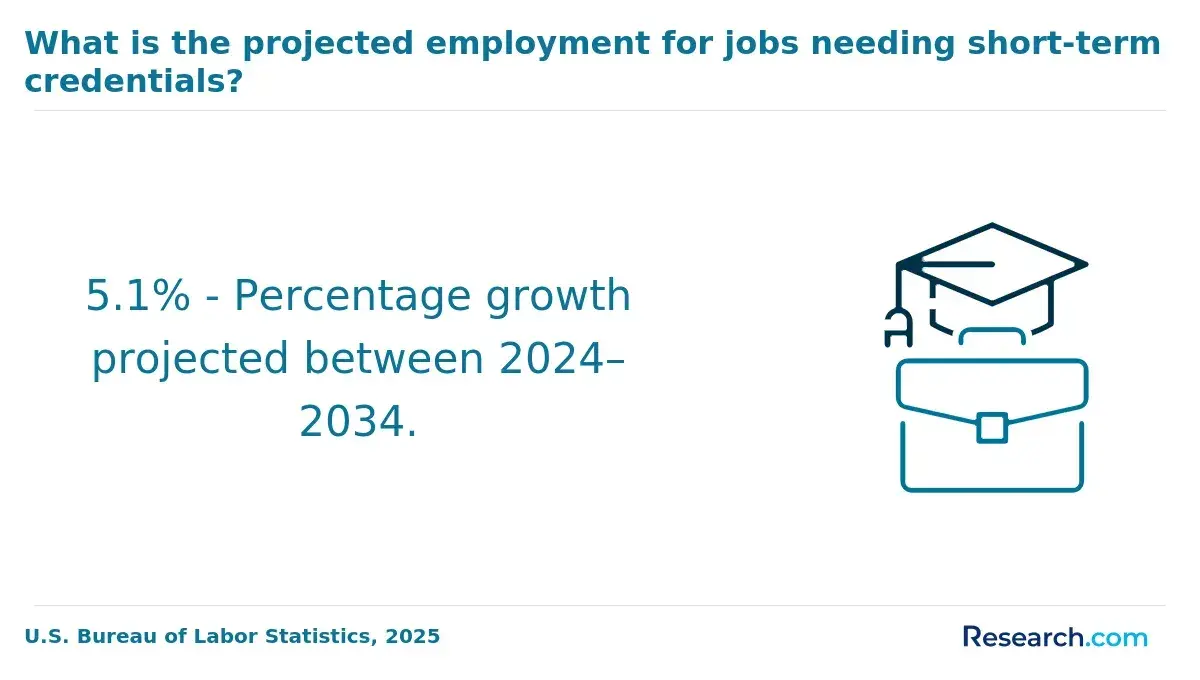
What Salary Bands Are Employers Offering Across Political Psychology Careers?
Compensation in political psychology careers exhibits distinct salary bands aligned with experience tiers, reflecting labor market realities shaped by demand and expertise. Entry-level roles, typically involving research assistance or analyst positions in think tanks and consultancy settings, generally range from $50,000 to $70,000 annually, consistent with 2024 data from the U.S. Bureau of Labor Statistics and industry salary surveys.
Professionals with three to seven years' experience often see salaries climb to the $70,000-$110,000 bracket, covering policy analyst or project manager roles that blend research acumen with operational responsibilities.
Senior positions, often requiring a PhD or equivalent experience, command salaries starting at $110,000 and rising beyond $160,000, reflecting leadership duties such as grant acquisition and strategic oversight within both academic and private sectors.
Salary variations within political psychology are influenced by specialization depth, sector competition, and geographical concentration of opportunities. Highly specialized expertise-especially in quantitative methods, behavioral analytics, or political risk advising-can drive wages higher due to limited candidate supply and the strategic value assigned by employers.
Metropolitan regions with dense research institutions and consulting firms typically offer premium salaries but correspond with higher living costs, while academic appointments generally provide lower salary ceilings compensated by benefits and job security.
Additionally, nonprofit and government employers often balance moderate pay scales with institutional stability, contrasting private sector roles where project-based funding intensifies pressure on earnings growth and performance expectations.
A graduate of a political psychology master's program shared how navigating rolling admissions impacted their career launch timing. They experienced a tense wait for interview invitations amid competing deadlines from multiple programs, leading to strategic prioritization of applications with clearer funding prospects. The uncertainty extended their decision timeline but ultimately allowed them to secure a placement aligned with their research interests and salary expectations.
This experience highlighted how timing and preparation during admissions can indirectly affect initial salary positioning by influencing program choice and subsequent networking opportunities within specialized labor markets.
Which Industries Are Hiring the Most Political Psychology Graduates?
Demand for political psychology graduates is concentrated in sectors experiencing digital transformation, workforce growth, or critical skill shortages. These industries leverage insights into voter behavior, public opinion, and social cognition to adapt to evolving political and economic landscapes.
Hiring trends reflect broader shifts such as data-driven decision-making, heightened focus on public engagement, and sophisticated analysis of social dynamics rather than isolated recruitment efforts:
- Government Agencies: Federal, state, and local government bodies remain primary employers, driven by the need to craft evidence-based public policies and optimize electoral strategies. The rise in data analytics and intelligence needs means these employers prioritize skills in behavioral analysis, policy impact evaluation, and strategic communication. The U.S. Bureau of Labor Statistics (2024) notes faster-than-average growth in social science roles within this sector, highlighting sustained demand.
- Political Consulting and Campaign Firms: These firms hire to enhance message framing and voter outreach in increasingly competitive environments shaped by digital media and real-time public sentiment tracking. Graduates with expertise in behavioral patterns and persuasive communication are valued for designing targeted campaign strategies, often using data analytics tools to influence voter decisions.
- Market Research and Media Organizations: Growing reliance on understanding political trends and consumer sentiment fuels demand here. Organizations seek graduates capable of interpreting complex social data and delivering actionable insights for content creation and audience engagement, blending political psychology with marketing, communications, and journalism proficiency.
- Nonprofit and Think Tank Sectors: Advocacy groups and research institutions require analytical skills to assess social attitudes, conduct policy research, and foster community activism. These employers emphasize expertise in social behavior analysis to support evidence-based advocacy and influence public discourse, reflecting the expanding role of social sciences in public engagement.
- Corporate Social Responsibility and Communications: Increasingly, corporations integrate political psychology insights into their public relations and CSR strategies to manage reputational risks and stakeholder relations. Nearly 40% of recent graduates enter this space according to a 2024 survey by the Society for Political Psychology, highlighting business interest in socio-political dynamics.
How Does Hiring Demand Vary by State, Region, and City?
Hiring demand for political psychology graduates notably varies by state and region due to differing economic structures, institutional density, and the political significance of the area.
States like New York, California, and Washington lead in opportunities because of their concentration of federal, state agencies, research institutions, and nonprofit organizations focused on political behavior and analysis, reflecting broader labor market trends reported by the U.S. Bureau of Labor Statistics and regional economic analytics.
The Mid-Atlantic and West Coast regions demonstrate stronger hiring momentum for political psychology careers, benefiting from proximity to political hubs such as Washington D.C. and San Francisco, which supports a dense ecosystem of employers valuing expertise in polling, behavioral research, and data interpretation.
Conversely, the Midwest and Southern states tend to have fewer openings, often limited to academic or governmental roles, as their economic and institutional landscapes support less expansive private-sector political psychology demand. Understanding these geographic workforce dynamics is critical for candidates given notable variations in job availability, career trajectory, and employer expectations tied to the local context of political psychology job demand by state and metropolitan areas.
At the city level, metropolitan hubs like Washington D.C., Boston, Chicago, and Los Angeles show higher salary bands and elevated hiring activity due to their active political scenes, universities, and interdisciplinary workforce needs that combine political psychology with data science and communications.
These urban centers benefit from robust infrastructure and sizable talent pipelines, attracting employers who require applied skills closely aligned with evolving political and social environments. However, elevated demand in these metro areas is balanced by a higher cost of living and significant candidate competition, factors that weigh heavily in job seekers' decisions.
Smaller cities and suburban markets present fewer but sometimes more accessible opportunities, with tighter professional networks and lower expenses but slower career growth. Emerging job seekers should also consider innovative educational paths like a 6-month masters degree, which may provide practical training adaptable to regional demand fluctuations and employer expectations in political psychology careers.
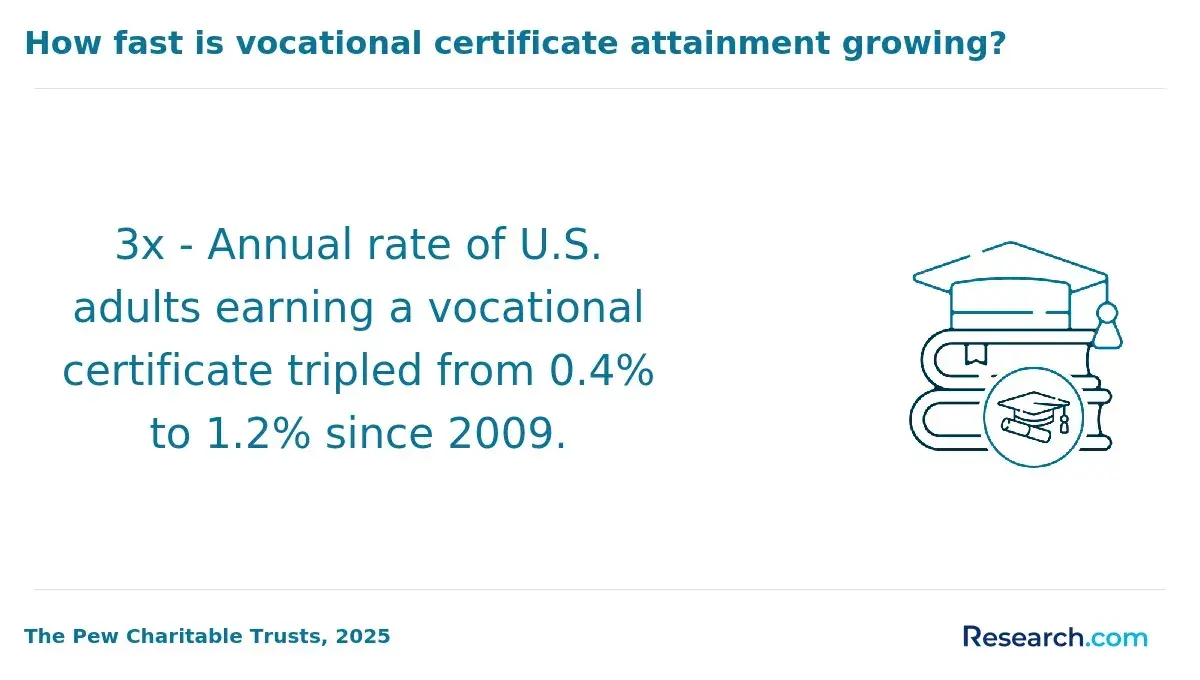
What Skills Are Employers Prioritizing in Political Psychology Job Postings?
Employer demand in political psychology is rapidly evolving under the influence of technological advancements, data-driven methodologies, and the increasing importance of interdisciplinary collaboration. Job postings now reflect an emphasis on skills that integrate quantitative analysis with theoretical expertise and applied knowledge relevant to political contexts.
This shift illustrates how automation and big data reshape expectations, requiring candidates who can bridge rigorous technical methods with nuanced political and social insight:
- Quantitative Methodology Expertise: Mastery of statistical techniques, experimental design, and survey methods remains the most critical competency, appearing in over three-quarters of listings. The priority reflects the discipline's push toward leveraging empirical rigor and big data analytics to derive political behavior insights, making this skill a baseline for competitive roles.
- Theoretical and Analytical Thinking: Nearly two-thirds of employers seek candidates able to apply political psychological frameworks to real-world phenomena like voter behavior and identity politics. This demand signals that analytical depth coupled with theory-to-practice translation is vital for addressing complex sociopolitical dynamics.
- Data Science and Computational Skills: Growing rapidly in prevalence, with approximately 40% of postings requiring familiarity with programming languages such as R or Python and machine learning tools. This trend underscores a market shift favoring those who extend analysis beyond classical methods toward algorithmic and predictive modeling approaches.
- Communication Competence: Effectively conveying research findings to academic, policymaking, and public audiences remains a key skill. Employers emphasize this because broader impact depends on clarity and persuasion, often influencing funding, policy decisions, or public understanding.
- Collaborative Research Experience: The interdisciplinary nature of political psychology necessitates teamwork across domains, prompting employers to prioritize candidates adept at joint research ventures. This reflects broader labor market trends favoring adaptability and networked knowledge production.
- Political Context-Specific Knowledge: Expertise in public opinion polling and manipulation of political variables is frequently mentioned. Proficiency here signals ability to navigate specialized challenges inherent in politicized data collection and analysis.
- Ethical Sensitivity: Handling sensitive political data and subjects requires careful ethical judgment, an increasingly highlighted value. This focus acknowledges the reputational and operational risks associated with political research, making ethical rigor essential for sustained employability.
Which Certifications Increase Employability and Salary Potential?
Certifications in the political psychology field function as important signals of specialized expertise, practical skillsets, and readiness to tackle complex research challenges. They serve as strategic tools that complement formal academic credentials, helping candidates stand out amid a crowded job market by demonstrating both technical proficiency and domain-specific knowledge.
Employers increasingly rely on these credentials to identify applicants capable of meeting evolving methodological and ethical standards in political psychology roles:
- Data Analytics Certifications (e.g., SPSS, R Programming): These credentials respond directly to growing demand for quantitative competency in political psychology research. Mastery of advanced statistical software validates a candidate's ability to handle complex datasets and apply rigorous analytical techniques, which translates into higher employability and an average salary increase of around 12%, as reported by the Social Science Research Council in 2024.
- Project Management Professional (PMP): Recognized across disciplines, this certification indicates strong organizational and leadership capabilities critical for managing multifaceted political psychology studies. Since many roles require coordinating research activities and stakeholder collaboration, PMP holders often secure positions with enhanced responsibilities and see median annual salary increases near $7,000 according to recent Department of Labor data.
- Ethical Research and Compliance Certifications: As regulatory scrutiny intensifies around data privacy and human subjects protections, certifications that validate knowledge of ethical standards are increasingly valued. While their impact on salary may be less pronounced, they significantly improve job prospects in federally funded or compliance-sensitive environments by assuring adherence to legal and institutional mandates.
One graduate of a political psychology program recalled the challenge of navigating certification decisions amid delayed acceptance to graduate studies. Initially uncertain about which credential would best enhance employability, they hesitated to pursue data analytics certification due to the rolling admissions timeline.
Once their program spot was confirmed, they expedited acquiring the SPSS certification to align with their research assistant role's expectations, finding that this timely credential ultimately opened doors to higher-paying positions they had been vying for. This experience underscored the importance of strategic timing and responsiveness to employer needs in leveraging certifications effectively.
How Do Remote and Hybrid Opportunities Affect the Political Psychology Job Market?
Remote and hybrid work opportunities are gradually reshaping hiring trends within the political psychology job market, reflecting nuanced employer preferences rather than a wholesale shift to fully remote roles.
According to recent 2024 workforce analytics, while fully remote positions remain scarce due to the field's need for collaboration and secure data access, hybrid models have grown notably, reshaping the demand for candidates who can effectively operate in both physical and virtual settings.
This change has expanded geographic hiring pools, enabling organizations to source talent well beyond traditional regional boundaries, which aligns with observed trends in political psychology remote work trends in North America. Employers increasingly prioritize candidates demonstrating digital fluency and autonomous productivity, blending in-person engagement with remote flexibility.
The broader implications of these models extend to heightened competition as job seekers from diverse locations vie for fewer fully remote roles, prompting a reevaluation of salary structures that sometimes incorporate location-based adjustments but more often emphasize experience and expertise.
This evolving landscape pressures political psychology professionals to strengthen digital communication and virtual collaboration skills while maintaining in-person networks vital for domain-specific knowledge exchange. Over time, these dynamics suggest a labor market that favors adaptable candidates who integrate hybrid work experience naturally, influencing long-term hiring practices and talent distribution.
For those entering the field, combining core subject expertise with competencies related to remote work settings, including exploring easy certifications to get online, can provide a strategic advantage amid shifting employer expectations.
Which Political Psychology Careers Show the Strongest Long-Term Hiring Momentum?
Long-term hiring momentum in political psychology careers stems primarily from foundational changes across industries rather than transient labor market shifts. This momentum reflects broader economic, technological, and policy-driven transformations that reshape employer demand for expertise blending psychological insight with political analysis.
Such structural forces ensure sustained opportunities are concentrated in roles that address complex data interpretation, policy influence, and behavioral forecasting amid evolving political landscapes.
According to a 2024 report by the U.S. Bureau of Labor Statistics, occupations mixing psychological understanding and political behavior are projected to grow by approximately 8% over the next decade, outpacing many other social science fields.
This trend aligns with enduring growth in digital data availability and the increasing institutional reliance on evidence-based decision making, particularly in polarized environments:
- Data Scientists and Analysts with Political Psychology Expertise: These professionals meet the rising demand for quantitative analysis of voter behavior and social trends. Advances in digital data capture and statistical methodologies make this role vital for governments and political organizations seeking predictive insights, reinforcing consistent hiring growth.
- Policy Advisors Applying Behavioral Insights: The need for nuanced understanding of human decision-making strengthens this role's long-term prospects. As evidence-based policies become central to governance amid complex social issues, advisors who translate psychological research into actionable political strategies remain in steady demand.
- Researchers in Electoral Behavior and Public Opinion: Evolving political dynamics and electoral challenges require continuous research investment. Specialists who integrate psychological theory with political patterns support academia, think tanks, and advocacy groups, fostering ongoing job stability linked to policy and public discourse shifts.
- Consultants Supporting Political Campaigns and Advocacy Groups: Campaign strategy increasingly relies on behavioral data to target messaging and mobilize constituencies. The role's resilience is fueled by the digital transformation of campaigning and sustained need for expert guidance in complex political communications.
These sustained opportunities carry educational and technical expectations, often demanding advanced degrees and proficiency in statistical software platforms. Prospective professionals must weigh the investment in such training against realistic employment prospects and flexibility in career pathways related to social science fields.
The long-term job growth trends for political psychology specialists in North America emphasize roles requiring hybrid skills in psychology, data science, and political analysis. Those interested in complementing their skills with accelerated educational pathways may consider options like an online project management degree accelerated to enhance their project and campaign management capabilities alongside core disciplinary expertise.
How Can Students Use Job Market Data to Make Better Career Decisions?
Students evaluating political psychology career prospects can leverage 2024 labor reports, hiring platforms, and salary databases to gauge sector expansion and compensation norms. These data sources highlight growing demand in government research units and nonprofit analysts specializing in political behavior, pinpointing where opportunities concentrate.
Salary bands further clarify earning potentials differentiated by employer type and skill level, especially for candidates with advanced quantitative or data analytics expertise. By examining industry growth projections alongside real-time hiring momentum, students can identify which roles show sustained expansion versus temporary spikes, informing targeted skill development and professional networking.
In applying this data, students must weigh long-term career stability against geographic constraints and personal aptitude in technical competencies. Overemphasizing short-term hiring surges risks misaligning education choices with enduring workforce needs.
Instead, integrating quantitative market indicators with qualitative insights from mentorship or informational interviews creates a more nuanced career framework. This approach enables a better match between individual goals and labor realities, ensuring political psychology career paths are both viable and fulfilling beyond initial job placement metrics.
References
- Understanding workplace conditions: an international perspective | IPSA https://theipsa.org.uk/understanding-workplace-conditions-an-international-perspective
- Tips and Advice | Kelsey Shoub https://www.kelseyshoub.com/advice
- Political Psychology Certificate: UK Strategy https://travelcourses.org/Course/Details/72065
- The impact of remote and hybrid work and psychological wellbeing on organisational citizenship behaviour: The moderating effect of psychological capital https://actacommercii.co.za/index.php/acta/article/view/1258/2275
- Psychology certificates | edX https://www.edx.org/certificates/psychology-certificates
- What is Political Skill in I-O Psychology? - Organizational Psychology Degrees https://www.organizationalpsychologydegrees.com/faq/what-is-political-skill-in-i-o-psychology/
- Economics PhDs and the political science job market https://chrisblattman.com/blog/2011/08/12/economics-phds-and-the-political-science-job-market/
- Courses in Political Psychology - ISPP https://ispp.org/resources/courses/
- Remote Work Revolution: How Hybrid Models Affect Your Mental Health https://psychotricks.com/mental-health-impact-of-remote-and-hybrid-work/
- What Do Psychologists Earn? Highest Paying Psychology Jobs | Walbrook https://www.walbrook.ac.uk/subjects/psychology/psychologist-salaries-highest-paying-jobs/
Other Things You Should Know About Political Psychology
Choosing between a niche political psychology role and a more general interdisciplinary position requires careful consideration of long-term career flexibility. Specialized roles often offer higher initial salaries and clearer pathways within academic or policy-focused sectors but tend to have fewer openings and more intense competition. In contrast, interdisciplinary roles-combining political psychology with areas like behavioral economics or communication-expand job opportunities and adaptability but may come with a wider salary range and less defined career trajectories. Prioritizing interdisciplinary skills usually benefits candidates aiming for diverse employment sectors or those uncertain about committing solely to political psychology's narrower labor market.
Recent hiring momentum in political psychology shows that contract and adjunct roles have increased far more rapidly than tenure-track openings. This reflects institutions' preference for flexibility amid budget constraints, but contract roles typically involve higher workload demands with less job security and fewer benefits. Candidates focused on stable, long-term academic careers should be prepared for prolonged job searches and possibly accepting contract work early on to gain experience. Recognizing this imbalance can help early-career professionals set realistic expectations and plan alternative career pathways alongside academic ambitions.
Geographic mobility remains a critical factor for maximizing salary in political psychology. Higher salary bands concentrate in metropolitan areas with strong political institutions or research hubs, but these locations also carry higher living costs. Professionals committed to residing outside these centers may face a significant pay gap or fewer job opportunities. When salary optimization is a priority, willingness to relocate-especially early in one's career-can materially enhance earning potential and access to competitive roles.
Political psychology roles, particularly in government or nonprofit sectors, often demand a high volume of deliverables under tight timelines, which can constrain professional growth activities like publishing or mastering advanced methodologies. Early-career professionals should assess how workload intensity aligns with their long-term goals, prioritizing positions that offer structured mentorship or dedicated time for skill development. When possible, selecting employers or projects that explicitly balance operational demands with career advancement support leads to more sustainable progress and better positioning for future roles.