2027 Political Psychology Transfer Credit Trends: How Schools Are Adapting for Adult Learners

Co-Founder and Chief Data Scientist
A military veteran returning to complete degree, discovered that nearly half of the previously earned credits weren't recognized by the new school's political psychology program, the implications were immediate, increased tuition costs, extended enrollment, and delays in job advancement.
This experience echoes a 2024 national study revealing that only 56% of transfer credits successfully apply toward social science degrees, reflecting inconsistent credit mobility across institutions. Such variability forces adult learners and military-affiliated students to navigate complex transfer policies that may undervalue prior learning or limit degree progress. Understanding these evolving credit acceptance patterns is essential for optimizing educational investment and timely completion in political psychology.
Key Things to Know About Political Psychology Transfer Credit Trends for Adult Learners
- Institutions increasingly accept prior military and workforce learning credits, reflecting stronger employer recognition; this reduces both costs and time for adult political psychology students but often limits elective credit applicability.
- Automated transcript evaluations accelerate transfer decisions but may overlook nuanced coursework relevance, pressuring students to supplement with program-specific classes aligned to employer expectations.
- Expanded credit articulation agreements with community colleges improve access and affordability but can extend degree completion timelines due to variable credit transfer policies and required residency periods.
- Key Things to Know About Political Psychology Transfer Credit Trends for Adult Learners Key Things to Know About Political Psychology Transfer Credit Trends for Adult Learners
- How Are Political Psychology Programs Changing Transfer Credit Policies for Adult Learners? Evolving Adult Transfer Policies
- Why Are More Political Psychology Schools Accepting Credit for Prior Learning and Work Experience? Prior Learning Credit Benefits
- How Do Political Psychology Colleges Evaluate and Award Transfer Credits Today? Transfer Credit Evaluation Process
- Which Alternative Credits Are Most Commonly Accepted by Political Psychology Programs? Accepted Alternative Credits
- How Are Political Psychology Schools Improving Transfer Pathways for Community College Students? Improved Community College Pathways
- How Can Transfer Credits Help Political Psychology Students Graduate Faster? Accelerating Degree Completion
- How Much Money Can Students Save Through Political Psychology Transfer Credit Opportunities? Cost Saving Through Transfers
- How Are Political Psychology Programs Supporting Military Students and Workforce Learners Through Transfer Credits? Military Credit Transfer
- What Transfer Credit Innovations Are Shaping the Future of Political Psychology Education? Transfer Credit Innovations
- How Can Adult Learners Maximize Transfer Credits in a Political Psychology Program? Maximizing Your Transfer Credits
How Are Political Psychology Programs Changing Transfer Credit Policies for Adult Learners?
Political psychology programs are increasingly reshaping transfer credit policies to better serve adult learners by broadening credit acceptance beyond traditional sources. Expanding recognition of prior learning assessments and articulated agreements with community colleges enables working professionals and transfer students to substantially reduce time-to-degree, a critical factor supported by a 2024 National Center for Education Statistics report showing a 15% average decrease in completion time for adult learners using these pathways.
However, students must navigate institutional tradeoffs where some programs limit the transferability of upper-division major credits to ensure academic rigor and maintain employer confidence in the depth of methodological training. Military-affiliated students benefit from more flexible policies that translate military training into applicable credits, improving affordability and credit mobility, though these provisions vary widely across campuses and require careful academic advising to optimize outcomes.
Technological advances in transcript evaluation accelerate credit review processes but do not eliminate strategic decision points for transfer students, who must weigh flexible articulation against sequencing constraints essential for coherent skill development in political psychology. While alternative credit providers offer additional routes, departments remain cautious, prioritizing accredited coursework aligned with employer expectations and workforce readiness, underscoring why students comparing easy online degrees should consider credit policies as a significant factor in their choice.
Why Are More Political Psychology Schools Accepting Credit for Prior Learning and Work Experience?
The increasing acceptance of prior learning and work experience in political psychology programs reflects a strategic adjustment to meet the needs of a diverse student body rather than a mere easing of transfer policies. Institutions are recognizing that relevant professional experience, including military training and industry certifications, can provide competencies aligned with the interdisciplinary and applied nature of political psychology.
This approach aims to shorten the time to degree completion and improve enrollment among adults balancing complex schedules, but it also necessitates careful evaluation to maintain academic standards and ensure credits meaningfully reflect disciplinary rigor. A 2024 report from the Council for Adult and Experiential Learning found that nearly 60% of U.S. colleges have expanded prior learning assessment policies recently, signaling a systemic shift toward validating nontraditional learning pathways in degree planning.
For adult learners and transfer students, the tradeoff often lies in navigating institutional variability-some programs apply stringent benchmarks to ensure workplace experience translates into relevant academic credit, while others risk diluting degree quality by over-crediting. This tension impacts persistence and completion rates, since accepting credit without rigorous competency assessment may lead to gaps in essential political psychology knowledge or challenges in subsequent coursework.
Employment trends further underscore this balance, as employers increasingly prioritize demonstrated skills over formal credentials alone, particularly in policy analysis and leadership roles. Students must therefore weigh how credit acceptance policies affect both their academic trajectory and long-term career prospects in a field that values both theory and practical insight.
How Do Political Psychology Colleges Evaluate and Award Transfer Credits Today?
Transfer credit evaluation in political psychology programs has evolved into a strategic tool for enrollment management and student success, moving beyond routine paperwork to a nuanced decision-making process that directly affects completion timelines and educational investments. Schools rigorously assess prior coursework by verifying accreditation and matching course content, often requiring syllabi and faculty input to ensure alignment with upper-division standards and core competencies.
For adult learners transferring from community colleges or military training programs, the evaluation weighs not only traditional academic credits but also alternative learning experiences such as CLEP exams, professional certifications, and military education, though these may be limited by each institution's residency rules and relevance to political psychology's disciplinary framework.
These transfer policies create practical tradeoffs: acceptance of certain credits accelerates degree progress and reduces costs, but inappropriate or non-aligned credits may prolong enrollment and frustrate students who assumed broader credit mobility. The Servicemembers Opportunity Colleges consortium, for example, facilitates credit portability for military-affiliated students but often restricts credit applicability to academic rather than technical training, which impacts pathway choices and employment outcomes.
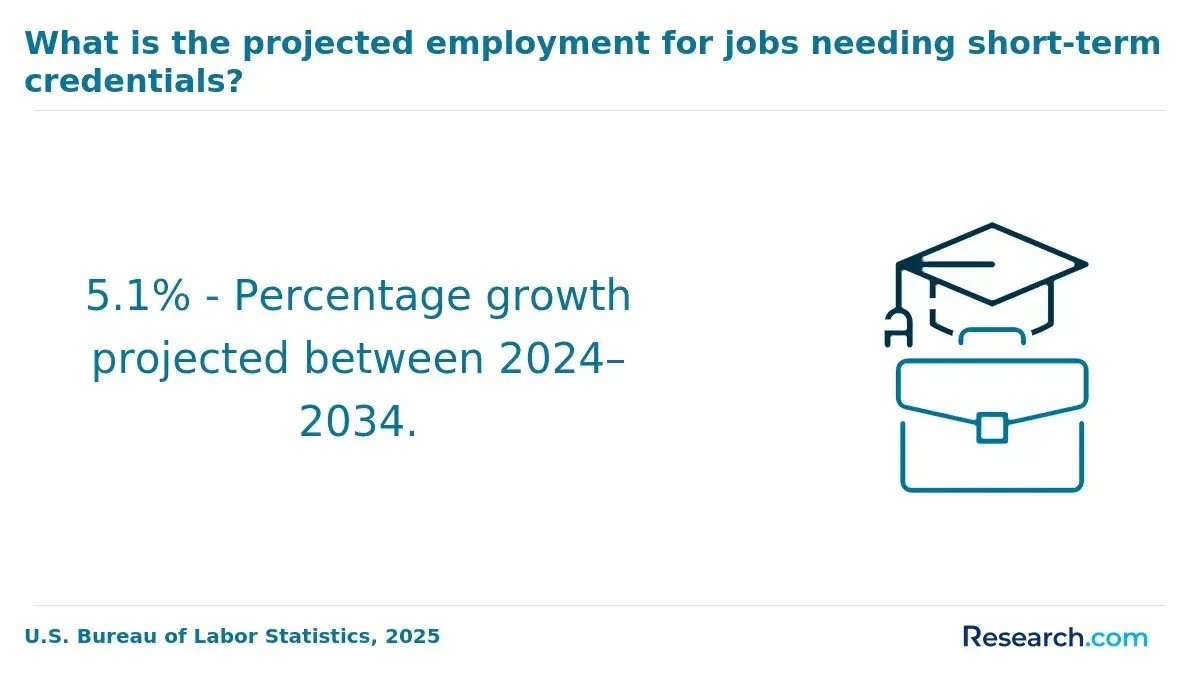
According to the Council for Adult and Experiential Learning in 2024, nearly 70% of institutions formally accept some form of credit for prior learning, reflecting a structural shift toward valuing experiential knowledge while maintaining academic rigor. However, applicants must often navigate complex articulation agreements and grade minimums that determine if credits satisfy major requirements or merely general electives, shaping real-world planning strategies and long-term workforce alignment.
Which Alternative Credits Are Most Commonly Accepted by Political Psychology Programs?
Alternative credit acceptance in political psychology programs has evolved into a strategic approach to enhancing accessibility and accelerating degree completion for adult learners rather than merely adjusting transfer policies. Commonly, institutions recognize credit for prior learning (CPL)-often demonstrated through portfolios or competency assessments-alongside military training credits evaluated under standardized frameworks.
However, these programs frequently impose course equivalency reviews and upper-division credit limits, requiring students to navigate residency requirements carefully. For example, a working professional with significant military experience must verify how much documented training translates into transferrable credits without exceeding institutional caps, which directly affects their timeline and tuition savings.
Standardized exams like CLEP and DSST are widely used to validate foundational coursework, with over 55% of political psychology offerings accepting these scores, according to a 2024 National Student Clearinghouse Research Center report. Additionally, workforce certifications and micro-credentials endorsed by the American Council on Education are increasingly integrated into political psychology curricula to align learning with professional competencies, though acceptance varies by program.
Adults weighing transfer credit options for political psychology adult learners should understand that acceptance policies influence not only affordability but also the flexibility of degree pathways. Informed transfer planning, including leveraging transferable credits effectively, can substantially reduce time to completion while maintaining the academic rigor required by employers.
Institutions balancing transfer standards often differ in the integration of online provider credits and community college coursework, adding complexity to transfer strategies. These variables underscore the need to consult program-specific guidelines and advisors to maximize credit utility.
For those evaluating how to apply prior coursework or certifications, the variability in accepted alternative credits demands a nuanced approach to avoid unexpected delays. Students interested in expanding their educational options may also explore related fields through avenues such as a masters of library science, which sometimes accepts overlapping social science credits, broadening career flexibility.
How Are Political Psychology Schools Improving Transfer Pathways for Community College Students?
Political psychology programs have prioritized refining transfer pathways in response to persistent credit loss among community college students, which a 2024 National Student Clearinghouse Research Center report quantifies at nearly 45% nationally. This friction undermines academic momentum and extends time to degree completion, prompting institutions to invest in articulation agreements and transfer-friendly maps that clarify course equivalencies specific to political psychology curricula.
Such strategies shift the burden from students, who otherwise navigate inconsistent credit recognition, to more systematic frameworks that accommodate prior learning and reduce redundant coursework, though tradeoffs remain as some credits still fall short of program requirements. Universities are also enhancing advising resources with transfer specialists versed in political psychology's unique academic demands, helping adult learners plan course sequences aligning with both work obligations and degree constraints.
Integration of prior learning assessments, including military and professional experience, further diversifies credit acceptance, while online evaluation tools increase transparency, allowing transfer students to weigh options before committing. Despite these advances, variations across institutions mean prospective transfers must engage early and critically with their target schools to assess credit applicability and anticipate potential delays or additional coursework.
How Can Transfer Credits Help Political Psychology Students Graduate Faster?
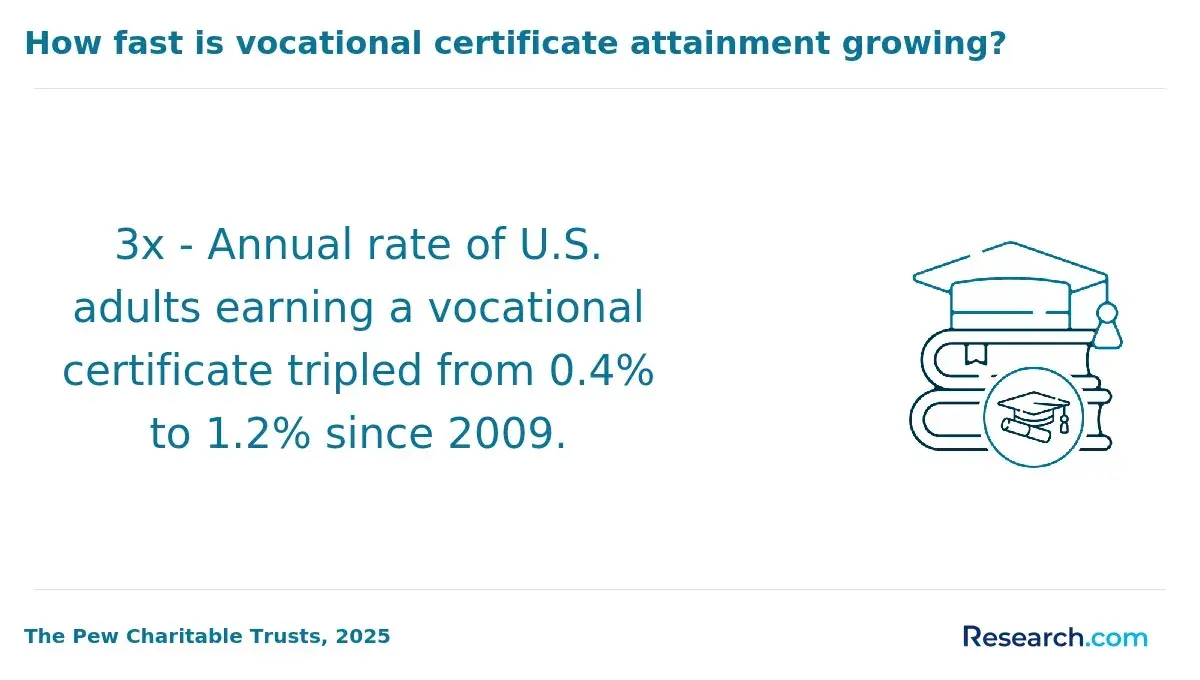
Transfer credit policies for political psychology adult learners play a crucial role in shaping how efficiently students can navigate degree requirements and reduce time to completion. While the ability to apply previously earned credits can theoretically accelerate progress, practical factors like credit applicability to core curriculum, upper-division course requirements, and institutional credit caps often limit the actual impact.
For instance, credits from community colleges or military training may count toward electives but not fulfill specialized political psychology courses, requiring students to carefully plan course sequencing and anticipate possible credit rejection or partial acceptance. Programs increasingly recognize the value of prior learning assessments (PLAs) and formal articulation agreements, especially benefiting working professionals and military-affiliated students aiming for accelerated degree completion through transfer credits in political psychology.
However, the variability in acceptance rates-commonly between 60% and 75%-means transfer students must strategically weigh affordability against the risk of taking redundant courses or extending enrollment. This tradeoff influences enrollment timing, total cost of attendance, and ultimately the synchronization of academic progression with career goals in this interdisciplinary field. Those seeking to navigate these complexities effectively may benefit from consulting resources on the fastest psychology degree offerings to identify programs with more flexible policies and streamlined credit recognition options.
How Much Money Can Students Save Through Political Psychology Transfer Credit Opportunities?
Transfer credit opportunities in political psychology programs create measurable impacts on overall educational costs, but the extent depends heavily on institutional policies and student circumstances. For adult learners or military-affiliated students, recognizing prior learning assessments and military training can significantly shorten degree timelines and reduce tuition expenses, potentially cutting completion time by up to 25%.
Yet, transfer credit caps-often between 60 and 90 credit hours for bachelor's degrees-and variability in course equivalency often dilute these benefits, causing some students to lose credit value and face extended coursework that negates anticipated savings. Decisions regarding enrollment must weigh residency requirements and articulation agreements alongside credit acceptance to optimize cost efficiency and time-to-degree.
According to a 2024 report from the National Student Clearinghouse Research Center, about 35% of transfer students experience credit loss, which can extend study duration and add thousands in expenses. Effective planning involves selecting programs with clear, flexible transfer policies and leveraging experiential learning credits strategically, but students should remain alert to institutional limits that may reduce the monetary advantage of their previously earned credits in political psychology tracks.
How Are Political Psychology Programs Supporting Military Students and Workforce Learners Through Transfer Credits?
Political psychology programs increasingly rely on military training and workforce credentials to accelerate degree completion, but the impact of these credits depends heavily on how schools evaluate and apply them. While approximately 70% of military-affiliated students benefit from transfer credits awarded for prior learning, actual reductions in coursework vary widely due to inconsistent Prior Learning Assessment (PLA) standards and differing articulation agreements among institutions.
For example, a student with substantial military service may bypass several introductory courses, yet still face extended timelines if critical advanced credits are not recognized or if credential alignment with political psychology's interdisciplinary standards is weak. These transfer policies create tangible benefits in degree accessibility but also require careful academic planning. Working professionals and veterans must weigh the value of accepted credits against employer expectations for rigorous academic preparation in political psychology, as excessive credit acceptance without maintaining program standards can undermine credential credibility.
Additionally, nearly 30% of military students encounter barriers transferring occupational training credits, often due to mismatched course content or incomplete documentation, which can delay graduation and complicate workforce reintegration. As programs expand flexible completion pathways, such as competency-based modules, adult learners face tradeoffs between accelerating progress and ensuring their credentials hold practical relevance in both academic and employment settings.
What Transfer Credit Innovations Are Shaping the Future of Political Psychology Education?
Emerging transfer credit practices are significantly reshaping access and degree mobility in political psychology education, particularly for adult learners and transfer students balancing complex schedules. The integration of AI-driven transcript evaluations, which can reduce evaluation time by up to 40%, exemplifies how institutions are addressing administrative bottlenecks to accelerate admission and credit awarding. However, this efficiency gain introduces institutional challenges around transparency and the consistency of credit decisions, requiring students to carefully verify how prior coursework and experiences will be recognized within their chosen programs.
These practical realities underscore the need for nuanced planning when leveraging innovative transfer credit technology in political psychology. Expanded recognition of competency-based education (CBE) and military-affiliated credits further alters the transfer landscape by valuing demonstrated skills over traditional seat time, increasing flexibility for non-traditional students. According to 2024 data, 58% of political psychology programs now incorporate standardized military credit, reflecting Department of Defense efforts to improve workforce alignment.
Despite such advances, uneven adoption across institutions complicates credit portability and poses long-term challenges for degree completion timelines and academic quality assurance. Transfer students must weigh these factors alongside emerging digital credentialing systems, which enhance security and transparency yet remain unevenly implemented, making it essential to anticipate variability in credit acceptance and plan accordingly within political psychology degree pathways. For adults aiming to maximize prior learning, whether through military service or workforce experience, understanding these dynamics is critical to reducing time-to-degree and improving affordability.
Those interested in accelerated programs would also find value exploring options such as 1 year PhD programs online no dissertation to better align educational goals with career trajectories. While interstate transfer agreements attempt to clarify credit alignment, national scalability remains limited, so prospective political psychology students should engage proactively with advisors to navigate transfer credit policy nuances and make strategic decisions that reflect real-world employability and institutional tradeoffs.
How Can Adult Learners Maximize Transfer Credits in a Political Psychology Program?
Maximizing transfer credit in political psychology programs requires a clear strategy that weighs institutional policies against degree-completion goals. For example, an adult learner transferring from a community college might face transfer credit caps typically ranging from 60 to 75 percent of total credits, which restrict how much prior coursework counts toward the degree. Early, detailed transcript evaluations are essential to identify accepted course equivalencies and recognize what experiential credits, such as those from workforce training or military service, can be applied.
According to the National Center for Education Statistics, students at institutions with formal articulation agreements have a 25% higher likelihood of full credit recognition, underscoring the importance of selecting schools with transparent transfer pathways. Programs are increasingly incorporating credit for prior learning (CPL) options, reflecting wider acceptance of nontraditional learning experiences in political psychology degree completion.
However, institutional variations in CPL policies mean adult learners must carefully confirm limits on experiential and standardized exam credits before admission, as overestimating transferable credits can delay graduation and increase educational costs. Using degree-mapping tools helps visualize how transfer credits align with required core and elective courses, enabling more efficient course sequencing. These decisions directly affect time-to-degree and long-term academic flexibility, especially for students balancing work and family responsibilities, including those exploring options like an online spanish bachelor degree for veterans.
References:
- Removing Barriers to Degree Completion: The Dennis-Montagnino TEAMS Model for Student-Centered Transfer Credit https://articlegateway.com/index.php/JSIS/article/view/7008
- New Public Agenda Survey Finds Broad Support to Improve Credit Transfer for Colleges & Universities - Public Agenda https://publicagenda.org/news/bt-pr/
- Paving the Way for Transfer Pathways in Psychology and Sociology https://cic.edu/research/community-college-transfer-pathways/
- College Credit Transfer to Stretch Savings Further https://www.collegesavings.org/college-credit-transfer-to-stretch-savings-further
- What is the transfer policy? https://help.paloaltou.edu/what-is-the-transfer-policy
- How to Transfer College Credits and Finish Your Degree Faster https://www.park.edu/blog/transfer-college-credits-finish-degree-faster/
- Military spouses need support in their educational journeys - EdNC https://www.ednc.org/perspective-missing-from-the-conversation-supporting-military-spouses-in-the-college-transfer-process/
- Adult Postsecondary Learners: Reviewing the Data and Evidence https://www.jff.org/idea/adult-learners/
- Innovation, Equity & The Future of Prosperity – CIFAR https://cifar.ca/research-programs/innovation-equity-the-future-of-prosperity/
- www.degreesight.com: Verifying that you are not a robot... https://www.degreesight.com/news/transfer-credit-evaluation-the-key-to-unlocking-enrollment-growth/
Other Things You Should Know About Political Psychology
Political psychology programs vary widely in how strictly they evaluate the relevance and rigor of transferred credits. Accepting broad, generalized credits can shorten time to degree but may reduce focused coursework on critical theories and methodologies specific to political psychology. Students should weigh whether accelerated completion through broad credit acceptance might lead to gaps in essential analytical skills that employers value. Prioritizing programs that maintain a strong core curriculum while accommodating transfer credits tends to better balance efficiency and depth.
Many employers and graduate programs in political psychology increasingly value practical experience alongside academic credentials. Transfer credits can reduce campus time but may limit opportunities for hands-on research, labs, or internships that are integral to political psychology training. Adult learners should evaluate whether transferring too many credits might restrict engagement in experiential components that enhance employability and analytical competence. When possible, prioritize programs offering flexible experiential learning options that complement transferred coursework.
Programs emphasizing transfer credits often provide accelerated paths, but this can create tradeoffs regarding academic rigor and networking opportunities. Political psychology relies on nuanced understanding of behavior, institutions, and interdisciplinary approaches; streamlined programs may sacrifice discussion, mentorship, and peer collaboration essential for deeper insight. Students needing strong professional connections or intending to pursue advanced studies should consider whether a heavy transfer-credit focus aligns with their long-term goals or limits full immersion in the field.
Employers in policy analysis, consulting, and research often scrutinize not just degree completion but the relevance and recency of coursework. Transferred credits from unrelated or outdated courses can undermine perceived expertise in political psychology's evolving challenges. Adult learners should prioritize transfer credits that align closely with current disciplinary standards and embrace supplementary training or certifications to enhance marketability. Ensuring transfer credits reflect core competencies can help maintain competitive advantage in employer eyes.