2027 Top Industries Hiring Political Psychology Graduates: Demand, Pay, and Growth Trends

Co-Founder and Chief Data Scientist
Consider a recent political psychology graduate weighing career options amid a diverse job market. Facing choices from government to private sectors, the graduate must assess where their skills align with demand. Understanding which industries actively recruit political psychology graduates, the salary ranges they offer, and the growth trends shaping those fields becomes essential. This insight helps avoid dead ends and supports informed decisions about further training or specialization.
Industries vary significantly in how they value political psychology expertise and the opportunities they provide. Some sectors may offer lucrative salaries but limited growth, while others expand rapidly with moderate pay. Employer expectations evolve alongside these trends, influencing the skills and experiences that candidates should develop. This article examines the top industries hiring political psychology graduates, highlights where salaries are highest, identifies the fastest-growing sectors, and explores how students can best prepare for these emerging career landscapes.
Key Things to Know About the Top Industries Hiring Political Psychology Graduates
- Government agencies employ over 40% of political psychology graduates, reflecting steady demand; graduates should prioritize policy analysis roles for long-term stability amid budget sensitivity.
- Private sector consulting and think tanks offer 15-20% higher average salaries, indicating stronger financial growth but also requiring advanced data analytics skills.
- Hiring trends favor interdisciplinary expertise integrating AI and behavioral science, suggesting graduates must adapt continuously to remain competitive in evolving employer landscapes.
- Key Things to Know About the Top Industries Hiring Political Psychology Graduates Key Things to Know About the Top Industries Hiring Political Psychology Graduates
- Which Industries Hire the Most Political Psychology Graduates? Top Industries
- Which Industries Offer the Highest Salaries for Political Psychology Graduates? Highest Salaries
- Which Industries Have the Fastest Growth for Political Psychology Careers? Growth Trends
- Which Employers Commonly Recruit Political Psychology Graduates? Top Employers
- Which Skills Are Most In Demand Across Political Psychology Industries? In-Demand Skills
- How Do Career Paths Differ Across Industries for Political Psychology Graduates? Career Paths
- How Do Industry Trends Affect Future Opportunities for Political Psychology Graduates? Industry Trends
- How Can Students Prepare for High-Demand Political Psychology Industries? Career Preparation
- How Do Different Political Psychology Degree Programs Prepare Students for Industry Careers? How Do Different Political Psychology Degree Programs Prepare Students for Industry Careers?
- Which Industry Is the Best Fit for Your Political Psychology Career Goals? Which Industry Is the Best Fit for Your Political Psychology Career Goals?
Which Industries Hire the Most Political Psychology Graduates?
Graduates with a political psychology degree find opportunities in multiple sectors where understanding human behavior in political contexts is crucial. The demand for professionals skilled in analyzing voter behavior, political risk, and social dynamics remains resilient despite economic ups and downs. According to the U.S. Bureau of Labor Statistics (2024) and reports from leading research organizations, political psychology-related roles are most concentrated in a handful of industries that require nuanced behavioral insights to inform strategy and policy. The following industries stand out for hiring the largest share of political psychology graduates.
- Government agencies: As the primary employer of political psychology graduates, government departments focused on national security, intelligence, and public policy extensively engage these professionals. Their expertise aids in assessing public opinion, managing communication strategies, and informing policy decisions. Stability in funding and the critical nature of their work ensure ongoing demand, especially in federal and state institutions.
- Higher education: Universities and research institutions capitalize on political psychology graduates for roles as faculty, researchers, and program coordinators. The rise of interdisciplinary programs combining political science with psychology boosts opportunities for scholarly inquiry and teaching. These positions appeal to those interested in advancing knowledge and mentoring future professionals.
- Consulting firms: Specialized market research and strategic communication firms recruit political psychology graduates to apply behavioral data in shaping election campaigns and guiding corporate or political client decision-making. The growth of data-driven political consulting intensifies hiring demands, particularly for candidates adept at translating complex human behavior into actionable strategies.
- Nonprofit organizations: Advocacy groups focusing on civil rights, voter engagement, and social justice depend on political psychology graduates to design initiatives that mobilize communities and influence policy. Increased societal focus on equity and participation sustains recruitment, making this sector attractive for graduates driven by mission-based work.
For students exploring career options or credential enhancement, pursuing options like masters degrees online can facilitate entry into these sectors by deepening expertise and expanding professional networks. Employment distribution in 2024 reflects that government agencies and higher education institutions collectively employ over 60% of political psychology graduates entering the workforce, underscoring their prominence in the job market for this field.
Which Industries Offer the Highest Salaries for Political Psychology Graduates?
Salary differences among industries employing political psychology graduates largely stem from the varying demand for specialized expertise, the complexity of the work environments, and the financial resources allocated within each sector. Industries that handle sensitive data analysis, strategic advisory roles, or policy impact assessments often compensate more to attract top talent who can navigate these challenges. Conversely, sectors with limited funding or slower career progression typically offer lower starting salaries but may have other non-monetary benefits. Understanding these distinctions can help graduates make informed decisions based on their priorities for salary versus work environment stability or research focus. Below are key industries where political psychology graduates tend to find the highest salaries.
- Federal Government Agencies: These institutions frequently offer some of the highest salaries due to the critical nature of their work in national security, foreign policy, and intelligence. Roles such as behavioral analysts and policy advisors require deep interdisciplinary knowledge, and median annual wages for these positions often range from $85,000 to over $110,000, according to U.S. Bureau of Labor Statistics data. Federal employment also offers relative job stability and benefits, with geographic hubs influencing earning potential.
- Private Sector Consultancy: Consulting firms focusing on political risk, public opinion, and strategic communication generally command premium pay scales, propelled by the market's demand for actionable behavioral insights. Political psychology graduates in this sector typically start between $75,000 and $95,000, with experienced consultants exceeding $120,000 annually. The fast-paced, target-driven environment rewards those who translate research into practical strategies for corporate or government clients.
- Academia and Research Institutions: Although starting salaries for academic positions in political psychology and related fields tend to be modest-approximately $60,000 to $75,000-the potential for earnings rises substantially with tenure, funded research, and publication success. Advanced roles may surpass $120,000, but competition for these positions is intense, requiring a sustained track record of scholarly contribution.
- Market Research Firms: Specialized research organizations leverage political psychology to analyze voter behavior, social trends, and media influence, often offering competitive salaries aligned with private consultancy standards. These roles demand expertise in data interpretation and strategic insight delivery, with salaries varying by project scope and client base.
Many prospective students might explore additional options such as a PhD organizational leadership to further enhance their qualifications and salary prospects within these competitive and evolving industries.
Which Industries Have the Fastest Growth for Political Psychology Careers?
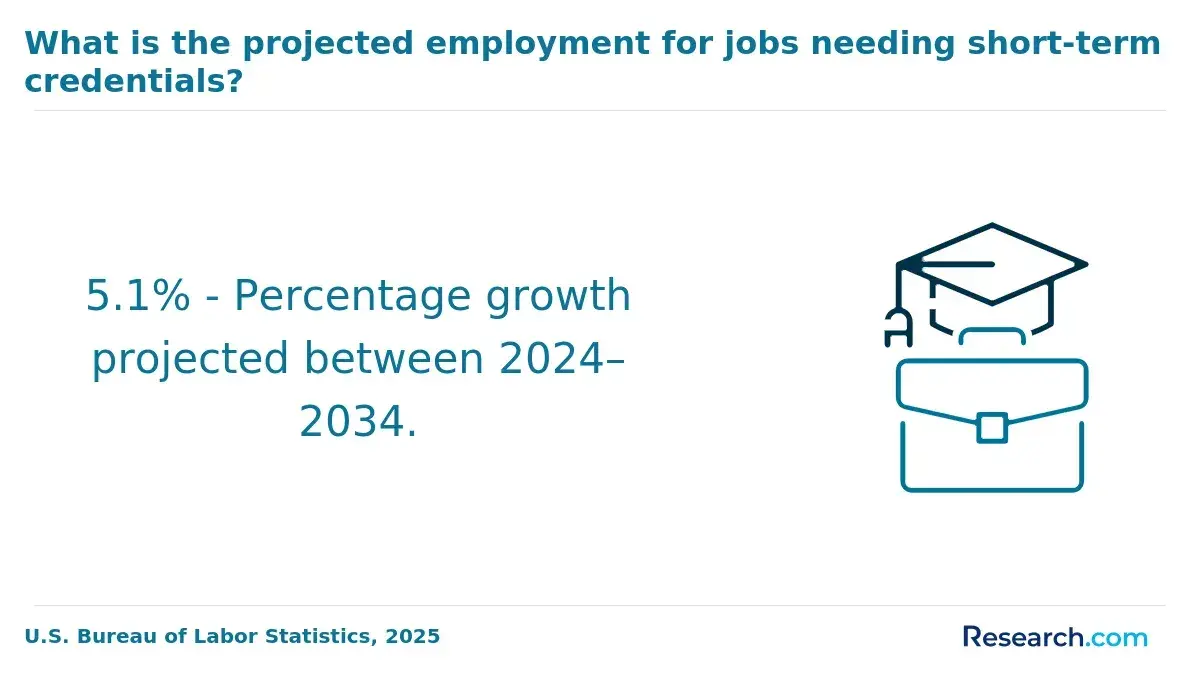
Evaluating industry growth is crucial for political psychology graduates aiming to build sustainable careers. Industries expanding rapidly tend to offer increasing job opportunities, more competitive salaries, and potential for meaningful impact. However, growth also varies by region, organizational priorities, and specialty areas within political psychology, making it essential to consider where demand aligns with one's skills and aspirations. Recent projections from the U.S. Bureau of Labor Statistics highlight social science and policy-related government roles growing faster than average through 2034. The following outlines key sectors with the most promising prospects for political psychology professionals.
- Federal Government: As the largest employer of political behavior analysts, demand here is propelled by heightened focus on intelligence, public policy, and counterterrorism. Federal agencies require expertise to navigate shifting political landscapes and social movements. This sector offers relatively stable growth and roles in policy development, electoral research, and strategic communication, though bureaucratic structures may limit flexibility.
- Technology Industry: Firms specializing in data analytics, social media, and AI increasingly recruit political psychology experts to analyze online political discourse and design algorithms that account for user behavior. This sector's growth is driven by digital transformation and public scrutiny of misinformation. Careers here blend cutting-edge research with ethical challenges related to privacy and influence, often offering dynamic environments but with greater job volatility.
- International Organizations: Agencies and think tanks addressing diplomacy, global conflict, and cross-cultural negotiations call for political psychology knowledge to inform policy and communication strategies. Growth in this area is steadier though slower, typically tied to nonprofit funding and government grants. Opportunities often come with the potential for high-impact work influencing international relations, albeit sometimes with lower financial rewards relative to the private sector.
A recent graduate, having hesitated between tech and government roles, ultimately chose a government analyst position after an internship revealed the complexities of policy impact on diverse populations. They recalled feeling uncertain during the job search, unsure if the slower-paced government environment would satisfy their drive for innovation. However, firsthand experience in crafting policy responses to political unrest demonstrated the tangible influence and professional stability offered by federal agencies, affirming their decision despite initial reservations about bureaucracy and salary limits.
Which Employers Commonly Recruit Political Psychology Graduates?
Recognizing the primary employers of political psychology graduates can critically shape how students and career changers tailor their academic focus, extracurricular involvement, and internship choices. Hiring trends vary notably by specialization within political psychology, regional labor markets, and industry-specific demands, making it essential to approach career planning with nuanced expectations. For instance, someone aiming to work in electoral analysis will find different employers and roles than a graduate targeting conflict resolution or corporate consulting. Aligning education and experience toward sectors demonstrating consistent demand enhances job prospects and informs realistic compensation expectations.
The following outlines the most frequent organizational types recruiting political psychology professionals, supported by recent workforce data from the American Psychological Association and the U.S. Bureau of Labor Statistics in 2024.
- Government Agencies: Federal, state, and local governments stand as the largest employers of political psychology graduates, representing over 40% of hires identified in 2024 labor reports. These roles often involve policy development, public opinion research, and electoral data analysis in departments of justice, legislative offices, and policy planning divisions. Government entities offer relative stability and opportunities to influence public governance, appealing to those interested in impactful, mission-driven careers.
- Think Tanks and Research Institutes: These organizations hire specialists to conduct empirical studies on political behavior, social movements, and communication strategies. Engaged in policy advising and advocacy research, think tanks provide dynamic environments where graduates apply statistical and behavioral expertise. Their partnerships with nonprofits and international agencies make them attractive for those focused on governance and human rights.
- Private Sector Consulting and Media: Consulting firms and media companies increasingly seek political psychology graduates for strategic communication, political risk evaluation, and audience profiling. These roles demand acute analytical skills and adaptability to fast-paced, client-driven settings. Graduates here can command higher salaries reflecting their ability to translate political insights into actionable corporate strategies.
- Academic Institutions: Universities and colleges remain important employers, especially for graduates targeting research and teaching careers. Positions involve developing new theories, publishing studies, and educating the next generation of political psychologists. Though often requiring advanced degrees, academia offers long-term intellectual engagement and contributions to the field's knowledge base.
Which Skills Are Most In Demand Across Political Psychology Industries?
Skills that remain valuable across multiple industries typically reflect deep analytical capacity, clear communication, and ethical judgment-competencies that underpin effective decision-making and adaptability. In political psychology, these capabilities are essential because they translate into understanding complex social dynamics and influencing policy outcomes, both of which are relevant in government, nonprofits, consulting, and beyond. For example, a professional skilled in survey methodology and statistical software can interpret voter behavior data for a campaign, then shift to analyzing public health communication for a nonprofit. Recent reports from government labor statistics confirm that critical skills for political psychology careers, such as data analysis and communication, have grown steadily in demand, underscoring their cross-sector importance.
The most valued abilities in political psychology jobs include the following:
- Advanced data analysis: Mastery of tools like SPSS, R, and Python is crucial for interpreting political trends and voter data. This skill set enhances employability in research-heavy roles and allows graduates to adapt to varied analytic demands across sectors.
- Critical thinking: Employers seek graduates who can evaluate evidence rigorously and develop nuanced policy recommendations. Political psychology programs foster this through coursework and applied research, supporting sustained career growth.
- Effective communication: The ability to articulate complex insights in accessible ways benefits interactions with policymakers and public audiences alike. Developing strong writing skills, particularly for policy briefs and reports, is a practical focus during study.
- Experimental design expertise: Designing rigorous studies and surveys enables professionals to uncover cognitive biases and social influences. This competence is pivotal for nonprofits and governmental agencies conducting behavioral research.
- Cross-cultural competence: Ethical awareness and sensitivity to diverse populations are increasingly demanded, as political psychology careers often engage global issues and multicultural settings.
- Qualitative research skills: Techniques including interviews and focus groups help professionals provide rich, contextual behavioral insights-valuable for think tanks and advocacy groups.
- Adaptability and collaboration: The interdisciplinary nature of political psychology necessitates teamwork and flexible thinking, especially in environments that integrate psychology with policy, international relations, or social advocacy.
For individuals considering further specialization, exploring an online masters in communication can augment these core political psychology skills, particularly enhancing message development and stakeholder engagement capabilities important across many roles.
How Do Career Paths Differ Across Industries for Political Psychology Graduates?
Choosing the right industry can shape a political psychology graduate's career trajectory as much as the degree itself. Different sectors prioritize distinct skills, experiences, and outcomes, often rewarding specialization in unique ways. For example, working in government might emphasize stability and structured advancement, while consultancy roles may offer quicker promotions but less job security. Understanding these contrasts helps graduates align their career choices with their priorities, whether that's salary growth, impact, or work-life balance. Below are key factors illustrating how career paths differ across industries for political psychology graduates.
- Employment Stability:Government roles typically provide greater job security, benefiting from formal civil service structures and steady demand, with the 2024 U.S. Bureau of Labor Statistics projecting an 8% growth in related social science positions. Conversely, private sector jobs often carry higher turnover and unpredictability despite faster salary increases.
- Advancement Pace:Private consulting and research firms usually offer accelerated promotion timelines, rewarding data analytics and leadership skills with earlier management roles. In contrast, career progression in academia or government often follows lengthier tenure-based evaluations.
- Skill Utilization:Consulting jobs emphasize quantitative methods and behavioral modeling, aligning with market-driven projects, while academia focuses on research output, publication, and grant success. Government positions combine policy analysis with strategic advisory functions, requiring broad interdisciplinary competencies.
- Impact and Influence:Think tanks and academic institutions enable shaping public discourse through research, providing intellectual leadership. Nonprofits and international organizations prioritize social missions, offering roles that influence civic engagement and human rights but with limited hierarchical growth.
- Salary Trajectories:Although nonprofits may start with lower pay, growth lies in program management rather than traditional promotions. Private sectors tend to offer higher immediate compensation but can involve volatility. Government roles offer predictable raises tied to service length and structured evaluations.
- Work Environment:Government jobs often feature formal hierarchies and bureaucratic processes, suitable for those valuing clear expectations. Private sector roles demand adaptability amid shifting client needs, and academia requires resilience to competitive funding climates.
- Long-Term Security and Freedom:Tenure in academic roles guarantees substantial job security and intellectual independence, a tradeoff for slower career mobility. This contrasts starkly with private sector roles, where freedom is greater but long-term stability less assured.
How Do Industry Trends Affect Future Opportunities for Political Psychology Graduates?
Industry trends play a crucial role in shaping the career landscape for political psychology graduates by influencing demand, salary potential, and the skill sets employers prioritize. As global political climates and technology evolve, so do the opportunities and challenges within related fields. Graduates aiming to remain competitive must anticipate these shifts rather than rely on static notions of career paths. The following key trends highlight how the future employment outlook for political psychology professionals is being reshaped.
- Geopolitical Tensions: Rising international conflicts and complex diplomatic environments increase the need for political psychologists in government agencies and think tanks. These roles often focus on policy advise, intelligence analysis, and public opinion research, requiring graduates to blend psychological insight with political acumen. Preparing for these roles means developing nuanced analytical skills and staying informed on global affairs.
- Data-Driven Campaigning: The expansion of data analytics in political communication has amplified demand for specialists who understand voter psychology and decision-making processes. This shift opens doors in consulting and political risk analysis but demands continual learning in quantitative methods and behavioral data interpretation to remain relevant in a competitive private sector.
- Digital Platform Influence: Growth in social media and cybersecurity sectors is creating novel roles aimed at mitigating online manipulation and establishing ethical frameworks for political advertising. Graduates with a grasp of both psychological tactics and digital technology have a unique advantage in these emerging markets where salary prospects often exceed traditional positions.
- Interdisciplinary Skill Sets: Combining political psychology with fields like data science and behavioral analytics enhances employability, especially in newly developing areas such as climate policy communication and public health messaging. Flexibility and cross-sector competence are increasingly valuable to employers facing multifaceted societal challenges.
According to recent analysis by the U.S. Bureau of Labor Statistics in 2024, employment in social science and political analysis sectors is projected to grow at a rate above the national average, reflecting rising institutional reliance on behavioral expertise to navigate complex political terrains.
Reflecting on these realities, one political psychology graduate recounted uncertainty when choosing between traditional government roles and emerging private sector opportunities. Initially hesitant due to the rapid pace of technological change influencing job requirements, this individual ultimately pursued additional training in data analytics. The decision was driven by witnessing firsthand how digital strategies shaped voter behavior in a crucial election cycle. This blend of psychology and technical skills later proved instrumental in securing a position at a cybersecurity firm focused on combating online disinformation, illustrating how adapting to industry trends can create unexpected but rewarding career pathways.
How Can Students Prepare for High-Demand Political Psychology Industries?
Students preparing for high-demand political psychology industries must go beyond coursework to develop a robust combination of analytical skills, practical experience, and technical expertise. Employers increasingly value candidates proficient in quantitative research methods and with direct exposure to real-world policy environments. For instance, a student completing an internship at a government agency focused on voter behavior gains insights that cannot be replicated in the classroom alone. Recognizing these industry demands early can help students strategically plan their academic and professional paths. Below are targeted strategies to enhance readiness for political psychology careers with strong employment potential.
- Targeted Internships: Securing placements within government bodies, advocacy groups, or think tanks provides hands-on exposure to political behavior analysis and policymaking. These experiences build applied knowledge that significantly improves job market competitiveness.
- Quantitative Research Skills: Developing proficiency in statistical software such as SPSS, R, or Python equips students to handle complex data sets and supports evidence-based conclusions. These skills are increasingly demanded in public policy consulting and electoral strategy firms.
- Interdisciplinary Collaboration: Working within teams that blend social science and data analysis enhances problem-solving capabilities and mirrors professional environments where diverse expertise integrates to address political challenges.
- Professional Organization Involvement: Joining bodies like the International Society of Political Psychology provides networking, mentorship, and access to cutting-edge research, helping students remain current and connected.
- Applied Research Projects: Engaging in real-world research during studies solidifies theoretical understanding and improves critical thinking. The Bureau of Labor Statistics notes that such experiences improve graduate employability by up to 20%.
- Focus on Technical Competencies: Prioritize learning data science skills highlighted by the National Science Foundation, which can boost starting salaries by 15% or more in relevant industries.
- Ethical and Cultural Training: Participating in workshops on ethics and cross-cultural communication prepares students for the diverse environments within political psychology roles.
Strategic preparation demands combining academic achievement with focused practical experience and continual skill development. For students considering related fields, exploring options like an online physics degree can provide complementary analytical training applicable in quantitative political psychology careers. This comprehensive approach helps navigate the varied demands across industries and secures sustainable career pathways.
- Skills required for political psychology careers
- Educational pathways for political psychology jobs
How Do Different Political Psychology Degree Programs Prepare Students for Industry Careers?
Political psychology degree programs prepare graduates for diverse industry careers by integrating theory with applied skills. According to the National Center for Education Statistics' 2024 data, students involved in experiential learning such as internships or research projects are 30% more likely to secure employment within six months of graduation. These practical experiences develop competencies that industry employers prioritize, especially in government agencies and consulting firms. Career readiness varies significantly by how programs emphasize interdisciplinary approaches and data analysis. Below are key factors to consider when assessing how different political psychology degree programs prepare students for industry careers.
- Experiential Learning: Programs that prioritize internships, case studies, and collaborative research equip students with real-world problem-solving skills essential for roles in policy analysis and consulting. Assess whether a program offers structured opportunities aligned with your target industry.
- Quantitative Training: Coursework in statistics, data analysis, and behavioral measurement differentiates graduates entering intelligence or advocacy organizations. Compare programs by the depth and applicability of their quantitative methods content.
- Interdisciplinary Curriculum: Exposure to economics, sociology, and law helps graduates adapt to evolving employer demands across public administration and nonprofit sectors. Look for programs that integrate multiple social sciences meaningfully.
- Communication Skills Development: Effective interpretation of political behavior and policy requires strong communication training. Programs emphasizing writing and presentation skills often produce candidates favored by think tanks and international relations employers.
- Industry Connections: The strength of a program's professional network impacts internship availability and job placement. Research whether faculty and alumni actively facilitate career pathways relevant to your goals.
- Flexibility and Learning Modalities: Whether students prefer in-person, hybrid, or online formats can affect skill acquisition and networking. For example, some benefit from fully online options like a bachelor of project management online that complements political psychology competencies for project-based roles.
- Career Outcomes Transparency: Programs that publish graduate employment statistics, salary data, and industry sectors provide clearer insight into potential returns on investment. Analyze reported outcomes to align expectations with your desired employment sector.
Students should weigh these factors in light of their intended career path since no single political psychology degree program equips all graduates equally across every industry. Understanding the skills gained from political psychology degrees for industry and how each program's focus intersects with workforce demands is critical for informed choices.
Which Industry Is the Best Fit for Your Political Psychology Career Goals?
Determining the best industry for a political psychology career hinges largely on individual priorities such as preferred work environment, specialization interests, earning goals, lifestyle, and the desired type of impact. For instance, one graduate focused on policy analysis and national security might gravitate toward government roles due to their stability and public-sector benefits, while another interested in behavioral risk assessment and election strategy may find private consulting firms more aligned with ambitions for higher salaries and dynamic project work. These choices illustrate how identical degrees can lead to divergent career paths when aligned with distinct professional goals and values.
Making a well-informed industry choice involves researching employer expectations, projected growth, necessary skills, internship opportunities, and career trajectories while reflecting on personal strengths and interests. The 2024 U.S. Bureau of Labor Statistics and American Psychological Association data highlight salary potential and demand as key factors graduates prioritize when selecting an employer. Ultimately, the strongest career decisions come from matching one's goals with industry conditions rather than chasing the highest pay or fastest growth, acknowledging that success is achievable across multiple sectors with the right preparation and deliberate planning.
References:
- Courses in Political Psychology - ISPP https://ispp.org/resources/courses/
- Political Psychology - Political Studies Association https://www.psa.ac.uk/specialist_groups/c59/
- What is Political Skill in I-O Psychology? - Organizational Psychology Degrees https://www.organizationalpsychologydegrees.com/faq/what-is-political-skill-in-i-o-psychology/
Other Things You Should Know About Political Psychology
Political psychology graduates often face a tradeoff between established sectors like government agencies that offer relative job security and emerging fields such as tech-driven political analytics, which can be more volatile but potentially lucrative. Prioritizing sectors with stable funding cycles and clearer career progression tends to reduce employment risk. However, those comfortable with uncertainty might benefit from entering newer, less saturated markets where growth and innovation could accelerate career advancement.
Moving from academia to industry often means shifting from long-term, theory-driven projects to shorter timelines with immediate practical outcomes. This transition can result in increased workload intensity and pressure to deliver actionable insights quickly, especially in consulting or political campaign firms. Graduates should anticipate a faster pace and prioritize skills in clear communication and project management to meet employer expectations effectively.
Industries that integrate political psychology closely with data science, behavioral economics, or communications typically offer better pay and faster growth, but require adaptability across fields. Graduates less inclined or trained for interdisciplinary work may face stagnant salaries and limited advancement. Focusing on programs or jobs that encourage broad skill application can enhance long-term career prospects significantly.
While industries with numerous entry-level positions provide easier access, they may also have slower promotion tracks and lower initial pay. Conversely, sectors demanding specialized expertise may require more time or additional credentials but tend to offer superior long-term opportunities and compensation. Graduates should evaluate their readiness for advanced roles and consider investing in specialized skills to position themselves for sustainable career growth rather than quick employment alone.