2027 Political Psychology Skills Gap Analysis: What Employers Want vs What Degree Programs Teach

Co-Founder and Chief Data Scientist
Imagine a recent political psychology graduate struggling to land a job despite strong academic credentials. The resume highlights relevant coursework and a thesis on voter behavior, yet employers repeatedly emphasize gaps in practical skills and workplace readiness.
This disconnect leaves many graduates unsure how their degree prepares them for real-world demands in policy analysis, campaign strategy, or conflict resolution roles. The core challenge is a misalignment between what degree programs teach and what employers expect from entry-level candidates. Programs often prioritize theory and research methods over applied skills and professional competencies.
This article examines the specific skills employers seek in political psychology candidates, compares them with current degree offerings, and offers insights on bridging the gap to improve career outcomes.
Key Things to Know About Political Psychology Skills Gap
- Degree programs often emphasize theoretical frameworks, while employers prioritize applied skills like data analytics and behavioral modeling, creating a gap that can delay job readiness in policy-related fields.
- Graduates are expected to develop advanced quantitative reasoning and interdisciplinary communication skills beyond coursework, as 68% of employers in 2024 cite these as critical for effective political psychology roles.
- Proactive internship participation and targeted skills workshops significantly enhance career readiness, mitigating academic-practical mismatches and improving employment prospects before graduation.
- Key Things to Know About Political Psychology Skills Gap Key Things to Know
- What Skills Do Employers Expect From Political Psychology Graduates? Employer Expectations
- What Do Political Psychology Degree Programs Typically Teach? Program Curriculum
- Where Is the Biggest Skills Gap Between Political Psychology Programs and Employers? Biggest Skills Gap
- Which Technical Skills Are Most Important for Political Psychology Careers? Technical Skills
- Which Workplace Skills Matter Beyond Technical Knowledge? Workplace Skills
- How Do Internships and Real-World Experience Improve Career Readiness? Career Experience
- How Can Students Close the Political Psychology Skills Gap Before Graduating? Closing Skills Gap
- How Is the Political Psychology Job Market Changing Employer Skill Requirements? Changing Skill Requirements
- How Do Different Political Psychology Programs Compare in Career Preparation? Career Preparation
- How Should Students Choose a Political Psychology Program That Builds Career-Ready Skills? Choosing a Program
What Skills Do Employers Expect From Political Psychology Graduates?
Employers in fields related to political behavior and social research increasingly seek graduates who go beyond theoretical knowledge, emphasizing a blend of analytical expertise and adaptable professional skills. According to 2024 labor market insights from LinkedIn and the World Economic Forum, there is a rising demand for candidates who can couple rigorous data analysis with clear communication and strategic thinking.
For instance, in roles shaping electoral strategies, professionals must translate complex voter data into understandable recommendations for campaign teams, balancing technical insight with persuasive messaging. Recent job market analyses highlight a strong competition for graduates demonstrating both applied research skills and interpersonal agility.
The following list outlines key professional competencies for political psychology graduates that commonly align with these employer expectations:
- Data Analytics Proficiency: Employers prioritize fluency with tools like SPSS, R, and Python, as these enable graduates to perform nuanced quantitative analyses crucial for evidence-based policy and social research. Training in these platforms often occurs through advanced coursework and practicum settings, equipping students to handle large datasets effectively.
- Effective Communication: The ability to distill complex research findings into clear, actionable insights is essential. Graduates refine these skills through writing-intensive projects and presentations, enabling them to engage diverse audiences from policymakers to community groups.
- Critical Thinking and Adaptability: Navigating volatile political environments requires robust analytical reasoning and flexibility. Coursework integrating sociology, international relations, and cognitive psychology fosters an interdisciplinary mindset necessary for informed judgment and problem-solving.
- Emotional Intelligence and Cultural Competence: Increasingly, roles demand sensitivity to diverse perspectives and conflict resolution capabilities. Exposure to varied populations through internships or fieldwork helps students develop the interpersonal skills vital for community outreach and stakeholder collaboration.
- Research Design and Implementation: Proficiency in designing qualitative and quantitative studies is valued as it ensures graduates can independently produce reliable and relevant data. This skill is commonly honed in capstone projects or collaborative research initiatives.
- Stakeholder Engagement: Graduates often contribute to programs requiring liaison with government bodies, NGOs, or private entities. Experience managing such relationships cultivates negotiation skills and strategic communication essential in applied political psychology roles.
- Practical Experience Integration: Employers appreciate candidates who have complemented academic knowledge with real-world practice. Programs encouraging practicum engagements help bridge the gap between theory and workplace realities, improving workforce readiness.
Labor reports consistently show that over 70% of political psychology-related job openings emphasize a combination of technical capabilities and professional competencies, reinforcing the importance of graduates cultivating a balanced skillset. Prospective students may consider pursuing an online bachelor's degree designed to integrate these areas, facilitating both practical experience and theoretical mastery necessary for this dynamic field.
What Do Political Psychology Degree Programs Typically Teach?
Political psychology degree programs generally develop a comprehensive skill set that bridges psychological theories and political contexts, preparing students to analyze complex social and political dynamics.
Their curricula reflect a commitment to integrating foundational knowledge with empirical research methods, yet the balance of theory and application can vary by format and institution. For example, a student analyzing voter behavior in a local election will rely heavily on cognitive and social identity theories, as well as quantitative methods, to interpret how group affiliations influence electoral outcomes.
Below are the typical core curriculum areas and competencies emphasized across political psychology degree programs, which collectively support critical thinking and employability in diverse settings:
- Cognitive and Social Psychological Foundations: Programs emphasize understanding cognitive processes and social identity theory to examine how individuals and groups form political attitudes. This foundation is critical for recognizing biases and motivations in political behavior, essential for roles in policymaking and advocacy.
- Research Methodology and Statistical Analysis: Students learn qualitative and quantitative research methods, including survey design and experimental analysis, preparing them to critically assess empirical data. Despite high theoretical focus, fewer than 40% of programs integrate advanced programming skills, which affects graduate readiness for data-intensive roles.
- Political Behavior and Public Opinion: Coursework explores how psychological theories explain voting patterns, belief systems, and opinion formation, enabling graduates to predict and interpret political trends. This area bridges academic concepts and real-world political environments, useful for campaign strategists and analysts.
- Ethics and Media Influence: Ethical considerations and the impact of digital media on political cognition are core components, reflecting the growing role of social media and misinformation. Training here sharpens students' ability to navigate contemporary political communication challenges.
- Applied Policy and Conflict Resolution: Many programs cover policy evaluation techniques and conflict mediation, offering practical frameworks for careers in public service or international relations. However, only about half incorporate internships or applied experiences, which may limit hands-on skill acquisition.
- Content Analysis and Psychometrics: Instruction in content analytic methods and measurement tools is standard, developing expertise in handling political texts and psychological scales. These skills are increasingly requested in research and government sectors.
- Interdisciplinary Integration: Political psychology curricula often draw from social science methodologies to foster interdisciplinary thinking, enhancing adaptability across academic, nonprofit, and governmental roles.
Programs differ in their delivery through online, hybrid, or campus formats, impacting student engagement with these core areas. Prospective students should consider how each mode aligns with their learning preferences and access to practical experiences when selecting a political psychology degree path.
Additionally, students may benefit from supplementing their education with technical skills found in some CACREP-accredited programs that emphasize applied competencies, enhancing marketability in competitive job markets.
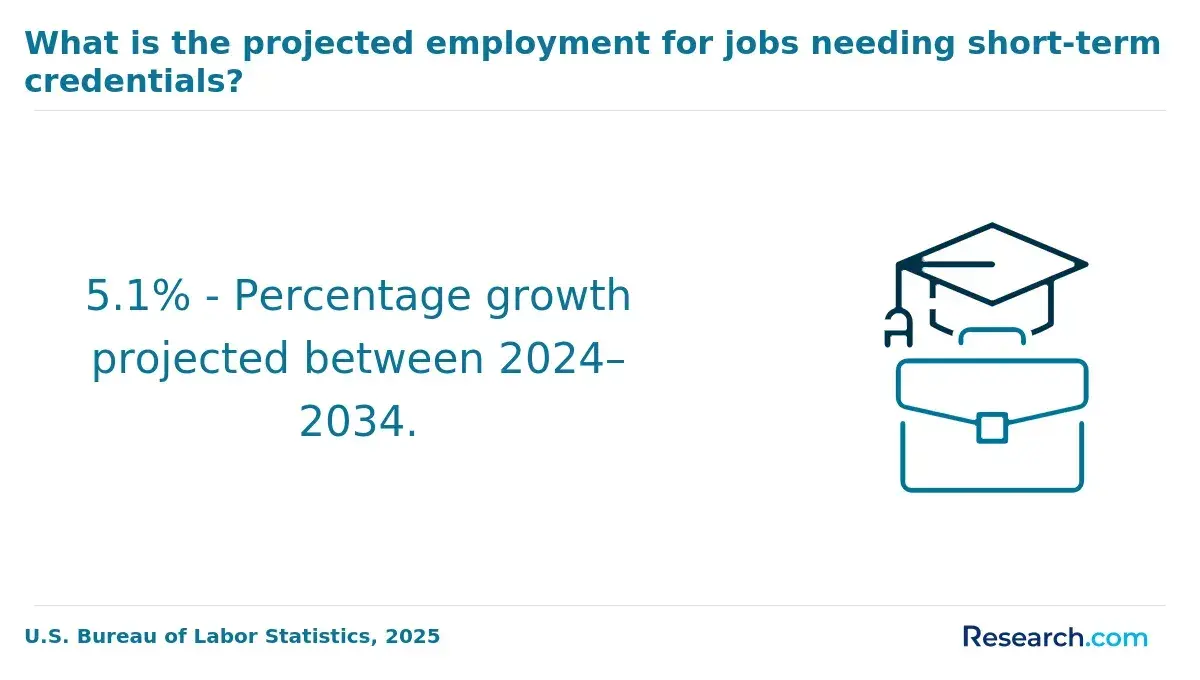
Where Is the Biggest Skills Gap Between Political Psychology Programs and Employers?
There is a clear and recurring divergence between what political psychology degrees emphasize and the competencies employers currently prioritize. Although many programs embed essential theories and behavioral concepts, graduates often find themselves underprepared for the more technical and applied demands of today's political workforce.
Employer surveys from 2024, including those by the National Association of Colleges and Employers, reveal a striking mismatch: proficiency in data science and predictive analytics ranks as a critical skill yet remains scarce among fresh graduates.
Below are the most frequent areas where this skills gap manifests and how students might proactively address them:
- Advanced Quantitative Methods: Curriculum frequently concentrates on foundational statistics rather than mastery of complex analytical tools such as R, Python, or machine learning techniques. This shortfall limits graduates' ability to analyze large datasets crucial for policy analysis or campaign strategy. Supplementing coursework with online certifications or independent projects focused on data analytics can mitigate this gap.
- Applied Data Analytics: Although theory-driven models are central to programs, practical experience interpreting and visualizing political data is often insufficient. Without hands-on skills in statistical software, graduates struggle to meet employers' expectations for actionable insights. Engaging in internships that offer real-world data responsibilities builds both competence and confidence.
- Professional Communication: The ability to translate complex psychological findings into clear, persuasive policy recommendations or stakeholder presentations is rarely formalized in curricula. Employers value nuanced yet accessible communication, which can be improved through targeted writing workshops or collaboration on interdisciplinary teams.
- Interdisciplinary Collaboration: Many political psychology graduates face challenges working within diverse teams that include data scientists, policymakers, and communicators. Programs seldom provide consistent training in negotiation or teamwork dynamics, which are vital in think tanks and government agencies. Seeking cross-departmental projects or group-led internships can strengthen these skills.
Reflecting on these gaps, one recent graduate shared the challenge of transitioning from theoretical knowledge to practice in a policy research internship. While confident in understanding voter behavior theories, they hesitated when asked to run regression analyses and create visual data reports under tight deadlines.
The experience illuminated the urgency of supplementing academic credentials with technical skills and clear communication strategies to fully contribute in professional political environments. This firsthand challenge underscores how bridging this divide requires intentional upskilling alongside formal education.
Which Technical Skills Are Most Important for Political Psychology Careers?
Technical skills serve as a bridge between the theoretical foundation provided by a political psychology degree and the practical demands of the workplace. As tools and industry expectations evolve rapidly, professionals who continuously adapt by mastering relevant competencies position themselves for greater success in both research and applied settings.
Recent data from the American Psychological Association's 2024 workforce report highlights that over 70% of employers in political psychology-related fields prioritize candidates with advanced quantitative and computational abilities.
Below are the core technical skills that remain essential across most roles in this discipline:
- Advanced Data Analysis: Employers seek professionals who can not only handle complex datasets but also extract meaningful insights through sophisticated statistical techniques. Coursework involving multivariate analysis and hands-on projects with real-world data sets helps students translate raw information into actionable conclusions, a critical asset in policy evaluation and academic research.
- Quantitative Research Methods: Mastery of quantitative designs enables individuals to structure rigorous experiments and surveys that withstand scientific scrutiny. This skill is often developed through research methods courses and laboratory work, directly impacting the reliability and validity of behavioral findings in diverse political contexts.
- Statistical Software Proficiency: Fluency in programs like SPSS, R, and Python is crucial for efficient data management and analysis. Practical experience with these tools equips graduates to automate workflows and customize analyses, fostering versatility that employers highly value in data-driven environments.
- Geographic Information Systems (GIS): The ability to spatially analyze demographic trends and voting patterns through GIS offers strategic advantages, especially in campaign consulting and policy development. Training in GIS software helps bridge the gap between numerical data and geographic realities, enhancing interpretation capabilities.
- Programming for Data Automation: Knowledge of scripting to automate data processes supports large-scale projects and reproducibility, increasingly demanded by employers focused on integrating multiple data sources. Students who develop programming skills through coding-intensive courses or certifications gain a competitive edge in managing modern research workflows.
- Behavioral Modeling and Predictive Analytics: Expertise in these areas helps translate complex human behaviors into quantitative models that forecast political outcomes. Hands-on application in laboratory or internship settings prepares candidates to contribute to strategic decision-making in policy-making and electoral arenas.
- Digital Survey Platforms: Familiarity with online survey tools reflects the shift towards digital data collection methodologies. Practical use of these platforms during research projects ensures readiness for roles that require quick deployment and real-time data acquisition.
Which Workplace Skills Matter Beyond Technical Knowledge?
Career success in political psychology depends on more than mastering technical concepts or theoretical frameworks. Employers consistently prioritize professional skills that enable graduates to apply their knowledge effectively within complex, real-world settings.
For instance, a political psychology graduate working on a nonprofit campaign must interpret social data while navigating interpersonal conflicts and cultural sensitivities. Ability to translate research into clear communication and collaborate with diverse teams can determine project outcomes far more than technical expertise alone.
The following essential workplace skills illustrate this balance:
- Critical thinking and problem-solving: Employers require graduates who can analyze ambiguous political issues, identify underlying biases, and craft strategic responses. Political psychology students should engage deeply with case studies and simulations to refine decision-making abilities crucial for roles in policy analysis and campaign strategy.
- Emotional intelligence and cultural competence: Managing interpersonal dynamics in politically charged environments demands emotional awareness and respect for cultural diversity. Coursework and internships offer opportunities to develop these attributes, which enhance leadership potential and stakeholder trust.
- Communication skills: Expressing complex research findings clearly to non-experts is vital. Practical experience presenting data or writing policy briefs helps students hone messaging that influences decision-making and fosters interdisciplinary collaboration.
- Adaptability and resilience: The political landscape is inherently unstable. Graduates who cultivate flexibility through varied internships and self-directed learning adapt to shifting priorities, sustaining long-term career resilience.
- Ethical judgment: Navigating moral dilemmas is unavoidable in political contexts. Ethical training within political psychology programs equips graduates to balance competing interests responsibly, a quality employers increasingly demand.
- Networking and practical experience: Building professional relationships and gaining hands-on exposure through internships bridge gaps between academia and industry. These connections support career transitions and enhance workforce readiness.
- Digital literacy: Proficiency in data visualization and social media analysis complements technical skills, enabling graduates to respond effectively to emerging trends and public opinion shifts. Integrating digital tools into coursework strengthens this competency.
A 2024 report by the National Association of Colleges and Employers highlights that in-demand soft skills for political psychology careers include critical thinking, communication, adaptability, and teamwork. These essential professional skills for political psychology graduates form the foundation for success across government, nonprofit, and policy sectors.
For those seeking to diversify their qualifications, exploring related fields such as LMFT programs can provide complementary skill sets aligned with workforce needs.
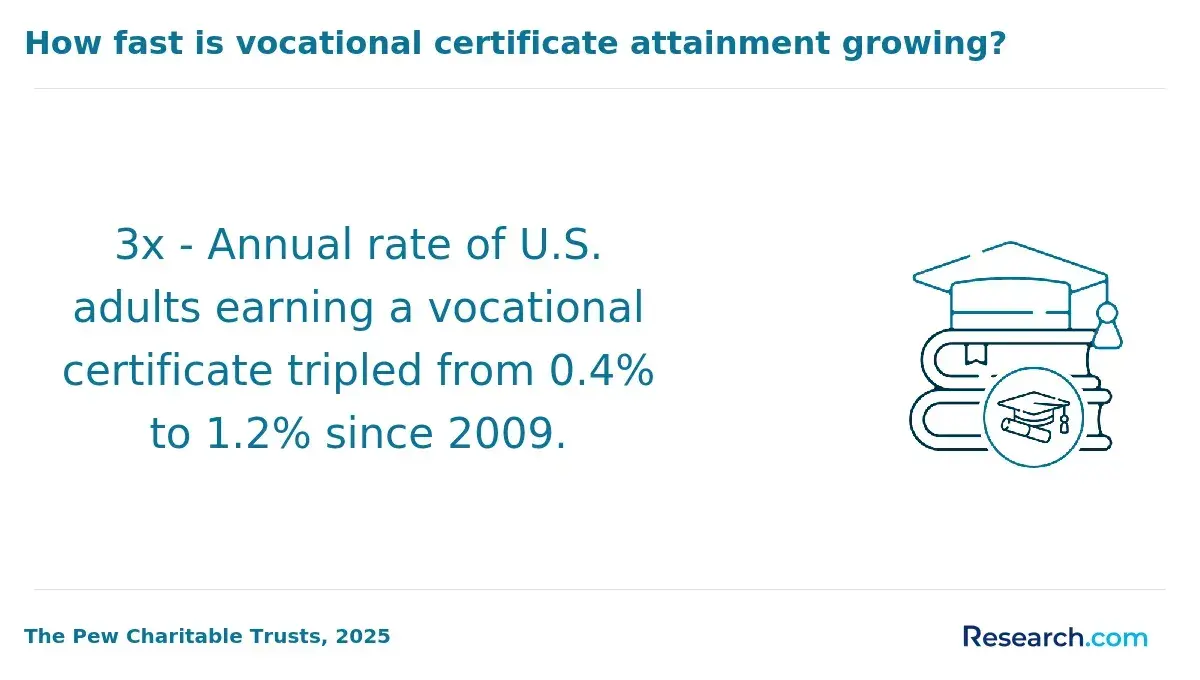
How Do Internships and Real-World Experience Improve Career Readiness?
Classroom learning in political psychology imparts essential theories and frameworks, yet it alone rarely equips students with the nuanced skills employers seek. Real-world experiences, such as internships or practicums, compel students to translate abstract concepts like cognitive biases or policy evaluation into actionable strategies within complex political environments.
This practical engagement builds confidence and sharpens judgment, which are critical when facing unpredictable scenarios in professional settings. For example, a student analyzing electoral behavior through data in a class may struggle to contextualize those findings without firsthand experience working with a political campaign's stakeholder communications.
Internships and other hands-on learning avenues help develop technical abilities like data analysis and project management, along with professional communication and an understanding of workplace norms. These experiences provide exposure to organizational dynamics and ethical challenges that academic settings cannot fully emulate.
Although the availability and quality of internships vary widely by program and sector, students benefit most from structured, paid opportunities featuring clear learning goals. According to the National Association of Colleges and Employers' 2024 report, political psychology students engaged in internships are 56% more likely to receive job offers within six months of graduation than those without such experience.
To maximize the impact of experiential learning, students should proactively seek internships early in their academic careers and engage in applied projects that mirror real-world political contexts. Building professional relationships and reflecting systematically on workplace experiences enhance both skill development and career clarity.
Aligning real-world work with long-term objectives requires continuous academic effort, deliberate skill growth, and active career planning. Ultimately, internship participation, while a critical component, must be integrated with strong academic performance and ongoing professional development to fully prepare political psychology students for success in the workforce.
How Can Students Close the Political Psychology Skills Gap Before Graduating?
Students don't need to wait until graduation to begin aligning their political psychology skills with workforce requirements. Building workplace competencies alongside academic study enhances job prospects and helps navigate an evolving labor market.
Proactively engaging with practical experiences reduces the gap between theoretical knowledge and employer expectations, making graduates more adaptable and ready to contribute immediately. Evidence from a 2024 National Center for Education Statistics report shows that participation in internships or applied projects increases employment rates by 25% within six months after graduation.
Below are strategic approaches students can adopt now to strengthen their career readiness:
- Structured Internships: Quality internships provide immersive exposure to political environments and allow students to hone both analytical and communication skills relevant to the field. Prioritizing placements with clear learning goals and regular feedback maximizes skill development compared to generic or unstructured experiences.
- Faculty-Led Research: Active involvement in undergraduate research projects cultivates critical thinking and familiarity with empirical methods. Students should seek roles that offer mentorship and responsibilities in data collection or policy analysis to better meet employer demand for rigorous methodological skills.
- Project-Based Learning: Engaging in collaborative projects simulating real-world political psychology scenarios builds problem-solving abilities and teamwork expertise. This hands-on approach bridges academic concepts with practical challenges, enhancing adaptability and insight into complex political behaviors.
- Certification Workshops: Targeted credentials in quantitative tools like SPSS or R complement academic learning and demonstrate specialized proficiency. Certifications serve as modular skill endorsements best integrated with experiential activities rather than isolated accomplishments.
- Soft Skills Development: Beyond technical knowledge, cultivating communication, stakeholder engagement, and critical reasoning through extracurricular roles or leadership positions prepares students for nuanced political contexts often undervalued in curricula.
- Networking and Mentorship: Building relationships with professionals and faculty provides guidance and insights into industry expectations, allowing students to tailor their learning pathways and gain advocacy during job searches.
A recent graduate recounts feeling uncertain midway through their political psychology program when offered two paths: a typical research assistantship with limited interaction or an internship working on policy communication for a nonprofit. Despite initial hesitation about missing lab experience, the student chose the internship for its direct engagement with stakeholders and feedback cycles.
This decision proved pivotal; the hands-on exposure to real-world political analysis and presenting findings to diverse audiences not only clarified theoretical concepts but also cultivated confidence and practical fluency. Reflecting back, the graduate acknowledges that integrating experiential learning early was essential to bridging academic gaps and easing the transition into professional roles.
How Is the Political Psychology Job Market Changing Employer Skill Requirements?
Technological advancements and data-driven decision-making are reshaping employer skill demands in political psychology careers. The integration of automation, artificial intelligence, and interdisciplinary methodologies means that candidates with combined expertise in traditional political psychology and quantitative skills, such as programming, machine learning, and statistical analysis, are far more competitive.
Recent labor market data from the U.S. Bureau of Labor Statistics and LinkedIn indicate a significant uptick in demand for professionals capable of turning complex behavioral data into strategic insights for policy and electoral analysis. For example, a political psychology analyst who can code and model voter behavior patterns will have clear advantages over peers relying solely on qualitative approaches.
These evolving expectations heighten the importance of both technical proficiency and soft skills like cognitive flexibility, emotional intelligence, and effective communication. The World Economic Forum's 2024 Future of Jobs Report highlights how collaborative work dynamics and rapidly changing sociopolitical conditions require adaptability beyond theoretical knowledge alone.
This shift means continuous learning and practical experience through internships or applied projects become critical in filling the gap left by many political psychology degree programs that remain focused on classical theory rather than digital tools.
Prospective students should therefore supplement foundational coursework with skill-building opportunities, certifications, and professional networking, such as those found in specialized online clinical psychology programs, to align effectively with the political psychology job market trends.
How Do Different Political Psychology Programs Compare in Career Preparation?
Career preparation in political psychology depends on much more than simply the degree title. The depth and focus of coursework, opportunities for hands-on experience, and alignment with evolving employer demands are crucial components shaping graduate outcomes. For example, a student aiming for a data-driven policy role may find a program rich in applied analytics more advantageous than one centered heavily on theory.
Recent research highlights that programs incorporating applied skills such as data analytics and policy evaluation have notably higher employability rates according to the 2024 National Center for Education Statistics workforce outcomes report.
The following factors are key when comparing political psychology degree programs for career readiness:
- Curricular Focus: Programs vary widely between emphasizing theoretical foundations and applied skills. A curriculum integrating statistics, experimental design, and digital tools better equips graduates for today's data-centric job market, yet programs prioritizing theory cultivate strengthened critical thinking suited for academic or research careers.
- Experiential Learning: Access to internships, practicums, or partnerships with government and non-profit organizations provides invaluable real-world exposure. This hands-on experience enhances practical understanding and employer networking, giving candidates a competitive edge in the workforce.
- Interdisciplinary Integration: Incorporating coursework in computer science, communication, and statistics develops versatile skillsets. Employers increasingly seek candidates who can translate political psychology concepts into actionable insights using complex datasets and technological tools.
- Alignment with Career Goals: No single program fits all paths. Students must evaluate how a program's balance between theory and application matches their intended career trajectory, whether in policy, consulting, academia, or research.
Those exploring programs should also consider resources tailored to specific populations. For instance, offerings like the veteran friendly online electrical engineering degree highlight how specialized educational options can impact career readiness. Comparing political psychology degree programs demands a nuanced understanding of these factors to ensure alignment with long-term workforce aspirations.
How Should Students Choose a Political Psychology Program That Builds Career-Ready Skills?
Choosing between online, hybrid, and campus political psychology programs shapes long-term career outcomes and skill development. Each format offers unique advantages and challenges that influence graduate readiness, networking, and adaptability in evolving work environments.
Below are key considerations based on 2024 data from the National Center for Education Statistics and workforce studies by the Society for Industrial and Organizational Psychology:
- Experiential Learning Access: Campus programs typically provide more direct opportunities for internships and collaborative research, essential for smoother workforce transitions. Hybrid formats can offer some of these benefits by blending in-person and remote experiences, while purely online programs may require more proactive efforts to secure real-world engagement.
- Networking Opportunities: Strong mentorship and career services often correlate with long-term career mobility, as noted by the Brookings Institution. Campus students usually gain richer networking options, hybrid students benefit from both virtual and physical connections, and online learners may rely more on digital platforms.
- Skill Acquisition Flexibility: Online programs excel in quantitative and computational skills training through adaptable modules, which aligns with employer demands for data analysis and statistical software proficiency highlighted by the American Psychological Association.
- Self-Motivation and Discipline: Online learning challenges students to independently manage their time, which can boost self-directed skills valuable in political consulting but may hinder those needing structured guidance found in campus settings.
- Long-Term Career Services: Continued access to alumni networks and career counseling tends to be stronger in campus and hybrid formats, supporting ongoing professional development beyond graduation.
- Technology Integration: Hybrid and online formats often incorporate advanced digital tools familiarizing students with current computational social science practices, providing an advantage in governmental analysis roles.
- Adaptability to Employer Expectations: Programs emphasizing applied methods and interdisciplinary instruction, regardless of delivery mode, correlate with higher employability, so students should prioritize curricula responsive to these trends.
References
- Skills Gap Analysis Complete Guide https://www.centranum.com/resources/capability-and-competency/skills-gap-analysis/
- Courses in Political Psychology - ISPP https://ispp.org/resources/courses/
- Political Skill in Organizational Contexts https://www.nature.com/nature-index/topics/l4/political-skill-in-organizational-contexts
- Political Science Internships Abroad - Public Service Programs https://www.ceastudyabroad.com/job-description/politics-public-service
- Understanding the skills gap—and what employers can do about it | Brookings https://www.brookings.edu/articles/understanding-the-skills-gap-and-what-employers-can-do-about-it/
- What is Political Skill in I-O Psychology? - Organizational Psychology Degrees https://www.organizationalpsychologydegrees.com/faq/what-is-political-skill-in-i-o-psychology/
- Top 7 Strategies for Bridging the Skills Gap in 2026 https://www.imocha.io/blog/bridging-the-skills-gap
Other Things You Should Know About Political Psychology Skills Gap
Many political psychology programs emphasize theory and research design, but employers often prioritize candidates who can apply these concepts in real-world contexts, such as policy analysis or behavioral assessment. Students must assess whether their program offers opportunities for hands-on learning through case studies, simulations, or fieldwork, as this practical experience significantly improves employability. Prioritizing programs that balance theory with applied projects can reduce the risk of graduating with overly abstract skills that are less valued in typical political psychology roles.
Focusing early on political psychology can provide depth but may limit exposure to interdisciplinary methods and perspectives increasingly valued by employers. A broader social science base offers flexibility and adaptability, which helps graduates navigate varied roles in government, NGOs, or consulting. Students should weigh their immediate career goals against long-term adaptability, as too narrow a specialization might restrict opportunities if labor market demands shift.
Large cohorts often mean less direct interaction with faculty, which can reduce personalized feedback and mentorship critical for mastering complex political psychology skills. Smaller programs or those with a strong faculty-to-student ratio typically provide more tailored guidance that aligns academic learning with professional needs. When choosing a program, students should prioritize environments where faculty actively bridge theory and practice through close mentorship, as this can mitigate gaps between academic skills and employer expectations.
Intense academic requirements can limit time for extracurriculars that develop soft skills, network connections, and applied experience-factors employers often weigh heavily. However, excessive non-academic commitments might dilute focus on foundational knowledge needed for advanced roles in political psychology. Students should aim for a strategic balance, prioritizing experiential learning opportunities that complement coursework and deliver demonstrable professional skills, thus enhancing both academic and career readiness.