2027 Organizational Communication Salary Trends Report: Are Wages Keeping Up With Tuition and Inflation?

Co-Founder and Chief Data Scientist
A prospective organizational communication student weighs the decision to invest in a degree amid growing concerns about tuition costs and inflation. With college expenses rising sharply, the challenge lies in determining whether post-graduation salaries keep pace with these financial pressures.
Simply examining starting wages overlooks the complex relationship between income growth, education expenses, and inflation over time. Understanding how these factors interact is essential to assess the real economic value of a degree in organizational communication. Evaluating long-term earning potential requires a nuanced approach that goes beyond initial salary figures.
This analysis explores salary trends, tuition costs, inflation, and return on investment to clarify the affordability and financial outcomes of pursuing an organizational communication degree.
Key Things to Know About Organizational Communication Salary Trends
- Graduate salaries in organizational communication average 12% growth over inflation since 2022, but rising tuition outpaces wage gains, pressuring net lifetime returns for recent graduates.
- Specializing in digital communication metrics predicts a 15% higher starting salary, highlighting how niche skills affect long-term earning trajectories within organizational communication roles.
- Geographic variations cause up to 20% salary disparities, indicating location-driven demand heavily influences compensation despite consistent inflation-adjusted earning growth.
- Key Things to Know About Organizational Communication Salary Trends Key Things to Know
- What Is the Current Salary Outlook for Organizational Communication Graduates? Salary Outlook
- Are Organizational Communication Salaries Keeping Up With Inflation? Inflation Impact
- How Do Tuition Costs Compare With Organizational Communication Salary Growth? Tuition vs Salary
- Does a Organizational Communication Degree Deliver a Positive Return on Investment? Degree ROI
- Which Industries Offer the Highest Salaries for Organizational Communication Graduates? Highest-Paying Industries
- Which States and Cities Offer the Highest Pay for Organizational Communication Professionals? Highest-Paying Locations
- How Do Organizational Communication Salaries Grow Throughout a Career? Career Growth
- How Do Organizational Communication Salaries Compare With Similar Degrees? Salary Comparison
- How Is Employer Demand Affecting Organizational Communication Salary Trends? Employer Demand
- How Can Students Maximize Their Lifetime Earnings With a Organizational Communication Degree? Maximizing Earnings
What Is the Current Salary Outlook for Organizational Communication Graduates?
The current wages for organizational communication degrees reveal a nuanced financial landscape shaped by industry, location, and role specialization. According to 2024 data from the U.S. Bureau of Labor Statistics, median salaries vary significantly. Communication specialists earn around $67,500 annually, public relations specialists about $72,000, and corporate communications managers command a higher median near $111,000.
While entry-level positions often start between $45,000 and $55,000, this range underscores how two graduates with similar degrees could diverge considerably based on career choices and sectors. For instance, a graduate in healthcare communication might out-earn a peer working in education-focused roles despite identical academic backgrounds.
Evaluating organizational communication graduate salary trends requires considering long-term opportunities beyond starting pay. Industries like technology and finance tend to offer greater wage growth potential as experience accrues, while stable demand for these skills supports steady career progression. Importantly, many professionals supplement base salaries with bonuses, consulting, or contract work, which can materially influence overall earnings.
Prospective students weighing degree costs-especially given rising tuition-should reflect on this broader context, assessing whether the investment aligns with their financial goals and career trajectory rather than focusing solely on initial compensation.
For those exploring flexible educational paths, pursuing an online associate degree may provide a cost-effective start, though advancing to more specialized roles typically requires further credentials and experience. Balancing tuition expense against realistic, evidence-based salary outlooks remains critical amid inflationary pressures.
In-depth consideration of projected job demand and personal career planning is essential to make informed decisions about the long-term value of Organizational Communication qualifications in today's dynamic job market.
Are Organizational Communication Salaries Keeping Up With Inflation?
Nominal wage increases in organizational communication-related occupations have averaged about 2.5% annually, while inflation as measured by the Consumer Price Index remains near 4%, revealing a real decline in purchasing power for many workers. For instance, a recent graduate who starts with a salary adjusted upward by 3% per year will find their effective earnings constrained when the cost of living, including essentials like housing and healthcare, rises faster.
This gap means that despite small raises, the value of take-home pay for many communication professionals fails to keep pace with economic pressures, limiting their ability to build savings or cover rising expenses over time.
Several factors influence whether organizational communication salary growth matches or lags behind inflation. The field's perception as a support function rather than a revenue-driving role often caps salary increases, while rising tuition fees, growing 5-7% annually according to education statistics, compound affordability challenges for students and recent graduates.
For those weighing the long-term return on investment of an organizational communication degree, understanding these dynamics alongside opportunities to study psychology online or in related fields can help inform strategic career and educational decisions in a shifting labor market.
How Do Tuition Costs Compare With Organizational Communication Salary Growth?
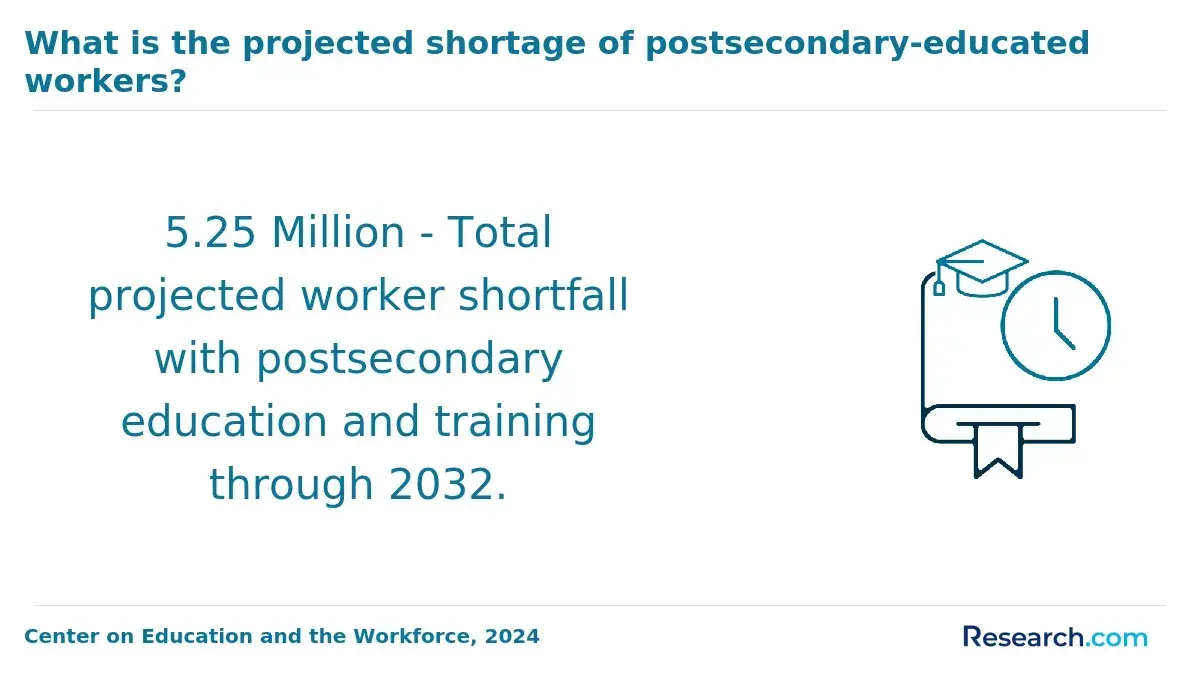
Evaluating tuition costs alongside salary growth for organizational communication graduates reveals a widening gap challenging conventional assumptions about the degree's financial payoff. In 2024, average annual tuition and fees at public universities exceed $11,500, whereas median starting salaries for graduates fall between $50,000 and $55,000.
This disparity becomes more consequential when inflation and rising student loan interest rates are factored in, as salary increases, often reaching $70,000 to $85,000 mid-career, lag behind steep tuition inflation. Analyzing these trends together offers deeper insight than examining costs or earnings separately because it highlights how the timing and scale of financial commitments interplay with career earnings trajectories, particularly for those who must finance their education without significant aid.
Consider a student choosing between an in-state public university and a private institution charging over $38,000 annually. While the private school may offer specialized networking opportunities, the upfront debt load is far greater, affecting disposable income years after graduation. The salary growth reported by the National Association of Colleges and Employers might seem adequate on paper, but for the student with larger loans, the extended repayment timeline compresses financial flexibility.
Factors including geographic location, sector employment, and career shifts continue to influence earnings, underscoring that the financial value of an organizational communication degree is not uniform but subject to individual circumstances and economic conditions.
One organizational communication graduate recalls debating whether to attend a prestigious private college or a well-regarded public university closer to home. Initially drawn to the private option for its reputation, the student hesitated upon calculating the likely loan burden. Ultimately, choosing the public university allowed for manageable debt and quicker entry into the workforce, though it meant less immediate prestige.
Reflecting later, the graduate recognized that while salary growth improved with experience, the early years' lower financial strain provided relief and opportunities to pursue additional certifications, shaping a different but stable career path than originally imagined.
Does a Organizational Communication Degree Deliver a Positive Return on Investment?
Return on investment in higher education means weighing the total expense of earning a degree against the long-term career opportunities and earnings that degree can unlock-not just the initial salary after graduation. For graduates with an organizational communication degree, median wages typically rank in the middle range compared to other liberal arts fields, according to 2024 data from the U.S. Bureau of Labor Statistics and the National Center for Education Statistics.
Consider a student who incurs rising tuition costs compounded by inflation but leverages their degree to enter public relations or human resources management. Over time, as they take on roles with greater responsibility, their earning potential can increase substantially, making the initial investment worthwhile despite modest entry-level pay.
Several factors determine whether organizational communication degrees offer a positive financial return. Tuition inflation, which has risen 3-5% annually over the past decade, often surpasses wage growth in many communication-related jobs, presenting a challenge for students evaluating upfront costs.
The Lumina Foundation and Georgetown University Center on Education and the Workforce both highlight that while the wage premium is generally positive, it is not as pronounced as degrees in STEM or business disciplines. Location, industry sector, and the ability to develop leadership skills or niche expertise can shift this balance, enabling some graduates to outpace average returns through strategic career moves.
Ultimately, the financial payoff of an organizational communication degree varies significantly across individuals and economic contexts. Graduates who build on foundational communication skills by targeting specialized roles or leadership positions in corporate communication may achieve higher lifetime earnings that justify the cost.
Meanwhile, those who remain in entry-level or generic roles may see a lower return relative to the investment, underscoring the importance of assessing personal career plans alongside financial factors before committing to this educational path.
Which Industries Offer the Highest Salaries for Organizational Communication Graduates?
Salary prospects for organizational communication graduates vary widely by industry, reflecting differences in how communication skills intersect with business priorities. The highest-paying sectors often demand advanced expertise in managing complex messaging, strategic stakeholder engagement, and navigating change at scale.
For example, a recent report from industry research organizations and the U.S. Bureau of Labor Statistics highlights that professionals with organizational communication skills who move into consulting roles can command salaries notably above average. Understanding which industries typically offer these advantages can help graduates position themselves for roles with both strong compensation and impactful responsibilities.
Key industries offering the highest earning potential for organizational communication graduates include the following:
- Technology Sector: Tech companies pay well due to their fast-paced innovation and emphasis on internal and external communication. Roles often involve change management, digital communication strategies, and stakeholder engagement, rewarding skills in adaptability and tech fluency.
- Financial Services: Banks, insurance firms, and investment companies seek communication experts to handle regulatory messaging, crisis communications, and client relations. Strategic communication here is crucial for maintaining reputation, driving demand for experienced professionals.
- Healthcare and Pharmaceuticals: Complex regulatory environments and interdisciplinary teams create a high demand for effective communication specialists who can manage internal coordination and external messaging during policy shifts or organizational change.
- Management Consulting: Consultants advising on workplace culture, leadership communication, and organizational transformation typically secure premium salaries. This sector values expertise that drives measurable business improvements through communication.
- Government and Public Sector: Although sometimes overlooked, these roles offer strong salaries in strategic communication positions focused on public engagement, policy advocacy, and crisis response.
- Media and Digital Communications: Growing demand for professionals managing brand messaging across platforms, analytics-driven content strategies, and public relations leads to competitive compensation in this dynamic sector.
Data from 2024 shows that technology and financial services consistently top salary charts for organizational communication-related occupations, frequently exceeding median income benchmarks for the field. Graduates should also consider trade-offs such as job stability, growth prospects, and industry volatility when evaluating their options.
For those contemplating further education, exploring online MBA programs no GMAT can enhance credentials to unlock higher-paying leadership roles across these sectors.
Which States and Cities Offer the Highest Pay for Organizational Communication Professionals?
Compensation for organizational communication professionals varies widely across the United States, shaped by local economic dynamics and dominant industries. High salaries often coincide with regions hosting a concentration of corporate headquarters, technology firms, and specialized services. However, elevated pay must be weighed against living expenses and educational costs, which can offset the apparent financial advantages.
The following highlights key states and metropolitan areas offering some of the top salary prospects for those in organizational communication roles as of 2024, based on data from the U.S. Bureau of Labor Statistics and industry salary surveys.
- California Bay Area: This region, particularly San Francisco and San Jose, remains the highest-paying market, with median annual wages surpassing $95,000. The tech sector's dominance creates fierce demand for communication professionals, but candidates must consider the region's notoriously high housing and living costs when evaluating net benefit.
- New York City: With median wages near $90,000, New York's media, finance, and consulting industries fuel strong opportunities. The city's complexity and expense mean that salary gains may be partially absorbed by the high cost of urban life, requiring thoughtful financial planning.
- Washington, D.C. Metro: Organizational communication roles here often pay over $88,000 annually due to government, nonprofit, and global corporate demand. While the area's cost of living is substantial, steady public-sector funding can offer more stable career paths.
- Seattle: An emerging tech heavyweight, Seattle's average salaries approach $85,000. The growing corporate sector drives this trend, though housing prices have surged, prompting job seekers to balance opportunity with affordability.
- Austin, Texas: Known for its rapid economic growth, Austin offers competitive wages near $85,000 and a relatively lower cost of living compared to coastal metros. This combination attracts graduates looking for both career potential and cost-effective living.
- Chicago, Illinois: Salaries in Chicago's organizational communication field typically range from $75,000 to $80,000. Despite being lower than coastal hubs, the city's moderate living expenses and diverse market sectors can provide a practical mid-tier option for career-building.
How Do Organizational Communication Salaries Grow Throughout a Career?
Salaries for organizational communication professionals generally start in the $45,000 to $55,000 range for those holding a bachelor's degree, according to 2024 data from the U.S. Bureau of Labor Statistics and recent industry surveys. Growth in early career stages tends to be gradual, around 3-6% annually, reflecting the accumulation of practical experience and the development of specialized skills.
By mid-career, usually five to ten years in, salaries rise to between $65,000 and $85,000 as individuals often assume roles like communication manager or corporate communication specialist. This stage is where networking, continued education, and professional certifications become critical levers for advancing earnings rather than relying solely on time served.
Executives and senior practitioners, including communication directors or strategists with over a decade of experience, typically see salaries ranging from $90,000 up to $120,000 or more, particularly in industries like finance, healthcare, and technology. However, this upward trajectory depends heavily on skill refinement, especially in digital communication and data analytics, and on seizing opportunities tied to role changes rather than incremental annual raises.
For example, two graduates with similar academic backgrounds might diverge widely in income if one pursues advanced certifications and seeks management roles while the other remains in specialist or entry-level positions. Realistic wage growth thus interlinks with strategic professional development and sector-specific demand, highlighting a balance between education investment and measurable skill application.
One organizational communication graduate recalls facing a dilemma three years post-degree: accept a modest raise in a familiar internal communications role or pursue a demanding certification in digital media analytics. Hesitating initially due to the cost and time commitment, the decision eventually leaned toward certification.
This choice unlocked a promotion to communications strategist with a salary increase surpassing the typical 4% raise, validating the trade-off and underscoring how targeted upskilling can shift career earnings more significantly than tenure alone. The experience reflects the nuanced reality that salary growth often hinges on proactive career management rather than static progression.
How Do Organizational Communication Salaries Compare With Similar Degrees?
Graduates with a degree in organizational communication typically start with competitive but modest salaries relative to related fields. Median annual wages for these professionals are around $62,000, according to data from the U.S. Bureau of Labor Statistics and recent industry reports in 2024.
While this aligns closely with earnings in comparable degrees, factors like industry choice and career trajectory heavily influence long-term outcomes. Students and career changers should therefore evaluate salary growth potential alongside education costs, which continue to rise faster than salaries in many cases.
Below is a practical comparison of organizational communication salary compared to related degrees.
- Public Relations: Salaries for graduates in public relations often start near $58,000 to $65,000 but tend to benefit from broader corporate roles that emphasize media strategy and brand management. The range reflects variability across private and non-profit sectors, with PR sometimes offering stronger initial pay due to market demand for specialized communication skills.
- Business Administration: Business-related degrees show an average starting salary of around $58,000, slightly higher than organizational communication graduates. Careers in business administration often lead to management or operations roles with clearer advancement pathways, contributing to steadier salary growth over time.
- Human Resources: HR professionals with communication skills find opportunities in employee relations and talent management, with median salaries overlapping those of organizational communication but often featuring more consistent incremental raises linked to HR certifications and experience.
- Healthcare Communication: Specializing within healthcare can accelerate salary growth faster than some other sectors due to high demand, with organizational communication professionals employed in patient advocacy, internal communication, or compliance roles commanding higher wages.
Considering this data, prospective students might weigh their choice of sector carefully to maximize returns on investment, especially given the insufficient pace of salary growth relative to tuition inflation.
Those seeking a more affordable entry point into communication fields might also explore options like the cheapest online university in USA, which can reduce upfront educational debt while maintaining relevant skill preparation.
How Is Employer Demand Affecting Organizational Communication Salary Trends?
Employer demand plays a significant role in shaping organizational communication salary trends by driving competition among employers seeking qualified candidates. When demand rises, companies often increase hiring activity and adjust compensation strategies to attract and retain talent, which can lead to faster wage growth.
For example, a communication specialist with expertise in digital engagement and crisis management may command a higher salary in sectors emphasizing brand reputation and internal coordination amid evolving market dynamics. Yet, salary outcomes also depend on factors like individual experience, specialization, broader economic conditions, and company budget constraints.
The U.S. Bureau of Labor Statistics projects an 8% growth rate through 2032 for roles related to organizational communication, including public relations and corporate communication. This growth slightly exceeds the average across all occupations and reflects a steady employer demand impact on organizational communication salaries. However, despite this positive outlook, wage increases in the field have lagged behind inflation and tuition costs, creating a nuanced financial picture for graduates.
Prospective students and recent graduates should weigh these trends carefully against rising education expenses, such as those addressed by 1 year MBA alternatives that might offer quicker returns.
Employer demand for skills like digital literacy and strategic communication continues to influence hiring decisions and can pressure wages upward in specialized areas. Still, the overall salary growth remains moderate, illustrating the complex interaction between job market demand and organizational budgets.
Evaluating the organizational communication salary trends and job market demand alongside inflation and other economic factors is essential for making informed career decisions in this evolving field.
How Can Students Maximize Their Lifetime Earnings With a Organizational Communication Degree?
Maximizing lifetime earnings with an organizational communication degree requires strategic skill development and targeted experience rather than relying solely on the degree itself.
Recent 2024 data from the U.S. Bureau of Labor Statistics and the National Association of Colleges and Employers highlights that graduates leveraging digital literacy and project management tend to access higher-paying roles, especially within technology and healthcare sectors. For instance, a graduate who pairs organizational communication expertise with a master's degree or an MBA emphasizing communication is positioned to gain significantly better compensation over time.
Below are key strategies for transforming an organizational communication degree into lasting financial success.
- Specialized Skill Acquisition: Focus on acquiring industry-relevant skills like data analysis, change management, and crisis communication. These skills differentiate candidates, enabling entry into higher-paying positions across corporate consulting and large firms.
- Advanced Education: Pursue a master's degree or MBA emphasizing organizational communication. This additional credential often leads to senior roles and sustained salary growth, as confirmed by institutional research.
- Practical Experience: Engage in internships and network within dynamic, growth-oriented industries. Early exposure to real-world challenges builds a strong resume and opens doors to lucrative job offers.
- Certifications: Obtain certifications in digital communication tools or human resources to enhance marketability. These credentials signal specialized competence that employers increasingly value.
- Focus on Growth Sectors: Target industries like corporate social responsibility and diversity initiatives, which are expanding and offering new premium roles for communication experts.
- Geographic and Employer Size Considerations: Aim for metropolitan areas and large organizations, where compensation tends to be higher due to demand and organizational scale.
References
- The price of college is rising faster than wages for people with degrees | USAFacts https://usafacts.org/articles/is-college-worth-it-the-price-of-college-is-rising-faster-than-wages-for-people-with-degrees/
- As Inflation Rates Increase, Workers Say Salaries Lag Behind - Employ https://www.employinc.com/news_item/as-inflation-rates-increase-workers-say-salaries-lag-behind/
- Workplace Communication Statistics for 2026 https://pumble.com/learn/communication/communication-statistics/
- Master's in Communication Salaries by Career and Position (2025 Update) https://www.mastersincommunications.com/faqs/masters-in-communication-salary
- The ROI of Investing in Communication Skills TODAY https://www.quantified.ai/post/the-roi-of-investing-in-communication-skills
- Highest Paying Communication Jobs in 2026: Salaries & Careers https://www.mastersincommunications.org/highest-paying-communication-jobs/
- State of the Global Workplace Report - Gallup https://www.gallup.com/workplace/349484/state-of-the-global-workplace.aspx
- Is College Worth it? | Return on Investment Analysis of College Degree https://educationdata.org/college-degree-roi
- Internal communications statistics: findings from Axios HQ 2025 annual report https://www.axioshq.com/insights/internal-communications-statistics
Other Things You Should Know About Organizational Communication Salary Trends
While specialized skills in organizational communication can differentiate candidates and open doors to niche roles, salary trends indicate potential stagnation in entry and mid-level wages that may not match tuition inflation. Students should prioritize programs offering practical experience or certifications that align closely with employer needs, as these increase employability in competitively paying sectors. Opting for breadth in communication combined with technical or business skills can mitigate risks of wage plateaus in a narrowly focused organizational communication path.
The decision to pursue graduate education often comes with increased tuition cost and delayed income but may yield higher salaries long term. However, wage growth in organizational communication can be modest after a certain experience threshold, making it critical to assess program quality and employer recognition before committing. For many, gaining work experience early while pursuing part-time education or professional development can offer a better balance between income generation and skill enhancement.
Geographic mobility remains a viable lever for accessing higher wages in the organizational communication field, but it involves significant personal and financial costs. Students should weigh potential salary gains against relocation expenses and lifestyle disruptions, especially given that some high-paying metropolitan markets also correspond with higher living costs, which can erode real income benefits. A strategic approach includes targeting emerging markets with growing demand while leveraging remote work trends to maintain cost efficiency.
Salary figures often mask the workload and responsibility levels tied to organizational communication positions, which vary widely across industries. Candidates should investigate the typical scope of duties and employer expectations, as roles demanding extensive cross-department collaboration and content strategy can justify higher pay but also increase work intensity. Realistic evaluations of workload versus compensation help avoid burnout and clarify whether wage offers fairly reflect the job's complexity and time commitments.