2027 Organizational Communication Degree Growth by State: Where Interest Is Rising the Fastest

Co-Founder and Chief Data Scientist
Rapid shifts in state economies and workforce demands are reshaping where organizational communication degree enrollment surges most. States with expanding tech hubs or evolving regulatory frameworks, like remote work policies, are driving adult learners to seek flexible master's programs, a trend underscored by a 2024 National Center for Education Statistics report showing a 15% increase in online graduate enrollments nationwide. These regional accelerations reflect a strategic response to local labor market needs and access to adaptable education formats.
Understanding these nuanced dynamics helps prospective students pinpoint programs aligned with their career timelines and geographic mobility while anticipating the labor market realities graduates will face.
Key Things to Know About the State Where Organizational Communication Degree Interest Is Rising the Fastest
- States like Texas see growth fueled by diverse economies and rising demand for skilled communicators, but job competition within expanding tech hubs may limit initial advancement without specialized experience.
- Florida's large adult learner population benefits from flexible online organizational communication programs, reducing opportunity costs of returning to school but often extending time-to-degree completion.
- California's regulatory environment encourages higher education innovation, driving enrollment but creating workforce pressure as employers prioritize applicants with multi-disciplinary skill sets beyond communication alone.
- Which States Are Seeing the Fastest Growth in Organizational Communication Degree Enrollment? States with Fastest Growth
- What Does Enrollment Growth in Organizational Communication Programs Actually Tell Prospective Students? Interpreting Enrollment Growth
- How Do Regional Job Market Conditions Drive Organizational Communication Degree Demand by State? Regional Job Market Conditions
- Which States Have Added the Most New Organizational Communication Degree Programs in the Last Five Years? States with New Programs
- How Has the Rise of Online Education Changed Which States Lead in Organizational Communication Program Interest? Role of Online Education
- What Demographic Trends Are Fueling Organizational Communication Degree Growth in Specific States? Demographic Trends Fueling Growth
- How Do State Funding Levels for Organizational Communication Services Influence Degree Program Growth? Role of State Funding
- Which States Are Emerging as Unexpected Leaders in Organizational Communication Degree Interest? Leaders in Growth
- How Does State Population Size Affect the Interpretation of Organizational Communication Degree Growth Data? Role of State Population
- What Role Do State Licensing Requirements Play in Driving or Suppressing Organizational Communication Enrollment? Role of State Licensing
Which States Are Seeing the Fastest Growth in Organizational Communication Degree Enrollment?
Rising enrollment in organizational communication degree programs reflects a strategic alignment between program offerings and evolving employer requirements for communication skills that drive leadership effectiveness and employee engagement. This growth is uneven across the United States, concentrated in states with dynamic economies, strong institutional support, and workforce demographics receptive to graduate and undergraduate education pathways. These disparities affect not just where students study but also their post-graduate employment prospects, given how local labor markets interpret and value communication credentials.
- North Carolina: Anchored by the Research Triangle, this state's surge parallels its tech and healthcare industries' increasing need for professionals who can navigate complex interdisciplinary communication challenges, making it a strategic hub for students seeking roles in sectors that demand advanced organizational communication expertise.
- Colorado: Benefiting from a young and mobile population, Colorado's urban centers foster interdisciplinary programs that blend communication with technology and business, responding to an employer landscape that prizes versatility and innovation in communication roles.
- Florida: Florida's demographic diversity and influx of mid-career professionals fueling flexible program demand illustrate how metropolitan areas like Miami leverage global business linkages to heighten the value of organizational communication skills within corporate and nonprofit sectors.
- Washington: Growth here is tied to large public and private sector employers who prioritize sophisticated communication strategies internally and externally, signaling opportunities for graduates to engage in public administration and technology-driven organizational contexts.
- Georgia: Atlanta's corporate evolution combined with increased public investment in higher education manifests in a rising enrollment trend, underscoring how regional economic shifts shape educational pathways and highlight workforce readiness imperatives through communication credentials.
These states exemplify how robust economic diversification and institutional capacity directly contribute to the fastest rising organizational communication programs in the US, each reflecting unique tradeoffs related to local industry demand and educational infrastructure. Subsequent analysis will unpack socioeconomic, institutional, and regulatory drivers shaping these trends, equipping prospective students to critically assess enrollment momentum along with program quality and regional job market viability, crucial for making informed decisions about graduate study investments.
Those who want to pursue advance education can look into masters in communications programs in various states.
What Does Enrollment Growth in Organizational Communication Programs Actually Tell Prospective Students?
Enrollment growth alone offers limited insight into the true value of organizational communication programs; it may reflect market interest but obscures critical factors shaping student success and career readiness. For example, a program expanding rapidly due to relaxed admissions standards may leave graduates less prepared to meet employer expectations in competitive job markets, negatively impacting long-term career trajectories.
Raw increases in enrollment signal demand but cannot substitute for outcome-based evaluation. Prospective students should critically assess how growth aligns with program quality and labor market relevance by examining multiple performance indicators that contextualize enrollment trends.
- Retention: Sustained student engagement and persistence reveal whether programs offer a supportive learning environment or face high dropout rates that diminish cohort value and diminish peer learning benefits.
- Graduation Rates: Completion success varies widely and highlights whether curricula and institutional support effectively navigate common hurdles or if structural challenges cause delays or attrition.
- Job Placement: Employment outcomes demonstrate if the program's training meets employer needs; strong job placement validates enrollment growth, while poor outcomes may suggest disconnects from real-world demands.
- Recruitment vs. Quality: Some enrollment spikes result from aggressive marketing or lowered entry requirements rather than substantive academic improvements-distinguishing these scenarios requires examining faculty credentials and program rigor.
- Licensure and Certification Success: When applicable, pass rates on professional exams provide an objective benchmark of workforce readiness, often overlooked amid enrollment data.
- Critical Inquiry: Treat enrollment numbers as one piece of a complex puzzle; engaging directly with current students and alumni offers invaluable, nuanced perspectives on academic experience, networking support, and career pathways.
How Do Regional Job Market Conditions Drive Organizational Communication Degree Demand by State?
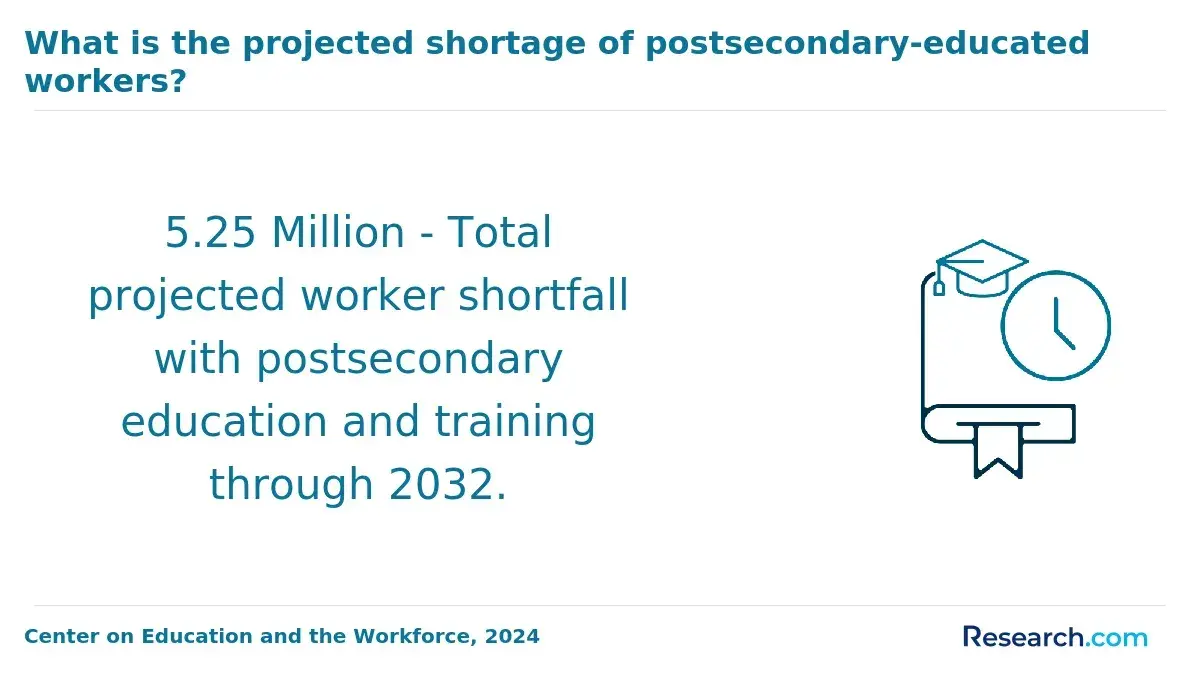
Regional workforce factors play a decisive role in shaping the demand for organizational communication degree programs by state, influencing not only enrollment patterns but also the nature of practical training and employment outcomes. For example, a state with expanding healthcare infrastructure will not only require more communication specialists for patient and staff coordination but also offer richer practicum opportunities in hospital administration settings. Graduates entering such markets often face different salary negotiation leverage and networking possibilities compared to those from regions with stagnant or declining demand.
- California: Robust healthcare system expansion and significant public sector growth drive steady need for organizational communication professionals, especially in roles tied to hospital management, public health, and state agencies, as confirmed by state workforce projections.
- Texas: Diverse demand emerges from rapid school district hiring increases and thriving energy and technology industries, prompting organizations to seek communication experts for employee engagement and internal corporate messaging.
- Florida: The combination of an aging population and increased public administration roles supports heightened demand for communication professionals adept in managing complex, multi-stakeholder organizational messaging strategies.
- New York: Sustained growth in public sector agency employment and expanding healthcare networks generate considerable job openings requiring proficiency in organizational strategy, as detailed in recent Bureau of Labor Statistics occupational outlooks.
- Washington: Employer-driven incentive programs alongside booming tech and educational sectors foster a growing need for communication expertise focused on innovation and organizational change.
Candidates evaluating graduate programs should research their target state's labor market indicators, including projected job openings and the presence of structured employer incentives, since these elements directly impact access to competitive practicums and subsequent employability. Understanding these dynamics is crucial for aligning educational investment with practical workforce realities. For students weighing options amid geographic flexibility, consulting comprehensive data-such as those featured in online business degree programs analyses-can enhance decision-making grounded in employment trends specific to organizational communication degree demand by state job market trends and regional workforce factors influencing organizational communication enrollment growth.
Which States Have Added the Most New Organizational Communication Degree Programs in the Last Five Years?
States experiencing the fastest growth in accredited organizational communication degree programs are responding to varied economic and institutional incentives, shaping not only student access but also workforce alignment. The expansion patterns reflect strategic state-level priorities and competitive academic landscapes, influencing how prospective students navigate program options and financial considerations within those regions.
- Texas: Leading the surge, Texas combines state grant funding focused on workforce development in communication-driven sectors with public universities' introduction of online tracks catering to professionals. This dual approach enhances accessibility but requires students to assess the practical differences between in-person and online delivery formats, especially regarding employer preferences.
- Florida: The state's rapid program growth is fueled by rivalry among large public and private institutions targeting industries like hospitality and healthcare, where organizational communication proficiency is increasingly critical. This competition often drives diverse curricular emphases but may cause fluctuating tuition rates and financial aid availability, demanding careful financial planning from applicants.
- North Carolina: Growth here centers around expanding enrollment in established programs and adding specialized tracks for technology and government sectors. Favorable accreditation outcomes tied to workforce shortage designations have made funding more accessible, though students must evaluate how niche concentrations align with local job markets.
- Colorado: In Denver's metro area, new launches respond to rising demand in tech and nonprofits, supported by policies encouraging in-state enrollment through scholarships. This strategy impacts tuition dynamics and may limit out-of-state options, which is a consideration for geographically mobile students weighing relocation costs and program fit.
- Arizona: Expansions include new programs at community colleges and universities, along with bolstered online course offerings to address statewide economic diversification. Students benefit from broader access but should scrutinize program maturity and accreditation strength amid rapid growth phases.
Program Choice: States with more program additions present wider specialization opportunities, though this amplifies complexity in comparing concentrations and delivery modes within the same market.
Tuition Competition: Increased options drive competitive pricing and scholarships but raise variability in aid packages, making detailed cost-benefit analyses vital for prospective enrollees.
Institutional Incentives: Expansions often hinge on accreditation benefits and workforce shortage funding, which can elevate quality but may also reflect reactive rather than proactive curriculum development.
Strategic Decision-Making: Candidates should comprehensively evaluate program features, financial aid, and regional demand nuances before committing, as these factors heavily influence employability and graduate outcomes.
One recent graduate recounted how agonizing over where to apply was compounded by rolling admissions timelines that varied widely among states. They initially favored programs in Texas for their flexibility but hesitated due to delayed acceptance notifications. Meanwhile, a promising offer from a Florida institution arrived earlier, forcing a rapid decision amid uncertainty. This experience highlighted the practical challenge of balancing application timing against program fit and financial aid differences, underscoring the need for adaptable planning when pursuing organizational communication degrees across fast-changing, competitive states.
How Has the Rise of Online Education Changed Which States Lead in Organizational Communication Program Interest?
The expansion of fully online organizational communication programs has fundamentally shifted which states are leaders in attracting graduate student interest. Previously, enrollment heavily depended on proximity-students typically chose programs near where they lived or planned to relocate. Today, these geographic constraints have diminished, allowing states with strong online offerings to pull in large numbers of out-of-state learners, effectively becoming nationwide hubs for organizational communication education.
This transformation carries practical implications. Students gain access to specialized programs that were once geographically inaccessible, broadening their choices beyond local or regional options. However, this increased accessibility requires careful navigation of state-specific licensure and regulatory frameworks, which remain tied to where graduates intend to work, not where they study.
- Reputation: States hosting institutions with established online programs attract a diverse national student body, driven by faculty expertise and demonstrable program outcomes rather than location.
- Tuition Competitiveness: Lower in-state tuition rates in certain states entice budget-conscious students nationwide, influencing where demand concentrates.
- Accreditation and Quality: Accreditation retains critical importance, often outweighing convenience, as employers in key industries prioritize well-vetted credentials aligned with professional standards.
- Geographic Decoupling: Removing traditional enrollment boundaries increases cohort diversity and compels institutions to realign support services for a dispersed student population.
- State-Specific Licensing: Despite online delivery, graduates must meet the licensing requirements of the state where they plan to practice, complicating program choice.
- Employer Perception: While recognizing reputable online credentials, employers continue to value programs offering substantive experiential learning relevant to regional market needs.
- Program Implications: States that serve as national online education centers must adapt administrative infrastructure to support widely distributed students, diverging from historically local-focused models.
What Demographic Trends Are Fueling Organizational Communication Degree Growth in Specific States?
Enrollment growth in organizational communication degrees reflects varied demographic and economic factors across states, affecting workforce demand and educational opportunities unevenly. Candidates evaluating where to pursue a graduate program should consider how state-specific population trends interact with employer needs for communication skills, which can influence both job availability and career resilience. For example, states experiencing rapid urbanization may offer abundant roles in complex organizational settings, while others with aging populations demand specialized communication approaches within healthcare and public services.
- Population Aging: States such as Florida and Arizona with significant increases in older adult populations see growing demand for professionals skilled in managing communication challenges between generations in healthcare, social work, and government agencies. This trend supports long-term enrollment growth as employers prioritize nuanced communication competencies for aging-related service delivery.
- Immigration Patterns: California, Texas, and New York face continual immigration-driven population growth that heightens the need for communicators adept at fostering inclusion and cultural competence within diverse workplaces, compelling programs to expand curricula aligned with multicultural communication strategies.
- Urbanization: Metropolitan areas in Georgia, Colorado, and Nevada exhibit rapid urban growth, correlating with expanding business infrastructures. This urbanization increases demand for organizational communicators who can navigate complex internal and external stakeholder relationships in dynamic industries.
- K-12 Enrollment Growth: States like Utah and Idaho, where K-12 populations are rising, indicate sustained institutional growth in education and community sectors, driving interest in communication roles tied to educational administration and youth engagement initiatives.
- Mental Health Diagnoses: With rising mental health condition diagnoses reported in Oregon and Massachusetts, organizations emphasize wellness and responsive communication strategies, requiring professionals proficient in crafting and implementing effective workplace mental health communications.
These diverse demographic forces generate local enrollment spikes in organizational communication programs often obscured by national statistics. Prospective students should analyze state-level demographic trajectories as indicators not only of educational demand but also of workforce stability. Targeting regions aligned with steady population growth and sector-specific communication needs can help avoid oversaturated markets or cyclical fluctuations. Additionally, many employers value adaptable communication expertise that responds to evolving social and public health environments, enhancing graduate employability. For career changers, geographic mobility paired with awareness of these demographic trends can strategically position them in high-demand areas.
Considering similar workforce and educational trends, students exploring parallel pathways might also examine opportunities in hospitality management, which shares a focus on communication and service sectors. Resources detailing fast-growing programs, such as the online hospitality degree, can provide complementary insights during this decision-making process.
How Do State Funding Levels for Organizational Communication Services Influence Degree Program Growth?
State funding levels for organizational communication services play a decisive role in shaping the growth trajectories of graduate programs in this field. States allocating substantial budgets toward Medicaid reimbursements, block grants, and school-based mental health workforce initiatives consistently foster stable employment pathways. These funding commitments encourage universities to expand and innovate programs, as steady employer demand assures graduates viable career options locally. In contrast, limited public investment often results in program stagnation, with graduates relocating to better-funded states and institutions struggling to attract faculty or sustain curricular development.
- Employment Pipeline: Reliable state funding sustains demand for organizational communication professionals, encouraging program expansion aligned with workforce needs.
- Graduate Retention: Under-resourced states frequently experience brain drain, where graduates migrate to markets with stronger public support and clearer career prospects.
- Program Development: Legislative priorities directly impact a university's capacity to offer competitive curricula and recruit qualified educators, influencing program quality and appeal.
- Career Environment Insight: Evaluating a state's recent legislative actions on funding and the in-state employment rates of alumni offers crucial indicators of market stability and long-term opportunity.
- Practical Realities: State economic policies and funding strategies fundamentally determine where organizational communication expertise is cultivated and concentrated, affecting both educational access and labor market dynamics.
A graduate recalled applying to multiple programs during a rolling admissions cycle, noting a mix of rapid acceptances from institutions in well-funded states contrasted with lengthy delays from underfunded regions. This uncertainty complicated planning but ultimately emphasized the importance of timing and researching funding environments before committing. The graduate's experience highlighted how the pace and clarity of admissions feedback often mirror broader structural support for organizational communication education within a state, impacting both candidate confidence and enrollment decisions.
Which States Are Emerging as Unexpected Leaders in Organizational Communication Degree Interest?
The states emerging as unexpected leaders in organizational communication degree interest reveal the complex interplay between regional economic needs, educational policy shifts, and workforce demands. These fastest growing organizational communication degree states offer distinct advantages to students, such as less competitive admissions and lower costs, but they also present tradeoffs tied to the durability of funding and local labor markets. Career changers and geographically mobile students should weigh these conditions carefully, especially since some growth patterns reflect pandemic-era investments or temporary legislative boosts rather than long-term stability.
- Arkansas: The state's recent surge stems from new state-funded programs targeting professional communication skills within expanding tech and healthcare sectors. Arkansas' participation in interstate tuition reciprocity compacts also improves accessibility for out-of-state students. However, growth here remains contingent on post-pandemic budget priorities, with workforce development funding representing a potential vulnerability.
- Ohio: Ohio's expansion is linked to universities developing specialized master's tracks that align with manufacturing and logistics communication roles essential to its regional economy. The availability of targeted retraining grants attracts working professionals aiming to upskill, although robust competition from nearby established programs could temper long-term enrollment gains.
- New Mexico: Growth in New Mexico's organizational communication programs is heavily influenced by public sector communication priorities and tribal government collaborations, supported by federal and state grants. Its smaller, more personalized programs may appeal to specific student profiles, but limited private sector opportunities could restrict graduate employment absorption over time.
- Kentucky: Online accredited programs reduce geographic barriers, aligning with the state's efforts to enhance communication competencies in manufacturing and health services sectors. Sustained investment in digital education infrastructure bodes well for stability, though sensitivity to fluctuations in educational funding remains a key risk factor.
Prospective students should note that enrollment spikes in these top states for organizational communication enrollment growth often coincide with targeted workforce strategies rather than organic market demand, underscoring the importance of evaluating labor market alignment and program longevity. Those considering a specialized degree might also explore related fields; for example, programs in architecture and other disciplines show similar enrollment dynamics, as seen in architect degree online trends.
How Does State Population Size Affect the Interpretation of Organizational Communication Degree Growth Data?
Raw enrollment growth in organizational communication degree programs can be highly misleading if viewed without considering state population size and workforce baseline. A larger state adding 2,000 new graduates annually may appear to show stronger growth than a smaller state adding 300, but the smaller state could be experiencing more rapid market expansion relative to its population. This is especially relevant when assessing regional population size effect on organizational communication enrollment trends, as absolute numbers alone overlook how demand scales with population density and local labor markets.
Per-capita growth rates offer a normalized metric that better highlights genuine demand shifts, controlling for population differences. Workforce saturation measures comparing licensed organizational communication professionals to the target population also help identify states with unmet market needs. Those with below-average professional ratios often provide more attractive early-career opportunities due to less competition and higher hiring demand. For candidates evaluating multiple options, this population-adjusted lens is crucial to understand where real job prospects exist beyond simple enrollment figures.
- Population Size: Larger states require proportionally higher graduate numbers to reflect meaningful market growth, whereas smaller states can exhibit significant expansion with fewer new graduates.
- Licensure Saturation: Markets where professional ratios fall below the national average often indicate underserved areas with higher hiring needs.
- Regulatory Complexity: States with more restrictive acceptance or licensing criteria may limit professional entry, affecting supply despite enrollment growth.
Given the nuanced interplay of demographic and regulatory conditions shaping workforce dynamics, students and career changers must weigh these factors alongside raw enrollment numbers. This practical approach ensures a more grounded evaluation of program outcomes and career trajectories. For those considering further education pathways related to leadership and project oversight, reviewing options such as the accelerated project management degree can complement understanding of organizational communication roles in diverse sectors.
What Role Do State Licensing Requirements Play in Driving or Suppressing Organizational Communication Enrollment?
The clarity and structure of state licensing requirements critically influence organizational communication graduate enrollment by signaling the ease or difficulty of professional entry. States with straightforward licensure pathways present a lower-risk scenario for applicants, often leading to higher enrollment as students anticipate smoother workforce integration. In contrast, states where licensing is burdensome or inconsistently defined tend to deter prospective students who fear prolonged credentialing hurdles or uncertain employer recognition. For example, a candidate targeting healthcare systems in a state with transparent licensing may command salaries on the higher end of the national range-reflecting employer confidence in credential validity-compared to a state where licensure ambiguities reduce candidate marketability and suppress wages.
Licensing boards indirectly shape enrollment by molding employer expectations. Employers in jurisdictions with articulate licensure frameworks frequently require or favor licensed candidates, incentivizing students to invest in these programs. This dynamic fosters a feedback loop: enhanced enrollment strengthens institutional resources and advocacy, which can improve regulatory stability and licensure clarity, further attracting applicants. Conversely, volatile licensing policies in some states create misalignment between employer demand and program offerings, constraining growth.
Prospective students must evaluate the full licensing process in target states, including post-graduate obligations like exams, supervised hours, and continuing education, rather than focusing solely on degree completion. Geographic mobility offers an advantage, enabling learners to select states whose regulatory environments and labor markets better align with their career goals and reduce long-term uncertainty.
- Transparency: Clear, accessible licensure information lowers barriers and builds confidence in program choices.
- Employer Alignment: States with licensure expectations aligned to employer needs see higher enrollment in related graduate programs.
- Regulatory Stability: Consistent and predictable licensing policies reduce perceived career risk and attract more applicants.
- Advocacy Feedback Loop: Growing programs advocate for better regulatory conditions, which in turn supports enrollment growth.
- Post-Graduation Burden: The complexity of post-degree licensure impacts student decisions as much as the degree requirements themselves.
References
- Higher Ed State Funding Report | NEA https://www.nea.org/resource-library/higher-ed-state-funding-report
- What Is Organizational Communication? An Introduction https://www.park.edu/blog/what-is-organizational-communication-an-introduction/
- California’s Higher Education Funding Landscape - Public Policy Institute of California https://www.ppic.org/publication/californias-higher-education-funding-landscape/
- Effective Communication Central to Enrollment Conversions - The EvoLLLution https://evolllution.com/attracting-students/enrollment_strategies/effective-communication-central-to-enrollment-conversions
- 7 Tips to Boost Student Enrollments https://www.keg.com/news/7-tips-to-boost-student-enrollments
- How Student Engagement Software Drives Enrollment Growth https://moderncampus.com/blog/marketing-plan-boost-student-enrollment.html
- Licensing and Regulation – State Health Workforce Toolkit https://www.nga.org/state-health-workforce-toolkit/licensing-and-regulation/
- The Rise and Rise of Online Education - Eaton Business School https://ebsedu.org/blog/rise-rise-online-education/
- Rationale for State Licensure https://www.abcop.org/publication/section/abc-state-licensure-handbook/rationale-for-state-licensure
- Organizational and Leadership Communication https://www.drury.edu/communication/organizational-and-leadership-communication/
Other Things You Should Know About Organizational Communication
Employers in states experiencing rapid growth in organizational communication programs tend to prioritize candidates who demonstrate advanced skills in digital communication platforms and change management. This demand reflects the regional economic shift towards industries reliant on agile internal communication and remote workforce coordination. Graduates from these states must therefore prepare for roles requiring both technical proficiency and strategic messaging capabilities, often facing higher expectations for practical experience compared to graduates from slower-growing regions.
States with lower tuition rates combined with a reasonable cost of living are seeing more significant enrollment increases in organizational communication programs. Prospective students weigh total education expenses heavily against expected post-graduation earnings, resulting in distinct enrollment surges in states offering more affordable pathways. Consequently, even if a state's job market for communication specialists is moderate, the lower financial burden can make its programs more attractive, especially for working professionals and career changers balancing education with other responsibilities.
Growth in state enrollment signals rising interest but does not guarantee improved job market outcomes; students should prioritize programs that balance growth with proven employer relationships and graduate placement rates. Rapidly expanding programs might lack the established alumni networks and internship partnerships that facilitate job entry, potentially prolonging the transition from education to employment. Therefore, prospective students should scrutinize program quality indicators alongside growth metrics to avoid tradeoffs between novelty and career-launching effectiveness.
Rural and underserved states are investing in online organizational communication programs, partnering with local industries to offer tailored certifications, and providing incentives for graduates to remain local. These efforts aim to enhance skill acquisition and address workforce shortages effectively.