2027 Organizational Communication Degree Program Availability Report: Which States and Schools Offer the Most Options

Co-Founder and Chief Data Scientist
The concentration of organizational communication degree programs reflects deeper institutional and regional prioritization of communication competencies in evolving labor markets. States and schools with more program options often correspond to areas experiencing heightened demand for professionals skilled in managing complex workplace relationships and multi-channel messaging. According to the U. S. Bureau of Labor Statistics' 2024 projections, roles requiring advanced communication expertise are growing 8% faster than average, prompting educational providers to expand offerings accordingly. This report examines which states and institutions present the greatest diversity in organizational communication academic pathways, shedding light on patterns of educational access, workforce alignment, and institutional responsiveness to practical communication challenges.
Key Benefits of States and Schools That Offer the Most Organizational Communication Degree Program Options
- Programs concentrated in select states often provide diverse curriculum tracks, but students may face higher relocation costs and limited part-time options, requiring weighing geographic access against specialized study depth.
- Employers increasingly prefer graduates from schools offering varied organizational communication emphases, signaling a workforce shift valuing adaptability and nuanced stakeholder engagement skills reflective of 2024 industry analyses.
- The abundance of program choices correlates with accelerated program innovations; however, students must navigate inconsistent credit transfer policies, impacting timely degree completion and budgeting decisions.
- Key Benefits of States and Schools That Offer the Most Organizational Communication Degree Program Options Key Benefits
- Which States Offer the Most Organizational Communication Degree Programs? Top States
- Why Do Some States Have More Organizational Communication Programs Than Others? Program Availability
- Which Colleges Offer the Largest Number of Organizational Communication Degree Options? Top Schools
- How Do Online Programs Improve Access in States With Limited Options? Online Program Access
- How Much Does Organizational Communication Program Tuition Vary by State? Tuition Across States
- How Does Organizational Communication Program Demand Affect Admissions Decisions? Program Demand
- How Do Organizational Communication Specialization Options Vary by Region? Specialization Options
- How Does Regional Employer Demand Affect Career Outcomes? Employer Demand
- What Factors Matter Most When Comparing Organizational Communication Programs Across States? Key Comparison Factors
- Which Regions May See the Fastest Growth in Organizational Communication Education? Fastest Growing Region
Which States Offer the Most Organizational Communication Degree Programs?
Program availability for organizational communication degrees across the United States is heavily influenced by factors such as population density, higher education infrastructure, and regional workforce demands. States with large urban centers and extensive public and private university networks tend to offer a broader and more specialized array of programs reflecting diverse industry needs. These concentrations not only provide students with a variety of curricular focuses but also strengthen connections to local professional opportunities and alumni networks, enhancing post-graduation outcomes. Recognizing the states with the highest number of organizational communication degree programs helps clarify where academic breadth and practical career alignment are strongest.
- California: California's expansive higher education landscape, including flagship public universities, community colleges, and private institutions, drives its leading role in offering organizational communication degrees. The state's diverse economy, spanning technology, entertainment, healthcare, and nonprofit sectors, supports programs tailored to numerous career paths. This variety allows students access to specialized tracks and internships, fostering better long-term employability in competitive markets.
- New York: With its dense urban and suburban educational institutions, New York benefits from the presence of major metropolitan hubs that facilitate close industry partnerships and professional networking. The state's universities emphasize experiential learning tied to communications professions across finance, media, and government, enhancing practical skills alongside academic training. This dynamic ecosystem offers students extensive choices coupled with robust pathways to internships and local employment.
- Texas: Texas' rapid population growth and expanding public university systems have led to significant investment in communication disciplines, including organizational communication. The state's evolving labor market, driven by energy, healthcare, and corporate headquarters, sustains increased demand for communication specialists. Programs here often balance academic rigor with regional labor market alignment, benefiting students with location-relevant skill sets and emerging career prospects.
States featuring the most organizational communication degree programs generally reflect larger institutional densities paired with vibrant regional economies, reinforcing the nexus between education and workforce needs. In contrast, less populous states or those with limited higher education infrastructures may offer narrower program choices, impacting specialization and external professional links. As an educational analyst, it is notable that program availability often parallels local hiring trends, supporting more seamless transitions from academic study to employment.
Prospective students weighing options might also consider emerging fields intersecting with organizational communication, such as artificial intelligence, to enhance their career versatility. Increasingly, institutions incorporate interdisciplinary approaches that align with innovative market demands, similar to what is observed in artificial intelligence degree online programs, reflecting a broader trend toward integrative skill sets.
Why Do Some States Have More Organizational Communication Programs Than Others?
The availability of organizational communication programs varies significantly across states due to differences in higher education infrastructure and regional demand for graduates. States with well-established university systems-often large public institutions accompanied by numerous private colleges-offer a wider range of specialized programs, reflecting institutional capacity to develop niche curricula.
This variation correlates strongly with economic structures, as regions with diverse industry sectors and corporate headquarters create labor market demand for graduates skilled in managing complex communication flows within organizations. According to National Center for Education Statistics data from 2024, states in the Northeast and West Coast host approximately 30% more accredited communication degree programs, including organizational communication, than states in the Midwest and South, illustrating how regional economic profiles shape program distribution.
Key drivers of this variation include state funding priorities, research and development capacity within universities, and the presence of industry clusters that rely heavily on organizational communication expertise. States that allocate higher public investment toward higher education enable institutions to expand program offerings aligned with evolving employer needs.
Additionally, universities engaged in applied learning and professional training tend to prioritize programs that meet direct labor market demands, especially where there is a concentration of industries such as technology, media, and corporate services. Employer expectations for graduates with practical communication skills to navigate internal and external organizational dynamics further influence how universities design and sustain these programs.
The uneven geographic distribution of organizational communication programs has broader implications for student access and workforce development. In states with fewer programs, prospective students often face limited options unless they pursue alternatives such as online education, which is seeing growth but still varies in quality and regional recognition. These disparities also affect local labor markets, as regional employers may compete for a smaller pool of qualified communication professionals, potentially impacting organizational effectiveness.
Students and researchers examining the landscape of organizational communication education should consider how these structural and economic factors converge to shape academic availability and career pathways across states, supplementing their research with resources from cheap online universities when exploring alternative educational options.
Which Colleges Offer the Largest Number of Organizational Communication Degree Options?
The quantity of organizational communication degree options available at a college is more strongly shaped by institutional scale, funding, and academic infrastructure than by geographic location alone. Larger universities with robust research activities and diverse faculties usually offer a wider array of specialized programs, including distinct concentrations, graduate-level paths, and certificate formats. These institutions leverage their resources and partnerships to broaden curriculum offerings and delivery modes, catering to varied student and workforce demands.
- Large public state universities: These institutions benefit from extensive funding, sizable communications and business faculties, and mandates to serve diverse regional workforce needs. By developing multiple specialized tracks-such as digital media, health communication, or leadership-they accommodate a broad spectrum of career goals. For example, flagship universities in California and Texas utilize interdisciplinary collaboration and dedicated research centers to expand options.
- Private research universities with strong social science programs: With emphasis on theory and methodology, these selective institutions often offer several organizational communication concentrations designed for academic or policy-focused careers. Their capacity for research-intensive curriculum development and smaller, highly qualified faculty teams allows for niche specializations alongside conventional options, albeit typically at higher tuition costs.
- Comprehensive universities with interdisciplinary hubs: Universities that integrate communication studies with business, technology, or health programs frequently provide organizational communication degrees featuring adaptable, cross-disciplinary curricula. This model reflects employer demand for versatile communication professionals and supports delivery flexibility, including online certificates and graduate certificates that extend program variety.
- Community colleges and regional technical colleges: While offering fewer degree variations, these institutions concentrate on associate degrees and certificates aligned with local labor market needs. Their more focused and practical curricula serve an important role in preparing students for entry-level roles or workplace advancement in specific industries or geographies.
Data from the National Center for Education Statistics in 2024 highlight that states with dense populations and large higher education systems-such as New York and California-account for the highest number of organizational communication programs. This concentration underscores the interplay between institutional capacity and regional labor market complexity in shaping program availability.
How Do Online Programs Improve Access in States With Limited Options?
States with limited in-person organizational communication programs often constrain students who lack the means or flexibility to relocate. Online offerings effectively dissolve these geographic barriers by enabling enrollment without physical presence, making degree attainment feasible for populations in rural or underserved regions. According to the U.S. Department of Education's 2024 Distance Education Enrollment report, states housing fewer than three brick-and-mortar organizational communication programs experienced enrollment increases of up to 30% after expanding online options. This shift not only provides access where local program scarcity once prevailed but also allows students to pursue specialized curricular tracks unavailable nearby, thereby broadening academic choices without relocation burdens.
The underlying enablers for this accessibility transformation include asynchronous course delivery, which addresses diverse scheduling needs and removes time-zone constraints inherent to traditional classes. Cross-state enrollment policies, increasingly supported by state authorization compacts, empower institutions to scale their reach and students to select programs beyond their immediate regions. These digital modalities reduce dependency on local universities, mitigating the impact of uneven institutional distribution, and fostering a competitive environment where schools expand program offerings online to attract a geographically dispersed student base. This structural repositioning challenges historic spatial limitations embedded in higher education access, promoting regional educational equity through technological and policy adaptations.
Beyond individual student benefits, online organizational communication programs influence regional workforce development by creating pipelines of qualified professionals in areas lacking local academic infrastructure. The removal of location-based barriers enhances student mobility and diversifies institutional competition across state lines, pressing schools to innovate in curriculum design and support services to remain competitive. Consequently, this reconfiguration affects how states strategize educational investment and labor market alignment, increasingly viewing online program expansion as a tool to balance supply and demand for communication professionals statewide.
One graduate recalled a protracted application process that underscored the advantage of online program flexibility. Faced with limited nearby options and an uncertain timeline from campuses with rolling admissions, they hesitated before finally submitting materials late in the cycle. The ability to enroll online from their home state provided a critical fallback when conventional in-person waitlists closed, allowing them to maintain momentum toward degree completion despite initial delays and logistical uncertainty. The experience highlighted how virtual programs can mitigate risks inherent in traditional admissions timing, especially in regions with constrained choices.
How Much Does Organizational Communication Program Tuition Vary by State?
Tuition for organizational communication programs exhibits significant variation across U.S. states, primarily driven by state-level public funding policies, institutional types, and residency-based pricing structures. Public universities often offer reduced tuition rates for in-state students thanks to state subsidies, reflecting varying degrees of investment in higher education. Out-of-state students face substantially higher costs, which can double or triple in some regions, embedding state residency as a critical factor in affordability. Private institutions, less influenced by geographic location, typically set higher and more uniform tuition fees, contributing to wide cost disparities when comparing programs regionally.
This variation in funding and pricing models shapes not only sticker prices but also influences how students strategize their program choices amid the complex educational finance landscape. Such structural differences underpin the regional tuition variation in organizational communication degrees, highlighting the interplay between institutional types and state funding priorities.
In 2024, public in-state tuition for organizational communication programs generally ranges from approximately $5,000 in states like Wyoming or New Mexico with substantial subsidies, to over $15,000 in higher-cost states such as California or New York. Out-of-state fees can escalate sharply, often surpassing $30,000 annually, reflecting the absence of state support for non-residents. Private institutions add another dimension, charging between $20,000 and $40,000 irrespective of state boundaries, though financial aid availability can offset these prices unevenly.
These figures align with data from reliable education research sources and state university system reports, which document funding-driven tuition shifts rather than arbitrary pricing decisions. Understanding these cost brackets is vital for students assessing realistic financial commitments across different state jurisdictions, nuanced by whether attending a public or private program and their residency status.
Such tuition differences have practical consequences for accessibility and student mobility, as affordability varies widely, influencing where prospective students can realistically pursue an organizational communication program. Lower tuition states may attract more applicants, increasing competition for available spots, while higher-cost states might offer specialized curricula or industry connections that justify the premium investment. These disparities also affect long-term outcomes; programs in high-tuition states often correlate with stronger regional labor markets and alumni networks, offsetting initial expenses over time.
Prospective students must balance direct tuition costs with these broader implications to make informed decisions about program selection and career trajectories-considerations that extend beyond price tags to the operational realities of educational financing and regional market dynamics. This evaluation echoes challenges faced by related fields, such as those exploring alternative majors like a social media marketing major, where tuition and program availability considerations similarly dictate educational pathways.
How Does Organizational Communication Program Demand Affect Admissions Decisions?
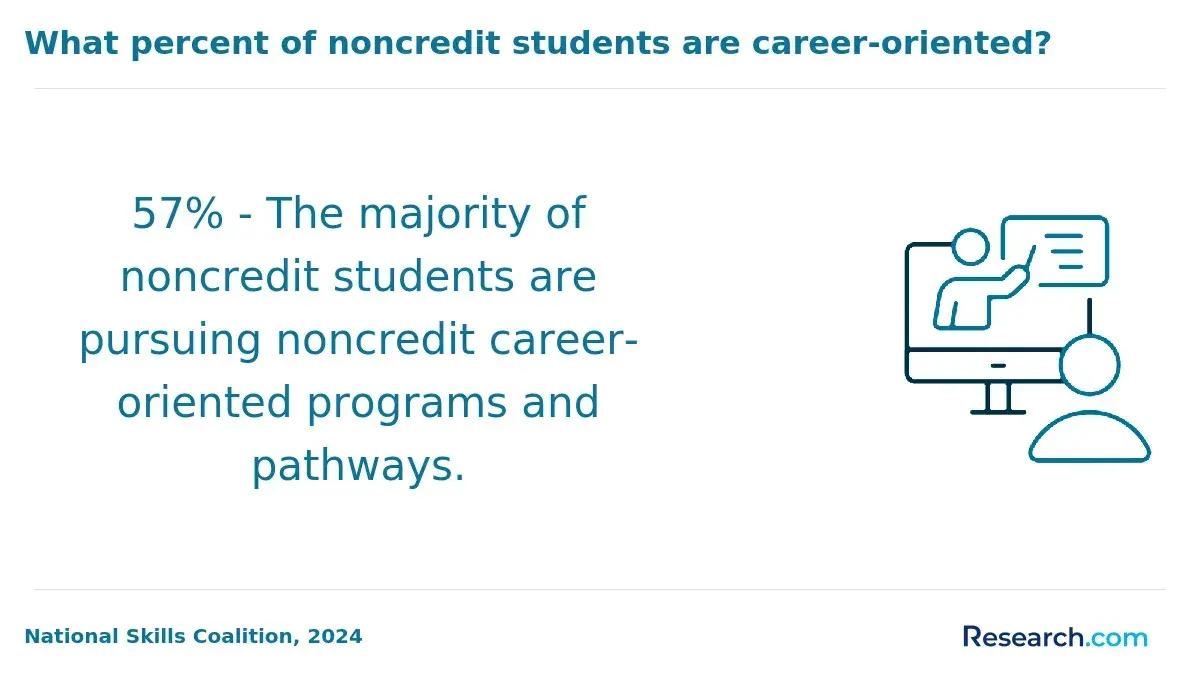
Rising demand for organizational communication programs typically leads to tighter admissions standards and more selective enrollment processes. As applicant interest surges, institutions often must refine their criteria to manage increased volume, favoring candidates with solid academic credentials, relevant internships, or demonstrated leadership potential. This heightened selectivity reflects the effort to maintain educational quality amid constrained seats and to align admissions outcomes with evolving workforce expectations. In some cases, programs introduce prerequisite coursework or supplemental assessments to better differentiate applicants when capacity cannot keep pace with demand.
Key factors shaping this dynamic include physical program capacity, faculty availability, and accreditation mandates that limit enrollment size. Institutions with greater resources may expand offerings through increased faculty hires or online course options, temporarily easing selectivity pressures. However, programs in smaller schools or regions face more rigid caps, intensifying competition. Additionally, employer demand for communication skills such as digital literacy and adaptability influences admissions committees to prioritize applicants with relevant experience or technical competencies, linking selection decisions closely to labor market trends. Waitlist systems and phased admissions often emerge as strategies to balance demand without overburdening program infrastructure.
These pressures impact prospective students by raising the bar for admission preparation and extending decision timelines. As programs gain reputation and prestige from competitive admissions, accessibility may narrow, requiring early and strategic application efforts. Applicants must navigate not only academic requirements but also nuanced assessments of program capacity and market alignment, highlighting the importance of understanding how demand fluctuations translate into real admissions hurdles.
A graduate who applied during a period of rapidly increasing interest recalls submitting their application early but then facing several weeks of uncertainty as the program employed rolling admissions and waitlists to adjust class size. They described the experience as "a balancing act between patience and preparation," noting how supplemental essays and prerequisite verifications delayed final decisions. This wait created tension but ultimately allowed the program to filter for candidates better matched to employer expectations, reinforcing their sense that admissions outcomes reflected a complex interplay of timing and institutional capacity rather than simple merit alone.
How Do Organizational Communication Specialization Options Vary by Region?
Specialization options within organizational communication degrees are closely shaped by regional economic priorities and the concentration of industry sectors. Areas such as the Northeast and West Coast, hosting dense networks of healthcare organizations, technology firms, and corporate headquarters, tend to offer a broader array of specialized tracks including crisis communication, corporate communication, and health communication. These specializations align with local labor market needs for professionals who possess targeted communication expertise applicable to complex, sector-specific challenges. Conversely, regions with less industrial diversity, like parts of the Midwest and South, often focus their programs on foundational organizational communication principles, reflecting a workforce demand for versatile communication skills adaptable across various generalist roles.
Several factors drive these regional distinctions, including dominant industries, institutional research agendas, and the nature of employer partnerships. Universities in regions with strong biotech or public health sectors, for example, often develop specialized curricula responsive to growing demand for communication professionals skilled in navigating healthcare information flows and policy contexts. Similarly, states where manufacturing or service industries predominate may see organizational communication programs emphasize broad-based theories to meet employer preferences for flexible communicators. Data from the Council of Communication Associations in 2024 indicates that roughly 70% of programs in less diversified markets maintain generalist curricula, highlighting how workforce structures guide academic offerings and influence curricular design to match anticipated occupational roles.
These regional specialization patterns carry tangible implications for student decisions and career trajectories. Students aiming for niche roles or industries with intense communication demands might prioritize relocating to or selecting programs in regions where specialized tracks are robust and closely intertwined with local industry ecosystems. Meanwhile, those constrained by geography or seeking flexibility might accept broader programs but should anticipate supplementing their education with certifications or targeted skill development to remain competitive. Understanding how regional economies and institutional collaborations sculpt specialization variability allows prospective students to better align their academic choices with both immediate workforce realities and long-term employability strategies.
How Does Regional Employer Demand Affect Career Outcomes?
Regional employer demand significantly shapes job availability and early career prospects for graduates of organizational communication degree programs. Areas with concentrated industries such as healthcare, technology, and corporate services tend to offer more openings and faster entry into relevant roles, reflecting local labor market needs. According to a 2024 U.S. Bureau of Labor Statistics report, regions with robust corporate headquarters and service sectors report approximately 12% higher median wages for communication-related jobs than less diverse or rural markets. This geographic variation in employer concentration directly influences how graduates' academic credentials translate into practical employment outcomes across states, making it a key consideration for understanding how regional employer demand for organizational communication jobs influences career success in different states.
The relationship between regional demand and career outcomes hinges on several mechanisms, including industry clustering, employer partnerships with educational institutions, and competition for talent that drives wage differences. When metropolitan areas host diverse employers and specialized hiring ecosystems, graduates often benefit from broader networks and mentorship opportunities that can accelerate skill development and promotions. Conversely, regions with sparser employer presence may offer limited wage growth and fewer advancement paths, despite comparable program availability. This dynamic also reflects impact of state-level organizational communication employment trends on graduate career outcomes, reinforcing the importance of aligning education choices with local economic conditions rather than assuming uniform market prospects.
Broader implications extend to geographic mobility and evolving work models, as some graduates weigh relocating to high-demand states to access better opportunities or consider remote roles expanding their reach beyond local constraints. These decisions are shaped by employer concentration patterns and the extent to which regional ecosystems support sustained career growth. Prospective students comparing program availability might also explore resources like open university free courses for over 60s to complement formal education with flexible learning options suited for varying regional labor demands and personal circumstances.
What Factors Matter Most When Comparing Organizational Communication Programs Across States?
Comparing organizational communication degree program availability by state requires an evaluation beyond mere program presence. State-level factors significantly influence access to specialized curricula, tuition costs, and the relationship between graduates and local job markets. Understanding regional tuition differences in organizational communication programs and the diversity of academic options is key to assessing educational investment and career potential in various states.
- Program accreditation and regional recognition: Accreditation is a baseline for academic rigor and employer trust. States hosting regionally accredited institutions with organizational communication degrees provide graduates with credentials recognized on a national scale. This factor impacts not only the transferability of credits but also the long-term value of the degree in competitive hiring environments.
- Curriculum depth and specialization options: States with multiple institutions offering tracks like corporate communication, intercultural communication, or digital media enhance alignment between student interests and workforce needs. Specialized coursework is valued by 67% of employers surveyed in 2024 by the National Communication Association, underscoring the importance of curricular flexibility in meeting targeted career goals.
- Graduate employment outcomes and industry connections: Programs situated in states with robust media, corporate, or public sectors tend to report higher placement rates, often 10-15% above national averages within a year of graduation, according to U.S. Bureau of Labor Statistics data. Local internship opportunities and partnerships strengthen experiential learning, directly affecting job readiness and networking.
- Tuition costs and financial aid availability: Regional tuition differences in organizational communication programs are pronounced. States with lower in-state tuition and substantial financial aid reduce barriers to entry and loan burdens, impacting long-term student debt and return on investment. Cost considerations must be balanced with quality and outcomes to determine true program value.
- Access to experiential learning: The proximity of industries offering internships and hands-on projects varies by state and affects practical skill development. This factor influences employment readiness and should be weighed alongside academic offerings when comparing programs.
Students weighing options may also consider adjacent fields; many explore careers with animals that pay well, reflecting the dynamic interplay of communication skills across diverse sectors, including healthcare and environmental contexts.
Which Regions May See the Fastest Growth in Organizational Communication Education?
Growth in organizational communication education is strongest where employer demand, demographic changes, and higher education investment converge. Regional expansion in programs tends to reflect broader economic development, workforce needs, and institutional capacity to offer specialized curricula. Understanding these interlinked factors helps clarify why some U.S. regions will likely experience faster growth in organizational communication education than others.
- Southeast: The Southeast exhibits robust growth driven by expanding metropolitan areas, increased investments in healthcare and service industries, and a surge in corporate communication needs. University systems here are expanding interdisciplinary programs combining communication with business and technology, responding to employer demand for graduates adept in managing diverse workforces and remote collaboration. This growth supports a wider variety of program formats and experiential learning opportunities.
- Southwest: Increasing population and technology sector expansion in states like Texas, Arizona, and New Mexico fuel demand for communication specialists in corporate and government settings. Regional higher education institutions are investing in online and hybrid options to attract adult learners and professionals, likely boosting program availability and specialization in areas like crisis communication and multicultural engagement.
- Midwest: Traditionally slower to expand, the Midwest shows early signs of growth through community colleges and state universities emphasizing flexible, low-residency programs. Workforce shortages in manufacturing and healthcare sectors are encouraging institutions to offer targeted organizational communication training aligned with regional economic shifts, benefiting working adults and nontraditional students.
- Northeast: While mature and competitive, the Northeast maintains steady demand due to dense urban centers and established corporate headquarters. The focus is on program quality, experiential learning, and job placement rather than rapid expansion, creating an environment where specialization and employer networks have significant value for students.
According to the U.S. Department of Education's National Center for Education Statistics, enrollment in communication-related programs rose over 12% in key growth states between 2021 and 2023, illustrating how regional economic conditions directly influence educational pathways. Prospective students should consider these dynamics when assessing program access and relevance.
References:
- Organizational Communication Concentration | George Fox https://www.georgefox.edu/college-admissions/academics/major/organizational-communications-concentration.html
- The Top 30 Online Masters in Communications Degree Programs - Best Marketing Degrees https://www.bestmarketingdegrees.org/top-20-online-masters-communications-degree-programs/
- What Is Organizational Communication? An Introduction https://www.park.edu/blog/what-is-organizational-communication-an-introduction/
- Guide to Research in Organizational Communication - MastersinCommunications.com https://www.mastersincommunications.com/research/organizational-communication/
- CONCENTRATIONS IN COMMUNICATION https://www.villanova.edu/university/liberal-arts-sciences/programs/communication/undergraduate-program/major/specializations.html
- View of How does Organizational Communication affect Job Satisfaction among Employees of Automotive Companies? https://journal.globresco.com/index.php/FAMJ/article/view/448/347
- Online Master’s in Organizational Communication Programs in 2025 https://www.mastersincommunications.org/online-organizational-communication/
- Enhancing Access, Engagement, and Inclusion in Online Education https://www.facultyfocus.com/articles/blended-flipped-learning/enhancing-access-engagement-and-inclusion-in-online-education/
- Organizational Communication https://www.assumption.edu/undergraduate/organizational-communication
- The Role of Organizational Communication in Enhancing Organizational Efficiency https://jssh.edu.af/jssh/article/view/131
Other Things You Should Know About Organizational Communication
Not necessarily. While states with the most organizational communication degree options provide greater flexibility, some programs in states with fewer offerings are highly specialized, focusing on niches like corporate communication, conflict management, or digital media strategies. Students targeting specific career paths may benefit more from these focused programs despite limited choices. Therefore, evaluating program specialization and alignment with career goals is often more important than simply the abundance of options available.
Curriculum structures vary significantly, especially in states with multiple programs. Some programs emphasize theory and research skills heavily, preparing students for academic or consulting roles, while others focus on practical skills like interpersonal communication, leadership, and technology integration. This disparity impacts employability, as employers increasingly seek graduates with hands-on experience and strategic communication competencies. Applicants should prioritize programs that balance theoretical grounding with applied learning experiences to meet current industry expectations.
Even in states offering numerous organizational communication degree options, in-state versus out-of-state tuition differences can materially affect affordability and financial burden. Residency status may determine eligibility for scholarships or in-state tuition discounts, influencing the net cost and feasibility of enrolling. For students who prioritize cost-effectiveness alongside program variety, establishing residency or considering community college transfer pathways before enrolling in a four-year program can be a strategic move. Cost decisions should be integrated with program quality and career outcome prospects rather than treated separately.