2027 Organizational Communication Degree Enrollment Trends by Age Group: Traditional Students vs Adult Learners

Co-Founder and Chief Data Scientist
Organizational communication programs reveal distinct enrollment differences shaped largely by workforce demands and career-stage priorities. Traditional students, typically aged 18-24, enroll in response to evolving employer expectations for fresh graduates equipped with digital communication competencies, a skill set cited as critical by 67% of hiring managers in corporate communication roles.
Adult learners dominate enrollment in programs offering flexible schedules aligning with career transitions into leadership or consulting positions that require recognized credentials but less emphasis on practicum hours. These patterns suggest the field is bifurcating to meet immediate technical proficiency needs among younger entrants while supporting experiential credentialing for established professionals seeking advancement within increasingly complex organizational structures.
Key Things to Know About Organizational Communication Degree Enrollment Trends by Age Group
- Traditional-age students dominate enrollment but face a tradeoff: earlier entry into the workforce versus deeper specialization opportunities often preferred by older peers.
- Employers increasingly value adult learners for Organizational communication due to their applied experience, influencing hiring trends that favor practical skills over academic tenure.
- Adult learners typically encounter higher cost and time barriers, affecting program access and completion rates, underscoring the importance of flexible scheduling and credit transfer policies.
- Key Things to Know About Organizational Communication Degree Enrollment Trends by Age Group Key Things to Know About Organizational Communication Degree Enrollment Trends by Age Group
- Which Age Groups Represent the Largest Share of Organizational Communication Students? Students by Age Group
- Why Do Traditional Students Choose Organizational Communication Degree Programs? Traditional Students
- Why Do Adult Learners Return to School for an Organizational Communication Degree? Adult Learners
- How Do Academic Goals Vary Between Younger and Older Organizational Communication Students? Academic Goals by Age Group
- How Do Financial Concerns Differ Between Traditional Students and Adult Learners? Financial Concerns by Age Group
- What Challenges Do Adult Learners and Traditional Students Face While Earning an Organizational Communication Degree? Student Challenges by Age Group
- How Does Age Affect Organizational Communication Degree Student Retention? Age and Student Retention
- Which Organizational Communication Specializations Are Most Popular Among Adult Learners? Top Specializations for Adult Learners
- How Does Age Affect Job Opportunities for Organizational Communication Graduates? Impact of Age in Job Opportunities
- What Do Current Organizational Communication Enrollment Trends Reveal About Future Demand? What Do Current Organizational Communication Enrollment Trends Reveal About Future Demand?
Which Age Groups Represent the Largest Share of Organizational Communication Students?
Organizational communication programs attract learners at various life stages, yet enrollment overwhelmingly concentrates in specific age brackets. This pattern reflects broader workforce entry timing, financial readiness, and established educational pathways rather than mere academic preference. These age distributions illustrate shifting labor market demands and educational system structures that shape who pursues degrees in the field and when.
Understanding these enrollment demographics reveals how career transitions and economic factors influence who opts into organizational communication studies.
- Ages 18-24: This group comprises the largest share of organizational communication students, aligned with typical postsecondary enrollment trends. Many transition directly from high school, facilitated by academic advising and financial aid that ease immediate entry into undergraduate programs. Their enrollment dominance reflects the broader age distribution of organizational communication degree enrollees and traditional pathways emphasizing full-time campus involvement and foundational skills development.
- Ages 25-40: Adult learners in this bracket increasingly form a growing segment within the field, motivated by workforce experience and specific career pivots. These students often balance jobs and familial responsibilities, which influences their preference for flexible program formats. Their enrollment, although smaller than the traditional cohort, brings valuable practical insights, responding to employer demand for applied communication skills paired with professional backgrounds.
- Ages 41 and Older: This group represents a smaller portion of enrollees, often engaging in organizational communication studies for targeted skill enhancement or late-career transitions. Their participation typically occurs in part-time or online formats, shaped by balancing long-term employment and educational goals. Despite lower numbers, these learners underscore the growing relevance of lifelong education within the organizational communication domain.
The age distribution highlights important tradeoffs: traditional students benefit from immersive environments fostering peer networks highly regarded by employers, while adult learners prioritize program accessibility and adaptability. These realities influence enrollment patterns and reflect how workforce dynamics and educational structures intersect.
Prospective students should weigh these factors when assessing organizational communication programs and consider the implications for career trajectory and skill applicability. For those seeking alternative educational pathways with flexible timelines and clear employment value, exploring 2-year online degrees that pay well may offer insight into comparable program structures that support nontraditional learners balancing diverse commitments.
Why Do Traditional Students Choose Organizational Communication Degree Programs?
Traditional students often select organizational communication degree programs due to a combination of their academic interests in communication dynamics and the perceived signaling value these degrees offer in the early career phase. Many view this field as a strategic intersection of communication theory and practical application, which supports exploration across management, marketing, and public relations domains.
This aligns with their objective to map career pathways while still in an exploratory stage of higher education. According to the 2024 National Center for Education Statistics report, about 62% of traditional undergraduates highlight clear job pathways and career readiness as decisive factors, underscoring how these benefits of organizational communication degree for traditional students directly influence enrollment decisions.
Beyond personal academic inclinations, institutional factors such as recruitment strategies and guidance counseling heavily shape the influx of traditional students into organizational communication programs. Many state and private universities integrate these degrees into interdisciplinary frameworks, promoting them through specific pathways that attract recent high school graduates.
Early exposure to communication curriculum in secondary education or introductory college courses also increases familiarity and interest. Additionally, perceived job market stability in communication roles across sectors reinforces program popularity. Students aware of these dynamics might also consider alternative routes such as a psychology degree online cheap when balancing affordability and field relevance, reflecting broader trends in student decision making.
Why Do Adult Learners Return to School for an Organizational Communication Degree?
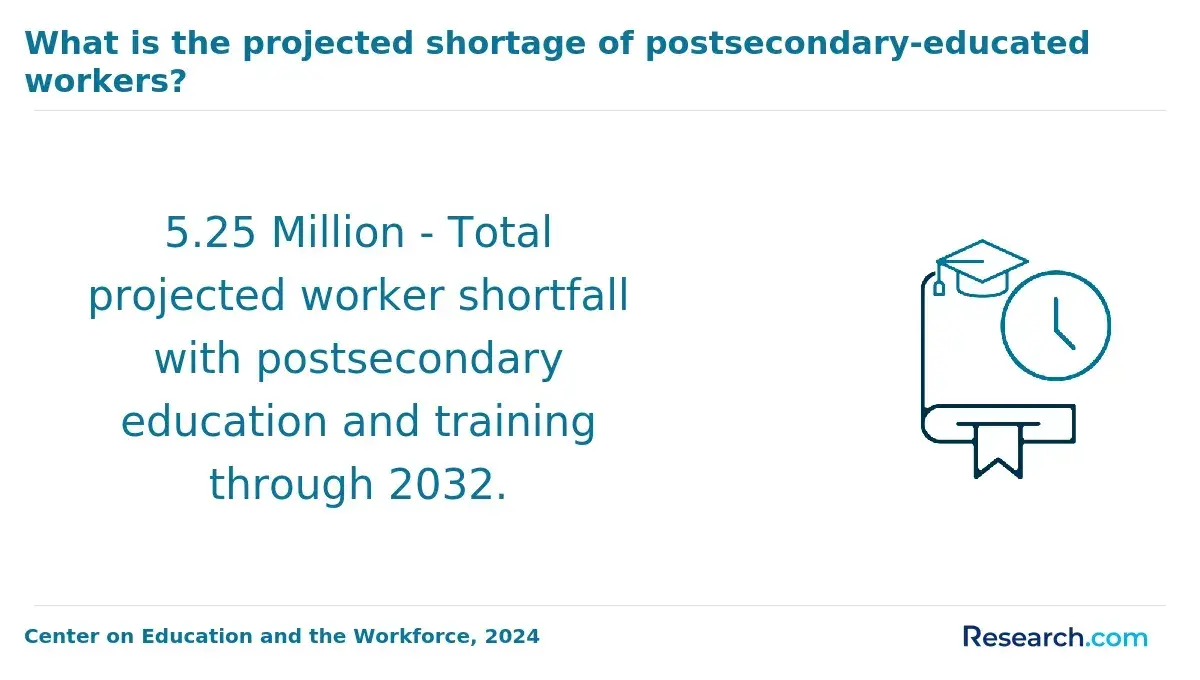
Adult learners pursuing an organizational communication degree often do so to navigate specific workforce transitions such as career advancement, wage enhancement, or moving into new industries requiring sophisticated communication competencies. Unlike traditional students entering the field fresh, adults typically return to education aiming to meet evolving employer demands for leadership communication, conflict management, and change facilitation skills.
These skills increasingly underpin managerial roles, where communicative effectiveness is directly tied to organizational outcomes. According to the National Center for Education Statistics' 2024 report, over 60% of adult enrollees in this area identify career progression as their primary driver, reflecting labor market pressures that reward credentialed expertise beyond initial academic qualifications.
Additional factors contributing to adult enrollment include expanded employer tuition reimbursement programs and the widespread availability of flexible, online formats geared toward working professionals. These program designs accommodate adults juggling professional and personal responsibilities while helping them update technical and interpersonal skills critical to shifting industry standards.
Credential inflation in many sectors increases the necessity for formal educational validation of experience, prompting adults to seek degrees that combine actionable real-world projects with academic rigor. Changing workplace expectations, particularly in diverse industries that emphasize relational and organizational dynamics, sustain demand for adult learners to re-skill and enhance their professional toolkit through organizational communication education.
How Do Academic Goals Vary Between Younger and Older Organizational Communication Students?
Younger students pursuing an organizational communication degree commonly adopt an exploratory stance toward their education, aiming to build a broad foundation of theoretical knowledge and critical communication skills. Their academic goals often emphasize skill diversification, internship opportunities, and network expansion to support entry-level employment or graduate study pathways.
Many are focused on gaining credentials that provide flexible options for future specialization or advanced degrees, reflecting a longer time horizon in career development. According to a 2024 report from the National Center for Education Statistics, about 55% of traditional students prioritize broad learning experiences over immediate job applicability, underscoring their role as emerging professionals experimenting with potential career directions.
In contrast, older organizational communication students tend to pursue targeted academic objectives centered around skill acquisition with direct, practical outcomes that align with current job demands or managerial transitions. These learners prioritize degrees that offer flexible scheduling and applicable coursework relevant to workplace challenges like leadership, conflict resolution, and digital communication tools.
Their educational decisions are often influenced by financial obligations and the need for credentialing to validate expertise for advancement or consultancy roles, reflecting an investment with shorter expected returns. Nearly 40% of adult learners, as noted in the same 2024 data, focus on education as a mechanism for immediate career progression, illustrating a strategic, outcome-driven approach deeply informed by their existing professional experience.
One adult learner shared how returning to school required careful navigation of the rolling admissions timeline during a period of job uncertainty. Initially hesitant to apply, she delayed submission to gather all transcripts and updated her resume, worried about missing the entry deadline if job prospects shifted.
When the application was finally completed, the flexibility of online program offerings allowed for enrollment without disrupting her ongoing work commitments. The relief she felt was tied not just to acceptance but to having secured a pathway that balanced personal responsibilities with a clear focus on acquiring specific leadership skills she needed for a planned role change within her company.
How Do Financial Concerns Differ Between Traditional Students and Adult Learners?
Traditional students pursuing an organizational communication degree typically depend on a mixture of financial aid, parental support, and student loans to fund their education. Their financial decision-making revolves around managing upfront tuition costs alongside the implications of accumulating long-term debt. The National Center for Education Statistics reports that nearly 70% of these younger students receive some form of federal aid, which lessens immediate expenses but often results in early-career debt burdens.
Their reliance on external support makes balancing present costs with post-graduation financial stability a central concern, especially when compared to adult learners who navigate different funding challenges related to their broader financial obligations. Adult learners face distinct financial pressures shaped by household expenses, childcare, mortgage payments, and the immediate loss of income from reducing work hours to attend school.
With over 60% of adult students financing education through personal income, according to the 2024 Adult Learner Financial Trends Report by the Lumina Foundation, opportunity cost plays a critical role in their educational choices. Employers often expect these students to possess strong practical and communication skills, which can justify short-term financial strain through hopes of improved career trajectory.
These dynamics highlight complex tradeoffs between maintaining workforce participation and investing in education, making financial planning for adult learners markedly different from the typical cost challenges seen with younger students pursuing an organizational communication degree. These divergent financial realities substantially influence enrollment patterns and program selection, such as the increasing preference among adult learners for flexible online options to mitigate opportunity costs.
Understanding how project manager degree programs and similar fields factor into workforce demands can also guide decisions on return on investment evaluations. Moreover, life stage financial commitments and debt tolerance shape whether learners prioritize immediate debt avoidance or the long-term economic benefits of education.
These factors underscore why cost challenges for adult learners pursuing organizational communication degrees must be considered through the lens of lifecycle financial planning and pragmatic workforce integration rather than generalized affordability discussions.
What Challenges Do Adult Learners and Traditional Students Face While Earning an Organizational Communication Degree?
Traditional students pursuing a degree in Organizational Communication often face challenges tied to their transitional life stage, primarily involving adapting to the academic environment and mastering time management. Many are simultaneously negotiating social integration pressures while developing foundational knowledge within a structured curriculum.
A 2024 report from the National Center for Education Statistics indicates that about 38% of traditional students identify time management and adjusting to academic rigor as their main obstacles, reflecting the difficulties inherent in balancing coursework demands with campus life and personal development during this formative period.
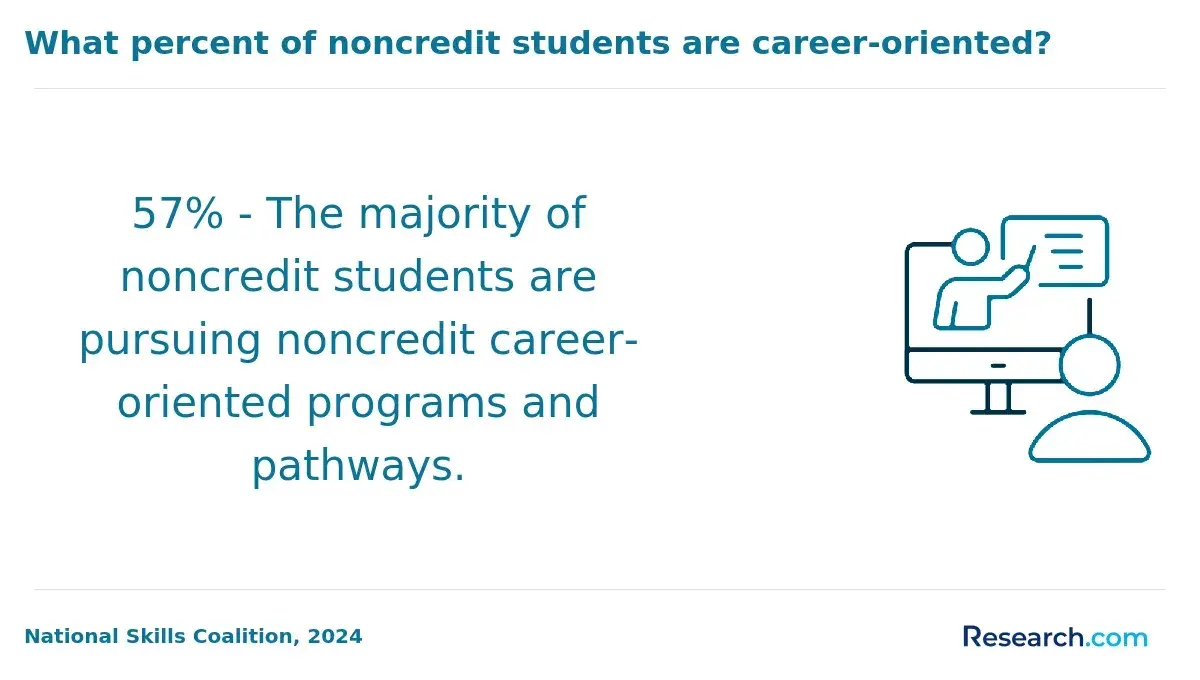
Adult learners encounter a distinctly different set of challenges influenced by their extended life responsibilities and prior experiences. Balancing full-time employment and family caregiving commitments complicates consistent engagement with coursework, with over 55% reporting such pressures according to the 2024 Lumina Foundation's Adult Learner Impacts Study.
Re-entering academia after a prolonged absence often creates a steep learning curve, especially when coupled with managing financial burdens and navigating evolving digital platforms integral to Organizational Communication programs. These factors demand both flexible scheduling and significant self-regulation, which can prolong time to degree completion compared to traditional students.
Institutions increasingly recognize these divergent challenges by expanding support services tailored to each group's needs, such as flexible course formats, targeted advising, and technology training designed for adult learners' digital adaptation. Meanwhile, traditional students may benefit more from immersive campus resources and structured skill development workshops.
Addressing these lifecycle-specific demands is critical for improving retention and degree fulfillment rates, as differing student profiles require distinct operational approaches rather than uniform educational models within Organizational Communication programs.
How Does Age Affect Organizational Communication Degree Student Retention?
Retention challenges for younger students in organizational communication degree programs often stem from the transitional nature of their college experience. Many traditional students grapple with adapting to academic rigor and managing motivation when their personal and professional goals remain unclear. Early engagement struggles are common, as these students may lack the focused purpose that drives persistence, resulting in higher variability in retention rates.
According to the National Student Clearinghouse Research Center (2024), students aged 18 to 24 demonstrate retention rates notably lower-by about 10 to 15 percent-than those of older cohorts, reflecting these adjustment pressures. Older organizational communication students typically approach their education with a defined goal orientation, often linked to specific career aspirations or workplace advancement.
However, their retention is affected by external factors like balancing coursework with full-time employment and family obligations, which impose significant time constraints. Institutions that provide flexible schedules and online options tend to better support this demographic's persistence, recognizing the competing demands unique to adult learners. Their retention patterns reveal a resilience grounded in practical motivation rather than academic exploration, shaping distinct enrollment behaviors compared to traditional-age peers.
One organizational communication graduate recalls hesitating during the rolling admissions process, uncertain whether to apply immediately or wait for more information about course formats and scheduling flexibility. Juggling a demanding job and family commitments, this student weighed the risk of delaying enrollment versus rushing in unprepared, ultimately finding relief in the institution's transparent communication and support services.
Which Organizational Communication Specializations Are Most Popular Among Adult Learners?
Adult learners typically prioritize organizational communication specializations with direct connections to managerial responsibilities, leadership skills, and immediate career mobility. Unlike traditional students who may focus on emerging media or digital communication niches, these learners emphasize specializations that integrate their prior professional experience with practical skillsets valued by employers.
This alignment enhances their potential for salary growth and positions them for workplace transitions or enhanced supervisory roles. Data from education workforce studies indicate that about 65% of adult learners in organizational communication select tracks oriented around leadership and change management, illustrating a clear orientation toward applicable skills and measurable outcomes.
- Leadership Communication: Working professionals gravitate toward this specialization because it refines skills essential for managing teams and influencing organizational culture. It leverages adult learners' experience, emphasizing negotiation, motivation, and strategic decision-making that directly correlate with career advancement opportunities.
- Conflict Resolution: This track appeals to those aiming to improve workplace dynamics and reduce operational disruptions. Adult learners often seek competencies in mediation and problem-solving to complement roles that involve human resource management or supervisory responsibilities.
- Organizational Development: This specialization attracts learners interested in guiding structural or process changes within companies. Its focus on diagnosing organizational issues and implementing improvements supports mid-career professionals' efforts to lead transformational initiatives.
- Corporate Communication: Preferred by learners aiming to control messaging across departments and stakeholder groups, this path supports roles requiring a blend of marketing, public relations, and internal communication expertise. Adult learners frequently use it to pivot toward consultancy or senior communication roles.
- Strategic Communication: This specialization aligns with those pursuing high-level planning and execution of communication campaigns, sharpening skills in audience analysis and message crafting. It complements career paths focused on thought leadership and cross-functional collaboration.
These specialization choices illustrate deliberate patterns whereby adult learners select fields that build on existing experience while addressing pressing organizational challenges, confirming that the best organizational communication career paths for adult students center on applied leadership and change management skills rather than emerging technologies or media trends. This pragmatic focus helps them position for promotions or new roles requiring complex interpersonal and strategic proficiencies.
Compared to younger students, adult learners' emphasis on these specializations also reflects different motivations and schedules, as they require flexibility and immediate return on investment from their studies. Programs tailoring curricula to these needs further enhance enrollment among adult professionals balancing multiple responsibilities.
For those considering intersecting fields, understanding the range of applicable communication roles can be crucial. For example, students exploring roles beyond organizational communication might review jobs I can get with a master's in forensic psychology to evaluate alternative career possibilities that leverage their interpersonal and analytical skills.
How Does Age Affect Job Opportunities for Organizational Communication Graduates?
Younger organizational communication graduates, generally aged 18 to 24, often benefit from clearly defined entry-level pathways and established internship pipelines that facilitate smoother transitions into early-career roles. Employers frequently prioritize their perceived flexibility, recent academic exposure, and adaptability, which align well with entry-point hiring frameworks.
The U.S. Bureau of Labor Statistics 2024 data highlights this trend by showing an unemployment rate of 5.2% for individuals under 25 in communication fields, notably lower than the sector's 7.8% average across all age groups. This dynamic reflects how age interplays with educational timing to optimize access to foundational career positions, a critical factor when assessing organizational communication graduate job market trends.
Conversely, organizational communication graduates aged 25 and above often enter the labor market with varied prior work experience and developed soft skills, positioning them differently within hiring structures. While these adult learners can leverage transferable competencies for more specialized or leadership roles, they sometimes face employer biases regarding age or expectations of advanced responsibilities, which can narrow earlier-stage job prospects.
A 2024 report from the National Association of Colleges and Employers identified that 43% of employers view graduates over 30 as better suited for strategic or managerial roles rather than entry-level jobs. Navigating these realities amid shifting workforce segmentation requires understanding how such graduates align their skills with employer demand and may seek alternative routes, including exploring jobs for introverts that pay well to balance personal fit with marketability in organizational communication careers.
What Do Current Organizational Communication Enrollment Trends Reveal About Future Demand?
Rising enrollment trends in organizational communication degree programs reflect shifting student priorities and a growing recognition of the degree's career value beyond traditional academic pathways. Data from the National Center for Education Statistics in 2024 indicates that nearly 40% of new enrollees are adult learners aged 25 and older, signaling increased appeal among professionals seeking mid-career skill upgrades.
Meanwhile, steady enrollment among traditional college-age students suggests sustained undergraduate interest but with distinct expectations around program structure and content. These shifts also point to a diversification of learner needs, with greater demand for flexible, applied learning formats tailored to real-world workplace communication challenges.
These enrollment dynamics align closely with broader labor market signals where employers emphasize strong interpersonal, leadership, and digital communication competencies in multigenerational workplaces. Technological advancements and growing collaboration demands contribute to industry expansion in sectors valuing communication expertise, creating workforce shortages that educational institutions respond to by adapting curricula and increasing program accessibility.
Consequently, enrollment patterns serve as a leading indicator of both immediate and long-term demand, influencing specialization development and signaling the importance of organizational communication degrees for evolving professional roles.
References
- Organizational Communication, B.A. https://www.pointloma.edu/undergraduate/programs/organizational-communication-ba
- Adult Postsecondary Learners: Reviewing the Data and Evidence https://www.jff.org/idea/adult-learners/
- Does Higher Ed’s Value Proposition Resonate with Adult Learners? - UPCEA https://upcea.edu/does-higher-eds-value-proposition-resonate-with-adult-learners/
- Organizational Communication Concentration | George Fox https://www.georgefox.edu/college-admissions/academics/major/organizational-communications-concentration.html
- 8 Reasons to Go Back to School as an Adult https://chartercollege.edu/news-hub/reasons-go-back-school-even-adult/
- Back to School After Many Years: What to Consider | UT San Antonio Online https://online.utsa.edu/blog-content/going-back-to-school-after-years/
- The impact of communication apprehension on college student retention and success https://oamonitor.ireland.openaire.eu/rfo/sfi_rfo/search/publication
- Master’s in Communication Specializations and Concentration Options https://www.mastersincommunications.com/specializations/
- Future of Workplace Communication: What to Expect https://www.engagesolutionsgroup.com/employee/resources/future-of-workplace-communication-what-to-expect
- Adult career changer's guide: Benefits of going back to college https://news.newmanu.edu/adult-career-changers-guide-benefits-of-going-back-to-college/
Other Things You Should Know About Organizational Communication
Adult learners typically benefit from flexible, part-time, or online formats because they balance education with work and family responsibilities. Traditional students, often attending full-time and on campus, may engage more deeply with immersive, synchronous coursework. Therefore, adult learners should prioritize programs that offer asynchronous learning options to manage workload effectively without compromising career or personal commitments. In contrast, traditional students may find immersive campus experiences more conducive to networking and skill development valued by many employers.
In 2027, there is an increase in enrollment among adult learners seeking organizational communication degrees, driven by flexible online programs and advanced career expectations. Meanwhile, traditional student enrollment remains steady, focusing on foundational communication skills beneficial for future employment prospects.
Traditional students often benefit from peer interactions within their age cohort, which can foster long-term professional connections and a supportive social learning environment. Adult learners studying alongside predominantly younger peers might face challenges in relating experiences or coordinating schedules, potentially reducing informal learning and networking benefits. Adult learners should weigh programs that intentionally include cohort models or adult learner groups to enhance peer connection and career networking, while traditional students typically gain broader campus-based networking naturally.
Traditional students usually have more time to dedicate to intensive coursework and extracurricular activities but may experience higher pressure to maintain academic performance and campus engagement simultaneously. Adult learners must balance coursework with established careers and family life, making workload peaks and rigid deadlines more difficult to manage. Adult learners often benefit from programs offering modular courses or extended timelines to avoid burnout, while traditional students might prioritize programs with a faster pace and integrated experiential opportunities, recognizing their capacity to absorb academic rigor more readily.