2027 Organizational Communication Degree Oversupply or Undersupply? Student Volume vs Employer Demand

Co-Founder and Chief Data Scientist
A prospective student weighing a degree in organizational communication must confront a complex labor market where graduate output recently outpaced employer demand by nearly 15% nationwide, according to 2024 graduate employment data. This oversupply intensifies competition, especially in urban centers where job openings remain stagnant despite steady enrollment increases.
Meanwhile, some regions report persistent shortages of communication specialists with digital and strategic skills firms now prioritize. Graduates from saturated markets risk underemployment or relocating for roles that match their qualifications.
Educators and professionals must also consider how evolving employer expectations reshape credential value and career trajectories over time. This article compares organizational communication student volume with employer demand, job growth, industry needs, regional conditions, and skill gaps to help readers judge whether the field offers sustainable opportunities or rising competition.
Key Things to Know About Organizational Communication Graduate Supply and Employer Demand
- Graduate production in organizational communication has increased 15% since 2020, outpacing job openings growing at 7%, indicating rising entry-level competition that challenges graduates to differentiate skills beyond degree credentials.
- Most job demand clusters in tech and healthcare sectors require hybrid communication and data analysis expertise, highlighting an employer preference that creates skill mismatches for graduates focused solely on traditional communication theory.
- Geographic job growth is uneven, with urban hubs absorbing most new roles, causing cost and relocation tradeoffs for graduates from regions with stagnant employer presence, which influences access and timing of career entry.
- Is There an Oversupply or Undersupply of Organizational Communication Graduates? Graduate Oversupply or Shortage
- How is Organizational Communication Degree Enrollment Changing? Degree Enrollment Trends
- How Many Organizational Communication Graduates Enter the Workforce Each Year? Annual Graduate Workforce Entry
- Does Job Growth Support the Rising Supply of Organizational Communication Graduates? Job Growth Versus Supply
- How Competitive is the Entry-Level Market for Organizational Communication Graduates? Entry-Level Market Competition
- Which Industries Have the Greatest Demand for Organizational Communication Graduates? Top Hiring Industries
- Where are Organizational Communication Graduates Most in Demand? Top Geographic Demand
- Which Organizational Communication Specializations and Degree Levels Face the Strongest Demand? Which Organizational Communication Specializations and Degree Levels Face the Strongest Demand?
- Are Employer Skill Gaps Affecting Demand for Organizational Communication Graduates? Are Employer Skill Gaps Affecting Demand for Organizational Communication Graduates?
- What is the Future Supply-and-Demand Outlook for Organizational Communication Graduates? Future Supply-Demand Outlook
Is There an Oversupply or Undersupply of Organizational Communication Graduates?
The current balance between organizational communication graduate supply and employer demand reflects regional and sector-specific disparities rather than a uniform national oversupply. While overall graduate numbers are growing steadily, driven by increased completions nationwide, many metropolitan areas with concentrated corporate headquarters such as New York and Washington D.C. continue to exhibit robust hiring demand.
Conversely, graduates entering traditional media or generalist communications roles face more intense competition due to slower job growth in those domains, demonstrating how regional labor market dynamics and industry focus critically shape available opportunities. This nuanced landscape means that prospective students and degree holders must consider not only the volume of graduates but also local market absorption capacity and sectoral growth trends when assessing their employment prospects.
Degree level and specialization further stratify this supply-demand equation. Master's degree holders in organizational communication or communication management significantly improve their placement chances by aligning with employer preferences for strategic leadership and advanced communication skills, which are less emphasized at the bachelor's level.
Additionally, graduates with competencies in digital communication and analytics often encounter less congested job markets than those focusing on classic public or media relations, illustrating how evolving employer expectations and skill requirements influence competition intensity.
The distinction between oversupply and undersupply becomes clearer when factoring these qualifications alongside geographic and industry variations, underscoring the importance of informed decision-making rather than relying on broad assumptions about organizational communication graduate surplus or shortage.
These complexities have practical implications for students weighing the merits of degrees with different delivery timelines or intensities. Those seeking to enter the workforce more rapidly through an accelerated associate degree online pathway must balance speed with specialization and credential depth against prevailing demand patterns and experience expectations within target industries.
Ultimately, labor market conditions indicate that organizational communication employment outcomes depend on a combination of degree credentials, regional labor dynamics, and alignment with employer needs, reflecting the multifaceted nature of supply and employer demand beyond simple graduate counts.
How is Organizational Communication Degree Enrollment Changing?
Enrollment trends in organizational communication degree programs suggest a nuanced dynamic rather than a clear-cut oversupply or undersupply of graduates. Undergraduate participation has slightly declined in recent years, influenced by demographic shifts like a shrinking traditional college-age population and competition from alternative education paths.
Conversely, graduate program enrollment remains stable or slightly growing, largely due to expanded online offerings appealing to working professionals seeking flexible schedules. This redistribution across degree levels and formats may heighten competition for entry-level roles while supporting a steady pipeline of mid-career candidates who align more closely with evolving employer expectations, particularly in areas like digital collaboration and change management.
These patterns complicate simple supply-demand assumptions; for example, a nonprofit seeking internal communications specialists might find a tightening pool of degree holders but a consistent availability of bachelor's and master's graduates.
Regional labor market variations further challenge interpretations of national enrollment data, as local demand and employer preferences can diverge sharply from aggregate trends.
Institutions adapting curricula to enhance cultural competence and diverse student needs add practical value but also signal shifting workforce readiness profiles. Misreading these enrollment changes-such as overestimating graduate availability based on stable national figures-could lead to misguided hiring or career planning strategies that overlook real competition levels or specialization saturation.
A current organizational communication graduate shared that their program's cohort size grew noticeably when online options expanded, attracting a mix of recent undergraduates and career switchers. While some students viewed this as a sign of strong market opportunity, others expressed caution, aware that larger class sizes might translate into more competition for coveted internships and jobs.
The student noted how faculty emphasized skill differentiation and practical project work to help navigate a workforce where enrollment growth doesn't always guarantee straightforward employment access, illustrating the delicate balance between program expansion and real-world opportunity alignment.
How Many Organizational Communication Graduates Enter the Workforce Each Year?
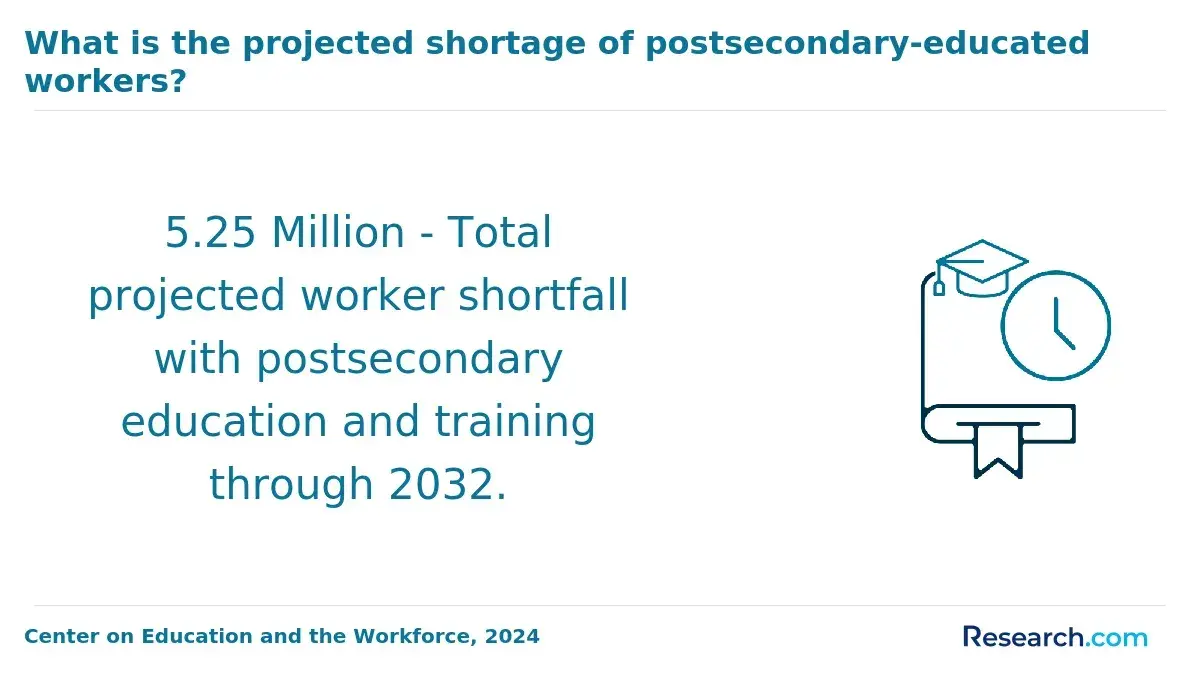
The number of organizational communication graduates produced annually does not alone indicate whether the labor market faces an oversupply or shortage. Data from sources like NCES and IPEDS from 2024 show roughly 4,500 to 5,000 related bachelor's degrees awarded each year, but many graduates do not immediately pursue or secure roles explicitly tied to organizational communication.
Factors including enrollment in online programs, varied specializations within communication fields, and graduates who enter adjacent sectors such as marketing or human resources complicate straightforward interpretations of supply and demand.
Workforce data reveals that about 60-70% of these graduates find employment in communication-specific roles within a year. This results in an estimated 2,700 to 3,500 new professionals directly entering relevant positions annually.
However, regional employer demand and skill requirements heavily shape hiring outcomes. For instance, metropolitan areas with concentrated communication programs see heightened competition, especially as employers prefer candidates with practical experience or niche skills like digital communication.
This means not all graduates compete in the same job pool simultaneously, and the timing of their labor market entry varies, underscoring the importance of strategic career preparation beyond degree completion.
Employers report a nuanced dynamic where the supply of graduates broadly matches or slightly exceeds openings in strictly organizational communication roles, yet there remains an indirect shortfall for candidates with advanced applied competencies.
Misreading volume data without accounting for these workforce subtleties can lead to flawed conclusions about job market saturation or opportunity. The reality is that despite the overall graduate numbers, the effective alignment with employer needs depends on varied trajectories, supplemental skills, and regional hiring patterns rather than absolute degree output alone.
Does Job Growth Support the Rising Supply of Organizational Communication Graduates?
Despite projected job growth in communication-related roles, employment opportunities are not expanding fast enough to absorb the increasing number of organizational communication graduates. Data from the U.S. Bureau of Labor Statistics through 2032 indicate growth rates between 8% and 12% for relevant occupations, but much of these openings arise from replacement demand rather than new positions.
Graduates focusing solely on generalist skills may encounter stiff competition, especially in saturated urban markets where employers prioritize candidates with expertise in digital marketing, data analysis, or specific sector experience.
For example, a recent graduate with a bachelor's in organizational communication may struggle to secure entry-level roles without additional specialization or geographic flexibility, highlighting a disconnect between graduate supply and job availability.
Regional differences further complicate this landscape, as slower-growing fields in underserved areas might offer better prospects due to retirements and local shortages. Prospective students should thus weigh how these employment demand trends interact with program content and career ambitions to avoid underemployment risks common among broadly trained candidates.
Increasing competition is intensified by a steady rise in graduates, partly driven by online options expanding access to degrees. As with evaluations in related fields, such as a criminal justice degree online, careful consideration of supply-demand alignment is critical.
Employers' growing emphasis on specialized skills and adaptable competencies underscores the necessity for targeted career preparation and realistic expectations regarding workforce integration for organizational communication graduates.
How Competitive is the Entry-Level Market for Organizational Communication Graduates?
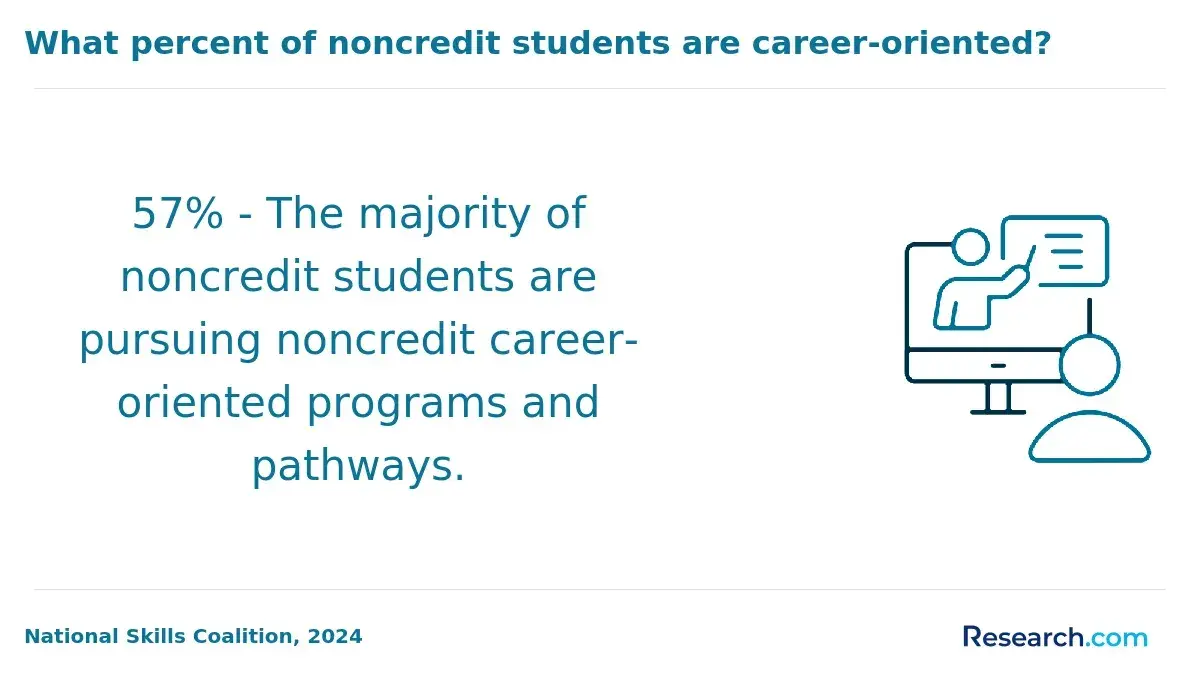
The entry-level job market for organizational communication graduates in 2024 exhibits a clear tension between graduate supply and employer demand, leading to significant competition for roles. Although hiring needs in communication-related positions are growing gradually-around 3% annually according to Lightcast-the number of graduates entering the workforce far exceeds available job openings.
Employers often prioritize candidates with relevant, practical experience, raising the bar for those entering without internships or co-op participation. This dynamic results in some graduates accepting positions outside their specialization or relocating to less saturated markets to improve employment prospects. Distinct geographic and industry variations further complicate the landscape. Key determinants of this competitive environment include:
- Applicant Volume: Job openings frequently attract four to five times as many applicants, especially in metropolitan areas. Graduates must anticipate heavy competition and often tailor applications to stand out amid large candidate pools.
- Experience Expectations: More than 60% of hiring managers prefer candidates with direct workplace experience such as internships or project involvement. Graduates lacking these credentials face tougher entry and should prioritize experience-building opportunities during or after their studies.
- Industry Concentration: Demand is uneven across sectors, with specialized roles more common in larger organizations and diversified economies. Graduates targeting niche industries may need deeper technical or hybrid skills to gain traction.
- Geographic Disparity: Smaller markets offer fewer roles, pushing some candidates to consider relocating or remote work. Regional economic factors heavily influence hiring cycles and available communication roles.
- Hybrid Skill Requirements: Increasingly, entry-level jobs expect competencies beyond core communication theory, including digital literacy, data analytics, or human resources familiarity, elevating the screening criteria.
- Long-Term Mobility: Career advancement depends strongly on sustained networking and skill development post-graduation, underscoring that degree attainment alone rarely secures long-term success.
After graduation, one candidate found the entry-level market more competitive than anticipated. Despite solid academic credentials, the repeated demand for internship experience narrowed interview invitations. Concentrated applications to regional non-profits yielded little traction, prompting a strategic pivot to mid-sized firms in adjacent metro areas with less crowded applicant pools. This shift improved response rates but required significant relocation stress and flexibility.
The graduate recognized that practical experience remained the critical differentiator and that careful industry targeting, along with persistent networking, were essential to overcoming initial barriers in an oversupplied applicant pool.
Which Industries Have the Greatest Demand for Organizational Communication Graduates?
Employer demand for organizational communication graduates is concentrated in industries where complex coordination, stakeholder engagement, and regulatory adherence are paramount. This demand reflects how sectors manage internal and external messaging to maintain operational integrity and competitive positioning.
Graduates weighing multiple labor markets must consider job volume alongside competition intensity, typical career trajectories, and required competencies. For example, healthcare offers high employer demand but often requires specialized knowledge of compliance communication, whereas technology firms may prioritize adaptability to rapid change and digital collaboration skills.
The variation in skill emphasis and advancement potential across industries highlights the importance of aligning one's expertise with sector-specific needs. Below are key industries generating the strongest demand.
- Healthcare: Driven by regulatory complexity and patient engagement imperatives, healthcare organizations consistently seek communicators to navigate policy dissemination, interdisciplinary coordination, and compliance communication. Entry-level roles often focus on internal communications, while senior roles require strategic planning and stakeholder management skills, with credentials in health administration favored.
- Technology: Tech companies managing hybrid work models require communicators skilled in change management, knowledge sharing, and cultural cohesion. Organizational communication graduates here must demonstrate agility and proficiency with digital platforms to enhance employee engagement and support innovation cycles.
- Professional Services: Consulting and marketing firms demand graduates who can synthesize complex data and craft client-centered narratives. Success in this sector depends on persuasive communication, project management experience, and the ability to tailor messages for diverse business audiences.
- Manufacturing: Increasing integration of technology and workforce diversity drives the need for communicators versed in technical literacy and safety protocol messaging. Roles typically involve compliance communication and cross-functional collaboration within production environments.
- Public Sector and Nonprofits: Though more variable by region, these sectors require organizational communicators to handle public engagement, grant writing, and crisis communication, often valuing candidates with demonstrated community relations experience.
Despite pockets of strong demand, many regions experience an oversupply of organizational communication graduates relative to entry-level openings. This misalignment intensifies competition and underscores the value of targeted skills and practical experience. Prospective students and current degree holders should carefully evaluate how industry-specific requirements and geographic trends influence employability and long-term career development in organizational communication fields.
Those exploring further educational pathways alongside communication degrees may find complementary value pursuing an online finance degree to broaden their strategic and analytical skillsets, enhancing versatility in the workforce.
Where are Organizational Communication Graduates Most in Demand?
National demand statistics for organizational communication graduates obscure significant regional disparities driven by local industry composition and employer density. High job volumes in metropolitan hubs like New York City or Seattle often reflect concentrations of healthcare systems, corporate headquarters, and government agencies that require specialized internal and external messaging expertise.
However, graduates entering these saturated urban markets face intense competition, elevated living costs, and frequently must align their skills with niche employer expectations to secure positions. Conversely, those in smaller states or less populous regions may find fewer openings despite a steady supply of graduates, increasing competitive pressure and limiting salary growth, a dynamic that often pushes professionals to consider relocation despite tradeoffs.
For example, a graduate targeting financial services roles in Texas might encounter a different balance of opportunity compared to one seeking internal communications in California's tech sector. While California's sprawling economy offers diverse options, many roles demand fluency in digital change management and employee engagement strategies, skills not always emphasized in all programs.
Some regions with fewer institutions producing graduates experience talent shortages that improve the odds for job seekers but come with reduced market size and less remote flexibility. Remote work partially mitigates geographic constraints, though employer preferences for local knowledge and network integration sustain advantages for those strategically positioned near industry clusters.
These factors indicate that students and current degree holders must evaluate labor markets beyond headline job counts, factoring in local economic contexts, specialization fit, and realistic cost-of-living considerations.
Labor-market analyses from entities like Lightcast in 2024 emphasize that hiring growth in organizational communication is uneven and tied to evolving corporate cultures and digital strategies. Aligning career plans to regional labor dynamics and employer demands, rather than broad geographic generalizations, substantially affects employability outcomes and long-term career resilience in this field.
Which Organizational Communication Specializations and Degree Levels Face the Strongest Demand?
Employer demand within organizational communication specializations is uneven, favoring certain degree levels and focused fields rather than a broad, uniform need across the discipline. Data from the U.S. Bureau of Labor Statistics and LinkedIn Workforce Insights indicate the strongest demand lies with graduate-level holders, especially those with advanced expertise in strategic, corporate, and public relations communication.
Conversely, many bachelor's degree holders encounter a crowded job market unless they specialize in areas such as crisis communication or digital media, where evolving organizational needs create more openings. The gap between graduate and undergraduate demand reflects not only credential level but also the increasing employer preference for candidates combining communication skills with data analytics, change management, or technology proficiency.
For example, a master's graduate with strategic communication expertise and analytic skills typically finds more opportunities in dynamic, regulated sectors like healthcare and finance than an undergraduate with a generalist degree targeting entry-level roles.
The following specializations and degree tiers currently correlate with the strongest employer demand:
- Master's Strategic Communication: Highest demand stems from roles requiring sophisticated messaging strategies aligned with corporate goals, especially in healthcare, technology, and finance industries. Employers value candidates who can navigate complex regulatory environments and stakeholder landscapes.
- Master's Corporate Communication: Focused expertise in internal and external communication strategies drives demand for managing organizational reputation and culture transformation in mid- to senior-level management roles.
- Master's Public Relations: Candidates skilled in reputation management and multi-platform outreach remain sought after in sectors facing heightened public scrutiny or competitive markets.
- Bachelor's Crisis Communication: Specialized undergraduate credentials targeting rapid-response and risk communication show moderate employer interest, particularly in sectors vulnerable to reputational risks.
- Bachelor's Digital Media Strategy: Demand grows for professionals adept at managing digital brand presence and social engagement, reflecting ongoing shifts in multi-channel marketing and communications.
- Cross-Disciplinary Skills Integration: Both graduate and bachelor's level candidates who couple communication expertise with data analytics, change management, or proficiency in internal communications technologies improve their employability significantly.
- Communication Specialists and Managers: Workforce data suggest moderate role shortages in these categories, highlighting the value of advanced preparation for mid-career practitioners entering regulated and evolving communication functions.
Are Employer Skill Gaps Affecting Demand for Organizational Communication Graduates?
The perceived shortage of organizational communication graduates often stems less from volume and more from a deficit in applied, technical, and industry-specific competencies that employers demand. Hiring managers frequently prioritize candidates who combine communication expertise with proficiency in digital tools, data analytics, cross-cultural engagement, and measurable strategy design.
For example, a mid-sized corporation struggling to fill a communication specialist role may pass over numerous theoretically qualified applicants because those candidates lack practical experience with content management systems or remote team collaboration platforms, contributing to a persistent hard-to-fill status despite ample graduate supply.
This reality underscores a nuanced impact of regional skill shortages on organizational communication employment opportunities, where regional labor markets with fewer integrated training opportunities see more pronounced mismatches and distorted supply perceptions.
Graduates focused solely on traditional curricula emphasizing foundational theories may face heightened competition, particularly for entry-level roles where employers expect evidence of technical fluency or relevant internships. Positions remain unfilled not because graduates do not exist but because the credential mismatch between education and workforce requirements hinders candidate viability.
For students and current degree holders assessing program outcomes, aligning with employer expectations through internships, targeted projects, and specialized certifications can improve job prospects. Recognizing this dynamic also explains why demand fluctuates across industries and regions rather than presenting as a uniform oversupply or undersupply.
Additionally, for those considering career shifts, understanding how to acquire practical, in-demand skills is critical-resources like how to become a speech pathologist offer insights into retraining pathways applicable beyond communication fields.
What is the Future Supply-and-Demand Outlook for Organizational Communication Graduates?
Targeted job searches typically outperform high-volume, unfocused applications because they align graduate qualifications with specific employer needs, improving interview conversion rates. For organizational communication graduates facing an oversupply, identifying precise entry-level job titles such as internal communications coordinator or digital engagement specialist-and prioritizing industries and regions with documented demand-can focus efforts where hiring is strongest.
Tailoring resumes to mirror employer language and emphasizing relevant skills acquired through projects or internships further differentiates candidates. Conversely, broad applications to unrelated roles often dilute perceived candidacy strength, leading to fewer callbacks despite applying to many jobs.
Effective allocation of time and resources toward roles where qualifications closely match stated requirements is crucial amid increasing competition from the growing volume of organizational communication graduates. Graduates who integrate real-world evidence of job readiness, including tech proficiency or data analytics competencies, better meet employer expectations shaped by evolving workforce needs.
Application timing, labor market research, and networking remain important but serve mainly to enhance focused strategies rather than substitute for precise job targeting. These approaches reflect a deeper understanding of supply and demand trends for organizational communication graduates in the United States, which underscore the realistic limits of degree holders relying solely on generic applications.
Such labor market realities parallel those in related fields, where students weighing educational investments might compare pathways to high paying jobs with animal science degree options for clearer industry demands. Recognizing these dynamics can help prospective and current degree holders form realistic expectations and strategic approaches, avoiding the pitfalls of saturated job markets and improving employment outcomes over the long term.
References
- What is Organizational Communication? Careers in Corporate Communication https://www.mastersincommunications.com/faqs/what-is-organizational-communication
- Types of Communication Degree Programs & Specializations https://www.onlineeducation.com/communication/faqs/types-of-communication-degree-programs
- Best jobs with a business communication degree | UCW https://www.ucanwest.ca/blog/education-careers-tips/top-job-roles-after-earning-a-business-communication-degree
- Top 6 Communication Skills for Career Growth and Organizational Impact https://www.callutheran.edu/programs/articles/top-communication-skills-career-growth-organizational-impact/
- The Future of Graduate Recruitment ConnectComm https://connectcomm.net/connectcomm/the-future-of-graduate-recruitment-key-trends-shaping-the-landscape/
- Organizational Communication https://www.assumption.edu/undergraduate/organizational-communication
- Bus. Commun. Res. Pract.: “Ups and Downs” and “Ins and Outs” of Organizational Communication https://www.e-bcrp.org/archive/view_article
- Communications Degree Job Outlook 2026: Career Tips & Data https://www.mastersincommunications.org/communications-degree-job-outlook/
Other Things You Should Know About Organizational Communication
Program reputation can significantly affect employer perceptions and networking opportunities, but it is not the sole determinant of career success. Strong programs tend to offer better access to internships, applied projects, and alumni networks that align with workforce needs. Prioritizing programs with demonstrable employer partnerships and experiential learning components may offer more practical value than simply selecting based on rankings or brand name alone.
Yes, targeted skill development can make graduates more competitive, especially given fluctuating demand dynamics. Specializations like digital communication, crisis management, or intercultural communication carry distinct practical applications valued by employers. However, investing in niche skills should be balanced against foundational communication competencies to maintain versatility and adaptability in diverse organizational settings.
While online programs offer flexibility and accessibility, they may limit direct interaction and the development of interpersonal skills highly prized in organizational roles. In-person programs often provide more robust opportunities for real-time collaboration, role-playing, and networking, which better simulate workplace environments. Prospective students should weigh convenience against the potential impact on experiential learning and industry connections when selecting delivery modes.
Graduates must view their degree as a starting point rather than a final qualification due to shifting communication technologies and organizational practices. Prioritizing ongoing professional development through certificates, workshops, or experiential projects in emerging areas-such as social media analytics or diversity and inclusion communication-can sustain employability.
Staying ahead of trends requires proactive adaptation, making continuous education a strategic necessity rather than optional.