2027 Management Degree Completion Rates by Format: Online, Hybrid, and Campus Programs Compared

Co-Founder and Chief Data Scientist
Completion rates vary significantly across these delivery methods, influenced by factors like student engagement, support services, and external responsibilities. Understanding these differences is vital for those aiming to maximize their chances of success and align their education with career goals. This article compares online, hybrid, and campus completion rates, examines the factors influencing student outcomes, and offers guidance on choosing the format best suited to individual needs and aspirations.
Key Things to Know About Management Degree Completion Rates by Format
- Online management programs show a 12% lower completion rate than campus formats, reflecting challenges in sustaining motivation and peer interaction, which are critical for rigorous leadership skill development.
- Hybrid formats often balance flexibility with engagement, yielding completion rates closer to campus averages, implying that periodic in-person elements can mitigate online attrition risks through structured support.
- A 2024 study found that students with prior workplace management experience have a 20% higher online completion rate, highlighting how practical competencies influence persistence across formats.
- Key Things to Know About Management Degree Completion Rates by Format Key Things to Know About Management Degree Completion Rates by Format
- How Do Completion Rates Compare Across Online, Hybrid, and Campus Management Programs? Completion Rate Comparison
- What Factors Have the Greatest Impact on Management Degree Completion? Degree Completion Factors
- Which Management Degree Format Is Hardest to Complete? Completion Difficulty
- How Does Each Management Learning Format Affect Student Success? How Does Each Management Learning Format Affect Student Success?
- How Does Enrollment Status Affect Management Completion Rates? How Does Enrollment Status Affect Management Completion Rates?
- Can Transfer Credits Improve Management Degree Completion? Transfer Credits
- What Student Support Services Improve Management Completion Rates? Student Support Services
- How Do Management Completion Rates Affect Career Outcomes? Impact on Career Outcomes
- How Should Students Choose the Best Management Learning Format? Choosing the Best Format
- What Are the Long-Term Pros and Cons of Each Management Learning Format? Learning Format Pros & Cons
How Do Completion Rates Compare Across Online, Hybrid, and Campus Management Programs?
Prospective students should weigh completion data alongside personal learning preferences, time constraints, and career objectives to choose the best fit. A working adult with limited availability might lean toward hybrid or online options that accommodate external responsibilities, whereas someone seeking a traditional college experience may benefit from campus-based programs' social and academic integration. Considering such factors in context with data also informs decisions affecting employability and long-term outcomes, reflecting realities connected to the bachelor's degrees job outlook.
What Factors Have the Greatest Impact on Management Degree Completion?
Degree completion in management programs depends on a complex interplay of personal readiness, academic foundation, and the nature of program delivery rather than motivation alone. Students often overestimate the impact of sheer willpower, overlooking critical aspects like institutional resources and real-life constraints that influence their journey. Considering these multiple dimensions provides a clearer understanding of what truly supports persistence and graduation. Key factors affecting completion include the following.
- Academic preparedness and prior knowledge: Students with a strong background in core business principles and foundational coursework tend to navigate the curriculum more effectively. According to the National Center for Education Statistics 2024 report, higher incoming GPA scores and prerequisite completion predict significantly better outcomes, especially in the often self-driven online format. Strengthening this area through before-program coursework or refreshers can improve persistence.
- Access to institutional support services: Availability of advising, tutoring, and mental health resources strongly correlates with degree completion. Hybrid and campus students typically benefit from more frequent, in-person faculty engagement, enhancing accountability and problem-solving. Online learners should proactively seek virtual support and communicate regularly with advisors to mitigate isolation.
- Balancing external commitments with program demands: Many online management students juggle employment and family responsibilities, factors that contribute both stress and motivation. Effective time management and setting realistic expectations about workload can reduce dropout rates. Institutions offering flexible scheduling tailored to these commitments help sustain student engagement.
- Engagement and social integration within the learning environment: Research by the Education Advisory Board highlights that hybrid students often achieve higher persistence by blending face-to-face interaction with flexible online components. Social integration builds resilience and accountability, making it critical for fully online students to find or create virtual study groups or peer networks.
- Quality and clarity of program design: Programs with well-structured curricula, clear milestones, and transparent requirements improve students' ability to track progress and stay motivated. Ambiguous expectations or poorly sequenced courses disproportionately affect students new to higher education or those studying part-time.
- Self-regulation and motivation strategies: Online formats demand higher levels of self-discipline due to less direct supervision. Students who develop consistent study habits, goal-setting routines, and stress management techniques are more likely to persist. Orientation programs and coaching can enhance these skills before and during enrollment.
- Financial stability and resource availability: Economic pressures remain a significant barrier to completion, particularly for non-traditional students. The Lumina Foundation study found students with stable funding and access to scholarships show higher degree attainment. Exploring options such as the cheapest online EdD programs can provide useful models for managing affordability concerns.
Which Management Degree Format Is Hardest to Complete?
Recent data from the National Center for Education Statistics shows that traditional campus management programs maintain notably higher completion rates than their online and hybrid counterparts, often outpacing online programs by 10 to 15 percentage points. This advantage is largely due to structured environments where students benefit from in-person accountability and immediate access to faculty and resources. Hybrid programs, which mix online and face-to-face elements, tend to fall in between, with outcomes heavily influenced by how well institutions integrate live interactions and practical components.
The fully online format frequently presents the steepest completion challenges, especially for those managing work or family responsibilities alongside their studies. These students often face diminished direct engagement and greater distractions, increasing dropout risks despite the platforms' growing technological sophistication. Nonetheless, the decision isn't purely about ease of completion; online formats offer unmatched flexibility, which can be critical for nontraditional students who prioritize balancing multiple commitments.
One management graduate recalled debating fiercely between formats when returning to school after years in a demanding job. They initially chose fully online for its convenience but found self-directed learning tough to sustain amid work pressures. After several months of juggling deadlines and missed live sessions, they transferred to a hybrid program that required occasional campus visits. This change brought needed structure and peer interaction, helping them regain momentum without sacrificing all flexibility. Their experience highlights that the hardest format often depends on individual circumstances and support systems rather than inherent program design alone.
How Does Each Management Learning Format Affect Student Success?
Student success in completing a management degree depends less on the format alone and more on how well the chosen delivery method fits a learner's style, time availability, and outside obligations. For example, a working parent may thrive in a flexible online program but struggle in a campus-based setting requiring strict schedules. Conversely, someone seeking immediate face-to-face interaction might perform better on campus. Recognizing these nuances informs realistic expectations about progression and completion rates. Below are key factors that shape how different formats impact student outcomes.
- Engagement Through Direct Interaction: Campus programs typically offer more frequent and spontaneous face-to-face contact with faculty and peers, which research shows supports persistence. Students who benefit from real-time discussion and in-person networking often maintain motivation better in a structured environment, contributing to higher completion rates reported by the National Student Clearinghouse Research Center in 2024.
- Flexibility for Non-Traditional Students: Online formats provide unmatched scheduling freedom, appealing to those managing work or family responsibilities. However, without proactive support such as virtual tutoring or mentoring, these students risk lower persistence. Studies indicate that well-resourced online programs can close this gap, boosting completion when support adapts to remote learners' needs.
- Hybrid's Balance of Structure and Autonomy: Hybrid models combine online learning with periodic in-person sessions, striking a middle ground. This blend allows students to benefit from direct faculty guidance and peer interaction while retaining some flexibility, which the National Center for Education Statistics links to better academic outcomes than fully online alternatives.
- Access to Academic Support Services: Immediate availability of support services-such as advising, libraries, and counseling-is more consistent in campus settings, which helps students navigate challenges quickly. Online learners depend heavily on virtual service quality; inadequate access can diminish their ability to stay on track.
- Self-Motivation and Time Management: Success in online or hybrid formats demands strong self-discipline. Learners who struggle with managing timelines or require structured accountability often find campus programs better aligned with their needs, which partly explains the higher degree completion rates there.
- Peer Network Formation: Building a professional or academic network often happens more naturally in face-to-face environments. Campus and hybrid students typically experience more organic collaboration opportunities, positively affecting persistence and career preparation.
How Does Enrollment Status Affect Management Completion Rates?
Enrollment status remains one of the most significant factors influencing degree completion in management programs, yet its impact depends largely on a student's personal circumstances rather than simply the number of courses taken each term. Full-time versus part-time management program graduation rates cannot be viewed as universally predictive because the ability to sustain an academic pace varies with work, family commitments, and access to institutional support. For example, a working professional balancing a full-time job may find that a part-time schedule, despite extending time to degree, ultimately increases persistence over attempting a full-time load. Below are key ways enrollment status shapes management degree completion outcomes.
- Time Availability and External Obligations: Full-time students often benefit from a schedule allowing immersion in studies without significant work or family distractions, which correlates with higher completion rates. Part-time students managing external demands may have slower progression but can persist by fitting coursework around responsibilities.
- Access to Campus Resources and Engagement: Full-time enrollment, especially in campus programs, facilitates engagement with faculty and peers, improving motivation and academic support, which strengthens completion likelihood. Part-time students may miss some of these immersive benefits, impacting persistence.
- Flexibility of Online and Hybrid Formats: For part-time learners, online and hybrid program structures provide crucial scheduling flexibility, enabling degree progress alongside life commitments where traditional full-time campus attendance is impractical. This flexibility enhances persistence even if completion times lengthen.
- Structured Progress Versus Self-Discipline: Full-time students in structured environments often experience guided pacing, while part-time students, particularly online, must exercise greater self-discipline to maintain momentum. This difference affects completion probability depending on individual time management skills.
- Impact of Enrollment on Social Integration: Full-time students typically develop stronger social integration through frequent in-person contact, a factor linked to persistence and graduation. Part-time students may require more intentional networking efforts, especially in hybrid or online formats.
- Differences in Completion Rates by Enrollment: According to recent data from the National Student Clearinghouse Research Center, full-time students in management programs show approximately 60% completion within six years, compared to about 35% for part-time students, underscoring enrollment intensity as a significant but context-dependent predictor.
- Career and Life Stage Considerations: Younger students often complete management degrees faster full-time, while adult learners benefit from part-time enrollment that accommodates work experience accumulation and minimizes burnout, with online MFT programs and similar flexible options expanding access.
Can Transfer Credits Improve Management Degree Completion?
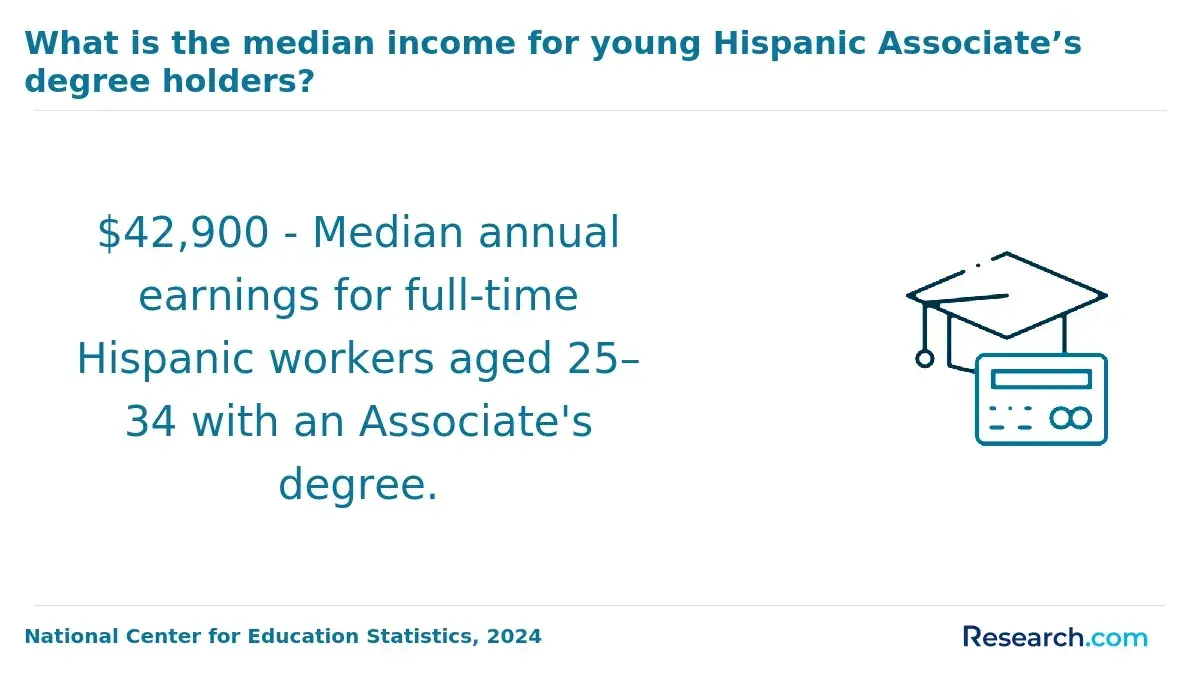
Transfer credits can meaningfully influence how quickly students finish a management degree, but their impact varies based on multiple factors. Research from the National Student Clearinghouse's 2024 report indicates that students who enter programs with transfer credits are about 25% more likely to complete their degree within four years than those who start without credits. This advantage often stems from reduced duplication of coursework, allowing students to skip introductory or equivalent classes and focus on advanced material.
However, not all transfer credits translate equally across different programs and formats. For example, a student moving from community college to an online bachelor's program may find many of their general education credits accepted, effectively shortening their path. Conversely, campus-based programs sometimes enforce strict residency or core course requirements that limit transfer applicability, potentially diminishing the anticipated time savings.
Consider a working adult with professional training and prior college coursework looking to finish a management degree online. By carefully aligning their prior credits with program requirements-and after obtaining a formal credit evaluation-they might reduce their remaining coursework significantly. Yet, if those credits come from non-accredited sources or unrelated fields, the student might face gaps in essential competencies, forcing them to retake classes and delaying completion.
The decision to rely on transfer credits should therefore be strategic. Prospective students must compare program requirements against their transferable credits and consider how many credits they realistically can complete each term. Simply accumulating transfer credits does not guarantee faster graduation if the credits don't align well or if institutional policies restrict their use. Transfer credits represent a valuable tool that, when leveraged within flexible programs and carefully evaluated, can improve completion odds; nonetheless, they remain one element among many-including student commitment, support services, and course load-that determine degree success.
What Student Support Services Improve Management Completion Rates?
Student support services significantly influence completion rates for management degree programs, though their impact varies by delivery format. Online learners often struggle with isolation and competing priorities, making proactive outreach critical. Hybrid students benefit from blended interactions that combine self-direction with structured guidance. Traditional campus students, while having easier access to in-person resources, require evolving services that align closely with career goals. Below are key support services tied to better persistence and graduation outcomes across these formats.
- Early-warning academic alerts: Timely identification of struggling students through integrated technology encourages prompt intervention. Data from the National Center for Education Statistics shows students receiving such alerts in management programs are 25%-30% more likely to finish on schedule.
- Personalized academic advising: Customized advising helps students navigate course selection, balance workload, and align learning with career aims. Hybrid learners especially benefit, with dedicated mentors fostering accountability amid flexible schedules.
- Virtual tutoring and peer networks: For online students, accessible tutoring combined with active peer groups reduces feelings of isolation and enhances engagement, proving vital for persistence when physical proximity to support is lacking.
- Career readiness integration: Embedding workshops and employer connections within curricula motivates campus learners by providing tangible post-graduation pathways, correlating with up to 20% higher completion rates.
- Flexible counseling and coaching: Hybrid programs succeed when counseling adapts to both remote and in-person formats, helping students manage personal challenges alongside academic demands.
- Progress tracking dashboards: Real-time monitoring tools empower students to self-assess and adjust, promoting continuous engagement and reducing dropout risk across all formats.
- Experiential learning linkage: Opportunities tied to internships or practicums deepen relevancy and commitment, particularly for in-person and hybrid students balancing theory with practice.
One online management graduate recounted how the convergence of real-time progress alerts and virtual tutoring was crucial during a career transition period. Initially hesitant to seek help, they found that automated check-ins flagged gaps early, prompting outreach from a peer mentor who navigated them toward tutoring resources. This targeted support helped maintain momentum amid work and family pressures, highlighting how layered services-rather than a single solution-drive degree completion in virtual settings.
How Do Management Completion Rates Affect Career Outcomes?
Completion rates for management degrees significantly shape long-term career outcomes, influencing employability, wage potential, and advancement opportunities. Students who complete their bachelor's programs, whether online, hybrid, or campus-based, generally enjoy better job prospects and higher lifetime earnings than non-completers. The subtle differences among formats often lie in their impact on degree attainment, which critically affects these career trajectories. Below are key ways management degree completion drives career success.
- Employment Stability and Earnings Growth: Graduates consistently show higher employment rates and wage growth compared to dropouts. According to a 2024 national workforce study, individuals completing bachelor's degrees in management are markedly more likely to secure stable employment and report a median income increase of 20% over non-completers. This advantage is strongest among those finishing campus programs but is closing rapidly for hybrid and online graduates, reflecting evolving employer perceptions and workforce demands.
- Access to Leadership and Promotion Opportunities: Degree completion opens doors to managerial roles and career advancement. Persistence through graduation provides essential credentials that often serve as prerequisites for supervisory positions. Campus graduates benefit from on-site networking and career services, while hybrid and online students leverage flexible learning to maintain work commitments, both groups gaining momentum toward leadership, particularly when combined with relevant experience.
- Graduate Education Enrollment and Professional Specialization: Completing a management degree increases likelihood of enrolling in graduate programs. Higher completion rates correlate with stronger enrollment in competitive graduate schools, which can amplify career trajectories in specialized or technical fields. This is particularly relevant for students seeking to enhance qualifications through certificates or related disciplines like those found in online electrical engineering courses USA.
- Career Flexibility and Adaptability: Hybrid program completers often enjoy enhanced adaptability in evolving markets. Graduates with hybrid-format degrees report greater lateral mobility and the ability to navigate disruptions, benefiting from exposure to both digital and face-to-face learning environments. This flexibility can ease transitions across industries or roles amid shifting economic landscapes.
Although completing a management degree strongly improves these factors, actual career success also depends on individual skills, labor market conditions, and experience. Prospective students considering various formats should prioritize programs with higher completion rates while assessing which structure best fits their personal and professional circumstances to optimize outcomes. This approach ensures a realistic understanding of how management degree completion rates impact career success in practical terms.
How Should Students Choose the Best Management Learning Format?
Completion rates for management programs can differ widely depending on whether students enroll in online, hybrid, or campus formats. The National Center for Education Statistics in 2024 reported that hybrid programs tend to have slightly higher completion rates, likely due to their mix of flexibility and in-person engagement. Students balancing full-time jobs often favor online formats for the asynchronous schedule, but this requires strong self-discipline to prevent attrition. Choosing the best management degree format for career goals requires weighing these tradeoffs carefully. Below are key factors students should evaluate when selecting a program format.
- Work and Life Commitments: Students with demanding full-time jobs or family responsibilities will often benefit from the flexibility of online programs that allow asynchronous learning. However, the absence of a fixed schedule demands high time management skills to stay on track and complete requirements.
- Learning Style Compatibility: Campus programs fit students who thrive in structured environments with direct faculty contact and peer interaction. Hybrid formats appeal to those needing some face-to-face support without a full daily campus presence.
- Access to Institutional Support: Successful degree completion depends heavily on access to advising, tutoring, and technical resources. Students should assess which format provides robust support aligned with their needs, as emphasized by research from the Community College Research Center.
- Motivation and Academic Preparation: Higher motivation and strong prior academic skills correlate with success regardless of format. Students should honestly evaluate their readiness for the self-directed nature of online learning versus the more guided campus or hybrid settings.
- Program Design and Engagement: Hybrid programs often integrate practical application through in-person sessions, which may better meet career and learning preferences for management students seeking hands-on experiences and networking.
- Long-Term Career Goals: The chosen format should align with the student's professional aspirations and how they plan to balance work and study. For example, those pursuing roles requiring strong team collaboration might benefit from campus or hybrid experiences.
- Cost and Financial Considerations: While pricing varies, students may want to investigate overall expenses, including tuition and fees. For insight into related degree costs, students can learn more about how much does it cost to get a criminal justice degree, which parallels cost concerns in other professional fields.
Ultimately, there is no single best choice-the interplay of personal readiness, program attributes, and support services shapes the likelihood of successful completion and career preparation when choosing a management program learning style that fits individual circumstances.
What Are the Long-Term Pros and Cons of Each Management Learning Format?
Choosing between online, hybrid, and campus formats for completing a management degree significantly impacts both completion rates and long-term career success. Campus programs generally yield higher completion rates and stronger peer and faculty engagement, while online options offer greater flexibility for balancing personal and professional commitments. Hybrid programs blend these strengths but require solid time management. Here are key factors to consider:
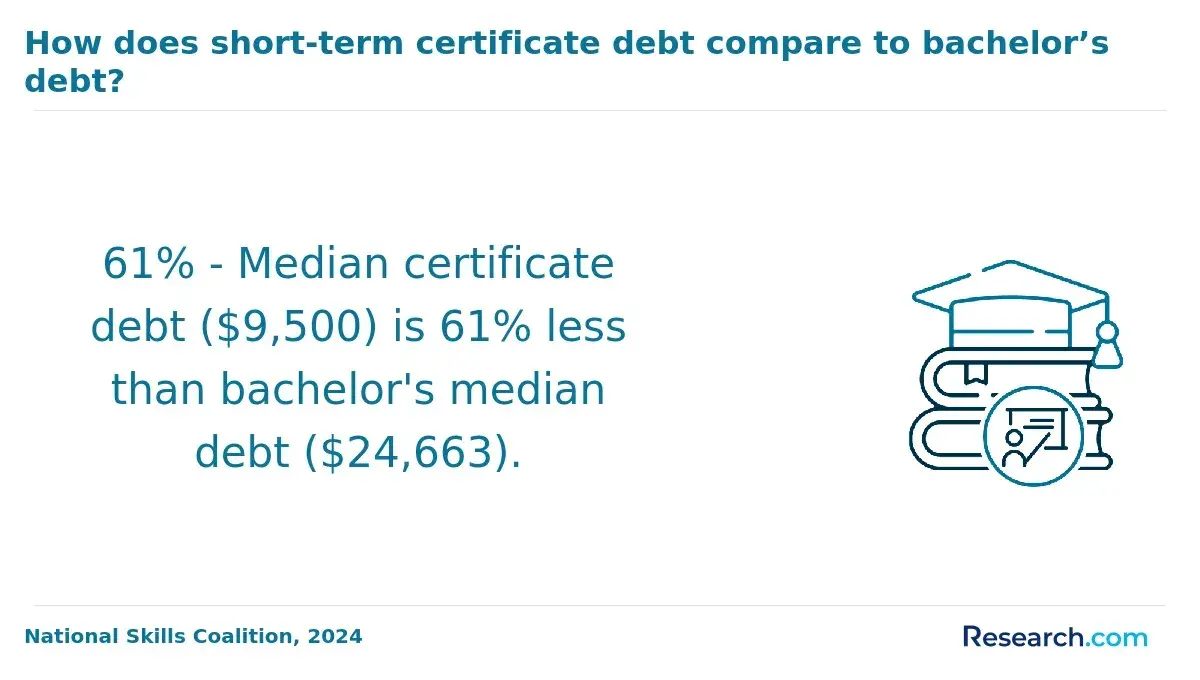
- Completion Rate Differences: Campus-based management programs demonstrate 10-15% higher completion rates than online options as of 2024, largely due to immersive support networks that help reduce dropout rates.
- Flexibility Versus Discipline: Online learners benefit from scheduling flexibility that suits working adults, but the lack of real-time interaction demands high self-motivation and organization to reduce attrition.
- Hybrid Balance and Challenges: Hybrid formats offer periodic face-to-face networking combined with online convenience, boosting retention compared to fully online models, though juggling multiple formats can strain consistency in attendance.
- Financial and Time Commitments: Campus programs typically require greater time and financial investment, favoring students with fewer external obligations, while online formats accommodate non-traditional learners managing diverse responsibilities.
- Experiential Learning Quality: Long-term career benefits often align more closely with program completion and quality of hands-on experiences than the learning format alone, affecting employability and professional growth.
- Networking Opportunities: Campus and hybrid students gain more frequent in-person interactions, which can aid career advancement; online students must seek alternative networking to compensate for reduced face time.
- Technology Integration: Advances in asynchronous learning tools and support systems increasingly improve online student retention and engagement, making this option more viable for learners who prefer remote education.
References
- Student Service Support: Enhancing the Student Experience https://seatsone.ai/5-ways-to-transform-your-student-support-services/
- Understanding the Pros and Cons of Learning Management Systems in Surgical Education https://www.facs.org/for-medical-professionals/news-publications/journals/rise/articles/learning-management-systems/
- Maximize Your Learning Strategy: Understanding the Pros and Cons of LMS https://www.starmind.com/blog/pros-cons-lms-learning-strategy
- 6 Ways to Deliver Personalized Student Support at Scale https://www.civitaslearning.com/blog/6-ways-to-deliver-proactive-personalized-student-success-services-at-scale/
- Login https://performancemanager.successfactors.eu/
- Is Online Learning Here to Stay? Trends & Insights for 2026 https://www.calmu.edu/is-online-learning-here-to-stay-trends-insights-for-2026
- Will Transfer Credits Impact your College Graduation Date? | Blog https://waves.portagelearning.edu/blog/will-transferring-college-credits-impact-your-graduation-date
- How to Choose the Right Management Training Provider (2026 Guide) | MTD Training https://www.mtdtraining.com/blog/how-to-choose-the-right-management-training-provider.htm
- Choosing the Right Management Training https://www.impactfactory.com/resources/choosing-the-right-management-training/
- Top MBA and PGDM College in Hyderabad, Telangana, India - IPE https://www.ipeindia.org/why-choose-management-courses-after-graduation-career-scope/
Other Things You Should Know About Management
Online management programs often require a higher degree of self-motivation and time management due to their asynchronous nature. This flexibility benefits those with demanding work or family commitments but can lead to lower completion rates if students lack discipline or struggle with the absence of regular face-to-face engagement. Hybrid programs, by blending online and in-person elements, tend to create more structured accountability, which can improve completion odds for students who need some in-person interaction but still require flexibility. Campus programs generally offer the highest direct supervision and peer support, which strongly supports persistence, but their rigid schedules may not suit all students' lifestyles, potentially affecting completion negatively for non-traditional learners.
Employer perceptions can subtly impact student motivation and ultimate completion rates. Some employers still prioritize traditional campus degrees, making students in online programs worry about long-term career returns, which may either fuel persistence to prove credibility or cause discouragement leading to dropout. Hybrid formats, balancing practicality with some on-campus experience, often strike an effective middle ground that sustains student engagement. For management students focused on employability, selecting a format recognized by industry standards can reinforce persistence, especially in competitive markets where program reputation weighs heavily.
Management curricula often involve team projects, case studies, and leadership simulations that demand significant coordination. Online formats can complicate group work due to varying schedules and less organic interaction, possibly increasing the perceived workload and hindering completion. Hybrid programs facilitate periodic in-person collaboration, reducing communication friction and workload stress while maintaining flexibility. Traditional campus programs offer the easiest access to real-time peer and faculty support, easing workload management but requiring strict adherence to class times, which may not align with all students' external responsibilities.
Students with prior experience in digital learning environments tend to have higher completion rates in online management programs due to familiarity with technology platforms and virtual communication norms. Those without this background may find hybrid or campus formats safer starting points, as these provide more hands-on guidance during skill development phases. Consequently, students less confident with online tools should prioritize formats offering incremental exposure to digital learning while building foundational skills, improving their likelihood of completing the degree and applying management concepts effectively in real work contexts.