2027 Management Salary Trends Report: Are Wages Keeping Up With Tuition and Inflation?

Co-Founder and Chief Data Scientist
A prospective management student weighing the decision to pursue a degree faces a complex financial equation. Tuition costs have steadily climbed, often outpacing wage gains in many fields. Meanwhile, inflation erodes purchasing power, making it harder to judge whether higher education investments will yield adequate returns. Evaluating whether management salaries grow in step with these rising expenses is essential for making an informed decision.
Salary growth, tuition increases, and inflation rarely move in sync, complicating straightforward cost-benefit analyses. Prospective students and recent graduates must look beyond headline salary figures to understand their true economic value over time.
This article examines trends in management salaries alongside tuition, inflation, and affordability to assess the long-term financial return on investing in a management degree. It explores key factors shaping the degree's economic viability in today's shifting economic landscape.
Key Things to Know About Management Salary Trends
- Graduate wages in management programs have grown by just 3% annually since 2021, lagging behind average U.S. inflation of 6%, implying diminishing real earnings potential over time.
- Rising tuition costs now exceed 40% growth since 2019, outpacing starting salaries and forcing students to weigh debt load carefully against midcareer salary increases.
- Long-term earning potential depends heavily on specialization and networking opportunities within management programs, as generic degrees increasingly yield stagnating wage trajectories.
- What Is the Current Salary Outlook for Management Graduates? Salary Outlook
- Are Management Salaries Keeping Up With Inflation? Inflation Impact
- How Do Tuition Costs Compare With Management Salary Growth? Tuition vs Salary
- Does a Management Degree Deliver a Positive Return on Investment? Degree ROI
- Which Industries Offer the Highest Salaries for Management Graduates? Which Industries Offer the Highest Salaries for Management Graduates?
- Which States and Cities Offer the Highest Pay for Management Professionals? Which States and Cities Offer the Highest Pay for Management Professionals?
- How Do Management Salaries Grow Throughout a Career? Career Growth
- How Do Management Salaries Compare With Similar Degrees? Salary Comparison
- How Is Employer Demand Affecting Management Salary Trends? Employer Demand
- How Can Students Maximize Their Lifetime Earnings With a Management Degree? Maximizing Earnings
What Is the Current Salary Outlook for Management Graduates?
The current earnings landscape for management graduates in 2024 reveals a nuanced reality shaped by various factors including industry, experience, and geography. According to the U.S. Bureau of Labor Statistics, the median annual wage for management occupations stands around $108,350, significantly exceeding the national average across all jobs.
However, entry-level salaries, as reported by the National Association of Colleges and Employers, hover near $68,000, a figure that, while improving slightly, doesn't fully offset rising tuition and inflation pressures. This gap underscores that two graduates with similar qualifications might face markedly different starting points depending on their chosen specialization and sector.
Consider two management graduates: one entering project management within a tech firm located in a major metropolitan area, and another starting in operations management at a smaller regional company. The former is more likely to benefit from faster salary growth and bonuses tied to corporate performance, while the latter may experience slower initial pay increases despite similar academic credentials.
Over time, experienced professionals in specialized roles such as supply chain management or business analytics can command salaries between $90,000 and $120,000 or higher, as reported by Payscale in 2024. Thus, assessing management graduate salary trends 2024 requires an understanding that immediate earnings only tell part of the story; long-term trajectory and upskilling opportunities play a critical role in financial outcomes.
Prospective and current students should view the salary outlook alongside projected job demand and career advancement potential rather than focusing solely on entry wages. Planning for internships, networking, and continuous learning can improve prospects against the backdrop of escalating educational costs.
For those considering shorter or alternative pathways to gain financial stability, exploring options such as 2-year online degrees that pay well might also be prudent in the broader context of investment versus return in their career development.
Are Management Salaries Keeping Up With Inflation?
Nominal increases in management salaries often mask the reality that wage growth has not consistently kept pace with inflation. Data from the U.S. Bureau of Labor Statistics Employment Cost Index for 2024 shows average wages in management occupations rose by about 3.2%, while inflation as measured by the Consumer Price Index climbed roughly 4.5%.
This discrepancy means real purchasing power effectively declined, reducing the financial benefits of a management degree in the short term. For example, a recent graduate entering a mid-level management role might see a higher paycheck than the previous year, but actual buying power could shrink due to elevated living costs.
The question of management salary trends versus inflation rates becomes even more pressing when tuition costs for management education are rising near or above 5% annually. This tuition inflation burdens students and recent graduates who must balance increased debt or expenses against stagnant or shrinking real wages.
Moreover, employers' cost control pressures and uncertain economic conditions often constrain salary adjustments despite rising consumer prices. Prospective students should consider these dynamics carefully, including researching options like business schools online, which sometimes offer more affordable pathways while evaluating whether management wages are keeping pace with tuition increases.
How Do Tuition Costs Compare With Management Salary Growth?
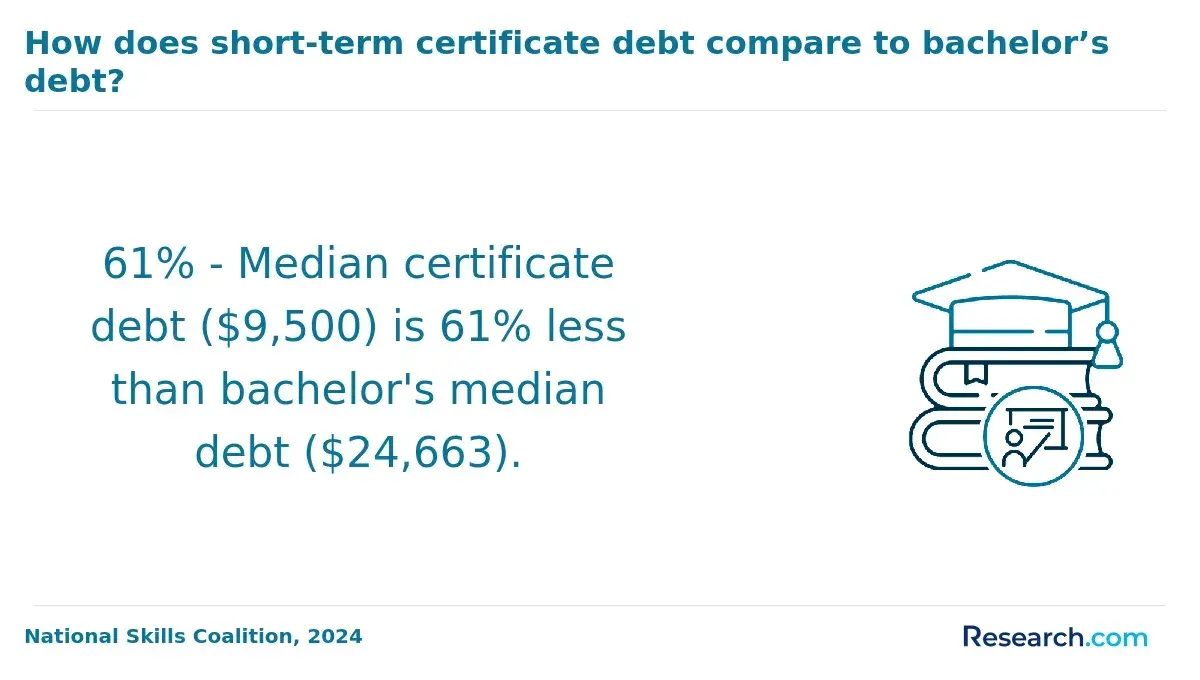
Evaluating the financial worth of a management degree requires looking beyond tuition or salary figures alone and considering how these two factors evolve relative to each other. Recent data from the National Center for Education Statistics and the Graduate Management Admission Council reveal that average tuition costs for bachelor's degrees in management have increased at roughly 3.5% annually over the last decade, outstripping inflation.
Meanwhile, early-career salaries for management graduates have only grown by about 2% annualized after inflation adjustment, with mid-career wages rising closer to 3.2%. This divergence means students face rising upfront education costs that exceed the pace at which their entry-level incomes typically increase, elongating the time needed to recoup educational investments through earnings alone.
This gap matters because two students with similar degrees can experience profoundly different financial outcomes based on tuition inflation and salary growth trajectories. For example, a student enrolling in 2024 might confront tuition charges 40% higher than one who graduated a decade earlier, yet see only modest starting salary improvements in comparison.
Factors such as geographic location, career path, loan terms, and additional expenses like housing further complicate the financial picture. Therefore, analyzing tuition versus salary growth together allows prospective students to anticipate how long it will realistically take to break even and how sensitive returns on investment are to economic shifts and individual circumstances.
A recent graduate shared that when choosing between two management programs, they hesitated as the less expensive option had tuition fees growing faster than salary prospects in their region. After crunching numbers, they realized that despite a higher sticker price, the program with stronger industry connections was likely to accelerate salary growth beyond inflation, making its higher initial cost worthwhile over time.
This experience underscores the importance of looking at tuition and salary trends holistically rather than in isolation, prompting more strategic decisions shaped by actual market signals rather than advertised costs or averages alone.
Does a Management Degree Deliver a Positive Return on Investment?
Return on investment (ROI) in higher education reflects a comparison between the costs of obtaining a management degree-primarily tuition and related expenses-and the long-term benefits in earnings and career opportunities. Rather than focusing solely on starting salaries, ROI considers a multi-decade horizon where the financial gains associated with the credential accumulate over time.
For instance, a graduate who finances a bachelor's degree in management with modest student loans might experience a 20- to 30-year career increase in annual earnings by 15-30%, according to data from the National Center for Education Statistics and the Georgetown University Center on Education and the Workforce. This wage premium can offset the upfront costs, especially when career growth and workplace networks further enhance job prospects.
However, the degree's financial payoff is not uniform. Rising tuition fees and inflation have significantly increased educational expenses, often faster than salary growth in some sectors. Yet, positively, wages for management graduates typically keep pace or exceed inflation in robust industries such as technology, healthcare management, and finance, sustaining real income growth over time.
Factors influencing ROI include the type and reputation of the institution, geographic job markets, the chosen management discipline, and individual career paths including work experience and continuing education. For example, someone entering middle management in a major metropolitan area might see a steeper ROI curve than a peer in a less dynamic economy with fewer advancement opportunities.
Ultimately, determining whether a management degree is financially worthwhile requires a nuanced evaluation of these variables.
While empirical studies confirm a favorable ROI on average, personal circumstances such as loan debt levels, employment sector, and long-term career plans critically shape outcomes. Graduates who leverage their degree toward advanced roles or graduate-level credentials tend to realize stronger returns, underscoring that a management degree is a strategic investment rather than a guaranteed path to higher wages.
Decision-makers should weigh these complexities rather than assume uniform financial benefits across all scenarios.
Which Industries Offer the Highest Salaries for Management Graduates?
Industries that offer the highest paying opportunities for management graduates tend to balance complexity, regulatory oversight, and the need for specialized skills. Salary data from the U.S. Bureau of Labor Statistics and recent salary surveys highlight that areas with rapid innovation and regulatory demands typically provide superior compensation.
However, real-world decisions should consider not only entry-level pay but also factors like job stability, growth potential, and required qualifications. For instance, a new graduate aiming for a role in healthcare administration may accept a slightly lower starting salary than in finance but benefit from steadier demand and career advancement over time. Below are the industries that consistently rank among the highest paying for management-related occupations.
- Technology Sector: This industry leads with top salaries, driven by demand for managers in software development, IT services, and emerging fields such as artificial intelligence and cybersecurity. Management graduates equipped with technical acumen and innovative leadership skills can expect performance bonuses and stock-based incentives, boosting overall compensation.
- Finance and Insurance: Roles such as bank managers, financial analysts, and corporate finance directors command premium pay, justified by the intricacies of regulatory compliance and risk management. Strong analytical skills and financial certifications are often prerequisites for maximizing earning potential here.
- Healthcare Management: Growing steadily, healthcare administration roles including hospital and healthcare system managers offer competitive salaries due to sector expansion and operational demands. Graduates with knowledge in healthcare policy and organizational efficiency typically have an advantage.
- Professional Services: Encompassing management consultants, legal services managers, and engineering supervisors, this category rewards specialized expertise. High-level problem-solving, client management, and industry-specific knowledge contribute to higher salary thresholds.
- Energy and Utilities: Management roles in this sector benefit from the scale and regulatory pressure of energy markets, especially with trends toward renewable resources. Expertise in safety protocols and regulatory compliance adds value to compensation packages.
- Manufacturing and Industrial Production: Managers here oversee large operations and supply chains, with compensation reflecting the critical nature of productivity and cost control. Skills in lean management and process optimization are key to earning premium wages.
- Real Estate and Construction: Despite cyclical risks, this sector pays well for project managers and real estate development executives who demonstrate strong negotiation and financial oversight abilities. Experience navigating market fluctuations often translates into higher salaries.
According to recent data, the highest paying industries for management-related fields often exceed national median salaries by 25% or more, underscoring the value of strategic sector targeting.
For those exploring which industries offer the strongest employment demand and salary potential, it is also crucial to consider credentials that complement a management degree. Pursuing certifications that pay well can significantly enhance prospects in these top salary industries, positioning graduates for both immediate and sustained financial rewards.
Which States and Cities Offer the Highest Pay for Management Professionals?
Geographic location remains one of the most significant factors influencing earnings for management professionals. Data from the U.S. Bureau of Labor Statistics and the Census Bureau in 2024 show that certain states and metropolitan areas consistently top the charts in median annual wages for management roles, often surpassing the national median by at least 20%.
However, higher salaries in these areas frequently come with increased living costs and intensified competition for positions. Prospective students and career changers must weigh these tradeoffs carefully when deciding where to pursue a management career. Below are key locations where management pay stands out, along with factors to consider for each.
- California: California leads with some of the nation's highest median wages for management due to its diverse economy dominated by technology, entertainment, and innovation hubs. The state offers abundant opportunities, but soaring housing prices and taxes partly offset the salary advantages.
- New York: New York's financial sector heavily drives elevated management salaries, especially in New York City, where banking and corporate services pay well above the national median. Yet, the city's extremely high cost of living means take-home pay can feel tighter for many.
- Massachusetts: A center for healthcare, education, and biotechnology, Massachusetts rewards management professionals with competitive pay linked to these knowledge-intensive sectors. Still, candidates should factor in the state's lifestyle expenses and the need for advanced qualifications.
- San Francisco Bay Area: This metro area boasts average management salaries exceeding $140,000, propelled by the tech industry's dominance. High compensation is balanced by an expensive housing market and intense job market competition.
- Boston: Boston's management roles, often tied to healthcare and educational institutions, offer strong salaries but usually require advanced degrees. The city's moderate cost of living compared to other tech hubs may appeal to some candidates.
- Seattle: Driven by major employers in technology and aerospace, Seattle delivers competitive management wages. However, recent cost of living increases have narrowed the gap between salary and quality of life.
How Do Management Salaries Grow Throughout a Career?
Salaries for management professionals generally increase as experience and responsibilities accumulate, but the trajectory varies significantly by industry, location, and role specialization. Entry-level managers often earn between $50,000 and $70,000, according to 2024 data from the U.S. Bureau of Labor Statistics, with yearly raises averaging 5% to 7% as they build foundational skills.
By mid-career, typically five to ten years in, salaries can rise to a range of $90,000 to $130,000, fueled by increased leadership roles and strategic responsibilities. Those who advance to senior management or executive levels frequently surpass $150,000, particularly when bonuses and equity awards are factored in, yet such growth is closely tied to organizational performance and sector dynamics.
For example, two graduates with identical management degrees may diverge in earnings based on their career choices. One who pursues a strategic role in technology might experience annual salary increases near 8%, outpacing inflation, while another remaining in a stable but less growth-oriented sector might see smaller raises tied to economic cycles.
Key drivers of long-term salary growth include specialization, leadership skill development, and agility in responding to market and organizational changes. These factors often determine whether pay increases keep pace with or merely trail behind rising costs of living and tuition inflation, highlighting the importance of targeted professional development alongside academic credentials.
A graduate reflecting on their career path noted that early decisions about gaining cross-functional exposure and seeking mentorship created initial uncertainty but ultimately paid off. They experienced hesitation when offered a lateral move into a less familiar industry, fearing a temporary setback, but the shift opened doors to leadership roles that significantly boosted earnings by mid-career.
This experience underscores how deliberate career navigation-beyond holding a management degree alone-shapes the financial returns over time, especially when external economic factors apply pressure on salary growth.
How Do Management Salaries Compare With Similar Degrees?
Salary comparisons reveal that graduates holding a management degree generally earn competitive starting wages compared to those with similar business-related degrees, though outcomes vary significantly by field. The median starting salary for management graduates is about $62,000, slightly above business administration's approximate $60,000.
Yet, when considering long-term earning potential and specific career trajectories, management graduates face distinct advantages and challenges. Below is a concise comparison of management salaries relative to adjacent degrees to help contextualize these differences.
- Business Administration: Starting salaries are often closely aligned, but business administration graduates may see quicker rises in specialized corporate roles. Management degrees offer broader functional flexibility, enabling movement across sectors, which can affect individual earning trajectories.
- Finance and Accounting: These graduates typically begin with similar salaries but gain an edge through higher bonus potentials and niche expertise. Finance roles often reward specialization, which can lead to faster accumulation of wealth compared to management's more generalist path.
- Engineering and STEM Fields: Degrees in engineering and STEM frequently command starting salaries above $70,000. These higher entry wages reflect strong market demand and technical skill premiums that management careers generally do not match early on.
- Project Management: With experience, management graduates in project management track enjoy steady salary growth aligned with leadership responsibilities. This path rewards practical skill development and sector-specific experience, though initial pay may lag behind STEM or finance comparators.
For example, a recent graduate considering whether to pursue a management degree or one of the shortest master's degree programs online in business administration must weigh these financial nuances along with cost and career goals. Understanding how management salary comparison with business degrees and similar fields plays out in real-world earning trajectories is essential, especially given rising tuition and inflation pressures.
How Is Employer Demand Affecting Management Salary Trends?
Employer demand impact on management salaries is a critical factor influencing how wages evolve across career stages. For example, a mid-sized firm facing supply chain disruptions might prioritize hiring managers skilled in analytics and project oversight, creating competitive pressure that drives up wages for those candidates.
The U.S. Bureau of Labor Statistics forecasts about a 5% growth rate through 2032 for management-related occupations, underscoring persistent demand that encourages employers to adjust compensation strategies to attract and retain such talent. However, this demand-driven wage growth varies with specialization, experience, and economic context, since organizations balance budget constraints against the need for skilled leadership.
Management salary trends and job market demand are shaped not only by raw hiring needs but also by broader economic challenges like inflation and rising tuition costs. While starting salaries for management roles have risen modestly, these increases often lag behind a 6% annual inflation rate seen in many regions.
Employers may respond with signing bonuses or targeted incentives rather than broad-based salary hikes, reflecting a nuanced balancing act. Students and career changers should consider these dynamics alongside the added value of specialized skills, such as sustainable business practices, in improving salary premiums over time.
For those weighing educational investments, exploring flexible pathways like online EdD programs without dissertation may provide a strategic advantage in navigating this evolving labor market.
How Can Students Maximize Their Lifetime Earnings With a Management Degree?
Maximizing lifetime earnings with a management degree requires strategic career positioning and continuous skill development. Research from the U.S. Bureau of Labor Statistics and the National Association of Colleges and Employers shows that graduates securing roles in high-growth industries and pursuing leadership experience early significantly enhance their earning trajectories.
Effective strategies include: 1. Seeking roles in high-growth industries 2. Pursuing leadership experience early 3. Gaining relevant certifications 4. Targeting metropolitan areas for job opportunities.
A graduate who gains project management certification while targeting finance or technology sectors in metropolitan areas is likely to outperform peers in salary growth.
- Early Leadership Experience: Gaining management roles during internships or first jobs builds practical skills that employers value, accelerating promotion prospects and wage increases.
- Advanced Certifications: Earning credentials like PMP or MBA signals expertise and commitment, often correlating with salary premiums in consulting and financial services.
- Industry Focus: Targeting sectors with strong expansion forecasts such as healthcare, technology, and finance aligns career paths with higher demand and wage growth.
- Geographic Advantage: Relocating to metropolitan areas with dense corporations offers greater job opportunities and higher compensation packages.
- Continuous Skill Development: Specializing in emerging areas like data analytics or digital transformation keeps professionals competitive and opens paths to executive roles.
- Networking and Mentorship: Building professional networks facilitates access to unadvertised opportunities and career guidance essential for advancement.
- Transition to Executive Roles: Progressing into C-suite positions multiplies earning power, as chief executives earn up to five times starting salaries according to PayScale's 2024 data.
References
- Does College Pay Off? A Comprehensive Return On Investment Analysis - FREOPP https://freopp.org/whitepapers/does-college-pay-off-a-comprehensive-return-on-investment-analysis/
- College costs have increased by 169% since 1980—but pay for young workers is up by just 19%: Georgetown report https://www.cnbc.com/2021/11/02/the-gap-in-college-costs-and-earnings-for-young-workers-since-1980.html
- Professional and scientific industry the only one where pay continues to match rising prices https://www.ons.gov.uk/employmentandlabourmarket/peopleinwork/earningsandworkinghours/articles/professionalandscientificindustrytheonlyonewherepaycontinuestomatchrisingprices/2022-11-23
- Working life and job satisfaction https://www.apm.org.uk/project-management-salary-survey-2023/working-life-and-job-satisfaction/
- The best states for construction management jobs https://www.fieldwire.com/blog/best-states-for-construction-management-jobs/
- Insights | Whitepapers from Jackson Hogg https://www.jacksonhogg.com/insights
- Consulting Career Path: Salary, Roles & Exit Opportunities https://www.casebasix.com/pages/consulting-career-path
- Tracking College Tuition Growth https://www.richmondfed.org/publications/research/economic_brief/2024/eb_24-23
- Management Consulting Career Path: Roles, Salaries Etc https://300hours.com/management-consulting-career-path/
- Which State Pays the Highest Property Manager Salary? https://propertymanagerinsider.com/state-pays-highest-property-manager-salary/
Other Things You Should Know About Management
The diversity in management program structures-from full-time intensive courses to part-time and online models-creates significant differences in employer perceptions and salary negotiations.
Graduates from programs emphasizing practical leadership experiences, internships, or real-world problem solving tend to command better starting salaries because they demonstrate immediate workplace value. For decision-making, prioritizing programs that integrate applied learning and networking opportunities can improve your market leverage, even if tuition is higher or the program duration longer.
Management graduates often face early-career salary plateaus as they accumulate experience and prove management competence. In some cases, starting salaries may not outpace inflation or rising tuition costs, but mid- to long-term promotions and bonus structures typically accelerate compensation growth.
Students should evaluate whether their chosen program and industry provide clear pathways to leadership roles, and be prepared to weigh short-term financial strain against the longer-term upward trajectory within management careers.
Programs lacking robust employer engagement or active alumni networks often result in weaker job placement outcomes and slower salary progression post-graduation. The absence of direct recruitment pipelines and mentorship opportunities can undermine the practical return on investment, especially as tuition rises.
Prioritizing programs with demonstrable employer relationships and abundant networking resources is critical; otherwise, higher costs may not translate into better salary outcomes or career acceleration.
Programs with particularly heavy workloads and demanding schedules can limit time for internships, part-time roles, or skills-building outside of coursework, which are crucial for salary negotiation leverage after graduation.
While rigorous courses may build theoretical knowledge, balancing academic intensity with real-world experience is key to maximizing early compensation. Prospective students should critically assess program demands and consider how these correlate with employer expectations for practical skills and readiness to lead.