2027 Management ROI by Institution Type: Public vs Private vs Nonprofit Online Programs

Co-Founder and Chief Data Scientist
Choosing between public, private, and nonprofit online management programs involves more than comparing tuition fees. A 2024 Georgetown University study reveals that online program graduates from private institutions tend to carry 25% higher debt yet do not consistently achieve better employment outcomes than their public counterparts.
This discrepancy underscores how costlier programs can saddle students with greater financial strain without guaranteed career advantages. Contrastingly, nonprofit online programs often emphasize institutional support but may vary widely in graduation rates and long-term value.
Navigating these nuanced differences is essential to optimize both educational investment and career trajectory. This article examines management ROI by institution type, highlighting critical factors that shape informed enrollment decisions.
Key Things to Know About Management ROI by Institution Type
- Public institutions typically offer lower tuition and reduced student debt risk, yet slower graduation rates can delay workforce reentry, impacting short-term ROI for working adult learners balancing time and cost.
- Private nonprofit programs often boast stronger employer recognition and alumni networks, enhancing career advancement potential, though higher costs require careful ROI calibration relative to expected industry reach and credentials.
- Nonprofit online Management options vary widely in learner support and accreditation, affecting completion reliability and long-term value; nuanced evaluation of institutional resources is critical to avoid costly enrollment missteps.
- Key Things to Know About Management ROI by Institution Type Key Things to Know About Management ROI by Institution Type
- What Does ROI Mean for a Management Program and How Is It Measured? Understanding Management Program ROI
- How Do Public, Private, and Nonprofit Online Management Programs Differ in Overall Value? Value by Institution Type
- How Do Tuition Costs Affect the ROI of a Management Program Across Institution Types? Tuition Costs and ROI
- How Do Graduation Rates Influence Management Program ROI? Graduation Rates Impact ROI
- What Role Do Career Outcomes Play in the ROI of a Management Degree? Career Outcomes and ROI
- How Does Student Debt Impact the Long-Term ROI of a Management Program? Debt vs. Long-Term ROI
- How Do Flexibility and Adult Learner Support Affect Management Program Value? Flexibility and Program Value
- How Do Accreditation and Institutional Reputation Influence Management ROI? Accreditation and Reputation
- How Does Time-to-Degree Affect the ROI of Public, Private, and Nonprofit Management Programs? Time-to-Degree
- How Can You Choose the Best Management Program Based on Your ROI Goals? Choosing Programs by ROI
What Does ROI Mean for a Management Program and How Is It Measured?
ROI for a management program extends beyond straightforward salary improvements and hinges on a nuanced evaluation of total educational investment against tangible career outcomes. Prospective students must weigh tuition costs, average student debt, graduation rates, and time-to-degree to estimate real value.
Public online programs often present lower tuition and higher completion rates, which can enhance ROI for cost-conscious learners, but this must be balanced against the career services and networking opportunities typically found in private or nonprofit institutions. For example, a working professional facing lost wages during extended study may find that quicker degree completion at a public institution minimizes opportunity costs, improving ROI even if initial earning gains are moderate.
Measuring ROI for online management programs demands integrating both quantitative and qualitative factors tailored to individual goals and circumstances. According to recent data, graduates from private online schools tend to carry over 20% more student debt compared to their public counterparts, a factor that can limit financial flexibility long term. However, programs with robust institutional support, such as personalized mentorship and experiential learning, can enhance employability and salary progression, altering the ROI equation.
Students should also consider how their career objectives align with these variables; a lower-cost option may not deliver optimal lifelong value if it lacks pathways to advancement or sector-specific recognition. For those exploring options, examining outcomes alongside institutional reputation and support systems is critical before deciding.
Deciding among public, private, and nonprofit online management programs requires a detailed, scenario-driven approach rather than reliance on basic formulas. This multidimensional analysis draws on metrics like time-to-degree and student debt, but also industry connectivity and learner support, emphasizing practical trade-offs. E
valuation tools should include direct comparisons with peer institutions and current employment trends, including those highlighted in studies on online degrees. Ultimately, understanding how various educational choices impact career trajectories over time enables students to tailor their investment to the realities of the labor market and personal financial goals.
How Do Public, Private, and Nonprofit Online Management Programs Differ in Overall Value?
Choosing between public, private, and nonprofit online management programs requires critical evaluation of how tuition costs intersect with graduation rates, student support, and long-term career impact. Public institutions generally offer lower tuition, especially for in-state students, resulting in median student debt roughly 25% below private counterparts according to 2024 data from the National Center for Education Statistics.
However, this affordability can come with larger class sizes and less individualized attention, potentially affecting degree completion speed and professional networking. Private programs often justify higher costs through smaller cohorts and stronger alumni connections, which may benefit those targeting specialized industries, though the increased debt load can pose financial strain if post-graduation employment outcomes are uncertain.
Nonprofit online programs commonly bridge these extremes by reinvesting revenue into flexible learning models and career services, often showing stronger learner engagement and job placement in recent studies. For working adults weighing time constraints against career advancement, nonprofits may strike a balance between support and cost without sacrificing educational quality.
Employer acceptance continues to grow for accredited online degrees across all sectors, but the perceived prestige and reputation, particularly regional for publics and niche for privates, can influence hiring decisions and salary potential. Ultimately, prioritizing factors like debt burden, graduation likelihood, and alignment with industry demands should guide individual selection rather than assuming any institution type guarantees superior value or outcomes.
One recent graduate faced uncertainty when comparing options: a public university with low tuition but limited career advising, a private nonprofit with robust support but steep price, and a nonprofit public hybrid boasting flexible schedules and moderate costs.
Hesitant about amassing high debt despite the allure of private prestige, they appreciated the nonprofit public option's balance of affordability and tailored resources, helping them complete their degree on time while maintaining manageable debt. This practical fit, rather than brand recognition alone, ultimately shaped their positive return on investment and career readiness.
How Do Tuition Costs Affect the ROI of a Management Program Across Institution Types?
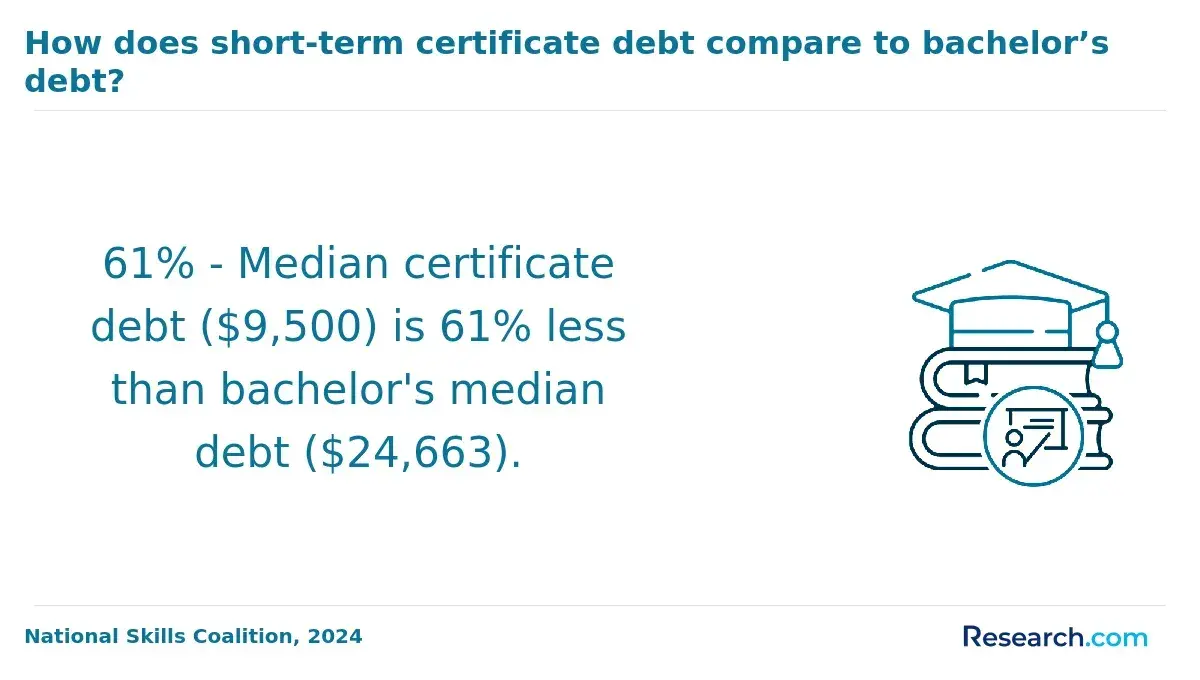
The relationship between tuition costs and ROI in management programs is complex, with lower tuition at public institutions not necessarily guaranteeing greater financial value. Although public online management degrees may average roughly $12,000 annually according to the National Center for Education Statistics 2024 report, these programs often have lower completion rates around 45-50%. This means students might take longer or fail to finish, increasing total costs and delaying workforce entry.
For example, a working adult balancing job and study who chooses a less costly public program with limited support may face higher indirect expenses from extended enrollment or reduced earning potential during study.
In contrast, private nonprofit online programs frequently charge closer to $28,000 per year, and students there report median borrowing of around $32,000, exceeding public counterparts by about $10,000. However, these higher costs sometimes correspond with stronger retention, career services, and alumni networks that can accelerate job placement and salary increases post-graduation.
While that additional debt presents risks if income growth lags, the faster pathway and better employment outcomes can justify the premium for certain learners targeting specialized roles or who benefit from structured guidance. Ultimately, the decision hinges on weighing program quality, support services, flexibility, and the likelihood of timely completion against upfront and cumulative debt burdens to accurately assess ROI across institution types.
How Do Graduation Rates Influence Management Program ROI?
Graduation outcomes significantly influence the return on investment in management programs by affecting how quickly students can complete their education and enter the workforce. Public online institutions typically have lower graduation rates, averaging 48% over six years, compared to private nonprofits at around 57%, according to the National Center for Education Statistics (2024).
This gap often reflects differences in tuition costs, student demographics, and program flexibility. For example, an adult learner balancing work and family might benefit from the lower tuition of a public program despite its longer time-to-degree, while a private nonprofit's stronger support systems could improve persistence but at a higher cost, complicating straightforward ROI comparisons.
Graduation rates can serve as a useful indicator of institutional efficiency, but they do not fully capture value for nontraditional students who often enroll part-time or face external challenges. Emphasis on academic advising and career coaching in nonprofit programs may enhance long-term success even if immediate completion rates don't reflect this.
For cost-conscious students, the tradeoff between upfront costs and time-to-degree is critical since lower completion rates risk prolonged debt without earning a credential. Prospective students should weigh graduation rates alongside affordability, institutional support, and personal goals rather than treating them as isolated measures of program quality or ROI.
Those comparing the effect of graduation rates on online management degree value should also consider program relevance and fit to maximize practical gains. In navigating these factors, learners might explore varied pathways, including specialty areas like an online masters in marriage and family therapy, where institutional completion metrics intersect with market demand and career flexibility.
What Role Do Career Outcomes Play in the ROI of a Management Degree?
Career outcomes are a critical determinant of the real return on investment in online management degree programs, with significant variation evident between public, private, and nonprofit institutions. Employment rates within six months post-graduation hover around 78% for public, 82% for private, and 80% for nonprofit programs, according to 2024 data from the National Center for Education Statistics.
This disparity often reflects differences in employer recognition, industry connections, and the quality of career services rather than raw cost or tuition price alone. For example, private programs might justify higher costs through stronger networking opportunities that facilitate entry into competitive industries, whereas public options may offer greater affordability but less tailored support, impacting job placement and career mobility.
Students weighing these programs must interpret career outcomes alongside tuition expenses, debt load, and time-to-degree to assess value accurately. ROI is not solely about immediate salary bumps but includes professional alignment, job stability, and ongoing opportunities for advancement tied to the program's reputation within relevant industries.
Geographic factors also matter since institutional prestige or employer partnerships in one region may not translate elsewhere, influencing career trajectory and the practical utility of the degree. This nuanced understanding helps learners decide when paying a premium for a private program's stronger hiring pipeline outweighs the lower upfront cost of a public or nonprofit alternative.
One graduate of a nonprofit online management program described initially questioning whether the degree's cost and time commitment would equate to meaningful career advancement. Early on, their employer acknowledged the credential during internal promotion discussions, which gradually led to increased responsibilities and a broader professional network.
Although the financial ROI was modest at first, the student found the degree's value emerged over time through enhanced credibility and access to roles aligned with evolving workforce demands, validating a decision rooted in evaluating career outcomes, not just tuition or salary alone.
How Does Student Debt Impact the Long-Term ROI of a Management Program?
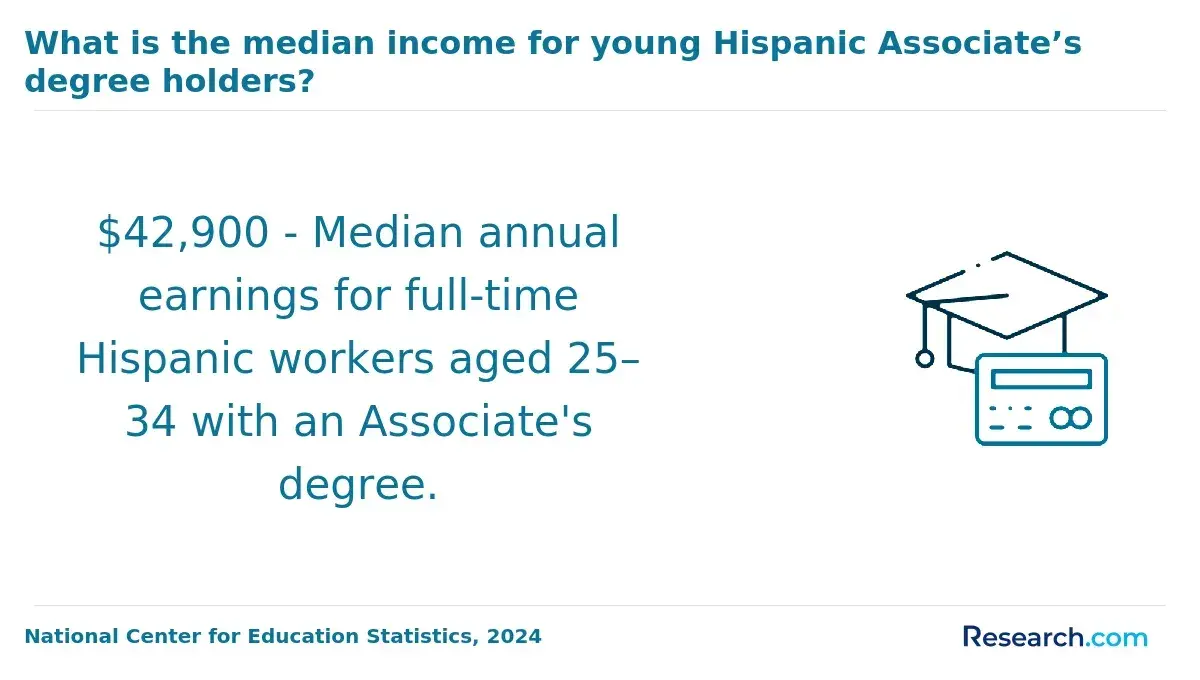
Debt levels fundamentally shape the long-term return on investment (ROI) of management programs, with borrowing strategies and repayment obligations often outweighing nominal tuition differences. Graduates from private nonprofit institutions, for example, typically incur debt around 40% higher than those from public schools but do not always realize proportionate earnings gains, highlighting a common financial tradeoff.
This imbalance can restrict early-career financial flexibility, particularly for learners whose salary advancements lag behind their debt servicing requirements. In real terms, a working professional carrying $35,000 in loans from a private institution may face more constrained decision-making than a peer with $25,000 of public school debt, despite similar educational content or outcomes.
Completion rates and timelines also directly influence the effectiveness of borrowing; public online management programs often demonstrate higher graduation rates that help reduce the risk of debt without degree attainment. This reality matters because incomplete programs typically leave students with debt but fewer credential-driven employment opportunities, a key factor in assessing the student debt impact on management program ROI.
Adult learners comparing costs across institutions must factor in these variables alongside institutional support and career pathways to gauge long-term financial outcomes accurately. For those weighing affordability against educational quality and flexibility, exploring alternatives such as online data science programs may also broaden strategic options in an evolving employment market.
How Do Flexibility and Adult Learner Support Affect Management Program Value?
Scheduling flexibility and comprehensive support services often determine the actual return on investment for online management programs, especially for working adults balancing multiple commitments. Programs offering asynchronous coursework and part-time enrollment accommodate varied work schedules and family responsibilities, reducing attrition risks.
For instance, adult learners who can engage with materials on their own time tend to persist longer, with institutions providing such options seeing a 15% higher retention rate, according to a 2024 report by the National Center for Education Statistics. However, the depth of academic advising, career counseling, and faculty accessibility varies significantly between institution types, influencing timely completion and post-graduation employment prospects.
Public schools generally excel in affordable access and flexible timing but may lack the personalized services that facilitate networking and individualized career planning. Meanwhile, private institutions often supply robust support frameworks, including targeted career services that increase employment likelihood within six months of graduation by about 20%, as identified by a 2024 Council for Adult and Experiential Learning survey.
Nonprofit programs frequently tailor offerings for military members and transfer students, streamlining credit evaluations and veteran benefits to shorten time-to-degree and minimize debt. Choosing between these options requires weighing the tradeoff between upfront costs and the qualitative advantages of support structures that can accelerate degree completion and improve long-term career outcomes.
How Do Accreditation and Institutional Reputation Influence Management ROI?
Accreditation and institutional reputation directly shape the return on investment of an online management program by influencing employer perceptions and graduate outcomes. For example, employers often prioritize candidates with degrees from regionally accredited institutions, associating such credentials with rigorous curriculum and credible faculty, which can translate into stronger job market positioning.
According to the 2024 National Center for Education Statistics report, graduates from regionally accredited programs experience about a 15% higher employment rate within a year compared to those from nationally accredited or unaccredited programs, highlighting the tangible impact of accreditation on employability.
Institutional reputation compounds this effect, especially when considering tradeoffs between tuition costs and post-graduation opportunities. Prestigious private institutions may offer networks and brand recognition that facilitate competitive job placements but often come with higher debt burdens, which can diminish overall ROI for cost-conscious adult learners.
Public and nonprofit online programs might provide comparable academic quality with lower tuition, yet their lesser-known brands can make transferability and employer acceptance more variable depending on regional and industry contexts. Students must weigh how accreditation aligns with their career goals, potential for credit transfer, graduate school eligibility, and the availability of support services like career counseling to realistically assess long-term value.
How Does Time-to-Degree Affect the ROI of Public, Private, and Nonprofit Management Programs?
The time-to-degree significantly shapes the ROI of public management programs by directly influencing tuition expenses, opportunity costs, and delayed career progression. Public institutions often serve a larger proportion of part-time students and transfer enrollees, which typically extends completion timelines but offers essential flexibility for working adults and nontraditional students.
This tradeoff means students may spend more semesters paying tuition and forgoing higher earnings, yet can maintain employment and manage personal responsibilities—factors critical to their persistence and eventual degree attainment.
In comparing private vs nonprofit management programs time-to-degree, the landscape shifts toward more accelerated pathways and higher completion rates, often surpassing 70% within five years. While faster graduation can reduce overall debt and speed workforce reentry, these programs sometimes involve higher upfront costs and less flexible scheduling, which may not suit every student's circumstances.
Transfer credit policies and program structure profoundly impact how quickly students finish; leveraging transfer credits in public programs can shorten time-to-degree but may be less standardized than in private or nonprofit settings.
Students balancing work and family often face difficult decisions on whether to opt for quicker degrees with potentially heavier course loads or longer, more flexible timelines that delay earnings growth. This dynamic must be carefully evaluated alongside program affordability and quality, which together determine the real-world value of a degree beyond raw time metrics.
Prospective students seeking practical comparisons might consider exploring options like the easiest MBA program to get into for insights into how program structure and duration impact career trajectories and investment returns.
How Can You Choose the Best Management Program Based on Your ROI Goals?
The highest ROI in management programs hinges on individual priorities rather than a simple public vs private vs nonprofit distinction. Public online management programs typically deliver lower total costs and higher graduation rates, which reduce debt and time-to-degree—key considerations for cost-conscious learners juggling employment and family obligations.
However, private programs may provide stronger alumni networks and brand prestige, which some students leverage for better salary prospects, though such benefits vary widely depending on accreditation and curriculum relevance.
Nonprofit online institutions often strike a balance by offering flexible scheduling and financial aid tailored for working adults, supporting completion rates that directly impact ROI through reduced opportunity costs. Selecting a program requires weighing upfront expenses against career outcomes, factoring in debt levels and the availability of learner support services.
Research shows that aligning program choice with personal circumstances and industry demands is crucial, as a program excelling in one dimension may underperform in others. Adults comparing the best online management programs for ROI should also consider resources beyond tuition, such as career services and transfer options, to optimize long-term value. For further insights on related advanced degrees, explore AI PhD programs.
References
- How We Calculated the Return on Investment of a Graduate Degree - FREOPP https://freopp.org/whitepapers/how-we-calculated-the-return-on-investment-of-a-graduate-degree/
- 7 Benefits of a Business Management Degree | University of Bridgeport https://www.bridgeport.edu/news/benefits-of-business-management-degree/
- How Student Loan Debt Impacts Your College ROI https://www.lendkey.com/blog/student-loans/how-student-loan-debt-impacts-your-college-roi/
- The Positive ROI of Graduate Outcomes Data https://blog.steppingblocks.com/the-positive-roi-of-graduate-outcomes-data
- Components of Adult Education: How to Support Adult Learners? https://moderncampus.com/blog/components-of-adult-education.html
- Understanding an Institution’s Return on Investment: Measuring the Price-to-Earnings Premium https://www.higheredtoday.org/2023/10/30/understanding-an-institutions-return-on-investment-measuring-the-price-to-earnings-premium/
Other Things You Should Know About Management ROI by Institution Type
Private online management programs often emphasize specialized skills or leadership styles that align with corporate environments, which can enhance immediate job market appeal but may limit adaptability across diverse sectors. Public programs typically offer broader curricula with more practical and policy-oriented content, supporting flexibility for careers in government or nonprofit areas. Students prioritizing diverse career paths might favor public programs for their wider applicability, while those targeting specific industry roles may benefit more from private programs' focused approaches.
Public online management programs frequently have structured pacing with set deadlines reflecting academic calendars, which can challenge working professionals balancing jobs and studies. In contrast, many private and nonprofit institutions offer more self-paced options or accelerated tracks, providing greater control over workload timing. Working adults should assess their ability to handle fixed schedules versus flexible pacing, as private/nonprofit programs may better accommodate career commitments but sometimes demand faster completion and intense short-term effort.
Employer recognition varies more by program reputation and alumni networks than by institution category alone. Public universities may carry weight due to their established brand and public service alignment, which can appeal in government and administration roles. Private programs often leverage industry connections and contemporary management practices, attracting employers in competitive business sectors. Nonprofit programs might be valued in social impact and mission-driven organizations. Prospective students should prioritize programs with demonstrated employer engagement and relevant industry partnerships.
While institution type influences tuition and general reputation, program specialization directly impacts skills relevance and earnings potential. Prioritizing specialization aligned with targeted career fields tends to provide a higher ROI, especially when matched with institutions offering robust experiential learning and job placement support. Cost matters, but an affordable program with limited industry fit or outdated curriculum can reduce long-term ROI. Therefore, selecting a specialized program within a public, private, or nonprofit institution should be driven by how well it meets evolving market demands alongside manageable costs.