2027 Management Affordability by State: Where Students Pay the Most and Least

Co-Founder and Chief Data Scientist
Choosing between an in-state public university with a tuition of $12,000 annually and a private out-of-state program charging $38,000 can shift a Management student's financial trajectory. Beyond tuition, states vary widely in fees and living expenses, which a 2024 National Center for Education Statistics report confirms as a key factor driving students toward more affordable regions. This migration reflects broader affordability disparities rooted in state funding and economic conditions.
For prospective Management students, understanding these cost dynamics is essential to avoid excessive debt and ensure a cost-effective degree path. This article examines state-level affordability to reveal where Management studies impose the greatest and least financial burdens.
Key Things to Know About Management Affordability by State
- Management tuition variation across states often correlates with state funding levels; states with deeper cuts show higher out-of-state rates, forcing nonresidents to weigh in-state enrollment or costly loans.
- Employers in high-cost states increasingly prefer graduates from local institutions due to alignment with regional business norms, which may penalize distant, cheaper programs despite lower tuition.
- Online Management programs reduce access barriers but average 15% higher total costs after fees and slower completion rates, highlighting a timing tradeoff affecting budget-conscious students' debt timelines.
- Key Things to Know About Management Affordability by State Key Things to Know About Management Affordability by State
- Which States Have the Most Affordable Management Degree Programs? Most Affordable State Programs
- Which States Have the Highest Management Degree Costs? Highest State Tuition Costs
- How Much Does a Management Degree Cost by State? Degree Costs by State
- Why Does Management Affordability Vary So Much Between States? State Affordability Variations
- How Do In-State and Out-of-State Tuition Rates Affect Management Affordability? In-State vs. Out-of-State Rates
- How Does the Cost of Living Impact Overall Management Affordability by State? Living Costs and Affordability
- Which States Offer the Best Value for a Management Degree? Best Value State Degrees
- What Financial Aid and Scholarship Opportunities Can Reduce Management Costs? What Financial Aid and Scholarship Opportunities Can Reduce Management Costs?
- Are Online Management Degree Programs More Affordable Than On-Campus Options? Are Online Management Degree Programs More Affordable Than On-Campus Options?
- Is a Management Degree Worth the Cost Based on Career Outcomes and ROI? Degree ROI and Outcomes
Which States Have the Most Affordable Management Degree Programs?
States that consistently offer the most affordable management degree programs do so primarily because of deliberate public funding strategies combined with residency-based tuition policies. For instance, in Wyoming, comprehensive state support for public universities keeps tuition rates significantly below the national average, a benefit to residents who often pay nearly 30% less for comparable management programs. This creates a tangible tradeoff for out-of-state students: while some states provide competitively priced tuition for all, others make affordability contingent on residency, impacting enrollment decisions and potentially extending the timeline for degree completion if students must reclassify residency or seek additional aid.
Regional cost-of-living variations also markedly influence the overall expenses tied to management degrees by state, particularly when paired with the availability of state-sponsored financial aid. States like Mississippi and New Mexico illustrate this intersection, where low tuition costs combine with modest housing and living expenses alongside generous grant programs that can reduce net costs significantly for in-state students. This multifaceted affordability framework means prospective students must evaluate not just sticker price but resident eligibility, financial aid accessibility, and living costs to realistically plan their education investment and long-term value. For those comparing the most affordable management degree programs by state, understanding these policy and economic layers informs how institutional pricing and educational infrastructure shape real-world enrollment and success outcomes.
While affordability is essential, it must be balanced against program outcomes and career returns, especially given the demand employers place on proven skills and credentials. Budget-conscious learners should prioritize programs that maintain rigorous standards without excessive cost burdens, and reviewing broader data on earning potential can guide choices-such as consulting resources on the best bachelor's degrees-to ensure financial savings do not come at the expense of future employability or upward mobility. Thus, affordability is a nuanced calculation involving tuition, aid, state policies, and post-graduation prospects rather than a simple cost comparison by state alone.
Which States Have the Highest Management Degree Costs?
The elevated costs of pursuing a management degree in certain states largely stem from a combination of limited public funding, high living expenses, and the predominance of private institutions with premium tuition rates. States with major metropolitan areas often face declining state subsidies for public universities, which shifts more financial responsibility to students, while the cost of housing, transportation, and daily necessities adds substantial indirect expenses. For example, a student attending a public university in California as an out-of-state enrollee may face annual costs exceeding $40,000 once living expenses are factored in, according to 2024 data from the National Center for Education Statistics. These financial pressures force prospective students to weigh the value of attending a well-ranked program with strong employer networks against the risks of accumulating significant debt or relocating to more affordable regions.
Residency policies further complicate these tradeoffs, as in-state tuition can mitigate but not fully offset the cost disparities in states with competitive academic markets. The choice between private and public institutions also shapes affordability, with private schools often charging substantially higher fees tied to their brand appeal and alumni connections. For many students, this means carefully evaluating whether the added expense translates into tangible employment advantages or if alternative routes such as online programs or institutions in lower-cost states might better serve their financial and career goals. Ultimately, geographic price differences influence not only enrollment decisions but also strategies surrounding financial aid, work-study options, and long-term repayment planning.
One management graduate recalled hesitating over enrolling in a prestigious New York program due to the stark cost difference from nearby public universities. After extensive research, the student considered in-state options, factoring in the loss of networking opportunities against the benefit of reduced tuition and living costs. The decision hinged on balancing uncertainty about the premium program's return on investment against tangible financial relief. This experience highlighted how state-specific pricing and residency nuances can shape a student's path and mindset when confronting the real-world implications of management degree affordability.
How Much Does a Management Degree Cost by State?
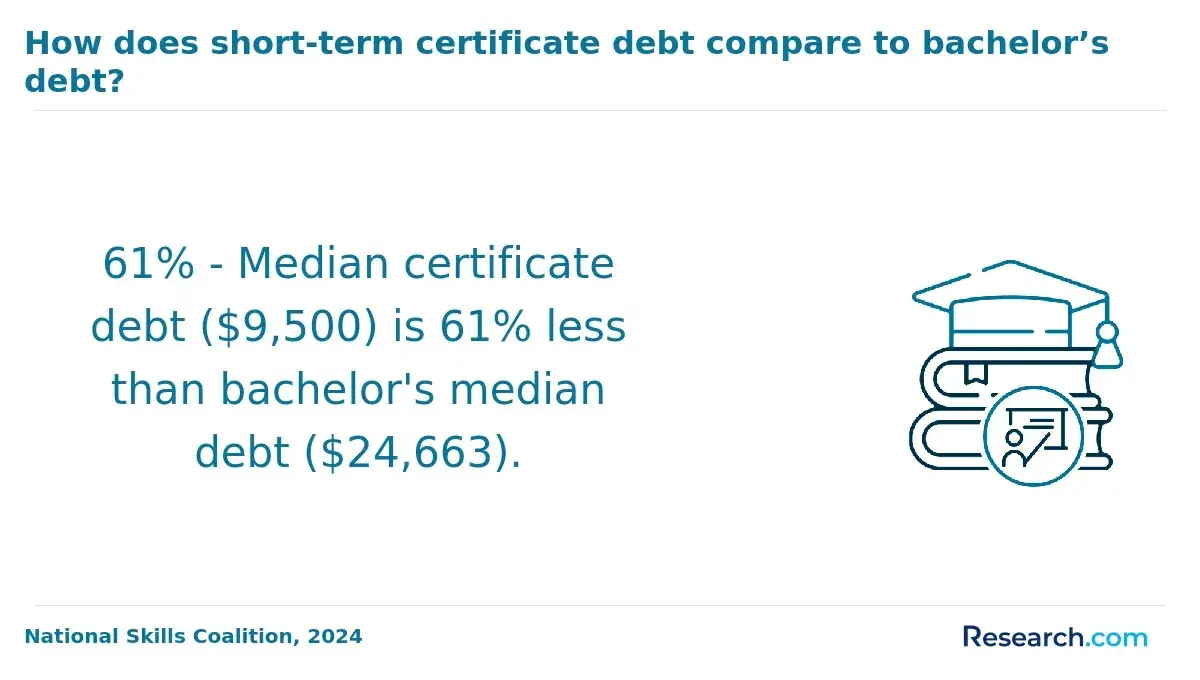
Tuition for management degrees varies widely across states, heavily influenced by the balance between public and private institutions as well as residency rules. For instance, public universities subsidized by state funding often offer annual in-state tuition between $5,000 and $15,000, as reported by the National Center for Education Statistics in 2024. Out-of-state students can face substantially higher fees, sometimes two to three times the in-state rate, which can exceed $25,000 annually in states like Texas or Florida. This disparity creates a significant financial incentive for students to establish residency or select institutions closer to home unless remote or online options reduce relocation costs.
Beyond sticker prices, the state's regional cost of living plays a critical role in total expenses, with states like California and Massachusetts imposing living costs that can add $10,000 to $15,000 per year, thereby affecting the feasibility of pursuing a degree in these locations. The predominance of private institutions in states like New York and Pennsylvania drives overall tuition higher, often ranging from $20,000 to $50,000 annually, amplifying debt risk for students without access to substantial financial aid. Variations in state-level grant availability further influence net costs, shaping borrowing needs and long-term financial planning for management students who must weigh access against quality and eventual employment prospects.
Given these factors, cost considerations frequently dictate enrollment decisions, especially for budget-conscious individuals assessing whether to attend a local public university, relocate, or pursue online programs. Strategic planning that accounts for tuition differences, residency qualifications, and living expenses can minimize reliance on loans and improve financial outcomes after graduation. Understanding these state-specific economic and policy influences enables prospective management students to make informed choices reflecting both immediate affordability and sustainable career investment.
Why Does Management Affordability Vary So Much Between States?
Variations in management degree cost differences by state largely reflect differing levels of public investment and funding policies that directly impact tuition setting. States like Wyoming and New Mexico, which allocate higher public funding per capita to their institutions, typically offer significantly lower tuition for in-state students, making local enrollment more affordable. In contrast, states with limited subsidies or higher reliance on private institutions often see inflated sticker prices, especially affecting non-resident students who face steep tuition premiums. These disparities influence student decisions on whether to remain in-state, transfer, or pursue online options to mitigate financial burdens.
Resident versus non-resident tuition policies and state financial aid systems create further complexity in management education affordability. Generous in-state tuition discounts and robust need-based aid can offset costs substantially, encouraging higher enrollment among local populations. Meanwhile, high living expenses in regions like California or New York raise operational costs for institutions and push tuition upward, a direct consequence of local economic conditions rather than educational value alone. For budget-conscious students comparing programs, understanding these factors is crucial to long-term planning, weighing the practical tradeoffs between lower tuition states and program quality or career networks. For those seeking flexible or cost-effective routes, exploring options like the top 10 online colleges may offer meaningful alternatives with different affordability profiles.
How Do In-State and Out-of-State Tuition Rates Affect Management Affordability?
Residency-based tuition differences substantially influence how students budget for a management degree, often dictating whether attending an institution out-of-state is feasible or financially prudent. According to 2024 data from the National Center for Education Statistics, public colleges charge roughly $10,200 annually for in-state students versus $27,000 for out-of-state enrollees-a gap that can double total degree costs and shift decisions toward local options. While some states mitigate this through regional reciprocity agreements, allowing in-state rates for specific programs unavailable locally, many students still face tough tradeoffs between broader program access and affordability. Financial aid packages and eligibility frequently depend on residency status, reducing the net benefit of enrolling out-of-state despite perceived academic advantages or network opportunities.
In practice, students must weigh whether relocating to establish residency and qualify for lower tuition is realistic given timing and state requirements, or if online management programs with uniform pricing offer a sensible alternative. However, these options come with caveats: quality, employment connections, and scholarship availability vary widely, and fees or living expenses often offset sticker price savings. Moreover, the geographic differences in funding policies mean that in some regions, lower tuition also correlates with fewer local job prospects in management, adding complexity to decisions that extend beyond simple cost comparison. Thoughtful planning around residency classification and regional tuition policies can thus critically affect long-term educational investment and career trajectory.
One management student reflected on unexpectedly paying out-of-state tuition after moving for school, unsure if the higher cost justified the program's strength and job market access. Having assumed establishing residency would be straightforward, the student discovered state regulations required continuous residency for a full year before reclassification, preventing access to lower rates during crucial semesters. This experience prompted reassessment of financial planning and program priorities, underscoring how residency rules and tuition differentials can deeply impact both budgeting and enrollment strategies for prospective management students.
How Does the Cost of Living Impact Overall Management Affordability by State?
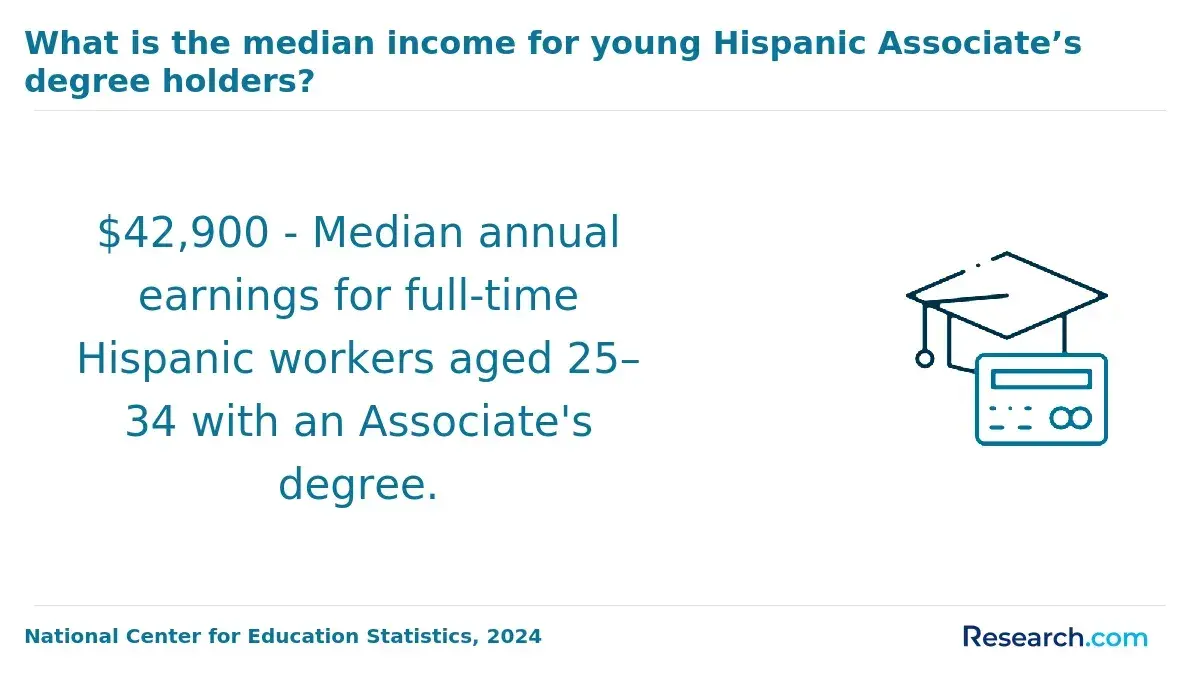
Living expenses often overshadow tuition in shaping the real cost of earning a management degree by state, with housing as the largest variable. For example, students attending programs in high-rent urban areas like San Francisco or Boston face monthly housing costs two to three times higher than peers in smaller cities or rural regions, which can significantly inflate their total educational expenses. These disparities force many to weigh tradeoffs between choosing a program in a high-cost metro area with potential networking advantages versus more affordable states where living costs reduce financial strain. Considering regional living expenses and management education costs in the US is essential for students making strategic decisions about enrollment, commuting, or opting for online alternatives.
Transportation, food, and healthcare costs further complicate budgeting, especially in states with sprawling metro areas demanding higher transit expenses or in regions experiencing faster inflation. States like California, New York, and Massachusetts have cost-of-living indexes well above the national average, increasing overall expenditures and loan reliance, while lower-cost states such as Mississippi or Arkansas allow students to spend 20% to 40% less on non-tuition items.
This gap influences long-term financial outcomes, affecting not only debt exposure but also graduate saving ability and career location choices. Prospective management students should also examine how local job market wages interact with living costs to assess true financial resilience after graduation. For those considering specialized pathways, examining options like art therapy masters programs could offer additional context on regional cost and career prospects within graduate education.
Which States Offer the Best Value for a Management Degree?
Evaluating value for a management degree requires looking beyond sticker tuition prices to factors like residency rules, graduation rates, and post-degree job prospects. For instance, Indiana's in-state public universities offer tuition near $9,500 annually, and a degree completion rate exceeding 60% suggests students finish on schedule, which can reduce overall debt and speed entry into the workforce. Meanwhile, North Carolina's policies to maintain strong public funding help control tuition costs and support business programs aligned with regional job growth areas, where management roles are expected to increase by 8% over the next decade, according to workforce projections.
States like Texas present a nuanced picture: tuition remains competitive, averaging below $11,000 for residents, but wide cost-of-living differences shape the real expenses students face-urban centers often come with higher housing costs that impact total affordability. This highlights a key consideration for prospective students weighing where to study or establish residency to access lower in-state rates versus enrolling from out-of-state or online. Conversely, states such as California or Massachusetts have higher upfront costs but may provide stronger employment outcomes, demonstrating the tradeoff between initial affordability and longer-term economic opportunity.
Ultimately, the cheapest tuition does not always equate to the best value for management students, who must analyze financial aid availability, institutional support for timely degree completion, and local labor market demand. This approach helps balance immediate cost constraints with realistic expectations around earning potential and job mobility. Considering these operational details enables budget-conscious learners and families to make more informed decisions about relocation, in-state qualification, or program selection based on practical, long-term value rather than simplistic price comparisons.
What Financial Aid and Scholarship Opportunities Can Reduce Management Costs?
Financial aid availability profoundly shapes the real cost of pursuing a management degree, but the impact varies markedly by state and student circumstance. Federal grants such as the Pell Grant provide crucial need-based funding primarily for low-income students, yet eligibility restrictions related to income, enrollment status, and renewal requirements often exclude part-time learners or those with moderate family incomes. For example, a working adult enrolled part-time in a state with limited grant programs may receive minimal federal or state aid, effectively shifting a greater financial burden onto loans or out-of-pocket expenses despite qualifying for some merit scholarships.
State grant programs and tuition reciprocity agreements also influence affordability, particularly in regions like New England where cross-state discounts can significantly reduce costs. However, these programs depend on state budget priorities and residency rules that can restrict access for nontraditional students or recent movers. Employer-sponsored education benefits further complicate cost considerations, as roughly 42% of employers offer tuition reimbursement for management courses but often tie eligibility to job role or company policy, limiting usefulness outside certain sectors. Thus, students must strategically evaluate how aid stacking policies, renewal conditions, and geographic variables will affect both short-term affordability and long-term debt exposure when choosing institutions or states for their studies.
Are Online Management Degree Programs More Affordable Than On-Campus Options?
Online management degree affordability compared to on-campus programs depends heavily on factors like residency status, tuition structures, and ancillary costs beyond just sticker price. For instance, students living in high-cost states such as California or New York might find on-campus housing and meal plans add over $12,000 annually to their expenses, tipping the scale in favor of online options that avoid these costs. Yet, hidden fees related to technology requirements, specialized software, and online course surcharges can erode these savings, especially when programs bundle such costs differently. Residency policies further complicate affordability since out-of-state on-campus tuition can surpass in-state online rates or vice versa, making blanket assumptions unreliable for budget-conscious learners.
Financial aid disparities also influence net affordability; evidence shows fewer online management students receive institutional grants compared to their on-campus peers, although federal aid remains similar. This means budgeting must consider not only tuition but also realistic expectations about scholarship availability and potential income loss from different enrollment statuses or work commitments. Comparing cost differences for management degrees by state and delivery method requires evaluating local tuition policies alongside opportunity costs and living expenses.
Students seeking an even lower-cost, shorter entry point into business-related fields may also want to consider associates degrees online, which can serve as a more budget-friendly starting point before transferring into a four-year management program. Prospective students should analyze these elements based on their personal situations rather than assuming online programs are universally cheaper.
Is a Management Degree Worth the Cost Based on Career Outcomes and ROI?
The value of a management degree hinges significantly on its geographic context, especially when evaluating management degree return on investment in the United States. In states with high tuition and living costs like California and New York, students often face debt burdens exceeding $30,000, which can dampen the financial benefits of a degree despite strong local demand. Conversely, states such as Texas and Florida offer more affordable public university options, yielding better ROI through lower debt and comparable employment outcomes. These regional variations underscore the importance of analyzing both tuition expenses and labor market realities alongside personal career objectives when choosing a management program.
Beyond tuition, students should assess factors such as degree completion rates, opportunity costs, and potential salary growth to gauge true value. Higher graduation rates, often found in certain states, reduce extended borrowing and improve long-term earnings potential. Graduates who pursue advanced education or certifications further enhance their career prospects, reflecting a practical strategy for increasing returns in competitive fields. Considering career outcomes for management graduates by state, aspiring managers must also weigh non-financial elements like geographic mobility and networking access, which influence hiring opportunities and professional growth.
For those seeking specific pathways within the field, exploring options such as an accredited online masters degree in human resource management can provide flexible, cost-effective routes to meet evolving employer expectations. Ultimately, a management degree's worth is tied less to generalized averages and more to how students navigate the interplay of local education costs, market demand, and strategic career planning, especially in an environment where workforce dynamics vary widely across states.
References
- Are Online Degrees Cheaper? On-campus vs Remote Learning https://www.thimbl.com/blog/are-online-degrees-cheaper
- US State Cost of Living 2025 https://www.timetrex.com/blog/us-state-cost-of-living-2025
- Share On Social https://www.northampton.edu/news/online-vs-on-campus-degree-whats-the-best-option-for-me.html
- Why Housing Markets and Home Affordability Vary Across Cities https://economicsandpolicy.ca/2023/11/14/why-housing-markets-and-home-affordability-vary-across-cities/
- 50 Most Affordable Business Management School Programs | UniversityHQ https://universityhq.org/business/business-management/most-affordable-degrees/
- Unlocking the ROI on Studying an MBA | StudyNext Australia https://studynext.com/au/resources/mba-roi
- Scholarship Strategies That Work | Dallas College Planning CFP® https://www.futurefocusedwealth.com/blog/scholarship-strategies-that-work/
- US states ranked by how much of their income residents spend on housing, from least to most https://www.businessinsider.com/every-state-ranked-by-housing-cost-burden-2026
- 2025 Most Affordable Online Management Degrees https://www.onlineu.com/most-affordable-colleges/management-degrees
- Cost of Living Increase & Adjustment (COLA): Impacts & Tips https://unitedwaynca.org/cost-of-living-increase/
Other Things You Should Know About Management
Lower tuition in certain states often reflects differences in program delivery models that can affect workload intensity and learning quality. For example, more affordable programs might rely heavily on larger class sizes or asynchronous online formats, which may reduce direct interaction with faculty and peers. This can impact the depth of learning and practical skill development, particularly in management disciplines where collaborative problem-solving and leadership practice are crucial. Students should weigh lower costs against potential compromises in experiential learning opportunities that employers value.
While affordability is important, pursuing a management degree in a state with limited employer recognition can restrict job prospects locally and nationally. States with more prestigious or well-known management programs, even if costlier, often have stronger alumni networks and corporate connections that facilitate internships and job placement. Students aiming for high-return career paths should balance tuition savings against employer demand and program reputation, sometimes justifying higher upfront costs for better long-term outcomes.
States offering primarily generalist management curricula at lower costs might limit students' access to in-demand specializations such as supply chain, healthcare, or IT management. Specializations require specific faculty expertise and industry ties, which are more common in states with higher program investment. Budget-conscious students should consider whether accepting a more affordable but less specialized degree might reduce competitiveness in niche management fields where employers expect targeted skills.
Attending a less expensive program can reduce student debt, allowing graduates to make career choices with fewer financial constraints. However, students must ensure that affordable programs maintain accreditation and offer robust career services; otherwise, savings might be offset by slower job placement or lower starting salaries. Prioritizing affordable states with strong program outcomes is recommended for balancing debt management and sustained career growth.