2027 Management Career Outcomes by Degree Level Report: Pay, Employment, and Advancement Patterns

Co-Founder and Chief Data Scientist
Determining the true value of a management degree when balancing work, family, or military obligations can be daunting. For example, a 2024 National Bureau of Economic Research study found that employment rates vary significantly across management degree levels, revealing hidden barriers faced by many transfer students and working professionals.
Such disparities influence not only immediate job placement but also long-term career mobility and leadership opportunities. Understanding these nuanced outcomes is critical for making informed education investments amid competing constraints. This article analyzes pay, employment, and advancement patterns by degree level in management to help readers evaluate which credential aligns best with their career goals.
Key Things to Know About Management Career Outcomes by Degree Level
- Associate degrees in management often lead to quicker workforce entry but limit advancement to mid-level roles, highlighting a tradeoff between immediate employment and long-term career growth potential.
- Employers increasingly prefer bachelor's or master's credentials for leadership positions, reflecting workforce trends where higher degrees correlate with access to strategic decision-making roles.
- The prolonged time and financial investment for master's or doctoral management degrees may delay return on investment, influencing candidates who prioritize practical experience over credential elevation.
- Key Things to Know About Management Career Outcomes by Degree Level Key Things to Know About Management Career Outcomes by Degree Level
- What Career Outcomes Can Students Expect From Each Management Degree Level? Career Outcomes by Degree
- How Much Do Management Graduates Earn by Degree Level? Salary by Degree Level
- Which Management Degree Level Offers the Strongest Employment Prospects? Best Degrees for Employment
- What Entry-Level Jobs Can You Get With a Management Degree? Entry-Level Career Opportunities
- How Do Management Degree Levels Affect Career Advancement and Promotion Opportunities? Career Growth by Degree
- Is a Management Degree Worth It Based on Salary, Employment, and ROI? Salary, ROI, and Value
- How Do Associate, Bachelor's, Master's, and Doctoral Management Degrees Compare? Comparing Degree Levels
- Which Industries and Employers Hire Management Graduates by Degree Level? Which Industries and Employers Hire Management Graduates by Degree Level?
- What Skills, Credentials, and Experience Improve Management Career Outcomes? What Skills, Credentials, and Experience Improve Management Career Outcomes?
- Which Management Degree Level Is Best for Your Career Goals? Choosing the Right Degree
What Career Outcomes Can Students Expect From Each Management Degree Level?
Career outcomes for students pursuing management degrees differ significantly depending on the credential level, with each providing distinct employment access and advancement pathways. For example, certificates and associate degrees often facilitate faster entry into administrative or supervisory roles, suitable for adult learners or those seeking a career shift with minimal upfront time investment; however, these credentials generally limit advancement without further qualifications. Bachelor's degrees remain the crucial baseline for sustained access to mid-level management positions, as most employers expect this level for professional roles, making transfer pathways and internship opportunities key components for career mobility and practical readiness. This degree level strikes a balance between theory and leadership skill development but may require continued education to reach senior-level or specialized positions.
Master's degrees in management, including MBAs and other specialized programs, substantially expand leadership readiness and salary progression, reflecting increasing employer demand for advanced analytical and strategic competencies. Data from the National Center for Education Statistics shows master's degree holders demonstrate faster promotion rates and higher employment stability, often benefiting from stronger professional networks and experiential learning. The choice to pursue graduate credentials involves a tradeoff of greater time and resource commitment against significantly improved long-term prospects, particularly for those targeting executive, specialized consultancy, or sector-specific leadership roles. Additionally, working professionals considering flexible formats should evaluate programs like masters in social work online, which exemplify the growing emphasis on accessible, specialized graduate education options within complex workforce demands.
Doctoral degrees primarily target those seeking academic, research, or top executive positions, where deep expertise and original contributions to management knowledge are essential but less directly applicable in many corporate settings. This highest credential level demands substantial time investment and is most suited for candidates with clear goals in academia or niche consultancy rather than general corporate advancement. Overall, employer expectations heavily favor bachelor's or higher for sustained management roles, with licensure and certification requirements adding complexity in certain sectors. The decision to pursue a particular management degree level must weigh immediate employment needs, long-term career aspirations, and practical transfer or prior credit use considerations, especially for military-affiliated students and working adults balancing education with professional responsibilities.
How Much Do Management Graduates Earn by Degree Level?
Earnings for management graduates reflect significant variation not just by degree level but also by how educational credentials interact with experience, specialization, and industry demands. For instance, while a bachelor's degree holder might earn a median wage near $75,000, a master's degree holder can command around $95,000, though this premium is most evident in sectors valuing leadership and advanced skill sets. Entry-level certificates and associate degrees typically open doors to supervisory roles earning between $45,000 and $55,000, yet these positions often have limited upward mobility due to credential ceilings and competition from those with more advanced qualifications. Labor market data from the Federal Reserve Bank of New York in 2024 supports this disparity, noting an unemployment rate of 2.3% among master's degree holders compared to 5.1% for certificate holders, underscoring that higher credentials often contribute to job stability, not just pay.
The decision to pursue additional education requires weighing these trade-offs against cost, time, and transferability of credits, especially for working professionals or military-affiliated students balancing multiple responsibilities. Doctoral credentials, while less common, tend to unlock executive or specialized academic positions with salaries above $120,000, but they demand significant investment and relevant experience to realize their benefits fully. Practically, specialization within master's programs, such as finance or operations, can accelerate advancement more reliably than generic degrees alone. Understanding how pay differentials align with local industry standards and employer expectations is critical, as earnings potential is often contingent on geographic and sector-specific factors alongside credential level.
One management graduate shared how reviewing earnings data helped recalibrate his education path. Initially considering a fast-track certificate, he was skeptical about the wage ceiling and job security tied to that credential after comparing local job postings requiring at least a bachelor's degree for roles with sustainable growth. The added costs and time to complete a bachelor's, though daunting, appeared justified after he spoke with employers emphasizing degree requirements for promotion. This nuanced understanding of pay versus investment helped him cautiously commit to a bachelor's program while planning for a master's only if advancement stalled, reflecting a grounded response to the complex interplay between credential value and market realities.
Which Management Degree Level Offers the Strongest Employment Prospects?
Bachelor's degrees in management generally provide the strongest immediate employment prospects compared to associate degrees or certificates, reflecting employer preference for a comprehensive skill set and critical thinking abilities typical of four-year programs. For example, recent data from the U.S. Bureau of Labor Statistics show that bachelor's graduates secure business-related managerial roles at rates approximately 15% higher than those holding lower-level credentials. While associate degrees and certificates can facilitate faster entry into the workforce, especially in entry-level administrative or small business positions, they often come with limitations in upward mobility due to credential expectations and the increasing complexity of managerial responsibilities.
Master's degrees elevate these prospects further by aligning with specialized expertise and strategic leadership needs, which employers increasingly value for senior or specialized roles. The U.S. Department of Education reports an unemployment rate below 3% for master's-level holders in management versus 5-6% for bachelor's recipients, underscoring enhanced job stability tied to advanced qualifications. However, this comes with higher time and financial investments plus possible career interruption, making it crucial for working professionals to weigh the benefits of continued education against immediate employment. Doctoral and professional degrees typically serve narrower markets where research, consultancy, or executive leadership demands drive hiring, limiting their relevance for traditional management pathways.
Choosing between expedited workforce entry through associate programs and the long-term advantages of bachelor's or master's credentials depends heavily on individual goals, regional labor markets, and employer hiring patterns. In practice, candidates with lower-level credentials may compensate through relevant work experience and internships, though this pathway often requires planned progression toward higher degrees for advancement. Consequently, management students must balance the tradeoff between gaining experience early and investing in higher credentials to access roles with stronger growth potential, recognizing that the optimal decision varies with both personal circumstances and evolving industry demands.
What Entry-Level Jobs Can You Get With a Management Degree?
Entry-level roles for management graduates vary significantly based on degree level, experience, and employer demands. For example, associate degree holders often find positions focused on operational supervision or customer interaction, which typically involve more limited strategic responsibility. In contrast, bachelor's degree graduates tend to access roles with broader analytical or leadership components, such as project coordination or sales supervision, reflecting the deeper skill set expected. Real-world hiring practices increasingly prioritize candidates who pair academic qualifications with practical experience like internships or proficiency in business software, demonstrating how hands-on skills and certifications can influence early job prospects and stability in competitive markets geared toward entry-level management jobs and salary prospects.
A 2024 report from the U.S. Bureau of Labor Statistics highlights continuing employer preference for adaptable graduates who complement foundational management knowledge with workplace readiness. Many entry-level positions serve as stepping stones rather than endpoints, offering skill-building opportunities crucial for advancing into higher-responsibility roles or graduate study. Students weighing options should consider how certain roles, particularly in metropolitan sectors like healthcare or finance, may offer structured training programs and remote work flexibility, which can affect long-term mobility. These pragmatic differences underscore the importance of aligning one's initial job choice with both immediate employability and future career pathways rather than relying solely on degree credentialing.
For aspiring management students assessing pathways, comparing an associate degree with bachelor's or master's options involves balancing scope and progression potential. The tradeoff between more narrowly focused, stable entry points and roles designed to develop broader leadership competencies reflects a strategic decision impacting early career trajectories. Those interested in interdisciplinary or niche fields, including emerging areas such as an online game design degree, should evaluate how cross-functional skills and sector-specific demand patterns influence available opportunities and advancement over time.
How Do Management Degree Levels Affect Career Advancement and Promotion Opportunities?
Employers frequently prioritize advanced management degrees when filling supervisory roles, with master's-level credentials often serving as de facto prerequisites for promotion into leadership positions. Data from the U.S. Bureau of Labor Statistics (2024) indicates that graduates holding a master's or higher typically experience accelerated promotion timelines compared to those with associate or bachelor's degrees, who may remain in entry-level or mid-tier roles longer. While bachelor's degrees enable initial workforce entry, upward mobility often hinges on additional education or accumulated experience, especially in competitive sectors emphasizing strategic planning and analytical competencies. For working adults weighing the value of further credentials, the tradeoffs between the time and cost of graduate programs versus the potential for faster advancement and expanded responsibilities represent a critical consideration aligned with their career stage and employer credentialing policies.
Adult learners and transfer students with substantial work experience might find that targeted certifications or graduate studies enhance both promotion prospects and readiness for complex management tasks, including roles intertwined with licensure or formal regulatory requirements. In contrast, those pursuing associate or bachelor's credentials generally build leadership credibility more gradually, relying heavily on on-the-job performance. Employers increasingly integrate transfer credits and continuing education expectations into promotion criteria, reflecting a hybrid model valuing both formal education and practical know-how. Ultimately, the intersection of credential level, career timing, and organizational policy shapes internal mobility patterns distinctly across industries and roles.
One student recalled hesitating before enrolling in a master's management program after years in a mid-level supervisory role. Their employer often required a graduate degree for senior team lead positions, creating uncertainty about whether investing time in coursework would translate to tangible advancement. As deadlines for internal promotion approached, the student balanced cautious optimism amid workloads and family responsibilities, ultimately viewing the advanced credential as essential not only for eligibility but for the confidence to lead higher-stakes projects within a tightly managed corporate environment.
Is a Management Degree Worth It Based on Salary, Employment, and ROI?
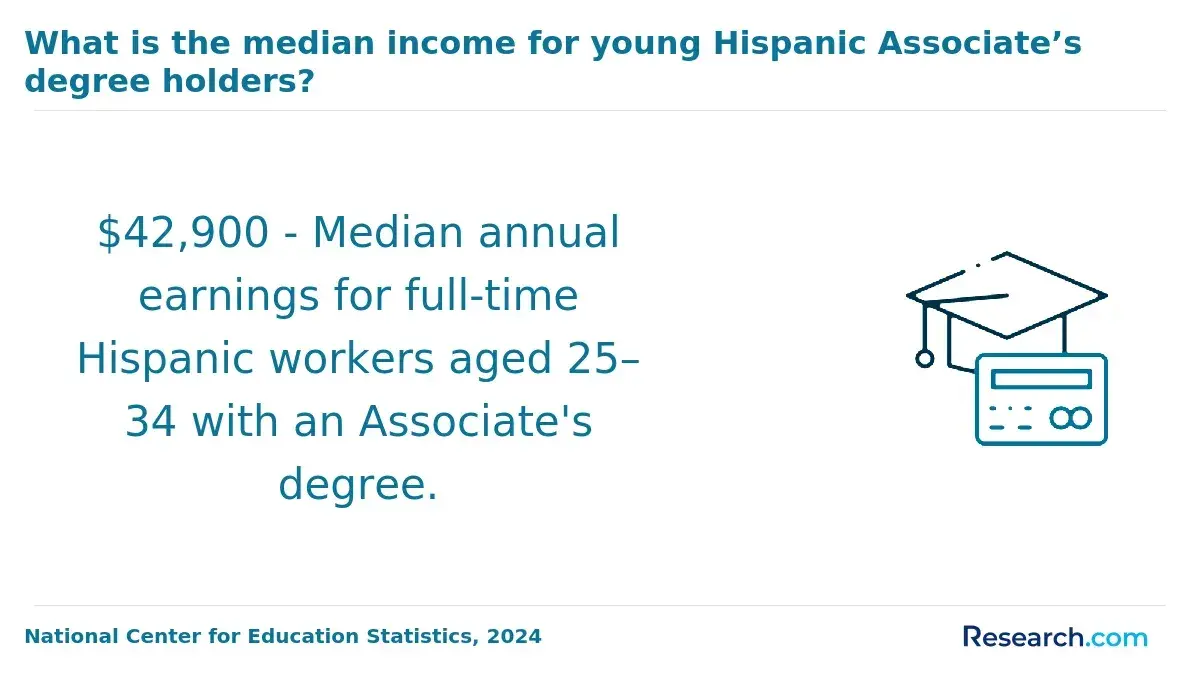
Salary and employment outcomes for management degree holders vary sharply by degree level, work experience, and local market demand. Bachelor's degree holders face a mixed landscape where initial pay gains over high school graduates occur, but underemployment risks persist without relevant specialization or experience. For mid-career adults, weighing the opportunity cost of full-time study against potential salary gains demands scrutiny, especially if existing roles satisfy basic career goals. Employment growth projections favor those with graduate degrees or certifications, reinforcing that advanced credentials typically lead to stronger job stability and upward mobility in management roles.
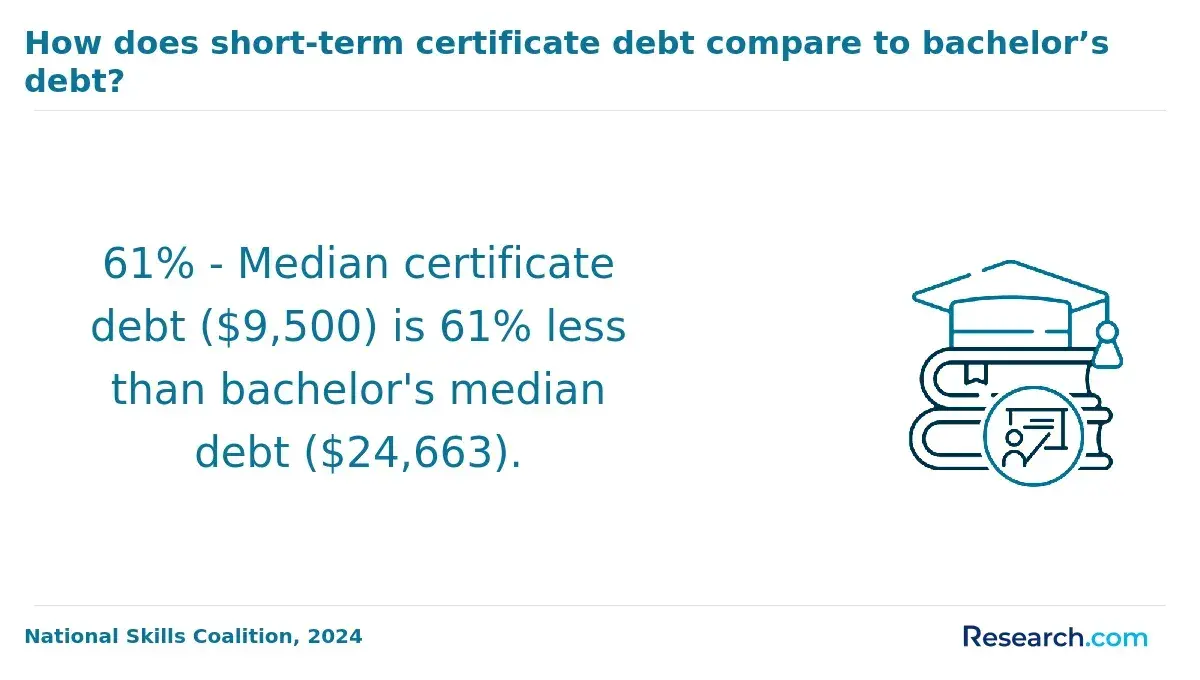
Return on investment for management degrees is deeply tied to program cost, completion time, and financial aid availability. Degree seekers who can transfer credits or balance part-time study often improve ROI by reducing debt and minimizing earnings loss during enrollment. However, the high tuition at private institutions and incurred student loan debt can offset salary improvements, especially when early-career salaries remain modest. Practical career outcomes also hinge on industry focus; management graduates aligned with sectors like healthcare or supply chain tend to command better pay and job security. Those evaluating advanced degrees should consider these nuances alongside labor market conditions and the growing employer emphasis on combinations of degrees plus relevant experience or certifications.
Students aiming to optimize management degree salary and employment outcomes should also explore flexible options and emerging online paths similar to lcsw online programs that allow balancing study and work. Adult learners, military-affiliated students, and transfer students benefit most from tailored pathways that reduce time to credential and mitigate opportunity costs. Ultimately, management degree holders must navigate a complex interplay of education level, specialization, and market realities to justify additional investment and secure meaningful career advancement.
How Do Associate, Bachelor's, Master's, and Doctoral Management Degrees Compare?
Workforce access and role eligibility in management shift significantly by degree level, but returns diminish beyond the bachelor's for many practitioners focused on traditional operational roles. Associate degrees facilitate faster labor entry, often into support or junior supervisory posts, but lack the credibility for mid- or senior-level positions most employers fill with bachelor's degree holders; this aligns with data showing a 78% employment rate for bachelor's graduates within six months. Master's credentials introduce meaningful specialization and leadership preparation, unlocking program and strategic management pathways and typically accelerating promotion timelines, although the added time and cost may not justify returns for those targeting only entry-level management roles.
Doctoral study, while academically rigorous and suited for research or policy leadership, rarely translates directly into corporate management advancement, instead funneling graduates into consultancy, executive education, or thought leadership roles where intellectual capital is paramount. Credentialing beyond degrees, such as PMP or Certified Manager certifications, notably influences career trajectory, especially at the master's level, where credentials complement advanced training. Transferability between degrees remains a practical barrier; many master's programs demand a completed bachelor's, limiting affordability and time-saving strategies for some students. Balancing the shorter completion time of an associate degree against the broader role eligibility and career resilience offered by higher degrees is crucial, especially considering rising student debt and projected growth favoring managers with graduate education in evolving job markets.
Which Industries and Employers Hire Management Graduates by Degree Level?
Employer expectations and industry demands for management graduates diverge sharply by degree level, influencing both entry points and career trajectories. Associate degree holders typically gain access to supervisory roles in sectors such as retail, hospitality, and manufacturing-fields prioritizing hands-on skills and frontline experience over formal credentials. For example, a candidate with an associate degree might advance quickly within regional retail operations but may hit a ceiling without additional qualifications or demonstrated leadership beyond day-to-day management.
Bachelor's degree recipients find broader opportunities in finance, healthcare administration, government, and technology, where employers seek foundational business knowledge paired with project management and leadership capabilities. According to the National Center for Education Statistics, about 60% of bachelor-level management job postings emphasize operational coordination and team leadership. In contrast, master's graduates-especially MBAs and specialized master's-are recruited for roles with higher decision-making authority and strategic responsibility in consulting firms, investment banking, and multinational corporations. This shift reflects how advanced degrees signal readiness for complex, cross-functional leadership roles that often include budget oversight and long-term organizational development.
Doctoral graduates, although less common in direct corporate hiring, frequently pursue academia, research institutions, or executive thought leadership, leveraging advanced analytical expertise rather than broad supervision. Meanwhile, certificates and specialized credentials address technical management needs in IT, construction, and healthcare without requiring the time and cost of full degrees but rarely replace degree qualifications for competitive leadership tracks. Employer screening increasingly weighs degree level alongside experiential learning, making strategic credential choices essential for aligning career goals with industry demands and advancement potential.
What Skills, Credentials, and Experience Improve Management Career Outcomes?
Employers in management roles increasingly prioritize candidates who combine foundational business expertise with strong interpersonal skills such as communication and problem-solving. At the bachelor's level, applied learning via internships or field placements is crucial; these practical experiences often differentiate candidates by enhancing job readiness and opening doors to entry-level positions. For adult learners or transfer students, stacking credentials-such as project management certifications (PMP) or data analytics credentials-alongside academic degrees can signal both technical competence and commitment to professional growth, directly influencing hiring and promotion prospects. This dynamic reflects a broader employer expectation that management leadership skills for career advancement are validated through concrete, role-specific accomplishments rather than academic credentials alone.
Individuals with associate degrees benefit significantly from certifications and apprenticeships that bridge gaps in technical skills and elevate employability, while master's degree holders often distinguish themselves with leadership experience demonstrated through portfolio projects or specialized credentials like an MBA concentration in strategic management. Military-affiliated students bring valuable operational insights and leadership training that translate well into senior roles, highlighting the importance of diverse experiential assets. However, a notable tradeoff exists: extensive credential requirements may delay entry into management tracks, especially for early-career professionals, whereas focusing solely on degrees without experiential learning can limit advancement opportunities in competitive applied settings. Decisions regarding credential combination and timing must consider these practical realities to optimize career mobility and access.
Those navigating management pathways should weigh how prior credits and work experience complement new qualifications to enhance long-term outcomes, recognizing that employer screening increasingly filters candidates by verified competencies. Career-focused learners evaluating the best degree for felons or individuals with records will find that melding applied experience with credentials improves marketability and advancement potential. For a deeper assessment of such strategic educational choices and pathways suited for various learner profiles, the best degree for felons provides additional context and options for skill-building that align with employer demands.
Which Management Degree Level Is Best for Your Career Goals?
Choosing the best degree level in management materially shapes employment access and advancement prospects, with bachelor's degrees serving as the dominant credential for entry-level roles. According to the National Center for Education Statistics, completion of a bachelor's degree correlates with about a 79% employment rate in management occupations, reflecting widespread employer preferences for critical thinking and foundational leadership skills. Associate degrees can offer quicker workforce entry, often appealing to working adults or military-affiliated students leveraging prior learning credits, but typically limit access to mid- and upper-level roles, making them less suited for long-term advancement. Those aiming at specialized or leadership tracks frequently find that graduate degrees provide necessary domain expertise and strategic skills, especially in niche fields like healthcare management or supply chain leadership, where credentials influence both employability and promotion potential.
Master's degrees in management intensify focus on analytical and strategic competencies, enabling smoother career pivots and stronger alignment with evolving industry demands. However, the longer time commitment and increased debt load require careful weighing of immediate opportunity costs against longer-term gains. Employers increasingly view graduate credentials as a differentiator in competitive markets, but this often comes with the expectation of additional professional experience or certifications. For adult learners and transfer students balancing work and education, flexible scheduling and accelerated formats-such as some of the fastest online MBA programs-can mitigate these barriers while supporting ongoing career outcomes by degree level analysis.
Strategic planning for management degree career outcomes by degree level requires integrating labor market data with personal constraints like time to completion, transfer credit policy, and financial resources. Many working professionals find that bachelor's degrees open foundational doors but require follow-up education to sustain momentum, especially in regulated or specialized leadership roles. Meanwhile, selecting an associate degree path may expedite entry but also necessitates a transition plan for further education. Understanding these tradeoffs ensures candidates' educational investments align with realistic job placement and progression trajectories, enabling informed decisions grounded in rigorous workforce evidence rather than assumptions.
References
- Which Management Course Is The Best Choice For Career Growth? https://www.greatlakes.edu.in/blog/which-management-course-is-the-best-choice-for-career-growth/
- Professional Skills: 21 Essential Skills for Career Success in 2026 https://nextgenlearning.org.uk/professional-skills-for-career-success/
- Reframing, Identifying, and Leveraging the Skills You Bring to A Job — Penney Leadership https://www.penneyleadership.com/resources/skills-you-bring-to-a-job
- CAREER MANAGEMENT TRAINING IN THE UNIVERSITY ... https://www.historicoeagora.net/revHUMAN/article/download/3852/2234
- Career development opportunities: better than a promotion https://www.neobrain.io/en/blog/redefining-career-growth-opportunities
- What are the opportunities for a Bachelor's degree in management? - ESCE https://www.esce.fr/en/faq-all-the-answers-to-your-questions/what-are-the-opportunities-for-a-bachelors-degree-in-management/
- Management Graduate Career Profile | GRB https://www.grb.uk.com/industry-profiles/management/
- Business and Management Degree Careers and Salary in Europe - StudyinEurope.eu https://www.studyineurope.eu/business/business-management-degree-careers-salary-europe/
- Business and Management Careers | Edology https://www.edology.com/career-hub/business-management-careers
- Business Administration Degree Salary | UE Amsterdam https://www.ue-amsterdam.com/blog/business-administration-degree-salary-how-much-can-you-earn
Other Things You Should Know About Management
The workload and academic rigor increase significantly from associate through doctoral levels in management, impacting students' available time for work and family. Associate and bachelor's programs often allow for part-time study with manageable intensity, whereas master's programs require deeper engagement with complex case studies and strategic projects, demanding more dedicated time. Doctoral studies, in contrast, necessitate substantial research, original contributions, and often years of focused effort. Students balancing employment or personal obligations must consider whether they can sustain the necessary investment at higher degrees without compromising their other responsibilities.
Part-time master's programs offer flexibility and allow working professionals to maintain income and work experience, but they prolong the time to degree completion, which can delay access to advanced career opportunities linked to that credential. Full-time study accelerates advancement potential but may require a career gap or reduced work hours, risking income loss and potentially limited immediate job experience. Employers may value the broader work experience accumulated during part-time study but often prioritize the accelerated skill development and networking opportunities available in full-time cohorts.
Hands-on experience, like internships, live consulting projects, and capstone assignments, tends to be more embedded in bachelor's and master's management programs than in associate or doctoral tracks. While associate degrees are often more theory-focused, bachelor's and master's degrees integrate applied learning that mirrors real-world management challenges, directly enhancing employability by developing relevant skills. Doctoral programs prioritize research over practical experience, which may limit immediate job readiness in typical management roles but build expertise for academia or specialized consultancy.
Employers typically expect some demonstrated experience or practical knowledge for mid-level management roles, which bachelor's or master's degrees are better positioned to support through program design and experiential components. For students entering the workforce with limited experience, a bachelor's degree combined with internships or cooperative education is often the most strategic start, balancing foundational knowledge with practical engagement. Investing immediately in graduate-level management study without corresponding experience risks credential overreach, potentially complicating job placement and delaying career progress.