2027 Library Media Degree Enrollment Trends by Age Group: Traditional Students vs Adult Learners

Co-Founder and Chief Data Scientist
Licensing requirements and practicum demands significantly shape enrollment patterns in library media degree programs between traditional students and adult learners. Nearly 45% of library media program completers fall within the 25-39 age group, reflecting a strong presence of mid-career professionals pursuing re-credentialing or specialization amid evolving digital literacy expectations. Traditional-age students often balance clinical hours and portfolio development alongside full-time study, while adult learners navigate these requirements alongside existing employment.
The divergent enrollment trends signal shifting workforce dynamics, where credential inflation and employer preference for candidates with updated technical skills drive adult learner growth, highlighting an increasing need for flexible program accessibility and reskilling pathways.
Key Things to Know About Library Media Degree Enrollment Trends by Age Group
- Enrollment among traditional college-age students has declined 12% since 2023, reflecting shifting interests; this limits peer diversity but may concentrate resources on adult learners with clearer career goals.
- Adult learners' enrollment growth signals employer preference for practical experience over age; however, employers often expect demonstrated tech proficiency, pressuring programs to balance foundational and applied skills.
- Longer program completion times for older enrollees increase total education costs and delay labor market entry, affecting ROI calculations and necessitating careful timing for those balancing work and study.
- Key Things to Know About Library Media Degree Enrollment Trends by Age Group Key Things
- Which Age Groups Represent the Largest Share of Library Media Students? Students by Age Group
- Why Do Traditional Students Choose Library Media Degree Programs? Traditional Students
- Why Do Adult Learners Return to School for a Library Media Degree? Adult Learners
- How Do Academic Goals Vary Between Younger and Older Library Media Students? Academic Goals by Age Group
- How Do Financial Concerns Differ Between Traditional Students and Adult Learners? Financial Concerns by Age Group
- What Challenges Do Adult Learners and Traditional Students Face While Earning a Library Media Degree? Student Challenges by Age Group
- How Does Age Affect Library Media Degree Student Retention? Age and Student Retention
- Which Library Media Specializations Are Most Popular Among Adult Learners? Top Specializations for Adult Learners
- How Does Age Affect Job Opportunities for Library Media Graduates? Impact of Age in Job Opportunities
- What Do Current Library Media Enrollment Trends Reveal About Future Demand? Enrollment Trends
Which Age Groups Represent the Largest Share of Library Media Students?
Library media programs attract students across multiple life stages, but enrollment is primarily concentrated within specific age groups shaped by career timing, financial capacity, and educational options. These age distributions mirror broader workforce entry patterns and higher education access rather than simply reflecting academic preferences. Differences in program accessibility, employer expectations, and individual circumstances influence when learners most commonly engage with library media degree enrollment by age group.
- Ages 18-24: This group typically forms the largest share of library media students, aligning with traditional postsecondary progression. Recent high school graduates often pursue library media degrees full-time to enter the workforce earlier, driven by employer licensing requirements that favor prompt credential attainment.
- Ages 25-34: Adult learners in this segment balance educational pursuits with work and family commitments, often enrolling part-time. Their participation reflects career transitions, upskilling efforts, or specialization needs, though financial and scheduling challenges can limit broader enrollment expansion.
- Ages 35-44: Enrollment within this group is smaller but notable in advanced certifications or graduate-level studies. These students use library media education to reposition themselves professionally, yet comprehensive commitments outside education typically reduce program engagement intensity.
- Ages 45 and older: This cohort represents a comparatively minor portion of library media enrollment, constrained by time, financial investment, and prolonged workforce attachment. Nonetheless, online and flexible course offerings increasingly accommodate these learners seeking credential updates or specialized knowledge later in their careers, similar to trends observed in fields offering online RN to BSN programs without clinical requirements.
Why Do Traditional Students Choose Library Media Degree Programs?
Traditional-age students often choose library media degree programs driven by a combination of academic interest in information management and early career exploration within educational settings. These students recognize the degree's signaling value as a stepping stone into school-based support roles tied closely to literacy and digital resource integration. For many, selecting this pathway aligns with a deliberate effort to establish credentials that meet state certification frameworks, reflecting a pragmatic approach to securing relevant employment soon after graduation.
A 2024 report from the National Center for Education Statistics highlights that nearly 35% of new enrollees cite a specific motivation related to literacy promotion and educational technology, illustrating how academic focus and early professional planning converge in this demographic. Key contributing factors influencing these enrollment decisions include structured university recruitment pathways that actively engage recent high school graduates, as well as guidance counseling that often positions library media studies as a stable career choice within public education systems.
Exposure to library media subjects during secondary education or introductory college coursework also enhances students' familiarity and comfort with the field, reinforcing this pathway as a viable option among peers. Moreover, perceived job market stability in school environments, especially in regions emphasizing digital learning tools, bolsters confidence in the degree's practical value. This dynamic underlines why traditional learners prioritize library media degree programs for their alignment with early-career goals and the tangible employment expectations embedded in program design, including options like the fast track program offered in certain institutional contexts.
Why Do Adult Learners Return to School for a Library Media Degree?
Adult learners pursuing library media degrees often do so to navigate career transitions or enhance professional standing within education and information management fields. Such degrees can unlock pathways to administrative roles or specialized positions that require updated credentials. Wage progression also plays a significant role, as advanced certification frequently correlates with a measurable earnings increase, with recent data indicating a 10-15% premium for certified specialists holding higher degrees.
Additionally, career changers from unrelated sectors view these programs as viable entry points into roles that better align with their evolving interests and long-term employment stability. The widespread availability of flexible delivery models, including online and evening classes, addresses the complex scheduling needs of adult learners balancing work and family obligations. Employer tuition assistance further incentivizes re-enrollment by mitigating financial constraints, while shifting industry standards compel continuing education to maintain or elevate professional qualifications.
Technical competencies, such as digital resource management and instructional design, are increasingly central to job requirements, making skill refreshment a practical necessity beyond mere credential accumulation. This convergence of economic, institutional, and technological factors underscores the adult learner's calculus in committing to a library media degree.
How Do Academic Goals Vary Between Younger and Older Library Media Students?
Younger library media students often enter their programs with exploratory academic goals centered on building foundational knowledge and mastering broad technical skills needed for entry-level positions or advanced study. Their priorities typically include understanding core theories and gaining certifications that facilitate entry into school libraries, public archives, or information centers. This stage in their educational journey is characterized by an emphasis on skill diversification and networking opportunities that support future flexibility, rather than immediate specialization.
According to the 2024 National Center for Education Statistics, this cohort is generally motivated by preparing for the wide array of practical roles available in library media fields, reflecting their relative lack of prior workforce experience and financial obligation. In contrast, adult learners usually pursue library media degrees with targeted outcomes linked closely to career transitions, leadership roles, or credential completion required for workplace advancement.
Their academic focus narrows toward acquiring specialized competencies such as digital archiving, administrative skills, or instructional design that directly enhance their current job performance or qualify them for promotion. Unlike younger students, adults frequently juggle significant work and family responsibilities, which makes flexible scheduling and applied learning essential; a 2024 American Library Association survey found that 68% of adult learners prioritize programs that accommodate these needs. This results in a pragmatic approach to education where coursework is selected to maximize immediate professional impact rather than exploratory breadth.
How Do Financial Concerns Differ Between Traditional Students and Adult Learners?
Traditional students pursuing library media degrees typically depend on a mix of family support, federal financial aid, and student loans to manage tuition and related expenses. Their financial concerns revolve around the sticker price of tuition and the long-term burden of debt, which many accept with the expectation that future salary growth and employability will offset these costs. According to the National Center for Education Statistics (2024), approximately 60% of traditional undergraduates receive some form of aid, which helps reduce immediate financial barriers but often results in increased borrowing.
This cohort's willingness to tolerate debt is influenced by relatively fewer immediate financial obligations and more time to amortize education costs across their working lifetime, highlighting distinctive financial behavior tied to their lifecycle stage and educational aspirations. In contrast, adult learners in library media programs face more complex financial tradeoffs shaped by ongoing employment, family care, and opportunity costs associated with reduced work hours or temporary withdrawal from the workforce.
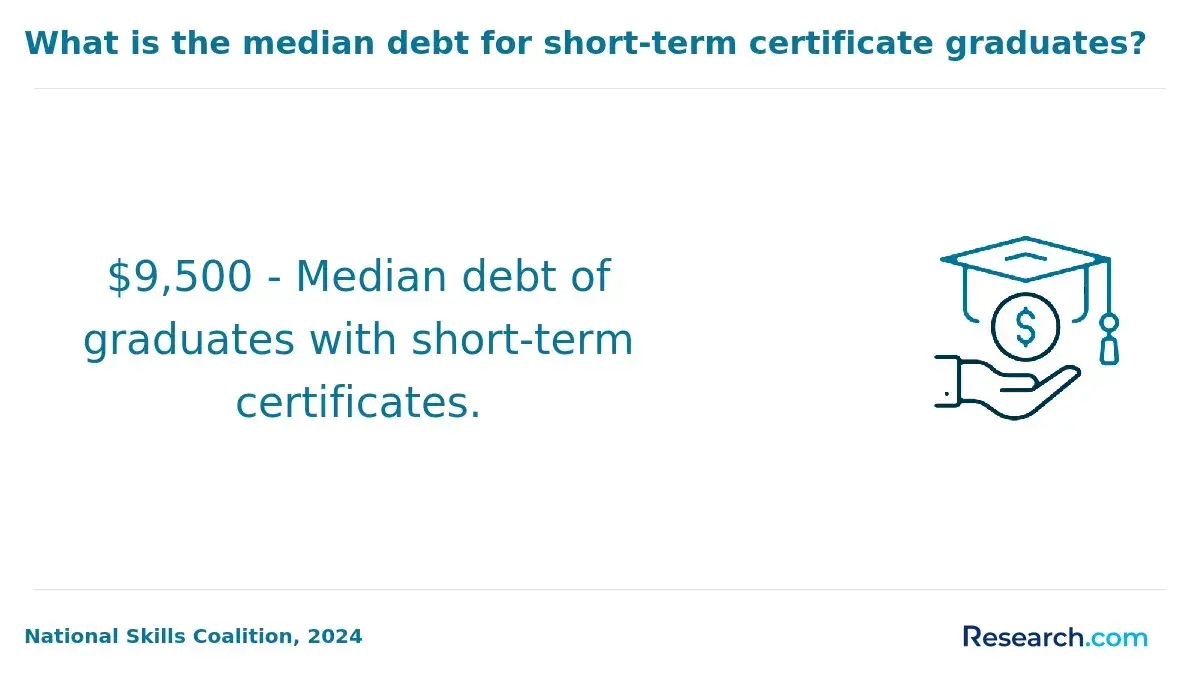
Nearly 70% of adult students primarily finance their education through personal income or employer tuition assistance programs, as noted by the Postsecondary National Policy Institute (2024), limiting their reliance on loans but restricting program choices based on affordability and flexible scheduling. The immediate impact of out-of-pocket costs and potential lost wages weighs heavily on these learners, who often prioritize accelerated or part-time options to minimize income disruption.
This pattern reflects a funding approach tied more closely to current cash flow and tangible return on investment rather than speculative future earnings, underscoring a fundamentally different financial calculus than that of traditional students. These divergent financial pressures directly influence enrollment patterns and program accessibility, with adult learners frequently opting for online or part-time study to accommodate work and family demands, while traditional students show stronger enrollment in full-time, campus-based options.
Evaluating cahme accredited MHA programs reveals similar tradeoffs between program format and financing that parallel those in library media pathways. Understanding these differences in income status, debt tolerance, and opportunity costs is crucial for prospective students as they assess educational funding dynamics and make informed decisions about the long-term value and practical implications of pursuing a library media degree.
What Challenges Do Adult Learners and Traditional Students Face While Earning a Library Media Degree?
Traditional students pursuing a library media degree often confront challenges centered on adapting to the structure and rigor of higher education. Many, typically aged 18 to 24, must develop time management skills while navigating the transition from high school to college-level expectations, which can be a steep adjustment. According to 2024 data from the National Center for Education Statistics, 42% of college students report difficulties balancing coursework with social and extracurricular commitments, underscoring the complexity of managing academic priorities alongside emerging independence.
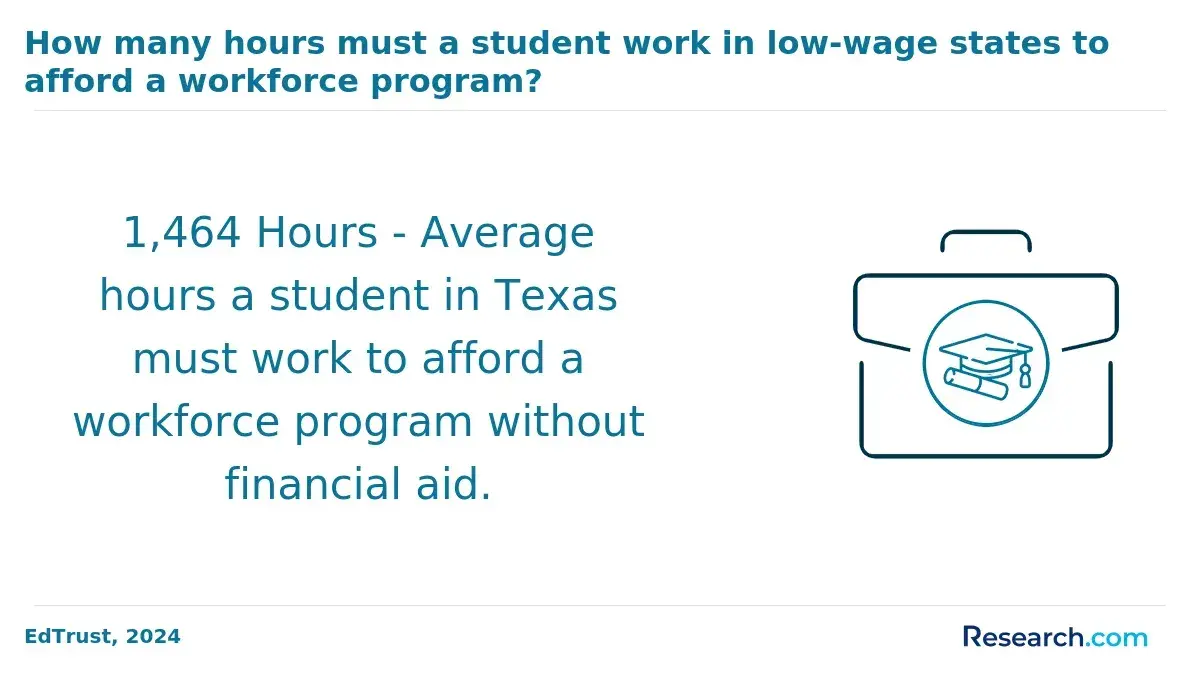
These students frequently need to build foundational discipline in a relatively controlled learning environment where institutional support is more readily available but personal accountability is still being formed. Adult learners face a markedly different set of constraints driven by their broader life responsibilities. Typically over 25, they juggle full-time employment, family care, and financial obligations, which complicate their capacity to engage fully with academic demands. A 2024 Lumina Foundation report highlights that nearly 60% of adult learners identify financial strain as a key obstacle to degree completion, reflecting these compounded pressures.
Institutions must adapt to these divergent needs by offering flexible program formats and targeted support services that accommodate varying time availabilities and life contexts. Enhanced advising, asynchronous coursework, and tailored resources addressing technology gaps help mitigate barriers distinct to each group. These adaptations influence completion rates and career readiness, emphasizing that recognizing lifecycle-specific challenges is crucial for designing accessible and effective library media education pathways.
How Does Age Affect Library Media Degree Student Retention?
Retention challenges for younger students in library media degree programs frequently stem from the transitional difficulties inherent in moving to college-level academics and responsibilities. Many traditional students, typically aged 18 to 24, encounter obstacles such as unclear career objectives, limited academic preparedness, and fluctuating motivation, all of which undermine persistence. These factors are compounded by social pressures and adjustment to greater independence, which can divert focus from sustained engagement with coursework.
A 2024 report by the National Center for Education Statistics highlights that retention rates for these younger students lag behind those of older peers by roughly 15%, underscoring systemic struggles in early academic lifecycle stages. Adult learners in library media programs generally display higher retention due to more defined professional aims and the necessity to align education with career goals, yet they face constraints from competing responsibilities like work commitments and family care.
The life experience often equips them with superior time-management skills and resilience, but external pressures can delay or disrupt consistent academic progress. Institutional adaptations such as flexible scheduling and online course offerings are essential in supporting these students' capacity to persist. This demographic's higher retention suggests that tailored support aligned with adult learners' realities improves educational outcomes despite complex life demands.
Which Library Media Specializations Are Most Popular Among Adult Learners?
Adult learners in library media programs frequently select specializations that offer clear pathways to employment or meaningful career shifts. Many come with prior experience and seek options that build on existing skills or meet certification requirements needed for advancement. These preferences reflect a pragmatic approach to program enrollment, emphasizing direct labor market alignment and opportunities for salary growth or job mobility.
Specializations attractive to adult learners tend to balance immediate applicability with flexibility, supporting those intent on either reinforcing professional credentials or transitioning into related fields with growing demand. Understanding these patterns of specialization choice helps clarify how adult students weigh educational commitments against workforce realities, often prioritizing roles that leverage prior industry experience or prepare them for emerging positions.
- School library media: Often chosen by adult learners who are current or former educators, this specialization capitalizes on pedagogical expertise and certification pathways to facilitate employment as school librarians within K-12 settings. It aligns well with adult students focused on stability and recognized credentials in the education sector.
- Digital resource management: Ideal for learners aiming to expand technical proficiency, this specialization addresses the rise of digital archives, databases, and online curation. Adult learners with backgrounds in IT, public libraries, or academic environments may pursue this to update skills and increase their market value in technology-driven library roles.
- Archival studies: This specialization appeals to individuals interested in the preservation and management of historical records, often involving work in museums or government institutions. Adult students motivated by organizational skills and a focus on cultural heritage find this pathway suitable for both career reinvention and professional development.
- Information literacy instruction: Targeted at those looking to develop expertise in teaching research skills and critical evaluation of information, this area supports roles often embedded in academic or specialized library settings. Adult learners aiming to enhance instructional capabilities leverage this for career advancement in education-oriented positions beyond traditional librarian roles.
- Library administration and leadership: Serving experienced professionals seeking to move into managerial positions, this specialization focuses on organizational management, budgeting, and strategic planning. It supports adult learners targeting salary growth and broader influence within library systems.
A 2024 survey from the American Library Association's Educational Data and Research Center reported that 58% of adult learners enrolled in library media programs selected school library media, followed by 27% in digital resource management, and 15% in archival studies. This data underscores how specialization choices reflect a deliberate alignment with workforce demands and adult students' prioritization of employability.
These trends illustrate how adult learners in library media specialization trends among adult learners frequently seek to integrate their prior occupational experience with marketable new skills, while balancing certification and adaptability concerns. For adults navigating workforce transitions, specialization selection becomes a strategic exercise in career reinvention and upskilling, rather than merely academic interest.
Adult learners weighing specialization options often consider not only immediate job prospects but also longer-term stability and salary potential. Those exploring roles adjacent to healthcare and wellness fields, for example, might research career alternatives such as a functional medicine nurse practitioner, highlighting the broader context of career shifts and specialization relevance beyond library media itself.
How Does Age Affect Job Opportunities for Library Media Graduates?
Younger library media graduates often benefit from structured entry points such as internships and technician roles that align with their recent education and presumed technological fluency. Employers frequently prioritize candidates aged 18 to 24 for these roles, viewing them as adaptable and cost-effective for early-career positions. A 2024 report by the U.S. Bureau of Labor Statistics highlights that nearly 60% of entry-level library media assistant jobs were filled by candidates under 30, reflecting labor market dynamics favoring younger applicants within this employment lifecycle phase.
The hiring patterns provide traditional students clearer pathways into the profession but also reflect segmented workforce expectations tied closely to education timing and networking access-a critical factor given many internship pipelines favor younger enrollees, shaping career progression opportunities in library media. In contrast, adult learners navigating career shifts into library media encounter a landscape shaped by both leverage and limitations tied to their professional histories and age.
The American Library Association's 2024 survey found that 45% of employers acknowledge adult learners' broader backgrounds when evaluating mid-career or leadership applicants, underscoring nuanced hiring practices that value maturity but still conform to segmented career entry norms. Prospective students weighing educational pathways can also explore the best PMHNP programs to understand cross-disciplinary trends relevant to career reentry and adult learner success in evolving fields related to library media.
What Do Current Library Media Enrollment Trends Reveal About Future Demand?
Recent enrollment shifts in library media programs reveal evolving student priorities and perceptions of career value. While traditional students have seen stable or slightly declining enrollment, adult learners have increased their participation by over 12% in the last two years, reflecting heightened interest in mid-career transitions and continuing education. This demographic shift suggests that library media education is increasingly viewed as a practical tool for professionals seeking to update competencies in information management and digital technologies rather than a purely academic pursuit.\
The growing presence of adult learners also underscores a demand for flexible scheduling and online delivery formats aligned with real-world constraints and professional commitments. These enrollment patterns closely mirror broader labor market signals where employers emphasize adaptive digital skills and resource literacy amid ongoing technological change.
Rising demand driven by retirements in current workforce cohorts and institutional expansion of hybrid library services further inform program growth trajectories and specialization options. Programs expanding online and part-time offerings appear strategically positioned to meet the needs of both workforce entrants and experienced professionals. The interplay between enrollment trends and employer expectations highlights a dynamic pipeline where educational access and curriculum responsiveness directly influence the availability and quality of future library media practitioners.
References:
- Traditional Vs. Non-Traditional Students in Higher Education https://moderncampus.com/blog/traditional-vs-non-traditional-students-in-higher-education.html
- Adult learners: who they are and what they want out of college | EAB https://eab.com/resources/blog/adult-education-blog/adult-learners-who-they-are-what-they-want-college/
- Adult Postsecondary Learners: Reviewing the Data and Evidence https://www.jff.org/idea/adult-learners/
- Further Questions: What are your thoughts on age? https://hiringlibrarians.com/2022/04/22/what-are-your-thoughts-on-age/
- Does Higher Ed’s Value Proposition Resonate with Adult Learners? - UPCEA https://upcea.edu/does-higher-eds-value-proposition-resonate-with-adult-learners/
- LibGuides: Student Retention Annotated Bibliography: Highlighted Research Articles https://libguides.palni.edu/c.php
- The End of the Traditional Student Era: Higher Ed’s New Enrollment Reality - Collegis Education https://collegiseducation.com/insights/end-of-traditional-student-era/
- 55 Years Old with a 33 Year Library Career - ACRLog https://acrlog.org/2013/05/06/55-years-old-with-a-33-year-library-career/
- Best Online Library Science Degrees, Updated for 2025 https://www.librarysciencedegrees.org/programs/online
- Meeting the Needs of Adult Students | Insight Into Academia https://insightintoacademia.com/meeting-the-needs-of-adult-students/
Other Things You Should Know About Library Media
Adult learners often require greater program flexibility to balance education with work and family responsibilities, making part-time and online options critical. Traditional students, however, typically benefit from structured, full-time schedules that support immersive learning and peer engagement. When choosing a program, adult learners should prioritize flexible delivery modes and asynchronous coursework, as rigid structures can increase dropout risk and hinder skill acquisition relevant to evolving library technologies.
Cohort-based programs enhance networking and collaborative learning, which can benefit traditional students seeking peer interaction and structured support. Adult learners may find self-paced formats more conducive to managing external commitments but risk isolation and less direct mentoring. Given the importance of professional connections in library media careers, adult learners should weigh the convenience of self-paced study against potential limitations in developing a robust professional network.
Traditional students generally can dedicate more uninterrupted time to coursework, enabling deeper engagement with complex topics such as archival management and digital cataloging. Adult learners must often distribute study hours around professional and personal obligations, which can limit their ability to participate in time-intensive projects or live sessions. Prioritizing programs with modular assignments and clear time commitments can help adult learners maintain progress without compromising academic quality or personal well-being.