2027 Library Media Degree Completion Time Report: How Long Students Actually Take to Graduate

Co-Founder and Chief Data Scientist
Degree completion timelines in library media programs often deviate from institutional estimates due to several intertwined factors. Students balancing full-time work, family responsibilities, and varied enrollment patterns face delays that extend beyond cataloged durations.
Recent federal data from 2024 shows a persistent trend of extended time-to-degree in education-related fields, driven largely by part-time attendance and transfer credits that do not always align seamlessly. These realities complicate progression, especially in fields requiring practical placements or specific certification sequences.
Understanding how such factors dynamically influence graduation timelines sheds light on the actual experiences behind completion rates and highlights considerations crucial to academic and career planning.
Key Things You Should Know About Library Media Degree Completion Time
- Most library media degree programs take two to three years to complete for full-time students. Part-time enrollment, work commitments, certification requirements, and transfer credit evaluations can extend graduation to four years or longer.
- Graduation speed depends on both program structure and personal circumstances. Enrollment status, practicum or internship requirements, course sequencing, transfer credits, and online versus campus-based study all influence how quickly students earn their degree.
- Graduating faster isn't always the best outcome. Although accelerated and online programs may shorten completion time, employers generally place greater value on practical experience, certification readiness, and applied library media skills than on how quickly a degree was completed.
- What Is the Average Graduation Time for Library Media Students? Average Graduation Timeline
- What Factors Have the Biggest Impact on Graduation Speed? Graduation Timeline Factors
- How Does Full-Time Versus Part-Time Enrollment Affect Graduation Timelines? Full-Time vs. Part-Time Graduation Timeline
- Do Online Library Media Students Graduate Faster Than Campus-Based Students? Online vs. Campus-Based Timeline
- How Many Months or Years Can Transfer Credits Save? Using Transfer Credits
- Do Accelerated Library Media Programs Significantly Reduce Completion Time? Accelerated Program Timeline
- Which Library Media Program Requirements Most Often Extend Graduation Timelines? Factors Extending Graduation Timeline
- Does Taking Longer to Graduate Increase the Cost of a Library Media Degree? Impact on Program Cost
- Does Graduating Faster Improve Career Prospects? Impact on Career Prospects
- Which Scheduling Mistakes Commonly Delay Graduation? Mistakes to Avoid
What Is the Average Graduation Time for Library Media Students?
A typical full-time student pursuing a library media degree generally graduates within two to three years, aligning with the standard duration observed in master's level certifications for education professionals. The average completion time for library media degree programs often extends beyond this range for part-time students, many of whom juggle coursework alongside employment or other commitments, resulting in timelines that may stretch to four years or more. Transfer students with relevant credits can sometimes accelerate their progress by bypassing prerequisite requirements, though this depends heavily on each program's flexibility and credit acceptance policies.
Variation in graduation timelines primarily hinges on enrollment status, program design, and credit load. Programs offering online or hybrid course formats, increasingly common today, introduce both convenience and complexity, as flexible scheduling can sometimes prolong completion due to challenges in time management and reduced peer cohort interaction. Additionally, state certification mandates and local district requirements may necessitate supplementary coursework or testing, affecting duration. Internship or practicum components, critical for practical skill development, also add to completion time but serve key workforce preparation goals. Students evaluating program options should consider how these factors interact with their personal commitments and academic experience, including whether they qualify for transfer credits or accelerated pathways found in certain formats like an online health administration degree.
Understanding these dynamics is important since extended time to degree completion influences not only academic planning but also financial investment and entry points into school library roles. Employers often prioritize credential attainment and applied expertise over speed, meaning that longer graduation times accompanied by robust practical experience may better position candidates for diverse professional opportunities. Well-structured advising and cohort support within programs can mitigate delays, underscoring the need for students to proactively engage with institutional resources to align graduation timelines with their vocational objectives and workforce demands.
What Factors Have the Biggest Impact on Graduation Speed?
Graduation speed for students pursuing a library media degree hinges on a combination of academic planning choices, program design, and individual circumstances rather than any single determinant. These variables interact in complex ways, shaping the duration and pace of completion. Gaining insight into these influences allows students to make strategic decisions concerning course load, enrollment status, and program delivery format to better manage their degree timelines.
- Enrollment Status and Program Delivery Format: Full-time enrollment consistently shortens degree completion compared to part-time status due to the concentration of coursework and reduced overall timelines. According to the National Center for Education Statistics (NCES) data from 2024, full-time students in education-related graduate tracks typically complete degrees in 2.5 to 3 years, while part-time students may take between 4 to 5 years. The structure of program delivery-such as online, evening, or hybrid formats-can either facilitate faster progression for working students or prolong timelines if scheduling conflicts arise.
- Transfer Credits and Academic Requirements Timeline: Prior academic preparation, including transferable credits, can significantly hasten degree completion by allowing students to bypass foundational courses. The Education Advisory Board's 2024 research indicates that students bringing in at least nine transfer credits reduce program duration by about 20%. However, institutional policies on credit acceptance and how transfer courses align with library media degree requirements can create bottlenecks affecting these timelines.
- Employment Commitments and Workload Management: Students who work substantial hours while enrolled encounter extended graduation timelines, as balancing professional responsibilities limits the capacity to take a full course load. Data from the Bureau of Labor Statistics shows that those working over 20 hours per week often add 1 to 2 years to their degree completion time. Flexible scheduling options can mitigate but not eliminate these delays, since workload intensity influences both academic performance and feasible course enrollment.
- Program Design and Institutional Policies: Many library media degrees require sequential courses, supervised practica, or internship placements that depend on external schedules such as school district calendars. These program components introduce unavoidable delays, especially since practicum experiences often must be completed in a prescribed order and can require a full academic year. Institutional rigidity in course offerings or limited field placement availability can thus significantly elongate graduation timelines.
- Student Motivation and Support Services: Active academic advising and peer support networks improve navigation of degree requirements and reduce the risk of retaking courses or missing critical milestones. The Council of Graduate Schools 2024 survey underscores that structured advising can decrease time-to-degree by up to 15% in education fields. Institutional emphasis on these support mechanisms interacts with student engagement to shape the effective pace of progression.
Working adults considering the balance between career and education should closely evaluate enrollment options and program design to avoid common delays. For those seeking efficient yet flexible pathways, examining programs with robust transfer credit policies and flexible delivery formats is essential. More about related graduate pathways can be found by exploring masters in health administration, which face parallel challenges in managing program length amid competing personal and professional demands.
How Does Full-Time Versus Part-Time Enrollment Affect Graduation Timelines?
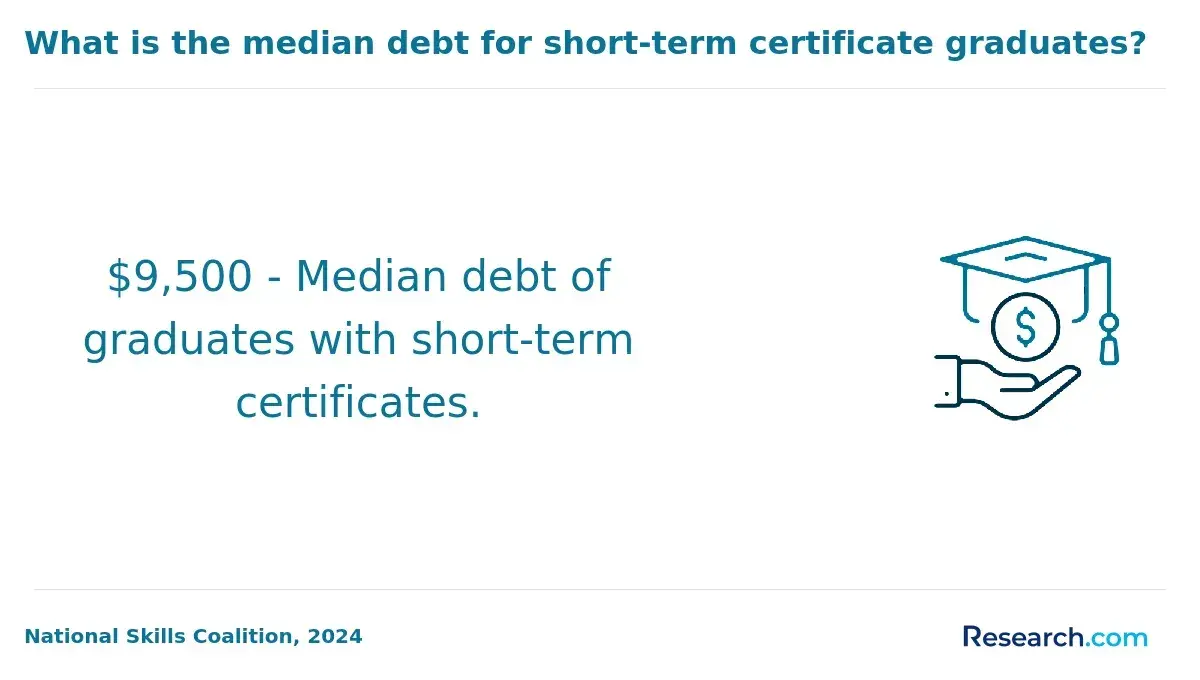
Time to complete a library media degree differs markedly between full-time and part-time enrollment, with full-time students typically finishing within two to three years while part-time students often extend their studies to three to five years or longer. This pattern reflects the greater course load and credit accumulation pace achievable through full-time study, which accelerates progress toward graduation requirements. Data from recent postsecondary completion reports in 2024 consistently highlight this divide, showing that full-time status correlates with faster degree attainment due to concentrated semester workloads and fewer interruptions in academic momentum.
The disparity in timelines is shaped by both program characteristics and individual circumstances. Full-time students benefit from program designs structured to support intensive enrollment cycles, often including continuous course availability and sequenced prerequisites facilitating smooth credit progression. Part-time students, however, face limitations related to course scheduling, availability of evening or weekend classes, and program pacing that accommodate external commitments such as employment or family obligations. These factors result in reduced credit loads per term and extend the overall duration needed to complete required coursework. Additionally, financial aid policies frequently incentivize full-time enrollment, indirectly affecting students' ability to maintain heavier academic loads and compress their time to degree.
Enrollment choices carry significant implications beyond graduation dates, influencing academic engagement intensity, financial planning, and workforce entry timing. The longer timelines associated with part-time study often delay eligibility for library media positions, impacting early career advancement and salary growth potential. Conversely, full-time students may incur higher immediate costs or forego income while enrolled, but benefit from earlier qualification and a more focused academic experience. Employers typically prioritize credentials and demonstrated competencies over speed alone, but timely completion remains a competitive advantage, especially in a field where relevant experience and formal education must coincide to maximize professional opportunities.
Do Online Library Media Students Graduate Faster Than Campus-Based Students?
The perception that online library media students graduate faster than their campus-based peers is common but oversimplified. Recent data from the National Center for Education Statistics in 2024 indicates online learners complete their degrees in about 3.2 years on average, slightly quicker than the 3.6 years seen in traditional campus programs. However, these averages mask significant variability tied to individual circumstances, program design, and institutional policies. Some campus-based programs include accelerated tracks that can rival or exceed the pace of most online programs, while others require lengthy internship components or cohort-based progression that constrain speed regardless of modality.
Graduation timelines in both online and campus library media pathways hinge on factors beyond delivery format. Online programs often offer year-round enrollment, asynchronous courses, and credit-transfer options that enable self-directed pacing, benefiting working adults and transfer students. Conversely, campus programs might feature fixed semester schedules, face-to-face practicum obligations, and limited course availability each term, which may extend time to degree for some students. Moreover, balancing part-time versus full-time study, employment demands, and family responsibilities deeply influences completion speed across both formats. Institutional retention support and curricular flexibility also affect timely graduation, complicating any straightforward modality-based comparison.
The choice between online and campus study impacts not only academic progression but also time management challenges and eventual entry into library media careers. Online learners often require greater self-discipline to navigate asynchronous coursework independently, which can accelerate or delay completion depending on student motivation and support systems. Campus students benefit from structured schedules and more direct faculty interaction but may face rigid enrollment windows. Understanding these nuanced trade-offs enables prospective students to align their educational pathway with personal circumstances and career timing goals.
One recent graduate recounted that they delayed applying to online library media programs for months, waiting to finalize their work schedule and gather transcripts, only to find that rolling admissions accelerated quickly near the fall term. The uncertainty created hesitation, as they balanced urgency with the need for preparation. Ultimately, starting slightly later than hoped, they leveraged flexible online course options to recover lost time. This experience underscores how timing and admissions processes can affect perceived graduation speed as much as program format itself.
How Many Months or Years Can Transfer Credits Save?
Transfer credits can substantially shorten the time required to complete a library media degree, often reducing typical completion periods by several months to over a year. This variation depends heavily on how much prior coursework aligns with the program's curriculum and meets institutional standards. Recent research underscores that transfer credits impact on library media degree completion time ranges broadly, reflecting differences in credit volume and relevance rather than uniform outcomes. Indeed, data from the National Student Clearinghouse Research Center's 2024 report suggests students with applicable transfer credits may save an average of 9 to 15 months, illustrating this variability tied to individual educational pathways and credit acceptance.
The actual time saved hinges on multiple factors intrinsic to academic credit systems and institutional policies. Degree programs often have residency requirements that limit the number of transferable credits, affecting how many prior courses can count toward degree progress. Accreditation compatibility and course equivalency reviews critically shape credit acceptance, with some specialized library media courses lacking direct substitutes in other institutions' offerings. Additionally, articulation agreements, the rigor of transferred coursework, and whether credits satisfy core or elective requirements all affect how effectively transfer credits shorten degree timelines. Students should carefully examine these variables since discrepancies in credit evaluation frequently cause the range of saved months or years seen across programs.
From a strategic standpoint, transfer credits not only influence time-to-degree but also affect academic planning and financial considerations. They allow students to reduce tuition expenses and course loads, yet sequencing remaining required coursework-including internships, certifications, and capstone projects-remains pivotal to timely graduation. For those managing work and family commitments or returning after a hiatus, understanding transfer credit policies is essential to set realistic expectations and optimize enrollment duration. Prospective students balancing these complexities might also explore options like an online MBA healthcare program for broader workforce flexibility beyond library media.
Do Accelerated Library Media Programs Significantly Reduce Completion Time?
Accelerated library media programs aim to shorten the total time needed to earn a graduate degree by compressing coursework and allowing students to progress at a faster pace than traditional two-year routes. These programs often reduce the calendar length by increasing the number of credits per term or offering multiple condensed sessions annually, theoretically enabling degree completion in 18 to 24 months instead of the usual 24 to 30. The intent is to streamline the curriculum without sacrificing academic rigor, supposedly benefiting those who want to enter the workforce sooner or juggle studies alongside other commitments. However, the programs' designs vary widely, impacting how much time is actually saved on a case-by-case basis.
The actual reduction in completion time depends heavily on factors beyond accelerated scheduling alone. While some students may handle heavier credit loads, completing more courses per semester or summer session, prerequisites and sequencing constraints often make early course enrollment impossible. Additionally, requirements such as practicums, internships, or capstone projects typically maintain fixed durations that cannot be shortened without compromising quality or accreditation standards. Institutional policies on transfer credits, course availability, and pacing also shape how swiftly a student can progress. Consequently, even with an accelerated label, the practical time savings often hinge on a student's individual circumstances, such as prior credits, work obligations, and the specific program's flexibility.
These programs also involve trade-offs between intensity and depth of learning. Accelerated curricula demand sustained, often high-intensity work over a compressed timeframe, which can challenge students balancing employment or family responsibilities. The resulting workload may reduce opportunities for reflective learning or extended professional experiences deemed crucial by employers in library media fields. Thus, while accelerated track options can offer calendar time savings, they do not guarantee faster or better outcomes for every student and require a careful weighing of pace versus learning quality and personal capacity.
One graduate recalled that despite enrolling in an accelerated library media program offering rolling admissions, the certainty of starting on time remained elusive. After applying early, the student faced weeks of waiting for admission confirmation, unsure whether deferred start dates or schedule adjustments would be necessary. With looming work commitments, this uncertainty complicated planning and led to hesitancy about committing fully before official acceptance. Ultimately, the graduate noted that the program's flexibility was valuable but emphasized that navigating admissions timing and preparing adequately were critical steps often overlooked in the rush to accelerate completion.
Which Library Media Program Requirements Most Often Extend Graduation Timelines?
Graduation timelines in library media programs often extend beyond baseline credit requirements due to embedded mandatory components designed to ensure professional readiness and mastery of both theory and practice. These requirements, while essential for developing relevant competencies, introduce scheduling limitations and add layers of coordination that can slow steady academic progress. Understanding these specific elements clarifies why completion dates diverge widely among students and institutions, especially for those balancing additional responsibilities.
- Practicum or Internship Placements: These immersive, hands-on experiences are central to applying theoretical knowledge but depend heavily on alignment with school calendars and employer schedules. The limited availability of approved sites and the need to coordinate hours often create bottlenecks, particularly for working students, causing delays as placements may only open during certain semesters.
- Capstone Projects, Theses, or Portfolios: Culminating projects serve as comprehensive demonstrations of skill integration, but their iterative nature-requiring drafting, feedback, and approval-adds months to the timeline. Part-time students or those juggling employment may face extended periods in this phase due to limited advisor access and competing priorities.
- Course Sequencing and Availability: Core courses in areas like educational technology and instructional media are sometimes offered only annually or biannually, reducing flexibility in academic planning. Missing a required term or needing to repeat coursework because of strict grading standards can cascade into additional semesters needed to fulfill prerequisites.
- Credentialing and Certification Requirements: Many programs integrate standards aligned with professional library and media certifications. Meeting these requirements often involves extra coursework or practicum hours, as well as passing standardized assessments, all of which add layers of complexity and extend time to degree completion.
- Transfer Credit Evaluations and Policy Constraints: Transfer students frequently encounter extended timelines when prior coursework must be rigorously evaluated for equivalency. Institutional policies on credit acceptability and mandatory residencies complicate this process, delaying progress compared to students who begin and remain fully matriculated at one institution.
Data from Lightcast (2024) indicates that over one-third of students in library media programs experience delays exceeding one year, with more than half attributing these extensions primarily to practicum and final project obligations. This real-world finding underscores how academic structuring and practical immersion requirements interplay to shape the pace of degree completion for a significant share of learners.
Does Taking Longer to Graduate Increase the Cost of a Library Media Degree?
Extending the time to graduate from a library media degree program generally increases total costs because tuition and related fees often accrue per semester or credit hour. When students stretch completion over additional terms, they face extra registration fees, textbook expenses, and other incidental costs that compound the financial burden. Moreover, delayed graduation can lead to lost income opportunities, especially for those who reduce work hours to manage their studies. Financial aid eligibility also typically depends on enrollment status and academic progress; taking longer may reduce or end access to certain grants or scholarships, further heightening expenses. These dynamics reflect the impact of extended graduation time on library media degree costs, underscoring how pacing decisions influence overall affordability.
However, the financial implications of delayed completion vary according to program structures and student choices. Some institutions use flat-rate tuition models or offer part-time pricing that cushions cost increases, while employer tuition assistance can offset expenses for working adults. Flexible program policies allowing slower pacing without additional fees also mitigate financial pressure. Yet even in these contexts, enrollment behavior matters; taking fewer credits per term elongates the timeline and can slow skill acquisition, affecting both cost and employability. Considering the broader workforce context, those completing their degrees efficiently may gain quicker access to roles with sustainable pay, including fields intersecting with healthcare systems where demand for qualifications like health information management salary is rising. Balancing academic pacing against direct and indirect costs is thus essential for realistic, strategic planning in library media programs.
Does Graduating Faster Improve Career Prospects?
Graduating faster from a library media degree program can offer the advantage of earlier entry into the job market, potentially reducing educational expenses and allowing candidates to begin gaining professional experience sooner. However, employers rarely assess candidates solely on the speed of degree completion. Instead, hiring managers focus on practical preparedness and tangible skills demonstrated during the course of study. Accelerated timelines may position candidates well for initial job searches, but this advantage hinges on more substantive factors beyond simply finishing quickly.
The impact of accelerated degree completion on library media careers is primarily influenced by the depth of internship experience, strength of professional portfolios, mastery of relevant competencies, and the extent of networking cultivated while studying. According to labor market data and employer feedback, those who graduate sooner but lack robust practicum or assistantship involvement may find their early completion carries little weight in competitive hiring processes. Alignment with industry demand and the quality of applied experience typically outweigh mere timeline acceleration in hiring decisions and long-term employability.
Students should carefully weigh the benefits of timely graduation for library media professionals against potential trade-offs in experiential learning and skill development. Research by the U.S. Bureau of Labor Statistics and the American Library Association suggests that the most valuable hiring signals include leadership roles and applied experience accrued during the degree, rather than the pace of completion alone. For prospective and current students, understanding how these factors interplay is essential when planning degree timelines and career strategies. Those exploring specialized paths may also benefit from reviewing requirements such as those detailed in the SLP grad school framework, which illustrates additional credentialing considerations pertinent in education-related fields.
Which Scheduling Mistakes Commonly Delay Graduation?
Graduation delays in library media programs frequently stem from enrollment and scheduling mistakes rather than academic difficulty alone. These errors disrupt the intended progression of course sequences and credit accumulation, affecting students across associate, bachelor's, and graduate levels as well as various delivery formats. Understanding common pitfalls in academic planning is critical for maintaining steady progress and avoiding extended program durations.
Failure to Meet Prerequisites on Schedule: Missing early enrollment in required foundational classes creates bottlenecks because advanced courses cannot be taken without them, pushing subsequent terms back. This issue is prevalent due to rigid prerequisite chains typical in library media curricula, making early course planning essential.
Unbalanced Credit Loads Each Term: Both overloading and underloading credits affect timely completion. Taking too few credits unnecessarily prolongs the program, while overloading can lead to poorer grades or withdrawals, which delay progress. Working adults balancing external responsibilities are especially vulnerable here.
Delayed or Incomplete Transfer Credit Evaluations: Transfer students often face prolonged timelines when credits from other institutions are not assessed promptly or fully applied. This forces duplication of coursework or extra credits beyond degree requirements, extending time to graduation and increasing costs.
Insufficient Academic Advising and Planning: Without timely, knowledgeable academic advising, students risk enrolling in non-applicable courses or missing critical certification requirements, especially relevant for licensure in library media fields. Proactive guidance aligned with institutional policies helps avoid this disruption.
- Failure to meet prerequisites on schedule: Strict sequencing rules require early enrollment in foundational courses, commonly overlooked by students who underestimate program structure complexity.
- Unbalanced credit loads each term: Mismanagement of credit hours can create progression gaps or overload stress, undermining steady advancement.
- Delayed or incomplete transfer credit evaluations: Transfer students often experience extended timeframes when prior learning is undervalued or processing is slow.
- Insufficient academic advising and planning: Lack of clear, ongoing guidance frequently causes misaligned course selections and missed degree milestones.
According to the 2024 National Center for Education Statistics report, nearly 40% of delayed graduations in education-related fields trace back to prerequisite mismanagement, underscoring how critical early and strategic enrollment decisions are to avoiding extended degree timelines.
Other Things You Should Know About Library Media
In the 2027 Library Media Degree Completion Time Report, practicum and field experience requirements were found to significantly extend degree timelines. Many students need extra semesters to fulfill these components, adding roughly 6-12 months to their graduation time, depending on availability and scheduling flexibility.
Flexibility in scheduling supports working professionals by accommodating varied workloads but often lengthens completion time due to part-time pacing and less cohort synergy. Conversely, programs with rigid, cohort-based timelines can accelerate graduation but may reduce adaptability for those balancing jobs or family. For most students, balancing program structure with personal obligations is key; those aiming for quicker entry into the workforce should lean toward more structured, sequential programs despite decreased flexibility.
Employers in education-centered roles often value both timely completion and demonstrable field experience. Stretching the degree timeline too long may raise questions about commitment, while rushing through without substantial practicum could impact readiness. Students should weigh the urgency to graduate against the value of deep, practical engagement that employers prioritize, aiming for a pace that supports skill acquisition alongside credential attainment.
Yes, many students underestimate how working full-time or part-time while enrolled slows their academic progress, especially in research-heavy or applied projects integral to library media degrees. These competing demands often necessitate reducing course loads or extending semesters, which cumulatively push graduation dates beyond official program estimates. Prioritizing realistic workload assessments and possibly negotiating employer support can mitigate unnecessary delays.