2027 Industrial Design Affordability by State: Where Students Pay the Most and Least

Co-Founder and Chief Data Scientist
Choosing between two industrial design programs can hinge on stark tuition disparities-what looks affordable on paper may mask far higher living costs or out-of-state fees. For example, recent 2024 data from the National Center for Education Statistics shows average out-of-state tuition at public institutions exceeds in-state rates by over 75%, reflecting significant state-level funding and policy gaps. Such differences materially impact borrowing needs and long-term financial stability.
Prospective students must weigh these hidden cost variables against program quality and career prospects to avoid debt burdens that outlast their studies. This article examines industrial design affordability by state, guiding readers to understand where pursuing this degree is most and least financially feasible.
Key Things to Know About Industrial Design Affordability by State
- States with lower published tuition often have higher total costs due to living expenses and fees, a 2024 NCES report shows, meaning cheapest state options may increase financial strain despite lower sticker prices.
- Out-of-state industrial design students face an average 75% tuition premium, pressuring long-term workforce mobility and employer hiring patterns favoring in-state graduates with practical local experience.
- Programs emphasizing on-campus presence limit access for budget-conscious or working students; meanwhile, selective online options may reduce timing and relocation costs but require careful evaluation of employer recognition and hands-on portfolio development.
- Key Things to Know About Industrial Design Affordability by State Key Things to Know About Industrial Design Affordability by State
- Which States Have the Most Affordable Industrial Design Degree Programs? Most Affordable State Programs
- Which States Have the Highest Industrial Design Degree Costs? Highest State Tuition Costs
- How Much Does a Industrial Design Degree Cost by State? Degree Costs by State
- Why Does Industrial Design Affordability Vary So Much Between States? State Affordability Variations
- How Do In-State and Out-of-State Tuition Rates Affect Industrial Design Affordability? In-State vs. Out-of-State Rates
- How Does the Cost of Living Impact Overall Industrial Design Affordability by State? Living Costs and Affordability
- Which States Offer the Best Value for a Industrial Design Degree? Best Value State Degrees
- What Financial Aid and Scholarship Opportunities Can Reduce Industrial Design Costs? What Financial Aid and Scholarship Opportunities Can Reduce Industrial Design Costs?
- Are Online Industrial Design Degree Programs More Affordable Than On-Campus Options? Are Online Industrial Design Degree Programs More Affordable Than On-Campus Options?
- Is a Industrial Design Degree Worth the Cost Based on Career Outcomes and ROI? Degree ROI and Outcomes
Which States Have the Most Affordable Industrial Design Degree Programs?
States that consistently offer the most affordable industrial design degree programs do so by leveraging a combination of robust public funding, targeted in-state tuition policies, and lower regional costs of living, which together create a more accessible cost structure for residents. For example, a student in Wyoming benefits not only from in-state tuition rates averaging around $6,500 per year-significantly below the national mean-but also from state-funded financial aid designed to support technical fields like industrial design. This dual advantage incentivizes local enrollment but can pose a tradeoff for nonresidents who face significantly higher tuition, potentially influencing choices about relocation versus online options.
Such state-level differences affect practical considerations beyond just tuition sticker prices, influencing enrollment patterns and degree completion strategies. Students weighing programs in states with less generous public investment often encounter higher overall costs, including housing and fees, which can extend their time-to-degree or increase dependency on loans. Conversely, states combining affordable tuition with a lower cost of living, like New Mexico, not only reduce financial barriers but also improve real-world affordability, especially for students managing off-campus housing expenses. Prospective learners conscious of budget may also explore accredited online alternatives in these states to maintain in-state tuition advantages while circumventing relocation costs, highlighting a nuanced balance between educational infrastructure and price accessibility. For those charting pathways to an industrial design career, considering these layered affordability factors alongside outcomes offers a clearer financial forecast, as well as opportunities to access certificates I can get online that supplement degree credentials.
Which States Have the Highest Industrial Design Degree Costs?
States with high costs for industrial design degrees often combine elevated tuition with steep living expenses tied to local economies, shaping a complex affordability landscape for students. Limited public funding compels many flagship universities, especially in costly metro areas, to offset operational expenses through higher tuition-frequently doubling for out-of-state learners. This dynamic intersects with industrial design's resource-intensive nature, where specialized labs and materials drive up institutional costs beyond standard educational fees. As a result, prospective students face a tangible tradeoff: enrolling in esteemed programs within industry hubs may offer superior networking and exposure but can substantially increase debt and reduce financial flexibility post-graduation.
For instance, data from the College Board's 2024 report highlights that in cities like San Francisco and New York, the total annual cost of attendance can exceed $70,000, illustrating how living expenses critically amplify the sticker price. This places pressure on students to weigh online or in-state alternatives carefully, especially since many programs enforce stringent residency rules that markedly influence tuition rates. The interplay between institutional concentration in high-cost regions, state funding policies, and program availability means budget-conscious learners must consider not only prices but how economic factors affect access to quality education and long-term career positioning within the industrial design field.
One industrial design student recalled grappling with these cost disparities when choosing between a well-known out-of-state program and a less expensive in-state option. Although the out-of-state school offered greater industry connections, the student hesitated due to the doubled tuition and anticipated living expenses. Researching financial aid possibilities and potential online coursework helped, yet uncertainty lingered over whether the higher cost delivered proportional value in job market outcomes. Ultimately, the decision hinged on balancing immediate affordability against potential career benefits, a dilemma common among students navigating the uneven pricing across states.
How Much Does a Industrial Design Degree Cost by State?
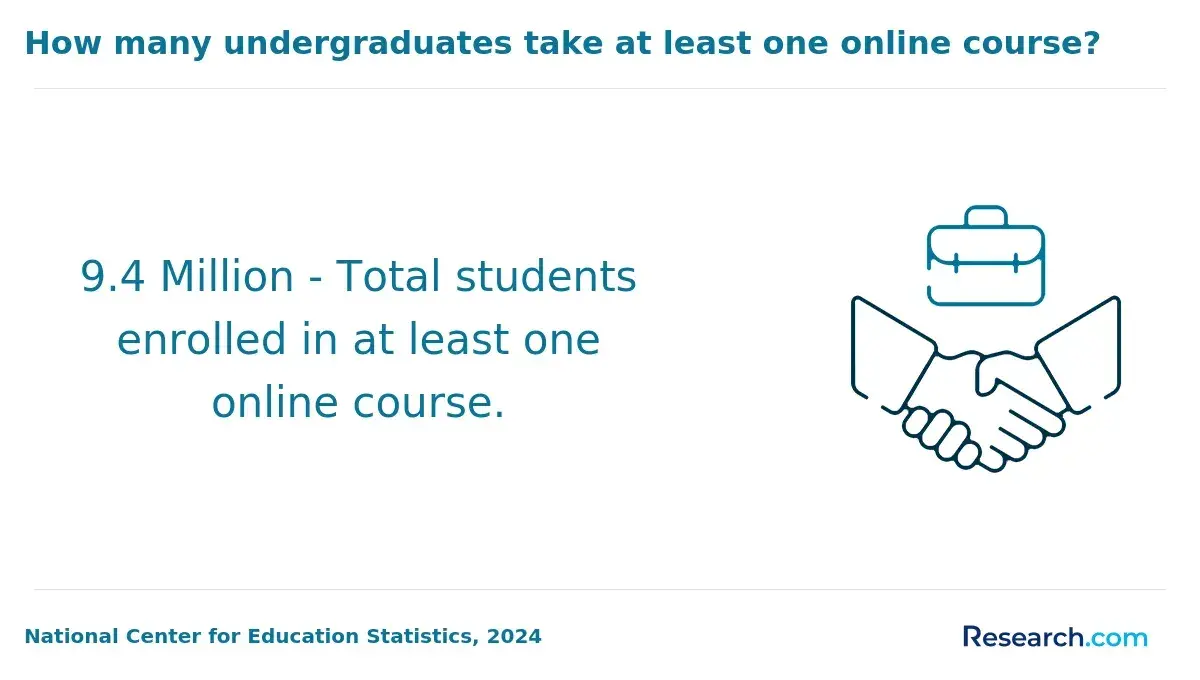
State-level differences in the cost of earning an industrial design degree significantly affect student financial planning and enrollment choices, particularly when factoring in public versus private tuition disparities and residency-based pricing. For example, the National Center for Education Statistics reports that annual total costs-including tuition, fees, and living expenses-can exceed $60,000 in states like California and New York for in-state students at public institutions, while states such as Wyoming and New Mexico often keep these expenses below $35,000. This wide variation results from not only tuition structures but also regional living costs and state-funded financial aid programs targeting design or STEM fields, which alter net prices and borrowing requirements.
These cost dynamics influence whether students can realistically attend their preferred programs locally or must consider relocating to access lower tuition or more generous aid. The financial trade-offs extend to long-term debt burdens and career flexibility, especially in a field where internship opportunities and local industry demand shape employability. Students facing high out-of-state fees or living costs may evaluate alternative pathways like online learning or technical certifications but should weigh these against the industry's premium on hands-on experience and network access. Understanding how state policy, funding, and institutional makeup affect total costs allows students and families to strategize more effectively around both upfront affordability and sustained career investment.
Why Does Industrial Design Affordability Vary So Much Between States?
Variations in industrial design degree cost differences between states largely reflect how state governments prioritize funding for public higher education. States like Wyoming and New Mexico, which allocate higher per-student resources, consistently offer more affordable tuition for in-state students, whereas states with constrained budgets push costs upward, particularly in regions with a heavier reliance on private institutions that lack public subsidies. These funding disparities intersect with residency policies: some states actively incentivize in-state enrollment through substantial tuition breaks, while others have minimal differentiation between resident and nonresident rates, affecting student decisions about where to apply or transfer during their academic path.
Beyond tuition, cost-of-living factors intensify affordability challenges in high-expense states such as California or New York, where housing and daily expenses can double the total investment required for an industrial design degree. Financial aid availability also varies widely; states with robust grant programs effectively lower net costs, but those supports are unevenly distributed. This dynamic can lead budget-conscious learners to weigh options like remote programs or out-of-state online degrees, especially since a growing number of students explore alternatives including a criminal justice degree online accredited to compare returns on investment across disciplines.
These affordability fluctuations influence enrollment patterns and institutional pricing strategies, often skewing toward higher fees where private schools dominate and state aid is scarce. For students navigating industrial design degree cost differences between states, understanding the complex interplay of policy, funding, and regional economic factors is crucial for making informed decisions about where to study and how to manage long-term educational expenses.
How Do In-State and Out-of-State Tuition Rates Affect Industrial Design Affordability?
Residency-driven tuition differences significantly shape the financial calculus for students pursuing an industrial design degree, often determining both institutional options and long-term debt levels. Public universities typically offer in-state students rates less than half those charged to out-of-state attendees, with 2024 data from the National Center for Education Statistics showing an average tuition near $11,000 annually for in-state versus $27,000 for out-of-state at public four-year colleges. These disparities compel many to weigh geographic loyalty or relocation strategically, as qualifying for in-state status through residency reclassification can take time and may not align with program start dates or career timelines. Furthermore, regional reciprocity agreements sometimes ease the burden for students near state borders but frequently restrict choices to fewer programs or less prestigious schools, impacting both affordability and educational quality.
Beyond tuition, the interplay of state funding policies and financial aid often leaves out-of-state students bearing a heavier cost burden, with aid seldom closing the gap entirely. Private institutions bypass these distinctions by charging uniform rates regardless of residency but usually at a higher base price, prompting some to explore accredited online industrial design programs that decouple cost from location and offer more flexible payment structures. Practical planning thus involves balancing tuition savings against factors like campus resources, local job markets, and network access, recognizing that living expenses often outpace tuition differences and vary widely by region. For many, investing in in-state options or leveraging regional compacts represents the most viable strategy to manage total cost without compromising educational or professional outcomes.
A recent graduate recounted the challenge of relocating across states and initially enrolling as an out-of-state student, confronting tuition nearly three times higher than peers back home. Despite qualifying for in-state status after one academic year, the delay meant financing the first year required significant loans and constrained her extracurricular participation. She often questioned whether the broader program offerings justified the cost difference, noting that financial stress sometimes overshadowed the educational experience. Only later did she appreciate the tradeoff: the strategic move opened access to specialized faculty and internship connections unavailable locally, albeit at a higher upfront cost than she had anticipated.
How Does the Cost of Living Impact Overall Industrial Design Affordability by State?
Housing and transportation costs often overshadow tuition when evaluating the real expense of pursuing an industrial design degree across states. For example, students attending programs in California or New York face median rents exceeding $2,500 monthly, which can significantly increase debt or limit resources available for materials or internships. In states like Texas or Florida, lack of public transit compels many students to rely on personal vehicles, adding fuel, maintenance, and insurance expenses that compound financial strain. This variation illustrates how regional living expenses affecting industrial design education costs create tangible tradeoffs in budgeting, enrollment decisions, and even daily commuting choices.
Food prices, healthcare access, and utilities also critically influence student budgets but fluctuate widely across regions. The Midwest benefits from 10-15% cheaper groceries compared to coasts, easing monthly expenses, while healthcare costs hinge on state Medicaid policies and local market conditions, often disproportionately impacting lower-income learners. Utilities in extreme climates like North Dakota or Arizona introduce hidden costs through heightened heating or cooling needs, factors often overlooked in planning total educational investment. Such layered costs emphasize why the cheapest tuition option on paper may not translate to the lowest overall financial burden.
Students weighing where to pursue an industrial design degree must integrate these considerations with program outcomes and local industry connections. Lower living-cost states may stretch financial aid farther but sometimes offer fewer internship opportunities or dense professional networks. Meanwhile, note that some may explore hybrid or online pathways, informed by analyses like those for the cheapest AACSB online MBA, to manage expenses while maintaining degree progress. Ultimately, understanding the interplay of cost of living and industrial design affordability by state guides pragmatic choices that can influence long-term career trajectory and debt exposure.
Which States Offer the Best Value for a Industrial Design Degree?
Evaluating the best state for pursuing an Industrial Design degree requires balancing tuition costs with measurable outcomes like graduation rates and local employment opportunities. For instance, states such as North Carolina and Ohio offer moderately priced in-state tuition combined with strong connections to regional manufacturing and design employers, which can significantly enhance early-career job prospects. A student choosing North Carolina might benefit from not only lower tuition near $9,500 annually but also from higher graduation rates and access to expanding industries in cities like Raleigh, making the total educational investment more efficient compared to simply chasing the lowest sticker price.
Conversely, affordability alone doesn't guarantee strong return on investment. Wisconsin, while affordable, stands out because it also limits student debt accumulation to about $25,000 on average, benefiting students through grants and public funding. Meanwhile, coastal states like California and New York often carry higher tuition and living expenses without proportionally higher early career salaries, which can undercut financial clarity for budget-conscious learners. Thus, decisions should factor in state-specific policies on residency-based tuition benefits, local economic demand for industrial designers, and realistic post-degree earnings rather than focusing exclusively on tuition figures to identify the strongest value.
Ultimately, a student deciding whether to relocate, attend online, or leverage in-state tuition must consider how graduation success and employment outcomes align with educational expenses. States investing in public higher education that offer moderate tuition with evidence of positive workforce integration demonstrate more nuanced value than options that appear inexpensive but lack supportive ecosystems. Data from the 2024 College Scorecard underscores that measurable graduation and placement metrics, combined with regional industry trends, provide a more actionable framework for assessing where an Industrial Design degree yields meaningful financial and professional returns.
What Financial Aid and Scholarship Opportunities Can Reduce Industrial Design Costs?
State and federal financial aid programs significantly influence the real cost of pursuing an industrial design degree, but their impact varies sharply based on location and eligibility nuances. For example, while the Pell Grant offers broad-based need assistance independent of residency, state grants often impose strict in-state or merit-based requirements, which can make attending an out-of-state or private institution substantially more expensive. According to the National Center for Education Statistics, about 56% of undergraduates receive grants or scholarships, yet the value and accessibility of this aid differ, affecting not only tuition costs but also long-term debt profiles for students weighed against regional job markets and wage prospects in industrial design fields.
Institutional scholarships, often awarded for portfolio strength or academic merit, introduce further complexity; private schools may provide generous awards to offset sticker prices, but such funds are competitive and usually contingent on maintaining high academic standards. Additionally, regional tuition reciprocity agreements can reduce out-of-state fees but require strategic enrollment decisions ahead of time, especially in Midwest or Southeast states where these compacts are more common. Employer tuition benefits, while helpful, depend on sector demand for industrial design skills and may be inconsistent, forcing many to rely on federal loans that add long-term financial obligations. Evaluating these aid types involves balancing eligibility timing, renewal conditions, and stacking policies to optimize affordability without compromising educational and career outcomes.
Are Online Industrial Design Degree Programs More Affordable Than On-Campus Options?
The affordability of online industrial design degree programs cannot be generalized as uniformly lower than on-campus options because tuition savings often depend on specific state pricing and residency rules. While average tuition for online programs may be 15% to 30% less according to recent data, the actual cost advantage narrows when factoring in technology expenses and the potential lack of institutional aid. For example, students in states like California or New York might save substantially on housing and commuting by studying online, but may also incur additional costs for specialized software or hardware necessary for their coursework, which can add several hundred dollars annually.
The total cost of attendance for industrial design students varies widely when considering residency status and program structure, especially when comparing online industrial design degree costs by state. Out-of-state students often find online programs more affordable since they avoid paying premium out-of-state tuition and relocating costs. Conversely, in-state students enrolled on-campus at public institutions might face lower overall expenses due to reduced tuition and access to campus-based financial aid. However, opportunity costs and networking benefits linked to traditional settings affect long-term employability, and some students balance these factors against flexible scheduling to accommodate work or family.
Financial aid availability and specific program delivery also shape affordability, with online learners sometimes facing more limited institutional scholarships. Prospective students should weigh these tradeoffs along with long-term career implications, such as local job market alignment and relevant skills acquisition. Those assessing options can consider outcomes and costs alongside employment fields, including those discussed in jobs with elementary education and environmental science degree, for broader workforce context and comparative insight into vocational affordability and value.
Is a Industrial Design Degree Worth the Cost Based on Career Outcomes and ROI?
Tuition affordability varies widely across states, significantly impacting the return on investment for an industrial design degree in the United States. For example, students paying California's or New York's higher tuition rates may face heavier debt burdens, with median debt around $30,000, compared to those in Texas or Ohio where costs are generally lower. However, cheaper tuition does not always guarantee better ROI if the regional job market offers fewer opportunities or lower wages. Students must consider whether their chosen program aligns with career outcomes and earning potential for industrial design graduates by state, factoring in local industry demand and the likelihood of completing the degree within expected time frames.
Beyond tuition, students should account for opportunity costs and long-term career implications, including the need for complementary skills or certifications as credential inflation rises. States with robust manufacturing or technology sectors, such as Michigan and Washington, tend to offer stronger employment prospects that can justify higher upfront costs. Graduation rates ranging from 50% to 75% show that extended time-to-degree can increase total educational expenses and delay workforce entry. Budget-conscious learners might also explore alternative pathways, comparing traditional degrees with accelerated options like a fastest online MBA when considering career shifts or diversification.
References
- Importance of Cost of Living | Goldwater Institute https://www.goldwaterinstitute.org/cost-of-living/
- How Industrial Designers Bring Ideas to Life | Contrary https://contrary.com/blog/industrial-designers
- Industrial design - what should a designer know about it? https://grid.com.pl/en/industrial-design-what-should-a-designer-know-about-it/
- 96 Best Industrial Design courses In the USA 2026 https://www.hotcoursesabroad.com/study/training-degrees/us-usa/industrial-design-courses/loc/211/cgory/f10-3/sin/ct/programs.html
- Costs - Industrial Design Engineering https://www.mtsac.edu/industrialdesign/costs.html
- How Industrial Design Can Bridge the Manufacturing Skills Gap – Choi Design https://choidesign.com/industrial-design-manufacturing/
- Regulation & Housing: Effects on Housing Supply, Costs & Poverty - Center for Jobs https://centerforjobs.org/ca/special-reports/regulation-housing-effects-on-housing-supply-costs-poverty
- The Cost of Expert Industrial Design Services - SurfaceID https://surfaceid.com/blog/the-cost-of-industrial-design/
- How we redesign cities to tackle the real cost of living https://www.weforum.org/stories/2025/10/affordable-housing-crisis-how-can-we-redesign-cities-to-tackle-the-real-cost-of-living/
- Design Foundation Scholarships https://www.idsadesignfoundation.org/scholarships
Other Things You Should Know About Industrial Design
While lower tuition can ease financial burdens, it's crucial to assess how program affordability relates to the industrial design curriculum's depth and the strength of its professional networks. States with less costly programs may lack robust employer connections or access to cutting-edge facilities, which can limit internship opportunities and real-world project experience. Prospective students should prioritize programs that, even if moderately pricier, offer strong industry ties and experiential learning chances to enhance employability post-graduation.
More affordable programs by state often offer a narrower range of specialized tracks within industrial design, focusing on core skills rather than emerging subfields like sustainable design or human factors. This limitation can impact a student's ability to tailor their education to specific career goals, potentially requiring additional certification or training later. Students should consider whether prioritizing lowest cost might result in fewer learning options that align with evolving industry demands.
In states where industrial design programs are more affordable, programs may have higher student-to-faculty ratios or limited course availability, leading to heavier workloads and less individualized feedback. This can slow down progress if students need to retake courses or manage longer study durations, increasing indirect costs despite lower tuition. Students should balance upfront tuition savings with realistic planning around course scheduling and workload to avoid delayed graduation and higher overall expense.
Choosing a state with a low-cost industrial design degree does not guarantee local job availability in the field after graduation. Some affordable states have limited industrial design job markets, requiring graduates to relocate for opportunities, which introduces moving costs and potential earnings sacrifices. For budget-conscious students, it is often strategic to evaluate affordability alongside the state's industrial design employment environment and potential salary levels to ensure a financially viable career path.