2027 Industrial Design Skills Gap Analysis: What Employers Want vs What Degree Programs Teach

Co-Founder and Chief Data Scientist
A recent graduate with an industrial design degree faces a tough job market where many employers seek skills beyond the typical academic curriculum. Projects in school often emphasize aesthetics and concept development, but real-world roles demand proficiency in user research, rapid prototyping, and cross-disciplinary collaboration. This gap leaves new graduates underprepared for the day-to-day challenges in product development teams. The mismatch between learned skills and employer needs can stall early career growth and cause frustration for both candidates and hiring managers.
The pressure to bridge this divide compels students and graduates to question whether their degree fully equips them for the workforce. Some find themselves pursuing supplementary training or internships to gain practical experience seldom provided in formal programs. Understanding where degree programs fall short against industry expectations is critical to making informed decisions about education and skill development. This article analyzes the skills gap in industrial design education, comparing employer demands with academic offerings, and offers insights on how to enhance workforce readiness for emerging professionals.
Key Things to Know About Industrial Design Skills Gap
- Employer surveys show that industrial design curricula often underemphasize advanced prototyping and user-experience metrics, limiting graduate readiness for iterative, data-driven product development roles.
- Graduates are expected to independently develop skills in digital fabrication, cross-disciplinary collaboration, and sustainability integration due to evolving industry priorities.
- Engaging in internships and project-based learning focusing on real-world constraints significantly enhances employability by bridging the gap between theoretical knowledge and practical application.
- Key Things to Know About Industrial Design Skills Gap Key Things to Know About Industrial Design Skills Gap
- What Skills Do Employers Expect From Industrial Design Graduates? Employer Expectations
- What Do Industrial Design Degree Programs Typically Teach? Program Curriculum
- Where Is the Biggest Skills Gap Between Industrial Design Programs and Employers? Biggest Skills Gap
- Which Technical Skills Are Most Important for Industrial Design Careers? Technical Skills
- Which Workplace Skills Matter Beyond Technical Knowledge? Workplace Skills
- How Do Internships and Real-World Experience Improve Career Readiness? Career Experience
- How Can Students Close the Industrial Design Skills Gap Before Graduating? Closing Skills Gap
- How Is the Industrial Design Job Market Changing Employer Skill Requirements? How Is the Industrial Design Job Market Changing Employer Skill Requirements?
- How Do Different Industrial Design Programs Compare in Career Preparation? How Do Different Industrial Design Programs Compare in Career Preparation?
- How Should Students Choose a Industrial Design Program That Builds Career-Ready Skills? Choosing a Program
What Skills Do Employers Expect From Industrial Design Graduates?
Employers hiring industrial design graduates demand a fusion of technical expertise and versatile professional capabilities shaped by dynamic market needs. In 2024, LinkedIn and the World Economic Forum report that proficiency in advanced design software combined with user-centered methodologies remains a top priority for hiring managers. According to Lightcast data, nearly 70% of job postings for industrial design roles emphasize both technical and collaborative skills as essential. Graduates must navigate fast workflows and multidisciplinary teams where the capacity to integrate feedback and iterate quickly defines success. Below are key skills employers consistently seek in industrial design graduates.
- CAD Proficiency: Mastery of computer-aided design software such as SolidWorks, Rhino, or Autodesk Fusion 360 equips graduates to produce detailed digital models and prepare designs for manufacturing. Employers expect this skill because it accelerates the transition from concept to prototype, critical in competitive product cycles.
- User-Centered Design: Understanding ergonomics and human factors enables designers to create products that truly meet users' needs. This insight, often developed through project-based learning, helps graduates anticipate real-world challenges and refine usability effectively.
- Rapid Prototyping Expertise: Familiarity with 3D printing and additive manufacturing technologies allows graduates to build physical models efficiently. Firms value this skill because it shortens product validation phases and supports more agile development.
- Collaborative Communication: Industrial designers routinely work alongside engineers, marketers, and manufacturers. Strong interpersonal skills and the ability to convey design intent clearly improve team coordination and reduce costly misalignments in production.
- Adaptability and Problem Solving: Fast-evolving project requirements demand resilience and creative approaches to obstacles. Graduates skilled in managing ambiguity and iterating on solutions maintain project momentum under pressure.
- Digital Visualization Tools: Competence in emerging platforms like virtual reality (VR) and augmented reality (AR) enhances presentation quality for clients and stakeholders. This technical literacy supports immersive design reviews and decision-making.
- Sustainability Awareness: Knowledge of eco-conscious materials and lifecycle analysis is increasingly crucial as industries shift toward sustainable product development. Familiarity with circular economy principles positions graduates as forward-thinking contributors to design strategy.
For those evaluating an industrial design education aligned with employer expectations, it is valuable to compare program outcomes critically, especially regarding practical skill acquisition. Career changers and students can also explore resources for supplementary skill development, including online options like an online MSW. Understanding these employment realities helps in making informed decisions about training paths and workforce readiness.
What Do Industrial Design Degree Programs Typically Teach?
Programs built around industrial design degree curricula equip students with a combination of creative, technical, and user-centered skills critical for the design and development of physical products. These programs balance broad competencies like sketching and ergonomics with more specialized knowledge of digital fabrication and prototyping. While curricula heavily emphasize foundational skills, gaps remain in emerging technical areas and interdisciplinary collaboration, as reflected in recent competency studies. For example, a student might excel at ergonomic design but face challenges integrating advanced manufacturing techniques without targeted coursework. Below are several core industrial design curriculum subjects that form the backbone of most degree programs.
- Creative Problem Solving: Students develop ideation and conceptualization skills, learning to transform abstract ideas into viable product designs. This area nurtures innovation, essential for adapting to diverse industries and evolving client needs throughout a professional career.
- Technical Drawing and CAD: Mastery of manual sketching and computer-aided design (CAD) is fundamental, providing the visual and technical language for product communication. These skills ensure designers can accurately convey concepts and collaborate with manufacturing teams.
- Materials Science and Ergonomics: Understanding materials' properties and human factors allows designers to create products that are both functional and comfortable. This competency directly influences product safety, usability, and sustainability - critical factors for long-term market success.
- Prototyping and Digital Fabrication: Hands-on experience with building models and utilizing technologies like 3D printing enables iterative testing and refinement. Despite its importance, only about 40% of programs integrate comprehensive modules on digital manufacturing, signaling a curricular gap identified in the 2024 Curriculum Trends Report by the Design Futures Council.
- User Research and Usability Evaluation: Focusing on the end-user experience, students learn to conduct studies and assess usability, aligning product function with real-world needs. Roughly 85% of industrial design programs include these modules, highlighting a widespread emphasis on human-centered design principles.
- Design Theory and Sustainability: Curriculum frameworks incorporate aesthetic sensibility alongside ethical and environmental considerations, preparing students to design responsibly. This area fosters long-view thinking that supports both innovative and sustainable product lifecycles.
- Soft Skills and Collaboration: While often underemphasized, competencies in project management, communication, and teamwork are crucial for navigating complex, cross-disciplinary projects. Graduates typically require additional on-the-job training in this domain, underscoring a known limitation within many industrial design degree programs.
Those weighing program formats might also consider that online or hybrid modalities may demand higher self-discipline and resourcefulness to cover these extensive core industrial design curriculum subjects, especially where hands-on prototyping and teamwork are involved. Prospective students seeking to strengthen complementary skills and practical exposure can also explore internships or related business degree online opportunities to augment their educational pathways.
Where Is the Biggest Skills Gap Between Industrial Design Programs and Employers?
The gap between industrial design programs and employer expectations is most evident in specialized technical skills, business understanding, and essential interpersonal abilities. As industries evolve with new technologies and methods, graduates often enter the workforce lacking competencies vital for immediate contribution. A 2024 report by the National Association of Colleges and Employers indicates that over 60% of employers find recent industrial design graduates unprepared in key areas like advanced software use and practical business integration. Addressing these gaps demands proactive engagement beyond classroom theory. Below are the primary areas where the mismatch is commonly observed.
- Advanced Technical Proficiency: Though students typically master foundational design concepts, they frequently lag in mastering cutting-edge tools such as parametric CAD and virtual reality simulation software. This shortfall limits their ability to develop rapid functional prototypes or contribute to digital manufacturing workflows, which are increasingly standard in industry settings. To bridge this, students should pursue internships or certifications focused on these emerging technologies, ensuring they can effectively support fast-paced, multidisciplinary projects.
- Applied Business Acumen: Employers report many graduates lack practical skills in market strategy, consumer behavior analysis, and aligning design with commercial objectives. This disconnect often delays effective collaboration with marketing and engineering teams and can extend onboarding. Engaging in cross-disciplinary projects or business-focused workshops can help students better understand how design decisions affect product success and customer engagement.
- Interpersonal and Adaptive Skills: Soft skills such as project management, adaptability, and interdisciplinary communication remain underdeveloped in many programs. Since industrial design projects are dynamic and iterative, students who cannot manage ambiguity or incorporate feedback efficiently face challenges. Early involvement in team-led projects and exposure to real-world client interactions are key to cultivating these essential competences.
A graduate recalled a particularly telling moment when, during their first job at a design firm, they struggled to translate a complex virtual prototype into a manufacturable object within a tight deadline. Although well-versed in aesthetics, the gap in hands-on experience with newer CAD tools and understanding manufacturing constraints caused stress and delays. They quickly recognized the value of supplementary training and sought mentorship to enhance these skills. This experience underscored how deep technical engagement before entering the workforce can markedly ease the transition and increase early professional impact.
Which Technical Skills Are Most Important for Industrial Design Careers?
Technical skills serve as the bridge between theoretical knowledge acquired in industrial design programs and the practical demands of professional environments. These abilities shape how effectively graduates can translate concepts into viable products, meeting client and market expectations. As technologies and industry priorities evolve, so too must the skill sets designers cultivate to remain relevant. For instance, proficiency in digital tools today often dictates who can prototype rapidly or communicate design intent clearly to stakeholders. The key competencies outlined below reflect employer priorities and current workforce trends based on data from the 2024 U.S. Bureau of Labor Statistics and industry reports.
- Advanced CAD Proficiency: Mastery of software such as SolidWorks, AutoCAD, and Rhino forms the technical backbone of industrial design positions. These programs enable precise 3D modeling essential for product development and manufacturing collaboration. Students commonly develop these skills through project-based coursework, which also enhances their adaptability to diverse software platforms encountered after graduation.
- 3D Rendering and Visualization: Skills in rendering tools like KeyShot and Adobe Creative Suite are crucial for conveying design intent visually. This capability not only facilitates clearer communication with clients and manufacturers but also strengthens persuasive presentations during product pitches, a frequent real-world scenario requiring quick iterations based on feedback.
- Human Factors and Ergonomics Integration: Understanding user interaction and ergonomic principles ensures products are both functional and comfortable, aligning design with user needs. This interdisciplinary competence is increasingly emphasized by employers seeking products that excel not only in aesthetics but usability and safety.
- Rapid Prototyping and Additive Manufacturing: Familiarity with 3D printing and related prototyping technologies allows designers to iterate quickly, reducing time-to-market. This hands-on experience often differentiates candidates in competitive hiring pools, as demonstrated by rising employer demand for agile development processes reported in 2024 industry analyses.
- Sustainable Design Practices: Knowledge of environmentally responsible materials and processes is becoming a non-negotiable skill as companies aim to reduce ecological footprints. Coursework integrating sustainability prepares graduates to contribute to lifecycle-conscious product development, responding to growing regulatory and consumer pressures.
- Manufacturing Process Insight: Technical understanding of injection molding, CNC machining, and other production methods equips designers to create concepts that are both innovative and manufacturable. This competency reduces costly redesigns and supports seamless collaboration between design and engineering teams.
Which Workplace Skills Matter Beyond Technical Knowledge?
Career success in industrial design depends on cultivating professional skills beyond technical mastery. Although proficiency in CAD, prototyping, and material science forms a necessary foundation, employers consistently rate durable workplace skills as essential for effective collaboration and innovation. Data from the 2024 National Association of Colleges and Employers (NACE) Job Outlook reveals that 68% of employers prioritize these soft skills, signaling a persistent gap industry-wide. Such competencies support navigating complex, interdisciplinary projects where communication and adaptability strongly influence outcomes. Below are key workplace skills that matter most beyond technical knowledge.
- Effective communication: Clear articulation of design concepts fosters collaboration with engineers, marketers, and clients. Industrial design students can strengthen this skill through presentations and multidisciplinary team projects, enhancing their capacity to translate complex ideas into actionable results.
- Creative problem-solving: Employers value the ability to innovate within constraints and pivot strategies based on feedback. Coursework involving real-world design challenges or internships can simulate these pressures, cultivating creativity that aligns with market demands.
- Collaboration and teamwork: Working in diverse teams deepens understanding of multiple perspectives and drives holistic solutions. Industrial design programs that integrate group projects prepare graduates to function effectively in dynamic environments that require ongoing interpersonal negotiation.
- Adaptability and resilience: Rapid technological shifts and evolving consumer needs demand flexibility. Emphasizing iterative design processes and exposing students to emerging tools encourages resilience and the readiness to learn continuously.
- Time management: Managing overlapping project deadlines and self-directed tasks enhances productivity. Practical experience balancing studio work with deadlines builds habits that support long-term career sustainability.
- Self-directed learning: The fast pace of design tool evolution requires proactive skill acquisition. Engagement with emerging technologies and methods during studies fosters a mindset essential for lifelong professional growth.
- Interpersonal skills: Building rapport with clients and stakeholders improves project reception and success. Students gain these competencies through cooperative assignments and industry networking opportunities.
These soft skills employers seek in industrial design professionals consistently complement technical expertise, ensuring graduates meet comprehensive expectations. Prospective students might also explore complementary educational paths such as a 1 year master's in psychology online to deepen insights into human behavior, further enhancing design-thinking capabilities and workplace effectiveness.
How Do Internships and Real-World Experience Improve Career Readiness?
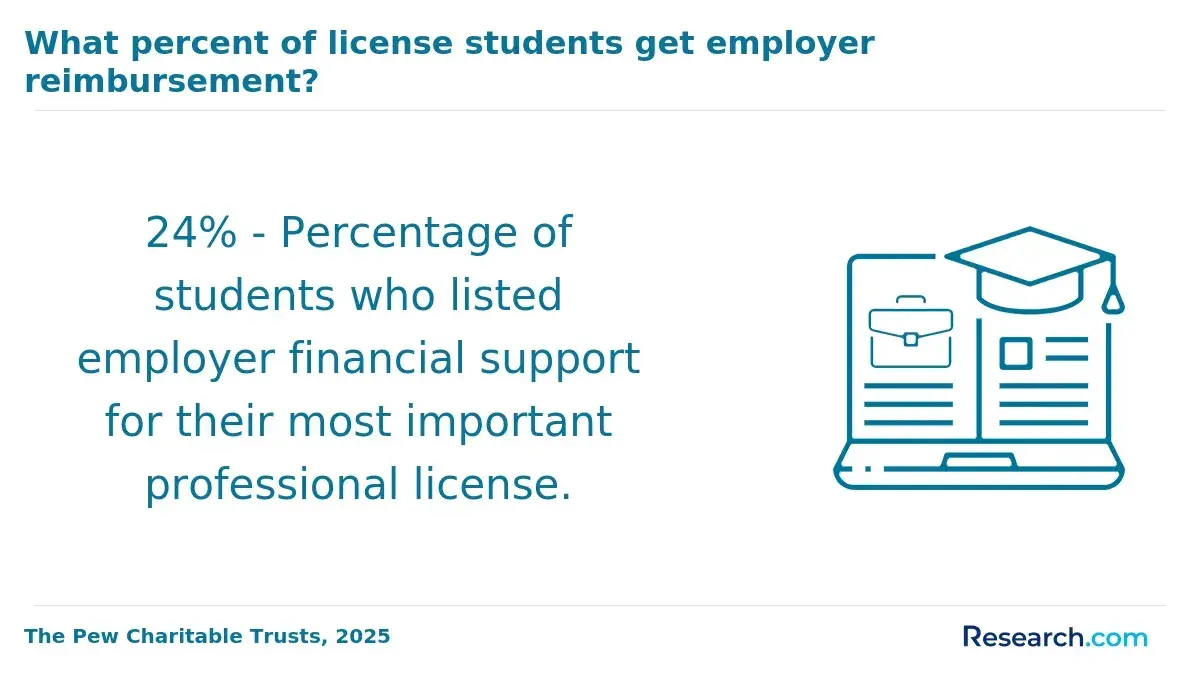
Classroom instruction in industrial design often emphasizes technical concepts and theory but rarely replicates the full complexity of professional environments. This gap means students may finish their degrees understanding design principles without having applied them within realistic constraints such as client demands, iterative feedback, or collaboration across disciplines. Real-world experience fills this void by helping students translate academic knowledge into practical judgment and confidence, supporting critical skills like problem-solving under pressure and navigating ambiguous project requirements. Research from the National Association of Colleges and Employers in 2024 found that industrial design students who complete at least one relevant internship are 20% more likely to secure a job within six months of graduation, underscoring the impact of experiential learning on employability.
Internships and other hands-on opportunities also advance professional competencies beyond design alone. Exposure to industry-standard tools, workplace communication norms, and project workflows develops adaptability and professionalism that classroom scenarios cannot fully simulate. Students refine their technical skills while learning to meet deadlines, accept constructive critique, and engage with clients or stakeholders, all valuable to future employers. However, availability and depth of internships vary widely by program and sector, making intentional selection key to relevant career advancement. Additionally, building relationships and networking during these placements can open doors to future roles and mentorship, while reflecting regularly on such experiences helps clarify career aspirations and skill gaps.
To maximize the benefits of experiential learning, industrial design students should seek internships early and combine them with applied projects or cooperative education when possible. Consistent reflection on workplace challenges and successes strengthens the link between practical experience and academic goals, enhancing readiness for the evolving demands of the profession. While internships significantly improve career prospects, their value multiplies when paired with strong academic performance, continuous skill development, and purposeful career planning, ensuring a well-rounded and resilient entry into the workforce.
How Can Students Close the Industrial Design Skills Gap Before Graduating?
Students don't have to wait until graduation to build the skills employers seek in industrial design. Developing workplace-ready competencies alongside academic knowledge can significantly increase job prospects. Proactively engaging in hands-on learning and professional experiences helps bridge the gap between theory and practice, making graduates more adaptable and competitive. Strategic choices before finishing a degree can deliver measurable improvements in career readiness, as recent data shows internships or co-op roles can boost employment chances by up to 30%. Below are key strategies to effectively close this skills gap while still in school.
- Targeted Internship Engagement: Pursue internships offering real-world design challenges and teamwork across disciplines instead of observational roles. Active involvement accelerates learning and builds networks, leading to tangible skills employers prioritize beyond classroom theory.
- Undergraduate Research Participation: Join applied research projects or client-focused design competitions. These experiences deepen critical thinking and iterative prototyping abilities-skills often underrepresented in traditional curricula but highly prized in practice.
- Project-Based Learning Focus: Choose coursework or extracurricular activities emphasizing problem-solving and product development cycles. This cultivates practical expertise and shows employers an ability to deliver results in complex, evolving contexts.
- Complementary Technical Certifications: Earn credentials in CAD software, 3D printing, or UX/UI design to demonstrate familiarity with industry tools. Certifications alone aren't enough but paired with hands-on work they enhance technological fluency and employability.
- Mentorship and Reflection: Seek mentors who provide constructive feedback and foster accountability. Reflection on experiences transforms exposure into growth, sharpening judgment and professional maturity critical to early success.
- Interdisciplinary Collaboration: Engage with peers or professionals from related fields to develop communication skills and adaptability. Understanding diverse perspectives aligns with employer demands for agility and innovation in product development.
- Time Management Discipline: Balance academic obligations with experiential opportunities intentionally. Demonstrating the ability to juggle multiple responsibilities signals readiness for fast-paced work environments.
One graduate recalled hesitating to accept an intense internship that required juggling client deadlines and unfamiliar software, worried it might hurt academic performance. However, pushing through that challenging environment led to mastering key design tools and real-time problem-solving skills that a traditional class could not provide. The experience also introduced the graduate to a professional network, easing the stressful job search after graduation. This real-world exposure, initially intimidating, was pivotal in closing the gap between academic study and employer expectations.
How Is the Industrial Design Job Market Changing Employer Skill Requirements?
Technological innovation and shifting industry priorities are reshaping the skillset employers expect from industrial design graduates. Automation and artificial intelligence have integrated into design workflows, making proficiency in digital tools like 3D modeling and virtual reality essential. Moreover, labor data from Lightcast reveals a rise in demand for designers skilled in sustainability and materials science, reflecting global moves toward eco-friendly product development. This changing industrial design employer expectations landscape requires candidates who can navigate complex, multidisciplinary environments, collaborating across engineering, marketing, and data analytics teams.
These evolving employer demands affect both technical and soft skill requirements. Beyond core design principles, graduates must demonstrate adaptability, data literacy, and cross-functional communication to thrive. The World Economic Forum highlights that familiarizing oneself with data analytics and artificial intelligence is becoming increasingly valuable for interpreting user data and refining designs. Given the gap between traditional degree curricula and market needs, continuous learning and hands-on experience-through internships, applied projects, and certifications-are vital for employability and long-term success in industrial design job market skill trends.
Students can better align with these expectations by supplementing foundational coursework with practical experience and ongoing skill development. Participating in internships and engaging in real-world projects strengthen interdisciplinary collaboration skills and technical competencies alike. For those seeking structured educational options, consulting a list of competency-based colleges can provide pathways that emphasize mastery of applicable skills. Professional networking and lifelong learning also remain central to adapting in an increasingly competitive landscape.
How Do Different Industrial Design Programs Compare in Career Preparation?
Career preparation in industrial design depends on more than the degree title, requiring a nuanced understanding of program attributes and graduate outcomes. The label "industrial design degree" does not guarantee workforce readiness because curricular focus, experiential learning, and technical skill development vary widely. For example, a program emphasizing hands-on client projects may better serve students aiming for product design roles in fast-paced industries than another centered primarily on theoretical aesthetics. Recent 2024 data from prominent research organizations reveal that programs integrating real-world collaboration and advanced technical training correlate with employment rates at least 15% higher than those lacking these elements. Key factors in comparing industrial design program career readiness include the following.
- Hands-on Experience: Programs that embed substantial project-based work, such as prototyping and client interactions, build practical skills essential to employer expectations. Students should assess if a program offers opportunities to engage in real product cycles, which mirror actual workplace challenges and foster adaptability.
- Technical Skill Development: Proficiency in tools like CAD software and user experience testing distinguishes graduates in a competitive job market. Programs vary in how deeply they teach these competencies, making it critical to compare course content and access to up-to-date technology resources.
- Industry Exposure: Internships or cooperative education opportunities connect classroom learning with professional environments, accelerating skill refinement and networking. Evaluating how programs facilitate these experiences helps students anticipate career trajectories more realistically.
- Curricular Breadth vs. Depth: Programs stressing interdisciplinary skills may broaden versatility but potentially delay mastery of specialized techniques. Conversely, narrowly focused tracks enhance expertise but might limit flexibility to handle diverse projects, which is a tradeoff students must weigh based on their goals.
Prospective students pursuing an industrial design degree should analyze workforce skills taught by industrial design degrees in concert with these factors to align their education with employer demands effectively. For those balancing career change considerations and practical readiness, resources such as online cybersecurity degree programs for veterans illustrate how targeted, immersive programs can enhance workforce integration in technical fields, a principle similarly applicable in industrial design.
How Should Students Choose a Industrial Design Program That Builds Career-Ready Skills?
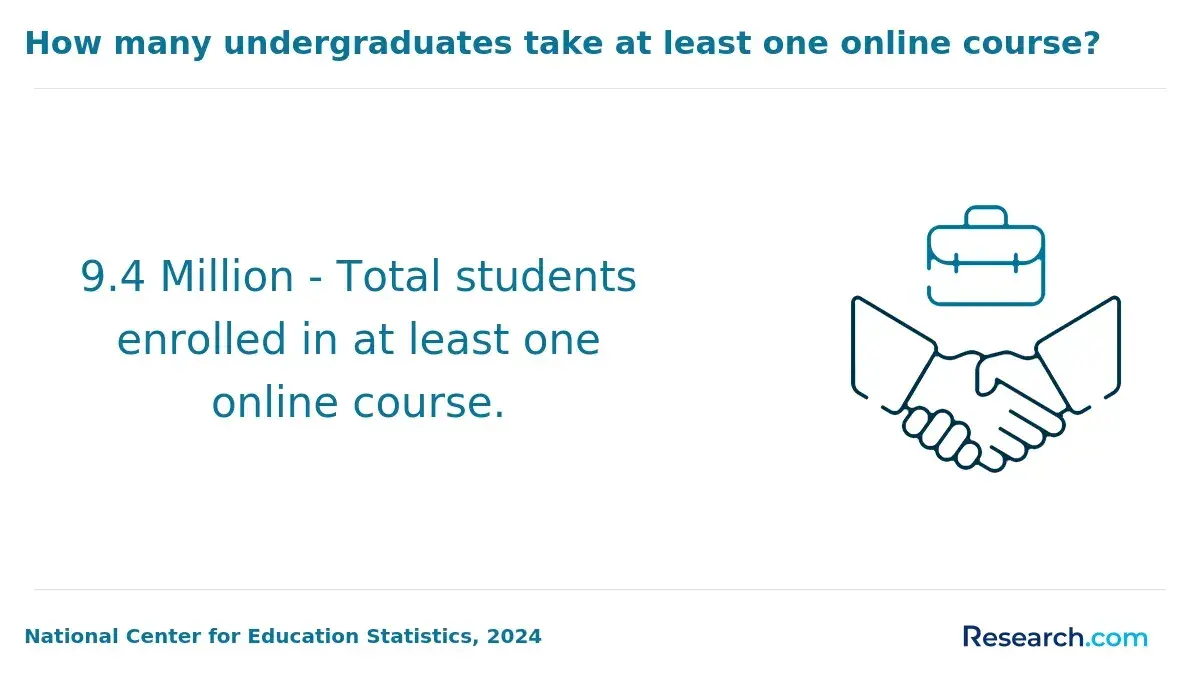
Choosing between online, hybrid, or campus industrial design programs involves weighing long-term impacts on skills, networking, and career adaptability. Recent 2024 data from the National Center for Education Statistics highlights that hands-on, project-based learning integrated with current technologies strongly influences graduate success. Below are key considerations to evaluate how each learning format supports workforce readiness and professional growth.
- Practical Skill Development: Campus programs often provide the richest access to physical labs and prototyping resources, crucial for mastering CAD and rapid prototyping. Hybrid learners gain some in-person practice, while online students may rely more heavily on virtual simulations, which can vary in effectiveness depending on program quality.
- Industry Networking: Face-to-face interaction on campus fosters deeper connections with peers, faculty, and industry partners, enhancing internship opportunities. Online formats require intentional networking efforts, which may challenge students less naturally inclined to digital social engagement.
- Flexibility and Accessibility: Online degrees offer maximal scheduling freedom, ideal for working professionals or caretakers, but may limit immersive collaboration experiences praised in a 2024 IDSA study for strengthening interdisciplinary teamwork skills.
- Communication and Project Management: Hybrid and campus programs better facilitate team-based projects that build these critical skills, which employers consistently identify as lacking across the industrial design workforce according to the U.S. Bureau of Labor Statistics.
- Curriculum Currency: Programs with robust industry ties, often found in hybrid and campus settings, adapt curricula faster to emerging design technologies and market needs, supporting sustained career relevance.
- Self-Motivation Needs: Online formats demand higher self-discipline, which benefits autonomous learners but can hinder those needing structured environments to complete rigorous projects effectively.
- Real-World Application: Students aiming for immediate integration into complex product teams may gain long-term advantage from campus or hybrid experiences that simulate cross-disciplinary collaboration more authentically, as highlighted by recent workforce analyses.
References
- Career Resources For Industrial Design Students https://careercenter.risd.edu/career-resources-industrial-design-students
- Industrial Design Internship - Above Agency https://above.teamtailor.com/jobs/5040076-industrial-design-internship
- Product Design Skills: What Hiring Companies Are Looking For https://designlab.com/blog/what-companies-look-for-in-product-designers-ux-designers-hire
- Tips On Landing Your First Job in Industrial Design — product council https://www.productcouncil.com/blog-3/tips-on-landing-your-first-job-in-industrial-design
- Industrial Designer Job Description: Everything You Need to Know https://creativepool.com/magazine/inspiration/industrial-designer-job-description-everything-you-need-to-know.32368
- Fashion's Graduate Gap: What Employers Really Think https://www.weteachfashion.com/blog/fashion-graduate-skills-gap
- Kickstart your Industrial Design career https://rodd.uk.com/careers/top-tips-to-kickstart-your-industrial-design-career/
- industrial design intern https://www.careerguidancecharts.com/industrial-design-intern.html
- 5 Top Soft Skills for Product Designers https://www.fundament.design/p/5-top-soft-skills-for-product-designers
- How to Close the Skills Gap in Manufacturing with Modern L&D Strategies https://www.aptaracorp.com/how-to-close-the-skills-gap-in-manufacturing-with-modern-ld-strategies/
Other Things You Should Know About Industrial Design
Many degree programs try to cover a wide range of topics, which can leave less time for in-depth mastery of specific tools or methods employers prioritize. While a broad education supports foundational knowledge, this tradeoff can mean graduates are less prepared for the technical intensity expected in entry-level roles. Students should consider programs that balance breadth with concentrated skill labs or project-centric courses to better align with workforce demands.
Industrial design students often face intense, short-term project cycles that emphasize concept generation over iterative refinement under tight deadlines. However, employers frequently require designers to sustain longer-term projects with ongoing client feedback and multiple revisions. This difference suggests students benefit from seeking practical experiences-such as co-ops or collaborative studios-that simulate professional pacing and iterative design processes more closely.
While employers emphasize technical skills like CAD proficiency, the gap in communication, teamwork, and client interaction often has greater impact on early career success. Prioritizing opportunities that build interpersonal and project management skills alongside technical growth usually pays off. Soft skills shortages hinder collaboration and advancement, so students should weigh electives and activities that cultivate both areas, with a focus on soft skills where programs are less robust.
Given the evolving technical demands and software updates industry-wide, external certification can substantially improve job readiness and marketability. Yet this comes with time and financial costs that may detract from degree completion or portfolio development. Candidates should prioritize certifications that directly complement gaps in their program's curriculum-especially software tools or methodologies prevalent among target employers-while balancing these against maintaining strong core project experience.