2027 Industrial Design Degree Oversupply or Undersupply? Student Volume vs Employer Demand

Co-Founder and Chief Data Scientist
Choosing to pursue an industrial design degree demands careful evaluation of how graduate output matches employer demand in key hiring regions. In 2024, U. S. labor data shows nearly 12,000 new industrial design graduates each year, while job openings are projected to grow at only 3%, suggesting potential oversupply in some markets. This imbalance can inflate competition and increase underemployment risk, especially where advanced technical skills or specialized experience are preferred but not uniformly developed in programs. The disparity between graduate volume and regional employer needs complicates credential value and career trajectory planning for students and professionals alike.
This article compares industrial design student volume with employer demand, job growth, industry needs, regional conditions, and skill gaps to help readers judge whether the field offers sustainable opportunities or rising competition.
Key Things to Know About Industrial Design Graduate Supply and Employer Demand
- Graduates in industrial design outnumber entry-level openings by nearly 25% in 2024, signaling intense competition that forces many to specialize or relocate to niche markets for viable employment.
- Employer surveys reveal a rising demand for expertise in sustainable materials and digital prototyping, indicating a skill mismatch where general graduates face underemployment unless they adapt to emerging industry standards.
- Regional concentration of job growth mainly in tech hubs lengthens employment timelines and increases costs for graduates outside these areas, pressing students to weigh relocation expenses against potential career acceleration.
- Key Things to Know About Industrial Design Graduate Supply and Employer Demand Key Things to Know About Industrial Design Graduate Supply and Employer Demand
- Is There an Oversupply or Undersupply of Industrial Design Graduates? Graduate Oversupply or Shortage
- How is Industrial Design Degree Enrollment Changing? Degree Enrollment Trends
- How Many Industrial Design Graduates Enter the Workforce Each Year? Annual Graduate Workforce Entry
- Does Job Growth Support the Rising Supply of Industrial Design Graduates? Job Growth Versus Supply
- How Competitive is the Entry-Level Market for Industrial Design Graduates? Entry-Level Market Competition
- Which Industries Have the Greatest Demand for Industrial Design Graduates? Top Hiring Industries
- Where are Industrial Design Graduates Most in Demand? Top Geographic Demand
- Which Industrial Design Specializations and Degree Levels Face the Strongest Demand? Which Industrial Design Specializations and Degree Levels Face the Strongest Demand?
- Are Employer Skill Gaps Affecting Demand for Industrial Design Graduates? Are Employer Skill Gaps Affecting Demand for Industrial Design Graduates?
- What is the Future Supply-and-Demand Outlook for Industrial Design Graduates? Future Supply-Demand Outlook
Is There an Oversupply or Undersupply of Industrial Design Graduates?
The supply of industrial design graduates in relation to employer demand reflects a complex balance rather than a clear-cut surplus or deficit. Despite steady growth in degree completions, recent data from the U.S. Department of Education and Bureau of Labor Statistics indicate that job openings for industrial designers are expanding at a modest 1-2% annually. This discrepancy means that while nationally there may be a slight oversupply of graduates, particularly at the entry-level, the actual competition graduates face varies significantly by geography and industry. Regions like California and Michigan, where manufacturing and tech industries concentrate, still exhibit robust employer demand relative to graduate supply, creating pockets where undersupply can occur despite an overall national trend toward moderate saturation.
Variations in regional job market demand for industrial design graduates are further complicated by specialization and credentials. Graduates focused on hybrid roles blending industrial design with digital interface or engineering skills experience less market competition because these combinations align better with evolving employer needs. Conversely, those sticking solely to traditional product design often encounter a saturated applicant pool. Additionally, advanced degrees often provide an advantage since employers prefer the expertise and problem-solving capabilities associated with master's-level credentials, a factor that sometimes encourages students to pursue programs such as a master's in speech pathology online as a strategic enhancement or complementary pathway. The interplay of these elements underscores why simple graduate-to-job ratios can misrepresent the real-world balance and why prospective students and professionals must consider specialization, location, and credentialing strategically when assessing workforce prospects.
How is Industrial Design Degree Enrollment Changing?
Industrial design degree enrollment shows a modest overall increase, yet this growth masks important nuances in delivery format and institutional type that shape graduate supply and employer match. Public universities report about a 5% rise in bachelor's completions, but some private programs see declines, reflecting cost-sensitivity and shifting student preferences for hands-on versus flexible online study. The rise of online and hybrid options expands access but introduces challenges in acquiring tactile skills central to industrial design practice, which could influence long-term employability. These enrollment trends suggest a gradual increase in graduate output that broadly aligns with stable employer demand, though localized clusters and specialized fields may experience sharper competition or saturation not apparent in national aggregates.
Demographic shifts point to slow diversification within industrial design cohorts, yet underrepresentation persists among women and minority groups, affecting inclusive workforce development goals. Preference consolidation toward bachelor's credentials over associate degrees underscores the field's evolving entry expectations while graduate program intake remains steady, constrained by specialized focus and cost. Near-term employment prospects hinge on regional industry dynamics-such as consumer electronics and automotive hubs-where graduate supply growth is moderate but pressures for differentiated skills intensify. Decision-makers should weigh nuanced enrollment signals against local labor markets and specialty niches rather than relying on headline national statistics alone, balancing educational accessibility with realistic career pathway assessments.
One current student noted how her program has added more online studio courses to accommodate recent enrollment increases, but she questions whether the mix sacrifices critical hands-on interaction that helps develop industry-ready skills. She observes that more applicants from diverse backgrounds now compete for limited internships, making the job search more uncertain despite enrollment growth. While expanded options suggest greater opportunity, she remains cautious about interpreting rising class sizes as guarantee of improving career outcomes, reflecting the complexity behind enrollment patterns and graduate labor market fit.
How Many Industrial Design Graduates Enter the Workforce Each Year?
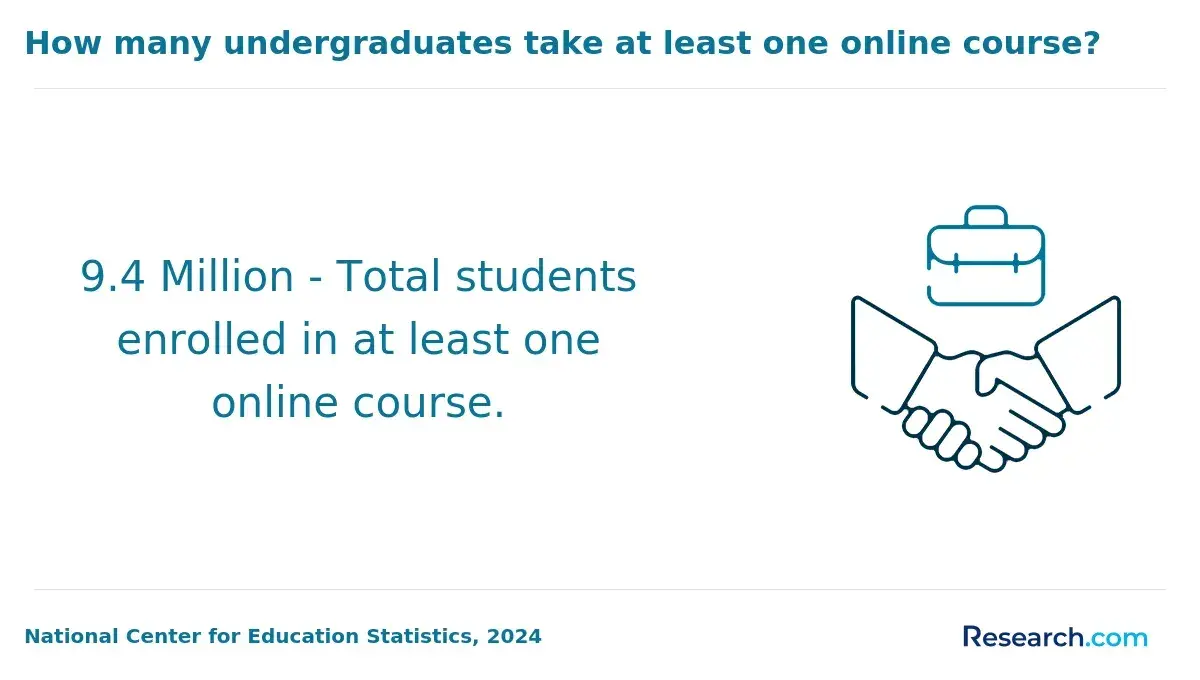
Evaluating whether the number of industrial design graduates meets employer demand cannot rely solely on annual completion figures. National datasets like those from the National Center for Education Statistics and IPEDS indicate around 2,000 to 2,500 bachelor's degrees awarded yearly in this field. However, these totals do not capture nuances such as variations in degree specialization, regional differences in job availability, or the reality that many graduates pursue related roles outside traditional industrial design. For example, while a region might show apparent graduate surplus, local employers may face shortages for candidates with advanced technical skills or relevant portfolio experience, which influences whether these graduates fill open positions effectively.
Labor market absorption rates further complicate simple supply-demand assessments. Workforce data reveals that only about half of industrial design graduates secure positions explicitly labeled as industrial designers within two years, with others moving into adjacent sectors like product development or user experience. This highlights a critical tradeoff: the headline volume of graduates may seem adequate, but competition from related disciplines and geographic clustering of opportunities often create pockets of underemployment. Misinterpreting graduate volume without factoring in employer expectations and hiring patterns risks overstating either oversupply or undersupply, obscuring practical guidance for students and educators navigating this competitive landscape.
Ultimately, decision-makers must consider more than enrollment and graduation numbers, integrating insights from regional job data, employer skill demands, and employment trends to understand workforce dynamics. This ensures more accurate alignment of educational output with market realities, acknowledging that not every graduate enters the labor force simultaneously or targets the same roles. Evidence-backed analysis, rather than raw completion statistics alone, better informs strategies to optimize industrial design education and career pathways in a fluctuating employment environment.
Does Job Growth Support the Rising Supply of Industrial Design Graduates?
Employment projections for industrial designers indicate modest growth that may not keep pace with the increasing number of graduates entering the field. Despite a 5% growth outlook from the U.S. Bureau of Labor Statistics, many regions experience a mismatch where job openings are limited and often demand practical skills, specialized knowledge, or prior experience. For example, a recent graduate with a general industrial design degree might find themselves competing against seasoned professionals in urban tech hubs or sustainable design sectors, where employer demand favors niche expertise and geographic flexibility. This dynamic highlights the risk of underemployment for new entrants who lack targeted specialization or adaptable skill sets.
The rise in industrial design degree completions has outstripped the pace of available positions, presenting a supply surplus in many markets. Variations in employer demand by region and industry specialization complicate the landscape further-while some areas with strong manufacturing or innovation ecosystems show steady openings, others see stagnation or reliance on replacement hiring driven by retirements rather than growth. This creates uneven employment conditions and raises the bar for graduating students, who must demonstrate practical abilities and often consider relocation. Those assessing pathways should weigh the balance between rising graduate output and real-world hiring patterns to avoid overestimating immediate job prospects.
Given these trends, prospective students and professionals evaluating options might explore programs that align with evolving employer needs, including interdisciplinary skills relevant to user experience or sustainable materials. Resources highlighting the cheapest CACREP-accredited programs online provide insight into alternative education paths that emphasize practical value in related sectors. Aligning education with demonstrated labor market demand is crucial to minimizing the risk of oversupply and enhancing career resilience amid shifting industrial design job growth trends.
How Competitive is the Entry-Level Market for Industrial Design Graduates?
The entry-level job market for industrial design graduates in 2024 shows a balanced but selective dynamic rather than a straightforward oversupply or undersupply. The roughly 6% projected industry growth through 2032 aligns with graduate output, but employers commonly prefer candidates with 1-2 years of relevant experience, raising the barrier for recent graduates. This results in a market where competition reflects both modest job creation and skill mismatches particularly related to practical exposure. Geographic factors further complicate entry-level outcomes, with urban clusters intensifying applicant competition while emerging regions offer wider opportunities. Graduates often pivot temporarily to related fields like UX/UI or product management to gain transferable skills, illustrating the nuanced reality that supply-demand alignment varies substantially depending on location, specialization, and demonstrated capabilities. Key influences shaping this competitive landscape include:
- Applicant Volume: Graduates entering the market roughly match the number of available entry roles, making direct oversupply risks limited but heightening selective hiring based on qualifications and experience.
- Experience Expectations: Employers favor portfolios backed by internships or co-op work, pushing inexperienced candidates to upskill before full-time placement.
- Industry Demand Variability: Growth is steady yet uneven across sectors, with healthcare, technology, and smaller design firms sometimes showing increased entry-level hiring versus traditional manufacturing sectors.
- Geographic Concentration: Competitive pressure intensifies in metropolitan design hubs, whereas less saturated markets may provide strategic advantages for job seekers willing to relocate.
- Skill Diversification: Graduates leveraging cross-disciplinary skills in digital design or user experience improve employability compared to narrowly specialized candidates.
- Remote Work Competition: The rise of remote roles expands applicant pools nationally and internationally, subtly increasing competition for some positions.
- Portfolio Strength: Employers emphasize tangible project outcomes and design thinking ability; well-crafted portfolios can differentiate candidates significantly.
A recent graduate reported facing multiple rejections primarily due to limited internship experience despite a strong academic record. Initially applying mainly within their metro area's concentrated design firms, they shifted focus to smaller cities and startups where demand appeared broader and competition less intense. They also invested time developing a digital portfolio highlighting UI crossover projects, which eventually led to interviews and an offer. This case highlights how blending practical experience with geographic flexibility and diversified skills can mitigate entry-level challenges in an otherwise balanced yet competitive industrial design job market.
Which Industries Have the Greatest Demand for Industrial Design Graduates?
Employer demand for industrial design graduates clusters in a few sectors where product development, innovation, and user experience drive competitive advantage. The concentration of openings reflects industries with robust investment in technological integration, ergonomic design, and regulatory compliance rather than broader market size alone. Graduates must therefore assess not only job volume but the complexity of skills required, variation in career progression, and regional labor-market dynamics. For instance, a graduate comparing consumer electronics with medical devices might find more positions in the former but stronger long-term advancement in the latter due to specialized expertise scarcity. Understanding these distinctions is crucial for aligning career strategies with actual employer needs.
The top industries hiring industrial design graduates include:
- Consumer Electronics: Rapid innovation cycles and fierce market competition sustain high demand for designers skilled in technology integration, UI/UX, and aesthetics. Entry roles often involve prototyping and interface design, with advancement toward product management or systems integration.
- Automotive Industry: Despite structural shifts toward automation and EVs, demand persists for designers adept at exterior styling, interior ergonomics, and autonomous vehicle systems. Employers value cross-disciplinary experience with engineering and safety standards.
- Furniture and Home Goods: Growing interest in customization and sustainability drives need for creative designers familiar with modern manufacturing processes and material innovation. Regional labor demand is strong in manufacturing hubs.
- Medical Devices: Regulatory complexity and human factors considerations create niche demand for industrial designers with specialized knowledge. This sector favors candidates with credentials or experience in safety compliance and usability testing.
- Sporting Goods and Aerospace: These smaller, specialized markets offer selective opportunities requiring technical expertise but generally have fewer openings and higher competition.
Regional demand for industrial design professionals varies, reflecting local industry presence and workforce development policies. Prospective graduates should consider these dynamics along with skillsets and career goals when evaluating opportunities. Those interested in balancing market availability with long-term prospects may benefit from exploring programs aligned with sectors showing sustainable growth, while also considering broader foundational education such as business office administration fundamentals for interdisciplinary flexibility.
Where are Industrial Design Graduates Most in Demand?
National demand metrics for industrial design graduates often obscure significant geographic disparities shaped by localized industry concentrations and innovation ecosystems. High-demand states like California and New York feature dense clusters of tech firms, manufacturing, and consumer product companies that actively seek candidates with blended expertise in classical design and digital tool proficiency. However, this concentration also drives intense competition and elevated living costs, forcing graduates to weigh relocation benefits against the financial and lifestyle challenges of entering these markets. For example, a graduate in a lower-demand state may face limited job openings but benefit from lower living expenses, whereas relocating to a metro area such as San Francisco can offer more roles but requires navigating a saturated applicant pool and higher rent.
Employer demand is particularly nuanced in metropolitan hubs where workforce shortages intersect with innovation-driven sectors emphasizing user-centric products and smart materials. While cities like Seattle and Chicago present more openings, they expect candidates to possess advanced CAD skills and cross-disciplinary collaboration experience, raising the bar for market entry. Remote work options have partially softened location constraints but remain unevenly available depending on industry subfields and company size. Prospective industrial design graduates should critically assess not just job volume but the alignment of their specialization and digital tool fluency with regional employer expectations to avoid oversupply pitfalls in superficially attractive locales.
Which Industrial Design Specializations and Degree Levels Face the Strongest Demand?
Labor market demand for industrial design graduates is increasingly segmented by specialization and degree level rather than evenly spread across all candidates. Employers show notable preference for skills tied to emerging technology integration, sustainability, and interdisciplinary competencies. For instance, a graduate with a master's degree focusing on sustainable product design may find stronger prospects than a bachelor's-level graduate with a generic industrial design background. Data from both the U.S. Bureau of Labor Statistics and LinkedIn Workforce Insights highlight how employers seek targeted expertise that aligns with complex, technology-driven projects. Below are key areas experiencing heightened demand.
- UX and Interaction Design: Digital product ecosystems have intensified employer demand for designers who blend aesthetic sense with user functionality understanding. Candidates adept in human factors and interaction principles are favored in tech companies focusing on product experience improvement.
- Sustainable Design Practices: Rising corporate sustainability commitments and regulatory pressures drive needs for designers knowledgeable in eco-friendly materials and circular economy models, especially within manufacturing and consumer goods sectors.
- Graduate-Level Credentials: Workers holding master's degrees or specialized certificates often qualify for roles requiring strategic innovation and multidisciplinary collaboration, reflecting a competitive edge in advanced design tasks and leadership potential.
- Prototyping and Digital Modeling: Expertise in 3D printing, CAD software, and rapid prototyping technologies is critical in medical device development and advanced manufacturing, where precision and iterative design are paramount.
- Medical Device Design: This niche faces persistent skill shortages owing to high technical complexity and regulatory requirements. Demand spans from concept formulation to compliance-focused detailing, requiring specialized training beyond typical industrial design curricula.
Employers' increasing preference for graduate-level training combined with specialized skills means candidates without these distinctions may encounter tighter competition despite overall job openings. This fragmented demand landscape underscores the importance of aligning education and reskilling efforts with specific industry requirements rather than general industrial design knowledge.
Are Employer Skill Gaps Affecting Demand for Industrial Design Graduates?
The perceived shortage of industrial design graduates in the US often masks a more nuanced challenge: a mismatch between graduate capabilities and employer expectations. Employers frequently encounter difficulties filling positions not because of a lack of candidates but due to insufficient proficiency in advanced digital tools, interdisciplinary collaboration, and industry-specific technical skills. A hiring manager in the consumer electronics sector, for instance, may bypass otherwise qualified candidates if they lack experience with rapid prototyping software or sustainable materials, preferring fewer applicants with these competencies over a larger pool lacking them. This dynamic illustrates how industrial design graduate skill shortages in the US shape demand more by quality and relevance than by quantity alone.
Employer demand for advanced industrial design skills continues to evolve as product development incorporates more technical complexity and cross-functional roles. Graduates demonstrating strong communication, applied project experience, and familiarity with UX integration often stand out in competitive job markets, even where overall graduate supply seems sufficient. Skill mismatches can leave entry-level roles unfilled or push firms to invest in costly training, distorting perceptions of oversupply or undersupply depending on region and industry sector. For prospective students and degree holders, strategically selecting programs offering practical internships, targeted technical training, and exposure to sustainable design principles can improve alignment with employer needs and broaden long-term career viability.
This evolving landscape highlights the importance of evaluating industrial design degrees not just by enrollment numbers but by how effectively programs prepare students for current job requirements and workplace realities. For a clearer understanding of valuable educational pathways that respond to labor market demand, consult resources detailing the most valuable masters degrees. Career-focused learners should weigh both foundational design skills and emerging digital proficiencies to navigate competitive hiring scenarios shaped by ongoing skill gaps and shifting employer priorities.
What is the Future Supply-and-Demand Outlook for Industrial Design Graduates?
Graduates in industrial design who adopt targeted job searches generally achieve better outcomes than those relying on high-volume, unfocused applications. Success is often tied to identifying precise entry-level roles aligned with their skills, focusing on industries and regions exhibiting stronger demand-often metropolitan technology hubs-and customizing resumes to reflect employer language and multidisciplinary expectations. For example, a recent graduate from a saturated state market who broadens their search to smart device or sustainability-driven sectors and incorporates digital modeling expertise into their portfolio is more likely to stand out in a competitive field shaped by oversupply.
Allocating effort toward positions where qualifications closely match job listings improves interview rates, especially when candidates demonstrate relevant projects or experience that reflect evolving employer demands. Market research, timely applications, and networking within targeted sectors increase job-readiness credibility but do not guarantee employment in a landscape where supply outpaces traditional industrial design roles. This nuanced approach addresses the real-world consequences of generic applications, highlighting how graduates can navigate the future supply and demand outlook for industrial design graduates effectively.
Understanding projected job market trends for industrial design professionals means recognizing the essential tradeoff between broad but unfocused efforts and specialized, strategy-driven job hunting. In this climate, prospective students and current degree holders might also explore alternative pathways, such as a military spouse pursuing an online school for military spouses, to expand skill sets and improve employment prospects while adapting to shifting workforce demands.
References:
- Industrial Design Market Size, Trends Analysis | Forecast - 2035 https://www.marketresearchfuture.com/reports/industrial-design-market-6936
- Industrial Designers: Salary, career path, job outlook, education and more - RaiseMe https://www.raise.me/careers/arts-and-design/industrial-designers/
- Industrial Designer Career and Degree Guide | All Art Schools https://www.allartschools.com/graphic-design/industrial-design-job-description/
- A New Era For Industrial Design - Designers Respond - Industrial Designers Society of America https://www.idsa.org/new-era-industrial-design-designers-respond/
- Industrial design engineering: The most frequent career prospects - Elisava https://www.elisava.net/en/industrial-design-engineering-career-prospects/
- Starting in Industrial Design in your 30's...... https://boards.core77.com/t/starting-in-industrial-design-in-your-30s/17525
- THE FUTURE OF INDUSTRIAL DESIGN HIGHER ... https://www.designsociety.org/download-publication/33219/the_future_of_industrial_design_higher_education_driven_by_models_of_design_thinking_and_reasoning
Other Things You Should Know About Industrial Design
Many industrial design employers prioritize candidates who demonstrate both strong creative vision and technical skills like CAD modeling or prototype fabrication. Students must weigh program choices accordingly: favoring curricula that integrate hands-on technical training with conceptual design projects better positions graduates for practical roles. Overemphasizing artistry without technical fluency often limits entry-level opportunities, while too much focus on software tools alone may underprepare students for strategic, user-centered problem-solving responsibilities.
Larger programs can provide extensive networking, diverse faculty expertise, and access to industry partnerships, but often have higher student volumes, increasing competition and diluting personalized mentoring. Smaller programs may offer tailored instruction and more project time but risk fewer industry connections and limited resource availability. Prospective students should prioritize programs whose reputation and structure align with their learning style and career goals, balancing scale benefits against individualized support and portfolio development.
Given the competitive job market, gaining relevant work experience through internships or cooperative education during your degree is critically important. Practical exposure helps bridge the gap between academic theory and employer expectations, enhances portfolios, and builds professional networks. Students without strong internship experience often struggle to demonstrate applied skills, so securing these opportunities even if it means a heavier workload or extended study time is generally advisable for better employability.
Employers in industrial design fields vary in what they expect from new graduates, with some valuing advanced digital proficiency and others prioritizing conceptual innovation or sustainability expertise. Graduates from narrowly focused programs risk being less adaptable to varied employer requirements, limiting job options or necessitating additional skill development post-graduation. It is recommended to select programs with balanced curricula that foster versatility, enabling smoother transitions into diverse industrial design roles and sectors.