2027 Industrial Design Degree Concentration Trends: Which Specializations Are Growing the Fastest

Co-Founder and Chief Data Scientist
Amid narrowing job markets and shifting industrial demands, Maya faces a tough choice between specializing in sustainable design or digital fabrication within her industrial design degree. The wrong decision risks months or years spent on a path misaligned with employer needs or shrinking fields. Recent 2024 labor data reveal a 15% surge in demand for industrial designers skilled in user experience and smart product integration, highlighting the growing emphasis on tech-driven design roles.
This trend signals that students prioritizing specializations linked to emerging technologies may secure more resilient career trajectories. This article examines which industrial design degree concentrations currently experience the fastest growth and their relevance to evolving industry needs, aiding readers in informed specialization selection.
Key Things to Know About Industrial Design Degree Concentration Trends and Fast-Growing Specializations
- Emerging specializations like sustainable design show rapid enrollment growth, reflecting employer emphasis on environmental responsibility, but specialized courses often require longer study, increasing time and cost investment for students.
- Demand for digital product design skills aligns with broader industry digitalization, indicating strong employer preference for candidates fluent in UX/UI tools, though this narrows job roles toward tech-centric sectors.
- Integration of human factors and ergonomics in the curriculum answers workforce needs for usability and safety expertise, enhancing long-term career resilience, but requires students to balance technical rigor with creative design practice.
- Key Things to Know About Industrial Design Degree Concentration Trends and Fast-Growing Specializations Key Things to Know
- What Are the Most Popular Industrial Design Degree Concentrations Today? Popular Degree Concentrations
- Which Industrial Design Degree Specializations Are Growing the Fastest? Fastest Growing Specializations
- Why Are Certain Industrial Design Degree Concentrations Experiencing Rapid Growth? Reasons for Rapid Growth
- Which Industries Are Driving Demand for Fast-Growing Industrial Design Degree Specializations? Industries Driving Demand
- What Are the Highest-Paying Industrial Design Degree Concentrations? Highest-Paying Concentrations
- How Are Technology and Innovation Influencing Industrial Design Degree Specialization Trends? Tech and Innovation Impact
- What Career Opportunities Are Available in Fast-Growing Industrial Design Degree Concentrations? Career Paths in Growth Areas
- Which Online Industrial Design Degree Concentrations Are Seeing the Most Growth? Fastest-Growing Concentrations
- What Is the Future Outlook for Emerging Industrial Design Degree Specializations? Future Outlook
- How Can You Choose the Right Industrial Design Degree Concentration Based on Your Career Goals? Choosing Your Degree Concentration
What Are the Most Popular Industrial Design Degree Concentrations Today?
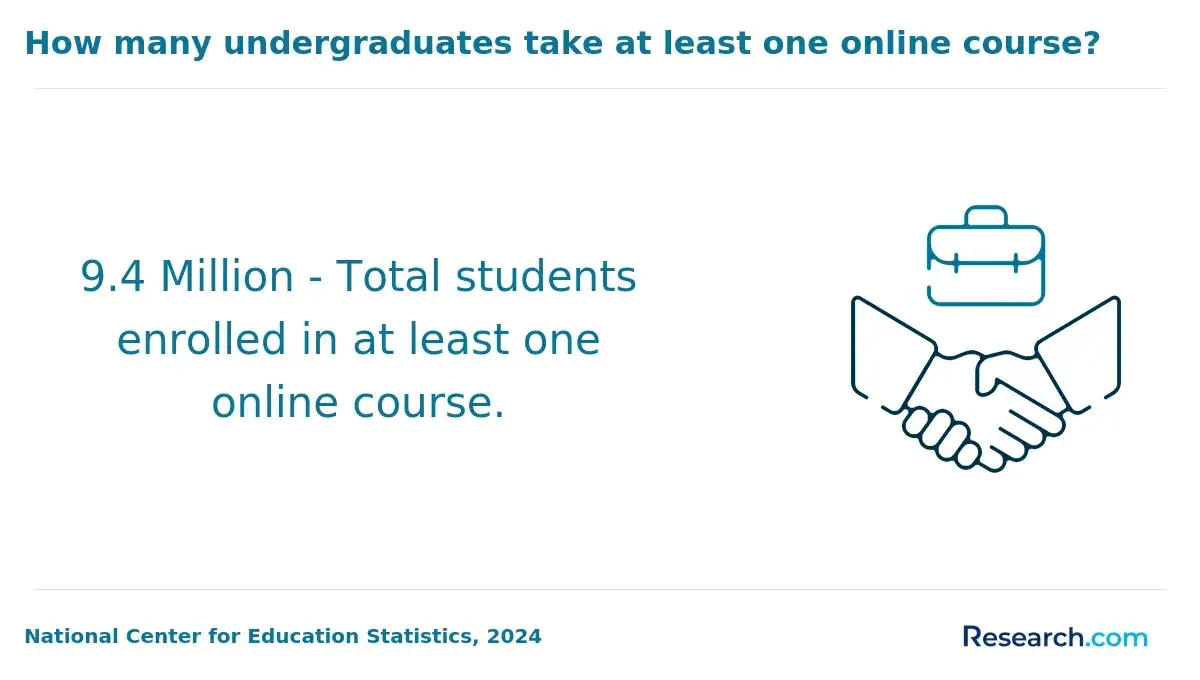
The shift in popularity within industrial design degree concentrations reflects a clear pivot toward integrating technology with user-focused and sustainable design. Enrollment increases of over 15% in programs emphasizing user experience and human-centered design, according to National Center for Education Statistics 2024 data, highlight how students and employers alike prioritize skills that bridge physical and digital product interactions. This trend underscores a broader industry expectation for designers who can navigate complex interfaces and contribute to seamless service ecosystems rather than solely focusing on standalone physical products.
At the same time, demand for specializations centered on sustainability is intensifying, driven by regulatory pressures and consumer preferences that make environmental impact a critical design criterion. Industrial design programs that incorporate life-cycle assessment and circular economy principles attract students who recognize the long-term market and regulatory viability of eco-conscious innovation. However, choosing this path requires balancing creative design ambitions with practical knowledge of materials science and environmental compliance, as consumer goods and automotive sectors increasingly reward designers who can deliver this dual expertise.
Emerging intersections between industrial design and advanced manufacturing technologies like 3D printing and IoT integration are also gaining employer attention, even as enrollment in these concentrations remains modest. Industry employers report workforce shortages for talent adept in collaborating across engineering and software teams, reflecting the field's growing interdisciplinarity.
Prospective students considering these specializations should weigh the benefits of aligning with high-growth technical niches against the current lower student demand, while exploring combined pathways that mirror evolving professional roles. For those seeking to expand options, exploring cheap online PhD programs in related fields may offer an additional route to specialization and career resilience within industrial design.
Which Industrial Design Degree Specializations Are Growing the Fastest?
Growth in industrial design degree specializations is increasingly shaped by external forces such as evolving regulations, technology integration, and demographic shifts, which in turn influence employer demand and required skill sets. For example, sustainability-focused design roles are expanding rapidly due to stronger environmental policies and consumer expectations for eco-conscious products, with the U.S. Bureau of Labor Statistics projecting a 15% job growth in design occupations emphasizing sustainability through 2033.
This trend underscores the strategic advantage of mastering lifecycle analysis and circular economy principles but also demands ongoing skill updates as standards evolve. Meanwhile, concentrations that integrate digital and interaction design are rising in prominence, driven by the push to merge physical and digital experiences, especially within sectors like automotive and wearable technology, where proficiency in AR, VR, and IoT-related design enhances employability.
Healthcare-focused industrial design is another growth area, propelled by an aging population and innovations in medical devices requiring designers with expertise in regulatory compliance and ergonomic safety. Programs aligning interdisciplinary training with healthcare provider partnerships report stronger employment outcomes, reflecting the sector's stable demand that contrasts with more volatile creative markets.
However, students must weigh the benefits of such specialized tracks against career flexibility, as rapidly changing technology and regulations may render some skills obsolete without continual learning. These patterns emphasize the importance of curriculum designs that balance technical depth with adaptability and soft skills like collaboration and ethical reasoning, which remain critical across all emerging industrial design domains.
Why Are Certain Industrial Design Degree Concentrations Experiencing Rapid Growth?
Demand for industrial design degree concentrations focused on sustainable materials and embedded smart technologies is rising sharply due to shifting employer priorities and technological progress. The integration of human-centered smart devices and eco-conscious design aligns closely with strengthened global environmental regulations and consumer preferences, creating a competitive advantage for graduates who develop expertise in these areas.
However, this growth accompanies a notable tradeoff: rapid technological evolution requires ongoing skill updates beyond initial degree completion, which may challenge those unable to adapt swiftly. According to the U.S. Bureau of Labor Statistics (2024), roles demanding advanced capabilities in sustainable and smart design are expected to grow 8% faster than other product design roles over the next decade, illustrating how industry outcomes hinge on specialization relevance.
Technological advancements such as 3D printing, augmented reality, and AI-driven design platforms are reshaping educational priorities, driving more investment in programs emphasizing digital prototyping and interactive experiences. Regulatory demands around safety and compliance-especially in sectors like medical devices and automotive-further elevate the value of curricula integrating practical regulatory knowledge.
Yet, workforce reports from the Industrial Designers Society of America (2024) underscore substantial employer challenges: over 40% of firms report difficulty filling positions requiring these niche competencies, indicating that while specialization can enhance employability, students must also consider program rigor and alignment with real-world regulatory and technical standards.
Not every rapidly growing concentration suits all students; the fast pace and complexity require deliberate career planning and a commitment to continual learning to maintain relevance.
Which Industries Are Driving Demand for Fast-Growing Industrial Design Degree Specializations?
Industry demand, rather than academic trends alone, is the primary driver behind which industrial design degree concentrations are expanding most rapidly. The consumer electronics sector, propelled by rapid developments in wearable technology and smart devices, is increasing the need for designers skilled in ergonomic and user-interface design. The U.S. Bureau of Labor Statistics projects a 7% growth in industrial designer employment within high-tech manufacturing through 2034, illustrating how advances in materials science and miniaturization shape specialization choices. Students must consider how aligning their focus with such evolving market demands can affect long-term employability in emerging fields.
Growth in healthcare and medical device manufacturing also intensifies demand for industrial designers familiar with regulatory compliance and human factors engineering. This reflects broader workforce shortages as aging populations and stringent safety standards increase pressure on biomedical design roles. Meanwhile, the automotive industry's shift towards electric and autonomous vehicles prioritizes skills in sustainable materials and digital prototyping, presenting tradeoffs for those deciding between traditional versus cutting-edge specializations.
Prospective students evaluating emerging industrial design degree specializations by industry growth should weigh these sector-specific forces carefully. Aligning educational pathways with these realities helps balance academic goals against practical constraints, especially for those navigating complex work-life balances or seeking adaptable career options, such as exploring a cheapest counseling degree online.
What Are the Highest-Paying Industrial Design Degree Concentrations?
Specializations in industrial design tied to technology-heavy sectors and healthcare innovation consistently demonstrate stronger earning potential due to the complexity and regulatory demands these roles entail. For example, professionals developing human-centered medical devices must navigate stringent compliance standards and collaborate across engineering and clinical teams, which commands a salary premium.
Data from the U.S. Bureau of Labor Statistics in 2024 highlights a 15-20% wage advantage for these niches compared to broader industrial design roles, reflecting growing industry investment in health technology. Meanwhile, expertise in sustainable design also correlates with rising compensation, driven by corporate priorities around environmental compliance and efficiency gains, underscoring how external market forces shape salary trends within design fields.
Advanced technical skills, particularly in interaction design for smart products or automotive user experience, garner increasing employer demand as hardware-software integration becomes vital to competitive innovation. Candidates offering leadership in such interdisciplinary projects often access higher pay grades, indicating that specialization depth combined with management capacity influences career trajectories.
However, these fields require continual upskilling to keep pace with technological developments and shifting regulations, a tradeoff that candidates must weigh against their long-term employability and growth potential. These dynamics illustrate that salary is often less about initial degrees and more about sustained adaptability within specialized, evolving sectors.
How Are Technology and Innovation Influencing Industrial Design Degree Specialization Trends?
Emerging technologies are rapidly redefining industrial design degree specialization trends, with employer demand shifting toward skill sets that integrate artificial intelligence, automation, and data analytics. A notable example is the 23% increase in need for graduates versed in human-centered AI design and digital prototyping-areas nonexistent a decade ago but now essential in the field. These changes compel programs to evolve curricula beyond traditional sketching to include digital platforms and intelligent systems, aligning education with practical workforce expectations.
Such adaptation is critical for students seeking specializations that offer not only immediate job market relevance but also flexibility amid ongoing technological shifts, reflecting the broader impact of innovation on industrial design concentration growth.
Advanced manufacturing technologies like 3D printing and robotics are driving growth in smart product development and sustainability-focused specializations, blending mechanical engineering principles with software proficiency. Enrollment surges in these interdisciplinary concentrations demonstrate how programs address evolving market needs, drawing students targeting sectors such as automotive and medical devices.
However, programs must navigate tradeoffs between foundational design skills and emerging tools like virtual reality and digital twins, demanding continual faculty development and resource allocation. For prospective students balancing multiple commitments, selecting a specialization grounded in current technology trends yet adaptable to future employer priorities is paramount, with options like 6 week college courses online offering flexible pathways to skill acquisition.
What Career Opportunities Are Available in Fast-Growing Industrial Design Degree Concentrations?
Specializations within industrial design that integrate sustainability, user experience, and smart technology are reshaping career trajectories by aligning with intensifying market and regulatory demands. Graduates focusing on sustainable design enter roles centered on eco-conscious material development and circular economy strategies, responding to a projected 9% growth in green design jobs through 2032 according to the U.S. Bureau of Labor Statistics. This trend reflects not only environmental priorities but also corporate commitments to resource efficiency, positioning these professionals for opportunities in industries increasingly driven by compliance and accountability.
Conversely, concentrations in user experience and digital integration direct students toward collaborative work with engineering and software teams, emphasizing the creation of connected, intuitive products. The 2024 industry data showing a 15% rise in demand for candidates with digital UX skills highlights a marketplace favoring hybrid technical-creative expertise. Meanwhile, specialization in smart product design-where IoT merges with aesthetic function-requires continual technical upskilling and adaptability, indicating a career path dependent on lifelong learning and cross-disciplinary fluency rather than static skillsets.
Choosing a narrow focus often delivers depth that secures niche roles but may constrain sector mobility, while broad industrial design skills offer versatility yet face intense competition. Students should weigh how employer expectations for evolving capabilities affect long-term employability, particularly as industries value professionals who can balance specialized knowledge with flexible problem-solving. Navigating these tradeoffs demands strategic alignment of one's educational pathway with emerging industry demands and personal aspirations for professional growth within dynamic design environments.
Which Online Industrial Design Degree Concentrations Are Seeing the Most Growth?
The strongest growth in online industrial design degree concentrations is driven by shifts in technology integration and sustainability demands that reshape employer expectations. Areas like sustainable product design, which focus on material innovation and lifecycle assessment, respond directly to tightening environmental regulations and market pressures, with enrollment up 25% according to the National Association of Industrial Designers. However, students pursuing these tracks should consider that the emphasis on regulatory compliance and green technology requires ongoing technical updates and can sometimes limit creative flexibility compared to broader design disciplines.
Concentrations combining industrial design with UX/UI and product experience design also exhibit rapid expansion, reflecting the increasing need for designers fluent in both hardware and software interfaces. Workforce analytics firms report a 30% increase in job postings for hybrid design-UX roles, highlighting a labor market that values multidisciplinary fluency but also demands adaptability across evolving digital platforms and manufacturing processes.
This hybrid focus entails tradeoffs for students, who must develop both design aesthetics and technical proficiency in interactive systems, potentially extending program duration or requiring additional skill-building beyond traditional industrial design curricula.
Finally, additive manufacturing and rapid prototyping are becoming core components of many online programs, aligning with Industry 4.0 productivity standards. The integration of advanced CAD tools and 3D printing technologies addresses employer preferences for graduates with practical, hands-on experience in customized production methods.
While these competencies improve employability in manufacturing and product development sectors, reliance on rapidly changing technology platforms can necessitate continuous professional learning, affecting long-term specialization stability and career trajectory clarity.
What Is the Future Outlook for Emerging Industrial Design Degree Specializations?
The trajectory for industrial design degree specializations is increasingly shaped by the convergence of advanced technologies and sustainability demands. Employment for industrial designers is projected to grow 6% from 2022 to 2032, according to the U.S. Bureau of Labor Statistics, but this overall figure conceals faster expansion in areas like smart product development and sustainable design.
These specializations require practitioners to navigate complex interdisciplinary requirements, such as integrating IoT capabilities into products while adhering to stricter environmental regulations. Prospective students should weigh the practical implications of specializing in these areas, recognizing that rapid technological change demands continual skill updates and that market saturation-particularly in user experience (UX) design-may impact long-term employability.
Emerging industrial design specialization trends reveal strong growth in healthcare device design and assistive technologies driven by demographic shifts and increased healthcare innovation funding. Designers in this space must balance ergonomic considerations with regulatory compliance, highlighting the need for specialized knowledge that goes beyond traditional industrial design curricula. The growing emphasis on sustainable industrial design reflects both consumer preference shifts and corporate investment in circular economy models, creating new roles focused on lifecycle analysis and recyclable materials.
These evolving demands influence curriculum development and affect career prospects for new industrial design concentrations, as graduates with cross-disciplinary skills in software, hardware, and environmental compliance increasingly meet employer expectations.
For students contemplating educational pathways, understanding such dynamics can inform strategic choices about which concentrations to pursue. Those interested in expanding their skillsets might consider programs that emphasize practical collaboration across design, technology, and regulatory domains. For learners aiming to diversify their qualifications, even a degree in human services can complement the technical expertise needed in healthcare-related design roles, broadening career alternatives within this expanding industrial design landscape.
How Can You Choose the Right Industrial Design Degree Concentration Based on Your Career Goals?
Choosing the right industrial design degree concentration requires assessing the alignment between a student's career goals and the evolving demands of the job market. For instance, a focus on human-centered design and digital prototyping suits those targeting user experience roles, while concentrations in materials innovation or sustainable design better serve candidates aiming for manufacturing or product engineering. Overlooking this alignment can limit employability and restrict long-term career flexibility, as certain specializations-like sustainable design or tech-driven product development-currently experience faster growth and greater industry investment.
Labor market data from the U.S. Bureau of Labor Statistics projects a 6% increase in industrial design jobs from 2022 to 2032, but growth is uneven across areas. Students should prioritize concentrations that develop versatile skills such as CAD proficiency and cross-disciplinary collaboration, reflecting insights from the Industrial Designers Society of America, where 72% of hiring managers emphasize skill diversity over aesthetic focus. Selecting a specialization without considering these workplace realities risks narrowing professional development and advancement opportunities.
When evaluating the best industrial design specializations for future jobs, balancing personal interests with market trends is key. Those seeking graduate education or positions in emerging sectors like IoT integration should weigh how their concentration prepares them for such pathways. Prospective students unfamiliar with these dynamics might also benefit from exploring resources like the best online associates in criminal justice to understand how different fields structure specializations for workforce relevance.
References:
- A New Era For Industrial Design - Industrial Designers Society of America https://www.idsa.org/innovation_article/a-new-era-for-industrial-design/
- Looking to study industrial design? Here are our top 5 European university picks https://designwanted.com/industrial-design-universities-top-picks-europe/
- Functions and salary of an industrial design engineer - Elisava https://www.elisava.net/en/functions-and-salary-of-an-industrial-design-engineer/
- 3 Career Paths for Industrial Designers https://www.fictiv.com/articles/3-career-paths-for-industrial-designers
- Trends in the Industrial & Experience Design Industry https://www.whipsaw.com/latest/trends-in-the-industrial-experience-design-industry
- Top Career Options After a Degree in Design https://shooliniuniversity.com/blog/top-career-options-after-a-degree-in-design/
- HOW WILL THE EMERGENCE OF AI IN THE WORLD OF INDUSTRIAL DESIGN CHANGE THE TRAINING NEEDS OF OUR STUDENTS? https://www.designsociety.org/publication/47280/how_will_the_emergence_of_ai_in_the_world_of_industrial_design_change_the_training_needs_of_our_students
- Best Study Programs in Industrial Design in the world 2023 — Erudera https://erudera.com/study-programs/industrial-design/
- The Ultimate Guide to Industrial Design: Schools, Salaries, Jobs & Mor https://www.tuftandpaw.com/blogs/modern-cat-blog/the-ultimate-guide-to-industrial-design-schools-salaries-jobs-more
- Best Industrial Design Schools in the U.S. for 2024 https://theartcareerproject.com/schools/industrial-design/
Other Things You Should Know About Industrial Design
Prospective students should evaluate industry growth projections, program curriculum comprehensiveness, faculty expertise, and their career aspirations. Specialization growth can lead to increased job opportunities, but strong program depth often ensures well-rounded education and adaptability to evolving industry demands. Balancing both aspects is crucial.
Emerging areas such as smart product integration or human-centered AI design typically demand proficiency in multidisciplinary skills including coding, data analysis, and behavioral research. This increases the workload compared to traditional product-focused concentrations and requires significant self-directed learning beyond core coursework. Students should be prepared for a steeper learning curve and consider whether their program provides adequate interdisciplinary support and mentorship rather than just elective offerings.
Employers in emerging specializations increasingly expect candidates to demonstrate practical experience with prototyping software, digital fabrication, and user data interpretation. Unlike traditional roles focused on aesthetics and ergonomics, these fields require designers to work closely with engineering and software teams, emphasizing collaboration and technical fluency. Graduates from emerging tracks who lack real-world project portfolios may find it harder to secure roles without internships or industry partnerships embedded in their education.
Yes, specializations tied to digital innovation such as augmented reality interfaces or connected devices typically offer greater scalability and relevance as industries embrace tech-driven products. However, these areas also demand continual upskilling due to rapid tech evolution, which may require ongoing education beyond the initial degree. Career changers should assess their readiness for this commitment and seek programs with strong industry ties and alumni networks to facilitate smooth transitions and sustained career growth.