2027 Industrial Design Degree Growth by State: Where Interest Is Rising the Fastest

Co-Founder and Chief Data Scientist
States experiencing the most rapid growth in industrial design degree enrollment reveal much about shifting economic and educational landscapes. For example, recent data from the National Center for Education Statistics shows a 15% increase in flexible, hybrid graduate programs supporting adult learners, suggesting increased accessibility outside traditional campus hubs. These surges often correspond to states expanding manufacturing sectors or design-driven tech industries, where regulatory environments and workforce needs encourage advanced skill acquisition. Understanding these localized dynamics helps prospective students evaluate where program availability aligns with sector demand, licensure frameworks, and long-term career mobility, informing strategic choices about where to study and ultimately practice industrial design.
Key Things to Know About the State Where Industrial Design Degree Interest Is Rising the Fastest
- States like Texas show rapid enrollment growth partly due to expanded online industrial design programs, reducing relocation costs but potentially limiting hands-on studio experience crucial for early-career development.
- California's strict environmental regulations create niche workforce demands, encouraging programs to emphasize sustainable design, which employers increasingly seek, influencing graduates' job market adaptability and long-term relevance.
- Florida's increasing adult learner population leverages flexible admission models, reflecting a timing tradeoff where work-study balance may extend degree completion but enhances practical skill integration for career changers.
- Which States Are Seeing the Fastest Growth in Industrial Design Degree Enrollment? States Seeing the Fastest Growth in Enrollment
- What Does Enrollment Growth in Industrial Design Programs Actually Tell Prospective Students? Interpreting Enrollment Growth
- How Do Regional Job Market Conditions Drive Industrial Design Degree Demand by State? Role of Regional Job Market Conditions
- Which States Have Added the Most New Industrial Design Degree Programs in the Last Five Years? States That Have Added the Most Programs
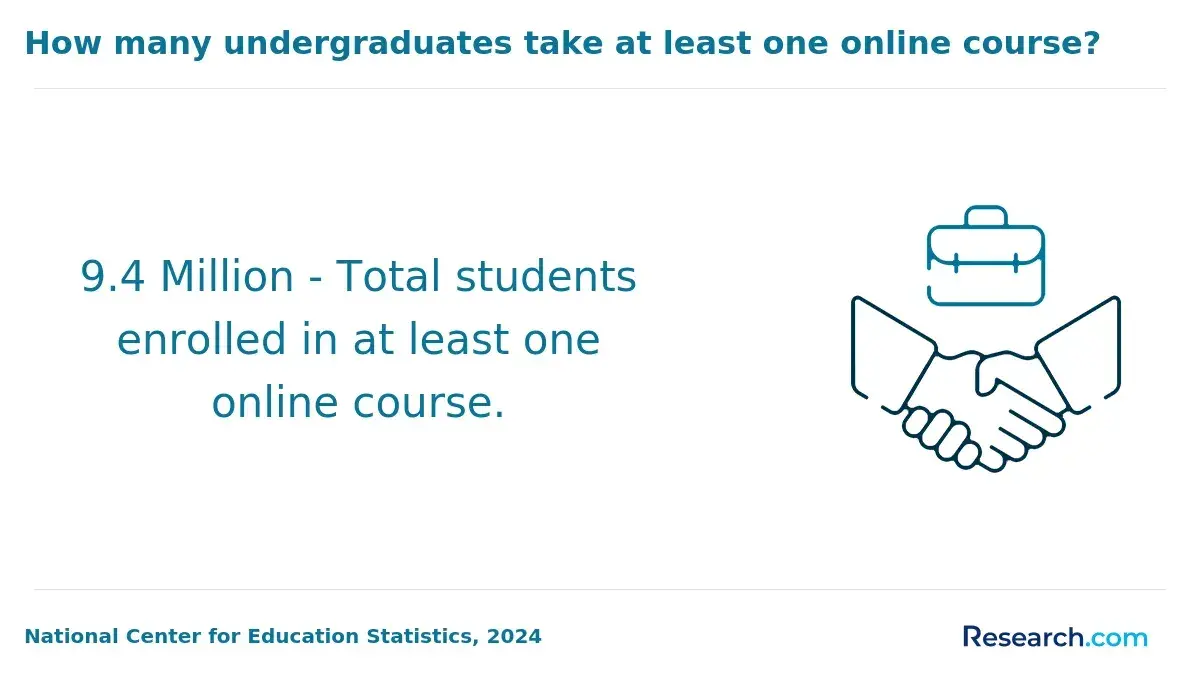
- How Has the Rise of Online Education Changed Which States Lead in Industrial Design Program Interest? Role of Online Education in Increased Program Interest
- What Demographic Trends Are Fueling Industrial Design Degree Growth in Specific States? Demographic Trends Fueling Growth
- How Do State Funding Levels for Industrial Design Services Influence Degree Program Growth? Role of State Funding Levels
- Which States Are Emerging as Unexpected Leaders in Industrial Design Degree Interest? States Emerging as Unexpected Leaders in Growth
- How Does State Population Size Affect the Interpretation of Industrial Design Degree Growth Data? Role of State Population Size
- What Role Do State Licensing Requirements Play in Driving or Suppressing Industrial Design Enrollment? Role of State Licensing Requirements
Which States Are Seeing the Fastest Growth in Industrial Design Degree Enrollment?
Nationally, the rise in industrial design degree enrollment reflects shifting market demands and workforce realignments rather than uniform growth. States distinguished by rapid program uptake reveal how local economies and industry clusters materially influence educational trajectories and graduate employability. For example, a graduate targeting employment in sustainable product innovation might prioritize Oregon's programs, supported by its tech and manufacturing synergy, over more generalist curricula elsewhere-demonstrating how enrollment trends can signal underlying economic specialization and job market depth. This strategic alignment between education and regional industry conditions becomes a critical decision factor for career changers and mobile students.
- Oregon: Oregon's sharp enrollment increases are tightly linked to its expanding tech sectors and sustainability-focused manufacturing, which drive demand for designers with expertise in user experience and product lifecycle management, areas increasingly emphasized by local curricula and employer expectations.
- Texas: Texas sees growth propelled by diversified industries such as energy and aerospace, with new institutions adapting to workforce needs by integrating emergent design technologies; however, potential students must weigh variation in program maturity and regional licensure complexities.
- Florida: Florida's creative ecosystem, including automotive design and digital fabrication, attracts students responding to demographic shifts and growing manufacturing innovation zones, although competition with more established coastal markets shapes graduate placement opportunities.
- North Carolina: Leveraging its research triangle, North Carolina's growth reflects strong academic-industry collaboration and focus on innovation-driven manufacturing, offering students pathways into research-integrated roles but requiring adaptation to a licensure landscape that varies within states.
- Colorado: Enrollment here corresponds with dynamic crossover sectors-outdoor product development and tech startups-that encourage interdisciplinary approaches within programs, yet students must consider the tradeoff between niche market focus and broader industrial design versatility.
Growth in these states is not merely a numerical increase; it signals regional shifts that shape program quality, networking potential, and employer engagement. Subsequent sections will unpack how localized economic incentives, program specialization, licensure frameworks, and employer standards collectively influence the trajectories of industrial design degree programs. For prospective students evaluating options-including those exploring masters degrees online-understanding where enrollment gains align with robust job markets and evolving workforce needs is essential for informed decision-making.
What Does Enrollment Growth in Industrial Design Programs Actually Tell Prospective Students?
Enrollment growth in industrial design programs can mislead prospective students if taken at face value, as it does not inherently reflect program quality or future career success. For example, a program rapidly expanding enrollment through lowered admissions criteria may not provide the same outcomes as one growing due to strong industry partnerships and academic rigor.
Raw enrollment increases signal demand but require careful interpretation alongside deeper performance indicators to truly gauge program value. Prospective students should assess retention and graduation rates, job placement statistics, and licensure pass rates to understand how well programs prepare graduates for competitive, real-world employment.
- Context: Enrollment growth may mirror regional economic booms or labor market trends rather than program strength. Distinguishing whether growth results from external demand or internal recruitment practices is crucial.
- Retention And Graduation: High enrollment without sustained student progression diminishes the value of apparent growth, revealing potential issues with academic support or curriculum design.
- Job Placement: Placement rates aligned with industrial design roles highlight a program's relevancy to employer needs and graduate employability.
- Licensure Outcomes: In states with licensure requirements, pass rates offer an objective measure of professional readiness and credibility across job markets.
- Academic Quality Versus Growth: Programs expanding due to authentic reputation and industry connections deliver more consistent career results than those prioritizing numbers over standards.
- Due Diligence: Enrollment figures should be one factor among many; direct engagement with current students and alumni provides invaluable qualitative insight.
How Do Regional Job Market Conditions Drive Industrial Design Degree Demand by State?
Regional labor markets significantly shape enrollment trends in industrial design degree programs, often reflecting the specific economic drivers and hiring patterns within each state. For instance, candidates targeting states with active healthcare infrastructure expansion or public sector growth encounter better practicum placements and stronger post-graduation salary prospects, due to higher employer demand and funding for design-related roles. Conversely, those ignoring these nuanced regional dynamics risk enrolling in programs misaligned with available job opportunities, limiting early career mobility and mentorship access.
- California: The state's surge in medical device manufacturing and substantial health system investments are elevating the demand for industrial design professionals, prompting notable increases in graduate program interest linked to practical, industry-aligned training.
- Texas: Urban development projects and school district expansions, supported by employer incentives, are driving higher job openings in creative and design sectors, encouraging a growing number of prospective students to pursue industrial design credentials.
- Michigan: Transitioning automotive focus toward electric vehicle innovation creates a distinct need for industrial designers equipped with sustainable design skills, reflected in stronger enrollment growth for related graduate programs.
- North Carolina: Growth in healthcare systems alongside research university expansion fosters partnerships that enhance hands-on educational experiences, directly influencing increased industrial design graduate program demand.
- Washington: The convergence of technology and healthcare equipment manufacturing establishes a dynamic job market, making the state attractive to candidates seeking credentials with strong regional workforce alignment.
Prospective students should incorporate a detailed analysis of state-specific workforce projections into their decision-making process, recognizing that such knowledge affects everything from practicum availability to negotiating power at graduation. Regions benefitting from expanding public contracts or healthcare investments typically provide richer internship experiences and a clearer salary trajectory. For those considering graduate paths in this field, reviewing labor market forecasts alongside program curricula will yield better-aligned educational investments and practical career outcomes. Additionally, professionals exploring options such as flexible eMBA programs alongside industrial design degrees may find combined regional labor insights beneficial for long-term planning.
Which States Have Added the Most New Industrial Design Degree Programs in the Last Five Years?
States expanding industrial design degree offerings reflect distinct regional economic dynamics and workforce demands, impacting both student options and long-term employability. Growth often aligns with local industry needs and incentives that encourage institutions to enhance curriculum relevance and capacity. For students weighing programs, these geographic differences signify more than just location-they influence specialization availability, tuition fluctuations, and financial aid competition, all critical factors influencing enrollment decisions and career trajectories.
- California: Fueled by its entrenched design and tech sectors, California's program growth includes new launches and expanded online options. This responds directly to high regional demand for specialized skills and benefits from state grants targeting talent shortages in advanced manufacturing and user experience design.
- Texas: Texas' higher education landscape benefits from state-driven workforce shortage designations, prompting multiple institutions to diversify industrial design tracks and enlarge cohorts. Students here navigate a competitive environment shaped by economic development goals and institutional efforts to capture emerging market needs.
- Ohio: Programs in Ohio emphasize applied industrial design with a nod to automotive and manufacturing sectors vital to the state's economy. Expansion here often comes with accreditation incentives that push curriculum modernization, helping graduates meet shifting employer expectations in traditional industries.
- Massachusetts: Known for innovation alongside STEM, Massachusetts has boosted program variety through new routes and robust online options. The state's academic competition coupled with targeted scholarship funding improves access but requires careful program comparison to assess true cost-effectiveness and outcome alignment.
- Washington: The influx of technology firms demands user-centered design skills, prompting program growth through fresh launches and expanded enrollment. Workforce grants and institutional rivalry accelerate offerings designed to meet local labor market needs, yet students face tradeoffs between program novelty and established accreditation rigor.
Expanding industrial design programs within these states often come with more specialization tracks and greater financial aid competition, but this also requires prospective students to perform thorough comparisons within and across institutions. Tuition moderation resulting from institutional competition is a possible advantage, though aid packages vary widely, meaning that decision-making should weigh program quality and specific career goals over apparent cost alone.
An industrial design graduate reflecting on their admissions experience recalls applying to multiple programs as soon as new tracks were announced, driven by uncertainty about acceptance timelines and scholarship availability. The rolling admissions process led to a period of hesitation-choosing whether to commit early to a well-known program or wait for decisions from emerging institutions that offered promising but untested curricula. This waiting game meant careful coordination of application materials and financial planning, underscoring the strategic complexity students face when navigating expanding program landscapes amid variable institutional rollouts.
How Has the Rise of Online Education Changed Which States Lead in Industrial Design Program Interest?
The expansion of fully online industrial design graduate programs has fundamentally shifted the geographic distribution of student interest, breaking the old model where proximity largely dictated enrollment choices. Previously, students could only realistically attend programs within a manageable commute or by relocating, restricting options and often excluding those from states with limited offerings. Today, states hosting reputable online programs attract large numbers of out-of-state students based on factors such as program quality, tuition competitiveness, and accreditation status. This dynamic effectively transforms these states into national hubs for industrial design education, regardless of physical boundaries.
- Access: Online programs allow students in states without strong local options to pursue respected degrees without relocating, broadening opportunities and diversifying program demographics.
- Reputation: Established programs with proven career placement and industry ties attract applicants from across the country, amplifying their influence beyond state lines.
- Cost Efficiency: Competitive tuition in certain states draws applicants who prioritize affordability paired with quality, shifting enrollment toward cost-conscious regions.
- Regulatory Impact: Geographic flexibility is constrained by variable state licensure and certification rules, requiring students to thoroughly research requirements in their intended practice jurisdiction before enrollment.
- Institutional Role: States with strong online programs serve as de facto national providers, shaping workforce supply and regional labor dynamics through their graduate output.
- Student Decision-Making: Applicants must carefully weigh tradeoffs among program reputation, cost, licensure barriers, and long-term career alignment in selecting from a vastly expanded set of remote options.
What Demographic Trends Are Fueling Industrial Design Degree Growth in Specific States?
Industrial design degree enrollment growth is tightly linked to localized demographic trends that shape demand for specialized design skills in various state economies. Prospective students should weigh these undercurrents carefully, as demographic trajectories can signal which regions will offer more resilient employment opportunities rather than markets susceptible to rapid fluctuation or saturation. For instance, states with expanding elderly populations tend to prioritize ergonomic and accessibility innovations, creating a steady need for industrial design graduates adept in healthcare and adaptive technologies-fields less vulnerable to automation and global outsourcing pressures.
- Population Aging: Growing elderly populations in Midwestern and some Southern states increase demand for products focused on accessibility and health support, encouraging more local students to pursue industrial design degrees to meet these needs.
- Immigration Patterns: States like California and parts of the Southwest that have experienced significant immigration bring diverse consumer requirements, driving entrepreneurial product development and expanding industrial design's role in culturally varied markets.
- Urbanization: Rapid metropolitan growth in cities such as Austin, Denver, and Raleigh fuels infrastructure and smart technology investments. Increased urban density leads to heightened interest and enrollment in industrial design programs as students align their education with these vibrant job ecosystems.
- K-12 Enrollment Growth: Increased K-12 populations in Southern and Western states stimulate expansion of postsecondary education resources, including industrial design programs, indicating a pipeline approach to workforce readiness in these areas.
- Rising Rates of Diagnosed Mental Health Conditions: States with strong healthcare sectors like Massachusetts and Washington are seeing design innovation driven by awareness of mental health needs, influencing program interest toward human-centered, therapeutic product design.
These demographic shifts do not manifest uniformly; enrollment growth hotspots often reflect a complex overlay of economic opportunity and population dynamics that can predict more sustainable demand for industrial design professionals. Students and career changers evaluating industrial design degree enrollment growth by state demographics should thus prioritize regions exhibiting stable, diverse demographic expansion rather than transient booms. This strategic focus helps align degree investment with job market realities, facilitating better long-term employability outcomes.
For those considering advanced study options, exploring fields intersecting with human resources can supplement design skills. Resources such as online masters human resources programs may also align with evolving workforce trends and broaden career versatility.
How Do State Funding Levels for Industrial Design Services Influence Degree Program Growth?
State-level public funding directly shapes the viability and scale of industrial Design degree programs by influencing local demand for graduates and signaling longer-term employment stability. States that channel significant resources into Medicaid reimbursements, block grants for community design initiatives, or mental health funding within schools effectively create ecosystems where industrial Design services are integral to public infrastructure and healthcare innovation. This targeted investment fosters a dependable job market that attracts students and encourages educational institutions to expand or launch new industrial Design programs. Conversely, in states where these funding streams are inconsistent or insufficient, program growth often stalls as graduates relocate to regions with stronger project funding and competitive salaries, perpetuating a cycle of underdevelopment and reduced local employer engagement.
- Investment: States with sustained financial support for publicly backed industrial Design projects enable programs to rely on clearer revenue paths, motivating academic institutions to enhance facilities, curriculum, and outreach efforts.
- Employment Pipeline: Adequate state funding correlates with employer readiness to hire graduates, creating a reinforcing loop that elevates the appeal of in-state programs for prospective students who prioritize job security post-graduation.
- Graduate Retention: Without robust funding, talented graduates often leave for better-resourced markets, weakening the regional design sector and making it harder for local programs to demonstrate successful employment outcomes.
- Legislative Trends: Monitoring recent state legislation connected to industrial Design-related public investments offers valuable insight into future market conditions, helping students anticipate where demand and program support are likely to grow.
- Program Transparency: Prospective students should request data from programs on the percentage of graduates who remain employed within the state five years after completing their degree to understand local opportunities realistically.
One graduate recalled navigating a competitive rolling admissions cycle where delays in state funding decisions introduced uncertainty around program capacity and scholarship availability. This unpredictability required rapid adjustments and multiple inquiries before securing a spot in a program aligned with states investing in community health design projects. The experience underscored how funding rhythms influenced timelines, acceptance odds, and ultimately the strategic choices needed to enroll in a state where both education and employment conditions appeared stable.
Which States Are Emerging as Unexpected Leaders in Industrial Design Degree Interest?
Identifying emerging states with rapid industrial design degree enrollment growth reveals important tradeoffs for students prioritizing program outcomes and employability. These states often benefit from targeted workforce investments and institutional innovations, but their markets may lack the scale and stability of traditional education hubs. For example, students drawn by lower competition and tuition costs in these regions must assess whether recent gains are tied to durable industry demand or temporary policy boosts, as early-career placement depends heavily on local employer networks and sustained economic support.
- Ohio: Ohio's rise stems from joining interstate educational compacts and state manufacturing initiatives linked to automotive and tech sectors. Universities offering accredited programs have aligned curricula to these industries, yet future enrollment may fluctuate with political changes affecting funding. Graduates should consider that while initial job pipelines appear strong, reliance on government-backed support introduces risks in economic downturns.
- North Carolina: Industrial design programs here leverage the expanding clean energy and advanced materials industries combined with modest tuition fees, attracting a growing student base. Recent accreditations enhance program credibility, but economic sensitivity in key sectors means career stability might vary with market shifts. Students planning long-term careers should weigh the state's industry cycles alongside educational affordability.
- Arkansas: Arkansas represents a pandemic-fueled growth case, boosted by workforce grants and rural innovation hubs. This expansion improves access but is vulnerable without broader economic diversification. Prospective enrollees need to critically assess whether current momentum signals sustainable demand or temporary educational infrastructure gains.
- Idaho: Small-scale offerings in Idaho benefit from compacts that ease transfer and portability alongside a lower cost of living. However, limited course variety and a nascent creative economy suggest those prioritizing specialized skills or robust networks might find constraints compared to established centers.
For geographically mobile students and career changers evaluating these fastest growing industrial design programs in the US, it is crucial to analyse not only the pace of enrollment growth but also the underlying workforce and legislative contexts shaping each market. While emerging states often enable easier admissions and lower expenses, their vulnerability to economic volatility highlights the importance of selecting programs aligned with sustainable industry trends rather than short-term enrollment surges.
Additionally, students balancing affordability with quality might explore options such as the cheapest online MBA pathways to complement design skills and optimize career flexibility.
How Does State Population Size Affect the Interpretation of Industrial Design Degree Growth Data?
Interpreting industrial design degree growth data without considering state population size can distort the true market dynamics behind enrollment trends. A large state producing 2,000 industrial design graduates annually may seem dominant, but this absolute growth overlooks how that output relates to its population and existing workforce. In contrast, a smaller state adding 300 graduates might present far stronger per-capita growth, signaling an emerging market with genuine expansion potential. This difference between raw enrollment increases and population-adjusted ratios is crucial for understanding whether growth represents meaningful demand or merely scale.
States with low ratios of licensed industrial design professionals to their populations often reveal underserved markets where new graduates face less saturated job landscapes. These per-capita benchmarks provide more actionable insights than absolute numbers alone, especially when combined with workforce saturation metrics that account for the existing professional baseline. Prospective students and career changers evaluating industrial design degree growth relative to state population size should prioritize states with ratio figures below the national average, as they typically offer superior early-career hiring prospects despite smaller overall program outputs.
Moreover, institutional capacity and regulatory environments heavily influence these trends. Licensing and professional acceptance criteria vary widely, impacting how quickly new graduates can enter the workforce. The consideration of workforce saturation, population density, and regulatory complexity is essential for connecting enrollment data to real-world employability outcomes. Individuals seeking to study or relocate for industrial design should also explore programs tailored to wider career options, including complementary fields exemplified by a project manager bachelor degree online, which can enhance professional flexibility.
- Regulatory Complexity: States with the most restrictive licensure or professional acceptance criteria can create additional hurdles affecting workforce growth rates.
- Population Density: Urbanized states often exhibit higher absolute growth but may also have saturated employment markets needing consideration.
- Workforce Saturation: Areas with a low number of licensed professionals relative to their population suggest expanding opportunities.
- Institutional Capacity: The number and size of local industrial design programs directly influence enrollment growth but must be viewed alongside economic demand.
What Role Do State Licensing Requirements Play in Driving or Suppressing Industrial Design Enrollment?
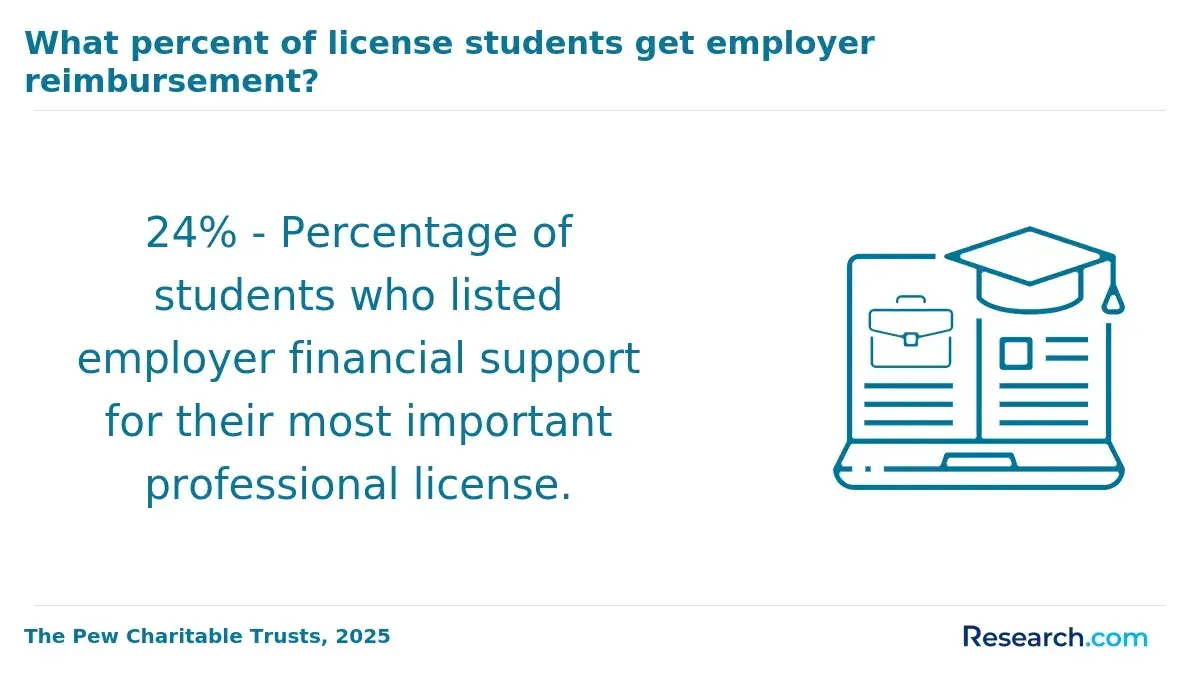
The clarity and accessibility of state licensing requirements directly shape industrial design graduate enrollment by influencing perceived return on educational investment. When states maintain stable, transparent licensure pathways, prospective students are more confident that their graduate credentials will translate into recognized, marketable qualifications. For example, a candidate choosing between programs in states with straightforward licensing can anticipate smoother transitions into practice and often better initial salary offers, which tend to reflect licensure status and jurisdictional demand, sometimes varying by 10-15% according to recent workforce surveys. Conversely, states with opaque or frequently revised licensing criteria create uncertainty about credential validity and career mobility, causing many potential enrollees to avoid those programs despite program quality or institutional reputation.
Licensing boards further influence enrollment by shaping employer hiring preferences. In markets where licensed industrial designers are preferred or required, employers often offer competitive compensation reflecting that credential, reinforcing student demand for programs aligned with those states' regulations. This dynamic fosters a feedback loop: as enrollment climbs, schools gain advocacy leverage to engage regulators, encouraging licensure refinement that sustains program relevance and workforce alignment.
Prospective students should critically evaluate not only degree prerequisites but also the full licensure trajectory-including examinations, internships, fees, and processing times-in their state of interest. The manageability of post-graduation licensure steps often varies greatly between states and can decisively impact career flexibility and long-term employability. Those with geographic mobility should weigh these factors alongside institutional offerings to optimize outcomes.
- Transparency: Clear, consistent licensing rules reduce uncertainty and attract more students concerned about credential value.
- Stringency: Excessively complex or burdensome requirements may discourage enrollment by increasing perceived risk and cost.
- Employer Influence: Licensing boards shape hiring standards, so licensure recognition often correlates with stronger graduate demand.
- Feedback Loop: Increased enrollment boosts program advocacy, fueling licensure improvements aligned with labor market needs.
- Practical Considerations: Students must assess the entire licensing process beyond the degree to ensure alignment with career goals and market access.
References:
- The Power in Numbers: The State of Women in Design - Interwoven https://getinterwoven.com/insight/the-power-in-numbers-the-state-of-women-in-design/
- One moment, please... https://www.idsa.org/wp-content/uploads/NEC05-Tsai%20Lu%20Liu.pdf
- An Agenda for Research on the Relationships between Industrial Design and Performance https://www.ijdesign.org/index.php/IJDesign/article/view/727/314
- The Growth of Online Education Increases Opportunities https://changinghighered.com/growth-of-online-education/
- Industrial design in the Age of AI – what is it and what rights does it grant? - Hansberry Tomkiel Sp. k. https://hansberrytomkiel.com/en/industrial-design-in-the-age-of-ai-what-is-it-and-what-rights-does-it-grant/
- Register Industrial Design in the European Union - Viet An Law https://vietanlaw.com/register-industrial-design-in-the-european-union/
- A Glimpse into Interior Design Licensing Legislation | Does Your State Require a License to Practice Interior Design? — Dakota Design Co - Business Consulting for Interior Designers https://www.dakotadesigncompany.com/blog/does-your-state-require-a-license-to-interior-design
- Why Demand for Designers Is on the Rise | Figma Blog https://www.figma.com/blog/why-demand-for-designers-is-on-the-rise/
- Industrial Design Rights: A Comprehensive Guide to Protecting Your Work https://widjojo.id/industrial-design-rights-a-comprehensive-guide/
- How precisely should a licence for use of an industrial design be worded? | In Principle https://codozasady.pl/en/p/how-precisely-should-a-licence-for-use-of-an-industrial-design-be-worded
Other Things You Should Know About Industrial Design
Employers in states with rapid industrial design degree growth often emphasize skills beyond traditional design, such as proficiency in digital modeling, user experience, and sustainability. This means graduates need to adapt to multidisciplinary roles rather than purely creative tasks. High-growth states typically have diverse industries-tech, manufacturing, automotive-that raise the bar for practical capabilities, so students should seek programs with strong industry partnerships and real-world project experience to improve employability.
States where industrial design interest is rising fastest often balance moderate tuition with reasonable living expenses, making them more attractive to a wide range of students. However, very low tuition states may lack advanced facilities or industry connections that drive graduate success, while high-cost states might deter graduates expecting limited early-career salaries. Prospective students should weigh the total cost against the program's network strength and job placement prospects rather than just sticker price and location appeal.
State enrollment increases signal a growing recognition of industrial design's relevance but do not guarantee job market saturation or quality education. Prospective students must interpret growth data in the context of local industry demand and program rigor. Prioritizing states where growth is accompanied by active employer engagement and strong graduate placement will yield better long-term career returns than simply chasing enrollment popularity.
In 2027, factors influencing industrial design degree enrollment trends include state-level industry demands, availability of specialized programs, and regional economic growth. States with robust manufacturing and tech sectors, such as California and Texas, are seeing increased interest due to abundant job opportunities for graduates.