2027 Industrial Design ROI by Institution Type: Public vs Private vs Nonprofit Online Programs

Co-Founder and Chief Data Scientist
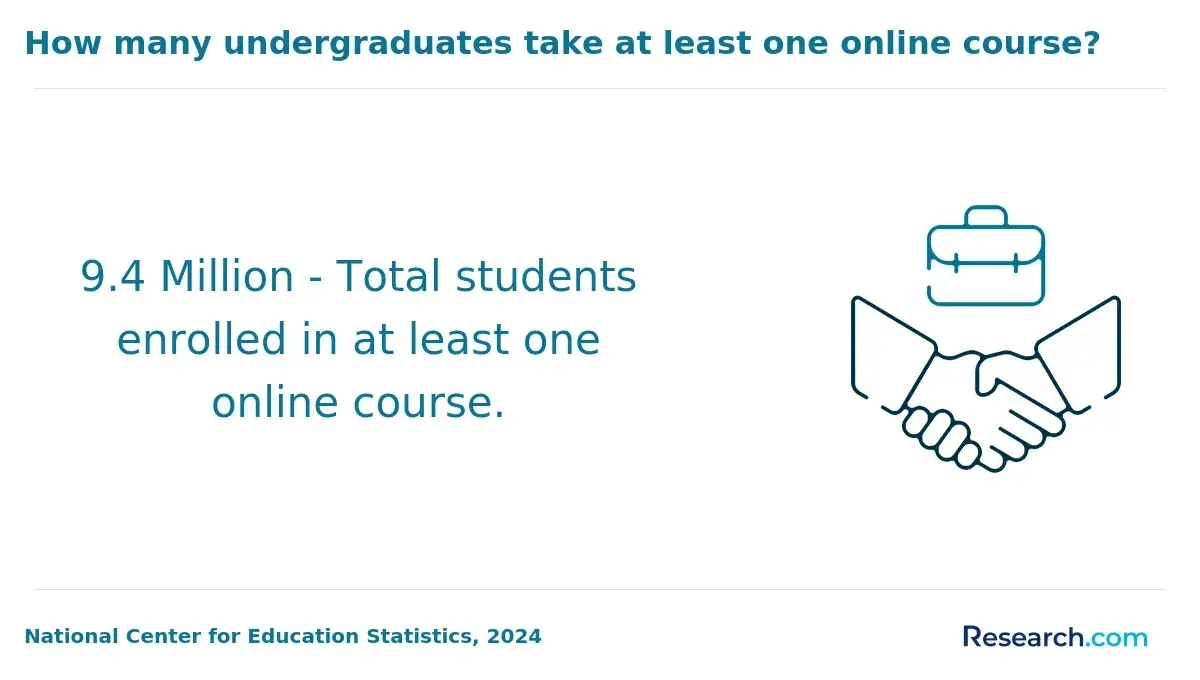
Choosing the right online industrial design program is a complex task when several schools seem comparable but vary widely in tuition, debt impact, and graduate success. A 2024 study by the National Center for Education Statistics reveals that students from private online institutions carry 35% more debt on average than those at public counterparts, affecting long-term financial stability. However, higher costs do not always translate to better career support or graduation rates. Institutional resources and employer recognition also influence the true return on investment.
Key Things to Know About Industrial Design ROI by Institution Type
- Public institutions typically offer lower tuition and greater access to financial aid, reducing overall student debt, but may have longer program durations that delay workforce reentry and impact time-to-ROI for working adults.
- Private online programs often carry higher costs but provide robust accreditation and employer recognition, enhancing graduates' career advancement chances in competitive design sectors with demand for accredited credentials.
- Nonprofit online schools balance affordability and learner support services, improving graduation rates by 10% over for-profit peers in 2024, signaling practical value for students prioritizing timely completion and reduced repayment burdens.
- Key Things to Know About Industrial Design ROI by Institution Type Key Things to Know About Industrial Design ROI by Institution Type
- What Does ROI Mean for a Industrial Design Program and How Is It Measured? Understanding Industrial Design Program ROI
- How Do Public, Private, and Nonprofit Online Industrial Design Programs Differ in Overall Value? Value by Institution Type
- How Do Tuition Costs Affect the ROI of a Industrial Design Program Across Institution Types? Tuition Costs and ROI
- How Do Graduation Rates Influence Industrial Design Program ROI? Graduation Rates Impact ROI
- What Role Do Career Outcomes Play in the ROI of a Industrial Design Degree? Career Outcomes and ROI
- How Does Student Debt Impact the Long-Term ROI of a Industrial Design Program? Debt vs. Long-Term ROI
- How Do Flexibility and Adult Learner Support Affect Industrial Design Program Value? Flexibility and Program Value
- How Do Accreditation and Institutional Reputation Influence Industrial Design ROI? How Do Accreditation and Institutional Reputation Influence Industrial Design ROI?
- How Does Time-to-Degree Affect the ROI of Public, Private, and Nonprofit Industrial Design Programs? How Does Time-to-Degree Affect the ROI of Public, Private, and Nonprofit Industrial Design Programs?
- How Can You Choose the Best Industrial Design Program Based on Your ROI Goals? Choosing Programs by ROI
What Does ROI Mean for an Industrial Design Program and How Is It Measured?
Measuring industrial design program return on investment requires more than comparing tuition fees or paycheck increases. Prospective students must weigh total educational costs—including tuition, ancillary fees, and opportunity costs such as foregone income during study—against realistic career outcomes and time-to-degree.
For example, a public online program may offer tuition roughly 45% lower than a private counterpart, easing upfront financial burden, but lower completion rates or less robust career support could lengthen time to graduation and depress earning potential, ultimately diminishing true ROI. These practical tradeoffs highlight why cost alone is insufficient; graduation rates, institutional reputation, and employment alignment with skills learned shape whether the investment translates into sustained career growth.
The calculation varies depending on student circumstances and goals. Adult learners returning to education or career changers might prioritize programs with stronger industry partnerships and support services, even at higher cost, because these enhance networking and earnings progression-critical components in measuring ROI for online industrial design education beyond raw salary figures.
Conversely, transfer students or those balancing work and study may find better value in nonprofit programs known for higher retention and tailored flexibility. A growing number of cost-conscious learners turn to resources highlighting affordable options, such as cheap online MBA programs, to benchmark costs, but must consider that lower tuition does not guarantee the highest long-term value when debt burden, loan terms, and career pathways are factored into a comprehensive ROI assessment.
How Do Public, Private, and Nonprofit Online Industrial Design Programs Differ in Overall Value?
Choosing between public, private, and nonprofit online industrial design programs involves balancing cost with outcomes and resources. Public institutions typically offer significantly lower tuition and reduce overall debt burdens, which is critical for learners prioritizing affordability; however, their larger enrollments often mean less individualized advising and fewer targeted career services.
In contrast, private programs usually provide enhanced support, smaller classes, and more active employer partnerships, translating into a roughly 12% higher employment rate after graduation according to recent data from the Higher Education Research Institute. These advantages, however, come at a tuition premium that commonly increases student debt by 20% to 35% compared to public options, which can affect financial flexibility in early career stages.
Nonprofit online industrial design schools tend to strike a balance by offering strong accreditation and flexible schedules suited for working adults, though they sometimes lack the brand recognition and extensive alumni networks that influence long-term career mobility and earning potential. Employer perception often favors private and established nonprofit credentials for specialized skill development, while public degrees remain respected for solid foundational training and cost efficiency.
This creates a nuanced decision for prospective students: those focused on minimizing debt might lean toward public programs, whereas learners who value personalized support and networking may justify private or nonprofit investments despite higher costs.
One recent graduate faced this dilemma firsthand while evaluating online industrial design options. Concerned about accumulating excessive debt, they initially favored a public university's affordable tuition but hesitated due to limited career advising and larger class sizes. The private alternative promised stronger employer connections and portfolio support but required nearly double the loan amount.
Ultimately, discovering a nonprofit program with recognized accreditation and flexible pacing offered a middle ground, blending manageable costs with credible reputation and support tailored to a working professional's schedule. This choice reflected a deliberate tradeoff aimed at optimizing both educational quality and long-term financial impact rather than simply seeking the lowest sticker price or highest prestige.
How Do Tuition Costs Affect the ROI of an Industrial Design Program Across Institution Types?
Tuition disparities among public, private, and nonprofit online industrial design programs significantly shape the financial and career outcomes students can expect, but a lower price tag does not inherently mean better return on investment. Public institutions typically offer tuition between $7,000 and $15,000 annually for in-state enrollees, easing immediate financial strain and reducing debt exposure; however, longer time-to-degree or less individualized support can delay workforce entry and suppress earnings potential.
In contrast, private programs charging $20,000 to $40,000 per year often boast smaller class sizes and stronger industry connections, which can translate to higher starting salaries—as noted by the 2024 National Center for Education Statistics report showing slightly elevated early-career incomes for graduates—though this advantage can be offset by heavier borrowing and the risk of underwhelming career services.
Nonprofit online options frequently offer a hybrid cost structure with moderate tuition and robust financial aid, aiming to balance affordability and academic rigor; yet, their value hinges on accreditation quality and alignment with current industrial design market demands. When assessing ROI, it is crucial to consider net price after scholarships, graduation rates, and employment outcomes, since the real cost extends beyond tuition to factors like delayed credential attainment and suboptimal job placement.
For a working professional weighing these paths, investing more upfront at a private school may be justified if that translates to timely completion and immediate relevance in a competitive industry, while budget-conscious learners might favor public or nonprofit programs that ensure manageable debt but require proactive navigation of resources to secure career advancement.
How Do Graduation Rates Influence Industrial Design Program ROI?
Graduation rates offer a tangible measure of how effectively online industrial design programs convert enrollment into credential completion, a key factor shaping return on investment (ROI). Public institutions often report average graduation rates between 50% and 60%, as noted by the National Center for Education Statistics in 2024, while private and nonprofit programs range more widely from 40% to 70%, influenced by the availability of student support services and program flexibility.
For many cost-conscious learners balancing work and family, programs with robust advising and tailored pacing can increase persistence, reducing the total cost and time burden even if their graduation rates aren't the highest. These completion outcomes directly impact students' debt exposure and speed of entry into the workforce, which ultimately informs financial and career ROI.
However, relying solely on graduation rates to assess industrial design program ROI overlooks critical tradeoffs. Private nonprofit institutions may compensate for lower completion rates by offering specialized skills and employer connections that enhance postgraduate earnings.
Conversely, public programs with more affordable tuition can ease debt load despite longer paths to degrees. Transfer options and alternative pacing further complicate direct graduation comparisons. This nuanced view is essential for adult learners and transfer students comparing institutions. Those seeking practical guidance might find value in consulting marriage and family therapy programs' strategies on balancing affordability and program accessibility to inform similar decisions in industrial design program ROI.
What Role Do Career Outcomes Play in the ROI of an Industrial Design Degree?
Career outcomes critically shape the ROI of online industrial design programs by directly influencing employment prospects, earnings potential, and long-term career adaptability. According to 2024 data from the National Center for Education Statistics, graduates of public industrial design programs have an approximate six-month postgraduation employment rate of 78%, slightly trailing private programs at 83%, which frequently benefit from stronger industry networks and internship pipelines.
However, these advantages often come with higher tuition and potential debt, forcing cost-conscious students to weigh immediate job placement success against affordability and debt burden. Nonprofit programs, while intermediate in outcomes at 80%, may offer balanced affordability and targeted skill development but still depend heavily on how well their curricula align with employer expectations such as proficiency in digital modeling and collaborative design skills.
For adult learners and career changers, the practical value of a program often hinges on how career services and employer recognition translate into mobility within evolving design sectors. A public program's lower cost may delay debt stress, yet if it lacks strong ties to regional markets or real-world project opportunities, graduates might face slower professional advancement despite comparable skill acquisition.
Employer preferences favor candidates demonstrating current market-aligned competencies, so graduates from any institution must consider how effectively their degree facilitates real work experience and networking. These dynamics emphasize that ROI evaluation extends beyond simple employment rates—the interplay of tuition cost, credential relevance, skill application, and career trajectory weighs heavily in determining true educational value over time.
A graduate who completed an online industrial design degree at a public institution recalled initial uncertainty about the program's ROI given its moderate employment stats and limited internship access. Yet, over two years, their employer increasingly recognized the specialized training, resulting in a transition from a junior designer role to handling project leads and client communications.
While the financial returns weren't immediate or dramatic, the credential enabled internal promotion and expanded responsibilities without adding substantial debt, reinforcing the nuanced ways career outcomes influence perceived ROI beyond salary alone.
How Does Student Debt Impact the Long-Term ROI of an Industrial Design Program?
Higher debt burdens typical of private industrial design programs often constrain early career flexibility by increasing monthly repayment demands. For instance, graduates carrying $40,000 or more in debt may prioritize securing higher-paying roles immediately, potentially limiting risk-taking or portfolio development.
In contrast, public institutions usually yield median debts closer to $25,000 with faster on-time completion rates, mitigating total borrowing and boosting long-term return on investment (ROI). This dynamic illustrates how managing debt repayment to maximize industrial design career earnings requires weighing program cost against realistic earning potential and graduation timelines.
Nonprofit online programs present distinct tradeoffs; their greater scheduling flexibility suits working adults who may extend studies, increasing cumulative costs and impacting short-term ROI despite stronger employer networks that can enhance job prospects. Yet, lower debt does not always translate to superior ROI since more affordable public programs sometimes lack specialized curriculum or networking opportunities that influence salary growth.
Prospective students must assess borrowing in relation to program rigor, career advancement opportunities, and practical experience, balancing debt against career outcomes with tools like 6-week online courses with certificates that can supplement skills or credentials within compressed timeframes.
Employer Confidence in Online vs. In-Person Degree Skills, Global 2024

How Do Flexibility and Adult Learner Support Affect Industrial Design Program Value?
Scheduling flexibility, particularly asynchronous coursework and part-time enrollment options, significantly shapes how adult learners experience and complete online industrial design programs, directly influencing their return on investment. Public institutions often deliver greater affordability combined with flexible pacing, which can reduce time-to-degree and minimize debt for working students balancing professional and family obligations.
However, limited personalized advising and fewer tailored career services at many public schools may hinder retention and employment outcomes, forcing students to weigh upfront cost savings against potential long-term earnings and support gaps.
Private and nonprofit programs tend to invest more heavily in adult learner support through dedicated advisors, mentorship, and career counseling, which can enhance academic persistence and post-graduation salary growth, a key value factor for career changers and military-affiliated students.
According to the 2024 Adult Learning and Career Outcomes Study, institutions with integrated transfer credit policies and accommodations for working adults see persistence improvements of around 15%, underscoring the importance of these supports for nontraditional students. Yet, higher tuition at these institutions may offset some benefits unless improved job placement or networking advantages translate into measurable salary gains.
Ultimately, the choice between public, private, and nonprofit online industrial design programs involves a nuanced assessment of flexibility, learner support, cost, and workforce outcomes, as these factors collectively determine program value for diverse adult student profiles.
How Do Accreditation and Institutional Reputation Influence Industrial Design ROI?
Accreditation status and institutional reputation materially shape the return on investment for industrial design programs by influencing employer recognition, credit transferability, and graduate outcomes. Graduates from regionally accredited programs, according to the Council for Higher Education Accreditation's 2024 report, face a 15% higher likelihood of employment in their field, making accreditation a crucial baseline for decision-making.
For example, an adult learner weighing private online programs with strong brand prestige against a public institution with regional accreditation must consider how potential higher tuition and debt from the former may not correspond with better job opportunities or license eligibility, which often hinge on recognized accreditation.
Institutional reputation intersects with practical factors like curriculum relevance and support services, directly affecting timely completion and career readiness. Public and nonprofit institutions frequently provide cost-effective accredited programs that ease credit transfer for those seeking flexibility or advanced study, reducing overall debt burden and enhancing long-term ROI.
In contrast, private institutions might leverage alumni networks for opportunities but often demand higher costs without guaranteed superior employment outcomes. Ultimately, students prioritizing affordability and credential utility should weigh how programmatic accreditation, employer acceptance of online credentials, and institutional support coalesce to impact both immediate career entry and future educational pathways within the industrial design field.
How Does Time-to-Degree Affect the ROI of Public, Private, and Nonprofit Industrial Design Programs?
Differences in time-to-degree among public, private, and nonprofit industrial design online programs significantly shape their return on investment by influencing tuition costs, debt burdens, and workforce entry timing. Public institutions often allow part-time enrollment and transfer credits, extending degree completion beyond five years on average but easing immediate financial strain and accommodating work-life balance.
In contrast, private nonprofit programs typically offer accelerated pathways that can shorten time-to-degree to around three years, reducing living expenses and enabling faster employment, though the intensive pace may challenge students juggling jobs or family, risking dropout or extended timelines if course loads must be decreased.
Nonprofit programs usually represent a middle ground, balancing flexibility with structured schedules and varying transfer credit policies, factors that affect both time-to-degree and total costs. Completion rates further impact ROI: research indicates students finishing within four years at private nonprofit institutions tend to experience better employment outcomes shortly after graduation.
For cost-conscious adult learners and transfer students, this tradeoff between speed and flexibility necessitates careful consideration of how time-to-degree impacts debt accumulation and career progression, especially when balancing work and family obligations. Detailed comparisons such as those found at online library schools highlight the spectrum of program structures influencing these outcomes.
When comparing time-to-degree impact on industrial design program ROI, students must weigh affordability against completion likelihood and market readiness. Longer timelines at public schools may decrease monthly financial pressure yet increase opportunity costs through delayed earnings, while private nonprofits' faster tracks maximize early workforce entry at the expense of flexibility. Understanding how institutional policies on transfer credits, enrollment intensity, and scheduling affect these timelines allows prospective students to align program choices with their practical needs and career goals.
How Can You Choose the Best Industrial Design Program Based on Your ROI Goals?
Determining the highest ROI for an industrial design program depends largely on individual priorities rather than institution type alone. Public programs typically offer lower tuition and reduce upfront financial burdens, which can be critical for students aiming to minimize debt.
However, private online programs often deliver higher graduation rates and stronger employer networks, reflected in median starting salaries about 15% higher, though this comes with higher costs and limited need-based aid. Nonprofit programs may offer balanced tuition and targeted support services with flexible pacing, benefiting working adults and career changers, but their ROI is influenced by varying regional reputation and industry ties.
Evaluating industrial design online program ROI comparison by institution type requires weighing factors like total cost, graduation timelines, available financial aid, and post-graduation employment outcomes. For example, a full-time professional juggling family obligations might prioritize a nonprofit program's flexible pacing and learner support, while someone focused on salary growth might accept higher debt at a private institution with stronger connections. Accreditation and program reputation remain key since employers often factor these into hiring, making them essential to any ROI assessment.
Students must align their choice with personal circumstances, including employment status and time-to-degree expectations, to optimize outcomes. Understanding these nuances can help avoid costly missteps and maximize long-term value. For those exploring pathways related to applied fields, resources like the paralegal associate degree perspective also underscore the impact of degree type and institutional factors on career earnings and debt.
References
- The Difference Between Public and Private Nonprofit Colleges — GGU Military https://military.ggu.edu/blog/private-nonprofit-college-benefits
- Does College Pay Off? A Comprehensive Return On Investment Analysis - FREOPP https://freopp.org/whitepapers/does-college-pay-off-a-comprehensive-return-on-investment-analysis/
- What is Industrial Design? The Strategic Engine of Product Success https://www.lkkerscm.com/trends-insight/what-is-industrial-design-the-strategic-engine-of-product-success.html
- College is still worth it, even with student debt, but we can do better | Brookings https://www.brookings.edu/articles/college-is-still-worth-it-even-with-student-debt-but-we-can-do-better/
- The Long-Term Effects of Student Loans | ACE Blog https://ace.edu/blog/the-long-term-effects-of-student-loans/
- How to choose an industrial design studio? | Punctuate Design https://www.punctuatedesign.com/blog/how-to-choose-an-industrial-design-studio
- Industrial https://www.cyad.online/en/industrial-design/
- Calculating ROI for Design Projects in 4 Steps https://www.nngroup.com/articles/calculating-roi-design-projects/
- Instructional Design in Adult Professional and Corporate Education Delivery – Connecting the Dots: Improving Student Outcomes and Experiences with Exceptional Instructional Design https://www.saskoer.ca/instructionaldesign2improvelearning/chapter/chapter-5-instructional-design-in-adult-professional-and-corporate-education-delivery/
- Differences designing in the public and private sectors https://necsws.com/digitalstudio/articles/differences-designing-in-the-public-and-private-sectors/
Other Things You Should Know About Industrial Design
Private online programs often emphasize accelerated schedules and intensive project work, which may better prepare students for fast-paced industry demands but can lead to a higher workload and less flexibility. Public programs might offer a steadier pace with more general education requirements, potentially diluting the immediacy of skill-building but providing a broader knowledge base. Nonprofit programs tend to strike a balance but vary widely. For ROI, this means students seeking quick workforce entry and strong portfolio development might prioritize private programs despite cost, while those valuing broader learning with lower financial risk might opt for public or nonprofit options.
Employers typically prioritize demonstrated skill and portfolio quality over institution type but remain wary of very low-rigor programs. Graduates from established public universities often benefit from recognized brand names and alumni networks, which can enhance job prospects. Private institutions may offer specialized training aligned with cutting-edge design technologies, appealing to innovative firms. Nonprofit programs can provide niche expertise but may lack broad industry recognition. Prospective students should weigh which employer expectations align with their target career path and consider how institution reputation may open or limit opportunities in specific industrial design sectors.
Lower tuition public programs generally have fewer one-on-one mentoring opportunities and limited industry engagement due to resource constraints, which can slow professional network development. Private online programs often invest more heavily in personalized mentorship and connection-building events but at a significant premium. Nonprofit programs occupy a middle ground, sometimes offering targeted mentorship depending on funding and focus areas. Since mentorship strongly correlates with job placement in design fields, choosing a program should balance upfront affordability against potential long-term value from better networking and guidance.
Public institutions usually maintain transparent, structured credit transfer policies and may better accommodate prior experience, enabling faster degree completion and cost savings. Private programs often have less flexible credit policies but compensate with advanced, career-focused coursework that may better serve professionals switching industries. Nonprofit programs vary, with some showing flexibility but inconsistent recognition of experiential learning. Transfer students and working professionals should prioritize institutions aligning with their prior credits and career goals to optimize time invested and maximize ROI.