2027 Global Security Salary Trends Report: Are Wages Keeping Up With Tuition and Inflation?

Co-Founder and Chief Data Scientist
A prospective global security student or recent graduate faces a complex dilemma: does the financial return on earning a global security degree justify the rising costs of higher education and the persistent impact of inflation?
With tuition steadily increasing and inflation affecting everyday expenses, it has become critical to analyze how graduate salaries compare not just to education costs but to broader economic trends. This evaluation goes beyond initial paychecks, focusing on the trajectory of salary growth relative to the cost burdens students take on.
Salary increases, education expenses, and inflation rarely move in sync, complicating the assessment of long-term value. Prospective students and graduates must consider real purchasing power and future earning potential instead of isolated salary figures. This article examines salary trends, tuition costs, inflation, return on investment, affordability, and the factors shaping the enduring financial value of a global security degree.
Key Things to Know About Global Security Salary Trends
- The 2024 National Security Salary Report shows graduate wages rising 3% annually, lagging behind a 5.1% tuition inflation rate; this gap suggests extended debt burdens for new entrants.
- Specialization in cybersecurity or counterterrorism correlates with a 20% higher average salary, indicating that targeted expertise drives measurable long-term earning potential beyond generalist roles.
- Geographic placement significantly impacts earnings; graduates in high-demand urban centers earn 15-30% more, but face a cost-of-living premium that narrows real income gains.
- Key Things to Know About Global Security Salary Trends Key Things to Know About Global Security Salary Trends
- What Is the Current Salary Outlook for Global Security Graduates? Salary Outlook
- Are Global Security Salaries Keeping Up With Inflation? Inflation Impact
- How Do Tuition Costs Compare With Global Security Salary Growth? Tuition vs Salary
- Does a Global Security Degree Deliver a Positive Return on Investment? Degree ROI
- Which Industries Offer the Highest Salaries for Global Security Graduates? Which Industries Offer the Highest Salaries for Global Security Graduates?
- Which States and Cities Offer the Highest Pay for Global Security Professionals? Which States and Cities Offer the Highest Pay for Global Security Professionals?
- How Do Global Security Salaries Grow Throughout a Career? Career Growth
- How Do Global Security Salaries Compare With Similar Degrees? Salary Comparison
- How Is Employer Demand Affecting Global Security Salary Trends? Employer Demand
- How Can Students Maximize Their Lifetime Earnings With a Global Security Degree? Maximizing Earnings
What Is the Current Salary Outlook for Global Security Graduates?
Data from the U.S. Bureau of Labor Statistics for 2024 projects that security analysts, a common role for global security graduates, earn a median annual wage near $104,000. While this represents modest nominal growth, inflation dampens real income gains, especially when accounting for rising tuition costs that have increased by about 4% annually over recent years.
Early-career salaries typically range from $50,000 to $65,000, but with professional experience, mid-career wages expand to between $80,000 and $110,000. These figures illustrate that average earnings for global security degree holders vary widely based on geographic location and job specialization, reflecting economic disparities across developed and developing regions.
Consider two graduates with identical global security degrees: one enters cybersecurity within a major financial hub, while the other pursues entry-level roles in a less developed market. The former is more likely to benefit from salary premiums aligned with inflation and stronger employment demand, while the latter may face slower wage growth despite comparable skills.
Employment data confirm about 85% of graduates find relevant jobs within six months, emphasizing a strong but competitive market. Long-term salary trajectories depend heavily on sector choices and further credentials, such as certifications or advanced degrees, which can significantly enhance earning potential in risk analysis or counterterrorism.
This nuanced outlook suggests prospective students should evaluate the full financial picture by weighing starting salaries against tuition and living costs, rather than focusing solely on entry-level pay. The sustained demand for specialists amid geopolitical instability and digital infrastructure needs supports solid career growth opportunities.
For those considering continued education, programs like online DNP FNP programs exemplify how advanced qualifications can augment prospects in related fields. In summary, salary outcomes for global security graduates are influenced by economic conditions, location, and individual career paths, with long-term mobility dependent on strategic professional development.
Are Global Security Salaries Keeping Up With Inflation?
Nominal wage increases in global security roles have averaged around 3.5% annually over the past two years, but with inflation rates near 5.0%, this growth falls short of preserving real earning power. For example, a recent graduate starting as a cybersecurity analyst might see a modest raise each year; however, if the cost of living rises faster than their salary, their actual purchasing power decreases.
This scenario illustrates how salary growth versus inflation significantly affects long-term financial stability, making it crucial for prospective students to evaluate the real returns on their degree investment rather than headline salary numbers.
Multiple factors influence whether global security salary growth keeps up with inflation, including specialization and regional economic conditions. Highly technical positions such as cybersecurity engineers tend to resist inflationary pressures better due to acute skill shortages, whereas policy-focused or operational roles often lag behind.
Students considering advanced studies should also account for rising tuition costs, which frequently outpace wage gains, thereby extending the time needed to recoup educational expenses. Those exploring options should consider flexible study paths like self paced degrees to mitigate financial risks while maintaining career progression.
How Do Tuition Costs Compare With Global Security Salary Growth?
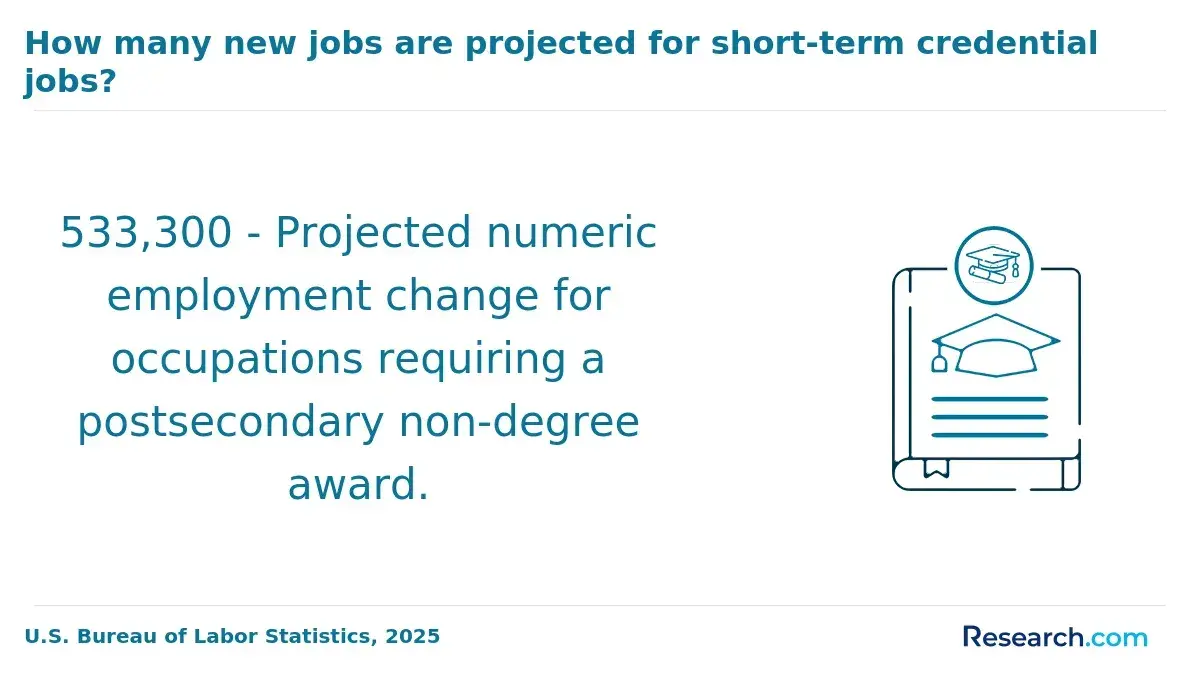
Evaluating tuition costs alongside salary growth reveals a more nuanced picture of the financial returns from a global security degree than considering either metric alone. Recent data from the National Center for Education Statistics shows that in-state tuition at public universities averaged nearly $40,000 for a four-year global security program as of 2024, while early-career graduates typically earn between $50,000 and $60,000 annually according to the U.S. Bureau of Labor Statistics.
Mid-career salaries rise to roughly $75,000-$90,000, yet these gains often fall short of keeping up with tuition inflation and the broader cost-of-living increases, which averaged 6% in 2023. This disconnect means that the increasing upfront costs of a degree may not be fully offset by typical salary growth, especially for graduates in lower-demand areas or sectors with stagnant wage increases.
For example, a student enrolling today at a public university near a regional market might face significant debt with limited prospects for rapid salary growth, potentially stretching repayment timelines or prompting alternative career considerations.
Conversely, a graduate who secures a position within a high-demand federal agency or an urban hub with robust security funding may experience accelerated wage progression, improving their financial outlook despite rising tuition. Factors such as geographic location, sector demand, and inflation effects critically shape the balance between educational expense and salary returns, meaning that the financial viability of a global security degree varies greatly by individual circumstance.
One recent graduate recalled hesitating to commit financially when tuition costs climbed significantly just as she was finalizing her enrollment. "I worried whether my starting salary would be enough to manage both living expenses and the student loans," she said.
Ultimately, after securing an internship with a government contractor offering competitive pay, she felt more confident about the investment. Her experience underscores how securing early career opportunities in well-funded sectors can materially improve how tuition costs weigh against salary growth in global security fields.
Does a Global Security Degree Deliver a Positive Return on Investment?
Return on investment (ROI) in higher education extends beyond initial earnings and requires weighing the total cost of obtaining a global security degree against the long-term career trajectory, salary growth, and professional development opportunities it affords. This means considering tuition expenses alongside prolonged employment stability and wage increases within fields like cybersecurity, intelligence, and risk management.
For example, a graduate who finances a bachelor's degree with loans might face significant upfront debt, but steady wage growth-median salaries ranging from $65,000 to over $90,000 per year depending on role and geography-can offset initial costs if they remain employed in the sector over a 10- to 20-year period.
Key variables influencing whether a global security degree yields a positive ROI include rising tuition rates, industry demand, and external economic factors. Tuition has surged nearly 30% over five years, outpacing inflation and amplifying short-term financial strain, particularly for those who must borrow.
Yet, data from the Georgetown University Center on Education and the Workforce highlights that the lifetime earnings premium for global security graduates can exceed $500,000 compared to high school graduates, suggesting the degree's value persists despite rising costs. Additionally, employment in global security tends to show resilience during economic downturns, which offers a measure of job security that adds to the degree's financial appeal.
Ultimately, ROI for a global security degree varies significantly by individual circumstances, including the ability to leverage practical experience and certifications alongside academic credentials. Those who combine hands-on skills with a degree may more readily access wage growth and career advancement in a competitive market.
While the initial investment is considerable, the sector's sustained demand and above-average compensation levels indicate that this degree can be financially worthwhile for many, especially when viewed through a multi-decade lens rather than short-term earnings alone.
Which Industries Offer the Highest Salaries for Global Security Graduates?
Salary prospects for global security graduates vary widely across industries, reflecting differences in risk exposure, regulatory requirements, and the strategic value placed on security expertise. According to the U.S. Bureau of Labor Statistics (2024), sectors with higher stakes in protecting critical infrastructure and sensitive data tend to offer the highest compensation.
Professionals weighing their options should consider not only entry-level salaries but also long-term growth and the diversity of roles within each field. Understanding these dynamics can help global security professionals better navigate the employment landscape and align their skills with market demand.
Key industries that typically provide the strongest earning potential for global security graduates include the following:
- Defense Sector: The defense industry consistently ranks at the top for salaries due to the crucial nature of protecting national security. Roles in defense contracting, military cybersecurity, and federal agencies like the Department of Homeland Security offer robust pay and extensive benefits. Strong backgrounds in cybersecurity, intelligence analysis, and risk management contribute to upward mobility here.
- Financial Services: Investment banks, insurance companies, and multinational financial firms value global security experts for their ability to combat fraud and cyber threats. High-regulation environments drive demand for compliance officers and risk assessors, leading to compensation above national averages. Technical expertise combined with regulatory knowledge is particularly rewarded.
- Technology Industry: Tech companies and startups emphasize securing vast data ecosystems and cloud infrastructures. Job titles like cybersecurity architect and threat intelligence analyst command high salaries, especially when paired with skills in emerging technologies and advanced threat detection methodologies.
- Energy and Utilities: This sector protects critical infrastructure such as oil, gas, and power plants. The complexity and high risk of cyber-physical attacks justify premium wages. Professionals adept in both physical security and IT risk assessments are in strong demand.
- Government and Intelligence Agencies: Federal and state agencies remunerate global security graduates generously, reflecting the importance of safeguarding classified information. Career stability, pension benefits, and specialized training pathways enhance long-term compensation prospects.
- Healthcare and Pharmaceuticals: With increasing regulation and cyber risk in handling patient data, healthcare entities seek security analysts and compliance specialists. Salaries are rising due to the critical nature of protecting sensitive information and ensuring regulatory compliance.
- Consulting Services: Security consultants serving multiple sectors often receive competitive pay for their expertise in risk evaluation and mitigation strategies. The variety of clients and projects can drive both income and experience growth.
The emphasis on selecting a career path linked to top-paying industries is underscored by rising education costs and inflation, making it essential for global security graduates to weigh salary potential carefully. Insights into accelerated nursing programs demonstrate how specialized education can influence earning trajectories, a consideration equally relevant to global security professionals navigating their career choices.
Which States and Cities Offer the Highest Pay for Global Security Professionals?
Geographic factors heavily influence the earning potential of global security professionals in 2024. While base salaries vary nationwide, premium wages concentrate in regions intersecting federal agencies, tech innovation hubs, and defense contractors.
Yet, prospective students and recent graduates must weigh these income advantages against often-prohibitive living costs and education inflation. Understanding the nuanced tradeoffs between high pay and cost of living is essential before committing to a specific locality.
Below are key states and metropolitan areas that lead the market in compensation for global security roles:
- Washington-Arlington-Alexandria Metro: This metropolitan area features robust governmental and private-sector demand driven by federal agencies and contractors, resulting in average annual wages above $110,000. While salaries here surpass national averages by a large margin, steep housing and living expenses can erode take-home financial gains, demanding cautious budget planning.
- San Jose-Sunnyvale-Santa Clara: Nestled in Silicon Valley, this region commands median salaries often beyond $120,000 due to intense demand from tech firms for cybersecurity and advanced security experts. High salaries reflect the specialized skills required but must be balanced with Silicon Valley's notoriously high cost of living and inflated tuition fees charged by local institutions.
- Maryland: Proximity to federal security bodies like the National Security Agency bolsters salaries significantly in Maryland. The concentration of military and intelligence roles fuels strong wage growth, but candidates should prepare for a cost of living above the national benchmark, alongside rising academic expenses.
- Virginia: Virginia's close ties to Department of Homeland Security and defense contractors create abundant opportunities with pay considerably above the $79,000 national median. However, the region's escalating housing market and tuition inflation present real financial barriers that can offset salary advantages.
- California (Statewide): Beyond Silicon Valley, California's diverse economy supports elevated pay in global security fields, primarily due to a mix of government contracts and private-sector innovation. Nonetheless, candidates must consider the state's high cost of living and the rapidly rising cost of education when projecting net financial benefits.
How Do Global Security Salaries Grow Throughout a Career?
Starting salaries for global security graduates with a bachelor's degree commonly range between $50,000 and $65,000 annually, reflecting data from the 2024 Global Security Workforce Report by the International Security Analysts Association. As professionals gain five to ten years of experience, compensation typically rises to a $75,000-$95,000 range, according to recent U.S. Bureau of Labor Statistics figures.
However, this progression isn't automatic; choices like obtaining certifications in cybersecurity or international risk management often dictate which mid-career professionals reach the upper end of this salary spectrum. Inflation and cost-of-living increases may also temper the real value of nominal wage gains, meaning the effective purchasing power may not always grow proportionally with salary.
At more senior levels, annual earnings can surpass $120,000, especially for those holding advanced degrees or occupying leadership roles managing global security operations. Yet, early salary growth often lags behind education expenses, creating a gap that only narrows after years of experience and strategic credential acquisition.
For example, two graduates with identical degrees might diverge significantly: one pursuing additional certifications and leadership opportunities moving into senior management earlier, while the other remains in technical roles with slower wage growth. Ultimately, long-term salary growth hinges on proactive professional development, strategic networking, and transitioning into roles with expanded responsibilities and performance incentives.
One graduate recalled hesitating for several months before enrolling in a coveted cybersecurity certification program, fearing the upfront cost amid uncertain immediate returns. That decision, combined with seeking project leadership opportunities, eventually propelled annual earnings beyond the $100,000 mark within eight years.
Reflecting on that period, the graduate described the process as a "calculated risk" that balanced short-term financial strain against longer-term career gains, illustrating how deliberate investments in skills and roles can shape salary trajectories beyond initial degree outcomes.
How Do Global Security Salaries Compare With Similar Degrees?
Salary outcomes for global security graduates vary notably when compared with those earning degrees in related disciplines, and understanding these differences can guide informed career choices. While global security salaries typically range between $60,000 and $80,000 at the median, fields like cybersecurity or intelligence analysis often command higher median wages.
However, the value of a global security degree extends beyond initial paychecks, encompassing a broad scope of roles from policy advising to diplomatic services that can offer competitive mid-career growth.
Below are key comparisons illustrating these salary dynamics alongside typical career paths and factors influencing earning potential:
- Cybersecurity: Cybersecurity professionals generally earn a median salary near $85,000, consistently above that of many global security specialists. This field benefits from rapid sector growth and strong demand for technical skills, which translates into higher starting salaries and robust salary escalation.
- Intelligence Analysis: With median salaries between $75,000 and $85,000, intelligence analysts often enjoy higher pay compared to global security graduates. Careers here are frequently anchored in government or private sector roles where specialized expertise and security clearances drive compensation.
- International Relations: Salaries in international relations typically fall within the $70,000 to $90,000 median range. Graduates combining global security knowledge with other proficiencies, such as STEM or languages, may see salary parity or advantage in this field, underscoring the importance of interdisciplinary skills.
- Policy and Risk Management: Unlike more technical roles, policy advisors or risk managers with global security backgrounds can experience variable salaries. Their earning potential often depends on organizational sector, geographic location, and accumulated experience, which can result in strong mid-career income growth despite lower starting pay.
Evaluating average earnings for global security graduates versus similar fields reveals that, although global security may not initially top the salary charts, its diverse career trajectories provide resilience in a fluctuating job market.
Prospective students should weigh these factors carefully, especially considering inflation and rising education costs. Additionally, for students interested in health information management, the health information management bachelor degree salary offers another comparative perspective worth exploring.
How Is Employer Demand Affecting Global Security Salary Trends?
Employer demand significantly shapes salary trends in occupations related to global security by intensifying competition among organizations seeking qualified candidates. When demand surges, employers often increase hiring activity and enhance compensation packages to attract talent with specialized expertise, such as cybersecurity specialists or intelligence analysts.
For example, a midsized firm responding to rising geopolitical risks may raise starting salaries above market averages to secure candidates with niche skills, directly impacting wage growth in the sector. This dynamic stems from the heightened complexity of global threats, which compels organizations to invest more in workforce capabilities to manage evolving risks effectively.
According to the U.S. Bureau of Labor Statistics (2024), salaries for security-related roles have grown faster than the national average, with entry-level positions experiencing 4-6% annual increases over recent years.
This data underscores how employer demand contributes to upward pressure on wages, although actual salary progression varies depending on factors such as experience, specialization, economic conditions, and budget constraints within organizations.
For prospective students and career changers considering this field, understanding that strong employer demand can enhance earning potential is essential but should be balanced against tuition inflation and broader economic influences.
Major global security job market salary trends illustrate these complexities clearly, as rising tuition costs for advanced degrees may offset initial salary gains, moderating real income growth. Those exploring education pathways would benefit from researching options like online environmental health and safety programs accredited, which might offer more flexible or affordable routes to meet employer demands.
Ultimately, while employer demand is a critical driver of salary trends in global security fields, informed decisions must consider both short-term costs and long-term wage trajectories.
How Can Students Maximize Their Lifetime Earnings With a Global Security Degree?
Maximizing lifetime earnings with a global security degree requires more than completing coursework; it demands strategic alignment with industries and skill sets that consistently command higher pay. Recent statistics from the U.S. Bureau of Labor Statistics and the Center for Strategic and International Studies emphasize that combining technical expertise with global security knowledge unlocks access to top-tier roles.
For example, a graduate who complements their degree with cybersecurity certifications can outpace peers by entering rapidly expanding sectors such as defense contracting or intelligence agencies. Below are critical strategies to enhance long-term earning potential in this field:
- Technical Specialization: Acquiring skills in cybersecurity, data analysis, or risk management sharpens marketability. These competencies are in strong demand and correlate with substantial salary premiums in defense and intelligence sectors.
- Advanced Education: Earning a master's degree or higher, especially in cybersecurity or international affairs, has been shown to increase earnings by 20-35% over a lifetime compared to bachelor's degree holders, according to Georgetown University's Center on Education and the Workforce.
- Professional Certifications: Credentials like CISSP and CISM demonstrate verified expertise, often a prerequisite for senior roles with higher compensation. They provide measurable advantages in competitive hiring environments.
- Cross-Cultural Competency: Developing language fluency and global communication skills opens opportunities for international assignments, which generally offer premium pay and leadership advancement.
- Internship Networking: Engaging with government agencies or multinational firms through internships creates valuable connections, improving access to high-paying and stable positions.
- Industry Alignment: Targeting employment in growth sectors such as cybersecurity firms or defense contractors ensures sustained demand and potential salary escalation despite inflationary pressures.
References
- Which Degrees Have the Best Return on Investment Internationally? https://uninewsletter.com/blogs/which-degrees-have-the-best-return-on-investment-internationally/en
- Has pay kept up with inflation? | Brookings https://www.brookings.edu/articles/has-pay-kept-up-with-inflation/
- How to Double Your Cybersecurity Salary in Under 24 Months https://destcert.com/resources/how-to-double-cybersecurity-salary-24-months/
- Global Cybersecurity Salary Trends in 2026 | Proftia https://proftia.com/blog/global-cybersecurity-salary-trends-2026.html
- The price of college is rising faster than wages for people with degrees | USAFacts https://usafacts.org/articles/is-college-worth-it-the-price-of-college-is-rising-faster-than-wages-for-people-with-degrees/
- SOC Analyst Career Path & Salary Guide (2026 AI-Powered Edition) https://www.dropzone.ai/resource-guide/soc-analyst-career-path-salary-guide-2026-ai-powered-edition
- US Cybersecurity Salary Trends in 2026: What Security Talent Really Costs https://www.hamilton-barnes.com/resources/blog/us-cybersecurity-salary-trends-in-2026--what-security-talent-really-costs/
- Cyber Security Salary: 7 Highest-Paid Cyber Security Jobs | NEIT https://www.neit.edu/blog/cyber-security-salary
Other Things You Should Know About Global Security
While some global security entry-level wages may lag behind rising tuition and inflation, prospective students need to consider program quality and networking opportunities alongside costs. Programs with robust experiential learning or strong employer connections can mitigate early wage stagnation by accelerating promotions and salary growth later. Prioritizing programs with practical components and industry engagement may offer better long-term returns than simply choosing the least expensive option.
Specialized tracks, such as cybersecurity or counterterrorism, often demand higher tuition but can lead to faster salary increases due to niche skills in demand. However, if employers widely value broad-based global security knowledge, narrowly focused programs might limit flexibility and career adaptability. Evaluating whether specialization aligns with credible employer needs and offers significant salary premiums is crucial before accepting higher program costs.
High-intensity global security roles frequently involve extended hours and significant stress, which can diminish the effective value of nominal salary gains. Candidates should factor in work-life balance tradeoffs when assessing wage adequacy, especially given inflation-driven cost pressures outside work. Accepting a marginally higher wage in a less pressurized environment may yield better overall financial and personal outcomes than pursuing top-tier salaries in high-burnout sectors.
Switching employers can yield immediate salary boosts, particularly if moving to organizations with better pay scales or benefits, but may limit long-term career stability. Conversely, investing in targeted continuing education or certifications often involves upfront costs and delayed salary benefits but can lead to sustained wage growth in evolving fields. Prioritizing based on individual career stage and market demand-opting for employer changes when rapid gains are possible and education when planning long-term growth-provides a balanced approach.