2027 Game Development Job Market Report: Open Roles, Salary Bands, and Hiring Momentum

Co-Founder and Chief Data Scientist
The game development labor market reflects shifting employer priorities shaped by rapid technological adoption and changing skill demands. Increasing integration of advanced AI, real-time rendering, and cross-platform design is reshaping open roles, often favoring specialists over generalists. Salary bands mirror these dynamics, exposing where talent scarcity intersects with evolving credential expectations and organizational restructuring. Hiring momentum aligns with industry investment cycles, revealing how studios adjust workforce composition in response to economic pressures and platform-specific innovation.
This interplay highlights divergences in workforce demographics and geographic concentration, differentiating game development's labor conditions from broader tech sectors. The following analysis contextualizes open roles, salaries, and hiring trends as markers of this ongoing professional transformation.
Key Things to Know About the Game Development Job Market
- Open roles are growing mainly in mid- to senior-level specialties, signaling that entry-level candidates must often supplement education with demonstrable portfolio strength to remain competitive.
- A 2024 industry report shows salary growth flattening in some regions, indicating employers prioritize specialized skills over broad credentials, affecting negotiating power for recent graduates.
- Hiring momentum favors candidates able to start immediately, emphasizing the tradeoff between extended education programs and faster market entry, which influences total opportunity cost for students.
- Key Things to Know About the Game Development Job Market Key Things to Know About the Game Development Job Market
- How Strong Is the Demand for Game Development Graduates in Today's Job Market? Demand for Graduates
- Which Game Development Careers Have the Most Open Job Opportunities? In-Demand Careers
- What Salary Bands Are Employers Offering Across Game Development Careers? Offered Salary Bands
- Which Industries Are Hiring the Most Game Development Graduates? Top-Hiring Industries
- How Does Hiring Demand Vary by State, Region, and City? Hiring Demand by Location
- What Skills Are Employers Prioritizing in Game Development Job Postings? In-Demand Skills
- Which Certifications Increase Employability and Salary Potential? High-Value Certifications
- How Do Remote and Hybrid Opportunities Affect the Game Development Job Market? How Do Remote and Hybrid Opportunities Affect the Game Development Job Market?
- Which Game Development Careers Show the Strongest Long-Term Hiring Momentum? Strongest Careers
- How Can Students Use Job Market Data to Make Better Career Decisions? How Can Students Use Job Market Data to Make Better Career Decisions?
How Strong Is the Demand for Game Development Graduates in Today's Job Market?
Recent labor market data, including projections from the U.S. Bureau of Labor Statistics for 2024, indicate that demand for software developers remains above average, which extends to graduates specializing in game development. However, the strength of this demand varies considerably depending on candidates' technical focus and geographic location, reflecting a competitive landscape.
Employers prioritize applicants who combine theoretical knowledge with practical skills, notably in widely used engines like Unreal and Unity, as well as emerging fields such as artificial intelligence and virtual reality. Candidates with portfolios and relevant internships tend to outperform peers who lack demonstrable project experience, underscoring the importance of hands-on capabilities amid evolving industry expectations for game development graduate job demand in the US.
The principal factors shaping current hiring trends include rapid technological advancements and the expanding scope of interactive entertainment platforms, which drive specialized skill needs. Labor shortages in advanced software proficiency coexist with automation trends that reshape routine programming tasks, resulting in differentiated employer requirements across regions and company sizes.
This creates varied entry-level salary ranges and job availabilities that reflect the localized nature of the industry and economic shifts, rather than uniform growth. For those exploring options such as the BCBA school online, gauging this volatility is essential for aligning educational outcomes with market realities.
Beyond immediate hiring volatility, the cyclical, project-based employment inherent in game development necessitates ongoing skill refinement and adaptability to maintain career longevity. Graduates who cultivate both technical proficiencies and soft skills like collaboration are better equipped to navigate fluctuating demand and evolving role definitions. Interpreting game development graduate job demand in the US through this lens enables more strategic decision-making regarding educational investments and career planning, focusing on versatility and real-world competencies rather than solely on static demand projections.
Which Game Development Careers Have the Most Open Job Opportunities?
Job opportunity distribution within game development careers is strongly influenced by ongoing industry expansion, persistent skills shortages, and shifting employer expectations. These factors create a labor market shaped by technological innovation and evolving production methodologies rather than isolated vacancies.
Understanding which roles have the most open job opportunities requires analyzing not just volume, but how changing requirements in game design, coding, and art drive demand. The result is a landscape where both technical and creative competencies are deeply valued, and adaptability to new development platforms increasingly determines employability.
- Game Programmers: Comprising over 35% of open positions, game programmers remain the most sought-after professionals. Their expertise in C++, Unity, and other core engines underpins virtually every stage of development. Demand stems from the complexity of real-time rendering, multiplayer networking, and cross-platform compatibility, with employers emphasizing proficiency in optimization and scalable code design.
- Game Artists: Including 3D modelers, animators, and environment artists, this group accounts for roughly a quarter of open roles. Growth in immersive and visually complex game experiences pushes companies to expand art teams. Key skills include mastery of digital sculpting tools, texture creation, and collaborative iteration within multidisciplinary teams.
- Game Designers: Making up about 20% of hiring activity, designers—especially level designers and UX/UI specialists—are critical as studios focus on player engagement and experience balance. Their roles increasingly require data-driven design methods and user feedback integration, catering to market pressures for intuitive, polished gameplay.
- Quality Assurance Testers: Though smaller in scale, QA testers remain essential for verifying software stability and playability across platforms. Fluctuations in demand often mirror project cycles, but the rising complexity of features demands testers versed in automation tools and bug tracking systems.
- Producers: These roles coordinate workflows across creative and technical teams, adapting project management approaches to agile and hybrid models. The need for strong communication and resource allocation skills reflects the industry's move toward more iterative and team-driven development processes.
- Audio Engineers: Specialists in sound design and implementation fill a niche yet vital segment, supporting the trend toward more immersive sensory experiences. Proficiency in audio middleware and integration with game engines is frequently cited by employers.
Such high-demand roles reflect a North American hiring environment where practical competencies in programming and art-related fields lead the game development job market. This aligns with analysis from the U.S. Bureau of Labor Statistics and recognized sector surveys identifying high-demand roles in game development hiring in North America. For prospective entrants considering educational pathways, understanding these dynamics and the technical skills prioritized by employers offers a clearer perspective on employability.
Skill acquisition paths offering a balance between technical fundamentals and applied creativity are proving most effective. Those exploring foundational credentials may seek clarity on options such as the answers to "What is the easiest associate degree to get?," balancing time investment with skill relevance to hiring trends in the field.
What Salary Bands Are Employers Offering Across Game Development Careers?
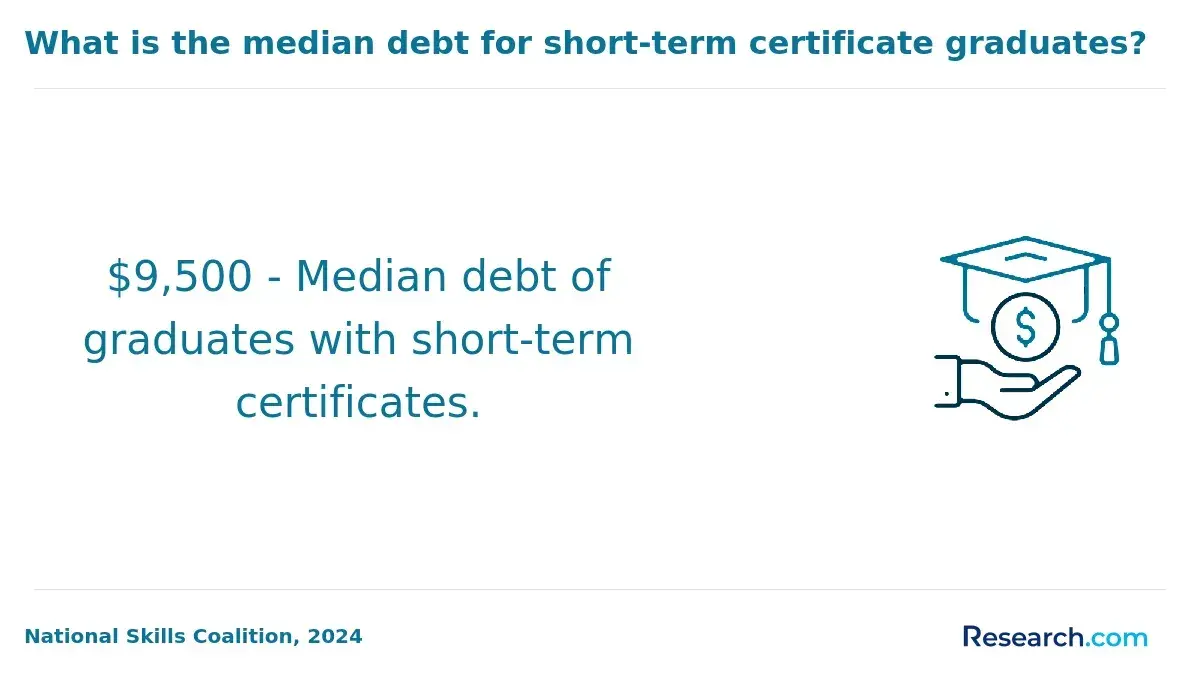
Compensation in game development careers shows a clear progression aligned with experience and role complexity, based on 2024 labor market analyses such as those from LinkedIn Salary Insights. Entry-level positions typically offer salaries between $55,000 and $75,000, reflecting the need for foundational technical skills and an understanding of core development processes.
Professionals at the mid-career stage command significantly higher pay, ranging from $80,000 to $110,000, as they bring specialized abilities and proven contributions on commercially viable projects. Senior-level roles exceed $130,000, often reaching $180,000 or more, due to leadership duties, strategic responsibilities, and extensive technical expertise critical to high-stakes project delivery and mentoring junior staff.
Variations in these salary bands are influenced by factors including specialization depth, where roles demanding mastery of specific technologies or creative vision tend to attract premium pay. Geographic location also plays a crucial role, with salaries generally higher in major gaming hubs due to increased competition and cost of living. Company scale and project scope further differentiate compensation, as larger studios or blockbuster titles require broader skill sets and sustained output under tight deadlines. Additionally, scarcity of experienced talent in cutting-edge areas, such as advanced AI or real-time rendering, intensifies demand and raises salary floors across the industry.
One game development graduate recalls hesitation during the rolling admissions period at a renowned program, waiting weeks for feedback while juggling other applications. The delay prompted careful reconsideration of priorities, as the uncertain timing increased pressure to decide on alternative options. Upon finally receiving an offer, the candidate balanced relief with urgency to accept before the deadline, recognizing that timely entry into the right program was crucial for aligning education with evolving industry salary standards and employability demands. This experience underscored the complexity of admissions timing and how it can shape career trajectories early on.
Which Industries Are Hiring the Most Game Development Graduates?
Demand for game development graduates is chiefly concentrated in sectors undergoing significant digital transformation or workforce growth, or experiencing skill shortages tied to emerging technologies. These macroeconomic and technological dynamics extend hiring beyond traditional game studios, reflecting how versatile programming abilities and real-time interactive design are now essential in diverse applications.
Employers increasingly value graduates who can adapt core competencies—such as graphics programming, user experience design, and systems optimization—to evolving platforms and interdisciplinary workflows.
- Video Game Industry: As the dominant employer, this sector accounts for nearly half of all entry-level openings for game development graduates. Ongoing expansion in mobile gaming, next-generation consoles, and live online multiplayer environments fuels demand for software developers skilled in multi-platform coding, networked gameplay, and efficient asset pipeline management.
- Multimedia and Interactive Entertainment: Representing a growing 20% share of job opportunities, this industry includes VR, AR, and immersive media design. Employers prioritize graduates with expertise in spatial computing, real-time 3D rendering, and user interaction design to support training simulations, immersive marketing, and entertainment applications beyond conventional gaming.
- Film and Animation Studios: Taking about 15% of graduate placements, these studios leverage game engines for real-time rendering and dynamic visual effects. The ability to integrate interactive storytelling and animation with software tools typical of game development makes graduates valuable for speeding production workflows and enabling innovative content creation.
- Education, Healthcare, and Corporate Gamification: About 10% of hiring demand comes from organizations applying gamification to improve learning, patient engagement, and workforce training. Employers in this space look for graduates who combine instructional design principles with engaging game mechanic implementation to develop effective simulations and educational software.
Understanding these nuanced sector-specific hiring drivers helps new graduates align skills with industry priorities. For instance, proficiency in cross-disciplinary toolsets and agile development methodologies frequently distinguishes candidates, as does experience with emerging platforms transforming traditional entertainment and training landscapes.
How Does Hiring Demand Vary by State, Region, and City?
Hiring demand for game development roles varies significantly across states and broader regions, shaped by the concentration of technology and entertainment industries alongside regional economic structures. Labor market data from 2024 highlight that states like California, Washington, and Texas maintain the highest volume of openings, reflecting well-established ecosystems that support not only game studios but also software development and media production sectors.
Regional distinctions within these states also impact demand patterns: for instance, the Pacific Northwest's growth in online and mobile gaming firms contrasts with the Northeast's ecosystem, which leans more toward independent developers and tech incubators. Such regional variations influence the types of skills employers prioritize and the nature of available roles, underlining that how hiring demand for game development jobs differs by state and region depends largely on industry specialization and local labor supply dynamics.
At the city level, demand intensifies in major urban centers where infrastructure, talent pipelines, and employer density converge, but this is counterbalanced by higher living costs and competitive labor pools. Tech hubs like Silicon Valley and Seattle offer greater salaries and opportunities but also raise barriers for entry-level candidates due to cost-of-living constraints and saturation.
Meanwhile, mid-sized cities in states such as Colorado and Georgia have emerged as competitive alternatives, providing growing opportunities with lower overhead for employers and viable entry points for graduates. These local labor ecosystems shape not only hiring momentum but also salary ranges and job stability, while employer expectations consistently emphasize robust portfolios and adaptability. For emerging professionals assessing geographic tradeoffs, educational pathways—whether specialized or broad—must be considered in light of these dynamics alongside personal lifestyle factors, particularly as questions like "Is a project management degree worth it?" increasingly intersect with multidisciplinary roles in game development.
What Skills Are Employers Prioritizing in Game Development Job Postings?
Employer expectations in game development roles reflect ongoing technological shifts, growing automation, and evolving production methodologies that demand an integrated technical and creative skillset. The requirements in current job postings underscore how interdisciplinary capabilities increasingly underpin successful contribution within dynamic project teams. Skills prioritized today reveal not only immediate technical needs but also broader trends in cross-platform development, agile workflows, and portfolio-driven evidence of applied competence.
- Proficiency in Programming Languages: Mastery of languages such as C++, C#, and Python remains the foundational requirement in over 70% of job postings, reflecting the complexity of modern game engines and performance optimization demands. Employers see deep programming skills as critical for addressing system-level challenges and enabling rapid feature iteration.
- Experience with Game Engines: Familiarity with engines like Unity and Unreal Engine is emphasized in nearly two-thirds of listings, showing how reliance on these platforms drives efficient prototyping and multiplatform deployment. This expertise signals practical readiness to work within established production pipelines and reduces onboarding time.
- Version Control and Collaboration Tools: Skills in Git and similar systems feature in about 40% of postings, indicating a shift toward distributed, collaborative development environments. Proficiency here aligns with industry-wide adoption of iterative workflows that depend on transparent code sharing and continuous integration.
- Applied Creative and Technical Fusion: Competencies combining 3D modeling, shader programming, and animation software increasingly appear alongside software development skills, reflecting integrated design-development roles. Candidates demonstrating this hybrid capability stand out in studios practicing agile and multidisciplinary development strategies.
- Soft Skills Linked to Agile Methodologies: Communication, adaptability, and project management are recurrently noted as essential, highlighting how non-technical skills facilitate coordination in fast-evolving, collaborative studio settings. These attributes often differentiate candidates who can thrive beyond individual coding tasks.
Data from the Entertainment Software Association and the U.S. Bureau of Labor Statistics in 2024 confirms these trends, underscoring that prioritizing practical, demonstrable expertise through portfolios or project experience often outweighs purely academic credentials. This evolution highlights a labor market valuing applied proficiency and adaptability over theoretical knowledge alone, reshaping hiring criteria accordingly.
Which Certifications Increase Employability and Salary Potential?
Certifications in game development often function as important signals of specialized expertise and industry readiness rather than standalone qualifications. They complement formal education and portfolios by providing quantifiable proof of technical skills that employers recognize, particularly amid ongoing skill shortages for certain tools and programming languages. The 2024 International Game Developers Association survey notes that 65% of employers prefer candidates holding formal engine certifications, reflecting how these credentials can reduce onboarding friction and raise expectations for immediate productivity.
- Unity Certified Developer: This credential validates proficiency in one of the most widely adopted real-time development platforms. Employers prioritize Unity certification because it aligns strongly with current demands for cross-platform and mobile gaming expertise. Holding this certification often accelerates hiring decisions by signaling a candidate's applied engine skills and adaptability to evolving development pipelines.
- Unreal Engine Authorized Instructor: Recognized for its relevance in AAA and VR projects, this certification demonstrates advanced command of Unreal Engine's capabilities. It addresses a persistent need for professionals who can both develop and teach complex engine workflows, which enhances an individual's versatility and can translate into higher compensation through leadership or mentoring roles.
- Autodesk Certified Professional in Maya or 3ds Max: These certifications attest to mastery in 3D modeling and animation, skills that bridge artistic creativity with technical production. Game studios value these credentials because they validate a candidate's capacity to produce high-quality assets compatible with game engines, directly impacting pipeline efficiency and artistic quality benchmarks.
- Certified ScrumMaster: While not technical, this credential is crucial for project management within agile game development teams. It signals an understanding of iterative workflows and team collaboration, which employers link to smoother project delivery and better cross-functional communication, often reflecting positively in leadership track opportunities and salary progression.
- Microsoft Certified: Azure AI Fundamentals: As AI integration grows within game design, this certification highlights foundational knowledge in cloud-based AI services useful for procedural content generation and player interaction. It meets a rising industry demand for hybrid technical skills, enhancing employability where studios embrace AI-driven innovation and scalability.
A graduate initially delayed pursuing certifications due to application wait times and the need to prioritize portfolio development during rolling admissions. This candidate noted the dilemma of balancing immediate job market entry against waiting for a credential that might better position them for preferred roles.
After finally obtaining a Unity certification shortly after entering the job market, they observed a clearer pathway to salary growth and role advancement. The experience underscored how timing and selective certification acquisition can be critical decisions impacted by admissions pace, employer expectations, and personal work readiness.
How Do Remote and Hybrid Opportunities Affect the Game Development Job Market?
Remote and hybrid opportunities are actively reshaping hiring patterns across game development roles by expanding employer access to talent beyond traditional urban hubs. Early 2024 labor market insights reveal hybrid positions now outnumber fully remote ones, signaling that employers still value in-person collaboration during key development phases, even while embracing flexibility.
This influences recruitment strategies, with companies prioritizing candidates who can fluidly operate across digital platforms and direct interactions. Consequently, there is increased competition among job seekers, especially as remote work trends in game development careers enable candidates from varied geographic locations to compete on a more level playing field.
The broader labor market implications include evolving salary structures that reflect regional cost differences, often resulting in location-adjusted pay for remote roles, while hybrid jobs tend to maintain traditional salary ranges. Geographic mobility is less of a barrier, allowing diverse talent pools to participate, but employers now expect stronger self-management and communication skills to ensure productivity across distributed teams.
Over time, these trends suggest a rebalancing of workforce distribution, with a significant premium on adaptability and digital fluency shaping long-term employability. For professionals exploring educational routes, integrating remote collaboration and cross-cultural communication skills into one's training portfolio—possibly through some of the easy certifications to get—can enhance prospects amid shifting hiring models and increasing demand. Hybrid job opportunities for game development professionals are likely to continue evolving, emphasizing a hybrid model's dual focus on flexibility and team cohesion.
Which Game Development Careers Show the Strongest Long-Term Hiring Momentum?
Long-term hiring momentum in game development careers stems from structural shifts in the industry that go beyond short-term fluctuations in job availability. This momentum reflects enduring economic and technological transformations shaping employer demand, workforce composition, and required skill sets.
As the North American market evolves, understanding which roles maintain sustained demand can guide prospective candidates seeking stable opportunities amid changing production pipelines and player expectations. The long-term demand for game development roles in North America is particularly pronounced for positions blending technical proficiency with interdisciplinary collaboration and creative problem-solving.
- Software Engineers lead hiring growth, with a U.S. Bureau of Labor Statistics 2024 report showing over 8% annual growth driven by increasing engine complexity and cloud gaming expansion. These roles require deep expertise in systems programming, real-time processing, and scalable architectures, reflecting broader industry trends toward more sophisticated and distributed technologies. Employer reliance on software engineers will remain robust as new gaming platforms and technologies evolve.
- Game Designers with Specialization in Interactive Narratives sustain momentum due to the escalating importance of player engagement and retention metrics. Their combination of narrative design, scripting, and user experience expertise creates a competitive advantage, filling a skill gap that pure programmers or testers cannot address. This role's significance is reinforced as game publishers emphasize immersive storytelling aligned with data-driven player analytics.
- Technical Artists are critical in optimizing workflows by bridging art and programming teams, reducing production bottlenecks, and enhancing real-time performance. Their cross-disciplinary skill set is essential as studios adopt more complex tools and seek efficiency in asset pipelines, securing their long-term employability amid evolving technology stacks and platform constraints.
- Emerging Roles like AI Programmers and Live-Ops Managers exhibit growth potential but currently represent a niche compared to core technical and creative roles, reflecting the gradual integration of AI-driven content and ongoing game operation management.
For individuals evaluating pathways to game development careers, prioritizing core programming languages, version control mastery, and collaborative skills aligns best with sustainable workforce demand. Decisions concerning educational investments, such as pursuing year long MBA programs aimed at leadership in technical industries, should consider the structural stability inherent in these roles rather than transient market changes.
How Can Students Use Job Market Data to Make Better Career Decisions?
Students exploring game development careers can leverage current job market data from labor reports, hiring platforms, and updated salary databases to evaluate which roles and specialties demonstrate sustained demand and competitive compensation. Such data provides visibility into skill requirements, industry segments like mobile or indie games, and regional hiring patterns, enabling students to prioritize training investments and geographic flexibility. Analyzing growth indicators from sources like 2024 employment statistics helps identify emerging areas and potential saturation risks, giving a clear view of where labor demand and salary bands align with realistic career progression.
Interpreting this data requires balancing short-term hiring surges against long-term stability and technological shifts that may affect role viability. Students should integrate these insights with their interests and skill strengths, recognizing that overreliance on transient trends can lead to career volatility. Geographic considerations also play a crucial role, as relocation to high-demand regions might be necessary to access top-paying positions. Ultimately, using job market data as part of a structured decision-making process helps align educational choices with practical workforce realities and individual career goals rather than following generic advice or fleeting market hype.
References
- 8 Top Jobs In Gamedev Explained - 8Bit's Guide https://8bitplay.com/blog/top-jobs-in-gamedev-explained/
- Remote Game Jobs https://remotegamejobs.com/
- GameDev - what is the job like? https://nofluffjobs.com/log/work-in-it/gamedev-what-is-the-job-like/
- Is Game Development a Good Career? https://www.albany.edu/cehc/communications/is-game-development-a-good-career
- Game Developer Jobs - GameJobs.co https://gamejobs.co/
- Remote working down, mid-level contraction, and Eastern migration: the signals we're seeing in games job data https://www.gamesindustry.biz/remote-working-down-mid-level-contraction-and-eastern-migration-the-signals-were-seeing-in-games-job-data
- How to Get a Game Developer Job in 2025 – Skills & Tips https://www.wholetomato.com/blog/how-to-get-a-job-as-a-game-developer-in-2025-part-1-skills-tools-job-tips/
- How to Get Into Game Development: 8 Strategies to Get a Job https://www.cgspectrum.com/blog/getting-a-job-in-game-development-8-strategies
- game-development jobs at Warner Bros. Discovery | Warner Bros. Discovery https://careers.wbd.com/global/en/c/game-development-jobs
Other Things You Should Know About Game Development
Specializing can lead to higher salaries in niche roles such as graphics programming or AI development, but it also risks reduced flexibility if industry demand shifts. Conversely, broader skills increase employability across varied positions but may cap initial salary offers and slow mastery. For early-career professionals, prioritizing a strong foundation with targeted specialization advisedly chosen by market trends can balance flexibility with competitive compensation.
Larger studios often have steadier hiring and better-defined salary bands but may come with higher competition and more rigid role definitions. Smaller studios offer faster decision-making and exposure to multiple aspects of development but typically have less predictable hiring flows and lower starting pay. Candidates should consider their tolerance for job stability versus hands-on, diverse experience when choosing between these environments.
High salary bands in major game development hubs often reflect higher living costs and competitive labor markets rather than straightforward pay advantages. Remote roles may offer middle-ground compensation but can limit networking and career growth opportunities available locally. Job seekers must weigh cost of living, career trajectory, and workplace integration beyond base salary when evaluating offers across regions.
Employers with consistently rising hiring momentum generally indicate stable or expanding projects, providing more promotion and lateral move opportunities. Conversely, sporadic or declining hiring can signal budget constraints or project instability, requiring candidates to prioritize immediate job security over long-term growth. Prospective employees should use hiring momentum as a proxy for organizational health when assessing which openings to pursue.