2027 Game Development Salary Trends Report: Are Wages Keeping Up With Tuition and Inflation?

Co-Founder and Chief Data Scientist
A prospective game development student faces a complex financial question: does the expected salary after graduation justify the rising costs of tuition and the ongoing impact of inflation? With college expenses climbing each year, it is no longer enough to look at average starting salaries in isolation.
Examining how wage growth compares to both education costs and inflation is crucial for understanding true financial return. This approach helps highlight whether a degree maintains its value over time or loses ground against economic pressures.
Salary growth, tuition increases, and inflation rarely move in sync, meaning short-term salary figures can mask long-term affordability challenges. Careful analysis must consider purchasing power and return on investment instead of nominal wages alone.
This article explores recent salary trends, tuition data, inflation effects, and other factors that shape the ongoing financial value of a game development degree. Understanding these dynamics is essential for students and graduates weighing the cost-benefit of their education choice.
Key Things to Know About Game Development Salary Trends
- Graduate wages in game development have grown slower than inflation since 2022, eroding real income gains and challenging the return on rising tuition costs.
- Specializing in emerging technologies like AI-driven design correlates with a 15% higher median salary, emphasizing the need for targeted skill investments.
- Long-term earning potential strongly depends on continuous upskilling and portfolio strength, as static credentials rarely secure career advancement in this fast-evolving field.
- What Is the Current Salary Outlook for Game Development Graduates? Salary Outlook
- Are Game Development Salaries Keeping Up With Inflation? Inflation Impact
- How Do Tuition Costs Compare With Game Development Salary Growth? Tuition vs Salary
- Does a Game Development Degree Deliver a Positive Return on Investment? Degree ROI
- Which Industries Offer the Highest Salaries for Game Development Graduates? Which Industries Offer the Highest Salaries for Game Development Graduates?
- Which States and Cities Offer the Highest Pay for Game Development Professionals? Which States and Cities Offer the Highest Pay for Game Development Professionals?
- How Do Game Development Salaries Grow Throughout a Career? Career Growth
- How Do Game Development Salaries Compare With Similar Degrees? Salary Comparison
- How Is Employer Demand Affecting Game Development Salary Trends? Employer Demand
- How Can Students Maximize Their Lifetime Earnings With a Game Development Degree? Maximizing Earnings
What Is the Current Salary Outlook for Game Development Graduates?
The current salary outlook for game development graduates reflects a field with moderate entry-level earnings but notable variability based on specialization and location. According to the U.S. Bureau of Labor Statistics, median annual wages for multimedia artists and animators, job roles commonly held by game development graduates, hover around $78,000 as of early 2024.
However, new graduates often start with salaries closer to $50,000 to $65,000, depending heavily on factors like studio size and geographical region. For instance, a graduate working as a junior animator in a smaller city might earn substantially less than a peer focusing on game engine development in a tech hub such as Seattle or San Francisco, where median salaries can reach $85,000 to $95,000 or higher.
Taking a realistic scenario, consider two fresh graduates with the same degree: one lands a role in a traditional game studio with entry-level pay, while the other secures a position at a company specializing in virtual or augmented reality technologies offering bonuses and equity. Though starting salaries differ, the second graduate's compensation package is more competitive, illustrating how niche industry segments can influence earnings.
The landscape suggests that simply looking at entry-level pay does not capture the full picture; long-term growth potential, job demand, and skill development often dictate whether a game development degree justifies its financial and time investment.
Given rising tuition and inflation pressures, prospective students should balance early earnings against potential upward mobility. Industry reports highlight that while base salaries have modestly increased, they often lag behind the surge in education costs, with tuition fees climbing approximately 40% over the last decade. This widening gap means graduates must weigh the immediate cost of education against employers' willingness to reward specialized skills and leadership roles over time.
For those considering alternatives, exploring options like online associate degrees may offer a more accessible entry point into the discipline's workforce while managing costs prudently. Understanding these nuanced game developer salary trends 2024 is critical to making informed decisions about pursuing this career path.
Are Game Development Salaries Keeping Up With Inflation?
Nominal wage increases for game development professionals have averaged around 5% annually since 2020 according to the U.S. Bureau of Labor Statistics, but this figure falls short of the roughly 6% yearly rise in inflation measured by the Consumer Price Index. This gap means that despite higher paycheck numbers, many game developers experience stagnant or diminished real earning power, which directly affects their ability to cover rising living expenses.
For example, a recent graduate starting with a $70,000 salary might see a raise to $73,500 after a year, but if inflation raises living costs by 6%, their effective purchasing power has actually declined, making everyday expenses like rent and food more burdensome.
Factors impacting whether game developer salaries keep pace with inflation include geographic location, experience, and demand for specialized skills, all of which influence wage trajectories.
Additionally, the rapid increase in tuition fees for a Game Development degree-more than 30% since 2018-adds financial pressure on students and recent graduates, often delaying the point at which salary growth outstrips education costs.
Prospective students should weigh not only upfront costs such as tuition but also long-term salary prospects and living costs, ideally comparing these against alternatives like an online criminal justice degree that may present a different balance of investment and return.
Ultimately, game development salary growth versus inflation reflects a complex economic dynamic where nominal increases do not guarantee improved living standards, especially in regions with high housing and healthcare costs. Career changers and students must approach this reality with strategic planning and a clear understanding that real wage growth, rather than nominal pay alone, determines whether a Game Development degree offers sustainable value over time.
How Do Tuition Costs Compare With Game Development Salary Growth?
Assessing the financial benefits of a game development degree requires more than just comparing tuition fees or starting salaries independently; it demands analyzing how tuition growth aligns with salary increases over time.
Data from 2024, including findings from the National Center for Education Statistics and the Bureau of Labor Statistics, show an average annual tuition rise of about 4%. This surpasses both inflation and the 2% to 3% annual salary growth typical of early-career game development graduates earning between $55,000 and $65,000.
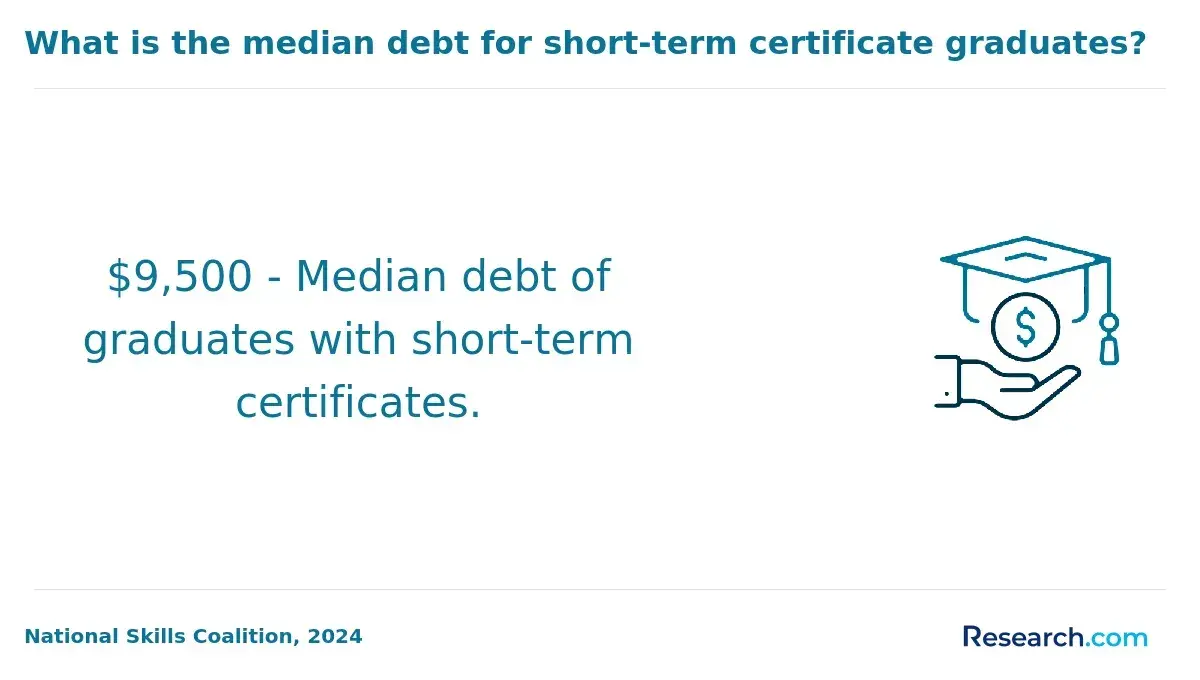
This imbalance means that many students face higher upfront costs without a proportional increase in initial earnings, making it harder to offset student debt quickly. For example, a student financing tuition at a private institution might see loan repayments consume a larger share of their entry-level income compared to a peer attending a public college with lower costs, even if their long-term salary trajectories eventually converge.
Several factors influence how tuition costs relate to salary growth in this field. Geographic location, specialization within game development, and the length of time to reach mid-career wage levels-often between $85,000 and $100,000-play significant roles, along with prevailing economic conditions like inflation that reduce purchasing power.
Because salary gains usually occur after five to ten years of experience, the early years can present a financial squeeze, especially when tuition inflation outpaces income increases. This layered dynamic makes comparing costs and earnings a more realistic gauge of return on investment, highlighting the importance of personal circumstances, loan terms, and local job markets beyond just the headline figures.
One recent graduate remembered hesitating before committing to a costly private game development program, concerned about the steep tuition climb and modest starting salary. They chose the program hoping the specialized curriculum would speed career advancement, but during the first years, juggling monthly student loan payments and living expenses proved tighter than anticipated.
It wasn't until securing a mid-level role with higher wages several years in that they felt the degree's financial payoff starting to materialize, reinforcing how the early tuition-to-salary gap can shape individual experiences very differently depending on timing and income progression.
Does a Game Development Degree Deliver a Positive Return on Investment?
Return on investment (ROI) for a game development degree involves weighing the full cost of education-including tuition, fees, and lost income during study-against the long-term financial benefits graduates can expect through sustained career growth.
While entry-level salaries often fail to keep pace with rising education costs, this initial gap does not capture the entire economic picture. For example, a graduate who starts with a modest salary near $55,000 may find their income growing substantially after several years, especially if they specialize in high-demand areas such as AR, VR, or AI. This trajectory can eventually outstrip inflation and justify the upfront investment over a decade or more.
Key factors influencing ROI include the quality of the program and its industry connections, as affiliations that facilitate internships and job placements often improve employment outcomes. Data from the National Center for Education Statistics and the U.S. Bureau of Labor Statistics reveal that mid-career game developers frequently experience wage increases exceeding 20% above inflation, a pattern less common in some other tech fields.
However, individuals attending lower-tier or unaccredited programs without strong networks may struggle to realize similar gains. Ultimately, ROI is not uniform; it depends on personal commitment, chosen specializations, and the evolving demands of the gaming industry.
Which Industries Offer the Highest Salaries for Game Development Graduates?
Recent data from 2024 indicates that the highest salaries for game development graduates tend to cluster in industries that combine technical innovation with complex creative demands. Unlike roles confined purely to entertainment software, many sectors are actively seeking game development skills to solve real-world challenges, pushing salaries higher.
The U.S. Bureau of Labor Statistics and industry reports from the International Game Developers Association emphasize that a median salary exceeding $90,000 in mid-level positions is common in several fields. Game development graduates should weigh this data carefully as they explore career paths that balance their skills with market demand and long-term growth potential.
Below are key industries known for offering the strongest salary potential for professionals with game development backgrounds.
- Entertainment Software: This sector remains the highest-paying industry, particularly within large game studios and multinational tech companies specializing in video game production. Roles here demand a combination of programming, animation, and design expertise, often resulting in starting salaries above industry averages and senior positions well into six figures.
- Financial Services: Increasingly competitive for game development graduates, finance firms develop simulation tools, VR training platforms, and gamified financial products. These roles require strong abilities in real-time rendering and interactive design, pushing compensation to levels comparable with pure gaming environments.
- Augmented & Virtual Reality: Industries like healthcare, military, and education investing in AR/VR offer premium wages due to the advanced technology and interdisciplinary knowledge required. Game development skills are crucial in creating immersive training and therapeutic applications that have tangible societal impact.
- Software Publishing: Beyond traditional gaming, companies focused on interactive media and software tools provide lucrative salaries. Professionals with proficiency in multiple coding languages and UI/UX design see better earning potential in this rapidly evolving landscape.
- Simulation Technology: Whether for defense, transportation, or complex manufacturing, simulation technology firms pay well for game development expertise. This sector rewards graduates who excel in physics engines and realistic modeling, reflecting the industry's technical depth.
- Education Technology: EdTech firms are incorporating gamification and virtual environments to enhance learning experiences. The demand for developers able to bridge education theory with interactive design results in competitive salaries.
- Real Estate Technology: With the rise of digital and virtual property tools, some graduates find high-paying roles in real estate innovation platforms. Those exploring such lesser-known paths might research real estate schools online to understand crossover opportunities between game development and property technology.
Which States and Cities Offer the Highest Pay for Game Development Professionals?
The earning potential for game development professionals varies significantly by geography, influenced by local industry concentration and living costs. While some states lead in nominal wages, graduates must balance salary gains against tuition inflation and expenses tied to their location.
For example, a new graduate in California earning above $95,000 may face steep housing and everyday costs that erode disposable income, whereas a comparable salary in a less costly metro might translate to greater financial stability. Below are key states and cities where game development pay tends to be highest, along with considerations about the dynamics at play in each area.
- California: California dominates with average annual wages surpassing $95,000, driven primarily by tech giants and major studios in Silicon Valley and Los Angeles. However, candidates must weigh these salaries against one of the nation's highest cost-of-living indexes and housing markets, which can reduce real income considerably.
- Washington State: Seattle's growing technology ecosystem supports game developer salaries exceeding $90,000, benefiting from robust industry demand. Its moderately lower living costs compared to California offer better net earnings, making it a strong contender for those prioritizing both opportunity and affordability.
- New York City Metro: Wages hovering near $85,000 reflect a dense entertainment and tech scene, though high rent and expenses throughout the metro area often offset the pay premium, requiring careful budgeting by graduates.
- Austin, Texas: Emerging as an affordable tech hub, Austin provides lower living costs with salaries ranging roughly from $75,000 to $85,000. This balance makes it attractive for early-career professionals seeking growth without the financial strain of larger metros.
- Montreal, Canada: Known for its expanding game industry clusters, Montreal offers competitive payframes similar to Austin's but within a more moderate cost-of-living environment. Cross-border considerations such as tuition differences and exchange rates can impact long-term returns for international students.
How Do Game Development Salaries Grow Throughout a Career?
Starting salaries for entry-level game developers typically range from $55,000 to $70,000 annually, reflecting the competitive landscape and the relatively high number of new graduates entering the market. By mid-career, with five to ten years of experience, salaries often rise to between $80,000 and $110,000, particularly for those who have honed specialized skills in programming, design, or gameplay mechanics.
Advancement into leadership roles such as technical director or lead developer can push compensation beyond $120,000, with senior professionals exceeding $150,000, especially in regions with higher living costs or at larger studios, according to data from the U.S. Bureau of Labor Statistics and the International Game Developers Association's 2024 surveys.
Salary growth is not automatic but strongly tied to skill development, responsibility, and project success.
Consider two graduates who both start with a game development degree but take different paths: one focuses on programming and pursues continual certification in emerging tech like AI integration, steadily landing roles with increasing technical challenges and pay; the other opts for broader generalist roles without seeking further specialization.
Over a decade, the first might reach senior technical leadership roles with wages well over $140,000, while the second might plateau closer to the mid-career salary range. This underscores that career decisions-such as specialization, ongoing education, and management experience-play pivotal roles in long-term earning potential, making the difference between modest progression and substantial salary escalation.
One graduate shared that after earning a game development degree, initial offers felt underwhelming compared to the tuition investment. Hesitant at first, the graduate decided to invest extra time in mastering advanced programming languages and pursued projects incorporating AR technologies.
This strategic pivot helped secure a lead developer role within five years, significantly improving earnings and job satisfaction. The experience illuminated how deliberate upward mobility in this field often requires navigating beyond the degree, with focused skill acquisition and timely shifts in expertise proving crucial for meaningful income growth.
How Do Game Development Salaries Compare With Similar Degrees?
Recent data reveals that game development salaries generally start lower than those in related technical fields, but the long-term earning potential can vary significantly depending on experience and specialization. Median starting salaries for game development graduates hover around $65,000, trailing computer science and software engineering counterparts by approximately $7,000 to $10,000 annually.
Considering average earnings for game development graduates alongside those in intersecting disciplines exposes important tradeoffs between creative opportunities and initial compensation. For example, a typical early-career game developer in a midsize city may earn less than a software engineer yet gain unique interdisciplinary skills that can lead to higher pay in senior roles. Below is a comparative look at how game development stacks up against similar degrees:
- Computer Science:The median starting salary for computer science graduates is about $75,000. These roles often emphasize foundational programming and algorithmic skills in various industries, resulting in broader job markets and slightly higher salaries relative to game development.
- Software Engineering:Software engineering graduates typically report starting salaries near $72,000. They benefit from focused training in software design and systems architecture, allowing entry into more established corporate environments often characterized by higher stable wages.
- Interactive Media and Animation:Starting salaries average between $55,000 and $68,000, closely aligned with game development outcomes. These fields share a blend of artistic and technical skills, reflecting niche markets where demand fluctuates with industry trends and creative innovation.
Rising tuition costs combined with inflation have strained the alignment between education investment and early salary returns in game development. However, after gaining experience, game developers with strong programming and artistic skillsets can outpace inflation, especially in senior or specialized positions.
For students weighing these differences, it's useful to consider passion and industry dynamics alongside pure compensation metrics. Those interested in alternative pathways might also explore options such as easy MBA programs to get into to diversify their career prospects.
How Is Employer Demand Affecting Game Development Salary Trends?
Employer demand drives salary trends in game development by shaping how companies compete for qualified talent. As studios face growing project loads across mobile gaming, virtual reality, and cloud platforms, they increase hiring activity and adjust compensation strategies to attract specialists, especially in roles like graphics programming and game design.
For instance, a mid-sized studio competing with larger firms might offer signing bonuses and enhanced benefits to secure skilled developers. According to the U.S. Bureau of Labor Statistics (2024), employment for software and game developers is expected to grow 15% over the next decade, underscoring strong demand that typically supports faster wage growth.
However, the actual impact on salaries depends on experience, specialization, geographic location, and broader economic factors such as inflation and organizational budgets. While employer demand puts upward pressure on wages, the influx of new graduates and regional salary variances can dilute this effect.
For many prospective students, especially those balancing rising tuition and living costs, understanding these dynamics is critical to evaluating whether a Game Development degree yields sufficient long-term returns. Exploring quick certifications that pay well may also supplement or accelerate career entry amid these market conditions.
Overall, employer demand impact on game developer salaries reflects a complex interplay between market needs and labor supply. This suggests prospective students and career changers should carefully analyze industry conditions and salary trends in the US job market before investing heavily in education.
The delicate balance between wage growth and cost pressures means decisions must factor in both current hiring incentives and the sustainability of income relative to inflation and tuition increases.
How Can Students Maximize Their Lifetime Earnings With a Game Development Degree?
Maximizing lifetime earnings with a game development degree requires strategic skill-building and targeted career decisions beyond just completing coursework. Data from the U.S. Bureau of Labor Statistics and industry studies in 2024 show that developers with broad technical and creative abilities consistently earn more over their careers.
Combining programming expertise with skills in art, user experience, and project management, while aligning with emerging tech like VR, AR, or AI-driven design, sets a foundation for higher compensation. Below are practical strategies students can adopt to increase their long-term marketability and income potential.
- Diversify Skill Sets: Expanding beyond coding into art design and UX/UI broadens job opportunities and salary prospects, as multidisciplinary developers meet more industry needs and command premium pay.
- Specialize in Emerging Tech: Focusing on virtual reality, augmented reality, or AI-driven gameplay taps into sectors with growing demand and fewer qualified applicants, enhancing earning potential.
- Build a Strong Portfolio: Demonstrating a range of projects from indie to commercial titles shows versatility and practical experience, which employers value more than theoretical knowledge alone.
- Gain Industry Experience: Internships and cooperative education during college increase practical skills and often lead to higher-paying job offers upon graduation.
- Pursue Advanced Credentials: Earning master's degrees or specialized certifications correlates with leadership roles and higher salaries, supporting steady income growth over time.
- Network Strategically: Active participation in game development communities and conferences opens access to lucrative job markets and faster career growth.
- Consider Geographic Impacts: Choosing tech hubs offers higher salaries but requires balancing living costs; careful evaluation ensures net earning gains across a career.
References
- Game Developer Salaries: How Much Could I Earn? | Code Institute https://codeinstitute.net/global/blog/game-developer-salaries-how-much-could-i-earn/
- How important is colledge degree in game development? https://discussions.unity.com/t/how-important-is-colledge-degree-in-game-development/484055
- The 2025 Game Development Salary Report - What Developers Actually Earn https://gamineai.com/blog/2026-game-development-salary-report
- Game Development Degree Career Outcomes: Jobs, Salaries & Growth https://hakia.com/degrees/game-development/career-outcomes/
- Gamedev Salary Pulse 2026 - 8Bit Recruitment https://8bitplay.com/blog/gamedev-salary-pulse-2026/
- Game Development Career Pathways | CG Spectrum https://www.cgspectrum.com/career-pathways/game-development
- Is Game Development a Good Career Choice in 2026? | University of the People https://www.uopeople.edu/blog/is-game-development-a-good-career-choice/
- Does College Pay Off? A Comprehensive Return On Investment Analysis - FREOPP https://freopp.org/whitepapers/does-college-pay-off-a-comprehensive-return-on-investment-analysis/
- Game Development Job Trends, Salaries & Related Skills https://www.itjobswatch.co.uk/jobs/uk/game%20development.do
- The Video Game Designer Job Outlook | NEIT https://www.neit.edu/blog/video-game-designer-job-outlook
Other Things You Should Know About Game Development
Specialization can create significant disparities in salary trajectory. For example, roles focused on niche technical skills, such as graphics programming or artificial intelligence, typically experience faster wage growth due to scarcity and technical complexity.
Conversely, broader, generalist roles often face slower increases, especially if employers prioritize deep expertise for higher compensation. Prospective students should weigh the depth of specialization offered in their programs against labor market demand for those skills to optimize long-term earnings.
Practical experience gained through unpaid internships or personal projects is crucial but comes with tradeoffs. While these experiences enhance portfolios and can justify higher entry-level pay, they can also extend education timelines or cause financial strain during training.
Students must balance the benefits of unpaid experience against the opportunity cost of delayed full-time employment, prioritizing opportunities that offer meaningful skill development and industry networking to maximize starting salary potential.
Some game development subfields demand intense workloads and long hours during training with only modest corresponding salary increases early in the career. Students should assess if the program's rigor translates into tangible salary advantages or merely reflects industry culture.
When salary growth plateaus, time-intensive programs might lead to burnout without commensurate financial reward, suggesting a strategic focus on programs that emphasize sustainable career paths and diversified skill sets.
Institutions with strong industry ties often provide networking and recruitment advantages that can result in higher starting salaries, potentially offsetting higher tuition costs. However, this benefit varies by region and employer priorities. Students should evaluate how effective these connections are in practice-such as job placement rates and quality of internships-before incurring additional debt, making a nuanced judgment about whether these advantages anticipate meaningful wage growth.