2027 Game Development Affordability by State: Where Students Pay the Most and Least

Co-Founder and Chief Data Scientist
Choosing between a public university offering in-state tuition at $12,000 per year and a private college charging $28,000 annually can create a stark financial dilemma for students pursuing game development. Even when tuition seems affordable, living expenses often erode any savings, especially in high-cost states. According to a 2024 National Center for Education Statistics report, states with lower in-state tuition often have compensating higher costs in housing and transportation, influencing total cost of attendance more than tuition alone.
This dynamic complicates budget planning and debt risk assessment for students aiming to enter the game development field. This article analyzes state-by-state affordability differences to help students understand where game development education presents the greatest and least financial barriers.
Key Things to Know About Game Development Affordability by State
- States with lower in-state tuition often have higher total attendance costs due to elevated living expenses, meaning the cheapest tuition doesn't guarantee overall affordability for game development students.
- Strong in-state funding correlates with reduced borrowing; states investing more per student see graduates enter game development careers with less debt, influencing employer hiring in high-cost areas.
- Online program pricing varies widely; while some reduce access costs, delays in credential completion remain common, affecting time-to-employment and amplifying financial strain for game development students.
- Key Things to Know About Game Development Affordability by State Key Things to Know About Game Development Affordability by State
- Which States Have the Most Affordable Game Development Degree Programs? Most Affordable State Programs
- Which States Have the Highest Game Development Degree Costs? Highest State Tuition Costs
- How Much Does a Game Development Degree Cost by State? Degree Costs by State
- Why Does Game Development Affordability Vary So Much Between States? State Affordability Variations
- How Do In-State and Out-of-State Tuition Rates Affect Game Development Affordability? In-State vs. Out-of-State Rates
- How Does the Cost of Living Impact Overall Game Development Affordability by State? Living Costs and Affordability
- Which States Offer the Best Value for a Game Development Degree? Best Value State Degrees
- What Financial Aid and Scholarship Opportunities Can Reduce Game Development Costs? What Financial Aid and Scholarship Opportunities Can Reduce Game Development Costs?
- Are Online Game Development Degree Programs More Affordable Than On-Campus Options? Are Online Game Development Degree Programs More Affordable Than On-Campus Options?
- Is a Game Development Degree Worth the Cost Based on Career Outcomes and ROI? Degree ROI and Outcomes
Which States Have the Most Affordable Game Development Degree Programs?
State-level funding decisions and residency-based tuition policies significantly shape where aspiring developers find the most affordable game development degree programs by state. Public universities in states with robust per-student investments, like Wyoming and New Mexico, typically offer lower sticker prices for residents-sometimes 30-40% below the national average-because sustained state appropriations reduce reliance on tuition revenue. However, the cost advantage hinges heavily on in-state residency status, which can dramatically alter a student's effective price and thus influence whether enrolling locally versus out-of-state makes financial sense. For example, a student living in Mississippi may access targeted grants and tuition breaks unavailable elsewhere, making an in-state option distinctly more affordable despite comparable program quality across states.
While affordability is often equated with tuition fees alone, regional cost of living, availability of digital learning formats, and state-specific financial aid schemes play integral roles. Online or hybrid delivery models from public institutions in budget-friendly states can substantially cut expenses related to housing and transportation, lowering total attendance costs beyond tuition. This is critical for students balancing work, family, and study obligations while managing tight budgets. Moreover, students weighing interstate moves must consider that savings on tuition may be offset by higher living expenses or limited qualifying financial aid, underscoring how a holistic understanding of these variables impacts degree completion strategies and long-term educational value. Those exploring program financing might also consult FAFSA approved online colleges to identify additional pathways lowering costs.
Which States Have the Highest Game Development Degree Costs?
High costs for earning a game development degree often reflect a mix of state funding policies, regional economies, and institutional structures rather than simple tuition rate differences. Public universities in states with reduced appropriations frequently pass increased expenses to students, while private institutions in metropolitan areas with steep living costs also drive up total attendance fees. For instance, in some states, annual tuition at public universities for in-state students can exceed $20,000, but when combined with housing and transportation-especially in urban centers-overall expenses can easily approach or surpass $40,000 per year, skewing the cost-benefit calculation for many applicants. These financial barriers influence student decisions not only geographically but also in selecting between online or in-person programs, weighing residency status benefits, or prioritizing institutions with stronger financial aid options.
In practical terms, game development students must consider whether the premium charged by certain states aligns with access to specialized curricula, networking opportunities in industry hubs, or the prestige of a program's faculty and facilities. States concentrating recognized technical universities within expensive metro areas inevitably create a tradeoff between educational quality and affordability. This dynamic often pushes budget-conscious learners to explore out-of-state public institutions with lower tuition or online degrees-which might lack local industry connections but reduce debt burdens. The 2024 data from the National Center for Education Statistics highlights how public funding declines, urban cost pressures, and residency differentials combine into tangible affordability hurdles that affect long-term financial outcomes and career flexibility in a competitive labor market.
A graduate shared how they initially planned to attend a prestigious program in a high-cost state but hesitated due to the out-of-state tuition premiums and living expenses. After comparing several options, including public universities with online game development tracks and community colleges offering articulation pathways, they chose a local institution that provided solid foundational skills at less than half the total cost. The decision was influenced by limited scholarship availability and concerns about accumulating debt that might restrict post-graduation mobility. This experience emphasizes the importance of factoring geographic cost differences into a realistic evaluation of educational value rather than assuming higher prices guarantee better career prospects.
How Much Does a Game Development Degree Cost by State?
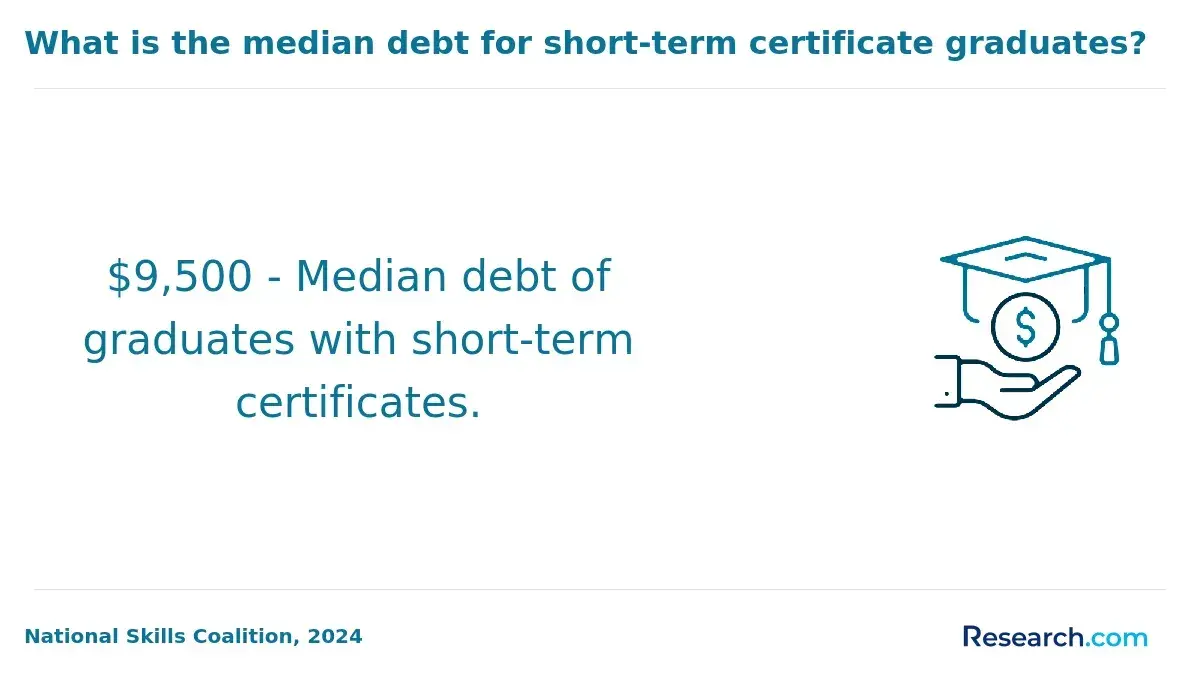
State-specific cost differences for game development degrees strongly influence both financial planning and program accessibility, often shaping whether students can realistically pursue this path. For example, in 2024, average annual tuition at public four-year institutions ranges from roughly $7,000 in states like Wyoming to more than $15,000 in Massachusetts, according to the National Center for Education Statistics. This disparity is compounded by in-state versus out-of-state tuition policies, where non-residents may face more than double the fees, prompting many students to weigh relocating against higher borrowing or seeking online alternatives. Such tuition gaps are especially relevant in states with larger public university systems known for tech programs, like California or Texas, where residency status profoundly affects total education costs.
Beyond tuition, regional economic conditions related to housing and living expenses significantly impact the overall investment required for a game development degree. High-cost states increase the burden even when tuition appears manageable, often leading students to factor local job markets and financial aid availability into their decisions. States with stronger scholarship programs and public funding for STEM and digital arts tend to reduce net prices, but this aid is unevenly distributed and not guaranteed. Consequently, comparing states solely on sticker price omits important tradeoffs such as the likelihood of securing financial aid, the potential need for part-time work, and the long-term debt implications that come with pursuing degrees in higher-cost regions.
Why Does Game Development Affordability Vary So Much Between States?
Variations in state funding for public universities heavily shape differences in game development education costs. States like Wyoming and New Mexico, which allocate substantial appropriations to higher education, often have lower in-state tuition, easing access for residents. In contrast, states with tighter budgets, such as California and New York, offset funding shortfalls by imposing higher tuition and fees, particularly affecting urban campuses where operational costs-faculty salaries, specialized technology, and facilities-are significantly elevated. These funding decisions directly influence how institutions price programs and balance enrollment, especially as game development programs face unique technology and staffing demands.
Residency policies further complicate affordability, as out-of-state students frequently pay considerably more, limiting cross-state enrollment options for cost-conscious learners. This makes it crucial for prospective students to weigh in-state benefits against potential quality or specialization tradeoffs when considering relocation or online alternatives. For families comparing state-by-state game development education costs, awareness of financial aid availability is vital; well-funded grant programs can mitigate sticker price disparities and shape net affordability. One useful resource for broader financial comparison is the cheapest accredited online accounting degree listings, which illustrate how financial aid can shift cost dynamics across states and program types.
These affordability patterns affect student decision-making and enrollment, particularly for those balancing budget constraints with career goals in a competitive field. Institutions' pricing strategies respond to cohort sizes and demand shifts, often prompting prospective students to explore transfer options, in-state online degrees, or multi-state enrollment pathways. Understanding how these systemic factors intersect provides a clearer foundation for planning financially sustainable paths into game development education and ultimately, the workforce.
How Do In-State and Out-of-State Tuition Rates Affect Game Development Affordability?
Residency-based tuition policies shape financial strategies for pursuing a game development degree, often determining whether a student can realistically afford a given program. Public universities in 2024 typically charge in-state students around $11,500 annually, while nonresidents may face fees exceeding $27,000, a disparity that can influence decisions about relocating or selecting institutions. This gap means that for many prospective game developers, establishing residency or leveraging reciprocal agreements becomes central to managing education costs. However, these agreements are uneven across states and rarely encompass specialized programs, limiting options and requiring students to weigh the long-term cost benefits against potential geographic or institutional restrictions.
Private and online program fees further complicate affordability considerations, as private institutions generally maintain uniform, higher tuition regardless of residency, often surpassing $40,000 per year. Online courses can blur residency distinctions, offering standardized pricing that might ease financial planning but require scrutiny of program quality and market recognition. Students should also consider state funding policies and availability of financial aid, which often favor in-state learners, affecting net costs and return on investment. These factors, combined with local economic conditions and institutional reputation, inform nuanced tradeoffs between cost, flexibility, and career outcomes.
One recent graduate from the South recalled initially enrolling out-of-state, expecting a manageable tuition cost difference, only to find their financial aid package insufficient to bridge the increased fees. After a year, they pursued residency reclassification, a process that delayed progress but ultimately led to significant savings. This experience highlighted how unclear residency rules and timing can complicate financial planning and force students into difficult decisions about where and how to complete their studies within game development.
How Does the Cost of Living Impact Overall Game Development Affordability by State?
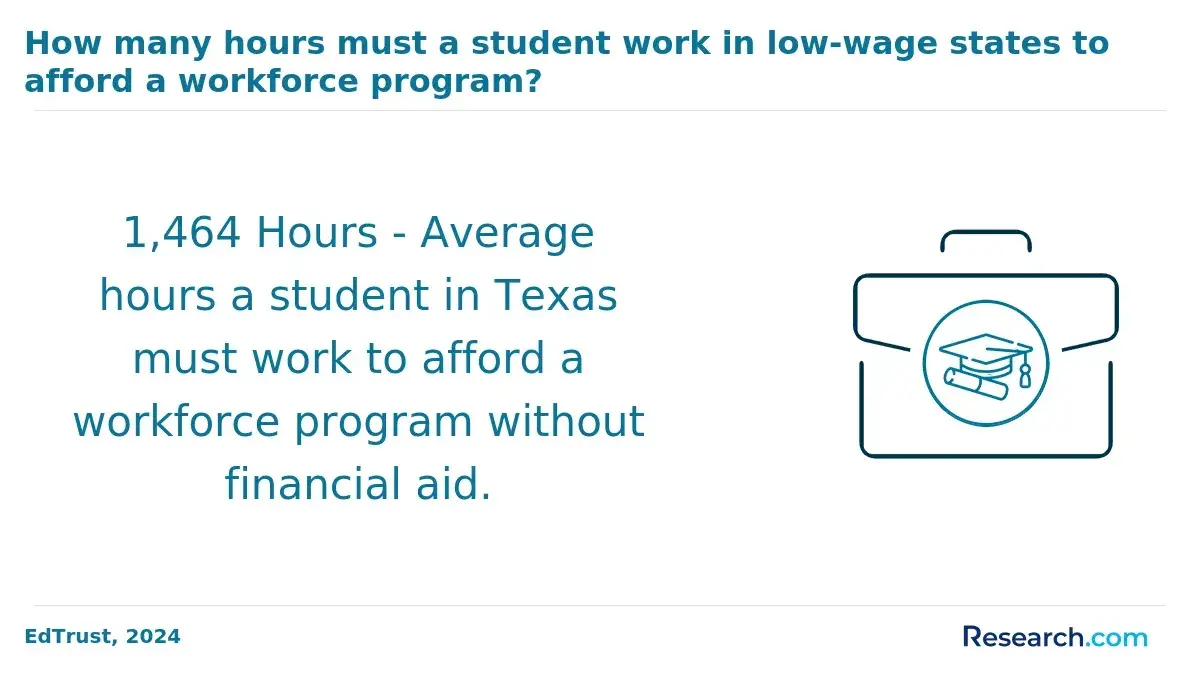
Housing costs often outweigh tuition fees in shaping the total expense of earning a game development degree, especially when comparing regional cost of living effects on game development affordability by state. For example, students studying in metropolitan areas like New York or California face housing expenses that can more than double those of peers in less costly states such as Arkansas or Idaho. This disparity forces many prospective students to weigh the financial tradeoff between attending a prestigious program in a high-cost city versus a more affordable institution where living expenses are lower, potentially affecting their ability to manage student debt or work part-time jobs while enrolled.
Transportation, food, healthcare, and utility costs further complicate the real budget considerations associated with game development education. Urban students may incur greater public transit fares but avoid vehicle insurance and maintenance, whereas rural students typically depend on personal cars with insurance costs factored in. Moreover, regions with elevated food prices-such as Hawaii or Alaska-add unexpected financial burdens that can strain limited budgets. Understanding these regional cost differentials is crucial when planning enrollment and completion strategies, including whether to pursue online alternatives or local options with more manageable living expenses. Those exploring specific degree options may find resources like accelerated masters psychology programs informative for comparative insights on managing educational costs alongside living expenses.
Ultimately, regional cost of living and game development education expenses are tightly intertwined, requiring careful evaluation beyond just tuition estimates. Students must consider how local wage levels, housing affordability, and ancillary costs impact total investment and long-term financial outcomes. States with moderate tuition but high living expenses can dramatically increase overall costs, influencing where students choose to study and how they finance their education. This nuanced understanding is essential for those making informed decisions about residency status, financial aid reliance, or hybrid learning models in the field of game development.
Which States Offer the Best Value for a Game Development Degree?
Assessing the best value for a game development degree requires weighing tuition costs alongside degree completion rates and local employment prospects rather than focusing solely on sticker price. For example, states like Florida and North Carolina offer relatively low in-state tuition-approximately $6,400 and $7,000 annually respectively-while also maintaining strong post-graduation employment in tech-driven cities. However, students must consider additional factors such as cost of living and residency eligibility, since relocating for lower tuition without securing in-state status can negate savings. In contrast, states with higher tuition and living expenses, such as California, may offer prestigious programs but elevate debt risks that can outweigh potential wage benefits early in a graduate's career.
Texas illustrates how moderate tuition of around $8,000, combined with access to a growing interactive media economy, can provide both educational and practical value, especially when programs boast graduation rates above 60%. This suggests institutional support and student success, important for mitigating time-to-degree and financing challenges. Merit-based aid availability and the option for hybrid or online coursework also influence cost-effectiveness by expanding access and reducing relocation burdens. In short, the cheapest tuition is not always the strongest value; prospective students should evaluate how state policies on subsidies, program completion, and proximity to industry hubs collectively impact long-term return on investment and career readiness in game development fields.
What Financial Aid and Scholarship Opportunities Can Reduce Game Development Costs?
Financial aid programs shape the actual cost of a game development degree far beyond listed tuition, but navigating their complex eligibility and renewal requirements demands strategic planning. Around 85% of undergraduates receive some form of assistance, yet this aid varies sharply by state due to differing residency rules, application windows, and state budget priorities. For example, New York and California offer robust state grants tied to in-state public institutions with relevant technology programs, making them more affordable for residents but less accessible to out-of-state students, who may face higher tuition and limited aid stacking options.
Institutional scholarships-especially merit-based awards at private schools-can significantly offset costs but require strong portfolios or academic records and are highly competitive. These differ from public institutions' steady need-based aid that often demands demonstrated financial hardship and ongoing academic performance for renewal. Employer tuition benefits further complicate affordability calculations, potentially lowering expenses for part-time students employed in related fields, though these are contingent on employer policies and job stability. Students relying heavily on loans must weigh debt against regional job market conditions and entry-level salaries, recognizing that financial aid intricacies and state-specific provisions materially impact long-term financial outcomes and career flexibility in game development.
Are Online Game Development Degree Programs More Affordable Than On-Campus Options?
Online game development degree affordability in the United States varies substantially depending on factors such as state residency, tuition policies, and program design. While online programs frequently advertise lower base tuition-often 15-30% less than on-campus options per a 2024 NCES report-real costs can diverge due to fees for technology, software, and internet access that on-campus students may not face separately. Furthermore, in states with high in-state tuition for traditional programs, such as California or New York, the savings on housing and commuting can be substantial, but these must be balanced against potentially fewer institutional scholarships available to online students.
Cost comparison of on-campus and online game development programs by state reveals that opportunity costs and earning potential also weigh heavily on affordability. Online programs sometimes permit students to maintain full or part-time employment, which can offset expenses, whereas immersive campus experiences may require reduced work hours but offer access to specialized labs and networking that some employers value. Differences in financial aid distribution and program length further complicate direct cost comparisons, highlighting the importance of evaluating individual circumstances rather than assuming online study is inherently cheaper.
Prospective students seeking affordable online pathways must also consider employer expectations in the gaming industry, which may favor candidates with immersive, in-person experiences. For those balancing work and study or residing in high-cost states, online degrees represent a practical option, yet the choice entails tradeoffs influencing long-term career outcomes. Budget-conscious learners can explore a range of programs, including degrees for seniors, to identify pathways aligning with both financial constraints and professional goals.
Is a Game Development Degree Worth the Cost Based on Career Outcomes and ROI?
Choosing where to pursue a game development degree profoundly affects career outcomes and return on investment, especially when comparing tuition costs and completion rates across states. For instance, students attending public institutions in lower-cost states often benefit from higher graduation rates and reduced debt burdens, which can translate into a more favorable financial outlook post-graduation. Conversely, attending programs in expensive states with elevated living costs may increase the short-term financial strain, even though tech-centric regions might offer stronger job prospects, creating a tradeoff between immediate affordability and long-term earning potential. Students must weigh these factors carefully against their individual career goals and geographic flexibility to optimize their educational investment.
Career outcomes for game development graduates by state reveal disparities not only in salary but also in employment stability and job market saturation. States with robust industry demand tend to attract many graduates, but this can increase competition and living expenses, dampening net gains. Additionally, non-financial benefits like internships, networking, and exposure to emerging technologies vary significantly by program and location, underscoring the importance of program quality in assessing overall value.
Students weighing a broader technical foundation may also want to consider an online computer science degree, which offers a similarly in-demand path with strong industry crossover into game development roles.
References
- Game Schools Ranking | by GAMEducation - USA 2024 archive https://www.gameschools.com/archives/2024/america-2024-archive/us-canada-2024-archive/usa-2024-archive
- Best state, city for indie game developer? (US) https://discussions.unity.com/t/best-state-city-for-indie-game-developer-us/561391
- How much does it cost to make a game? — Auroch Digital https://www.aurochdigital.com/blog/2021/8/19/how-much-does-it-cost-to-make-a-game
- Most Affordable Game Development Programs 2025 https://hakia.com/degrees/game-development/most-affordable-programs/
- Some current game economics https://www.raphkoster.com/2017/11/27/some-current-game-economics/
- Why Do Games Cost So Much to Make https://retrostylegames.com/blog/games-cost-to-make/
- Is a Game Development Degree Worth it? https://www.gamedeveloper.com/programming/is-a-game-development-degree-worth-it-
- Game Dev Financing: Explore Different Financial Aid Options https://www.m3dsacademy.com/game-dev-financing-explore-different-financial-aid-options/
- The College Affordability Gap: Insights and Impact on Families https://encoura.org/resources/wake-up-call/the-college-affordability-gap-insights-and-impact-on-families
- Simplicity and Affordability: The Essentials for Game Development | Signiant https://www.signiant.com/blog/simplicity-and-affordability-the-essentials-for-game-development/
Other Things You Should Know About Game Development
Not necessarily. States with more affordable game development programs often have smaller or less mature local industry scenes, which can limit immediate regional job prospects. Graduates from these areas may need to relocate or engage in remote work to access higher-paying jobs. Prioritizing a state with active game studios and industry hubs can outweigh initial tuition savings in terms of post-graduate employability and networking advantages.
Lower tuition states may offer longer programs or fewer industry-aligned courses, increasing total time and indirect costs. Conversely, states with higher tuition sometimes provide accelerated tracks, better internship integrations, or state-of-the-art labs that improve practical skills and reduce time to career readiness. Assessing program intensity, cohort size, and employer engagement is crucial alongside sticker price to truly understand affordability and return on investment.
Yes. A degree from a state with robust game development networks-despite moderately higher tuition-often yields faster access to internships, mentors, and job placements. This practical exposure can shorten job searches and increase starting salaries, offsetting upfront costs. Focusing solely on tuition risks graduating in states with weak industry presence, which can delay career entry and depress early earnings.
Affordable programs in some states may offer less specialization in key areas like virtual reality, AI programming, or advanced graphics, limiting graduates' niche competitiveness. In contrast, states with higher tuition often host schools that update curricula to reflect emerging technologies and employer demands. Students must weigh the immediate savings against the potential need for additional training or certifications to stay competitive in specialized subfields.