2027 Forensic Accounting Career Outcomes by Degree Level Report: Pay, Employment, and Advancement Patterns

Co-Founder and Chief Data Scientist
Determining whether to pursue an associate, bachelor's, or graduate degree in forensic accounting presents a complex challenge for many prospective students and career changers. A 2024 study found that higher degree levels correspond with a 27% greater likelihood of securing senior forensic accounting roles, underscoring how education level affects advancement opportunities in ways not always transparent to applicants.
Understanding these distinctions is critical for those balancing time, cost, and career goals, especially when employer expectations and industry standards vary widely across positions. This article analyzes pay scales, employment trends, and advancement patterns by degree level to help readers make informed forensic accounting education decisions.
Key Things to Know About Forensic Accounting Career Outcomes by Degree Level
- Higher forensic accounting degrees correlate with greater access to senior roles, but a 2024 labor report shows bachelor's holders dominate entry-to-mid levels, emphasizing practical experience over advanced credentials first.
- Employers prefer master's degrees for investigatory specialties, reflecting 18% faster credential progression in forensic roles; this influences hiring strategies favoring graduate credentials for complex litigation support positions.
- Associate and certificate holders face faster workforce entry but often encounter limited upward mobility; this tradeoff highlights important timing and cost considerations for those balancing job-market access versus long-term advancement.
- Key Things to Know About Forensic Accounting Career Outcomes by Degree Level Key Things to Know About Forensic Accounting Career Outcomes by Degree Level
- What Career Outcomes Can Students Expect From Each Forensic Accounting Degree Level? Career Outcomes by Degree
- How Much Do Forensic Accounting Graduates Earn by Degree Level? Salary by Degree Level
- Which Forensic Accounting Degree Level Offers the Strongest Employment Prospects? Best Degrees for Employment
- What Entry-Level Jobs Can You Get With a Forensic Accounting Degree? Entry-Level Career Opportunities
- How Do Forensic Accounting Degree Levels Affect Career Advancement and Promotion Opportunities? Career Growth by Degree
- Is a Forensic Accounting Degree Worth It Based on Salary, Employment, and ROI? Salary, ROI, and Value
- How Do Associate, Bachelor's, Master's, and Doctoral Forensic Accounting Degrees Compare? Comparing Degree Levels
- Which Industries and Employers Hire Forensic Accounting Graduates by Degree Level? Which Industries and Employers Hire Forensic Accounting Graduates by Degree Level?
- What Skills, Credentials, and Experience Improve Forensic Accounting Career Outcomes? What Skills, Credentials, and Experience Improve Forensic Accounting Career Outcomes?
- Which Forensic Accounting Degree Level Is Best for Your Career Goals? Choosing the Right Degree
What Career Outcomes Can Students Expect From Each Forensic Accounting Degree Level?
Entry points into forensic accounting through certificates or associate degrees tend to channel students toward support and technician-level roles, where foundational accounting knowledge and fraud awareness are valuable but often insufficient for rapid upward mobility. For working adults or military-affiliated students, an accelerated associate degree can provide a practical balance between time investment and entry employment but may necessitate further credentialing or transfer planning to avoid early career bottlenecks.
Bachelor's degrees, by contrast, align more closely with employer expectations for analyst roles and the prerequisite education for certifications such as the Certified Fraud Examiner (CFE), which is commonly required to unlock pay increases and advancement; data from the National Center for Education Statistics underscore higher employment rates and clearer licensure pathways at this level, emphasizing its critical role in entry-level forensic accounting degree pay and advancement opportunities.
For professionals aiming beyond mid-level analytic positions, master's degrees add specialization that enhances qualifications for supervisory, advisory, and niche consulting roles, often shortening the timeline toward leadership responsibilities within regulatory agencies or large firms. The tradeoff here involves greater upfront investment of time and resources but yields differentiation in a competitive market where practical experience alone may not suffice for senior roles.
Doctoral training, while less common, opens distinct career avenues focused on academic research, policy advising, or forensic accounting education, areas where traditional firm-based advancement metrics are less relevant and the return on investment depends heavily on one's career objectives. Employment outcomes for forensic accounting graduates moving between degree tiers reflect these layered tradeoffs among credential attainment, employer expectations, and realistic mobility within the field.
How Much Do Forensic Accounting Graduates Earn by Degree Level?
Earnings for forensic accounting graduates vary considerably by degree level, but evaluating pay alone oversimplifies important career tradeoffs. For instance, while bachelor's degree holders typically start with median salaries between $65,000 and $70,000, many positions accessible at this level function as entry points, requiring additional certifications or experience to reach supervisory roles.
Associate degree graduates often face narrower advancement routes and lower initial salaries, closer to $45,000 to $50,000, which may limit long-term earning potential unless supplemented by further education or specialized credentials. Meanwhile, master's degree holders can command $85,000 to $95,000, reflecting eligibility for more senior forensic accounting roles, though the time and cost of graduate study must be weighed against this premium within specific regional and industry labor markets.
Doctoral qualifications, although less common in forensic accounting, typically align with academic and consulting paths yielding salaries above $100,000, but these paths require longer timelines and do not directly translate into typical practice roles. Certificates improve skill sets but rarely increase salary substantially unless paired with a degree, underscoring the limited standalone financial value of non-degree credentials.
Employment stability also differs by credential level; bachelor's and master's graduates tend to experience lower unemployment rates, often under 3.5%, compared to over 5% for those holding certificates or associate degrees, highlighting a tangible economic risk in choosing shorter credential paths. Working adults and transfer students should consider how completion time, transfer credit acceptance, and employer expectations in their target markets affect the real-world worth of advancing beyond an associate or certificate toward a bachelor's or master's.
A forensic accounting student once hesitated after reviewing local job listings showing many roles requiring at least a bachelor's degree and the Certified Fraud Examiner credential. Although drawn to the shorter associate pathway due to cost and family commitments, the student realized that three years of additional coursework toward a bachelor's, combined with certification, were realistic prerequisites for the mid-level analyst roles they aimed for.
Conversations with industry professionals reinforced that while the initial salary gap between associate and bachelor's graduates appeared modest, advancement stalled significantly without that bachelor's degree. Balancing upfront expenses and years of study against clearer job prospects helped the student patiently commit to a bachelor's path rather than an immediate but limited associate credential, illustrating the nuanced timing and financial calculations many face in forensic accounting education.
Which Forensic Accounting Degree Level Offers the Strongest Employment Prospects?
Employment opportunities in forensic accounting are heavily influenced by degree level, with bachelor's and master's credentials generally providing stronger access to desirable roles. Employers frequently require at least a bachelor's degree due to the complex technical and legal knowledge involved, a preference supported by 2024 labor data showing approximately 65% of forensic accounting job postings specify this credential or higher.
While associate degrees and certificates may facilitate quicker entry into the field, they often confine graduates to basic, entry-level positions with limited upward mobility, creating a practical tradeoff between immediate workforce entry and long-term career prospects. Advancement in forensic accounting typically hinges on higher education credentials combined with certifications and experience.
Master's degree holders are more likely to qualify for specialized roles in fraud examination, audit oversight, and leadership positions that demand advanced analytical skills and regulatory understanding. For example, a working professional might choose to complete a master's part-time to gain eligibility for certification programs like the Certified Fraud Examiner, which can significantly improve career trajectory and salary potential.
Meanwhile, doctoral degrees usually lead to academic or consulting careers rather than widespread employment options, reflecting employers' stronger emphasis on applied skills and experience over purely academic qualifications. Decisions between credential levels should weigh employer expectations, licensure pathways, and geographic labor market conditions. Bachelor's and higher degrees often embed practical internships and hands-on training, lowering hiring risk and enhancing employability in competitive markets.
Conversely, those prioritizing swift employment might opt for certificates or associates, recognizing the tradeoff of slower advancement and lower median pay reported among bachelor's degree holders. Balancing immediate income needs against long-term specialization and leadership access is crucial when deciding whether to invest additional time and resources into advanced forensic accounting education.
What Entry-Level Jobs Can You Get With a Forensic Accounting Degree?
Entry-level roles accessible to graduates with a forensic accounting degree vary notably depending on the credential level, with bachelor's degree holders typically qualifying for a wider spectrum of analytical and fraud-related positions compared to those with associate degrees, who may encounter narrower job scopes and slower progression. Employers prioritize certifications like the Certified Fraud Examiner (CFE) or Certified Public Accountant (CPA) to signal practical competence and ethical rigor, often elevating candidates with these credentials above peers who hold only academic qualifications.
For example, a recent forensic accounting graduate with a bachelor's degree and internship experience demonstrated a 30% greater chance of obtaining a relevant full-time forensic accounting entry-level position within six months, underscoring how hands-on experience and credentialing critically influence early employment outcomes. Entry-level opportunities in forensic accounting often function not just as starting points but as essential stages for building transferable skills such as critical thinking and investigative analysis vital for long-term career mobility.
While a master's degree can provide a faster track into specialized or supervisory roles, it is typically not mandatory at the outset and may be better pursued after gaining initial practical experience. Geographic factors also shape job availability, with metropolitan financial hubs offering more openings but remote work remaining limited due to the confidentiality of forensic tasks.
Students evaluating pathway options should also consider the stability and skill-building potential of positions to support further advancement or graduate study, weighing these factors alongside their credentials and prior experience to align with realistic jobs for forensic accounting degree graduates. Those uncertain about program selectivity might explore the easiest social work programs to get into as a comparison in admission competitiveness.
How Do Forensic Accounting Degree Levels Affect Career Advancement and Promotion Opportunities?
Degree level in forensic accounting substantially influences access to supervisory roles and specialized career tracks, though it is not the sole determinant of advancement. Employers often prioritize candidates with master's degrees or higher for management or forensic specialist positions due to greater technical expertise and preparedness for certifications such as the Certified Fraud Examiner or CPA exams. This preference reflects in promotion speed: analyses reveal a 27% higher rate of advancement within five years among those holding master's degrees compared to bachelor's-only holders.
However, professionals with extensive experience and targeted certifications can still progress, albeit typically more slowly and with potential limitations on leadership opportunities. For working adults and those returning to education, the ability to transfer credits and access flexible scheduling affects the feasibility and timing of earning advanced degrees, directly impacting career mobility and eligibility for roles that require higher academic credentials.
While bachelor's degrees enable earlier workforce entry and experiential learning, advanced degrees provide a clearer pathway to roles emphasizing legal frameworks, fraud analytics, and advisory functions that demand both academic depth and leadership skills. Those balancing work and study must weigh immediate employment against potential long-term gains, recognizing that graduate programs often accelerate readiness for internal promotion but may extend time before re-entering or progressing within the workforce.
A forensic accounting graduate recounts weighing whether to pursue a master's degree after several years in a mid-sized firm. Although their bachelor's and certifications allowed steady task-based promotions, eligibility for a supervisory position hinged on a master's credential per their employer's formal policy. The decision was fraught with hesitation-investing time and tuition against uncertain promotion timing-but flexible course options and credit transfers provided cautious optimism. Ultimately, the advanced degree helped unlock leadership responsibilities previously out of reach despite years of proven experience.
Is a Forensic Accounting Degree Worth It Based on Salary, Employment, and ROI?
Salary and employment outcomes for forensic accounting degree holders differ significantly depending on degree level and regional labor market conditions. Bachelor's degree graduates typically enter the workforce earning a solid middle-range salary, but advancing to a master's degree can elevate compensation by 15-20%, reflecting deeper expertise and better specialization. For working adults or military-affiliated students, the opportunity cost of extended study time and potential debt must be weighed against this incremental salary gain.
In regions with high corporate or legal activity, employment stability and salary growth can be notably stronger, whereas smaller job markets may limit ROI regardless of degree level. Credentialing like Certified Fraud Examiner (CFE) status often supersedes degree alone in unlocking leadership roles, so the combined investment of time and cost must be factored into realistic outcomes.
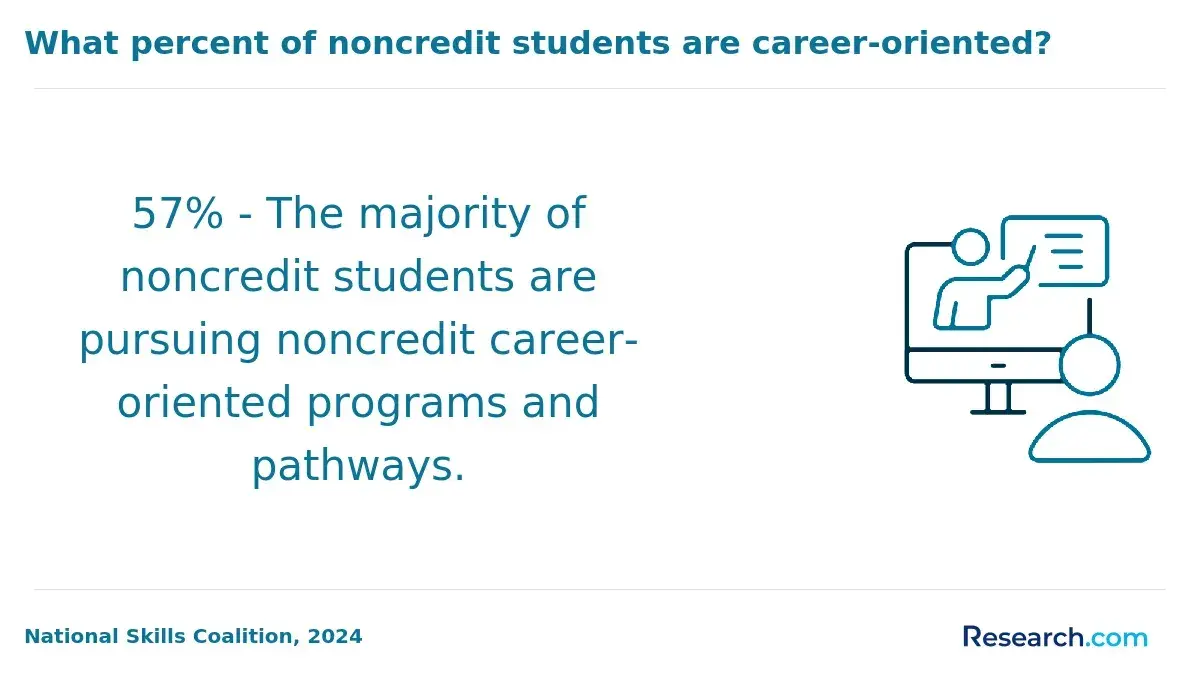
When assessing return on investment for forensic accounting degrees, prospective students should consider variables like tuition cost, program duration, and part-time enrollment options tailored for balancing work and study. Tuition for undergraduate and graduate programs can total tens of thousands annually, and student debt burdens can limit financial flexibility. Those examining a fast-track master's degree option-such as the fast-track master's in psychology-might note similar tradeoffs in condensed timelines versus cost.
Transfer credit policies and financial aid availability further influence how quickly and affordably a degree can be completed. This nuanced calculus shapes whether early entry with a bachelor's degree or extended training to an advanced degree produces a favorable forensic accounting degree salary and employment outlook aligned with individual career goals.
How Do Associate, Bachelor's, Master's, and Doctoral Forensic Accounting Degrees Compare?
Employers commonly prioritize candidates with bachelor's or higher degrees in forensic accounting because these credentials align with licensing requirements and professional certifications like the Certified Public Accountant (CPA) or Certified Fraud Examiner (CFE). While associate degrees offer faster workforce entry and lower upfront costs, they often limit access to specialized forensic roles, placing graduates primarily in support or clerical positions.
The variability in credit transfer from associate to bachelor's programs also affects educational continuity and financial burden, making the associate path less flexible for those aiming to progress beyond entry-level jobs. Master's degrees in forensic accounting deepen technical expertise and correlate with roughly 10% higher chances of obtaining leadership roles within five years compared to bachelor's holders, according to 2024 data from the National Center for Education Statistics.
However, the extended time and increased debt associated with graduate study require careful consideration against long-term salary growth and career goals. For those balancing work and study, the rise of online and part-time master's programs can offer a viable route to advancement without career interruption. Doctoral degrees remain niche within forensic accounting, mainly suited for academic research or policy development rather than expanding practical job market opportunities.
Beyond the master's level, employment prospects in forensic roles do not significantly improve, though doctoral holders gain unique access to specialized research careers and influence on industry standards. Decision-makers should weigh whether the additional investment in doctoral education aligns with their career priorities, given the limited direct impact on conventional forensic accounting employment paths or leadership tracks in corporate environments.
Which Industries and Employers Hire Forensic Accounting Graduates by Degree Level?
Associate degree holders in forensic accounting typically access entry-level roles within smaller firms, local governments, or finance-related auditing, where responsibilities revolve around foundational data tasks rather than complex investigations. These positions rarely meet minimum qualifications for federal agencies or large corporate fraud units, limiting upward mobility without further education.
By contrast, bachelor's degrees meet employer expectations across public accounting firms, regulatory bodies such as the IRS or SEC, and corporate risk departments, where forensic data analysis and fraud detection are core duties. A 2024 National Association of Forensic Accountants report indicates over 70% of mid-level roles require this credential, underscoring its importance for CPA eligibility and competitive positioning.
Advanced degrees like master's or specialized graduate credentials significantly broaden opportunities in forensic audit management, consultancy, and forensic data science, especially within financial institutions and consulting firms prioritizing analytical rigor and leadership. Services combining forensic technology with data analytics increasingly target master's-level graduates, reflecting 2024 labor market analysis from EMSI that signals strong employer preference for these qualifications in emerging roles.
Doctorates, however, remain niche, primarily relevant to academic research, policy design, or regulatory innovation, where original methodological contributions are valued over practical application. Certificates serve a different function, supplementing existing degrees by enhancing specific skill sets without substituting formal qualification requirements.
Degree level influences not only the industries and employers targeting forensic accounting graduates but also the expected job functions and advancement trajectories. For example, someone with an associate degree may find stable operational support roles but face barriers entering specialized investigative teams or leadership tracks.
Conversely, targeting employers like large public agencies or consulting firms often requires at least a bachelor's degree, with master's credentials yielding a distinct advantage for roles demanding technical expertise and management potential. Recognizing these nuances helps learners balance immediate employability against long-term career growth, credential costs, and required licensure, positioning their education pathway to meet specific workforce realities.
What Skills, Credentials, and Experience Improve Forensic Accounting Career Outcomes?
Employers increasingly expect forensic accounting candidates to demonstrate a strategic mix of technical certifications and applied experience, as this combination directly impacts pay, employment access, and advancement potential. For instance, holding a Certified Fraud Examiner (CFE) or Certified Public Accountant (CPA) credential coupled with internships or cooperative education often fast-tracks entry into mid-level roles due to validated expertise and practical workplace readiness.
Working professionals and transfer students must weigh the value of stacking credentials aligned with niche forensic areas against broad certification accumulation, as targeted licensure more reliably signals fit for specific employer needs and promotion readiness. Military-affiliated learners should note that discipline and compliance exposure from service roles complement soft skills like problem-solving and clear communication, strengthening career mobility within forensic accounting certification and experience requirements frameworks.
At the graduate level, proficiency in forensic analytics tools, programming languages like Python, and understanding of legal frameworks distinguish candidates competing for advanced assignments and leadership opportunities. However, prospective learners should recognize that applied learning through internships or apprenticeships is crucial; these experiences affirm an ability to translate theoretical skills into actionable insights and employer-aligned outcomes.
This is particularly relevant for adult students balancing work and study, who may benefit from considering competency-based online colleges that integrate real-world projects with flexible degree progress. Combining technical versatility with soft skills and certified expertise significantly enhances promotion prospects, reflecting workforce demand for multifaceted forensic accounting professionals who can interpret complex data and communicate findings effectively.
Which Forensic Accounting Degree Level Is Best for Your Career Goals?
Choosing the optimal forensic accounting degree level fundamentally hinges on how quickly and extensively one intends to enter the labor market and ascend professionally. Associate degrees offer a shorter, lower-cost path into entry-level roles such as bookkeeping or technician positions but often require additional certifications for significant advancement or leadership.
By contrast, bachelor's degrees, which report an approximate 85% employment rate within a year of graduation according to the U.S. Department of Education's College Scorecard, better position graduates for investigative and supervisory roles, while making them eligible for certifications like Certified Fraud Examiner preferred by many employers. This delineation creates a clear decision point for students balancing education duration, debt, and career aspirations, especially adult learners and transfer students weighing forensic accounting degree career outcomes comparison.
Graduate degrees attract professionals targeting specialized areas or leadership roles, supported by data from the National Center for Education Statistics showing master's graduates experience about 20% faster wage growth over five years. Yet, this advancement often comes with increased cost and longer study periods, making the return on investment heavily dependent on one's focus toward strategic leadership, niche expertise, or doctoral pathways.
Career-focused learners should also recognize that part-time and accelerated program options tend to concentrate at associate and bachelor's levels, which can be critical for working professionals managing education alongside employment. For those assessing degree options, considering credential eligibility, employer expectations, and transfer pathways is vital to align with realistic outcomes rather than generic promises.
Ultimately, the best forensic accounting degree level for employment varies with individual circumstances and goals. Adults or military-affiliated students may prioritize quicker entry or balancing cost, while others seek a graduate degree for research specialization. For students needing guidance on certain master's programs with strong ROI, exploring resources like master's in marketing can provide insights into tuition, duration, and earnings, which often parallel considerations in forensic accounting graduate studies.
References
- How to get a job in forensic accounting https://www.leonid-group.com/insights/how-to-get-a-job-in-forensic-accounting/
- Study Forensic Accounting: Master's Degree, PhD & Class Info https://learningpath.org/articles/Study_Forensic_Accounting_Masters_Degree_PhD_Class_Info.html
- Learn What Forensic Accountants Do and How to Become One https://www.accounting-education.org/career/forensic-accounting/
- Forensic Accounting Careers - MDD https://www.mdd.com/work-for-mdd/
- Forensic Accountant - Careers Guide https://www.youthemployment.org.uk/careers-hub-job-role/forensic-accountant/
- Forensic Accountant https://www.acfe.com/career/career-paths/career-path-accounting/career-path-detail-forensic-accountant
- Forensic Accountant Salary, Job Description & Career Outlook https://www.forensicscolleges.com/careers/forensic-accountant
- How to Become a Forensic Accountant https://www.allbusinessschools.com/specialties/how-to-become-a-forensic-accountant/
- Forensic Accounting Degree Requirements (plus Salary Info) https://www.allcriminaljusticeschools.com/specialties/forensic-accountant/
- How to Become a Forensic Accountant | Accounting.com https://www.accounting.com/careers/forensic-accountant/how-to-become/
Other Things You Should Know About Forensic Accounting
The structure and delivery of forensic accounting programs vary significantly by degree level and heavily influence practical learning outcomes. Bachelor's programs often emphasize broad accounting fundamentals with some exposure to forensic specialties, usually through in-person or hybrid formats that facilitate direct interaction.
Master's and doctoral programs tend to be more specialized and research-driven, frequently offering flexible online options, which benefit working professionals but may reduce hands-on casework experience. Prospective students should prioritize programs with rigorous practical components and direct engagement with forensic investigations to align education with employer expectations.
For working professionals, pursuing a master's or doctoral degree in forensic accounting offers deeper expertise and potential for senior roles but demands significant time and cognitive investment, often while managing existing job responsibilities. Immediate employment with a bachelor's degree can accelerate income flow and on-the-job learning but may limit rapid career advancement in specialized forensic roles. Professionals should weigh if the long-term career growth and salary premium of advanced degrees justify the short-term financial and workload burdens, particularly in organizations valuing credentials alongside experience.
Employers typically prioritize demonstrated forensic accounting experience over academic credentials alone, especially in entry to mid-level positions. While higher degrees signal advanced analytical skills and theoretical knowledge, many employers expect candidates to complement these with internships, certifications, or real-world case involvement.
This dynamic means that a bachelor's degree combined with relevant forensic experience can sometimes outcompete higher degrees lacking practical application. Prospective students should target degree programs offering embedded experiential learning to meet employer priorities effectively.
While program reputation contributes to initial credibility, direct career support services-such as employer networking, internship placements, and mentorship-have a more immediate impact on employment outcomes across degree levels. High-ranking programs without strong industry linkage may leave graduates struggling to translate academic credentials into jobs.
In contrast, lesser-known programs with robust career services can facilitate smoother entry into forensic accounting roles. Therefore, students should prioritize programs with proven career support infrastructures aligned with real-world employer needs over abstract reputation metrics.