2027 Forensic Accounting Degree Enrollment Trends by Age Group: Traditional Students vs Adult Learners

Co-Founder and Chief Data Scientist
Forensic accounting degree programs reveal distinct enrollment patterns shaped by the profession's licensing demands and technical skill barriers. Traditional students, often aged 18 to 24, typically enter programs seeking the foundational knowledge needed for certification as CPAs or CFFs, aligning with early career entry points. In contrast, adult learners frequently enroll later, driven by career transitions or employer mandates amid a projected 11% growth in forensic accounting employment through 2031.
The higher participation of adult learners reflects industry recognition of credential inflation and the need to upskill amid complex fraud detection technologies. This age distribution suggests evolving educational models that accommodate both early preparation and mid-career specialization within the field.
Key Things to Know About Forensic Accounting Degree Enrollment Trends by Age Group
- Enrollment peaks among traditional students focus on foundational forensic accounting skills, but slower degree completion rates due to less work experience limit immediate employability, signaling tradeoffs between speed and practical readiness.
- Employers increasingly value adult learners' real-world experience with forensic accounting, yet prefer candidates who blend practical insights with updated academic credentials, highlighting workforce integration challenges.
- Adult learners face higher opportunity costs enrolling in forensic accounting degrees; longer program durations and tuition timing create access barriers, influencing decisions to pursue non-degree certifications instead.
- Key Things to Know About Forensic Accounting Degree Enrollment Trends by Age Group Key Things to Know About Forensic Accounting Degree Enrollment Trends by Age Group
- Which Age Groups Represent the Largest Share of Forensic Accounting Students? Students by Age Group
- Why Do Traditional Students Choose Forensic Accounting Degree Programs? Traditional Students
- Why Do Adult Learners Return to School for a Forensic Accounting Degree? Adult Learners
- How Do Academic Goals Vary Between Younger and Older Forensic Accounting Students? Academic Goals by Age Group
- How Do Financial Concerns Differ Between Traditional Students and Adult Learners? Financial Concerns by Age Group
- What Challenges Do Adult Learners and Traditional Students Face While Earning a Forensic Accounting Degree? Student Challenges by Age Group
- How Does Age Affect Forensic Accounting Degree Student Retention? Age and Student Retention
- Which Forensic Accounting Specializations Are Most Popular Among Adult Learners? Top Specializations for Adult Learners
- How Does Age Affect Job Opportunities for Forensic Accounting Graduates? Impact of Age in Job Opportunities
- What Do Current Forensic Accounting Enrollment Trends Reveal About Future Demand? What Do Current Forensic Accounting Enrollment Trends Reveal About Future Demand?
Which Age Groups Represent the Largest Share of Forensic Accounting Students?
Forensic accounting programs draw learners from multiple stages of life, yet enrollment typically clusters around distinct age groups shaped by career entry timing, financial readiness, and varied educational pathways. These enrollment patterns are less about academic preference and more reflective of systemic workforce transitions and institutional accessibility.
Understanding forensic accounting enrollment trends by age group reveals how these factors influence who pursues these degrees at different points in their professional lives.
- Ages 18-24: This cohort constitutes the largest share of forensic accounting students, largely because it aligns with the traditional undergraduate trajectory. Most individuals in this group enter after high school, benefiting from full-time study options, campus support services, and internship opportunities that enhance early-career employability. Their enrollment rhythm ties closely to the established collegiate system, emphasizing foundational knowledge and credential accumulation.
- Ages 25-40: Adult learners within this bracket represent a rapidly growing segment marked by career changers and professionals upgrading skills. Flexibility in scheduling and online program formats are critical here, as these students commonly juggle employment and family commitments. The immediate applicability of forensic accounting skills to existing roles motivates their return, reflecting broader national shifts toward nontraditional student participation and skill-focused education.
- Ages 41 and above: While smaller in number, students in this range often pursue forensic accounting to complement extensive professional experience or to transition late in their careers. Enrollment here is more episodic and typically prioritizes targeted learning over comprehensive degree programs. Financial constraints and time availability usually limit this group's broader participation, though employers recognize the added value of their practical insights alongside academic credentials.
- Under 18 and nontraditional teens: This group represents a minimal portion of forensic accounting enrollment, as the field generally requires post-secondary education and foundational knowledge not typically accessible to younger learners. Exceptions occur in specialized preparatory programs, but these do not significantly affect overall demographic trends.
The dominance of the 18-24 age group alongside the increasing presence of adult learners reflects a competitive balance between full-time academic preparation and flexible, outcome-oriented education solutions. Employers often weigh the broad, structured background gained by younger students against the practical experience and immediate skill application valued by adult learners.
Forensic accounting enrollment decisions thus interface directly with workforce demands, financial capacity, and the availability of adaptable program structures. Prospective students weighing these options may also consult resources outlining the best degree to get, helping contextualize forensic accounting among broader educational opportunities.
Why Do Traditional Students Choose Forensic Accounting Degree Programs?
Traditional students are often drawn to forensic accounting degree programs because these degrees provide a clear signal of specialized competence, attractive to employers valuing interdisciplinary skill sets early in career development. The field's combination of accounting, law, and investigative techniques aligns with academic interests in practical problem-solving and justice-related issues, which can differentiate graduates in competitive entry-level job markets.
Early exposure to forensic accounting concepts helps many young students begin intentional career exploration, with the understanding that the degree supports roles beyond conventional accounting, including fraud detection and litigation support.
According to a 2024 survey by the National Association of State Boards of Accountancy (NASBA), about 62% of recent graduates cited career security and diversified job opportunities as key drivers in selecting forensic accounting, underscoring the program's appeal to those focused on long-term employability and skill diversification.
Deeper enrollment dynamics reflect the influence of university recruitment emphasizing established business schools with forensic accounting tracks, often supported by guidance counseling that highlights the relative stability and growth prospects within fraud prevention roles. Traditional students benefit from structured institutional pathways that integrate internships and relationships with industry partners, enhancing practical readiness and networking opportunities.
The growing visibility of forensic accounting in secondary education curricula and early college coursework further shapes awareness, encouraging students to pursue this niche before competing adult learners prioritize flexible formats or specialization.
For those assessing academic goals driving forensic accounting enrollment, these combined educational system factors and labor market signals create a decision environment where traditional students see forensic accounting as a strategic first step toward specialized career trajectories.
The availability of forensic accounting degree programs varies significantly across states due to several interconnected factors. States with larger metropolitan areas and concentrations of financial institutions or corporate headquarters tend to offer more programs.
This geographic clustering reflects regional demand for forensic accounting professionals in industries such as banking, legal services, and government oversight agencies. For example, states like New York, California, and Texas typically have a higher number of forensic accounting programs compared to more rural or less economically diversified states.
Another major influence is the presence of universities with established business or accounting schools that are able to develop specialized forensic accounting tracks. Institutions that have long-standing relationships with local employers and professional organizations can respond more readily to market needs by expanding or launching new programs.
Funding availability for specialized curriculum, faculty expertise, and access to practical training opportunities, such as partnerships with law enforcement or auditing firms, also shape program proliferation.
State regulatory environments and certification pathways play a role, too. In states where forensic accounting credentials are more recognized or required for certain roles, educational programs tend to be more numerous and better integrated with professional requirements. This alignment encourages students to pursue forensic accounting degrees locally due to clear career advancement prospects.
Traditional students are often motivated to enroll in forensic accounting degree programs because of the field's strong outlook for job stability and earning potential. According to a 2024 survey by the National Association of State Boards of Accountancy (NASBA), approximately 62% of recent graduates cited career security and diversified job opportunities as primary reasons for choosing forensic accounting.
The appeal also lies in the program's interdisciplinary nature, combining accounting, law, and investigative skills, making it attractive to those interested in practical problem-solving and justice-related work.
For these younger students, the clarity of the career path and the increasing awareness of forensic accounting's role in fraud prevention and litigation support influence enrollment patterns. This contrasts with adult learners who may prioritize flexible program formats or specialization. Ultimately, the uneven distribution of programs reflects a mix of economic, educational, and professional demand factors unique to each state's market and workforce landscape.
Many prospective students looking for flexible options may also explore affordable online master's programs that include forensic accounting tracks, which can serve adult learners or nontraditional students balancing education with professional commitments.
Why Do Adult Learners Return to School for a Forensic Accounting Degree?
Adult learners pursuing a forensic accounting degree are often motivated by strategic career shifts, wage progression, or the pursuit of opportunities in related fields like corporate compliance or fraud examination. Unlike traditional students, these individuals frequently return to academia driven by the need to formalize skills that have become critical in their evolving roles or to gain professional credentials that directly impact upward mobility and job security.
The U.S. Bureau of Labor Statistics projects a 10% growth for forensic accounting roles through 2034, signaling robust demand that incentivizes career reinvention through targeted education. For many, the choice to enroll is less about degree completion speed and more about acquiring specialized expertise that aligns with labor market realities and long-term professional advancement.
Additional influences include employer tuition reimbursement programs, the rise of flexible online and part-time options, and shifting industry standards that require up-to-date knowledge of digital forensics, regulatory changes, and investigative technologies. Such accessibility allows adult learners to integrate education with ongoing work and personal responsibilities, reducing opportunity costs typically associated with returning to school.
At the same time, credential inflation within the field pressures professionals to pursue formal qualifications not only for entry but also to maintain competitiveness amid rapid regulatory and technological transformation. These factors collectively reshape adult education participation, making forensic accounting degrees a practical response to the complex forces shaping mid-career workforce trajectories.
How Do Academic Goals Vary Between Younger and Older Forensic Accounting Students?
Younger forensic accounting students typically enter their programs aiming to build a broad foundation of knowledge that supports initial entry into the profession or graduate education. At this stage, academic goals often emphasize understanding core theories and methodologies, alongside opportunities to network and secure internships that lead to entry-level positions.
According to the 2024 National Center for Education Statistics, about 60% of students aged 18 to 24 prioritize these foundational objectives, reflecting their relative lack of labor market experience and intent to establish their professional identity. Their academic focus tends to be exploratory, preparing for a range of potential career pathways rather than early specialization.
In contrast, adult learners in forensic accounting are more likely to pursue education with specific, outcome-driven goals tied to advancing or pivoting within their careers. The 2024 Council of Higher Education Accreditation's Adult Learner Trends Survey found that 72% of students aged 25 and older aim to develop targeted skills, such as fraud examination or forensic auditing, that directly address workplace demands or certification maintenance.
These students balance educational goals with existing professional and personal responsibilities, prompting preferences for flexible scheduling and accelerated credentialing paths that minimize disruption. Their learning is pragmatic, focused on immediate applicability and leveraging education as a tool for measurable career progression rather than broad exploration.
One adult learner who returned to forensic accounting studies recounted navigating a rolling admissions cycle with considerable uncertainty. Initially hesitant to apply due to work commitments, she delayed submitting materials until a sudden project postponement freed her schedule.
This gap created pressure to finalize enrollment quickly, but the flexible application window allowed her to secure a spot without compromising preparation. Her experience highlights how timing and strategic decision-making during admissions can be crucial for adult students whose academic goals are intertwined with complex life circumstances and urgent professional timelines.
How Do Financial Concerns Differ Between Traditional Students and Adult Learners?
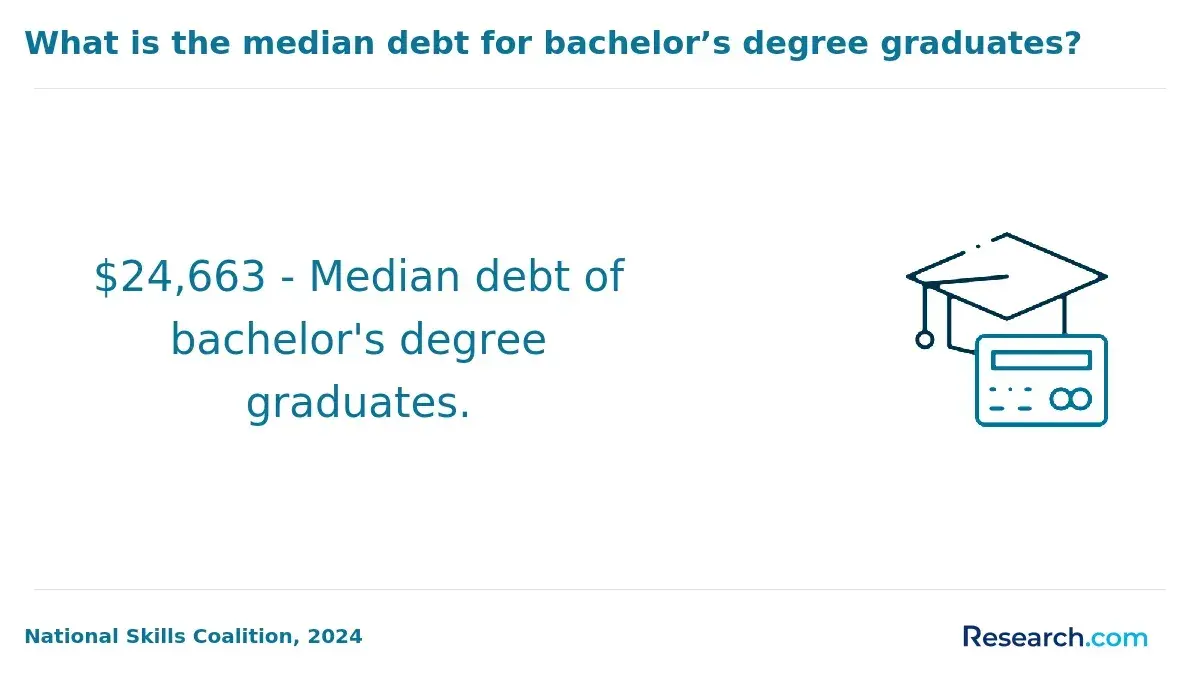
Traditional students pursuing a forensic accounting degree typically depend heavily on family support, federal financial aid, and student loans to cover tuition and related expenses. Over 70% of these students fund their education primarily through federal aid programs, which reduces immediate payment burdens but may create long-term debt challenges that influence career and financial planning post-graduation.
Their financial concerns often center on managing tuition costs with limited personal income, balancing the trade-off between education expenses and the anticipated increase in earning potential after completing the degree. For these students, tuition and funding options for traditional forensic accounting students remain a pivotal consideration as they weigh the risks of accumulating debt against the credentials' foundational value in entering the workforce.
Adult learners face markedly different financial pressures shaped by existing employment, family obligations, and financial responsibilities like mortgages or childcare. Many adult students rely on employer tuition assistance or personal savings rather than loans, reflecting a more risk-averse stance toward debt but a keen awareness of opportunity costs such as lost wages from reducing work hours.
This practical approach means these learners often seek shorter, flexible programs that allow them to sustain income streams while studying, making financial challenges faced by adult forensic accounting students centered on balancing ongoing living expenses with educational investment. Employer expectations also play a key role, as adult learners prioritize degrees that immediately enhance job performance or promotion prospects, influencing their decisions on program format and financial commitment.
These divergent financial realities contribute to distinct enrollment patterns and program preferences between traditional students and adult learners, with the latter gravitating toward flexible, often online options that minimize income disruption. Understanding these nuances helps clarify why adult learners prioritize return on investment differently, emphasizing pragmatic financial planning and lifecycle economic decision-making.
Programs responsive to these factors better accommodate the unique funding dynamics and time constraints faced by each group, underscoring the importance of targeted financial support and diverse program delivery methods. For students exploring pathways in forensic accounting, considering these financial behaviors alongside workforce and family obligations offers a more realistic framework for evaluating their educational commitments, distinct from generalized affordability discussions or one-size-fits-all pricing models.
For related educational pathways, some may also find value in exploring a construction management degree online accredited, which shares similar considerations regarding program flexibility and financial planning for diverse student populations.
What Challenges Do Adult Learners and Traditional Students Face While Earning a Forensic Accounting Degree?
Traditional students pursuing a forensic accounting degree often face the challenge of acclimating to a structured academic environment while managing the transition from adolescence to adulthood. These learners typically benefit from clear schedules and campus resources but must develop effective study habits and foundational discipline amid intense coursework.
Time management remains crucial as they juggle class loads with early career uncertainty and social integration, which can impact their engagement and academic persistence. According to a 2024 report from the National Center for Education Statistics, about 40% of traditional students identify academic preparation and social adjustment as primary hurdles during their studies.
Adult learners encounter a different set of pressures, frequently balancing full-time employment, family commitments, and intensive study demands intrinsic to forensic accounting programs. Their challenges include re-entering academic environments after time away, updating technical knowledge, and maintaining consistent engagement within less structured or flexible class formats.
Nearly 65% of adult learners cite balancing work, family, and academic responsibilities as their chief obstacle, underscoring the weight of external demands on their time and focus. Financial considerations for this group often involve opportunity costs tied to reduced work hours, complicating tuition affordability and long-term debt management.
How Does Age Affect Forensic Accounting Degree Student Retention?
Younger forensic accounting students frequently encounter retention obstacles tied to adjusting to college-level demands, fluctuating motivation, and early engagement with academic rigor. Many in this age group are navigating the shift from high school to higher education while managing peer influence and exploring career interests, which can dilute focus.
Nearly 35% of traditional students identify gaps in academic preparation and sustained engagement as key retention barriers, underscoring the need for institutions to strengthen support during these formative stages. Without effective intervention, these challenges can disrupt persistence, especially when competing social and financial distractions arise.
In contrast, adult learners in forensic accounting programs often display higher retention driven by a clear professional purpose and resilience born from life experience, despite juggling work, family, and financial commitments.
Their education tends to align closely with immediate career goals, fostering disciplined scheduling and persistence that translate into a 1.3 times greater likelihood of graduation within six years compared to younger peers, according to recent findings from the Association of Certified Fraud Examiners.
However, these students depend heavily on flexible course delivery and institutional accommodations to balance their responsibilities, revealing the importance of adaptable program structures tailored to mature learners' circumstances.
One forensic accounting graduate recounted hesitating during the rolling admissions period, uncertain whether to enroll immediately or delay until personal finances stabilized amid a job transition. This pause reflected the complex timing considerations adult students face, weighing readiness against the pressures of application deadlines and program start dates.
Eventually, the decision to proceed after securing a clearer financial footing led to a more focused and sustained commitment to the degree, illustrating how strategic planning around life circumstances can critically influence retention outcomes across age groups.
Which Forensic Accounting Specializations Are Most Popular Among Adult Learners?
Adult learners pursuing forensic accounting degree programs often prioritize specializations that provide tangible workforce benefits, such as immediate career mobility, salary growth, and practical skill development. These learners typically bring prior professional experience and prefer curriculum tracks that respond to evolving industry demands rather than purely theoretical focus areas.
This pragmatic approach reflects a broader trend where specialized knowledge in fraud detection and digital investigation aligns directly with employers' expectations for professionals who can contribute from day one. In fact, a 2024 report by the American Accounting Association reveals nearly 60% of adult students opt for fraud examination or digital forensics, indicating stronger demand than among younger, traditional-age students.
- Fraud examination: This specialization attracts adult learners due to its clear career advancement potential in identifying financial malfeasance. Professionals often select this path to leverage existing audit experience while upgrading skills to meet tighter regulatory scrutiny and complex investigative standards.
- Digital forensics: With the rise of cybercrime, adult learners value this specialization for its practical application in tracing electronic evidence. It facilitates a transition into technology-integrated roles that are increasingly critical in both public and private sectors.
- Compliance auditing: Given the growing regulatory landscape, many adult students choose compliance auditing to enhance their capability in ensuring adherence to laws and internal policies, often leading to positions with higher responsibility and compensation.
- Regulatory and legal frameworks: This track appeals to those seeking to deepen their understanding of legal standards affecting forensic accounting, aiding career reinvention toward roles requiring interaction with legal professionals and regulatory bodies.
Specializations such as financial statement fraud or investigative accounting draw fewer adult learners due to a longer trajectory before skill application and less direct pay-off in job market relevance. Practitioners focused on forensic accounting specializations preferred by adult learners tend to emphasize skill updating and workforce transition goals that align with employer priorities in fraud detection, cybersecurity, and compliance.
For those looking to combine practical skills from forensic accounting with broader interdisciplinary expertise, programs offering integration with areas like psychology are emerging. For instance, students interested in cross-disciplinary advancement might explore online masters clinical psychology programs as complementary pathways to expand career options in fraud psychology and behavioral analysis within forensic contexts.
How Does Age Affect Job Opportunities for Forensic Accounting Graduates?
Younger forensic accounting graduates, typically those aged 18 to 24, often navigate job opportunities through established internship pipelines and entry-level roles where employers expect a foundational training period. These graduates benefit from clearer trajectories into junior positions but frequently face a longer ramp-up time before advancing, reflecting labor market segmentation tied to career lifecycle stages.
According to 2024 data from the U.S. Bureau of Labor Statistics, the median starting salary for forensic accounting graduates under 25 is roughly 8% lower than for those aged 30 to 40, illustrating differences in role seniority driven by employer hiring frameworks.
Employers prioritize recent graduates under 30 for trainee or entry roles, aligning hiring practices with expectations of growth potential and adaptability within younger cohorts. This dynamic affects overall forensic accounting job prospects by age group, as younger candidates often compete in a crowded pool where age serves as a signaling factor for career stage rather than skill alone.
Forensic accounting graduates over 25 face a more complex employment landscape shaped by the interplay of prior work experience, transferable skills, and expectations of immediate contribution. Adult learners often seek mid-level or specialist roles where their maturity and diverse backgrounds can offset concerns related to cultural fit or perceived overqualification.
While employer biases toward younger teams persist, continuing professional education and certifications remain crucial in mitigating age-related barriers across age segments. These graduates must strategically leverage their history and demonstrate how skills acquired in previous careers translate to forensic contexts, influencing their positioning in the market and access to accelerated advancement.
Such nuances inform career advancement opportunities for adult forensic accounting graduates and underscore the importance of targeted networking and credentials, including options like a masters in digital marketing, which may complement their expertise and broaden employability within interdisciplinary environments.
What Do Current Forensic Accounting Enrollment Trends Reveal About Future Demand?
Recent enrollment shifts in forensic accounting programs reveal increasing interest from adult learners who bring practical work experience and seek targeted specialization, contrasting with the steadier, younger traditional student population. With a 22% enrollment increase among non-traditional students reported by the National Center for Education Statistics in 2024, this demographic's growth signals a perception of enduring career value linked to fraud detection and financial crime prevention.
These patterns suggest programs are evolving to serve varied student needs through flexible formats and updated curricula that address real-time industry challenges rather than static academic models.
These enrollment trends align closely with labor market indicators, where a projected 16% job growth by the U.S. Bureau of Labor Statistics reflects rising employer demand for forensic accounting expertise equipped with technological proficiency and adaptability.
The workforce shifts driven by industry expansion into data analytics and financial compliance heighten the need for advanced credentials and experiential learning.
Consequently, current enrollment behavior not only forecasts program expansion but also signals specialization diversification as institutions adjust to long-term workforce shortages and evolving employer expectations in the forensic accounting field.
References
- Best Bachelor's in Forensic Accounting | Accounting.com https://www.accounting.com/degrees/forensic-accounting/bachelors/
- How to get a job in forensic accounting https://www.leonid-group.com/insights/how-to-get-a-job-in-forensic-accounting/
- Going Back to School as an Adult: What Adult Learners Should Consider https://www.aiuniv.edu/blog/2015/june/going-back-to-college-at-40
- Adult Postsecondary Learners: Reviewing the Data and Evidence https://www.jff.org/idea/adult-learners/
- You Should Invest in a Forensic Accounting Degree — Here's Why https://learn.neumann.edu/neuperspectives/you-should-invest-in-an-advanced-accounting-degree-heres-why
- Modern Forensic Accounting: How It Evolved https://www.turningnumbers.com/blog/the-evolution-of-forensic-accounting-in-modern-times
- GRIN - Bridging the Gap. Why Forensic Accounting Education Must Evolve to Combat Modern Financial Crime https://www.grin.com/document/1577599
- Traditional Vs. Non-Traditional Students in Higher Education https://moderncampus.com/blog/traditional-vs-non-traditional-students-in-higher-education.html
- Forensic Accounting in the Age of AI: Opportunities and Risks | Insights | BRG https://www.thinkbrg.com/insights/publications/forensic-accounting-in-the-age-of-ai-opportunities-and-risks/
- Forensic accounting demand surges with AI, fraud risks https://rbj.net/2025/08/26/forensic-accounting-demand-surges-with-ai-fraud-risks/
Other Things You Should Know About Forensic Accounting
Adult learners often prioritize flexible schedules due to work and family commitments, but many forensic accounting programs with high flexibility (e.g., fully online or asynchronous) may reduce interaction with faculty and peers. This can impact the depth of learning essential for understanding complex fraud analytics and legal processes. Adults should assess whether a program's flexibility compromises critical hands-on experiences and consider hybrid models that balance schedule adaptability with meaningful engagement.
Traditional students typically have fewer external responsibilities, enabling more time for extensive study, internships, and group projects. Adult learners often juggle jobs and family, which may limit the ability to engage deeply with comprehensive forensic accounting cases. Consequently, adult learners might need to select programs with focused curricula and streamlined assessments to maintain quality without overload, accepting that this might affect exposure breadth but improve completion chances.
Employers value practical experience highly in forensic accounting, sometimes over pure academic credentials. Traditional students might need to seek internships or co-op placements aggressively to offset limited workplace experience, whereas adult learners may leverage existing professional backgrounds to enhance employability even if their degree program is part-time or condensed. Therefore, younger students should prioritize programs with strong experiential learning components, while adult learners can focus on programs that validate and build on their non-academic skills.