2027 Forensic Accounting Salary Trends Report: Are Wages Keeping Up With Tuition and Inflation?

Co-Founder and Chief Data Scientist
Consider a prospective forensic accounting student weighing the decision to invest in a degree amid rising tuition costs. This candidate must assess whether future salaries will offset not only the upfront expense but also the ongoing impact of inflation on purchasing power. With education prices climbing faster than many expect, understanding the relationship between earning potential and cost becomes critical. Simply comparing current salaries to tuition fails to capture the full financial picture.
Salary growth, tuition, and inflation rarely move in sync, complicating long-term value assessments for forensic accounting graduates. Focusing solely on starting pay ignores how inflation erodes real income over time or how escalating educational costs influence debt burdens. This article explores forensic accounting salary trends alongside tuition increases and inflation rates, examining return on investment, affordability, and key factors shaping the degree's long-term financial value.
Key Things to Know About Forensic Accounting Salary Trends
- Graduate wages in forensic accounting have grown by an average of 3.2% annually since 2022, outpacing general inflation but lagging behind the 5% average rise in tuition costs, reducing net early-career purchasing power.
- Rising tuition inflation pressures require candidates to evaluate program ROI critically, as escalating debt burdens can delay wealth accumulation despite robust mid-career salary growth potential in forensic accounting.
- Long-term earning potential heavily depends on specialization within forensic accounting and certifications like CFE; technical expertise drives above-average salary gains beyond baseline degree qualifications.
- Key Things to Know About Forensic Accounting Salary Trends Key Things to Know About Forensic Accounting Salary Trends
- What Is the Current Salary Outlook for Forensic Accounting Graduates? Salary Outlook
- Are Forensic Accounting Salaries Keeping Up With Inflation? Inflation Impact
- How Do Tuition Costs Compare With Forensic Accounting Salary Growth? Tuition vs Salary
- Does a Forensic Accounting Degree Deliver a Positive Return on Investment? Degree ROI
- Which Industries Offer the Highest Salaries for Forensic Accounting Graduates? Which Industries Offer the Highest Salaries for Forensic Accounting Graduates?
- Which States and Cities Offer the Highest Pay for Forensic Accounting Professionals? Which States and Cities Offer the Highest Pay for Forensic Accounting Professionals?
- How Do Forensic Accounting Salaries Grow Throughout a Career? Career Growth
- How Do Forensic Accounting Salaries Compare With Similar Degrees? Salary Comparison
- How Is Employer Demand Affecting Forensic Accounting Salary Trends? Employer Demand
- How Can Students Maximize Their Lifetime Earnings With a Forensic Accounting Degree? Maximizing Earnings
What Is the Current Salary Outlook for Forensic Accounting Graduates?
The salary outlook for forensic accounting graduates in 2024 reflects notable variation influenced by experience, location, and employer type. Entry-level forensic accountants generally earn between $60,000 and $75,000 annually, but those with five to ten years of specialized experience can surpass $110,000.
For instance, two graduates with identical degrees might diverge significantly: one working in a metropolitan consulting firm specializing in fraud investigations might quickly reach salaries above $130,000, while another employed by a smaller regional business or a non-profit may remain closer to median wage levels. These differences highlight how career choices and geographic factors play a pivotal role in shaping earnings despite holding the same qualification.
Projected demand for forensic accounting roles remains strong, with employment growth expected around 11% through 2030, outpacing many other professions. This trend suggests robust potential for salary growth and upward mobility, encouraging graduates to plan for long-term progression rather than focusing solely on starting salaries.
Certifications such as the Certified Fraud Examiner or CPA can further increase earning power by 10 to 20%, especially in competitive urban job markets. However, prospective students must consider rising tuition costs, as forensic accounting programs have experienced an average 5% annual increase in fees over recent years, which may affect the net return on educational investment.
Understanding the current earning potential for forensic accounting degrees requires balancing salary data with tuition inflation and career development prospects. Those evaluating whether to pursue this path should also consider alternatives like fast degrees online that might offer quicker entry into the workforce. Ultimately, forensic accounting graduates can expect promising salary trends, but individual outcomes will vary according to strategic certification, employer sector, and long-term career planning.
Are Forensic Accounting Salaries Keeping Up With Inflation?
Nominal wage increases for forensic accounting professionals have not consistently matched the pace of inflation, effectively reducing their real purchasing power. Data from the U.S. Bureau of Labor Statistics reveals that while median salaries for forensic accounting-related occupations rose by about 4.2% between 2022 and 2023, inflation measured by the Consumer Price Index grew 6.5% in the same period.
This means a graduate earning a starting salary increase slightly above 4% still faces a pay cut in terms of what their income can actually buy, especially as everyday expenses rise.
Consider a recent graduate who secured an entry-level forensic accounting position with a 4% salary bump annually. Although this seems positive nominally, the cost of living has grown faster, forcing them to stretch their budget for essentials like rent, transportation, and student loan payments. This imbalance illustrates the ongoing challenge that the impact of inflation has on forensic accounting salary trends versus inflation.
Factors such as geographic location, certifications like the CFE, and experience influence wage growth, but tuition inflation and stagnant entry-level wages make the financial benefits less clear. Prospective students evaluating the value of a forensic accounting degree must also explore alternatives such as a cheap online engineering degree to benchmark educational investment decisions in a broader context.
How Do Tuition Costs Compare With Forensic Accounting Salary Growth?
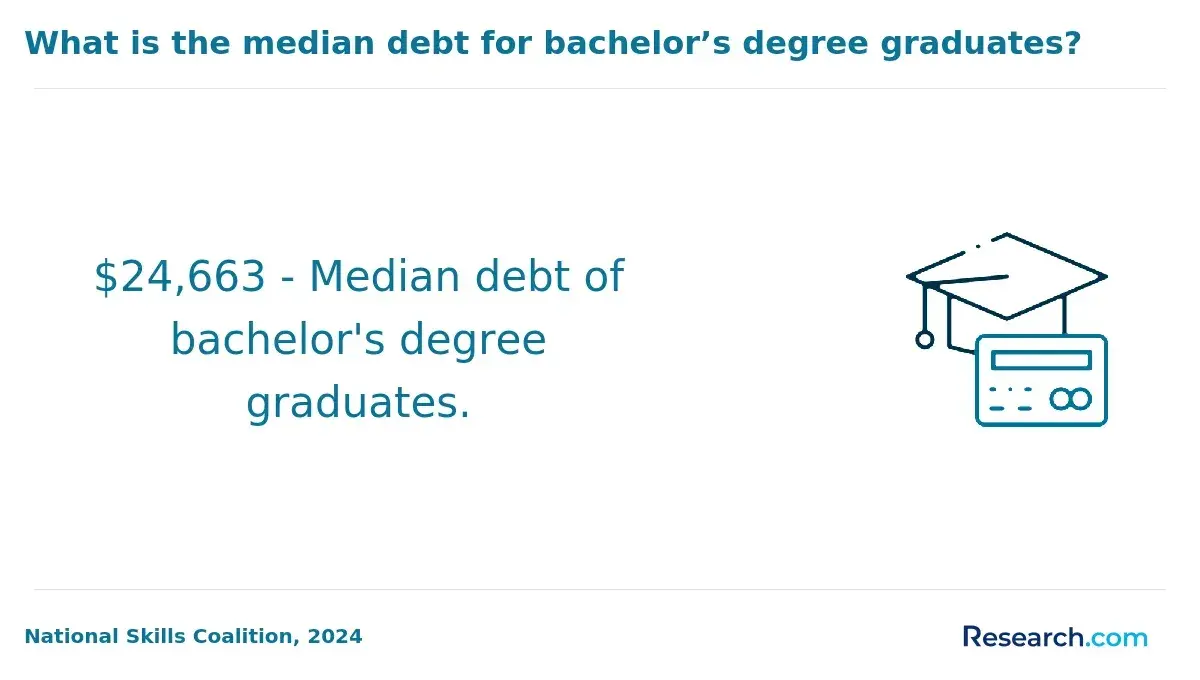
Comparing tuition inflation with salary growth offers a clearer lens on the real return of a forensic accounting degree than examining either metric alone. While average tuition at public four-year colleges has climbed past $10,000 annually in 2024, increasing roughly 3% to 5% each year, starting salaries for forensic accounting graduates tend to fall between $55,000 and $65,000.
Mid-career wages rise to about $85,000 to $95,000 but typically grow at a slower rate-around 2% to 3% annually after inflation-lagging behind tuition hikes. This imbalance suggests that the upfront cost of education continues to swell faster than long-term salary gains, a dynamic that complicates debt repayment and diminishes net financial gain, especially when factoring in loan interest and living expenses.
Factors such as residency status, scholarship opportunities, and program acceleration can significantly alter this financial balance, emphasizing that outcomes differ widely among students. For example, a student attending an in-state public university might face much lower tuition increases compared to peers at private institutions, thereby easing post-graduation financial stress.
Conversely, those bearing full costs at private schools encounter a sharper divergence between educational expenses and wage growth. These nuances demonstrate why the financial feasibility of a forensic accounting degree depends heavily on individual circumstances and market conditions, not solely on average figures.
One recent graduate recalls hesitating before committing to a private university program due to steep tuition inflation outpacing expected early-career earnings. They ultimately chose a school offering a robust scholarship, which mitigated tuition growth concerns and allowed them to accept a moderate salary without immediate financial strain.
This decision instilled cautious optimism, recognizing salary increases might not dramatically outpace debt costs but affirming that careful planning and cost reduction strategies were essential to making their forensic accounting career investment worthwhile.
Does a Forensic Accounting Degree Deliver a Positive Return on Investment?
Return on investment in higher education, particularly for a forensic accounting degree, hinges on balancing upfront costs against long-term financial gains and career stability. This calculation goes beyond initial salaries to include prospects for professional growth, job security, and the ability to keep pace with inflation.
For example, an individual who incurs $60,000 in tuition debt to complete a forensic accounting program may initially earn starting wages slightly above general accounting graduates, but their true advantage becomes apparent over time through steady salary increases and demand in specialized roles such as fraud examination and legal consulting.
According to 2024 data from the U.S. Bureau of Labor Statistics, forensic accountants typically earn median salaries notably above the national average for accountants, supporting a payback period on educational investment estimated between five and seven years.
Key factors affecting whether the degree delivers a positive return include rising tuition rates that have outpaced general inflation, as reported by the College Board's 2024 findings, and the variability of regional job markets. While ballooning educational costs present a challenge, forensic accounting's niche focus and strong employment outlook contribute to greater salary growth potential compared to many other specialized fields.
Additionally, institutions like Georgetown University's Center on Education and the Workforce highlight that the career longevity and relative job security of forensic accountants help sustain purchasing power despite inflationary pressures. Nevertheless, individuals should weigh their personal circumstances, including financing options and local employment trends, as ROI for forensic accounting graduates can vary considerably depending on these economic conditions.
Which Industries Offer the Highest Salaries for Forensic Accounting Graduates?
Forensic accounting graduates face a competitive job market where industry selection profoundly influences salary potential and career durability. Data from the U.S. Bureau of Labor Statistics (2024) indicates that sectors with complex financial activities and regulatory pressure provide the most lucrative roles.
Understanding which industries consistently deliver high compensation helps graduates align their skills with market demand rather than relying on entry-level averages alone. Those targeting the top industry salaries for forensic accounting graduates should consider specific sectors that reward specialized expertise and offer substantial financial incentives.
The following industries typically offer the strongest earning potential for forensic accounting professionals:
- Finance and Insurance: This industry dominates in salary offerings due to the intricate nature of financial products and the persistent risk of fraud. Roles often include fraud examination, risk assessment, and regulatory compliance from banks to insurance firms, where advanced knowledge of financial instruments and data analytics drives premium compensation.
- Legal Services: Law firms engaged in litigation support and dispute resolution frequently hire forensic accountants to provide investigative accounting, asset tracing, and expert testimony. Specialized litigation skills and the ability to communicate complex findings to courts contribute to higher pay scales here.
- Consulting Firms: Consulting organizations with forensic advisory divisions attract graduates to roles centered on corporate investigations and compliance audits. The demand for proactive fraud mitigation strategies and advisory expertise translates into attractive salaries and rapid professional growth.
- Healthcare: Emerging as a critical growth area, healthcare demands forensic accounting professionals to uncover fraud and abuse in billing, insurance claims, and regulatory reporting. With increasing regulatory scrutiny, salaries in this industry show upward momentum aligned with specialized knowledge of healthcare finance.
- Government Agencies: Although generally offering lower salaries than the private sector, federal and state agencies provide stable employment for forensic accountants involved in tax enforcement, law enforcement, and regulatory compliance. Experience gained here can be a springboard to more lucrative private sector positions.
- Corporate Sector: Large corporations deploy forensic accountants internally for fraud detection, internal audits, and risk management. These roles often require certifications like Certified Fraud Examiner (CFE) or Certified Public Accountant (CPA) and reward professionals who combine accounting skills with investigative tenacity.
- Technology Firms: As digital transactions and cyber fraud grow, technology companies increasingly seek forensic accountants adept in data analytics and cybersecurity. This evolving niche offers competitive salaries to those who can navigate both financial and technical complexities.
Choosing sectors according to these patterns allows forensic accounting graduates to maximize their income relative to the rising cost of education and inflation. Aspiring professionals should also consider advanced credentials and ongoing training, including exploring paths such as the top MBA programs that don t require GMAT or GRE, to enhance their qualifications. This strategic approach ensures better alignment with top-paying industries and sustained career growth over time.
Which States and Cities Offer the Highest Pay for Forensic Accounting Professionals?
Regional economic contexts strongly influence pay scales for forensic accounting professionals, shaping significant disparities across U.S. states and cities. Data from the U.S. Bureau of Labor Statistics and leading accounting salary surveys in 2024 clearly point to select areas where wages outpace the national median.
However, gross salary numbers alone provide an incomplete picture. Prospective students and early-career forensic accountants must also assess cost-of-living realities and local educational expenses when determining the actual financial benefit of working in these top-paying markets.
Here's a breakdown of some key states and metropolitan hubs where forensic accounting compensation tends to be highest, along with essential tradeoffs to consider:
- California - San Francisco and Los Angeles: These metro areas lead with salaries 20-30% above the national average, fueled by dense clusters of financial services, technology companies, and government regulatory bodies that require sharp forensic expertise. However, steep housing costs and high state taxes can substantially offset these higher wages, making net earnings less advantageous without strong cost management.
- New York City: As a premier global financial center, NYC offers lucrative roles linked to complex fraud investigations and regulatory compliance for multinational firms. The premium pay compensates for elevated living expenses, but tuition for local programs is also among the highest nationally, adding to entry barriers for fresh graduates.
- Massachusetts - Boston: Boston combines its robust finance and healthcare sectors to drive demand for forensic accountants. Salaries here compete with coastal peers, yet the city's considerable living costs and competitive educational institutions require careful budgeting for students and newcomers.
- Texas - Houston and Dallas: Emerging within the energy sector's growth and increasing corporate headquarters, these cities deliver salaries near the national upper quartile. The relatively moderate housing market and absence of a state income tax enhance take-home pay, offering a better balance between earnings and expenses.
- Washington, D.C. Metro Area: Federal agencies and consulting firms demand forensic accounting talent, often offering premium compensation. While living costs are high, benefits from government roles and steady demand can offset the expense, especially for those prioritizing stability.
- Illinois - Chicago: Chicago's diverse economy, including banking and healthcare, supports competitive forensic accounting salaries. The city offers a middle ground where living costs are lower than coastal hubs but salaries remain attractive for mid-career professionals.
How Do Forensic Accounting Salaries Grow Throughout a Career?
Forensic accounting salaries tend to start modestly, with many entry-level professionals earning between $55,000 and $70,000 annually according to the U.S. Bureau of Labor Statistics (2024). Growth in earnings becomes more pronounced in the first five to ten years, often reaching $90,000 to $120,000 as individuals gain hands-on experience, secure relevant certifications like the Certified Fraud Examiner or CPA, and move into specialist or managerial roles.
Beyond this point, those with over a decade of experience frequently see significant salary increases, sometimes exceeding $130,000, especially if working in high-demand sectors like finance or law enforcement. These figures underscore how educational background, certifications, and targeted career moves strongly influence compensation trajectories over time.
Consider two forensic accounting graduates starting in the same firm at $60,000. One pursues advanced certifications and seeks positions in financial institutions, steadily advancing to earn around $115,000 within eight years. The other opts for a more generalist route without additional credentials, remaining near $75,000 and moving laterally between jobs.
This scenario highlights how strategic professional development shapes income growth more than degree alone. Industry focus, geographic location, and credentials remain critical factors, as salaries tend to rise faster in metropolitan centers and competitive fields within forensic accounting, while general inflation and rising educational costs may temper net financial gains early in a career.
One graduate recalled feeling uncertain after finishing their degree amid soaring tuition debt. Initially earning a typical entry-level salary, they hesitated before investing time in certification exams due to cost and workload. After finally obtaining the Certified Fraud Examiner credential, however, a new role with a specialized consulting firm doubled their salary within three years.
Their experience reflects the tension between short-term financial strain and the long-term benefits that focused professional development can unlock in forensic accounting careers.
How Do Forensic Accounting Salaries Compare With Similar Degrees?
Forensic accounting graduates often face a nuanced salary landscape when compared with closely related fields such as general accounting, auditing, and financial analysis. The median wage for forensic accountants, reported around $83,500 by the U.S. Bureau of Labor Statistics, generally outpaces general accounting salaries but offers a different career trajectory due to its investigative focus.
Career starters in forensic accounting may experience lower entry salaries because of certification requirements and specialized skill acquisition, yet mid-career professionals frequently see wage growth surpassing inflation.
Understanding these dynamics and the relative earning potential is crucial for those evaluating forensic accounting career earnings versus similar fields. Here are key salary comparisons for related degrees:
- General Accounting: Median wages for general accountants are near $79,000, slightly below forensic accounting. Traditional accounting roles tend to offer higher initial salaries but with less emphasis on fraud detection skills, which can limit long-term earning growth tied to professional certifications.
- Auditing: Auditors share comparable skills with forensic accountants, but salaries often align closer to general accountants due to less investigative specialization. Auditing careers usually reside within corporate or governmental compliance, impacting salary variation depending on the sector.
- Financial Analysis: Financial analysts report a median salary slightly lower than forensic accountants, around $81,000. Their roles focus on market trends and investment decisions rather than fraud investigation, affecting both entry-level pay and advancement potential.
- Certified Fraud Examiner Credentials: Mid-career forensic accountants with certifications like the CFE often experience salary acceleration exceeding tuition costs and inflation, particularly in private sector roles. Public sector salaries typically lag, which is an important consideration for cost-to-return in higher education investment decisions.
For students balancing tuition expenses and earning outlooks, especially those considering advanced credentials such as a PhD no dissertation, understanding these salary variations can inform strategic career decisions in forensic accounting.
How Is Employer Demand Affecting Forensic Accounting Salary Trends?
Employer demand significantly shapes forensic accounting salary trends by creating competitive pressure among organizations to attract qualified professionals. The U.S. Bureau of Labor Statistics projects a 10% growth in job openings for auditors and accountants, including forensic accounting specialists, over the next decade-outpacing many other fields.
In practice, consider a mid-sized firm facing rising financial fraud risks and regulatory demands: to secure talent, it must offer salaries and bonuses above market average. This competition directly elevates wage growth, but sophistication and specialization within forensic accounting can further differentiate compensation, as employers target those with niche expertise to address complex fraud schemes.
However, sustained employer demand is only part of the equation. Economic factors such as inflation, rising educational costs, and organizational budget constraints often temper salary increases. For instance, while average salary hikes hovered around 3% annually as of 2023 and early 2024, these gains frequently fail to keep pace with tuition inflation or cost-of-living rises, impacting net earnings for newcomers in the job market.
Prospective students and career changers must weigh these real-world tradeoffs thoughtfully, evaluating whether pursuing a forensic accounting degree aligns with long-term financial goals. Additionally, exploring accredited EdS to EdD programs can provide alternative pathways for those seeking advanced education with career flexibility in related fields.
Ultimately, employer demand impact on forensic accounting salaries is a dynamic interplay of labor market growth, evolving regulatory landscapes, and economic realities.
Although strong demand can accelerate wage growth, variations in experience level, specialization, and institutional priorities mean salaries differ widely. Staying informed about these multifaceted trends is crucial for those assessing the true value of forensic accounting credentials amid competing financial pressures.
How Can Students Maximize Their Lifetime Earnings With a Forensic Accounting Degree?
Maximizing lifetime earnings with a forensic accounting degree requires targeted actions beyond completing coursework. According to 2024 data from the Bureau of Labor Statistics and the National Association of Forensic Accountants, strategic certification, specialization, and advanced education influence salary trajectories significantly. For instance, forensic accountants working in government or financial services can earn up to 25% more than peers in smaller firms.
The following strategies reflect realistic approaches students can adopt to enhance their financial outcomes over time:
- Professional Certifications: Obtaining credentials like Certified Fraud Examiner (CFE) or Certified Public Accountant (CPA) boosts credibility and often grants access to higher-paying roles in law enforcement or consulting.
- Industry Specialization: Focusing on sectors such as cybersecurity or insurance investigations aligns with rapid market growth and demands skills that command premium salaries.
- Advanced Degrees: Pursuing a master's in forensic accounting or an MBA with a finance concentration correlates with faster promotion rates and improved compensation over the long term.
- Networking and Internships: Engaging with professional associations and securing internships in metropolitan areas introduces candidates to lucrative job markets and mentorship opportunities.
- Technological Proficiency: Mastery of AI-driven fraud detection and financial data analytics tools increases employability as firms prioritize tech-savvy forensic accountants.
References
- Forensic Accounting Job Trends, Salaries & Related Skills https://www.itjobswatch.co.uk/jobs/uk/forensic%20accounting.do
- Forensic Accountant Career And Salary Information https://www.criminaljusticedegreeschools.com/careers/forensic-accountant/
- Learn What Forensic Accountants Do and How to Become One https://www.accounting-education.org/career/forensic-accounting/
- Accounting Career Path: Roles, Progression & Salary Stages https://www.mileseducation.com/blog/accounting/accounting-career-path
- Forensic Accountant Salary in AU (June, 2026) – SEEK https://au.seek.com/career-advice/role/forensic-accountant/salary
- SEEK Employment Trends: Industry spotlight on accounting https://nz.employer.seek.com/market-insights/article/seek-employment-trends-industry-spotlight-on-accounting
- Accounting for Forensic Accounting Course Benefits https://www.oxfordhomestudy.com/OHSC-Blog/accounting-for-forensic-accounting-course
- How Much Does a Forensic Accounting Engagement Cost? Fee Structures Explained https://madrasaccountancy.com/blog-posts/forensic-accounting-engagement-cost-fee-guide
- Forensic Accountant Costs by State: Where You'll Pay More (And Less) | ForensicLedger https://forensicledger.com/blog/forensic-accountant-cost-by-state/
- How to Become a Forensic Accountant https://freemannews.tulane.edu/2025/06/09/how-to-become-a-forensic-accountant
Other Things You Should Know About Forensic Accounting
Forensic accounting roles often provide steady employment due to growing regulatory and compliance demands, but wage increases may not always keep pace with inflation or tuition hikes. Prioritizing program choices that offer specialized skills, such as data analytics or cyber-forensics, can improve future bargaining power and salary growth prospects. Candidates should balance stability against the likelihood of incremental pay raises and consider if additional certifications could accelerate compensation beyond baseline salaries.
Accelerated programs reduce time-to-degree but may limit opportunities for internships, networking, and in-depth specialization. These experiential components often enhance employability and earning potential over time. While a faster path minimizes upfront costs and lost wages, prospective students should evaluate if the compressed curriculum sacrifices practical experience that could translate into higher long-term compensation.
High workloads in forensic accounting can constrain time available for pursuing certifications such as the CFE (Certified Fraud Examiner), which are linked to salary premiums. Individuals must assess whether the immediate income justifies deferring credential advancement or if investing time early in additional qualifications could lead to accelerated career progression and earnings despite short-term workload strain. Prioritizing credentials might mean temporary workload intensification but often results in stronger salary growth down the line.
Reputation impacts employer perception, which can affect starting salary offers and access to higher-paying roles. Graduates from highly ranked or well-connected programs often enjoy better job placement and salary negotiation leverage. However, this premium must be measured against often higher tuition costs, meaning students should carefully consider if the incremental salary advantage justifies the greater debt burden.