2027 Forensic Accounting Student Debt Report: Borrowing, Monthly Payments, and Repayment Risk

Co-Founder and Chief Data Scientist
The length and rigor of forensic accounting programs, often coupled with certification requirements like the Certified Fraud Examiner designation, shape borrowing patterns distinct from broader accounting or business fields. Extended pathways, including necessary internships and fieldwork, can increase educational costs and influence monthly repayment obligations after graduation. Workforce demand for forensic accountants fluctuates with economic shifts, impacting salary stability and debt-risk profiles.
Data from the National Association of State Boards of Accountancy (2024) shows a rising median age of forensic accounting students, suggesting mid-career entry is common. This trend reflects evolving professional demands and may affect long-term debt management strategies. This report examines borrowing patterns, repayment dynamics, and financial risks specific to forensic accounting graduates, offering insight into their distinct fiscal landscape.
Key Things to Know About Forensic Accounting Student Debt
- Forensic accounting student debt often accumulates due to extended program lengths; delaying entry into the workforce raises opportunity costs, complicating debt service affordability in early career stages.
- Employers increasingly value practical experience over degree prestige, pressuring borrowers to weigh high debt levels against building relevant forensic accounting skills to improve job retention.
- Recent data show 28% of forensic accounting graduates face repayment stress within five years, highlighting timing tradeoffs between advanced study and manageable monthly loan obligations.
- Key Things to Know About Forensic Accounting Student Debt Key Things to Know About Forensic Accounting Student Debt
- How Much Student Loan Debt Do Forensic Accounting Graduates Typically Have at Graduation? Average Studen Loan Debt
- What Factors Have the Biggest Impact on Forensic Accounting Student Loan Debt? Student Debt Key Factors
- What Is the Average Monthly Student Loan Payment for Forensic Accounting Graduates? Average Monthly Payment
- How Do Repayment Rates Compare Between Public and Private Institutions? Public vs. Private Institution Repayment Rates
- Do Online Forensic Accounting Graduates Have Different Repayment Outcomes Than Campus-Based Students? Online vs. On-Campus Student Loan Repayment
- Which Industries Provide the Best Financial Return Relative to Borrowing Costs? Which Industries Provide the Best Financial Return Relative to Borrowing Costs?
- Does Student Debt Affect Which Jobs Forensic Accounting Graduates Accept? Does Student Debt Affect Which Jobs Forensic Accounting Graduates Accept?
- What Factors Increase Student Loan Repayment Risk for Forensic Accounting Graduates? Loan Repayment Risk Factors
- How Can Forensic Accounting Students Reduce Student Loan Debt While Earning Their Degree? Tips to Reduce Student Debt
- How Should Prospective Students Evaluate Borrowing Risk Before Enrolling? Evaluating Student Debt Risk
How Much Student Loan Debt Do Forensic Accounting Graduates Typically Have at Graduation?
Graduates of forensic accounting degree programs typically carry student loan debt averaging between $25,000 and $35,000 at the time of graduation, reflecting broader trends seen across finance-related fields. This range is influenced by recent data from sources like the National Center for Education Statistics, which highlight variations based on specific program structures and institutional differences.
While exact figures exclusively for forensic accounting are limited, the average student loan debt for forensic accounting graduates generally aligns with these finance-related benchmarks, offering a realistic expectation for incoming students. These debt levels are shaped by curriculum demands that combine accounting fundamentals with legal and investigative coursework, often leading to extended study durations or pursuit of additional qualifications that add to borrowing needs.
Debt variation among forensic accounting students is driven largely by institutional factors and enrollment patterns. Public colleges tend to offer lower tuition rates and more favorable debt-to-earnings outcomes than private or for-profit schools, which can significantly alter borrowing amounts. Residency status also matters; out-of-state students frequently face higher tuition costs, pushing the forensic accounting graduate borrowing amounts by institution well beyond the typical range.
Furthermore, the limited availability of specialized scholarships for forensic accounting compared to broader business degrees often results in increased reliance on loans. Part-time enrollment or internships required by some programs can extend study time, indirectly increasing total student debt.
The implications of this debt burden extend beyond graduation, affecting repayment strategies and financial stability. Forensic accounting graduates entering workforce markets with median starting salaries around $55,000 to $65,000 must navigate loan repayments that, while manageable for many, can generate ongoing financial pressure if borrowing exceeds typical thresholds. Income-driven repayment plans can mitigate some stress, but long-term debt influences career decisions and lifestyle choices. Prospective students should also weigh program costs carefully and explore resources like affordable MBA programs online when planning their education to maintain manageable debt levels relative to expected earnings.
What Factors Have the Biggest Impact on Forensic Accounting Student Loan Debt?
Student loan debt levels among students pursuing forensic accounting degrees do not hinge on a single factor but emerge from a complex interplay of institutional pricing, financial aid, program design, regional cost differences, and individual borrowing habits. The financing structure of higher education institutions shapes baseline costs, while student decisions and financial circumstances ultimately govern the size and sustainability of debt incurred. Understanding these drivers clarifies why borrowing amounts vary widely even within specialized forensic accounting programs.
- Institution Type and Tuition Pricing: Public and private institutions differ significantly in their tuition models, with public universities generally offering lower sticker prices. This gap leads forensic accounting student loan borrowing factors to skew toward higher debt accumulation at private colleges, where median debt runs about 15% higher according to the 2024 National Center for Education Statistics report. Institutional pricing also influences financial aid distribution, affecting net borrowing requirements.
- Program Length and Format: The structure of forensic accounting programs-including whether students pursue combined undergraduate and graduate credentials or streamlined master's paths-directly affects loan amounts. Longer programs entail more semesters of tuition and living expenses, pushing up borrowing, while integrated formats may help contain costs but depend heavily on per-credit pricing and program intensity.
- Geographic Location and Living Costs: Students enrolled in metropolitan-area programs face higher tuition and substantially elevated living expenses compared to suburban or rural counterparts. The Department of Education's 2024 data highlights that urban forensic accounting graduates typically carry around 20% more debt, illustrating how location amplifies borrowing through cost-of-living pressures layered onto tuition fees.
- Financial Aid Availability and Certification Costs: The distribution of scholarships, grants, and targeted aid varies widely across institutions, shaping how much debt students must acquire. Additional financial demands, such as fees and preparatory costs for industry certifications like the Certified Fraud Examiner (CFE), can increase borrowing beyond tuition. This complexity makes total debt a function of both institutional generosity and professional credentialing costs.
- Student Financial Behavior and Loan Types: Individual decisions on loan selection-such as reliance on unsubsidized federal loans or private loans-affect both principal balances and interest accrual. According to the Education Data Initiative's 2024 analysis, nearly 40% of forensic accounting graduates report monthly loan payments exceeding 10% of their starting salaries, underscoring how borrowing choices and repayment terms critically impact long-term debt burden and financial stability.
Balancing these factors is essential for prospective and current students evaluating forensic accounting programs. The interconnected nature of enrollment patterns, program format, institutional pricing, and personal financial strategies defines borrowing levels and repayment risks more than any single element alone. Individuals can further explore financing options and institutional cost profiles by looking up popular online colleges, which often provide flexible program formats better aligned with cost-containment and tailored financial aid.
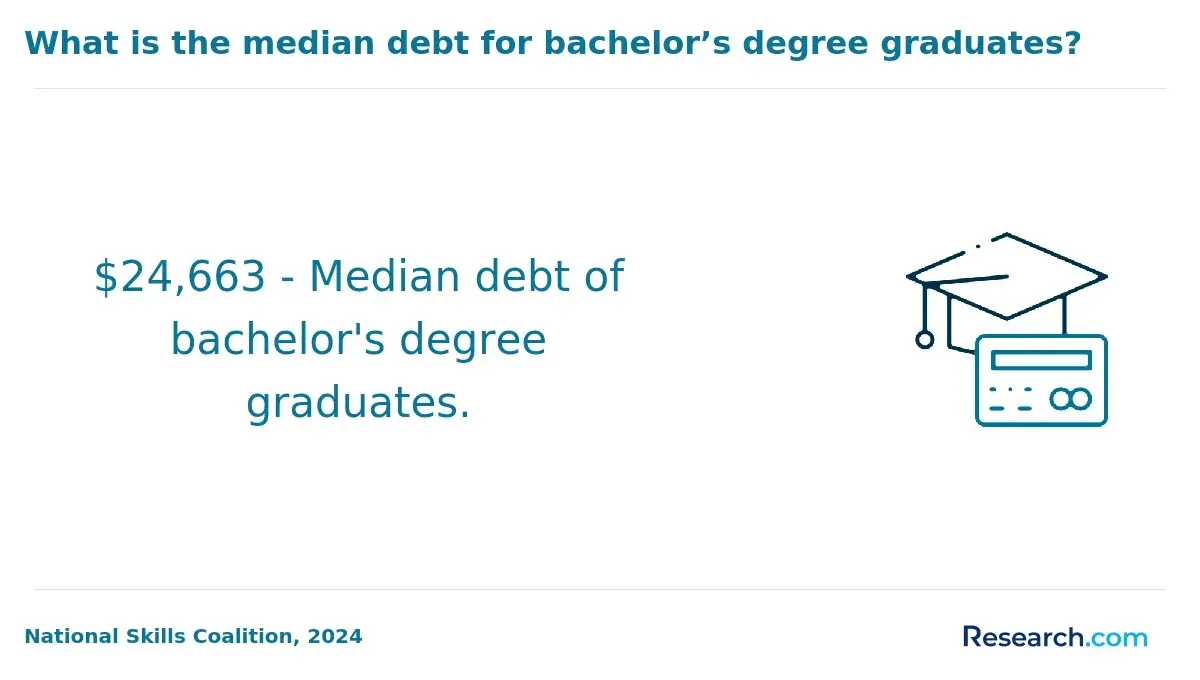
What Is the Average Monthly Student Loan Payment for Forensic Accounting Graduates?
Recent data from the U.S. Department of Education and Federal Reserve analyses indicate that forensic accounting graduates generally face monthly student loan payments between $300 and $500. This range captures typical borrowing patterns reflective of both undergraduate and graduate-level studies within the field, factoring in tuition variability and financial aid differences. However, this average masks considerable variability influenced by repayment choices, with some graduates paying less when opting for income-driven plans or extended terms, albeit at the cost of longer repayment periods and increased overall interest expenses.
Monthly payment differences arise primarily from the total loan balances, the nature of the chosen repayment plans, and the graduate's initial earnings, which vary significantly between public sector employment and private practice roles. Those with larger principal amounts or standard repayment plans generally encounter higher fixed monthly obligations, whereas income-driven strategies adjust payments based on real-time income, helping manage debt-to-income ratios but extending payoff timelines. The interplay of interest accrual and salary levels-often spanning $55,000 to $70,000 early in forensic accounting careers-further complicates budgeting for loan repayment, underscoring the importance of aligning borrowing and repayment strategy with realistic post-graduation earning potential.
One forensic accounting graduate recalled navigating their school's rolling admissions, feeling anxious as application deadlines approached without timely feedback. They weighed delaying enrollment to improve test scores against the risk of missing financial aid opportunities, ultimately choosing to apply early despite imperfect preparation. This decision introduced uncertainty around potential debt levels and loan payment planning, highlighting how timing and strategic choices during admissions can have lasting financial implications for prospective students.
How Do Repayment Rates Compare Between Public and Private Institutions?
Recent data from the U.S. Department of Education's College Scorecard reveals that graduates from public universities offering forensic accounting programs tend to have higher student loan repayment rates within the first three years post-graduation compared to their private institution counterparts. Specifically, public institution graduates average around a 48% repayment rate, while private nonprofit school graduates average near 42%, with for-profit private colleges falling significantly lower at approximately 30%.
These figures highlight disparities that extend beyond institutional type to encompass program cost structures and borrower behaviors. The Federal Reserve's latest analysis further underscores elevated delinquency and default risks among private institution borrowers, particularly those from for-profit colleges, reflecting challenges in meeting repayment obligations in the years following degree completion.
Several systemic factors underline these repayment rate differences. Public institutions generally impose lower tuition, resulting in reduced borrowing needs and more manageable debt loads for forensic accounting students. Additionally, public university graduates often secure more favorable employment outcomes and higher starting salaries in finance-related roles, bolstering their capacity to meet debt service requirements promptly.
Conversely, private institution students tend to accumulate greater debt on average, compounded by less accessible financial counseling and variable institutional prestige that can influence employer perceptions and job placement. This combination of higher cost, heavier borrowing, and uneven earnings contributes to weaker repayment performance and elevated financial strain post-graduation.
These patterns carry broader implications for how forensic accounting students and stakeholders assess program value and institutional accountability. Graduates burdened by persistent repayment challenges face constrained financial mobility, which can affect long-term wealth accumulation and economic stability.
Consequently, repayment outcomes become a critical metric in evaluating the practical return on investment for forensic accounting degrees, informing student decision-making and policy discussions around funding and support structures within higher education finance. Focusing on these repayment dynamics moves analysis beyond simple public versus private comparisons toward an understanding of how cost, labor market integration, and institutional resources collectively shape borrower success.
Do Online Forensic Accounting Graduates Have Different Repayment Outcomes Than Campus-Based Students?
Recent data on online forensic accounting graduate repayment outcomes comparison highlights a notable variance in student loan repayment rates between public and private institutions. According to a 2024 report from the National Center for Education Statistics, graduates from public universities show roughly a 54% repayment rate within three years of entering repayment, compared to about 46% for private institution alumni.
These figures reflect structural differences beyond mere educational quality, illustrating how institutional financing and learner profiles shape repayment behavior. While the mode of study, whether campus or online, influences borrowing levels, the distinction between public and private reflects broader systemic financial dynamics affecting student debt management.
The differences in repayment rates stem largely from divergent tuition pricing, average borrowing amounts, and subsequent income potential achieved by graduates. Public programs generally feature lower sticker prices with greater availability of institutional aid, leading to smaller average debt burdens relative to private institutions that often command higher fees and correspondingly higher borrowing levels.
Coupled with varying graduate employment outcomes, public institution graduates tend to secure forensic accounting positions sooner and at salaries that better support timely repayment. Private institution graduates, facing elevated debt-to-income ratios, encounter more difficulty managing monthly loan obligations, contributing to slower repayment progress and increased financial stress.
This disparity in repayment performance holds broader implications for long-term financial mobility and how stakeholders assess program value. Graduates burdened with disproportionate debt may experience constrained career flexibility and delayed wealth accumulation, impacting perceptions of institutional accountability and return on investment.
Prospective students should integrate these factors alongside program characteristics when navigating forensic accounting educational pathways to better anticipate debt risks and repayment challenges. Exploring related professional degree options, such as the best art therapy masters programs, can further elucidate sector-specific borrowing and repayment patterns for more informed decision-making.
Which Industries Provide the Best Financial Return Relative to Borrowing Costs?
Financial returns for forensic accounting graduates vary widely across industries, reflecting differences not only in starting salaries but also in career trajectory, workforce demand, and alignment with typical student borrowing levels. Evaluating return on investment requires balancing income growth opportunities against the burden of monthly loan repayments, which commonly fall between $350 and $450 for this field. Industries with rapid salary advancement and strong hiring demand can substantially reduce debt-to-income risk, while sectors offering lower pay or slower progression often increase repayment challenges relative to earnings.
- Corporate Financial Services: This sector often provides the highest initial salaries for forensic accounting professionals, typically 15-25% above government or nonprofit rates. Strong demand for fraud detection expertise within finance and insurance firms, combined with fast-tracked advancement to senior roles, enables better management of student debt loads through increased compensation within a few years.
- Consulting Firms: Consulting roles feature competitive pay structures and frequent project-based bonuses, augmenting base wages. The sector's demand for specialized forensic accounting work drives a steep salary curve, helping graduates offset typical borrowing costs as they gain experience.
- Government Auditing and Law Enforcement: While these areas provide critical employment opportunities with stable work environments, wages tend to start lower and increase more gradually. Consequently, paying down student loans can be slower and more financially strenuous despite benefits like pension plans and job security mitigating long-term risks.
- Healthcare and Compliance Sectors: Increasing reliance on fraud prevention within health systems creates moderate but growing opportunities. Salary progression is steady, though generally not as rapid as in finance, positioning these roles as balanced options that moderately ease loan repayment pressure over time.
- Corporate Risk Management: Companies investing in risk mitigation increasingly seek forensic accountants, offering mid-to-high range salaries with promising upward movement. This sector's focus on integrating financial compliance and fraud prevention supports sustainable repayment of student debt through consistent income growth.
According to 2024 data from the U.S. Bureau of Labor Statistics, forensic accounting roles in corporate sectors show the most favorable balance of salary-to-debt ratios due to both higher entry wages and accelerated career advancement, underscoring the importance of industry choice when assessing long-term financial viability post-graduation.
Does Student Debt Affect Which Jobs Forensic Accounting Graduates Accept?
Forensic accounting graduates carrying substantial student debt often prioritize positions based on immediate financial returns to meet monthly loan repayment demands. According to a 2024 National Center for Education Statistics report, nearly 63% of graduates indicated that concerns over loan servicing significantly guided their choice of first employment.
Salary variations across forensic accounting sectors-ranging from lower-paid government auditor roles to more lucrative private consulting positions-deeply influence hiring decisions. Graduates with heavier debt loads frequently accept higher-paying jobs that may involve longer hours or less favorable locations to secure financial stability and accelerate debt reduction. This focus on short-term income can, however, narrow career flexibility and limit the ability to pursue specialized or passion-driven roles early on.
Debt burden disparities produce distinct employment behaviors within the forensic accounting field. Graduates with lighter debt typically have greater latitude to seek jobs aligned with personal values or long-term career strategies, such as positions in non-profit organizations or governmental agencies that traditionally offer lower compensation. High-debt individuals tend to gravitate toward private sector roles featuring bonuses and incentives designed to offset repayment pressures but potentially at the cost of geographic and sector mobility.
These financial constraints shape not only initial job acceptance but can also influence career trajectory, with graduates balancing the tension between immediate repayment capacity and future professional growth. Employers recognizing these dynamics are slowly adapting benefits like loan repayment assistance, though such programs remain rare and unevenly distributed.
A recent forensic accounting graduate recalled the challenge of navigating job market timing while managing growing loan obligations. Despite strong academic performance, the uncertainty of rolling admissions and lack of immediate offers led to hesitation in committing to advanced training programs. "There was a constant push and pull-waiting for acceptance letters while knowing that each delay added financial pressure," they noted. Ultimately, the decision to accept a higher-paying private sector role before completing further certification was driven less by career preference and more by the pressing need to reduce mounting debt, highlighting the tangible impact of student loans on employment choices within the field.
What Factors Increase Student Loan Repayment Risk for Forensic Accounting Graduates?
Repayment risk for forensic accounting graduates is shaped by multiple intertwined financial, academic, and labor market factors rather than any single variable. This risk depends on both the total debt accumulated during education and the stability and level of post-graduation earnings. Understanding these dynamics is essential, as high borrowing paired with uncertain income patterns can significantly undermine loan repayment capacity. Examining these elements within the context of real-world employment realities sheds light on why some forensic accounting graduates face greater repayment pressures than others.
- High Initial Borrowing Relative to Salary Levels: Many forensic accounting students finance both undergraduate and graduate education, resulting in debt that frequently exceeds $30,000. When this borrowing is disproportionate to early-career salary ranges, monthly loan obligations can overwhelm disposable income, reducing financial flexibility and increasing default risk.
- Delayed or Underemployment in Forensic Accounting Roles: The niche job market for forensic accounting means graduates may experience gaps before securing stable, full-time positions aligned with their qualifications. This underemployment or time spent in lower-paying, unrelated sectors restricts consistent income flow, adversely impacting repayment reliability.
- Regional Cost-of-Living Impacts and Salary Disparities: Geographic variations in wages combined with living expenses intensify repayment challenges. Graduates in high-cost urban areas may earn relatively more but still struggle to balance loan payments with elevated housing and living costs, whereas those in lower-cost regions might find fewer forensic accounting opportunities aligned with sustainable salaries.
- Lack of Financial Literacy Around Loan Management and Repayment Options: Insufficient awareness of income-driven repayment plans, loan forgiveness programs, and effective repayment strategies exacerbates financial strain. Graduates unfamiliar with these tools may enter delinquency faster, worsening their debt burdens without leveraging available relief pathways.
These factors collectively highlight the complexity behind regional differences in forensic accounting graduate debt repayment challenges. Decision-makers must consider these realities along with labor market conditions and personal financial literacy to anticipate repayment risk accurately.
For those interested in exploring accelerated educational options that may reduce initial borrowing, resources highlighting the shortest master's degree programs online could be instrumental in managing debt levels effectively.
How Can Forensic Accounting Students Reduce Student Loan Debt While Earning Their Degree?
Reducing student loan debt while earning a forensic accounting degree requires proactive planning and strategic decision-making that spans beyond simple cost-cutting. Effective debt reduction combines financial awareness, academic efficiency, and deliberate utilization of institutional and external resources. Students who adopt targeted strategies during enrollment and coursework can significantly lower borrowing levels, easing long-term repayment burdens and improving financial stability post-graduation.
- Begin at Cost-Effective Institutions Enrolling first in accredited community colleges or public universities with lower tuition before transferring into specialized forensic accounting programs can reduce overall debt. The 2024 National Center for Education Statistics notes that completing two years at community colleges saves an average of 40% in tuition compared to starting at four-year institutions, creating a substantial reduction in borrowing needs.
- Leverage Relevant Work Opportunities Securing part-time jobs or internships related to forensic accounting not only offsets borrowing but builds critical professional experience. The U.S. Bureau of Labor Statistics emphasizes that internships increase employability immediately after graduation, facilitating faster student loan repayment through improved job prospects.
- Maximize Financial Aid and Scholarships Actively researching and applying for federal and state grants, scholarships, and employer tuition reimbursement programs directly lowers loan reliance. Data from the Federal Student Aid office in 2024 highlights targeted scholarships for accounting students lowering average debt by around $8,000, demonstrating the tangible benefits of strategic aid acquisition.
- Opt for Accelerated or Competency-Based Programs Programs that shorten time to degree completion reduce tuition and living expenses, compounding debt savings. These options require rigorous academic planning to ensure course load management and mastery of material but yield meaningful affordability gains through shorter enrollment periods.
- Adopt Academic Planning Focused on Efficiency Careful selection of transferable credits, summer courses, and prerequisite sequencing can minimize unnecessary semesters and prevent excess borrowing. Efficiency in academic progression directly impacts total loan amounts by shortening the time students remain enrolled.
- Utilize Institutional Resources for Financial Counseling Many forensic accounting programs offer financial literacy workshops or counseling, which help students make informed decisions about borrowing, budgeting, and managing aid. Engaging with these services promotes disciplined financial behavior supporting long-term debt minimization.
- Avoid Non-Essential Borrowing Through Budget Discipline While budgeting alone is insufficient, disciplined living that prioritizes essential expenses limits loans taken for discretionary costs. Combining budgeting with institutional and external support enhances overall debt management effectiveness.
These combined strategies reflect an effective student loan repayment strategy for forensic accounting graduates by addressing borrowing at multiple stages. Students balancing academic demands with practical financial planning position themselves to graduate with manageable debt loads relative to their expected earnings potential. For further career outcome insights, prospective forensic accounting students may also consider comparisons with fields like child specialist salary trajectories to contextualize earning expectations alongside education investments.
How Should Prospective Students Evaluate Borrowing Risk Before Enrolling?
Evaluating borrowing risk before enrolling in a Forensic Accounting degree is crucial to grasp the long-term financial impact of student debt relative to post-graduation earning potential. Prospective students must analyze the balance between total expected loan amounts and realistic salary prospects to avoid unsustainable repayment obligations. This approach aids in selecting programs aligned with both institutional cost structures and labor market realities in the forensic accounting field.
- Debt-to-Earnings Ratio: Assess the typical debt load against entry-level forensic accounting salaries, which frequently range near $55,000 to $60,000 annually. Understanding this ratio highlights potential monthly loan payments as a share of income and informs affordability judgments.
- Program Cost and Institutional Financial Aid: Examine total tuition, fees, and availability of scholarships or grants. Lower overall program costs reduce borrowing needs, while tailored aid can significantly lessen debt and repayment pressure.
- Local Job Market Conditions: Investigate demand for forensic accounting professionals in your geographic area and expected salary variations by employer size and sector. Regional differences affect how quickly debt can be repaid without compromising financial stability.
- Repayment Plan Options and Flexibility: Consider income-driven repayment plans or extended terms offered by lenders. These tools influence monthly payment amounts and offer buffers against economic disruptions or lower-than-expected salaries.
- Program Completion and Employment Rates: Review historical data on graduation rates and post-degree employment in forensic accounting roles. Higher completion and job placement rates improve the likelihood of achieving earnings needed to manage debt effectively.
- Potential for Salary Growth: Examine industry trends for forensic accounting salary increases over time, which can enhance long-term debt sustainability beyond initial repayment years.
References
- How to Become a Forensic Accountant | Accounting.com https://www.accounting.com/careers/forensic-accountant/how-to-become/
- Student Loan Repayment Options | Sallie Mae https://www.salliemae.com/student-loans/manage-your-private-student-loan/understand-student-loan-payments/explore-loan-repayment-options/
- Repaying your student loan https://www.gov.uk/repaying-your-student-loan/what-you-pay
- Blog Article https://www.equifax.com/business/blog/-/insight/article/student-loan-repayment-risk-here-s-how-to-get-ready/
- Who Is Interested in Forensic Accounting? https://articlegateway.com/index.php/JAF/article/view/6091
- How do I account for student loans in payroll? https://mooreks.co.uk/insights/how-do-i-account-for-student-loans-in-payroll/
- New Study Shows That, Even Accounting for Loan Debt, a College Degree Is a Financially Sound Investment | Association of American Universities (AAU) https://www.aau.edu/newsroom/leading-research-universities-report/new-study-shows-even-accounting-loan-debt-college
- Key Figures on Cost, Student Debt, & ROI at Public Universities - APLU https://www.aplu.org/our-work/4-policy-and-advocacy/publicuvalues/key-figures-on-cost-student-debt-amp-roi-of-public-universities/
- GRIN - Bridging the Gap. Why Forensic Accounting Education Must Evolve to Combat Modern Financial Crime https://www.grin.com/document/1577599
- Average Student Loan Debt: Who Owes the Most? | SoFi https://www.sofi.com/learn/content/average-student-loan-debt-by-career/
Other Things You Should Know About Forensic Accounting
Forensic accounting programs often demand rigorous coursework and practical assignments that extend beyond traditional accounting classes. This workload intensity can delay part-time job opportunities or internships that might offset borrowing, leading to higher loan balances at graduation. Students should weigh whether their program's structure allows for manageable work-study balance to avoid excessive debt accumulation and repayment strain after graduation. Programs with strong employer ties offering paid practicums may reduce this risk by facilitating early income streams.
Employers in forensic accounting frequently prioritize certifications and specialized training beyond just degrees. This pressure can push students toward graduate degrees or supplementary courses that increase borrowing. However, not all additional credentials deliver proportional salary gains, meaning high debt might not be justified by employer returns. Prospective students should critically evaluate whether their target employers truly require advanced or niche forensic accounting credentials for entry or advancement, as this impacts how much borrowing is economically rational.
Graduates facing variable income trajectories should prioritize federal repayment plans that offer income-driven options and forgiveness features over aggressive repayment schedules. Forensic accounting salaries can vary significantly based on sector, role, and firm size, so locking into high fixed payments risks financial distress if earnings plateau. Graduates should also consider maintaining emergency funds alongside repayment to buffer unforeseen delays in career progress or layoffs common in volatile forensic roles.
Yes, prioritizing programs with proven placement performance can offset higher tuition through faster employment and more consistent salary progression post-graduation. Low-placement programs might saddle students with comparable debt but minimal employment prospects in forensic accounting, elevating default risk. Investing in a reputable program reduces repayment uncertainty by aligning education with employer demand, which should take precedence over minimizing upfront borrowing costs.