2027 Forensic Accounting ROI by Institution Type: Public vs Private vs Nonprofit Online Programs

Co-Founder and Chief Data Scientist
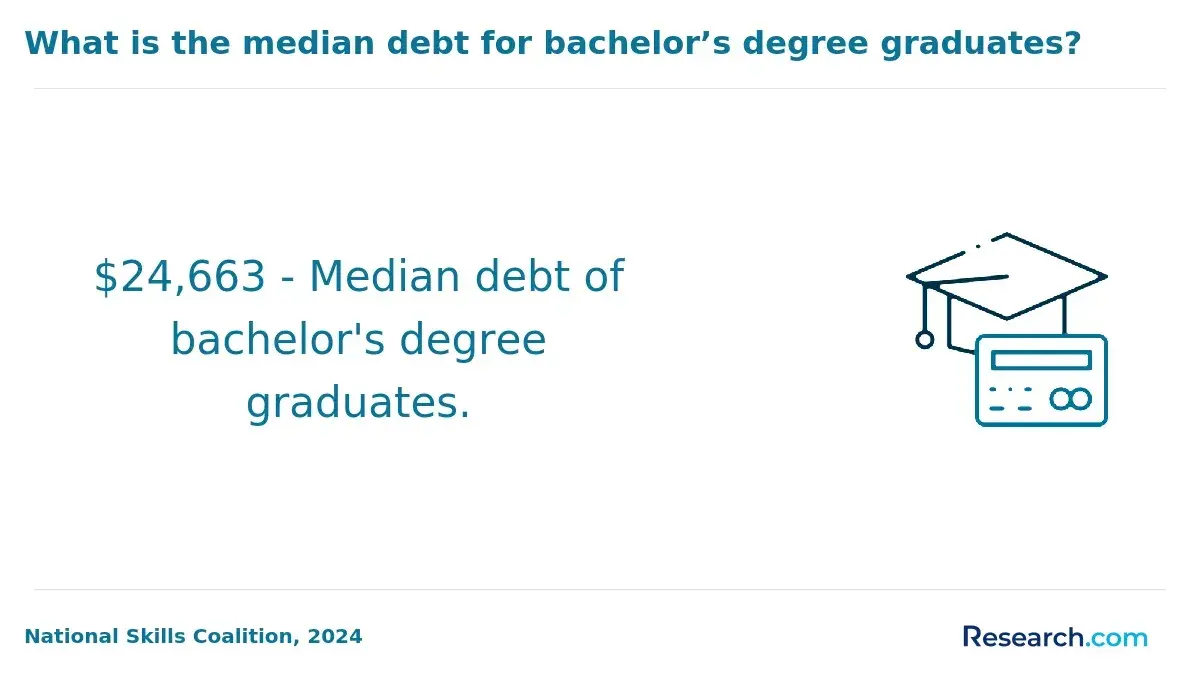
Choosing between online forensic accounting programs often comes down to more than appearances. A prospective student might find a private nonprofit option charging twice the tuition of a public university yet offering no clear advantage in graduation rates or post-graduate employment support. According to a 2024 National Center for Education Statistics report, median debt among online program graduates varies sharply by institution type, influencing lifetime financial strain more than initial prestige.
Such disparities impact career flexibility and long-term financial health, especially in fields requiring credential verification and employer trust. This article examines forensic accounting ROI across public, private, and nonprofit online programs, clarifying which factors truly drive value and return.
Key Things to Know About Forensic Accounting by Institution Type
- Public online programs typically cover fraud examination, auditing, financial-statement analysis, data analytics, and investigation techniques, preparing students to identify and analyze financial irregularities.
- Private online programs often include specialized topics such as fraudulent financial reporting, fraud investigation, forensic auditing, and legal aspects of financial misconduct.
- Nonprofit online programs commonly emphasize applied skills such as fraud detection, evidence gathering, financial analysis, digital forensics, and litigation support.
- Key Things to Know About Forensic Accounting ROI by Institution Type Key Things to Know About Forensic Accounting ROI by Institution Type
- What Does ROI Mean for a Forensic Accounting Program and How Is It Measured? Understanding Forensic Accounting Program ROI
- How Do Public, Private, and Nonprofit Online Forensic Accounting Programs Differ in Overall Value? Value by Institution Type
- How Do Tuition Costs Affect the ROI of a Forensic Accounting Program Across Institution Types? Tuition Costs and ROI
- How Do Graduation Rates Influence Forensic Accounting Program ROI? Graduation Rates Impact ROI
- What Role Do Career Outcomes Play in the ROI of a Forensic Accounting Degree? Career Outcomes and ROI
- How Does Student Debt Impact the Long-Term ROI of a Forensic Accounting Program? Debt vs. Long-Term ROI
- How Do Flexibility and Adult Learner Support Affect Forensic Accounting Program Value? Flexibility and Program Value
- How Do Accreditation and Institutional Reputation Influence Forensic Accounting ROI? How Do Accreditation and Institutional Reputation Influence Forensic Accounting ROI?
- How Does Time-to-Degree Affect the ROI of Public, Private, and Nonprofit Forensic Accounting Programs? How Does Time-to-Degree Affect the ROI of Public, Private, and Nonprofit Forensic Accounting Programs?
- How Can You Choose the Best Forensic Accounting Program Based on Your ROI Goals? Choosing Programs by ROI
What Does ROI Mean for a Forensic Accounting Program and How Is It Measured?
Return on investment in a forensic accounting program hinges on more than just comparing tuition fees or anticipated salaries; it requires evaluating how total educational costs interact with program outcomes such as graduation rates and time-to-degree. For example, a lower-cost public institution may appear attractive at face value, but with a median program completion rate around 65%, students must consider the risk of extended enrollment or retaking courses, which elevates opportunity cost and debt burden. Conversely, private institutions, despite higher tuition, may offer more robust learner support and networking opportunities that improve timely completion and placement, ultimately influencing the forensic accounting program return on investment calculation beyond initial expenditures.
Measuring educational value in forensic accounting online programs also means factoring in student-specific goals and circumstances, including current employment status and debt tolerance. Professionals balancing jobs may prioritize programs with flexible pacing to minimize income loss and accelerate workforce reentry, amplifying ROI through reduced opportunity costs.
However, earning potential post-graduation must be contextualized within debt-to-income ratios, as students carrying debt exceeding 1.5 times their starting salary often face financial strain regardless of institutional type. For cost-conscious students seeking alternatives, exploring online colleges that accept FAFSA can be a strategic step when assessing affordability without sacrificing essential educational quality.
How Do Public, Private, and Nonprofit Online Forensic Accounting Programs Differ in Overall Value?
Tuition differences between public, private, and nonprofit online forensic accounting programs directly impact affordability, but the overall value hinges on diverse factors like student support, graduate debt, and employer recognition. Public institutions tend to have lower tuition due to state subsidies and generally result in less student debt, making them appealing for cost-conscious individuals who prioritize manageable financial burdens.
Conversely, private programs often feature smaller class sizes and enhanced career services, which may boost outcomes despite higher costs; a 2024 study from the Council for Higher Education Accreditation found students in private programs report a 15% greater satisfaction with career support. Nonprofit programs frequently blend affordability with personalized attention and flexible scheduling, yet their reputations vary widely, affecting long-term ROI and graduate employability in different ways.
Employer expectations and accreditation further complicate the decision landscape. Private institutions may offer industry partnerships that enhance networking, but established public universities provide longstanding reputations that can facilitate career entry. Nonprofit schools often fall in between these extremes, with their value highly dependent on regional recognition and program design.
For working adults balancing job demands, nonprofit and private programs usually offer more adaptable pacing than public options, although public programs often deliver solid asynchronous learning environments suited for varied schedules. The resulting tradeoff for applicants is between reducing debt and gaining potentially stronger individualized support or institutional prestige, factors that significantly shape career pathways and financial outcomes over time.
One graduate recalled spending months weighing options: the public university's low tuition and broad alumni network promised less debt but fewer career counseling services, while a private program's stronger industry connections came at nearly double the cost and uncertain financial aid. The nonprofit offering seemed to strike a balance, with moderate tuition and flexible scheduling, but questions about its national reputation lingered. Ultimately, the decision hinged on whether paying a premium for perceived prestige and support justified the projected debt load, reflecting a tension many adult learners face when aligning financial realities with career ambitions in forensic accounting.
How Do Tuition Costs Affect the ROI of a Forensic Accounting Program Across Institution Types?
Tuition costs significantly influence the return on investment for forensic accounting programs, but lower expenses at public institutions do not guarantee better outcomes. While public online graduate programs average around $8,200 annually compared to over $20,000 for private nonprofit options, studies from the Brookings Institution reveal that graduates from public programs tend to carry 30-40% less debt, potentially easing post-graduation financial strain. However, the true value also depends on factors like graduation rates and employer recognition; a well-regarded private nonprofit program might justify its higher sticker price through stronger career support and connections that translate into elevating starting salaries.
For adult learners balancing work and study, the flexibility offered by different institution types plays a crucial role in time-to-degree and overall debt accumulation. Extended enrollment periods or part-time attendance-common in higher-cost private programs-can erode ROI advantages if salary gains fail to offset growing borrowing costs. Conversely, publicly funded programs often provide more predictable costs and affordability but may lack specialized offerings or extensive alumni networks that affect employability in competitive forensic accounting fields. Thus, the decision is less about upfront cost and more about how tuition interacts with academic quality, financial aid access, and career pathways aligned with individual goals.
Ultimately, a nuanced approach is essential: students should weigh total debt against realistic employment prospects rather than assuming lower tuition equals stronger value. For example, a working professional might prefer a lower-priced public program that accommodates scheduling needs and minimizes loan burden, whereas another student aiming for rapid advancement in specialized forensic accounting roles might accept higher tuition as an investment in networking and skills. Assessing program rigor, completion likelihood, and employer endorsements alongside cost data provides the clearest picture of a program's true ROI.
How Do Graduation Rates Influence Forensic Accounting Program ROI?
Graduation rates are a practical indicator of how efficiently forensic accounting programs support student completion, but they do not fully define a program's ROI. Public online institutions often report higher three-year completion figures-around 52%, per 2024 National Center for Education Statistics data-reflecting structured academic support and stronger financial backing that reduce student attrition and debt. Yet, lower rates at private nonprofit programs, usually near 45%, often reflect flexible pacing suited for working adults balancing study with professional and personal demands. This longer time-to-degree commitment can increase costs but also accommodate real-world constraints without necessarily diminishing long-term career ROI.
Student completion rates and return on investment in forensic accounting hinge on more than speed; program quality, employer-valued skills, and networking opportunities critically influence outcomes. Graduates from programs with varied graduation rates must consider how institutional support services and curricular relevance affect their ability to master forensic accounting competencies promptly versus credential prestige alone.
For cost-conscious learners, integrating these factors with financial realities and career goals is essential. Comparing ROI across programs also benefits from insights drawn from other disciplines, such as the evolving landscape of a game development online degree, where similar tradeoffs in completion flexibility and practical application impact value assessments.
What Role Do Career Outcomes Play in the ROI of a Forensic Accounting Degree?
Career outcomes critically shape the ROI of forensic accounting degrees by directly affecting graduates' ability to secure relevant employment without accruing unsustainable debt. Public institutions often leverage regional employer networks and lower tuition to reduce financial burden, balancing affordability with solid job placement rates. Private schools tend to focus on specialized alumni and employer connections, which can boost access to niche roles but often come with higher costs, adding complexity to ROI calculations. Nonprofit online programs emphasize flexibility for working professionals, yet their effectiveness varies depending on local market demands and how well their curriculum aligns with current employer expectations, particularly in technology and compliance skills.
Employment within six months post-graduation-reported above 85% in certain programs by the National Association of Colleges and Employers in 2024-is a key benchmark, but this must be weighed against time-to-degree and career mobility. Skills that meet evolving industry standards, such as fraud detection software and data analytics, materially increase employer recognition and salary growth potential, influencing long-term returns beyond initial placement. Students must consider how career services, internships, and ongoing professional support differ among institutions since these elements affect sustained employability and advancement opportunities, which in turn determine whether the degree's cost is justified.
An online forensic accounting graduate recalled hesitating before enrolling due to uncertainty about whether the program's career outcomes would justify the investment. After completing the degree while continuing to work full time, the graduate found that internal promotions followed once specialized forensic accounting skills were demonstrated, validating the degree's practical value. Although initial measures of ROI focused on salary increases, the graduate emphasized that expanded responsibilities and recognition from leadership provided a more meaningful return, reinforcing the importance of evaluating career outcomes through multiple professional dimensions rather than financial metrics alone.
How Does Student Debt Impact the Long-Term ROI of a Forensic Accounting Program?
Student debt levels exert a significant influence on the long-term return on investment of a forensic accounting program, particularly when comparing public, private, and nonprofit online institutions. Graduates from private online programs often carry debt exceeding $38,000, which can markedly increase monthly repayment obligations relative to the $22,000 average seen in public programs. This heavier debt burden can delay wealth accumulation and professional development despite entry-level forensic accounting salaries typically starting around $60,000, underscoring a key financial tradeoff in program selection.
Completion rates further shape this dynamic, as higher graduation likelihoods at public institutions-often above 70%-reduce the risk of incurring debt without degree attainment. In contrast, lower completion rates at some private providers increase concerns over debt-to-value imbalances. Considering the impact of student loan repayment on forensic accounting program ROI, students must evaluate total cost of attendance net of aid and institutional support, since public schools benefit from state subsidies that can lower net costs. When analyzing these variables, prospective students should also consider workforce realities such as stable employment indicators tied to forensic accounting and potential repayment timelines that directly affect financial stability and career flexibility.
Prospective learners balancing cost and quality may find value in comparing debt burdens and institutional outcomes alongside career implications. Those seeking more tailored options can also explore specialized paths like degrees for stay at home moms that accommodate particular needs. Ultimately, understanding how student debt and long-term forensic accounting ROI intersect allows for informed decision-making that weighs borrowing strategies against educational quality, completion likelihood, and evolving professional requirements.
How Do Flexibility and Adult Learner Support Affect Forensic Accounting Program Value?
Program flexibility and adult learner support are decisive factors shaping the return on investment for forensic accounting degrees, especially in online formats where juggling personal and professional responsibilities is common. Public institutions often provide more affordable part-time and asynchronous options that reduce time-to-degree for working adults, but these can come with fewer personalized supports. In contrast, private and nonprofit programs may offer smaller classes and more direct faculty interaction, enhancing mentorship and engagement, albeit sometimes at the cost of higher tuition and stricter attendance policies. Adult learners seeking to transfer credits or balance military service benefits must weigh how each program's flexibility impacts both educational expenses and progression speed.
Support services focused on adult learner persistence-such as tailored academic advising, career counseling aligned with forensic accounting job demands, and credit for prior learning-significantly boost degree completion rates. According to a 2024 National Student Clearinghouse Research Center report, programs that allow part-time enrollment with asynchronous scheduling see up to 25% higher graduation rates among adult students.
While public universities often leverage scale to offer extensive resources, individualized attention and proactive career services tend to be stronger in nonprofit and private settings, which affects employability outcomes post-graduation. Ultimately, cost-conscious prospective students must balance these tradeoffs: opting for affordable, flexible programs with fewer support layers might extend time to degree and reduce immediate debt but can risk lower retention and job placement, whereas more resource-intensive programs may accelerate workforce entry but increase overall financial burden and opportunity cost.
How Do Accreditation and Institutional Reputation Influence Forensic Accounting ROI?
Regional accreditation remains the most critical factor shaping the ROI of an online forensic accounting program because it directly affects employer recognition, credit transferability, and eligibility for certifications like CPA or CFE. Many employers still prioritize candidates from regionally accredited institutions, with over 85% citing this as essential in hiring decisions according to the Council for Higher Education Accreditation (CHEA) 2024 report. For adult learners balancing costs and career outcomes, enrolling in a program lacking this accreditation can severely limit job prospects and increase the risk of redundant coursework if transferring or pursuing graduate education.
Specialized programmatic accreditation, such as AACSB or ACBSP, signals higher curriculum relevance and faculty expertise but is less widespread among nonprofit and public online programs. While prestigious private universities command higher starting salaries-about 15% more on average, per the National Association of Colleges and Employers (NACE) Employer Survey-mid-career salary growth at well-connected public institutions with solid internship networks can be comparable. This underscores a tradeoff: premium tuition at private schools must yield measurable post-graduate returns to justify debt, whereas accredited public or nonprofit programs often offer more balanced affordability and career support for cost-conscious students.
Ultimately, accreditation and reputation influence long-term value not only through initial hiring but also via alumni networks, career services, and licensure accessibility. Students must weigh these against tuition costs and support structures, recognizing that institutional brand alone does not guarantee superior financial outcomes. For many learners, prioritizing accredited programs with robust practical resources ensures a sustainable return on investment in forensic accounting.
How Does Time-to-Degree Affect the ROI of Public, Private, and Nonprofit Forensic Accounting Programs?
Time-to-degree materially shapes financial and career outcomes for students pursuing forensic accounting programs across public, private, and nonprofit online institutions by framing tuition exposure, opportunity costs, and workforce entry timing. Public programs often extend completion timelines due to high rates of part-time enrollment and larger cohorts, which may delay career advancement despite lower tuition fees.
Conversely, private institutions frequently offer accelerated or cohort-based models that shorten time-to-degree, enabling faster workforce re-entry but at a higher tuition cost, potentially offsetting the benefits of speed and increasing debt burdens for students without substantial financial aid. This balance between cost and duration directly influences the practical return on investment in forensic accounting education.
Nonprofit online programs tend to occupy a middle ground, blending moderate costs with options like transfer credits and competency-based learning that can meaningfully reduce time-to-degree for students with prior experience. These factors can enhance educational value by shortening completion time without compromising flexibility, which is crucial for adult learners juggling work and family commitments.
However, program completion rates and pace remain critical; public institutions report roughly 55% graduation within six years compared to about 70% for private nonprofits, impacting long-term outcomes. Extended program lengths also risk skill depreciation or misalignment with evolving employer expectations in forensic accounting, highlighting the importance of timely degree completion.
Decisions about forensic accounting pathways should weigh the tradeoffs between affordability, accelerated progress, and flexible pacing while factoring in realistic employment scenarios. For example, a working professional might choose a slightly longer program offering balanced part-time enrollment to manage immediate job responsibilities, while a recent graduate could prioritize accelerated private programs despite higher costs to quickly capitalize on employment opportunities. Those interested in adjacent fields may also compare efficiency metrics with programs like the health and human services degree to contextualize time-to-degree implications across disciplines and maximize cost-benefit clarity in educational planning.
How Can You Choose the Best Forensic Accounting Program Based on Your ROI Goals?
The highest return on investment when selecting a forensic accounting program hinges less on whether the institution is public, private, or nonprofit, and more on aligning the program's features with individual financial and career priorities. Public online programs typically offer lower tuition rates, especially for in-state students, which directly reduces debt burden and enhances net ROI. However, private and nonprofit programs may offer stronger career support or specialized curricula that align more closely with employer expectations, potentially leading to higher salary outcomes and faster job placement, a critical factor given the workforce demand for forensic accounting expertise.
Graduation rates and program flexibility heavily impact ROI for adult learners balancing work and family. A program that extends time-to-degree or has poor completion rates can increase total costs and delay earnings, undermining financial gains. Additionally, accreditation by recognized bodies like the AACSB signals rigorous academic standards, often influencing employability and employer trust. Financial aid options and learner support vary widely, so weighing these against personal circumstances-such as ongoing employment or family obligations-is essential. For detailed cost comparisons or to understand how much is criminal justice degree expense impacts your budgeting, prospective students can benefit from targeted resources assessing program affordability.
Ultimately, the best online forensic accounting programs for adult learners prioritize both educational quality and pragmatic factors like institutional reputation and career outcomes. Decisions should reflect nuanced tradeoffs between lower costs versus enhanced support and networking, institutional prestige versus accessible scheduling, and debt management versus timely graduation. A 2024 report by the National Center for Education Statistics notes that public programs have median debt levels 20-30% lower than private counterparts, but private programs occasionally show better graduation and employment rates, underscoring the complexity of forensic accounting program return on investment comparison across institution types.
References
- Forensic Accounting: A Career Overview | DeVry University https://www.devry.edu/blog/forensic-accounting-a-career-overview.html
- Is Forensic Accounting a Good Career? How to Join This Lucrative Field https://learn.neumann.edu/neuperspectives/is-forensic-accounting-a-good-career-how-to-join-this-lucrative-field
- The Long-Term Effects of Student Loans | ACE Blog https://ace.edu/blog/the-long-term-effects-of-student-loans/
- What it is and how to calculate ROI or Return on Investment - Esade https://www.esade.edu/beyond/en/what-is-roi-and-how-to-calculate-return-on-investment/
- Understanding ROI and How to Measure Business Profitability | Wafeq https://www.wafeq.com/en/learn-accounting/managerial-accounting/roi
- Best Forensic Accounting Degrees Online | Accounting.com https://www.accounting.com/degrees/forensic-accounting/bachelors/best-online-programs/
- How to Choose a Forensic Accountant for Your Case https://forensicstrategic.com/how-to-choose-the-right-forensic-accountant-for-your-case/
- What Software Do Forensic Accountants Use? | Mango Practice https://mangopractice.com/blog/what-software-do-forensic-accountants-use/
- FraudFindr Forensic Accounting Software https://www.bonadio.com/services/advisory-consulting/advisory-services/fraud-forensics/fraudfindr-forensic-accounting-software/
- How to Become a Forensic Accountant https://www.allbusinessschools.com/specialties/how-to-become-a-forensic-accountant/
Other Things You Should Know About Forensic Accounting
Private online forensic accounting programs often have higher tuition, but this does not always translate to better career outcomes or employer recognition. For cost-conscious students, the higher price may only be justified if the program offers specialized courses, stronger employer networks, or significant experiential learning components directly tied to forensic accounting careers. Without these concrete advantages, public or nonprofit programs that deliver similar content with lower debt exposure tend to offer a better overall ROI for most working professionals and career changers.
Public institutions typically emphasize flexibility with part-time options and asynchronous coursework, which benefits working adults balancing jobs and family commitments. Conversely, some private forensic accounting programs may have more rigid schedules or cohort-based models that can limit flexibility, increasing the workload burden. Adults prioritizing work-life balance should weigh institution type based on program delivery format and time demands, as these factors heavily influence degree completion feasibility and related opportunity costs.
Practical, hands-on forensic accounting training such as case studies, simulations, and internships varies within nonprofit and private sectors and is not exclusive to either. However, nonprofit programs often partner with governmental agencies or nonprofits for internships, which may align better for candidates targeting public sector roles. Private programs sometimes emphasize corporate forensic accounting applications, which might better suit individuals aiming for private sector consulting or corporate roles, highlighting the importance of matching program experiential offerings to career goals.
Public programs frequently offer solid foundational knowledge and maintain affordability, but private and nonprofit programs often incorporate niche forensic accounting topics and networking opportunities that can accelerate career advancement in specialized roles. For students aiming for broad credential recognition or leadership positions, selecting a program with both affordability and targeted specialization-often found in nonprofits or selective private institutions-may deliver higher long-term ROI. Prioritizing program relevance to personal career trajectories is more critical than institution type alone.