2027 Engineering Technology Job Market Report: Open Roles, Salary Bands, and Hiring Momentum

Co-Founder and Chief Data Scientist
The engineering technology labor market reflects complex shifts driven by rapid technological adoption and evolving regulatory demands. Open roles and salary bands offer insights into how employers recalibrate priorities amid automation integration and heightened credential standards. Hiring momentum varies across regions and specialties, influenced by organizational restructuring and investment cycles rather than simple supply-demand imbalances.
Increasingly, workforce demographics, including an aging technical staff, shape recruitment strategies and skill development emphasis. This dynamic environment reveals where talent bottlenecks emerge and which expertise areas gain strategic value.
This article examines these patterns to clarify what open positions, compensation, and hiring activity signal about the profession's trajectory.
Key Things to Know About the Engineering Technology Job Market
- Open roles in engineering technology often require hybrid skills, reflecting a shift toward integrated automation; this narrows candidate pools but rewards those with cross-disciplinary expertise.
- Industry surveys from 2024 highlight employer preference for practical certifications over theoretical degrees, impacting hiring by privileging demonstrable applied skills.
- Salary bands exhibit moderate growth, indicating a tradeoff between educational cost and mid-tier earnings, emphasizing strategic timing for degree completion to maximize return on investment.
- Key Things to Know About Engineering Technology Job Market Key Things to Know About Engineering Technology Job Market
- How Strong Is Demand for Engineering Technology Graduates in Today's Job Market? Demand for Graduates
- Which Engineering Technology Careers Have the Most Open Job Opportunities? In-Demand Careers
- What Salary Bands Are Employers Offering Across Engineering Technology Careers? Offered Salary Bands
- Which Industries Are Hiring the Most Engineering Technology Graduates? Top-Hiring Industries
- How Does Hiring Demand Vary by State, Region, and City? Hiring Demand by Location
- What Skills Are Employers Prioritizing in Engineering Technology Job Postings? In-Demand Skills
- Which Certifications Increase Employability and Salary Potential? High-Value Certifications
- How Do Remote and Hybrid Opportunities Affect the Engineering Technology Job Market? How Do Remote and Hybrid Opportunities Affect the Engineering Technology Job Market?
- Which Engineering Technology Careers Show the Strongest Long-Term Hiring Momentum? Strongest Careers
- How Can Students Use Job Market Data to Make Better Career Decisions? How Can Students Use Job Market Data to Make Better Career Decisions?
How Strong Is Demand for Engineering Technology Graduates in Today's Job Market?
Labor market data for 2024 indicates stable but unexceptional demand for engineering technology graduates, with projections from the U.S. Bureau of Labor Statistics showing growth that parallels the national average for technical occupations. LinkedIn's recent Workforce Report complements this view by noting a steady uptick in job postings across sectors such as aerospace, automotive, and construction technology, reflecting moderate hiring momentum rather than rapid expansion.
This trend signals employer preference for candidates who blend applied skills with theoretical knowledge, fitting roles that act as bridges between design and production teams. For those evaluating engineering technology job market demand in the United States, it is critical to recognize that opportunities cluster in industrial hubs like Houston and Seattle, while other regions may offer fewer openings, underscoring the importance of geographic factors.
Key drivers behind demand include ongoing technological evolution in automation, renewable energy, and infrastructure upgrades, fueling businesses' need for professionals adept in practical problem-solving and familiar with emerging tools such as IoT systems and additive manufacturing. Industries expanding in complexity seek engineering technologists who can quickly adapt to new software and manufacturing techniques without necessarily requiring advanced degrees.
This dynamic creates a competitive edge for candidates with relevant certifications and hands-on experience, meeting labor shortages where fully licensed engineers or technicians are in short supply. Evaluating salary ranges for engineering technology graduates by industry reveals a compensation landscape that, while typically below that of traditional engineers, remains competitive within similarly educated technical fields.
Long-term employment stability in this sector hinges on versatility, with employers increasingly valuing communication skills and interdisciplinary agility to navigate between design intent and operational realities. Graduates should weigh these nuanced demand signals carefully when choosing educational pathways, considering accelerated bachelor degree programs as possible routes for faster workforce entry without sacrificing essential competencies.
Ultimately, understanding how regional demand divergences and technological shifts shape job availability enables informed decisions about training and career focus, aligning expectations with real-world market conditions.
Which Engineering Technology Careers Have the Most Open Job Opportunities?
Job opportunities within engineering technology careers are unevenly distributed, largely influenced by sector growth, persistent skills shortages, and shifting employer priorities. These open roles do not appear in isolation but reflect broader labor market dynamics where technological innovation, infrastructure policies, and sustainability efforts drive demand. Examining these patterns offers insight into why certain roles attract more hiring activity and highlights the competencies employers increasingly value.
- Automation Technicians and Industrial Engineering Technologists: The surge in manufacturing and smart factory implementations underpins strong demand here. Companies expanding automation rely heavily on skills in robotics, programmable logic controllers (PLCs), and process optimization, making technologists with hands-on expertise essential. This aligns with the 7% projected employment growth rate through 2032 noted by the U.S. Bureau of Labor Statistics.
- Civil Engineering Technologists: Infrastructure modernization efforts at federal and state levels have bolstered roles related to bridge, road, and water system design and maintenance. The focus on sustainable development means these technologists must blend traditional engineering fundamentals with emerging environmental and regulatory knowledge.
- Electrical and Electronics Engineering Technologists: Growth in renewable energy, electric vehicles, battery storage, and telecommunications-especially with the 5G network rollout-fuels ongoing vacancies. Mastery of embedded systems and energy-efficient technologies is highly prized as organizations transition to greener and more connected platforms.
- CAD Technicians and Mechanical Engineering Technologists: These foundational roles remain plentiful due to their cross-industry applicability in manufacturing, aerospace, and construction. Their continued demand reflects employers' need for reliable technical support alongside more specialized positions, often serving as entry points within engineering technology pathways.
- Quality Control Specialists: Increasing complexity in production processes and regulatory standards heightens the need for technologists skilled in quality assurance and compliance. Their ability to interpret data, implement process improvements, and maintain certification standards helps manufacturers meet rising expectations for product consistency and safety.
- Systems Integration Specialists: As organizations install diverse hardware and software systems, technologists capable of seamless integration gain prominence. Their expertise in configuring automated workflows and aligning technology stacks is critical to operational efficiency across industrial and public sectors.
- Renewable Energy Technologists: Expanding investment in clean energy infrastructure leads to growing vacancies for those knowledgeable in solar, wind, and battery systems. The rise of sustainable power solutions demands both technical skills and practical training recognized by employers.
Many employers emphasize hands-on skills and certification as much as formal degrees, as highlighted in a 2024 report by the National Science Foundation. Prospective candidates looking to navigate this competitive landscape should carefully evaluate programs that balance theoretical knowledge with practical competencies. Exploring options among the top online colleges may offer flexible pathways to build these targeted skills for job roles with the highest hiring momentum.
What Salary Bands Are Employers Offering Across Engineering Technology Careers?
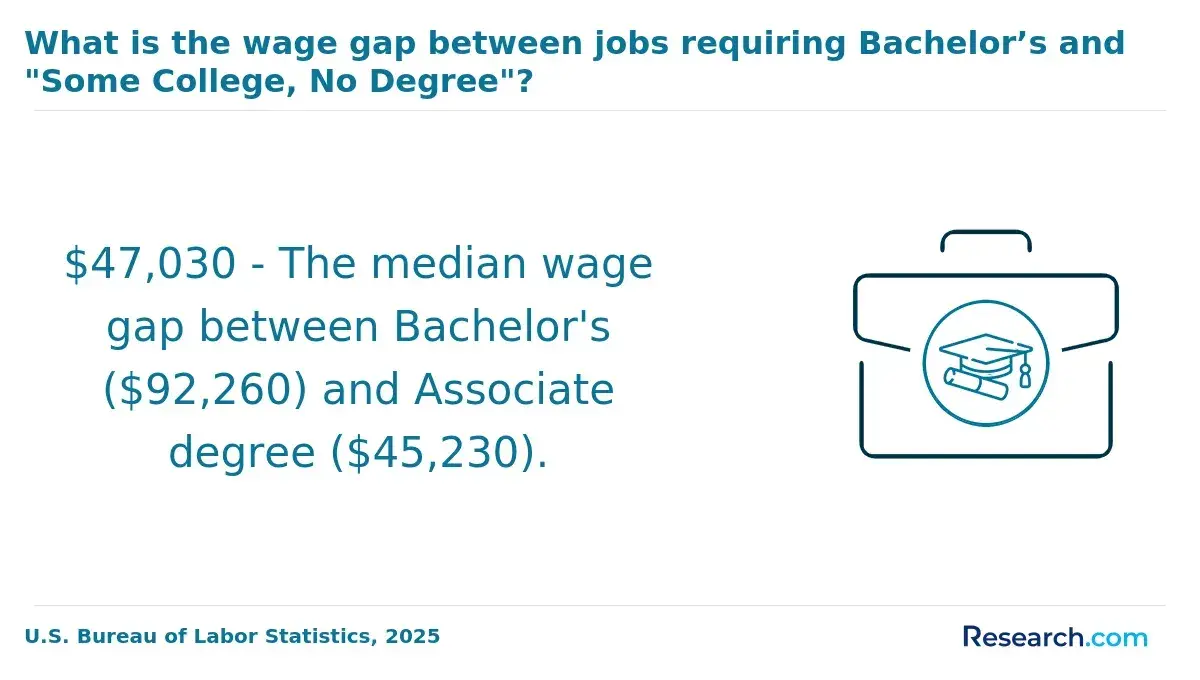
Salary ranges in engineering technology reflect a clear progression tied closely to experience, with entry-level roles generally offering between $50,000 and $65,000 as of 2024, according to data aggregated from the U.S. Bureau of Labor Statistics and LinkedIn Salary Insights. Professionals with three to seven years of experience often see mid-level salaries rise to a $65,000 to $90,000 range, marking a transition to more complex responsibilities and technical fluency.
At the senior tier, encompassing positions such as lead technologist or engineering manager, compensation typically spans from $90,000 upwards to $130,000 or more, influenced by project scope, leadership duties, and strategic input. These ranges are not arbitrary; they reflect market realities where experience increasingly correlates with autonomy, technical depth, and managerial capability within the engineering technology workforce.
Salary disparities across engineering technology roles are primarily shaped by multiple intersecting factors. Specialization intensity elevates pay when skills align with niche or emerging technologies that employers find difficult to source, while industries like aerospace, manufacturing, and energy often offer premium wages compared to less tech-centric sectors. Geographic location remains a powerful determinant, with metropolitan areas and tech hubs typically presenting higher salary floors driven by competition and cost-of-living pressures.
Additionally, company size and sector maturity influence wage structures, as larger organizations with complex technological ecosystems tend to invest more heavily in seasoned technologists. Ultimately, the interplay between skill scarcity, regional economic conditions, and industry-specific demand patterns governs how salary bands evolve and differentiate within engineering technology careers.
An engineering technology graduate shared that during their application process, the uncertainty of rolling admissions created real tension. They had completed their associate degree a few months early but hesitated to finalize applications, fearing a rushed commitment might limit options. This pause meant they missed the initial batch of admission decisions, prolonging the waiting period and amplifying anxiety around start dates and financial aid.
However, this strategic delay also allowed them to fine-tune their application to better emphasize relevant certifications, which they later believed had a positive effect on interview outcomes and eventual employer offers aligned with mid-level salary expectations.
Which Industries Are Hiring the Most Engineering Technology Graduates?
Demand for engineering technology graduates in 2024 is largely concentrated in industries experiencing significant digital transformation, workforce expansion, or persistent skill shortages. These sectors are not merely hiring in isolation but are responding to widespread economic and technological shifts that reshape operational needs and labor expectations. Understanding industry-specific hiring trends reveals which competencies are most valued and why certain fields prioritize engineering technology skill sets.
- Manufacturing: This sector remains a dominant employer due to ongoing automation and the integration of advanced quality control systems. Employers seek graduates proficient in process optimization, robotics, and product lifecycle management to maintain efficiency amid evolving supply chain challenges. According to the Engineering Technology Leadership Council, manufacturing accounts for 28% of new hires, reflecting steady demand tied to both domestic production resurgence and technological upgrading.
- Information Technology and Telecommunications: Rapid growth in cloud infrastructure, cybersecurity, and network management drives high recruitment in this field. Engineering technology graduates with hands-on capabilities in hardware diagnostics and cyber threat mitigation are increasingly critical as companies scale digital services and secure data environments. This industry makes up 22% of new engineering technology hires, emphasizing the premium placed on technical agility and systems integration.
- Construction and Civil Engineering: Growing investments in infrastructure modernization and sustainable building practices fuel hiring needs here. Engineering technology professionals versed in project coordination, building information modeling (BIM), and infrastructure maintenance address both efficiency and regulatory compliance challenges. This sector represents 18% of hires, underscoring a shift toward smarter construction methods and resilience-focused development.
- Renewable Energy and Utilities: The transition to green energy sources demands technical expertise in solar, wind, and smart grid systems. Graduates with practical knowledge of these technologies support utility providers' efforts to decarbonize and enhance grid reliability. Although smaller in scale at 12% of hiring share, this sector's growth trajectory suggests expanding opportunities as policy incentives and technology adoption accelerate.
- Automotive and Aerospace: Though accounting for a smaller portion of hires (10%), these industries emphasize innovation in electric vehicles, autonomous systems, and advanced materials. Engineering technology graduates employed here often specialize in systems testing, quality assurance, and component integration to meet stringent safety and performance standards.
How Does Hiring Demand Vary by State, Region, and City?
Hiring demand for engineering technology roles shows notable variation across states and regions, closely tied to the prevailing industrial structure and economic conditions. States like Texas, California, and Michigan exhibit stronger demand due to their sizeable manufacturing and automotive sectors that require expertise in automation, systems integration, and product development, supported by 2024 labor statistics from the U.S. Bureau of Labor Statistics and workforce analytics. Conversely, states with less industrial diversity typically report slower growth in engineering technology positions, reflecting more limited employer needs for such specialized skills.
Regions centered around technology parks, defense contracting, and research institutions experience more stable and multifaceted demand patterns, as these ecosystems foster continuous innovation and cross-disciplinary collaboration. This variation exemplifies how understanding hiring trends by city and region enables workforce entrants to tailor strategies aligned with local economic realities and employer expectations.
At the city level, hiring demand intensifies in urban centers where flagship employers, startup communities, and infrastructure investments converge to create competitive job markets with higher salary scales. Cities such as Detroit, Seattle, and Houston demonstrate differing but robust demand reflective of dominant local sectors, with salary premiums often tempered by cost-of-living considerations and talent pipeline depth. These metropolitan areas prioritize candidates who combine technical acumen with adaptability to evolving industrial requirements, further shaped by regional workforce ecosystems and educational resources.
Smaller or transitioning cities may offer valuable entry points but typically at the expense of lower wages or fewer advancement opportunities. For prospective students and early-career professionals weighing employment prospects, it is critical to factor geographic hiring nuances alongside program choices, including specialized pathways like accelerated psychology programs, which illustrate how educational investments must align with labor market demands to optimize outcomes.
What Skills Are Employers Prioritizing in Engineering Technology Job Postings?
Employer priorities in engineering technology job postings are continuously reshaped by advances in automation, digital transformation, and shifting industry demands. These priorities reflect not only technical proficiency but also the need for adaptable, multidisciplinary skill sets that bridge design, implementation, and system integration. As companies increasingly embed interconnected technologies and data-driven processes, the ability to navigate both software tools and collaborative work environments becomes a critical hiring factor.
- Proficiency with CAD and Simulation Software: Expertise in computer-aided design and simulation tools remains foundational as these applications underpin product development workflows and prototype validation. Mastery here signals readiness to contribute to engineering design cycles where precision and iteration speed are essential, enhancing a candidate's relevance in roles tied to manufacturing innovation.
- Programming and Automation Knowledge: Fluency in programming languages such as Python and C++ supports automation of processes and integration of robotics systems, which are growing pillars of operational efficiency. Candidates with these skills align with industry trends that prioritize scalable, automated solutions and improve their adaptability across varying engineering environments.
- Critical Problem-Solving and Analytical Thinking: Employers emphasize these cognitive skills to ensure that hires can troubleshoot complex system interactions and rapidly address unforeseen technical challenges. As engineering technology increasingly involves interconnected components and data streams, strong problem-solving aptitude directly influences project outcomes and overall reliability.
- Communication and Teamwork: Effective collaboration across multidisciplinary teams—including engineering, operations, and management—is vital. Employers value candidates who can translate technical concepts for diverse stakeholders and contribute to cohesive project execution, recognizing that technical skills alone are insufficient in siloed settings.
- Data Analysis and IoT System Familiarity: As Internet of Things devices become prevalent in product ecosystems, the ability to interpret sensor data and apply analytics tools is increasingly a baseline expectation. Engineers adept in these areas enhance maintenance, quality control, and innovation by integrating real-time insights into engineering decisions.
- Systems Integration Understanding: A growing number of employers caution against overly narrow specializations and seek professionals with a working knowledge of how subsystems interact within larger operations. This broader perspective supports agile adaptation amid evolving technologies and diverse project requirements, improving long-term career resilience.
Data from the U.S. Bureau of Labor Statistics and the National Association of Manufacturers indicate that over three-quarters of engineering technology job postings in 2024 list digital tool proficiency as a baseline requirement, underscoring how technical versatility and interdisciplinary skills are no longer optional but central to employability in this field.
Which Certifications Increase Employability and Salary Potential?
Certifications in engineering technology frequently function as clear indicators of specialized skills and readiness for evolving technical demands. These credentials supplement formal education by distinctly signaling to employers that a candidate possesses validated competencies aligned with current industry needs. By addressing specific skill shortages and proving proficiency with key tools or methodologies, certifications can significantly sharpen a job seeker's competitive edge and influence compensation outcomes.
- Certified Engineering Technician (CET): This certification validates core practical skills in engineering technology and aligns well with employer expectations for operational competence. Data from 2024 shows CET holders have about a 15% higher chance of rapid job placement compared to uncertified peers, reflecting employer trust in the credential's relevance to everyday technical roles.
- Automation Professional Certification (APC): Focusing on industrial automation, the APC meets rising demand for expertise in programmable systems and process control. Organizations looking to optimize manufacturing efficiency prioritize APC holders, often rewarding them with notable salary premiums that reflect the growing value of these specialized capabilities.
- ASQ Certified Quality Technician (CQT): This quality assurance credential addresses a widespread industry emphasis on compliance and standards-driven performance. Employers often correlate CQT certification with increased reliability and problem-solving aptitude, which factors prominently in hiring decisions and can translate to 8-12% salary improvements.
- SolidWorks Certification: Mastery of CAD platforms like SolidWorks plays a crucial role in design-heavy engineering roles. Engineers holding this software-specific certification command an average of $7,000 more annually, indicating strong employer premium on advanced digital design skills aligned with current technological workflows.
One engineering technology graduate recounted initially hesitating to pursue certification amid a rolling admissions process. After completing their degree, delays in job offers prompted a strategic pivot toward certification preparation despite a busy schedule. This decision, though stressful at first, ultimately helped bridge the gap between academic credentials and employer expectations, accelerating their entry into a relevant role with a noticeable salary boost. The timing required balancing immediate job search pressures with the long-term payoff of enhanced credential value.
Engineering technology professionals interested in pursuing these certifications while continuing to work can often find relevant coursework through online degree programs, which offer the flexibility to build specialized technical skills like CAD software proficiency or quality assurance principles without pausing a career.
How Do Remote and Hybrid Opportunities Affect the Engineering Technology Job Market?
Remote and hybrid opportunities are reshaping hiring trends in engineering technology roles by expanding talent pools beyond traditional metropolitan hubs. Labor market data from 2024 highlights that companies increasingly prioritize candidates who demonstrate strong digital communication and asynchronous collaboration skills alongside core technical competencies.
This supports more flexible workforce distribution, allowing employers to source skilled professionals from lower-cost regions while adjusting salary offers to reflect geographic cost-of-living differences. The rise of hybrid job opportunities for engineering technology professionals correlates with a growing demand for versatile employees who can balance onsite collaboration with remote productivity, influencing recruitment strategies documented in recent industry workforce reports.
These evolving work models also impact salary normalization and competition, as some employers maintain uniform pay to attract top talent nationwide, while others leverage location-based differentials to manage budgets. The broader effects on geographic mobility include increased access for candidates who previously faced relocation barriers, intensifying competition across regions.
Employers now emphasize self-management and virtual workflow efficiency, altering long-term job market structures toward hybrid-ready skill sets. Early-career professionals must weigh these trends carefully, especially since hands-on experience remains crucial in sectors less adaptable to remote arrangements. Prospective students assessing program options may also consider ASHA accredited online SLP master's programs as an example of how evolving delivery methods align with workforce shifts related to remote work trends in engineering technology careers.
Which Engineering Technology Careers Show the Strongest Long-Term Hiring Momentum?
Long-term hiring momentum in engineering technology careers is primarily driven by structural industry shifts rather than short-term cyclical changes. This momentum reflects enduring economic and technological transformations that reshape workforce demands across sectors, making certain roles more resilient and sustainable.
Understanding which career paths offer sustained demand requires examining how innovation, regulation, and evolving employer expectations create persistent needs for specialized technical skills. Such analysis is vital for aligning career decisions with stable opportunities in North America's labor market.
- Electrical Engineering Technologists remain in high demand due to the ongoing expansion of smart grid infrastructure and renewable energy projects. These roles are bolstered by regulatory pressure toward clean energy adoption and investment in resilient power systems, sustaining strong employment prospects over the next decade.
- Civil Engineering Technologists benefit from long-term infrastructure modernization efforts and increasing emphasis on environmental compliance. Growing public and private sector commitments to sustainable development and climate resilience underpin their continued importance in the labor market.
- Mechanical Engineering Technologists see consistent hiring momentum from advancements in automation and advanced manufacturing technologies. Industry leanings toward robotics integration and process optimization drive demand for technologists adept at bridging mechanical design with emerging digital tools.
The long-term hiring trends for engineering technology roles in North America underscore the critical value of adaptability and interdisciplinary expertise. Candidates with hands-on experience in automation, robotics, or computer-aided design (CAD) tools are particularly favored, as employers prioritize practical skills that align with evolving industry needs.
While growth projections from the U.S. Bureau of Labor Statistics for 2024-2034 estimate 5% to 7% job growth for these roles, geographic and sector-specific variations affect earning potential and job availability. Prospective students and early-career professionals should consider continuous learning pathways to remain competitive.
Those seeking flexibility in education options might explore military spouse friendly online colleges offering programs that integrate relevant credentials and practical training, which supports workforce entry and advancement aligned with real-world employer expectations.
How Can Students Use Job Market Data to Make Better Career Decisions?
Students can utilize up-to-date job market data from labor reports, hiring platforms, and salary databases to evaluate demand, compensation levels, and growth potential within engineering technology fields. These sources highlight which specializations—such as automation, renewable energy, or telecommunications—are expanding, signaling viable career pathways. Salary bands provide critical benchmarks that reflect regional and industry-specific wage variations as well as experience-based progression.
Combining hiring momentum metrics, including job posting frequency and employer feedback, offers insight into skill shortages and the competitive hiring landscape, allowing students to pinpoint areas aligned with current market needs informed by sources like the Bureau of Labor Statistics and industry reports from 2024 onward.
Interpreting this data requires balancing immediate job availability with long-term career resilience, geographic mobility, and personal aptitude. Students should critically assess whether rapid sector growth reflects sustainable opportunity or short-term volatility, recognizing the risk in overemphasizing transient trends. Aligning skill sets and certifications with employer expectations identified in labor data mitigates mismatches between training and job requirements.
Ultimately, integrating quantitative labor market signals with individual goals and interests enables more strategic decisions that account for evolving demands and career adaptability within engineering technology fields.
References
- Engineering & Technology Remote & Hybrid Jobs https://jobs.baesystems.com/global/en/engineering-technology-remote-hybrid-jobs
- Future Skills Centre • Centre des Compétences futures https://fsc-ccf.ca/research/remote-work-eng/
- The Transformative Impact of Remote Work: How Online Jobs are Empowering Workers in Emerging Markets https://nextbillion.net/transformative-impact-remote-work-online-jobs-empowering-workers-emerging-markets/
- Types of Engineering Jobs: A Complete Guide for 2026 | South https://www.hireinsouth.com/post/types-of-engineering-jobs
- Engineering And IT Certifications That Can Make You Stand Out From The Pack - 180 Engineering https://180engineering.com/engineering-and-it-certifications-that-can-make-you-stand-out-from-the-pack/
- WHAT EMPLOYERS ARE LOOKING FOR – Career Connections Center | Milwaukee School of Engineering https://www.msoecareerconnections.com/channels/what-employers-are-looking-for/
- 5 In-Demand Technology Roles & Hiring Trends 2026 https://www.alexandertg.com/most-in-demand-tech-jobs/
- Technology Shifts and Engineering Workforce Priorities https://www.nspe.org/career-growth/pe-magazine/issue-1-2026/technology-shifts-engineering-workforce-priorities
- Future-proof jobs: 15 Jobs with strong prospects for the future https://www.ebnet.co.za/future-proof-jobs-15-jobs-with-strong-prospects-for-the-future/
- [February 2026] Tech Job Market Trends Monthly | Zero To Mastery https://zerotomastery.io/blog/tech-job-market-trends-monthly-february-2026/
Other Things You Should Know About Engineering Technology
Specialized certifications can provide clear signals to employers about specific competencies, but they often cater to niche roles that may have limited openings. Conversely, broad practical skills-such as hands-on experience with multiple systems and problem-solving-tend to offer greater flexibility across diverse positions. For early-career professionals, prioritizing a strong foundation of adaptable technical skills supplemented by one or two relevant certifications typically yields better hiring momentum than chasing multiple narrow credentials.
Salary bands vary significantly based on factors like geographic location, industry segment, and employer scale, with mid-level roles often showing the greatest disparity. Instead of aiming solely for maximum listed salaries, evaluate the full compensation package alongside typical workload and advancement potential. Balancing compensation expectations with realistic assessments of job responsibilities and growth opportunities helps avoid accepting roles that pay well but offer limited long-term career development.
Entry-level roles with rapid hiring momentum often provide quicker employment but may involve repetitive tasks and limited skill advancement, potentially slowing long-term career growth. More competitive positions usually require a higher qualification threshold but can accelerate professional development and salary progression. Candidates should prioritize roles aligning with their long-term goals and be prepared to invest in upskilling if opting for faster but less specialized opportunities.
Programs that integrate robust co-op or internship experiences enable candidates to demonstrate workplace readiness, which employers heavily value, often resulting in more open roles and smoother salary negotiations. Without such practical exposure, graduates may face longer job searches and lower starting salaries despite theoretical knowledge. Prioritize educational pathways offering substantial hands-on experiences, as these reduce hiring uncertainty and improve real-world outcomes in a competitive job market.