2027 Engineering Technology Career Outcomes by Degree Level Report: Pay, Employment, and Advancement Patterns

Co-Founder and Chief Data Scientist
Choosing between an associate, bachelor's, or master's in engineering technology can feel like navigating a maze with limited visibility. Many students and professionals face uncertainty about how degree level influences not only starting pay but also job stability and advancement paths.
A 2024 National Skills Report found that bachelor's degree holders in engineering technology secure employment 15% faster and experience a 12% higher rate of promotion within five years compared to those with only an associate degree. This gap highlights critical tradeoffs in time and cost against career trajectory. This article analyzes pay, employment, and advancement outcomes by degree level to aid strategic educational choices.
Key Things to Know About Engineering Technology Career Outcomes by Degree Level
- Associate degrees in engineering technology often lead to quicker employment but limit advancement, reflecting a tradeoff where faster entry contrasts with narrower managerial potential.
- Employers increasingly favor bachelor's and master's credentials, signaling that higher-degree holders gain access to roles requiring complex problem-solving and leadership, shaping workforce stratification.
- Certificate programs offer flexible, lower-cost skill updates, critical in fast-evolving sectors, though they rarely substitute for degree credentials when aiming for long-term career progression.
- Key Things to Know About Engineering Technology Career Outcomes by Degree Level Key Things to Know About Engineering Technology Career Outcomes by Degree Level
- What Career Outcomes Can Students Expect From Each Engineering Technology Degree Level? Career Outcomes by Degree
- How Much Do Engineering Technology Graduates Earn by Degree Level? Salary by Degree Level
- Which Engineering Technology Degree Level Offers the Strongest Employment Prospects? Best Degrees for Employment
- What Entry-Level Jobs Can You Get With a Engineering Technology Degree? Entry-Level Career Opportunities
- How Do Engineering Technology Degree Levels Affect Career Advancement and Promotion Opportunities? Career Growth by Degree
- Is a Engineering Technology Degree Worth It Based on Salary, Employment, and ROI? Salary, ROI, and Value
- How Do Associate, Bachelor's, Master's, and Doctoral Engineering Technology Degrees Compare? Comparing Degree Levels
- Which Industries and Employers Hire Engineering Technology Graduates by Degree Level? Which Industries and Employers Hire Engineering Technology Graduates by Degree Level?
- What Skills, Credentials, and Experience Improve Engineering Technology Career Outcomes? What Skills, Credentials, and Experience Improve Engineering Technology Career Outcomes?
- Which Engineering Technology Degree Level Is Best for Your Career Goals? Choosing the Right Degree
What Career Outcomes Can Students Expect From Each Engineering Technology Degree Level?
Choosing the appropriate engineering technology degree level significantly shapes employment access and advancement trajectories, especially for adult learners, working professionals, and transfer students balancing prior credits and career goals. Certificates and associate degrees often grant quicker entry into technician or support roles, but employer expectations frequently limit advancement beyond mid-level positions without further qualification.
For example, machining technicians with associate degrees may secure steady manufacturing roles but face bottlenecks in supervision or specialized fields unless they bridge to bachelor's credentials, which combine applied engineering design with leadership readiness. According to U.S. Bureau of Labor Statistics data, associate degree holders enjoy stable employment in quality assurance and field services, though upward mobility correlates strongly with continued education and industry certifications embedded in program pathways.
Bachelor's degrees open wider career windows by integrating technical expertise with project management and applied research capabilities, aligning with a growing employer baseline for team leadership and cross-disciplinary tasks. This credential strongly improves advancement potential and role diversity, offering pathways from line technician roles to management and client-facing positions, a critical consideration for military-affiliated students or professionals whose time investment requires maximum return.
Master's programs emphasize advanced systems integration, supervisory skills, and specialized consulting roles, further differentiating graduates in leadership and innovation sectors where licensure and professional certification boost credibility. Doctoral degrees, less common but pivotal for careers involving academic research or senior technical leadership, underscore the value of strategic decision-making and thought leadership; candidates interested in an online PhD option may find greater career flexibility despite the longer time and intensity commitments.
The engineering technology degree level thus impacts career outcomes not only through initial pay but through long-term growth, specialization, and adaptability to evolving labor market demands. Decisions must weigh immediate workforce entry against advancement ceilings and credential stacking opportunities, factoring in employer credential preferences and transfer policies designed to smooth progression.
A clear understanding of advancement opportunities for engineering technology graduates by degree helps prospective students, particularly adult and working learners, make informed choices that align education timelines, cost, and realistic career objectives with industry benchmarks and evolving occupation requirements.
How Much Do Engineering Technology Graduates Earn by Degree Level?
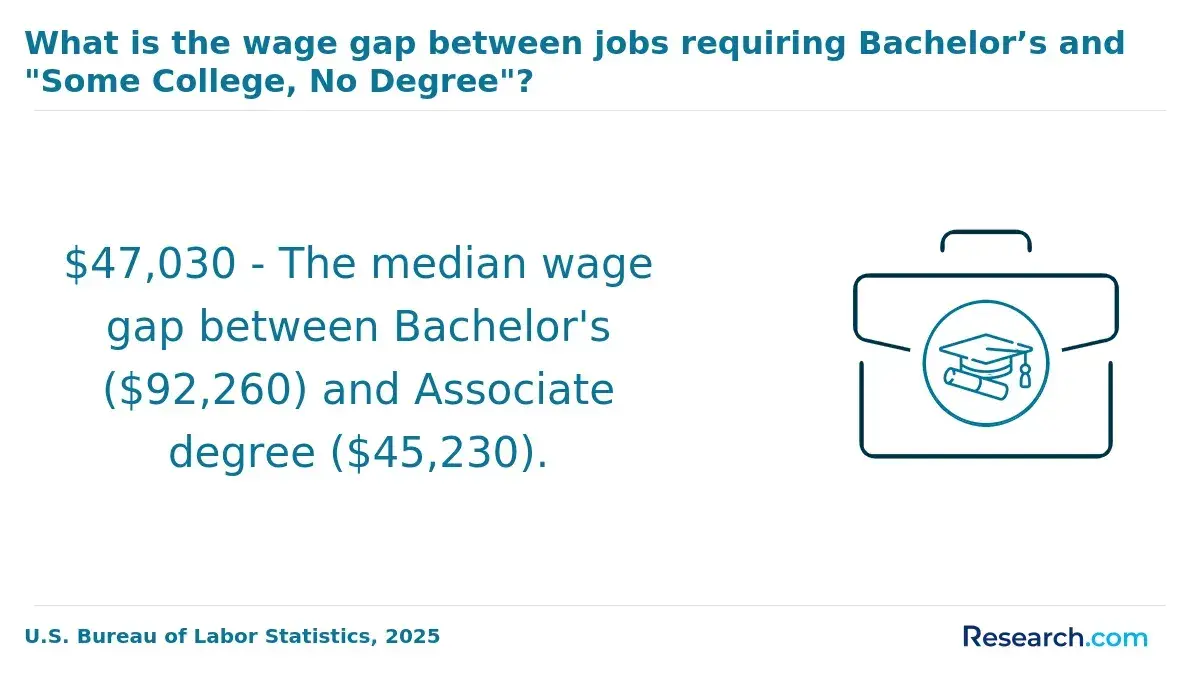
Differences in earnings among engineering technology graduates largely depend on credential level but must be viewed alongside regional job markets, employer expectations, and career stage. For example, while data from the National Center for Education Statistics in 2024 show median annual wages for bachelor's degree holders typically exceed $75,000, those with associate degrees often earn around $50,000.
However, this wage gap also reflects accessibility to roles involving project leadership, systems design, or advanced troubleshooting, which generally require higher qualifications. The decision to pursue further education involves weighing not only potential pay increases but also the time, tuition, transfer credit applicability, and the risk that some employers prioritize hands-on experience or specific certifications over degrees alone.
Job stability and advancement opportunities grow more pronounced with graduate levels, especially where licensure or specialized consulting roles demand master's or doctorate credentials. Yet, certificate or associate-degree holders may find quicker entry into the workforce, making those paths viable for students balancing work or military commitments.
Industries concentrated in technology hubs or requiring strict credentialing often amplify pay premiums for bachelor's and advanced degrees, influencing geographic mobility decisions. Ultimately, adult learners and transfer students should consider how education timelines, local labor demand patterns, and employer preferences converge to affect both immediate earnings and long-term career flexibility.
A graduate who began with an associate degree in engineering technology initially accepted the lower median wage but remained hesitant about investing additional years for a bachelor's credential due to financial constraints and family obligations. After reviewing local postings, they noticed many mid-level roles listed bachelor's degrees as minimum requirements with 10-15% higher salary ranges.
This information prompted them to pursue transfer credits actively and seek scholarships, balancing optimism about eventual gains with realistic concerns about time and income loss during further study, illustrating the complex tradeoffs behind degree-level decisions in this field.
Which Engineering Technology Degree Level Offers the Strongest Employment Prospects?
Choosing the degree level in engineering technology that maximizes employment prospects requires weighing how employer credential preferences and licensing requirements influence job accessibility. While associate degrees and certificates enable quicker workforce entry, they often limit graduates to technician or assistant roles with fewer advancement opportunities.
For example, an associate degree graduate might secure a local skilled technician position relatively quickly, but may face barriers when competing for project management or systems integration roles typically reserved for bachelor's holders. Data from the U.S. Bureau of Labor Statistics in 2024 shows approximately 85% of bachelor's degree recipients in engineering technology find employment within a year, surpassing the rates for associate or certificate holders, reflecting their broader occupational access and alignment with industry expectations.
In contrast, bachelor's degrees generally provide a balance of solid initial employment and pathways to more complex, supervisory, or specialized positions, benefiting from stronger ties to internships and cooperative education programs. Meanwhile, master's and doctoral qualifications, though less common, often correspond to roles involving research, development, and management, commanding salary premiums of 15-25% above bachelor-level positions.
Candidates must consider the tradeoff between the longer time and financial investment required for advanced degrees against the potential for strategic career progression into leadership or niche technical roles. Regional labor markets also matter; some areas may continue to value associate-level credentials, but overall hiring trends increasingly prioritize higher-level degrees as baseline requirements.
What Entry-Level Jobs Can You Get With a Engineering Technology Degree?
Entry-level jobs for graduates with an engineering technology degree differ considerably depending on whether the degree earned is at the associate or bachelor's level, with distinct employer expectations shaping opportunities and advancement potential. Those holding associate degrees often enter roles emphasizing practical, hands-on skills such as technicians or CAD drafters, where direct application of industry-specific software and tools is prioritized over theoretical design.
While these positions provide a valuable foundation, they may offer less stability and slower mobility compared to bachelor's graduates, who are typically expected to demonstrate broader competencies such as project management and systems analysis. For example, employers increasingly screen for candidates with relevant internships or portfolio work, reflecting a preference for practical experience that mitigates new graduate risks-a critical consideration in competitive entry-level engineering technology jobs in the United States.
Graduates with a bachelor's degree frequently start in positions with higher responsibilities, including junior engineering roles that require stronger analytical and cross-functional communication skills. Certifications like the Certified Manufacturing Engineer enhance these candidates' marketability and may accelerate their trajectory beyond entry-level constraints. According to the National Center for Education Statistics, completion of internships or cooperative education markedly improves employment outcomes within six months of graduation.
Those assessing degree pathways should also consider whether initial roles favor onsite presence for equipment operation or allow remote flexibility, an industry trend influenced by geographic and sectoral factors. For students seeking a faster route to credentials, some opt for an associate degree in 6 months online, balancing speed with entry-level access, but should weigh this against longer-term skill development and career mobility.
How Do Engineering Technology Degree Levels Affect Career Advancement and Promotion Opportunities?
Employers in engineering technology increasingly view bachelor's degrees as essential for supervisory or specialized technical roles, causing associate degree holders to encounter slower promotion paths and ceiling effects in leadership eligibility. According to 2024 data from the Bureau of Labor Statistics and NCES, individuals with bachelor's degrees achieve first supervisory promotions nearly two years earlier than those with associate credentials, underscoring how academic depth and exposure to project management and systems integration translate into management readiness.
While associate degree graduates frequently fill operational or technician roles, their upward mobility often depends on supplemental certifications or further education, making transitions into supervisory positions less direct. This dynamic is crucial for working adults weighing whether to pursue continued education, especially since some employers treat degree level as a preliminary screening tool in promotion decisions.
Licensure and certifications such as Certified Manufacturing Engineer or Project Management Professional, which tend to build on bachelor-level preparation, reinforce the alignment between degree attainment and leadership prospects within the field. Adult learners and part-time students pursuing bachelor's degrees often combine concurrent work experience with academic advancement to enhance promotion potential, whereas those with associate degrees may need extended on-the-job training or credentials to remain competitive.
Transfer-credit pathways that shorten bachelor's completion times add a practical advantage for career mobility, especially for military-affiliated professionals or those with existing credits. Choosing the right credential requires balancing immediate employment goals with realistic timeframes for advancement and recognition within an increasingly credential-focused labor market.
A recent graduate who entered a manufacturing firm with an associate degree decided to pursue a bachelor's while working, noting hesitancy about applying for a supervisory role without the four-year degree. The individual observed, "My supervisors emphasized needing that bachelor's for overseeing projects, not just completing tasks."
After completing the bachelor's program through a flexible online option, the graduate felt more confident addressing complex technical leadership responsibilities and experienced a tangible shift in how management viewed promotion readiness. This blend of work experience and credential progression proved decisive for internal mobility and credible engagement in leadership discussions.
Is a Engineering Technology Degree Worth It Based on Salary, Employment, and ROI?
The decision to pursue an engineering technology degree hinges on weighing time-to-completion, salary gains, and employment stability within specific local labor markets. For working adults or military-affiliated students, an associate degree often represents a more pragmatic choice due to shorter program lengths and lower debt burdens, providing reasonable salary and job opportunities especially in technician roles.
Bachelor's degree holders tend to access higher salary ceilings and roles that require supervisory or specialized skills, but these benefits come with longer completion times and increased financial commitments, which may not justify the investment for everyone. Employers frequently prefer candidates with credentials aligned with industry certifications such as Certified Engineering Technician or NICET, underscoring that formal degree education alone is not always sufficient for advancement.
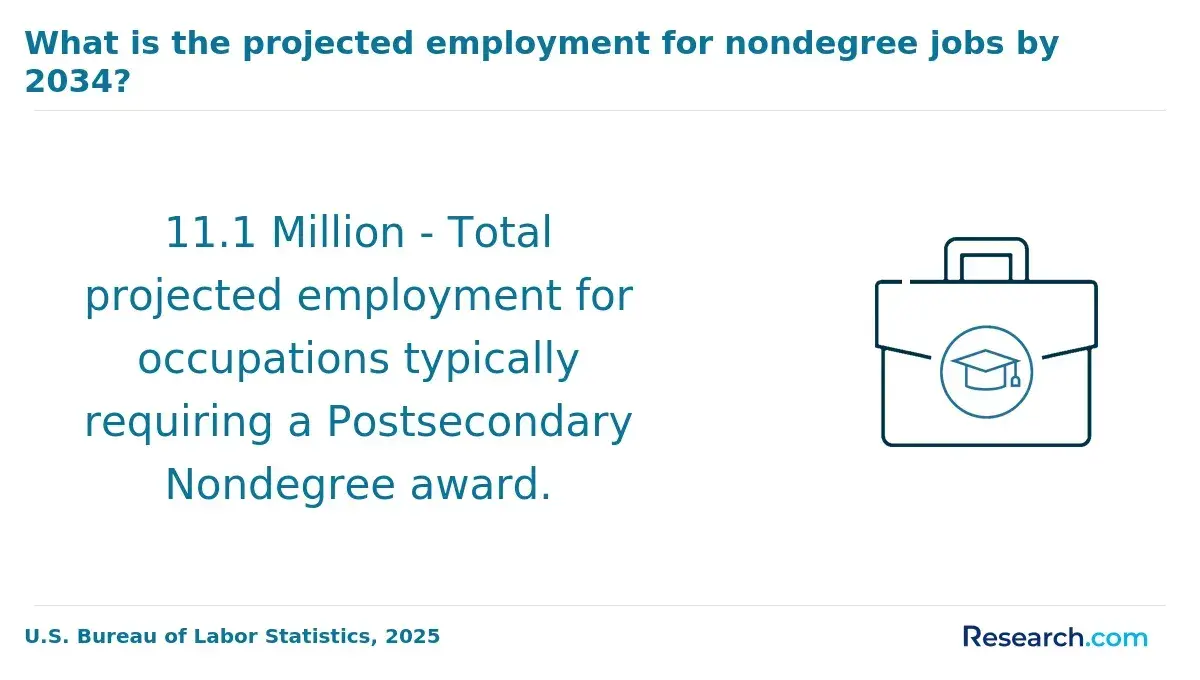
Employment growth in this field aligns closely with sectors like manufacturing and construction, making regional demand another crucial variable for ROI assessment. For students balancing work and education, pathways such as accelerated or 6-week online courses with certificates may offer opportunities to gain relevant credentials efficiently.
Analyzing engineering technology degree salary and employment outcomes reveals that additional education beyond an associate may yield diminishing returns if it entails extended debt or delay without clear advancement prospects. Transfer students and returning learners should carefully evaluate their previous credits and local industry needs before committing to a bachelor's program.
Ultimately, the return on investment of engineering technology degrees is tied to realistic career trajectories, with the associate degree often providing a faster, cost-effective gateway into the workforce, while bachelor's degrees can better support mobility into higher-level roles when supported by relevant experience and certifications.
How Do Associate, Bachelor's, Master's, and Doctoral Engineering Technology Degrees Compare?
The decision to pursue an associate degree in engineering technology often reflects immediate workforce entry priorities, as this credential typically qualifies graduates for technical roles with quick employment outcomes-about 85% find work within two years, according to NCES 2024. However, these positions usually offer limited advancement, and credit transfer opportunities to bachelor's programs are vital for those aiming to enhance long-term career mobility.
Choosing to continue education at the bachelor's level can open doors to supervisory and project management roles, aligning with employer preferences for credentials that demonstrate deeper technical knowledge and problem-solving abilities, as well as preparing students for steady job growth projected by labor statistics.
Master's degrees serve as a strategic investment for individuals targeting leadership, specialized expertise, or pathways into research and consultancy, where advanced skills in systems optimization and innovation are increasingly demanded. This degree often corresponds with better job stability and can be essential for licensure in specific fields, though the return on additional schooling depends heavily on the chosen specialty and employer standards.
Doctoral study remains a niche pursuit, best suited for professionals with academic or R&D ambitions, considering its limited credit transfer options, lengthy completion timelines, and the fact that it rarely translates into broader industry advancement beyond high-level consultative or faculty roles. Balancing immediate employment against longer-term returns requires careful assessment of personal goals, costs, and time investment.
While associate credentials offer rapid entry, bachelor's degrees frequently provide the optimal blend of flexibility, employer demand, and upward mobility, especially for those managing work and study simultaneously. Ultimately, stacking credentials with mindful progression improves competitive standing, but the diminishing marginal utility of graduate education beyond the master's level highlights the importance of aligning degree pursuit with clearly defined career trajectories rather than defaulting to higher credentials without targeted objectives.
Which Industries and Employers Hire Engineering Technology Graduates by Degree Level?
Employer demand for engineering technology graduates reveals distinct hiring patterns tied closely to credential level, reflecting both the complexity of job functions and sector-specific requirements. Associate degree holders frequently find employment in hands-on roles within manufacturing, utilities, and construction, where practical skills and certifications weigh heavily.
For instance, technicians supporting local utility infrastructure or manufacturing plants often rely more on proven technical proficiency and less on advanced theory, aligning with the faster labor market entry these credentials enable. Data from the Bureau of Labor Statistics and the National Center for Education Statistics in 2024 confirms that these sectors prioritize associate graduates for rapid deployment and routine technical operations, even though upward mobility may stall without further education.
Bachelor's degree recipients access a broader range of industries, including aerospace, telecommunications, automotive, and government, where employers expect a mix of technical expertise and project management ability. This level unlocks roles such as systems analysts or field engineers and corresponds with higher starting salaries and greater promotion potential in dense engineering job markets.
Master's graduates often integrate into advanced research and development or leadership positions within multinational corporations, defense contractors, and specialized consulting firms, where graduate-level knowledge and licensure requirements serve as distinguishing factors. Doctoral candidates, though smaller in number, contribute mainly through research institutions and policy advisory roles, supporting innovation and commercialization strategies with their specialized expertise.
Certificates tend to augment existing credentials or target niche emerging technologies like cybersecurity, offering focused skills without the time investment of degrees. Employers frequently use degree level as a proxy for technical depth, leadership readiness, and adaptability, which heavily influences screening and opportunity trajectories. Choosing whether to stop after an associate degree or pursue graduate studies impacts access not only to pay differentials-but also to career paths aligned with industry sectors and job functions.
For example, a technician at a manufacturing firm might face a ceiling without a bachelor's degree, while a graduate-level credential often predicates eligibility for project management or R&D leadership. Prospective students must consider these trade-offs carefully, balancing cost, time, and career aspirations with the realities of employer expectations and regional industry demands, guided by authoritative sources such as recent government and educational research data.
What Skills, Credentials, and Experience Improve Engineering Technology Career Outcomes?
Employment outcomes in engineering technology hinge significantly on aligning technical skills, credentials, and experiential learning with employer demands. For instance, candidates proficient in CAD software and automation tools who pair these abilities with industry-recognized certifications such as Certified Engineering Technician (CET) or OSHA credentials often surpass peers relying solely on academic degrees.
Employers prioritize these certifications as practical validations of competency, making them a strategic differentiator in hiring, especially when advancement opportunities require demonstrated, verifiable expertise beyond coursework. Internships, apprenticeships, and cooperative education experiences further enhance job placement and readiness, reinforcing skill transferability vital for navigating shifting industry sectors.
Data consistently show a 20% higher employment rate within six months for students engaging in such applied learning. Soft skills like communication and leadership, cultivated through project or workplace roles, are equally pivotal, boosting promotion potential by evidencing managerial aptitude alongside technical capability. This blend of experience and soft skills reflects the essential skills and experience for engineering technology careers that employers actively seek.
For working adults, transfer students, and military-affiliated individuals, leveraging prior experience and stacking credentials is critical, particularly for those with associate degrees who must offset limited formal education. Bachelor's degree holders, conversely, frequently capitalize on specialization and documented research portfolios to access higher-level roles requiring advanced decision-making.
Navigating these pathways pragmatically, including cross walking credits or exploring industry pathways such as a physics online degree for complementary knowledge, can substantially influence long-term career flexibility and earnings potential within the engineering technology certification and licensure requirements landscape.
Which Engineering Technology Degree Level Is Best for Your Career Goals?
Choosing the appropriate engineering technology degree level shapes access to different roles and progression within the field. An associate degree often suits those prioritizing immediate employment with lower debt and quicker completion but limits eligibility for supervisory or specialized positions, a tradeoff many employers recognize in advancement decisions.
Bachelor's degree holders tend to enjoy a 15-20% higher employment retention rate over five years, according to the Integrated Postsecondary Education Data System, reflecting stronger employer preference for leadership roles, professional certification eligibility, and deeper specialization opportunities. Deciding between degree levels also involves considering time commitment, credit transfer policies, and financial impact, especially for working adults or military-affiliated students balancing multiple priorities.
Many find bachelor's or higher credentials necessary for graduate certificates, master's degrees, or essential licensure, enabling long-term professional mobility but increasing student debt substantially. Those weighing these factors should incorporate specific employment and pay outcomes by engineering technology credential alongside personal career goals to avoid misaligned investment. For practical planning, exploring options such as the cheapest online Spanish degree can provide insights into balancing cost and duration across technical fields.
Ultimately, selecting the best engineering technology degree level depends on intended roles, with the associate degree offering foundational employment while bachelor's degrees align with advancement and specialized credentials. Transparent comparison of pay and employment outcomes by engineering technology credential helps ensure education informs realistic workforce pathways, particularly for transfer students and those aiming to scale into management or regulated positions over time.
References
- What Are the Career Prospects for Engineering Graduates? - 8B - Student Loans for African Students https://www.8b.africa/what-are-the-career-prospects-for-engineering-graduates/
- Types of College Degrees https://www.act.org/content/act/en/students-and-parents/high-school-success/what-to-do-after-high-school/college-degrees.html
- 3 Engineering Career Skills That'll Make A Big Difference In Landing That Contract https://www.planacademy.com/engineering-career-skills-podcast/
- Engineering in higher education report https://www.engineeringuk.com/research-and-insights/our-research-and-evaluation-reports/engineering-and-technology-in-higher-education/
- All the routes into engineering and tech careers https://eukeducation.org.uk/engineering-and-tech-careers/skills-and-career-pathways/all-the-routes-into-engineering-and-tech-careers/
- Why an Engineering Degree is a Solid Investment | Vaughn College https://www.vaughn.edu/blog/why-an-engineering-degree-is-a-solid-investment/
- Engineering Certification | Students | Siemens Software https://blogs.sw.siemens.com/academic/siemens-certification-boosts-your-engineering-career/
- Where to Work with an Engineering Technology Degree? | DeVry University https://www.devry.edu/blog/where-can-you-work-engineering-tech.html
- Career Progression Paths in Engineering: From Entry-Level to Leadership Roles https://talent-media.co.uk/career-progression-paths-in-engineering-from-entry-level-to-leadership-roles/
- The Role of Certifications in Advancing an Engineering Career | First Achieve https://www.firstachieve.com/blogs/the-role-of-certifications-in-advancing-an-engineering-career/
Other Things You Should Know About Engineering Technology
The associate degree typically demands less time per week and offers a more focused technical curriculum, which can better accommodate part-time work or family commitments. Bachelor's programs require a heavier course load and broader general education classes, increasing workload and time investment. Working students should weigh whether they can balance a full bachelor's curriculum without sacrificing performance or personal obligations, especially since more demanding schedules might affect long-term retention and practical skill mastery.
Many employers in engineering technology weigh hands-on experience heavily, often equating or even preferring relevant internships, certifications, or technical skills over advanced degrees alone. While higher degree levels may open doors to certain roles, including supervisory or design positions, practical competency often determines eligibility for mid-level technical jobs. Candidates should consider supplementing their formal education with extensive applied projects or industry experience to remain competitive, especially when degree levels alone are not the main differentiator.
Master's degrees tend to integrate leadership, project management, and strategic problem-solving alongside advanced technical content. Technical specialists focused purely on deepening hands-on skills might find direct entry into industry or specialized certifications more effective for career growth. Conversely, those aiming for managerial or cross-functional roles generally benefit more from the master's curriculum and associated networks, suggesting a clearer return on investment for leadership-track professionals than purely technical practitioners.
An associate degree allows faster workforce entry, which can build practical experience earlier, but may limit access to higher-level roles that require deeper theoretical knowledge or formal credentials. Meanwhile, bachelor's degrees require more upfront investment but generally improve eligibility for advancement over time, especially where employers emphasize degree-based promotion criteria. Prospective students must prioritize either immediate earnings and experience accumulation or a more traditional route that may yield larger mid-to-late career opportunities, recognizing that downtime for additional schooling is a significant factor in this decision.