2027 Engineering Technology Degree Outlook Through 2030: Enrollment, Salary, and Hiring Projections

Co-Founder and Chief Data Scientist
Choosing to pursue or continue an engineering technology degree requires evaluating more than projected job growth alone. While the Bureau of Labor Statistics forecasts a 7% rise in related technician roles through 2030, this growth masks regional hiring imbalances and sector-specific demand shifts influenced by automation and evolving credential standards. Enrollment increases risk saturating the graduate market in some areas, potentially depressing starting salaries despite overall wage growth trends.
Employers' preferences for specialized skills vary widely, affecting career trajectories. Understanding these interconnected factors is essential for making strategic education and career decisions. This article examines engineering technology enrollment, salary patterns, hiring projections, industry demand, geographic opportunity, and emerging workforce changes through 2030 to provide comprehensive insights.
Key Things to Know About the Engineering Technology Degree Outlook Through 2030
- Enrollment in engineering technology programs declined 5% nationally since 2022, indicating increased competition for fewer graduate positions and signaling a need for selective specialization to maintain employability.
- Employers report a 12% rise in demand for candidates with advanced automation and AI-integrated skills, emphasizing workforce adaptation to technological shifts over traditional engineering roles.
- Regional wage growth disparities highlight slower salary increases in manufacturing hubs affected by automation, urging students to consider geographic mobility or niche expertise to optimize long-term earnings.
- Key Things to Know About the Engineering Technology Degree Outlook Through 2030 Key Things to Know
- How is Engineering Technology Degree Enrollment Expected to Change Through 2030? Enrollment Trends Through 2030
- How Many Engineering Technology Graduates Will Enter the Workforce by 2030? Graduate Workforce Entry Projections
- What Are the Hiring Projections for Engineering Technology Graduates Through 2030? Hiring Projections Through 2030
- Which Engineering Technology Careers Will Experience the Most Job Growth? Fastest-Growing Career Paths
- What Is the Salary Outlook for Engineering Technology Graduates Through 2030? Salary Outlook Through 2030
- Which Industries Will Hire the Most Engineering Technology Graduates by 2030? Top Hiring Industries
- Where Will Demand for Engineering Technology Graduates Be Strongest? Strongest Geographic Demand
- Which Engineering Technology Specializations Will Be Most in Demand by 2030? Specializations
- How Will AI and Technology Affect Engineering Technology Careers Through 2030? AI and Technology Impact
- Is a Engineering Technology Degree Worth Pursuing Based on 2030 Projections? Degree Value Through 2030
How is Engineering Technology Degree Enrollment Expected to Change Through 2030?
Modest but steady growth in engineering technology degree enrollment through 2030 reflects a nuanced interplay of labor market demand and changing student demographics. Unlike some core engineering fields experiencing rapid expansion, engineering technology programs are expected to grow at an annual rate around 1.5% to 2%, highlighting a stable but more specialized role in technical workforce pipelines. This trend underlines an operational challenge.
Programs may face pressure to expand offerings and adapt curricula towards applied, hands-on skills that match employer expectations for graduates who can immediately support manufacturing and industrial operations. A growing share of these programs are likewise increasing online and hybrid delivery formats, which broadens access for working adults but may also alter traditional cohort dynamics and require investments in instructional technology.
Supply and demand balancing will be crucial as fluctuating enrollment influences program capacity and specialization. Regions experiencing demographic shifts with declining traditional college-age populations may see limited expansion or heightened competition for admissions, particularly for in-demand subfields, while others may maintain steady growth driven by underrepresented student groups prioritizing direct employment outcomes.
Students must weigh these enrollment realities carefully; oversaturation risks exist in local labor markets if graduate output outpaces employer absorption, complicating long-term career trajectory assumptions. Educators and workforce planners should therefore critically monitor enrollment and hiring data to recalibrate offerings, ensuring alignment with evolving industrial needs, and prospective students may benefit from comparing relative program costs-including factors impacting healthcare administration degree cost-to optimize financial and career investment decisions.
How Many Engineering Technology Graduates Will Enter the Workforce by 2030?
Graduate volume alone does not dictate workforce absorption for engineering technology degree holders, as multiple factors influence labor market entry. While national data from the National Center for Education Statistics indicates steady annual completions near 30,000 for associate's and bachelor's degrees combined, actual employment depends on regional demand, program quality, graduate skill sets, and competition from related STEM fields like engineering and computer science.
For example, candidates with hands-on lab experience and specialized certifications are more likely to secure mid-level technical roles, whereas others may face challenges transitioning directly to full-time positions. Additionally, some graduates defer entry by pursuing further education or transitioning into other sectors, moderating the number entering technical jobs annually despite stable graduation rates.
Labor projections from the Bureau of Labor Statistics estimate about 11,000 job openings per year for engineering technicians through 2032, reflecting a roughly 5% employment growth rate that factors in retirements and sector expansions. However, this demand is uneven across states, favoring regions with strong manufacturing, aerospace, or infrastructure industries.
The pipeline into the workforce is further complicated by shifting employer expectations emphasizing adaptability to evolving technologies, which may disadvantage graduates whose training is narrower or less applied. Consequently, while estimates suggest 300,000 to 330,000 new entrants by 2030 nationally, these figures mask significant variation in local hiring dynamics and individual employment outcomes.
What Are the Hiring Projections for Engineering Technology Graduates Through 2030?
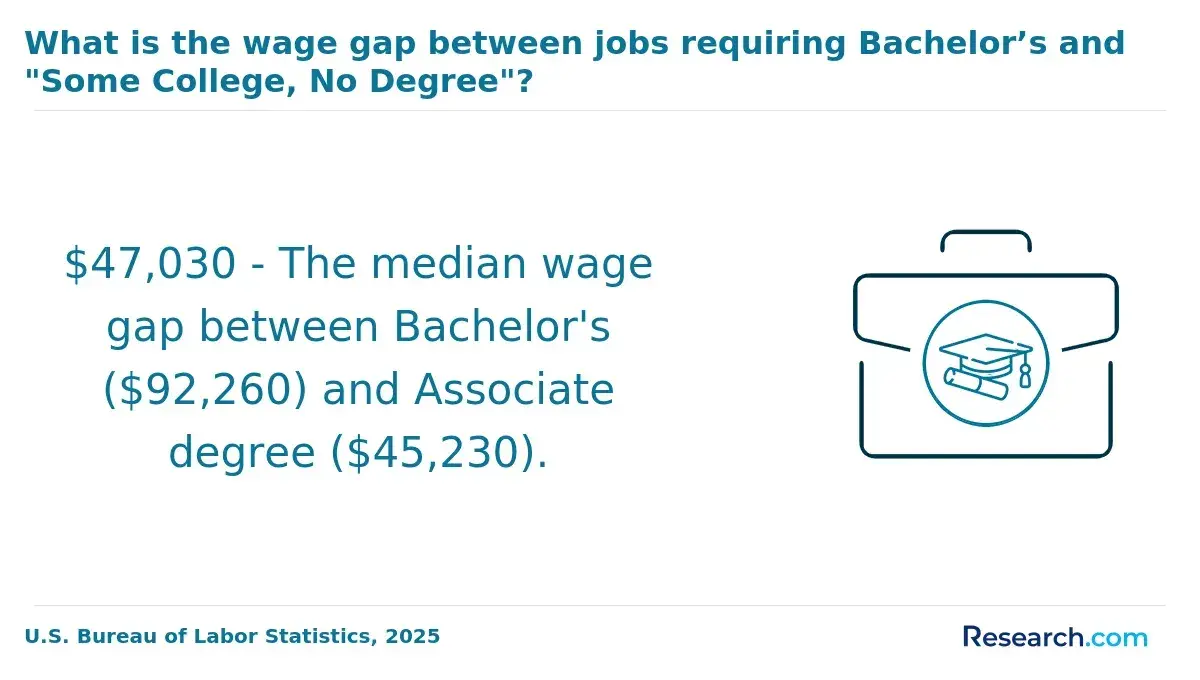
Employer demand for engineering technology graduates through 2030 appears moderate and somewhat uneven, rather than robust or rapidly expanding. U.S. Bureau of Labor Statistics projections estimate employment growth for engineering technicians at about 5% from 2022 to 2030, which is modest compared to overall occupational growth rates.
This growth reflects steady needs in manufacturing, aerospace, and infrastructure sectors but should be interpreted cautiously, as regional variations and specialization significantly affect job availability. For example, graduates in regions with a high concentration of advanced manufacturing or renewable energy projects may find more openings than those in areas where such industries contract or automate more aggressively.
The labor market for engineering technology roles also depends heavily on replacement demand alongside new positions, with recent estimates indicating around 15,000 annual openings nationwide due to retirement and turnover. However, entry-level opportunities are competitive and frequently prioritize candidates equipped with practical experience and familiarity with industry-specific software and tools, which can be a barrier for those lacking internships or certificate-based skill enhancements.
As digital transformation and automation reshape employer expectations, technologists who continuously update their proficiencies are more likely to maintain employability, especially in dynamic fields like IT integration or energy systems modernization. Because job growth varies by specialty and geography, relying solely on national projections risks overestimating accessible opportunities for all graduates.
For instance, graduates focusing on construction-related engineering technology might encounter different market pressures than those targeting telecommunications or utilities. Decision-makers should weigh these nuanced workforce trends against program costs and personal adaptability, recognizing that career stability and advancement often hinge on applied skills, ongoing training, and the ability to navigate shifting technical demands rather than initial degree credentials alone.
Which Engineering Technology Careers Will Experience the Most Job Growth?
Employment projections highlight systems and industrial engineering technologists as among the best positioned for growth through 2030, reflecting ongoing automation and efficiency initiatives within manufacturing and logistics sectors. While environmental engineering technologists show the highest growth rates at over 10%, driven by sustainability mandates and regulatory compliance, the total job volume may be smaller compared to more established fields.
Electrical and electronic engineering technologists, benefiting from demand tied to smart grids, electric vehicles, and IoT integration, offer a blend of moderate growth and broader labor market presence, though specialized digital skills are increasingly critical for employability. For students weighing engineering technology career growth in the United States, understanding how these technical specializations align with regional economic drivers and industry adoption rates is essential to avoid overestimating entry ease based on growth percentages alone.
For a prospective student deciding between civil, mechanical, or environmental engineering technology pathways, the tradeoff emerges between steady, moderate expansion and niche specialization with regulatory impetus. Civil and mechanical technologists, projected to grow at a 5-7% rate, provide wider opportunities by volume but may face stiffer competition and slower wage increases. Industry feedback often emphasizes cross-disciplinary adaptability and hands-on problem-solving as crucial skills, suggesting that educational programs focused exclusively on theory may underprepare graduates for evolving employer demands.
Those evaluating credentials should also consider complementary certifications and practical experience, balancing the long-term flexibility of their chosen field against market entry barriers and replacement demand fluctuations. Informed decisions about engineering technology enrollment trends must account for how employment factors intersect with educational investments. For instance, individuals exploring technical pathways might compare traditional degrees with specialized credentials, such as in allied fields like health informatics, offering different risk and reward profiles.
Resources highlighting accredited programs, including lists of medical billing and coding online schools, illustrate the broader ecosystem of technical education and its responsiveness to labor market shifts. Ultimately, candidates benefit from integrating data-driven insights about growth projections, practical hiring realities, and skill alignment to enhance their long-term occupational resilience.
What Is the Salary Outlook for Engineering Technology Graduates Through 2030?
Salary projections for engineering technology graduates through 2030 require careful interpretation alongside inflation trends, shifting labor market demands, and evolving credential expectations. Anticipated wage growth, often between 5% and 8%, generally aligns with national averages, reflecting steady but modest increases rather than substantial jumps.
Variability in compensation will depend heavily on industry sectors, geographic regions, and the acquisition of specialized skills or certifications. Graduates should consider these dynamics when assessing the realistic financial trajectory of their degree. The following factors will significantly shape salary developments over the next decade.
- Industry Demand Dynamics: Engineering technology roles tied to aerospace, manufacturing, or energy sectors typically command higher wages due to specialized technical requirements and heightened production complexity. Fluctuations in these industries affect job availability and salary levels.
- Geographic Compensation Disparities: Urban centers with dense high-tech and industrial clusters usually offer elevated starting salaries compared to rural or less industrialized areas, influencing take-home pay and career growth scope.
- Credential and Certification Impact: Earning credentials in automation, data analytics, or software integration can boost earning potential by positioning graduates to meet emerging technical needs beyond traditional engineering technician roles.
- Experience and Career Progression: While initial wages hover near $50,000 to $60,000, mid-career specialists often reach between $75,000 and $85,000, particularly when moving into supervisory or technical lead positions that leverage both practical skills and management acumen.
- Licensing Limitations: The absence of a professional engineering license restricts some senior-level salary ceilings, making alternative advancement pathways and continuous skill development critical for closing income gaps.
- Inflation and Wage Growth Alignment: Projections from the U.S. Bureau of Labor Statistics indicate engineering technology salaries will expand in line with inflation, underscoring the importance of strategic career decisions to achieve real income gains.
- Technological Change Adoption: Rapid integration of new technologies demands ongoing education; graduates actively updating their expertise tend to maintain or enhance their market value amid industry evolution.
Which Industries Will Hire the Most Engineering Technology Graduates by 2030?
Growth in hiring for engineering technology graduates through 2030 will be shaped less by sheer industry size and more by how sectors respond to workforce replacement needs, regulatory shifts, and technological change. Industries reliant on applied technical skills coupled with evolving technologies will prioritize graduates who can navigate complex production systems, implement sustainable practices, and support increasing automation.
Prospective and current degree holders should weigh these dynamics carefully, recognizing that access to roles often depends on combining foundational technical competence with specialized credentials or hands-on experience. Below are industries expected to generate the strongest hiring demand based on these factors.
- Advanced Manufacturing: Automation, robotics, and new materials continue to transform manufacturing, demanding graduates adept in system troubleshooting and process optimization. Roles may include production technologist or quality control specialist; experience with robotics programming or industrial IoT enhances prospects.
- Construction and Infrastructure: Stricter environmental regulations and a pivot toward green building practices drive demand for engineering technology graduates in construction management and civil tech roles. Competence in sustainable material selection and project coordination is increasingly valued.
- Energy Sector: Both traditional utilities and renewable energy industries require technical professionals with skills in instrumentation, control systems, and grid integration. Adaptability to smart grid technologies and decarbonization initiatives is critical for entry and advancement.
- Aerospace and Transportation: Growth here is sensitive to economic fluctuations but includes opportunities in systems maintenance and design support. Focused credentials related to avionics or vehicle controls may strengthen candidacy amid competitive hiring.
- Healthcare Technology: Emerging demand exists in medical device maintenance and development, where graduates with cross-disciplinary knowledge can engage in regulatory compliance and technological innovation.
Regional variability and economic cycles may moderate these projections, requiring ongoing skills updating and practical experience for graduates to maintain market relevance. The complexity of employer expectations means that those considering engineering technology degree paths must weigh long-term career stability against evolving industry demands. For some candidates exploring alternative but related fields, programs like online DNP programs might offer complementary opportunities.
Such nuanced understanding is essential when evaluating top industries employing engineering technology degree holders and anticipating hiring patterns in the decade ahead.
Where Will Demand for Engineering Technology Graduates Be Strongest?
Demand for engineering technology graduates through 2030 will be heavily influenced by regional industrial concentration and demographic trends, making location a critical factor in employment prospects. For example, the Midwest and Great Lakes remain strongholds for manufacturing roles tied to automation and robotics, but despite high job volumes, these areas may also bring intense competition and often require advanced certifications to stand out.
Conversely, the South and Southwest-driven by infrastructure growth and population increases-offer expanding opportunities in construction support and civil engineering, where candidates with hands-on skills in sustainable materials and emerging building tech will be favored, though salaries may vary significantly compared to traditional manufacturing centers.
Emerging tech hubs on the coasts and in select Sun Belt cities present opportunities in IT and telecommunications for engineering technology graduates, especially in roles that blend hardware testing with systems integration, but these markets often demand broader interdisciplinary knowledge, including computer science fundamentals, that can raise entry barriers. Geographic disparities in cost of living and employer density also shape the attractiveness of these positions.
Higher wages in tech-centric urban areas may be offset by steep living expenses, while more affordable mid-size cities offer reasonable pay with less applicant saturation. Industry specialization and employer expectations for certifications further segment the labor market, so graduates must weigh immediate hiring advantages against long-term career flexibility when selecting programs or locations. Fields like renewable energy and aerospace defense are growing but require continual skill updating, meaning graduates must balance foundational technical expertise with ongoing professional development to stay competitive.
Public infrastructure investments and regional workforce shortages underscore the advantage of targeting areas with active economic stimulus, yet overreliance on average national demand figures risks missing these nuanced local dynamics. According to recent analyses from Lightcast and the U.S. Bureau of Labor Statistics, understanding these layered, place-specific factors is essential for realistic career planning in engineering technology, particularly as digital transformation and automation reshape employer needs unevenly across the country.
Which Engineering Technology Specializations Will Be Most in Demand by 2030?
Shifts in industry priorities and technological innovation are driving uneven growth across engineering technology specializations through 2030. Students comparing options must consider not only growth rates but also the evolving technical skills and geographic factors associated with different fields. For example, a candidate torn between industrial automation and renewable energy technology should evaluate how automation's integration across manufacturing sectors offers broader geographic mobility compared to renewable energy's cluster-based job markets.
Additionally, combining hardware expertise with software proficiency increasingly differentiates professionals in cybersecurity and systems control roles. These factors shape both immediate employability and adaptability to future workforce changes. Below are key specializations projected to see the strongest hiring demand:
- Industrial Automation Technology: Driven by factory digitization and smart manufacturing growth, professionals skilled in robotics, control systems, and systems integration will find increasing opportunities. Employers typically prioritize experience with programmable logic controllers, networked sensors, and uptime optimization techniques.
- Renewable Energy Technology: With accelerating investment in solar, wind, and energy storage infrastructure, demand will concentrate regionally around project sites, requiring flexibility and knowledge of power systems, grid interconnection, and environmental compliance.
- Information and Cybersecurity Technology: Escalating cyber threats ensure steady growth for specialists blending hardware and software security tech, including network defense, encryption, and embedded system protection roles critical to industrial and governmental sectors.
- Environmental Engineering Technology: Fields focusing on pollution control, waste treatment, and regulatory compliance support expanding sustainability initiatives, often requiring interdisciplinary knowledge of chemistry, environmental science, and process engineering.
- Construction Engineering Technology: The push for energy-efficient buildings and smart materials creates sustained needs for practitioners adept at integrating new building technologies with traditional construction practices, balancing innovation with regulatory and safety standards.
- Biomedical Engineering Technology: Support for medical device development and maintenance grows with healthcare technology complexity, favoring candidates skilled in electronics, quality assurance, and regulatory documentation within clinical environments.
How Will AI and Technology Affect Engineering Technology Careers Through 2030?
Emerging technologies and artificial intelligence are more likely to augment and partially redefine engineering technology responsibilities rather than fully automate them. Routine manual tasks in manufacturing and systems maintenance will increasingly be handled by automation, but this shift raises employer expectations for practical skills in AI integration, data analytics, and cybersecurity management. For example, an engineering technologist working in smart infrastructure must now blend hands-on hardware knowledge with software proficiency to operate AI-driven systems safely and efficiently.
Failing to develop these hybrid skills risks stagnating wages and limited career progression as traditional roles become obsolete. Within the evolving landscape of technology advancements shaping engineering technology jobs in the US, professionals face tradeoffs when pursuing upskilling and certification. While courses emphasizing AI applications and software literacy can expand opportunity, they also demand significant time and financial investment.
Individuals must critically assess program outcomes, including applied projects and employer recognition, to ensure alignment with market needs. Steady hiring growth projected by labor analytics suggests that technologists adept at both conventional engineering principles and digital tools will command regional salary premiums that vary, but those unprepared for these changes may encounter fewer openings and slower wage increases. The moderate employment growth through 2030 masks essential nuances in workforce composition and specialization.
Employers are prioritizing candidates who can navigate complex, interconnected systems beyond simple task execution, sharpening skills like technical problem-solving, ethical oversight, and interdisciplinary communication. Prospective students and professionals evaluating earnings potential should consult real-time benchmarks such as the DNP salary datasets by state for analogous insights into regional salary dynamics. Ultimately, adapting education pathways to practical technology trends will be key for maintaining relevance and seizing long-term opportunities in engineering technology careers impacted by AI through 2030.
Is a Engineering Technology Degree Worth Pursuing Based on 2030 Projections?
Employment growth for engineering technology degree holders is expected to remain modest through 2030, with the U.S. Bureau of Labor Statistics projecting about a 3% increase for engineering technicians-slower than the average across all occupations. This slower pace reflects a labor market where demand is steady but not rapidly expanding, which can influence hiring prospects in many regions and industries.
For students weighing enrollment decisions, pursuing this degree offers quicker workforce entry with practical skills geared toward technician roles, yet it requires close attention to employer expectations, including hands-on experience and relevant certifications, to remain competitive. Median salaries for those with an engineering technology degree typically range from $55,000 to $70,000 annually, varying by specialization and industry, which is generally lower than traditional engineering fields.
The degree's value often depends on supplemental credentials and continuing education, especially for upward mobility into management or advanced technical roles. Given these factors, prospective students should carefully consider the tradeoff between shorter program duration and potential salary ceilings, along with how local job markets might absorb graduates as enrollment trends remain stable without significant growth. Those interested in expanding their credentials might also evaluate opportunities connected to DSW programs as an example of advancing expertise in related fields.
References:
- The 10 most in-demand tech jobs for 2025 — and how to hire for them | CIO https://www.cio.com/article/230935/hiring-the-most-in-demand-tech-jobs-for-2021.html
- India's engineering Education: The great mismatch https://education.economictimes.indiatimes.com/news/higher-education/indias-engineering-education-bridging-the-skills-gap-for-tomorrows-workforce/129918437
- Where to Work with an Engineering Technology Degree? | DeVry University https://www.devry.edu/blog/where-can-you-work-engineering-tech.html
- Mechanical Engineering Jobs in Demand by 2030 | CADD https://caddcentre.com/blog/mechanical-engineering-jobs-in-demand-by-2030/
- What Engineering Jobs are in Highest Demand? Your Guide to Future-Proof Careers - iLearn Engineering® https://www.ilearnengineering.com/online-engineering-courses/what-engineering-jobs-are-in-highest-demand-your-guide-to-future-proof-careers
- Future Engineering Jobs: 2030 Career Series, Part 3 https://davavo.com/what-is/employment-in-2030-part-3-future-engineering-jobs/
- Engineering and technology offers graduates strong employment prospects https://www.engineeringuk.com/latest-news/news-articles/strong-employment-prospects-for-engineering-and-technology-graduates/
- Engineering Branches That Will Dominate the Job Market in 2030 https://www.akashinstitutions.com/engineering-branches-that-will-dominate-the-job-market-in-2030/
- Mechanical Engineering Technology Job and Salary Outlook - Thaddeus Stevens College of Technology https://www.stevenscollege.edu/academics/associate-degrees/mechanical-engineering-technology/job-salary-outlook
- What Are the Career Prospects for Engineering Graduates? - 8B - Student Loans for African Students https://www.8b.africa/what-are-the-career-prospects-for-engineering-graduates/
Other Things You Should Know About Engineering Technology
Engineering technology programs typically emphasize applied skills over the deep theoretical foundations found in engineering disciplines. This practical focus can make graduates more immediately productive in technical roles but may limit eligibility for positions requiring strong design and analysis expertise. Prospective students should prioritize programs with robust lab work, internships, and industry collaboration if their goal is quick workforce integration, while those aiming for advanced technical roles might consider supplemental coursework or certification to fill theoretical gaps.
Accreditation serves as a critical signal to employers about program quality and curriculum rigor in engineering technology fields. Graduates from accredited programs generally face fewer barriers to certification and licensure, which can expand career opportunities, especially in regulated industries. Students should weigh the benefit of attending accredited institutions heavily, as distinctions in program reputation can influence starting salaries and hiring likelihood more than general degree possession alone.
Engineering technology roles often offer competitive salaries but can come with fluctuating workloads depending on industry cycles and project demands. For students valuing work-life balance, focusing on sectors with steady production or maintenance roles may be preferable, even if starting salaries are modestly lower. Conversely, those targeting high-paying positions in rapidly evolving fields should be prepared for periods of increased work intensity and continual upskilling to remain employable and competitive.
Beyond technical competence, employers increasingly demand soft skills such as communication, teamwork, and adaptability from engineering technology graduates. Those who neglect development in these areas may find fewer advancement opportunities and limited roles in cross-functional teams. Students should consider programs or experiences that integrate project management and collaborative work, as cultivating these skills early can enhance employability and foster long-term career resilience.