2027 Engineering Technology Student Debt Report: Borrowing, Monthly Payments, and Repayment Risk

Co-Founder and Chief Data Scientist
The extended duration and hands-on components of engineering technology programs often shape borrowing decisions distinctively from other disciplines. The requirement for costly specialized equipment and mandatory internships increases financial pressure before workforce entry. Licensure and certification prerequisites create additional credentialing costs that influence both borrowing levels and repayment timelines. Recent data from the National Center for Education Statistics show an increase in nontraditional, older students enrolling in engineering technology programs, reflecting evolving workforce demands.
This demographic shift hints at growing professional transitions within the field, affecting debt accumulation and repayment patterns. This report offers a focused analysis of borrowing trends, monthly obligations, and repayment risks tied to engineering technology degrees.
Key Things to Know About Engineering Technology Student Debt
- Engineering Technology student debt often involves shorter repayment cycles, increasing monthly payment burdens; this tradeoff means students must assess upfront financial strain against accelerated debt clearance benefits.
- Employers in technical sectors prioritize practical skills over degree prestige, so high debt without commensurate hands-on experience can diminish return on investment and complicate career advancement.
- A 2024 study shows 38% of borrowers from engineering technology programs face default risk within five years, highlighting the timing challenge between entry-level wages and loan obligations.
- Key Things to Know About Engineering Technology Student Debt Key Things to Know About Engineering Technology Student Debt
- How Much Student Loan Debt Do Engineering Technology Graduates Typically Have at Graduation? Average Studen Loan Debt
- What Factors Have the Biggest Impact on Engineering Technology Student Loan Debt? Student Debt Key Factors
- What Is the Average Monthly Student Loan Payment for Engineering Technology Graduates? Average Monthly Payment
- How Do Repayment Rates Compare Between Public and Private Institutions? Public vs. Private Institution Repayment Rates
- Do Online Engineering Technology Graduates Have Different Repayment Outcomes Than Campus-Based Students? Online vs. On-Campus Student Loan Repayment
- Which Industries Provide the Best Financial Return Relative to Borrowing Costs? Which Industries Provide the Best Financial Return Relative to Borrowing Costs?
- Does Student Debt Affect Which Jobs Engineering Technology Graduates Accept? Does Student Debt Affect Which Jobs Engineering Technology Graduates Accept?
- What Factors Increase Student Loan Repayment Risk for Engineering Technology Graduates? Loan Repayment Risk Factors
- How Can Engineering Technology Students Reduce Student Loan Debt While Earning Their Degree? Tips to Reduce Student Debt
- How Should Prospective Students Evaluate Borrowing Risk Before Enrolling? Evaluating Student Debt Risk
How Much Student Loan Debt Do Engineering Technology Graduates Typically Have at Graduation?
Data from 2024 sources indicate that engineering technology graduate student loan debt averages typically range between $25,000 and $35,000 at graduation, a figure modestly lower than the broader bachelor's degree debt averages. This difference reflects varied tuition costs and the applied focus of many engineering technology programs, which often prioritize shorter duration and hands-on coursework to expedite workforce entry.
Graduation debt can be influenced by the balance between borrowing for tuition and living expenses, especially for students transferring from community colleges or enrolling in private institutions that tend to charge higher fees. While the overall borrowing range remains substantial, this specialty's practical orientation aims to keep debt somewhat contained relative to longer, more theory-heavy engineering pathways.
Variations in typical borrowing amounts for engineering technology degrees arise from multiple factors including institutional type, residency status, and financial aid access. Public in-state programs often offer lower tuition, reducing borrowing needs compared to private or out-of-state enrollment, where sticker prices can substantially increase total debt.
Scholarship availability and grant opportunities further affect how much students borrow, with part-time or extended enrollment patterns also potentially elevating cumulative debt through prolonged tuition payment and living costs. Program length impacts borrowing as well; shorter, more focused curricula may constrain debt accumulation but can pressure students to borrow more within fewer terms to avoid delaying graduation.
Repayment obligations shaped by these debt levels directly affect financial stability after graduation, especially considering that median starting salaries in technical sectors, while competitive, often do not match those of traditional engineering fields. Many graduates rely on income-driven repayment plans to manage monthly student loan payments in the context of modest entry-level wages.
Understanding this debt landscape allows prospective students to weigh the trade-offs between program costs, borrowing behavior, and long-term career flexibility, helping them navigate affordability challenges within the top paying degrees environment and related labor markets.
What Factors Have the Biggest Impact on Engineering Technology Student Loan Debt?
Student loan debt levels for engineering technology students arise from a complex interplay of institutional pricing structures and individual financial decisions. Rather than a single factor, borrowing is shaped by how tuition costs, program length, and financial aid availability intersect with enrollment behavior and living expenses. These dynamics combine to produce significant variation in debt burdens across students, reflecting the nuanced realities behind engineering technology student loan borrowing trends.
- Institutional Tuition Pricing and Type: Private and public colleges differ notably in tuition rates, with private institutions typically charging significantly more. This pricing gap drives higher borrowing at private colleges; according to the National Center for Education Statistics, students at private schools in engineering technology programs borrow about 25% more on average than their public counterparts. This factor directly influences debt levels but also interacts with aid accessibility and institutional support services, which vary widely between school types.
- Program Length and Enrollment Patterns: The duration of an engineering technology program substantially affects cumulative debt. Associate's degrees generally require fewer semesters than bachelor's degrees, but part-time attendance or program changes can extend enrollment time, escalating borrowing needs. Longer enrollment often means financing additional tuition and living costs, underscoring how student choices and academic progression heavily modulate debt accumulation.
- Availability and Utilization of Targeted Financial Aid: Grants and scholarships tailored to engineering fields can lower reliance on loans, though these funds are frequently limited and competitive. Effective leveraging of aid reduces borrowing, but inadequate access or awareness often forces students to borrow more. This factor critically shapes debt formation alongside tuition costs, especially for students navigating the balance of affordability and educational investment.
- Student Financial Behavior and Institutional Support: How students manage loans and their exposure to financial counseling impacts borrowing levels and repayment readiness. Schools with robust financial literacy programs tend to mitigate excessive borrowing and default risks, while absent or weak support correlates with higher debt burdens. This behavioral and institutional interplay operates as a key determinant influencing both initial loan amounts and long-term fiscal outcomes.
Recognizing these factors alongside the broader impact of program format on engineering technology debt is essential for prospective students aiming to balance affordability with career-readiness. Borrowing decisions should reflect a strategic understanding of how these systemic and personal elements coalesce to shape financial obligations and future employability challenges.
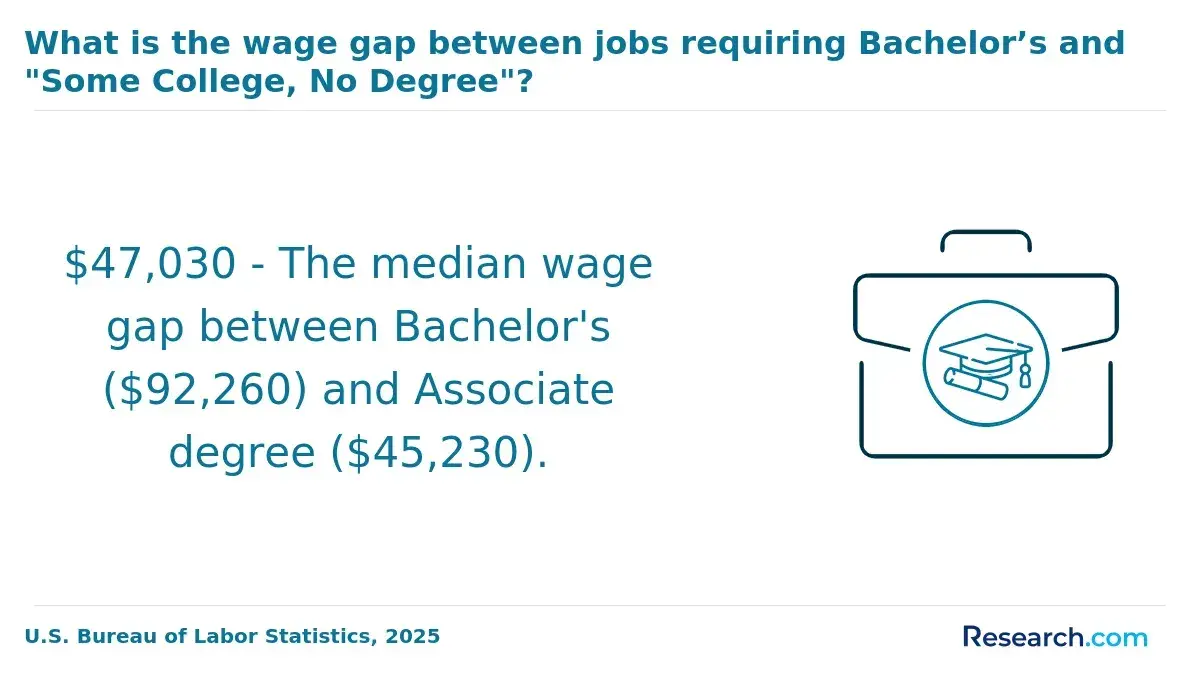
What Is the Average Monthly Student Loan Payment for Engineering Technology Graduates?
Recent analyses from the U.S. Department of Education and other 2024 datasets show that monthly student loan payments for engineering technology graduates generally fall between $250 and $400. This range reflects moderate borrowing levels common in these programs, which typically involve total debt balances of approximately $20,000 to $35,000. Unlike traditional engineering degrees, engineering technology studies often have lower tuition costs, yet loan repayment amounts still depend heavily on individual circumstances like loan terms and interest rates. Variations in repayment timing and plan selections mean these figures serve as a baseline rather than a fixed expectation for every graduate.
The diversity in monthly payments stems from how borrowers manage their repayment strategies amid fluctuating incomes. Income-driven repayment plans can significantly reduce monthly obligations to a fraction of discretionary earnings, often below the cited average range, but may extend total repayment time and interest accrued. Graduates entering technician or entry-level industrial roles often find initial salaries that align with these manageable payment levels, whereas those with higher borrowing or opting for longer standard repayment terms face steeper monthly costs. Regional labor market conditions and employer demand also influence payment pressure, underscoring the importance of considering career path salary projections alongside loan balances when evaluating repayment feasibility.
One engineering technology graduate shared that navigating rolling admissions created uncertainty about precisely when to commit financially. After delaying the application to improve preparatory coursework, they finally accepted an enrollment offer late in the cycle, which compressed their financial planning timeline. This shortened window increased pressure to finalize loan arrangements quickly, revealing how timing and admissions fluidity can complicate early repayment calculations despite having a relatively clear sense of average costs. Their experience highlights how strategic pacing during entry impacts both debt decisions and manageable monthly payments long before graduation.
How Do Repayment Rates Compare Between Public and Private Institutions?
Data from the 2024 U.S. Department of Education College Scorecard reveals distinct gaps in student loan repayment rates between graduates of public and private institutions offering Engineering Technology degrees. On average, around 55% of public university graduates reduce their loan principal by at least $1,000 within five years post-graduation, compared to roughly 48% of private college graduates. This disparity reflects not only differences in institutional types but also underlying financial dynamics influencing borrower behavior, repayment capacity, and economic outcomes after leaving school.
Several systemic factors drive these discrepancies. Public universities typically impose lower tuition, resulting in smaller average debt loads that ease repayment pressure. They also tend to have stronger regional employer networks that align program curricula with local labor market needs, improving early career placement and salary prospects. Conversely, private institutions often have higher sticker prices, leading students to accumulate greater debt despite scholarships, while their graduates may enter more varied career tracks with inconsistent initial earnings. These combined elements-debt burden, income trajectories, and institutional context-create a multidimensional landscape where repayment rates mirror not merely financial aid but also practical employment realities and borrowing strategies.
The implications extend beyond straightforward repayment statistics, influencing long-term financial stability and perceptions of institutional value in affected communities. Lower repayment rates can exacerbate borrower stress and limit economic mobility, raising questions about the balance between education cost, return on investment, and program accountability. For students and policymakers, these patterns underscore the importance of examining debt-to-income dynamics and institutional effectiveness when evaluating Engineering Technology education pathways rather than relying on surface-level public-private distinctions.
Do Online Engineering Technology Graduates Have Different Repayment Outcomes Than Campus-Based Students?
Recent data from notable government sources show that repayment rates for engineering technology graduates differ significantly between public and private institutions. Public university borrowers in STEM-related fields, including engineering technology, tend to demonstrate lower default rates, averaging around 8%, while private institution graduates face default rates closer to 12%. These trends reflect the broader differences in borrowing behavior and repayment outcomes between online engineering technology graduate repayment outcomes and their campus peers, highlighting that graduates from public institutions generally manage debt more effectively than those from private schools.
These repayment disparities are rooted in several structural factors. Public institutions typically offer lower tuition rates, leading to less overall borrowing and smaller monthly repayments, which lowers default risk. They often maintain stronger alignment with state labor markets, providing graduates with more accessible employment options and better salaries relative to their debt-key elements that underpin healthier repayment performance. Conversely, private institutions, despite sometimes offering more flexible delivery modalities, often attract students with higher borrowing needs and may lack the same career service intensity or employer networks, contributing to elevated repayment challenges in this sector.
The implications extend beyond immediate repayment statistics, influencing long-term financial mobility and perceptions of institutional value in the engineering technology field. Borrowers with prolonged repayment stress may limit future economic opportunities, while sustained repayment performance enhances program accountability and informs student decision-making. Prospective students must critically evaluate their borrowing scale relative to expected earnings and repayment capacity, balancing practical realities against institutional reputations and program formats. Incorporating financial skills like bookkeeping certification online can also support better personal debt management postgraduation, improving overall outcomes in this complex repayment landscape.
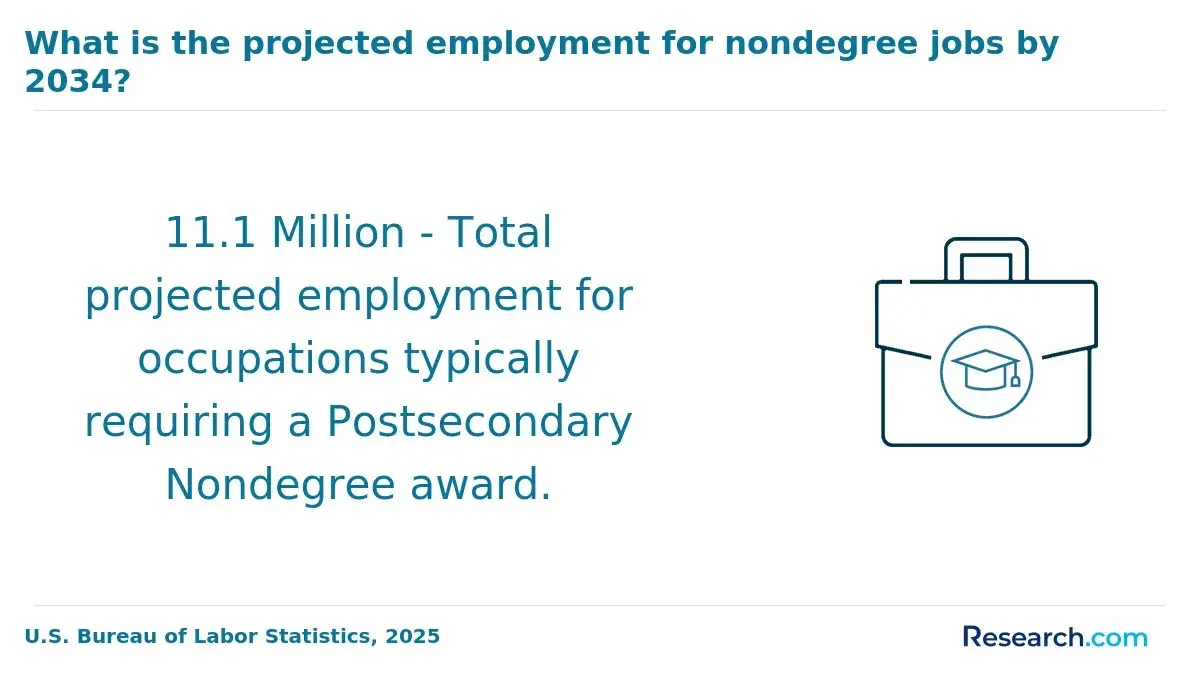
Which Industries Provide the Best Financial Return Relative to Borrowing Costs?
Financial returns for Engineering Technology graduates vary widely across industries, reflecting differences not only in starting salaries but also in hiring demand, wage growth potential, and how debt burdens align with income trajectories. Evaluating return on investment (ROI) requires looking beyond initial salary figures to include how rapidly earnings increase, sector stability, and the typical level of student borrowing. Recent data from the U.S. Department of Education's College Scorecard highlights industries where these factors combine to make loan repayment more manageable and reduce long-term financial risk.
- Aerospace Manufacturing: This sector offers some of the highest early-career salaries, with medians approaching $75,000. Strong employer demand and relatively quick career advancement opportunities help graduates offset average debts of $25,000 to $35,000 more effectively, improving repayment capacity and financial stability.
- Energy and Utilities: Median earnings near $70,000 within five years reflect steady demand for specialized skills such as photovoltaic and smart grid technology. These wages align well with typical borrowing, allowing graduates to maintain manageable loan payments while benefiting from ongoing salary growth.
- Advanced Electronics: Industries focused on evolving tech products display solid entry wages and upward mobility. Though borrowing levels may vary, the consistent market demand supports wage increases that help balance repayment pressures over time.
- Manufacturing Maintenance and Mechanical Support: These fields report lower median salaries, often below $55,000, which prolong debt repayment timelines despite moderate borrowing. Limited wage growth and less rapid career progression increase financial strain and repayment risk.
- Information Technology (IT) Support within Engineering Firms: While sometimes overlooked, IT-related roles embedded in engineering environments can offer competitive compensation with relatively lower debt burdens. The pace of technological change fuels demand, aiding in quicker salary improvements that ease repayment challenges.
Understanding these industry-specific earnings and repayment dynamics is critical. Graduates should prioritize sectors where salary trajectories not only cover initial loan amounts but also accommodate living expenses and unforeseen costs while providing room for income growth. Aligning educational investment with industries exhibiting favorable debt-to-earnings ratios and robust hiring demand helps mitigate long-term financial risk associated with student loans in engineering technology programs.
Does Student Debt Affect Which Jobs Engineering Technology Graduates Accept?
Student loan obligations exert a significant influence on the employment choices of engineering technology graduates, often prioritizing immediate financial returns over other job attributes. The average monthly repayment of around $350 compels many graduates to heavily weigh starting salaries, aligning their acceptance decisions with positions that offer sufficient cash flow to meet these fixed costs.
According to the 2024 Postsecondary Finance Report from the U.S. Department of Education, 62% of these graduates identify starting salary as a primary factor in job acceptance, illustrating how debt-related financial demands override considerations such as job relevance or potential for technical skill enhancement. Consequently, roles with higher initial remuneration-often outside core engineering technology sectors-become more attractive despite potential limitations in professional growth or alignment with specialized training.
Differences in debt levels further stratify employment outcomes, as graduates with heavier borrowing tend to avoid positions involving income variability or delayed financial reward, including entrepreneurial ventures or research-focused roles. Geographic mobility is also constrained by repayment commitments, restricting the willingness or ability to relocate to lower-paying but technically rewarding hubs.
This dynamic often channels talent into established firms offering stable salaries but less exposure to innovation-driven projects. Over time, such financial risk aversion can slow progression toward advanced certifications or leadership tracks, reinforcing a cycle where debt burden narrows early-career options and shapes longer-term workforce composition within engineering technology fields.
After completing his engineering technology degree, one graduate found that substantial student debt steered him toward a company offering a competitive starting salary rather than a smaller firm with closer ties to his technical interests. During a rolling admissions process for graduate certification programs, he hesitated to enroll immediately, unsure if job stability would cover additional costs. This delay meant missing an early cohort, intensifying pressure to maintain full-time work that supported loan repayments. His experience reflects the nuanced timing and financial trade-offs debt introduces, impacting decisions not only about initial employment but also further education and career specialization opportunities.
What Factors Increase Student Loan Repayment Risk for Engineering Technology Graduates?
Student loan repayment risk for engineering technology graduates arises from multiple interconnected factors that affect both their accumulated debt and ability to generate stable income post-graduation. This risk cannot be attributed to a single cause; rather, it results from the interplay of borrowing levels, employment volatility, and economic conditions shaping repayment capacity. Monthly payment challenges for engineering technology graduate borrowers frequently reflect these compounded pressures, demanding a nuanced understanding of the structural conditions influencing repayment outcomes.
- Entry-Level Salary Constraints: Engineering technology degrees often lead to roles with lower initial salaries compared to traditional engineering fields. This wage gap limits graduates' disposable income for loan repayment, making high monthly payments more burdensome and potentially prolonging debt servicing periods.
- High Loan Balances Relative to Income: A significant portion of engineering technology graduates carry loan debts exceeding $30,000, according to a 2024 report from the National Center for Education Statistics. When high borrowing levels coincide with modest earnings, the ratio of debt-to-income undermines financial stability and elevates default risk.
- Employment Instability in Cyclical Industries: Many engineering technology roles depend on industries susceptible to economic cycles or regional demand fluctuations. Such instability can cause intermittent unemployment or underemployment, disrupting consistent repayment and increasing financial strain during downturns.
- Limited Financial Literacy and Repayment Planning: Insufficient awareness of income-driven repayment options, loan consolidation, or refinancing strategies can trap borrowers in escalating debt pathways. Without proactive repayment planning, balances grow and extend the repayment horizon, intensifying overall risk.
These factors illustrate how repayment risk for engineering technology graduates is multifaceted, requiring attention not only to borrowing decisions but also to labor market realities and personal financial management. Prospective borrowers should consider these dynamics carefully to mitigate long-term repayment challenges.
For those exploring related health and technical education pathways, accredited speech language pathology programs offer alternative career options with growing demand across healthcare systems and are a notable consideration within broader workforce planning strategies. More information is available at accredited speech language pathology programs.
How Can Engineering Technology Students Reduce Student Loan Debt While Earning Their Degree?
Reducing student loan debt while earning a degree in engineering technology demands intentional financial planning combined with academic efficiency. Proactively leveraging institutional aid, optimizing enrollment choices, and integrating work opportunities help contain total borrowing. These strategies recognize that minimizing debt is not only about saving money but also about structuring one's educational path to reduce costs without extending time to degree completion.
Federal financial aid and scholarships remain critical components, as observed in data from the National Center for Education Statistics revealing that roughly 40% of undergraduate engineering technology students secure grants or scholarships to offset tuition. Prioritizing these sources can substantially reduce reliance on higher-interest private loans. Additionally, enrolling in part-time employment or cooperative education offers dual benefits-direct income and practical experience-which organizations like the National Association of Colleges and Employers link to stronger salary outcomes and enhanced debt repayment ability post-graduation.
- Maximize Scholarships and Federal Aid: Aggressively applying for grants and scholarships targeting engineering technology reduces the principal borrowed, decreasing long-term interest accumulation and repayment burdens. Understanding eligibility and deadlines is essential for accessing these funds early in one's academic career.
- Engage in Paid Internships or Co-op Programs: Combining studies with paid work tied directly to engineering technology disciplines not only supplements income but builds employer-valued experience, which typically correlates with higher entry-level salaries and improved loan repayment capacity.
- Start At Community or Technical Colleges for Foundational Coursework: Completing lower-division classes at less expensive institutions reduces upfront tuition debt. This pathway requires careful transfer planning to ensure credits apply seamlessly toward a four-year engineering technology degree.
- Graduate On Time to Minimize Costs: Extending enrollment beyond standard program length increases total borrowing and living expenses. Thoughtful course planning and advisement reduce the risk of delayed graduation and compounded tuition debt.
- Limit Loans to Direct Educational Expenses: Borrowing should focus on unavoidable costs like tuition, fees, and necessary books rather than discretionary spending, which can inflate debt without enhancing academic outcomes.
- Maintain a Budget-Conscious Lifestyle: While not a substitute for strategic financial aid use, controlling living and personal expenses limits dependence on loans, ensuring cumulative borrowing remains manageable during the degree program.
Applying these approaches within the engineering technology student loan repayment strategies framework helps reduce overall debt levels realistically and sustainably throughout the educational journey. Students who pursue these methods improve their financial standing post-graduation, mitigating the risk of long-term debt stress. Those seeking cross-disciplinary options may also explore related credentials like a masters in library science, which intersect with technology and require similar financial strategizing.
How Should Prospective Students Evaluate Borrowing Risk Before Enrolling?
Evaluating borrowing risk before enrolling in an engineering technology program is crucial for understanding its long-term financial impact. This involves balancing anticipated total student debt against realistic post-graduation earnings. A 2024 report by the National Center for Education Statistics indicates median starting salaries around $65,000 within two years, which serves as an essential benchmark for assessing repayment capacity. Prospective students should approach borrowing decisions through systematic evaluation rather than general financial advice.
- Debt-to-Income Projection: Estimate total borrowing and compare it to expected entry-level salaries, aiming to keep monthly loan payments below 10-15% of net income to avoid undue financial stress.
- Program Costs and Institutional Fees: Analyze tuition, fees, and additional expenses, accounting for variations between institutions and delivery formats to gauge the actual financial commitment beyond sticker prices.
- Employment Stability and Sector Growth: Investigate labor market trends in industries hiring engineering technology graduates, prioritizing sectors with consistent demand and wage growth to mitigate income uncertainty.
- Repayment Plan Options: Understand typical loan terms, available forgiveness programs, and flexibility in repayment schedules, which influence long-term affordability and risk exposure.
- Credential Alternatives and Their Costs: Consider if certifications or shorter credentials offer comparable employment outcomes at lower financial risk relative to traditional degrees.
References
- What is the typical debt load for graduates of four-year public universities - APLU https://www.aplu.org/our-work/4-policy-and-advocacy/publicuvalues/student-debt/
- Debt Overload https://www.nspe.org/career-growth/pe-magazine/september-2013/debt-overload
- The Long-Term Effects of Student Loans | ACE Blog https://ace.edu/blog/the-long-term-effects-of-student-loans/
- Student loans - SWPS University https://english.swps.pl/programs/apply-for-scholarships/student-loans
- Student Loan Debt Burden by Major: Best and Worst ROI College Degrees | FinancialAha! https://www.financialaha.com/data-analysis/us-student-loan-burden-by-major/
- Student Loan Debt by Major [2026]: Highest + Lowest Average Debt https://educationdata.org/student-loan-debt-by-major
- What Majors Have the Highest Student Loan Debt? | SoFi https://www.sofi.com/learn/content/student-debt-by-majors/
- 7 Tips to Minimize Student Loan Debt https://www.macu.com/must-reads/college/7-tips-to-minimize-student-loan-debt
- 10 Key Facts about Student Debt in the United States https://www.pgpf.org/article/10-key-facts-about-student-debt-in-the-united-states/
- 6 Factors to Consider Before Taking Out a Student Loan https://www.uthrive.academy/blog/6-factors-for-getting-student-loans
Other Things You Should Know About Engineering Technology
Not all engineering technology programs deliver the same level of technical preparation or employer recognition, yet borrowing decisions often treat these programs as interchangeable investments. Prospective students should prioritize programs with strong industry ties and up-to-date curricula, as these factors directly impact job placement and earning potential. Borrowing to attend a program with outdated equipment or limited experiential learning increases repayment risk because graduates may struggle to secure well-paying roles aligned with their debt levels.
Accelerating degree completion can reduce cumulative borrowing and shorten the time before income generation starts, but increasing course load intensity may negatively affect academic performance and practical learning. For engineering technology students, who benefit greatly from hands-on experience, balancing pace with quality of learning is critical. Those confident in managing heavier workloads might lower their overall debt by finishing sooner; otherwise, spreading coursework over a longer timeframe may better ensure skills mastery and better job readiness, mitigating repayment challenges.
Employer-supported tuition reimbursement and paid internships provide practical pathways to lessen reliance on student loans while building relevant experience. Early engagement with employers offering these benefits can guide students toward lower debt levels and stronger employment offers post-graduation. Prioritizing programs with access to such benefits is advisable because it reduces upfront borrowing and can shorten time to repay, lowering overall financial risk and enhancing career entry advantages.
Graduates often face the dilemma of servicing student loans while starting in lower-paying, entry-level engineering technology roles required for career progression. Accepting a lower salary to gain crucial experience can extend repayment timelines and increase accumulated interest but improves long-term employability and salary growth potential. Careful budgeting and exploring income-driven repayment plans may ease monthly payment burdens initially, but prioritizing positions that accelerate skill development ultimately reduces lifetime financial strain by enabling faster career advancement.