2027 Engineering Technology Degree Growth by State: Where Interest Is Rising the Fastest

Co-Founder and Chief Data Scientist
In states experiencing rapid expansion of engineering technology degree enrollment, shifting economic landscapes and industry demands challenge traditional educational pathways. For example, regions with growing manufacturing sectors and infrastructure investment often see sharp increases in program interest, reflecting a direct link between workforce needs and academic uptake. The National Center for Education Statistics reported a 12% rise in engineering technology master's enrollment nationwide from 2022 to 2024, highlighting accelerated adoption of flexible learning formats that accommodate working professionals. Understanding these state-specific trends reveals how regulatory environments and institutional capacity influence both the timing and accessibility of advanced credentials for career mobility.
Key Things to Know About the State Where Engineering Technology Degree Interest Is Rising the Fastest
- States like Texas show rapid enrollment growth driven by industry demand but face tradeoffs as employers increasingly expect hands-on experience beyond degree credentials, influencing program choice and timing.
- Florida's regulatory easing of credit transfer and online options lowers barriers, creating access cost advantages but possibly weakening cohesion in skill depth perceived by local employers.
- Ohio's demographic shift with rising adult learners lengthens program completion timelines, impacting workforce entry timing and underscoring the need for flexible pacing to retain working professionals.
- Which States Are Seeing the Fastest Growth in Engineering Technology Degree Enrollment? States Seeing the Fastest Growth in Enrollment
- What Does Enrollment Growth in Engineering Technology Programs Actually Tell Prospective Students? Interpreting Enrollment Growth
- How Do Regional Job Market Conditions Drive Engineering Technology Degree Demand by State? Role of Regional Job Market Conditions
- Which States Have Added the Most New Engineering Technology Degree Programs in the Last Five Years? States That Have Added the Most Programs
- How Has the Rise of Online Education Changed Which States Lead in Engineering Technology Program Interest? Role of Online Education in Increased Program Interest
- What Demographic Trends Are Fueling Engineering Technology Degree Growth in Specific States? Demographic Trends Fueling Growth
- How Do State Funding Levels for Engineering Technology Services Influence Degree Program Growth? Role of State Funding Levels
- Which States Are Emerging as Unexpected Leaders in Engineering Technology Degree Interest? States Emerging as Unexpected Leaders in Growth
- How Does State Population Size Affect the Interpretation of Engineering Technology Degree Growth Data? Role of State Population Size
- What Role Do State Licensing Requirements Play in Driving or Suppressing Engineering Technology Enrollment? Role of State Licensing Requirements
Which States Are Seeing the Fastest Growth in Engineering Technology Degree Enrollment?
Growth in engineering technology degree enrollment reflects broader shifts in the labor market where applied skills and practical expertise increasingly determine employability and advancement, especially at graduate levels. Institutions responding to these demands are often in regions with strong sectoral anchors-manufacturing, aerospace, or advanced logistics-that actively recruit graduates with hands-on competencies. Enrollment surges are not uniform nationwide; rather, they concentrate in states where local economies and educational policy have aligned to meet both employer expectations and student career mobility.
- Tennessee: Driven by a manufacturing sector that integrates modern automation and robotics, Tennessee's rapid enrollment increase is supported by community colleges offering clear, affordable pathways into engineering technology fields. This setup appeals to working adults looking to upskill without the time and financial investment typical of traditional four-year degrees.
- Florida: As aerospace and defense industries expand, Florida's state investment in technical education infrastructure creates pipeline programs that connect graduate level engineering technology studies with defense contractors. This relationship boosts demand for program graduates while imposing rigorous certification and licensure expectations.
- Washington: The West Coast's tech hubs require graduates who combine engineering theory with practical tech application, prompting rising enrollment tied to programs emphasizing project-based learning and industry collaboration. Washington's growth suggests a premium on adaptable skill sets suited to innovation-driven environments.
- Ohio: Ohio's enrollment gains reflect efforts to revitalize industrial districts by tailoring applied engineering programs to meet local employer demands, particularly in sectors like automotive and advanced manufacturing. Students choosing programs here must weigh the benefits of local employment market integration against potentially narrower regional mobility post-graduation.
- Georgia: Georgia's industrial and logistics economy fuels increased interest in engineering technology programs structured around state certification and industry-recognized credentials, offering a balance between broad theoretical understanding and immediate workforce applicability that suits career changers and geographic flexibility alike.
These regional disparities highlight why states with fastest rising engineering technology program interest become critical study locations for prospective students: enrollment momentum often signals strong employer ties, updated curricula, and active professional engagement-all factors directly influencing the value of a degree in practical career terms. The following sections will delve into accreditation, employer involvement, and labor market specifics to illuminate how prospective candidates can interpret enrollment trends as part of a strategic educational decision-making process.
For those considering accelerated pathways, there are also online options offering an associate degree in 6 months online, which can serve as entry points or stepping stones within these dynamic state contexts.
What Does Enrollment Growth in Engineering Technology Programs Actually Tell Prospective Students?
Enrollment growth in engineering technology programs often entices prospective students with the promise of expanding opportunities, but interpreting these increases without scrutiny can lead to skewed expectations. For example, a rapidly growing program in a state with limited industry connections may yield few employment advantages despite higher admissions.
Raw enrollment figures provide an initial signal of demand but fail to capture program quality or career outcomes. Students must evaluate additional factors to discern whether growth aligns with real workforce needs and effective educational practices.
- Retention Rates: High enrollment paired with strong retention suggests student satisfaction and the program's ability to support learners through challenges, while poor retention often indicates systemic issues.
- Graduation Rates: Consistent graduation outcomes reflect curriculum rigor and institutional commitment, key for ensuring students finish with meaningful credentials.
- Job Placement Outcomes: Genuine growth connected to labor market demand usually correlates with effective employer networks and career services, critical for smooth transitions into relevant jobs.
- Licensure Pass Rates: For fields requiring certifications, strong pass rates underscore curriculum alignment with professional standards, a decisive factor in graduate employability.
- Recruitment Versus Quality: Programs expanding enrollment through marketing tactics or lowered admissions risk diluting academic quality, which can reduce graduate competitiveness in the job market.
- Labor Market Alignment: Enrollment increases that mirror regional industry growth and regulatory changes suggest graduates will find meaningful opportunities locally.
- Critical Inquiry: Prospective students should combine quantitative data review with conversations involving current students and alumni to gain nuanced insights beyond surface-level metrics.
How Do Regional Job Market Conditions Drive Engineering Technology Degree Demand by State?
Demand for engineering technology degrees closely follows regional labor market dynamics, where state-specific economic drivers and regulatory environments shape not only job availability but also graduate enrollment trends. For example, in states where healthcare system expansion or public sector investments accelerate, recent graduates face stronger competition for practicums and greater negotiating leverage in salary discussions. Comparing these regional variations highlights how enrollment growth does not solely reflect student interest but also practical workforce needs and state licensure policies that channel graduates into evolving fields.
- California: Healthcare growth combined with major public infrastructure and green tech initiatives fuels a surge in openings for applied engineering technologists, resulting in rising master's program enrollment aligned with industry demand.
- Texas: Expanding public sector roles and energy investments underpin steady increases in roles requiring engineering technology credentials, with school districts also recruiting specialized technicians supporting advanced educational technologies.
- Florida: The dual impact of healthcare facility expansion and targeted employer incentives aimed at retaining local talent pushes demand for graduate-level credentials upward among working professionals and career changers.
- Ohio: The revitalization of manufacturing hubs and transportation infrastructure creates consistent openings in maintenance and system integration sectors, linking workforce agency projections directly to enrollment growth in graduate programs focused on practical skills.
- Pennsylvania: Public sector growth and healthcare system modernization foster collaborative partnerships between universities and employers that enhance practicum access, encouraging master's-level engineering technology enrollment.
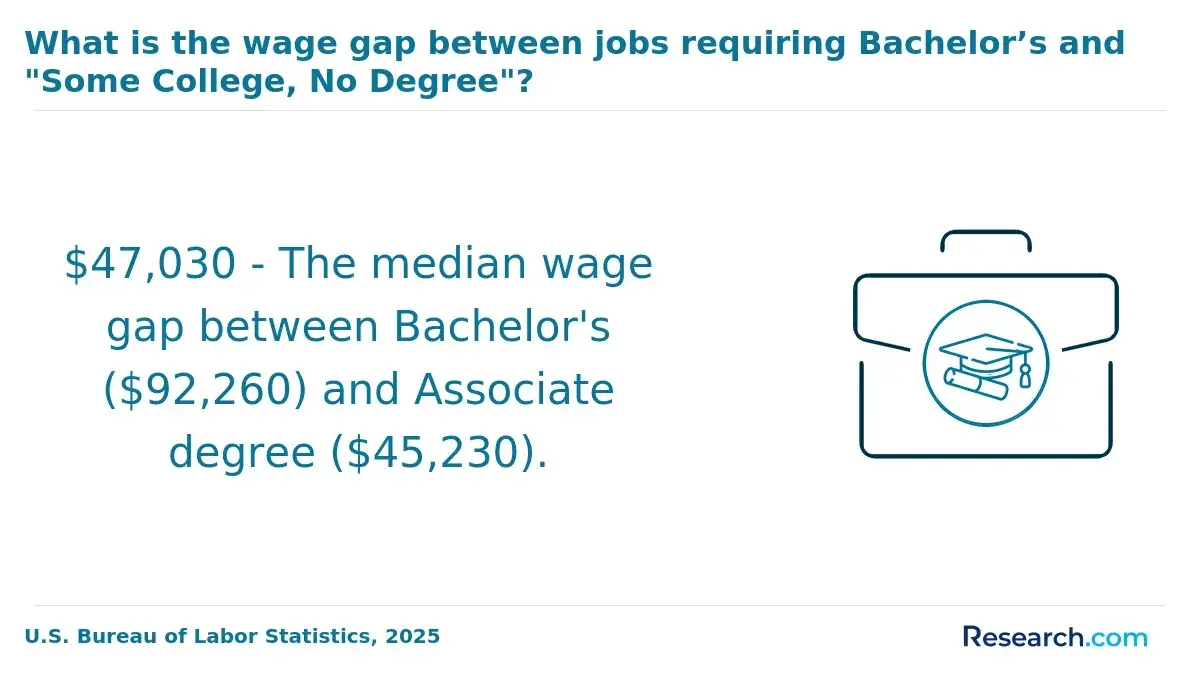
Analyzing regional workforce demand for engineering technology degrees in key states requires prospective students to review Bureau of Labor Statistics occupational projections alongside state workforce reports carefully. These data sources clarify how state licensure and regulatory policies influence enrollment growth by shaping practicum availability and employer expectations. Choosing a graduate program with a regional focus tied to a robust job market can make a tangible difference in career outcomes. For those considering flexibility in location and specialization, exploring options like an online masters in construction management may also align well with current market demands and geographic mobility.
Which States Have Added the Most New Engineering Technology Degree Programs in the Last Five Years?
The surge in accredited engineering technology degree programs across various states in recent years reflects nuanced responses to local industry demands and state-level policy incentives. Strategic decisions by institutions fall into three main categories: launching new programs, integrating online tracks to broaden access, and expanding capacity in established programs to meet acute workforce shortages. These approaches reveal important tradeoffs for prospective students, who must navigate financial aid competition, specialization variety, and evolving delivery formats.
- Texas: Leading program proliferation stems from targeted state grants incentivizing new degrees aligned with dominant sectors like manufacturing and energy. This has intensified institutional competition, pushing providers to differentiate via niche concentrations and flexible online options, which benefit students balancing work commitments but may require scrutiny of program rigor.
- Florida: Expansion focuses on enhancing existing engineering technology programs with online tracks to serve a large population of working adults and career changers. The state's workforce shortage alerts accelerate capacity increases without compromising quality, offering accessible pathways for geographically mobile or nontraditional learners.
- Ohio: Prioritizes capacity expansion within recognized programs to address local gaps in automation and advanced manufacturing talent. Ohio's accreditation environments emphasize responsiveness to employer needs, preserving applied learning components even as student numbers grow.
- California: Both new program launches and hybrid models respond to institutional rivalry amid a crowded market. The state's push toward sustainability-related tracks and financial aid complexity underscores the need for careful cost-benefit assessment by applicants.
- North Carolina: Combines program innovation with targeted growth in biomedical and electrical engineering technology. State funding and close industry partnerships enhance internship opportunities, though program maturity varies widely, making early-stage offerings a riskier choice for candidates focused on consistent outcomes.
Increased state incentives for accredited program development clearly accelerate expansion, yet this growth intensifies scholarship competition as institutions vie for students. Accordingly, applicants benefit from thorough cross-program comparisons within states, weighing specialization availability against financial support and delivery format. Decisions to choose newly launched versus established programs involve balancing innovation potential with guaranteed curriculum quality.
One recent graduate recalled applying to several engineering technology programs across Ohio and Texas while juggling full-time work. The rolling admissions process created uncertainty; an offer from Texas arrived after a delay, prompting stress about financial aid options and start dates. Ultimately, this candidate opted for an Ohio program with clearer timelines and assured hands-on training. This experience highlighted the importance of early engagement and flexibility when navigating rapidly expanding program landscapes shaped by state economic priorities and institutional competition.
How Has the Rise of Online Education Changed Which States Lead in Engineering Technology Program Interest?
The expansion of fully online engineering technology programs has fundamentally shifted which states lead in attracting graduate students by removing traditional geographic limitations. Rather than enrolling predominantly in nearby institutions, students nationwide now access programs based on factors such as accreditation quality, tuition affordability, and institutional reputation. This shift has elevated certain states into national education hubs capable of drawing significant out-of-state enrollment, effectively redefining their role from local providers to broad-reaching educators.
- Geographic Decoupling: The necessity of physical relocation or commuting has diminished, allowing students from diverse regions to pursue programs previously inaccessible due to location constraints, thereby diversifying enrollment beyond traditional state boundaries.
- State Leadership: States with reputable, accredited programs that balance high academic standards and competitive tuition costs are increasingly enrolling out-of-state students, reflecting employer emphasis on recognized credentials rather than geographic proximity.
- Student Opportunity: Access to remote, high-quality programs benefits working adults and career changers who require flexible schedules and geographic independence without sacrificing program rigor or workforce relevance.
- Program Challenges: Institutions in these leading states must adapt to delivering consistent academic quality across time zones, navigate cross-state licensure complexities, and meet varied regulatory requirements impacting graduate employability.
- Licensure Requirements: Despite the ease of online enrollment, students must carefully confirm that their chosen program's curriculum and credentials align with the certification and licensure standards of the states in which they plan to work.
- Workforce Alignment: States with growing engineering technology sectors or strong industry connections tend to attract and retain graduates, reinforcing their status as education and workforce development centers.
What Demographic Trends Are Fueling Engineering Technology Degree Growth in Specific States?
Engineering technology degree enrollment growth is closely tied to specific demographic shifts shaping state-level workforce demands, underscoring the importance of regional context when evaluating program interest. States experiencing sustained growth typically reflect durable economic drivers linked to population characteristics rather than transient hiring spikes. For instance, Florida's rapidly aging population drives demand for engineering technologies that support healthcare systems and infrastructure adaptation, creating steady market opportunities that attract students aiming for lasting employability. Conversely, states with younger, immigrant-rich communities like California see growth fueled by a dynamic labor force engaged in construction, utilities, and sustainable tech sectors, where diverse backgrounds require tailored educational pathways. Understanding these nuanced demographic drivers is critical for prospective students navigating where to pursue graduate studies in this field amid competing state-by-state economic realities.
- Population Aging: Regions such as Florida and parts of the Midwest show increasing demand for applied engineering solutions in eldercare infrastructure and manufacturing innovation. This demographic trend correlates with program growth targeting students focused on stability in sectors adapting to aging populations, supported by projections from U.S. Census Bureau data indicating growing eldercare needs.
- Immigration Patterns: States like California, Texas, and New York benefit from sizable immigrant inflows, contributing to a younger workforce requiring skills in technical construction and utilities management. This demographic supports expanded engineering technology enrollment as these communities seek career pathways aligned with evolving local industry demands.
- Urbanization: Metropolitan areas in Arizona and Georgia experience concentrated growth due to expanding transit systems and energy infrastructure needs. This urban growth drives localized enrollment surges tied directly to state and municipal investment strategies in digital and physical infrastructure upgrades.
- K-12 Enrollment Growth: In states such as Utah and North Carolina, rising K-12 populations provide early STEM education pipelines, which predict sustained interest and expansion in engineering technology degrees. Education system investments at this level often presage longer-term workforce development aligned with technical competencies.
- Mental Health Diagnoses: Increasing diagnosed rates, particularly in Oregon and Washington, create demand for engineering solutions in healthcare technology and ergonomic design. This emerging trend indirectly stimulates specialized degree program growth focused on addressing workforce participation barriers and healthcare innovation.
The concentration of enrollment growth hotspots aligned with these demographic trends highlights the importance of selecting a state with stable, long-term population trajectories for engineering technology professionals. Relying on national averages risks obscuring these critical local variations.
Prospective students and career changers should incorporate these demographic insights into their decision-making, favoring regions where enrollment growth reflects fundamental workforce needs rather than volatile economic cycles. Aligning educational investment with states showing sustainable demographic drivers enhances employability and career resilience in a field increasingly responsive to complex societal and technological challenges.
For those weighing multiple graduate program options, it is also useful to compare broader STEM-related pathways, including offerings like online MBA entrepreneurship programs, which intersect with engineering technology skill sets in technology commercialization and innovation management.
How Do State Funding Levels for Engineering Technology Services Influence Degree Program Growth?
State investment levels in engineering technology services directly shape the capacity and vitality of degree programs in this field. States allocating substantial funds through block grants, Medicaid reimbursements, school-based mental health initiatives, and community health center support create conditions that sustain program growth and secure local employment opportunities. This reliable public funding acts as a cornerstone, enabling institutions to expand curricula aligned with employer needs and ensuring graduates find viable work nearby. Conversely, in states where these funding streams are unpredictable or limited, programs face stagnation or decline, triggering a workforce exodus that undermines regional labor markets and deters prospective students weighing return on educational investment.
- Investment: States with robust financial commitments to publicly supported engineering technology services tend to catalyze program expansions as colleges respond to employer demand and job stability signals.
- Retention: Graduates from better-funded environments more often remain locally employed, minimizing brain drain and supporting sustainable economic ecosystems.
- Workforce Pipeline: Stable funding fosters educational partnerships with employers, promoting hands-on training and internships that enhance student recruitment and practical readiness.
- Funding Gaps: Chronic underfunding disrupts regional job markets, discourages enrollment, and can force programs to downsize or close due to poor graduate placement outcomes.
- Legislative Insight: Prospective students should evaluate recent state budget actions related to engineering technology services as a proxy for long-term career viability in their desired location.
- Employment Outcomes: Inquiring about the percentage of graduates employed in-state after five years provides a critical measure of program-market alignment beyond surface-level enrollment data.
One graduate recalled applying to multiple programs during a rolling admissions cycle and experiencing significant delays in state funding confirmations that affected institutional resource availability. This uncertainty led them to prioritize a program in a state with clear legislative support for engineering technology services, appreciating how stable funding translated into more transparent timelines and stronger career placement services. Their choice, influenced by perceived fiscal commitment, ultimately shaped a smoother transition from education to employment within a supportive local market.
Which States Are Emerging as Unexpected Leaders in Engineering Technology Degree Interest?
States with historically modest roles in engineering technology degree enrollment are now emerging as unexpected growth leaders, challenging longstanding regional patterns. For students and professionals choosing where to pursue graduate studies, these markets offer opportunities such as less congested admissions, lower tuition, and proximity to developing industry sectors. However, careful assessment of whether these surges stem from enduring institutional and economic factors or temporary infusions of public funding is vital for long-term career planning. Workforce demand in these regions often aligns tightly with state-driven policies, influencing employment outcomes after graduation.
- Arkansas: With historically lower enrollment compared to neighboring industrial hubs, Arkansas's growth arises primarily from pandemic-era workforce development grants targeting advanced manufacturing. New accredited programs at smaller universities provide affordable options, yet heavy reliance on temporary funding raises concerns about stability once support diminishes.
- Maine: Maine's rise is tied to investments in renewable energy technology education that support the state's green energy agenda. Participation in interstate compacts enables credit transfer and expands options for out-of-state students. These factors suggest a sustainable increase in demand backed by policy continuity, benefiting graduates entering clean technology sectors aligned with regional workforce needs.
- West Virginia: Transitioning from a coal-centric economy, West Virginia leverages community college partnerships and public-private collaborations to focus on automation and digital fabrication skills. While promising, the limited scale of these programs means that graduates may find competitive advantages vulnerable if larger states escalate investments.
- New Mexico: Targeted legislative appropriations in STEM, particularly in aerospace and defense technology, support rising enrollment. Lower living costs combined with newly accredited programs appeal to career changers and returnees. Still, fluctuating public budgets necessitate caution when projecting long-term educational investments and job market potentials here.
Data indicates that rapid enrollment increases in these states often coincide with legislative cycles and funding windows, underscoring the importance of understanding local policy dynamics for those comparing fastest rising engineering technology enrollment by state. Prospective students should weigh immediate advantages against the risk that some emerging markets' growth may not sustain without consistent public-private support.
Decision-makers might also consider how these states' educational offerings compare in cost and flexibility to established programs elsewhere, such as selecting from affordable credentials available through an online digital photography degree program, which also reflects growing demand for cost-effective and accessible technical education pathways.
How Does State Population Size Affect the Interpretation of Engineering Technology Degree Growth Data?
Interpreting engineering technology degree growth without factoring in state population size risks misleading conclusions about market opportunity. For example, a large state adding 2,000 graduates annually may seem to signal robust demand, but when viewed against its population and existing workforce, the growth could reflect market saturation. Conversely, a smaller state producing 300 new graduates might represent a surging per-capita increase, indicating expanding demand and less competition. This distinction is critical because raw enrollment increases fail to reveal whether growth truly outpaces supply or simply reflects demographics.
State population impact on engineering technology degree growth shapes how workforce expansion is assessed. Per-capita metrics offer a clearer signal-highlighting states where new graduates meet unmet market needs. Areas with licensed engineering technology professional ratios below the national average often present stronger early-career hiring prospects and less crowded job markets. Adding to this complexity, candidates should consider other factors such as the regulatory environment and licensure barriers that affect employability beyond sheer numbers.
- Licensure Complexity: States with more restrictive licensing criteria may limit immediate job prospects despite enrollment gains.
- Economic Factors: Diverse industrial economies sustain steady demand for engineering technology skills.
- Regulatory Environment: Varying state regulations impact degree recognition and employer hiring practices.
- Population Density: States with lower density may have high per-capita growth but geographic job constraints.
- Workforce Turnover: High turnover markets can offer more openings despite smaller absolute graduate increases.
Those evaluating multiple states should also explore specialized opportunities such as spanish programs online for veterans, illustrating how regional program availability and workforce needs intersect in niche ways. Ultimately, understanding regional enrollment trends in engineering technology degrees in conjunction with licensing, market saturation, and economic context provides a realistic compass for career-focused decision-making.
What Role Do State Licensing Requirements Play in Driving or Suppressing Engineering Technology Enrollment?
State licensing requirements exert a decisive influence on enrollment trends in engineering technology graduate programs by shaping prospective students' pathways to professional qualification. States with transparent and well-structured licensure procedures tend to attract more students because candidates can clearly anticipate the steps, costs, and timelines needed to become licensed engineers. Conversely, states imposing stringent, frequently changing, or opaque rules discourage enrollment by amplifying uncertainty and potential barriers after graduation.
For instance, a student choosing between a program in a state with a straightforward licensure path and one with cumbersome post-degree requirements may prioritize the former, valuing predictable credentialing over potentially broader institutional prestige. This practical calculus impacts workforce supply, as employers in states with robust licensing frameworks often require or prefer licensed professionals, directly affecting hiring practices and entry-level salaries. Data from recent workforce analyses show that licensed engineers in states with stable licensure systems earn up to 15% more on average, reflecting employer demand and regulatory rigor.
Licensing boards indirectly shape enrollment by setting these employer expectations, creating a feedback loop where strong licensure infrastructures attract students who then bolster advocacy for maintaining or improving these standards, supporting sustainable program growth. Prospective students should therefore thoroughly assess the full licensure pathway-including post-degree examination and experience requirements-rather than focusing solely on academic program curricula.
- Transparency: Clear, consistently communicated licensure processes reduce uncertainty and increase enrollment by helping candidates plan effectively.
- Stringency: Burdensome or inconsistent requirements suppress enrollment through elevated risk and complexity.
- Employer Expectations: Licensing boards influence hiring preferences, with licensed candidates generally preferred in states enforcing rigorous regulations.
- Feedback Loop: Mature licensure systems reinforce program growth and advocacy for regulatory stability.
- Decision-Making Impact: Comprehensive evaluation of licensure paths relative to alternative states is critical to informed program selection.
References:
- State Licensing for Mechanical Engineering Technology https://www.coloradomesa.edu/state-licensing/engineering.html
- Top Engineering Leaders in 2026: What They All Have in Common | South https://www.hireinsouth.com/post/engineering-leaders-what-they-have-in-common
- Where the Engineers Are https://issues.org/wadhwa-engineers-education/
- APLU Report: Despite Recent Gains, Increasing African American & Hispanic Degrees in Engineering Seen as Key to Filling Employment Needs in High Tech Fields - APLU https://www.aplu.org/news-and-media/news/aplu-report-despite-recent-gains-increasing-african-american-hispanic-degrees-in-engineering-seen-as-key-to-filling-employment-needs-in-high-tech-fields/
- Executive Search and Outplacement Services for the Engineering, Architecture, Construction, and Manufacturing Industries https://www.davron.net/fastest-growing-states-technology-innovation-jobs-2026/
- Emerging Trends in Engineering and Technology - Al-Mithaq Institute Blog https://almithaqinstitute.com/en/blog/emerging-trends-in-engineering-and-technology/
- Widening Pathways to the Engineering Profession: Creating Opportunities for All - Acuity Insights https://acuityinsights.com/widening-pathways-to-the-engineering-profession-creating-opportunities-for-all/
- How Online Learning Has Changed Education | ACE Blog https://ace.edu/blog/how-online-learning-has-changed-education/
- Minority students key to tech sector's growth, but attainment gap persists https://www.highereddive.com/news/minority-students-key-to-tech-sectors-growth-but-attainment-gap-persists/544617/
- Nearly 9 in 10 Colleges Plan to Expand Online Programs as Student Demand Soars, New Report Finds https://encoura.org/resources/press-room/Nearly-9-in-10-Colleges-Plan-to-Expand-Online-Programs-as-Student-Demand-Soars-New-Report-Finds
Other Things You Should Know About Engineering Technology
Employers in states with rapid growth in engineering technology degrees are focusing heavily on candidates with hands-on skills and applied knowledge rather than purely theoretical backgrounds. This demand influences programs to emphasize project-based learning, internships, and industry partnerships. Graduates should expect to demonstrate practical problem-solving abilities and familiarity with state-specific industries, which means selecting programs that tailor their curricula to local employer needs enhances job placement prospects.
Tuition rates combined with local cost of living strongly impact where students choose to enroll in engineering technology master's programs. States with lower overall expenses tend to attract more out-of-state students seeking affordable education and a manageable financial burden. However, lower costs often correlate with fewer research resources or less access to specialized facilities, so prospective students must weigh savings against potential compromises in program quality and networking opportunities.
Many rural and underserved states are expanding engineering technology programs to counteract workforce gaps, but often with fewer faculty and limited laboratory resources. This can restrict the depth and breadth of learning experiences compared to programs in metropolitan areas. Students in these regions should consider hybrid or partnership programs offering access to urban industry hubs or advanced facilities to balance local workforce development aims with rigorous training essential for competitive employment.