2027 Educational Psychology Salary Trends Report: Are Wages Keeping Up With Tuition and Inflation?

Co-Founder and Chief Data Scientist
Consider a prospective educational psychology student weighing the decision to enroll amid soaring tuition fees and unpredictable inflation. They face the challenge of assessing whether future salaries in educational psychology will sufficiently offset these increasing costs. Merely looking at starting wages ignores the broader context of rising living expenses and the diminishing purchasing power of income over time. Understanding if the financial return on this degree matches or exceeds the investment requires a detailed comparison of salary trends alongside tuition inflation.
Salary growth, education costs, and inflation rarely rise in tandem, complicating decisions about the degree's true value. A stagnant wage facing soaring expenses may erode long-term financial security despite initial paycheck figures. This reality urges students and graduates to consider beyond face-value earnings and focus on sustained earning potential and affordability. This article explores salary trends, tuition costs, inflation, return on investment, and the factors shaping the financial outlook of an educational psychology degree over time.
Key Things to Know About Educational Psychology Salary Trends
- Average starting salaries for educational psychology graduates have risen modestly by 2.5% since 2022, trailing inflation rates near 4%, indicating real income erosion for early-career professionals.
- Rising tuition costs, now averaging a 6% annual increase, significantly extend time to break even on educational investment, requiring graduates to plan for prolonged financial recovery periods.
- Long-term earning potential strongly correlates with obtaining advanced certifications and specialized roles, suggesting strategic upskilling is essential to offset stagnant base salary growth.
- Key Things to Know About Educational Psychology Salary Trends Key Things to Know About Educational Psychology Salary Trends
- What Is the Current Salary Outlook for Educational Psychology Graduates? Salary Outlook
- Are Educational Psychology Salaries Keeping Up With Inflation? Inflation Impact
- How Do Tuition Costs Compare With Educational Psychology Salary Growth? Tuition vs Salary
- Does a Educational Psychology Degree Deliver a Positive Return on Investment? Degree ROI
- Which Industries Offer the Highest Salaries for Educational Psychology Graduates? Which Industries Offer the Highest Salaries for Educational Psychology Graduates?
- Which States and Cities Offer the Highest Pay for Educational Psychology Professionals? Which States and Cities Offer the Highest Pay for Educational Psychology Professionals?
- How Do Educational Psychology Salaries Grow Throughout a Career? Career Growth
- How Do Educational Psychology Salaries Compare With Similar Degrees? Salary Comparison
- How Is Employer Demand Affecting Educational Psychology Salary Trends? Employer Demand
- How Can Students Maximize Their Lifetime Earnings With a Educational Psychology Degree? Maximizing Earnings
What Is the Current Salary Outlook for Educational Psychology Graduates?
The current earnings for educational psychology majors show considerable variability influenced by location, degree level, and career focus. For example, a recent graduate stepping into a school psychologist role in an urban area might earn a median salary near $83,500 annually, based on U.S. Bureau of Labor Statistics data from early 2024. By contrast, another graduate with the same degree working in rural districts or smaller educational agencies may start closer to $50,000 to $60,000. These differences underscore how geographic and institutional factors shape the immediate financial rewards of an educational psychology degree.
Consider two educational psychology graduates: one pursues a doctorate and secures a university research position paying over $100,000, while the other begins as an entry-level educational consultant earning significantly less. This scenario highlights how specialization and advanced credentials can unlock higher salary brackets, especially in private sector or academic settings. However, initial salaries often lag behind tuition inflation, creating a delicate balance for graduates evaluating the return on investment of their education. Additionally, growing demand in roles involving educational assessment and data-driven program evaluation suggests promising pathways for salary growth over time, rather than static entry-level wages alone.
When assessing educational psychology graduate salary trends, it's essential to interpret current wages alongside job market projections and long-term career advancement opportunities. While salaries have increased moderately, they have not fully offset rising education costs, which impacts net financial outcomes for many. Prospective students should weigh these realities carefully while exploring all educational pathways and credentialing options. Exploring alternatives such as a medical billing and coding certificate might also be worth consideration for some seeking faster returns amid inflation pressures.
Are Educational Psychology Salaries Keeping Up With Inflation?
Nominal salary increases in educational psychology often create an illusion of financial progress, but they frequently fail to keep pace with inflation, eroding real earning power over time. According to recent 2024 wage reports from the U.S. Bureau of Labor Statistics, educational psychology salary growth has hovered around 2% annually-below the 3% to 4% inflation rates recorded during the same period. This disparity means that even with modest raises, professionals may find their disposable income shrinking as living costs and educational expenses rise faster than salaries. The impact of inflation on educational psychology wages becomes starkly evident when new graduates start with debt burdens that grow heavier in real terms despite incremental pay hikes.
Consider a recent graduate who took on substantial student loans to pursue a degree in educational psychology, anticipating steady wage growth to offset repayment costs. With tuition rising annually by over 5%, the graduate's debt load outpaces salary increases, extending the financial strain well beyond expected timelines. Over time, this imbalance diminishes incentives to invest further in professional development or relocate for higher-paying roles, as cost-of-living adjustments lag behind inflation. Prospective students must weigh these economic tradeoffs carefully, especially compared with alternatives such as no entrance exam nursing schools, which may offer different financial dynamics and faster returns on investment.
Multiple factors influence whether educational psychology salaries can keep up with inflation, including regional demand, sector funding, and institutional priorities. While some specialized roles within educational and mental health services maintain competitive pay, wage growth broadly falls short of offsetting rising education and living costs, challenging the long-term financial sustainability of the profession. Understanding this nuanced relationship highlights why educational psychology salary growth versus inflation must be a core consideration for anyone evaluating the economic viability of this career path.
How Do Tuition Costs Compare With Educational Psychology Salary Growth?
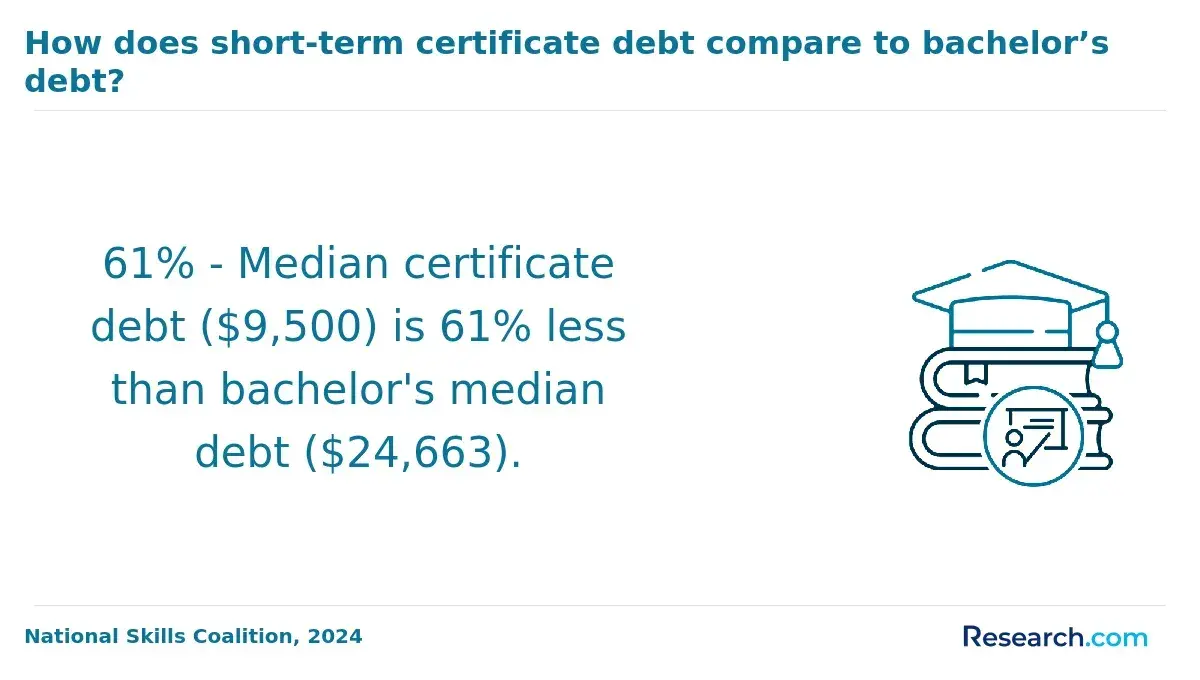
Evaluating tuition costs alongside salary growth offers a clearer lens on the financial viability of pursuing an educational psychology degree, rather than examining these elements in isolation. Recent data from the National Center for Education Statistics and the Bureau of Labor Statistics shows tuition for master's programs rising about 4.5% annually, surpassing the average salary growth of 2% to 3% over the same period. This divergence means a graduate starting with a $55,000 salary might find their degree's return on investment eroding over time as educational expenses climb faster than wage gains. The comparison emphasizes how institutional choice, geographic location, and career focus can either amplify or mitigate these financial pressures, impacting long-term financial health more than raw salary figures alone.
For example, one student attending an in-state public university may pay roughly $30,000 for a master's degree, while a peer choosing a private institution faces tuition closer to $50,000. Both may begin with similar entry-level salaries, but the larger debt burden for the latter significantly shifts financial planning, especially when wage growth trails tuition increases. Factors such as part-time study, scholarships, and local demand for educational psychology professionals further influence this balance. Understanding these dynamics helps prospective students navigate the complexities of cost versus potential earnings and make informed decisions tailored to their circumstances.
One graduate recalled the stress of choosing between a prestigious but costly program and a more affordable local university. Faced with rising tuition, they hesitated, weighing the risks of substantial debt against potential salary gains that hadn't kept pace with inflation. Ultimately, they opted for the less expensive path while working part-time to ease financial strain, acknowledging that higher upfront costs might delay financial stability despite long-term professional ambitions. Their experience underscores how tuition and salary trends can shape not only career outcomes but also peace of mind during and after study.
Does a Educational Psychology Degree Deliver a Positive Return on Investment?
Return on investment in higher education is about weighing the total costs of earning an educational psychology degree against the financial gains and career opportunities that follow over time. It is important not to fixate on entry-level wages alone, as early salaries in this field may be modest. Instead, long-term earnings growth, professional development, and job security-supported by steady employment growth projections exceeding national averages-paint a fuller picture of financial viability. For example, a graduate who incurs significant tuition debt but advances into specialized consultancy or academic research within a decade can expect median salaries that surpass many general education roles, offsetting initial expenses.
Tuition inflation over the past decade has notably increased the upfront investment required, challenging students to consider affordability and funding strategies carefully. According to 2024 data from the College Board, substantial tuition hikes at many institutions offering advanced degrees in educational psychology underscore this financial pressure. Nevertheless, the degree's versatility-in sectors like education, healthcare, and private practice-broadens employment options and downstream earning potential. The U.S. Bureau of Labor Statistics reports that the median annual wage in educational psychology-related careers consistently exceeds many teaching fields, which supports a positive income trajectory over a career lifespan, balancing out initial costs amid inflationary conditions.
Whether an educational psychology degree yields a positive return on investment depends on individual factors such as choice of institution, geographic location, career path, and personal financing circumstances. The long-term value also intertwines with job stability and benefits, not just salary figures. Thus, prospective students should approach this decision with a nuanced understanding of both immediate financial outlays and evolving labor market trends, recognizing that returns will vary but generally lean toward economic sustainability for those who strategically manage cost versus career opportunity.
Which Industries Offer the Highest Salaries for Educational Psychology Graduates?
Educational psychology graduates face varied salary prospects depending on the industries in which they apply their skills. Data from the U.S. Bureau of Labor Statistics and the National Center for Education Statistics show that specialized sectors yield significantly higher compensation compared to traditional K-12 public education roles. This disparity highlights how market demand, funding structures, and role complexity influence earning potential. For those seeking the strongest employment demand and top salary growth among the educational psychology highest paying industries in the US, several sectors consistently stand out.
Below are key industries offering the best salary opportunities for educational psychology graduates:
- Healthcare and Clinical Research: This sector includes roles in neuropsychology, developmental disorder assessment, and cognitive rehabilitation within hospitals and private practices. The specialized expertise in mental health interventions drives premium salaries, as an aging population and broader mental health awareness increase demand.
- Private Educational Services: Organizations focused on gifted and special needs populations invest heavily in advanced educational psychology for customized learning strategies and assessment development. These jobs typically offer higher pay than public schools due to market-driven funding and personalized services.
- Government and Federal Agencies: Educational psychologists working in policy development, longitudinal research, or education innovation within agencies like the Department of Education enjoy stable positions with competitive wages, reflecting the value placed on evidence-based program design.
- Higher Education Institutions: Universities and research centers employ educational psychology professionals to conduct studies, develop curricula, and evaluate educational outcomes. Compensation reflects both the advanced qualifications required and the importance of educational research.
- Think Tanks and Education Policy Organizations: These roles involve shaping national education strategies through research and advocacy. High-level expertise commands attractive salaries, particularly for those with a strong record of impactful policy work.
- Corporate Training and Organizational Development: Some educational psychologists find lucrative opportunities designing workforce training programs and enhancing organizational learning. These roles benefit from interdisciplinary skills spanning psychology, education, and business.
- Specialized Tutoring and Online Education: This growing area leverages technology and individualized instruction, enabling educational psychologists to create adaptive learning interventions. Professionals with expertise in digital tools and tailored teaching methods can command premium fees and leadership roles.
To understand career returns fully, graduates should weigh the higher salaries in these top sectors against factors like job stability, location, and personal interests. For those considering expanding their credentials or switching fields, pursuing an online accredited nutrition degree may also present complementary career pathways intersecting with healthcare and wellness industries.
Which States and Cities Offer the Highest Pay for Educational Psychology Professionals?
The earning potential for educational psychology professionals varies significantly depending on location, strongly influenced by factors like regional economies, institutional presence, and living costs. High salaries often reflect concentrated demand within urban centers that host major universities, research facilities, and diverse educational systems. Yet, the equation is complex, as elevated wages in some areas coincide with substantial living expenses, impacting net income. When weighing the financial viability of pursuing an educational psychology degree, students and recent graduates must critically balance salary prospects against tuition costs and post-graduation debt. Below are key regions noted for offering the highest pay for educational psychology roles in 2024.
- California: States like California rank among the top for educational psychology salaries, buoyed by major urban hubs like San Francisco and Los Angeles. The tech-driven economy in San Francisco, in particular, places a premium on data-informed educational strategies, resulting in annual salaries exceeding $100,000. However, prospective professionals must weigh this against California's notoriously high cost of living and housing prices, which can greatly reduce disposable income despite attractive pay.
- New York: New York State, especially New York City, benefits from a vast and varied educational infrastructure, including public schools, private institutions, and research organizations. This diversity drives demand for educational psychologists but comes with tradeoffs, as city living is among the most expensive nationwide. Graduates should assess how student loan repayments align with the regional cost pressures before relocating.
- Massachusetts: Boston's concentration of universities and research centers creates a robust market for educational psychology specialists. Well-funded educational initiatives and grants elevate compensation, but the region's steep housing and transportation costs necessitate careful budgeting for early-career professionals.
- Texas: Emerging as a growing hub, Texas offers comparatively lower salaries but compensates with a moderate cost of living. Cities like Austin and Dallas continue to expand educational programs and research funding, making them appealing for individuals prioritizing a balanced quality of life alongside steady income.
- Florida: Florida's developing educational sectors present opportunities with salaries lower than in coastal metropolitan counterparts. However, the state's generally affordable living expenses can enhance overall financial stability for graduates navigating early career stages.
How Do Educational Psychology Salaries Grow Throughout a Career?
Starting salaries for educational psychology graduates usually fall between $60,000 and $70,000 annually, though regional variations and institutional factors create significant differences. As professionals accumulate five to fifteen years of experience, median earnings rise to approximately $75,000 to $90,000, particularly for those who pursue licensure, take on leadership roles, or diversify into research-heavy or private sector positions. Beyond 15 years, wages can exceed $90,000 and even surpass $100,000, but salary increases often plateau unless individuals transition into administrative roles or secure additional funding streams such as grants. According to the U.S. Bureau of Labor Statistics and the National Association of School Psychologists 2024 salary data, advancement depends less on tenure alone and more heavily on specialization, geographic mobility, and additional credentials.
Consider two graduates with equivalent educational psychology degrees: one remains in a mid-sized public school district with minimal extra certifications, while the other obtains licensure, pursues doctoral-level research, and moves into consultancy. After a decade, the first may see salary increases that barely outpace inflation, hovering near $70,000, while the second might comfortably exceed $90,000 due to cumulative professional development and strategic career changes. This divergence underscores how credentialing, targeted networking, and geographic flexibility strongly influence financial outcomes over time. Consequently, wage growth in educational psychology reflects a complex interplay of individual choices shaped by local market demands rather than a uniform upward trajectory tied to experience alone.
One educational psychology graduate recounted feeling uncertain about investing in further certifications early on, worried about the upfront costs amid rising tuition debt. After years on a standard salary track, they decided to pursue licensure and a specialized program coordinator role, which initially felt like a risk but eventually resulted in a notable salary boost and increased job satisfaction. Reflecting on that transition, they noted that salary growth wasn't automatic but earned through deliberate steps that often involved balancing immediate financial strain against longer-term gains. This experience highlights the nuanced decision-making involved in navigating compensation growth within the field.
How Do Educational Psychology Salaries Compare With Similar Degrees?
Salaries for educational psychology graduates typically fall in the mid-range when compared to related psychology and education fields, reflecting a blend of stable demand and conservative wage growth. Median annual earnings hover around $75,000 according to U.S. Bureau of Labor Statistics data, which indicates competitiveness but also some limitations in upward salary mobility. This relative positioning matters for prospective students balancing long-term earnings against the rising costs of higher education and inflation, especially when evaluating the broader financial viability of pursuing an educational psychology degree. Below is a comparative outline of salary trends and career contexts for closely related disciplines to help clarify these tradeoffs.
- Clinical Psychology: Clinical psychologists command higher median salaries, near $90,000, driven by specialized medical training and settings such as hospitals or private practice, where demand and reimbursement rates tend to be stronger. The clinical pathway often offers wider income variability tied to licensure and patient volume.
- Counseling Psychology: Earning between $70,000 and $85,000, counseling psychologists have a salary range partially overlapping with educational psychology, but with some upward flexibility depending on licensure and work environments like mental health clinics and academic institutions.
- Specialized STEM Education Roles: STEM education professionals typically start with higher salaries, reflecting technical expertise and market demand. Their roles in curriculum development and policy benefit from current prioritization of science and technology fields in education sectors.
- Educational Psychology: Graduates often work in schools, research, or policy, with stable but moderate wage growth largely influenced by public funding and institutional salary scales. While median earnings are a bit lower than clinical fields, the degree's consistent demand supports steady career pathways.
These distinctions underscore the importance of understanding educational psychology salary comparisons with related degrees, especially when assessing long-term earning potential amid tuition inflation and rising living costs. For students considering career shifts or graduate study, analyzing these salary patterns alongside personal goals is key. For example, someone choosing educational psychology for its impact on learning and development should weigh its stable demand against the somewhat limited immediate financial upside compared to clinical or specialized STEM education roles. Exploring bioinformatics career paths may also provide alternative viewpoints on how specialized education degrees intersect with evolving workforce demands.
How Is Employer Demand Affecting Educational Psychology Salary Trends?
Employer demand directly shapes salary trends within educational psychology by affecting competition for qualified candidates and influencing hiring patterns. The U.S. Bureau of Labor Statistics' 2024 Occupational Outlook Handbook reports employment growth for graduate-level psychologists-including educational psychology specialists-at about 6% over the next decade, aligning with average occupational growth. This steady demand can encourage organizations such as schools and educational agencies to offer increasingly competitive salaries to attract skilled professionals who enhance student outcomes through psychological expertise. However, this dynamic often varies by region, specialization, and institutional budgets, which moderates the overall impact on wages.
For example, a school district responding to increased awareness of mental health needs might launch new assessment initiatives, intensifying demand for educational psychologists. This targeted need can push local salaries upward faster than national averages due to competition for talent, illustrating how demand spikes influence pay scales. Still, factors such as experience level, economic conditions, and funding constraints also weigh heavily on compensation decisions. Although strong employer demand tends to support wage growth, recent data from the National Association of Schools of Psychology reveal that starting salaries have only grown about 2-3% annually-often lagging behind rising tuition and living costs.
Prospective students and career changers should thus weigh how educational psychology employer demand impacts salary trends relative to their investment costs. Understanding these job market trends influence educational psychology wages is crucial to evaluating long-term earning potential. For those considering financial commitments, comparing outcomes across fields, including different counseling degrees, can provide critical perspective on balancing career prospects with education expenses.
How Can Students Maximize Their Lifetime Earnings With a Educational Psychology Degree?
Maximizing lifetime earnings with an educational psychology degree requires a strategic approach that goes beyond simply earning the credential. Recent 2024 data from the U.S. Bureau of Labor Statistics and National Center for Education Statistics highlight specific career factors that have the greatest impact on salary growth. For example, a graduate working as a neuropsychologist in a metropolitan healthcare center will generally earn more than one in a general K-12 school district role. The following strategies outline practical steps students can take to position themselves for higher long-term pay and career resilience.
- Advanced Degrees: Pursuing a master's or doctorate strongly correlates with higher salaries, especially in research or clinical roles. Students should plan for graduate studies early, aligning their thesis or practicums with high-demand specializations.
- Targeted Specialization: Focusing on subfields like neuropsychology or educational technology enhances employability and command higher pay. Securing internships in these areas during study can create critical networking opportunities.
- Sector Experience: Gaining work experience in better-funded environments such as private research institutions or healthcare facilities typically yields higher compensation than public K-12 roles.
- Geographic Mobility: Graduates who relocate to metropolitan regions or states investing heavily in education and mental health services benefit from elevated salary scales and faster wage growth.
- Interdisciplinary Skills: Applying educational psychology principles in corporate training or human factors design can diversify income streams and accelerate earnings beyond traditional academic roles.
- Professional Certification: Obtaining credentials like Licensed Psychologist or Board Certified Behavioral Analyst increases marketability and salary potential, reflecting validated expertise.
- Continuous Networking: Active involvement in professional organizations supports career advancement and exposes professionals to emerging opportunities aligned with industry trends.
References
- Understanding how salaries compare to inflation and trends is crucial to early talent attraction https://ise.org.uk/knowledge/insights/178/understanding_how_salaries_compare_to_inflation_and_trends_is_crucial_to_early_talent_attraction/
- Return on Investment For an Online Psychology Degree https://www.onlinepsychologydegrees.com/articles/return-on-investment-for-an-online-psychology-degree/
- 200+ Best Paying Careers in Psychology & Counseling https://mastersinpsychologyguide.com/articles/top-200-best-paying-masters-psychology-jobs/
- The price of college is rising faster than wages for people with degrees | USAFacts https://usafacts.org/articles/is-college-worth-it-the-price-of-college-is-rising-faster-than-wages-for-people-with-degrees/
- Do increases in public sector wages affect inflation? :: Public Sector Economics https://www.pse-journal.hr/en/archive/do-increases-in-public-sector-wages-affect-inflation_13377/
- Has pay kept up with inflation? - The Hamilton Project https://www.hamiltonproject.org/data/has-pay-kept-up-with-inflation/
- Is College Worth it? | Return on Investment Analysis of College Degree https://educationdata.org/college-degree-roi
- What Do Psychologists Earn? Highest Paying Psychology Jobs | Walbrook https://www.walbrook.ac.uk/subjects/psychology/psychologist-salaries-highest-paying-jobs/
- Interested in a career in Educational Psychology? https://www.aep.org.uk/interested-career-educational-psychology
- Educational Psychologist Salary Guide 2025 - PsychologyJobs.com https://psychologyjobs.com/educational-psychologist-salary/
Other Things You Should Know About Educational Psychology
Research-oriented educational psychology programs often lead to academic or specialized research positions, which may have slower initial salary growth and require longer postdoctoral training. Applied programs tend to prepare graduates for roles in school systems, consulting, or corporate learning, where salaries can be more immediately competitive but might plateau earlier. Prioritizing your program type based on desired career trajectory is crucial, as it directly impacts both starting wages and long-term earning potential.
Many positions in educational psychology come with added expectations such as grant writing, data analysis, or administrative duties that are not always reflected in base salary offers. Understanding these non-salary workload components is essential; high workloads without corresponding pay adjustments can diminish job satisfaction and slow financial growth. Negotiating for clear role boundaries or stipends for additional responsibilities can be as important as negotiating salary itself.
The prestige and connections of your educational psychology program can significantly impact initial job placement and salary levels, often outweighing minor differences in curriculum content. Programs with strong partnerships in education systems or industry provide a tangible advantage in securing higher-paying roles early on. Prospective students should weigh the value of networking and mentorship opportunities as strategic investments in earning power.
Complementing an educational psychology degree with certifications in areas like data science, counseling, or instructional design can make candidates more marketable and justify higher salaries, especially in applied settings. However, the cost and time invested in additional credentials should be balanced against expected salary gains; not all certifications yield proportional financial returns. Prioritize certifications aligned with employer demand in your target sector to maximize impact on wages.