2027 Educational Psychology ROI by Institution Type: Public vs Private vs Nonprofit Online Programs

Co-Founder and Chief Data Scientist
Consider a prospective student narrowing choices among public, private, and nonprofit online Educational Psychology programs that all promise flexible schedules and similar curricula. Tuition may vary by tens of thousands of dollars, but recent 2024 data from the National Center for Education Statistics reveals public online programs have a 15% higher average graduation rate and lower median debt than private counterparts.
This matters because lower debt combined with timely graduation often improves net ROI despite slightly lower institutional prestige. However, nonprofit programs may offer stronger career services, altering long-term outcomes. This article examines these nuanced differences to guide ROI-focused decisions across institution types in online Educational Psychology.
Key Things to Know About Educational Psychology ROI by Institution Type
- Public programs often feature lower tuition but higher average debt due to extended completion times, indicating a tradeoff between upfront affordability and prolonged financial exposure that affects net ROI.
- Private institutions tend to have stronger employer recognition and alumni networks in educational psychology, which can enhance post-graduation career mobility, though this advantage varies by regional labor market demands.
- Nonprofit online programs frequently offer flexible pacing crucial for working adults, but slower completion rates may delay workforce re-entry, impacting both short-term earnings and long-term ROI realization.
- Key Things to Know About Educational Psychology ROI by Institution Type Key Things to Know About Educational Psychology ROI by Institution Type
- What Does ROI Mean for an Educational Psychology Program and How Is It Measured? Understanding Educational Psychology Program ROI
- How Do Public, Private, and Nonprofit Online Educational Psychology Programs Differ in Overall Value? Value by Institution Type
- How Do Tuition Costs Affect the ROI of an Educational Psychology Program Across Institution Types? Tuition Costs and ROI
- How Do Graduation Rates Influence Educational Psychology Program ROI? Graduation Rates Impact ROI
- What Role Do Career Outcomes Play in the ROI of an Educational Psychology Degree? Career Outcomes and ROI
- How Does Student Debt Impact the Long-Term ROI of an Educational Psychology Program? Debt vs. Long-Term ROI
- How Do Flexibility and Adult Learner Support Affect Educational Psychology Program Value? Flexibility and Program Value
- How Do Accreditation and Institutional Reputation Influence Educational Psychology ROI? How Do Accreditation and Institutional Reputation Influence Educational Psychology ROI?
- How Does Time-to-Degree Affect the ROI of Public, Private, and Nonprofit Educational Psychology Programs? How Does Time-to-Degree Affect the ROI of Public, Private, and Nonprofit Educational Psychology Programs?
- How Can You Choose the Best Educational Psychology Program Based on Your ROI Goals? Choosing Programs by ROI
What Does ROI Mean for an Educational Psychology Program and How Is It Measured?
ROI for an educational psychology program must be understood as a balance between direct costs, such as tuition and debt, and the quality and timeliness of educational outcomes that influence career trajectory. For example, choosing a public online program with a higher six-year graduation rate can reduce time-to-degree and delay in workforce re-entry, mitigating opportunity costs that disproportionately affect adult learners.
This practical emphasis on graduation and completion rates, drawn from recent data by the National Center for Education Statistics, shows the importance of comparing institutional efficiencies rather than focusing solely on sticker price or institutional prestige. Prospective students should incorporate institutional support and learner experience into their calculations, as these factors often correlate with timely completion and smoother career transitions, which are crucial elements in measuring educational psychology program return on investment measurement.
When evaluating how to calculate ROI for educational psychology degrees, students must factor in their individual goals and circumstances, recognizing that a lower tuition does not always yield the strongest long-term value. Private and nonprofit programs may incur higher upfront costs but offer specialized faculty and networking opportunities that can enhance job placement and salary growth over time, particularly in niche education-related roles.
Conversely, public institutions typically provide cost efficiencies but require scrutiny of program support and career alignment to ensure affordability does not come at the expense of employability. Cost-conscious learners balancing work and study often benefit from analyzing not only the monetary investment but also the strategic fit of a program to their career plans-a nuanced evaluation that extends beyond simplistic rankings or averages.
For those researching alternatives, knowledge of the cheapest online pharmacy school may offer comparative insights into program affordability strategies that can be adapted or contrasted within the educational psychology landscape.
How Do Public, Private, and Nonprofit Online Educational Psychology Programs Differ in Overall Value?
Comparing public, private, and nonprofit online educational psychology programs requires weighing tuition costs against outcomes like graduation rates, student support, and long-term employability. Public institutions generally offer lower tuition, particularly for in-state students, which can reduce overall debt-data from the National Center for Education Statistics in 2024 indicates public program graduates carry roughly 25% less debt than those from private nonprofits.
However, private nonprofit programs often provide more personalized faculty interaction and smaller class sizes, factors linked to slightly higher completion rates and stronger accreditation reputations, which may enhance employer recognition in specialized roles. The choice often hinges on whether a student prioritizes minimizing debt or maximizing support and networking opportunities, as each path presents tradeoffs in affordability and career preparation.
Career prospects tied to these programs also differ; nonprofits tend to leverage established alumni networks and academic prestige, which can aid in job placement for niche educational psychology positions, while public universities emphasize applied research aligned with regional workforce demands, often offering greater flexibility for working adults. Student support services vary widely within each sector, so evaluating specific program features like career counseling and internships is crucial for a realistic assessment of value.
Employers generally accept degrees from accredited programs regardless of institutional type but often focus more heavily on individual program success and graduate outcomes, underscoring the importance of researching beyond the sector label. One graduate recalled debating between a low-cost public program and a private nonprofit option with better student services but higher tuition. Concerned about incurring long-term debt, they carefully reviewed graduation rates, faculty access, and alumni employment before choosing the public program, which offered sufficient flexibility alongside substantial financial aid.
Though initially uncertain about passing up the nonprofit's perceived prestige, they later valued the manageable debt profile and relevant applied training that aligned with their career goals. This experience illustrates how balancing immediate affordability with program quality and support can lead to an educational psychology degree that fits both budget and professional priorities.
How Do Tuition Costs Affect the ROI of an Educational Psychology Program Across Institution Types?
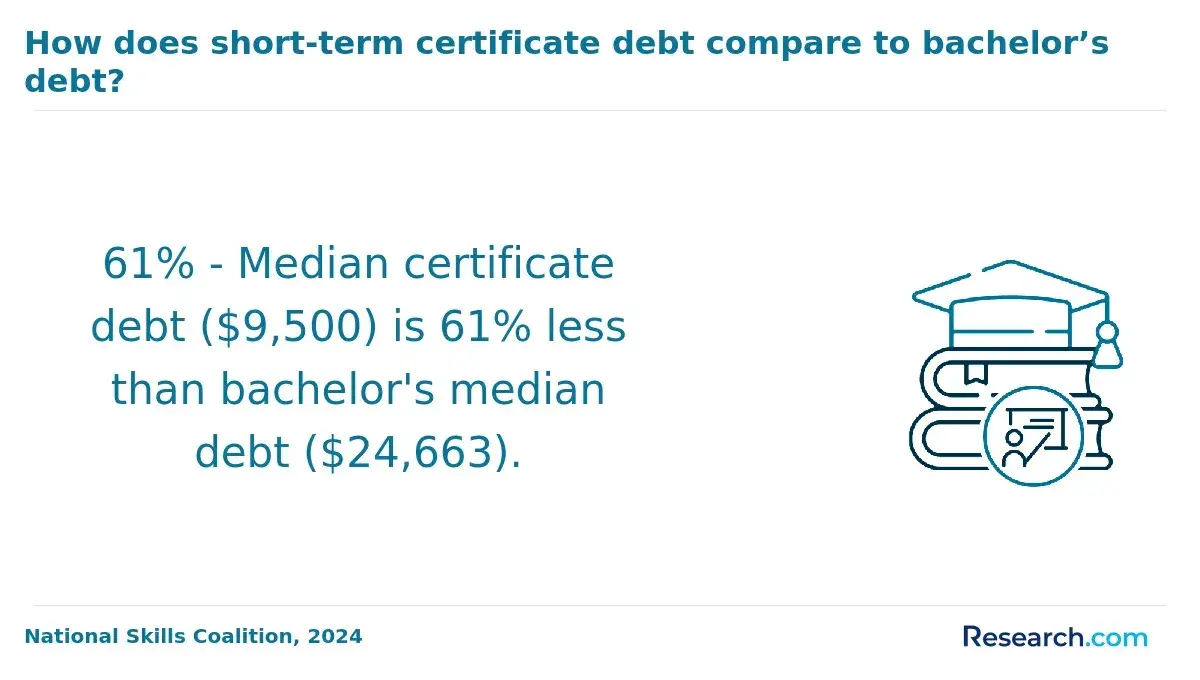
Tuition costs directly shape the return on investment (ROI) for educational psychology programs by influencing debt levels, completion rates, and post-graduate financial flexibility. According to the 2024 National Center for Education Statistics report, public online programs usually charge between $8,000 and $15,000 annually, whereas private and nonprofit institutions often exceed $25,000.
While higher tuition can lead to increased debt burdens, public programs tend to yield faster degree completion due to affordability and tailored supports for adult learners, which in turn reduces opportunity costs and improves net ROI. For example, a working professional balancing family obligations may prioritize a lower-cost public program that offers flexibility and less financial strain over a pricier private institution with smaller classes but comparable credential recognition.
That said, lower tuition does not inherently guarantee stronger long-term value. Private and nonprofit schools potentially provide enhanced networking opportunities, specialized faculty, and career services that could translate into stronger employer recognition and higher starting salaries, although these benefits are often contingent on geographic and industry factors. Prospective students must weigh these qualitative advantages against the quantitative realities of total costs, including fees, materials, and how much aid reduces the sticker price.
The decision ultimately hinges on personal circumstances such as prior credits, employment goals, and tolerance for debt, with a cost-conscious learner needing to balance completion likelihood and credential relevance alongside the debt load to maximize financial and career outcomes in educational psychology.
How Do Graduation Rates Influence Educational Psychology Program ROI?
Graduation rates strongly influence the ROI of educational psychology programs by shaping debt payoff timelines and career entry points, yet their significance varies notably across public, private, and nonprofit online institutions. Public programs often serve many part-time adult learners balancing multiple responsibilities, which can extend time-to-degree and weaken financial returns despite eventual completion. In contrast, private nonprofit online programs, with average graduation rates near 65%, tend to offer more effective academic support and scheduling flexibility.
This dynamic is especially relevant for cost-conscious adult learners and career changers weighing educational psychology program options. For example, a student enrolled part-time at a public institution may face prolonged enrollment, increasing tuition and delaying workforce reentry, thereby diminishing the program's ROI. In comparison, programs prioritizing student retention and advising can help minimize sunk costs, supporting more timely graduation.
Yet, graduation rates alone do not fully capture practical value; employers emphasize applicable skills and experience alongside credentials, which means completion rates should be one of several factors in evaluating program quality and career impact. For focused adult learners, resources like RN-to-BSN online programs similarly illustrate how targeted support and affordability improvements can shape ROI considerations in healthcare education and beyond.
What Role Do Career Outcomes Play in the ROI of an Educational Psychology Degree?
The return on investment for an educational psychology degree hinges largely on career outcomes, which vary considerably between public, private, and nonprofit online programs. While about 87% of graduates secure relevant jobs within six months according to the National Center for Education Statistics (2024), public institutions typically provide stronger employment connections through established partnerships with education agencies.
This advantage can translate into quicker job placements and greater employer recognition, which is crucial when balancing tuition costs and potential student debt against realistic earnings and professional growth opportunities. Nonprofit programs often offer broader skill development geared toward adaptability in shifting educational policies, which may support longer-term career resilience but sometimes at the expense of immediate market readiness.
Private institutions, on the other hand, might emphasize specialized niches that limit entry-level flexibility but could enhance progression within specific sectors. For cost-conscious learners, assessing how these outcomes align with one's career trajectory, time-to-degree, and regional employment demand is essential, given that degree value extends beyond salary to include professional network access, certification preparedness, and evolving job market relevance.
One graduate who completed an online educational psychology degree shared that early in the program, uncertainty prevailed over whether the credential would justify the financial and time investment. However, after leveraging internship networks tied to their nonprofit program, they secured a position with expanding responsibilities and internal promotion potential. This individual noted that while salary growth was moderate, employer recognition of the credential and opportunities to influence educational practice validated the degree's value beyond immediate income.
How Does Student Debt Impact the Long-Term ROI of an Educational Psychology Program?
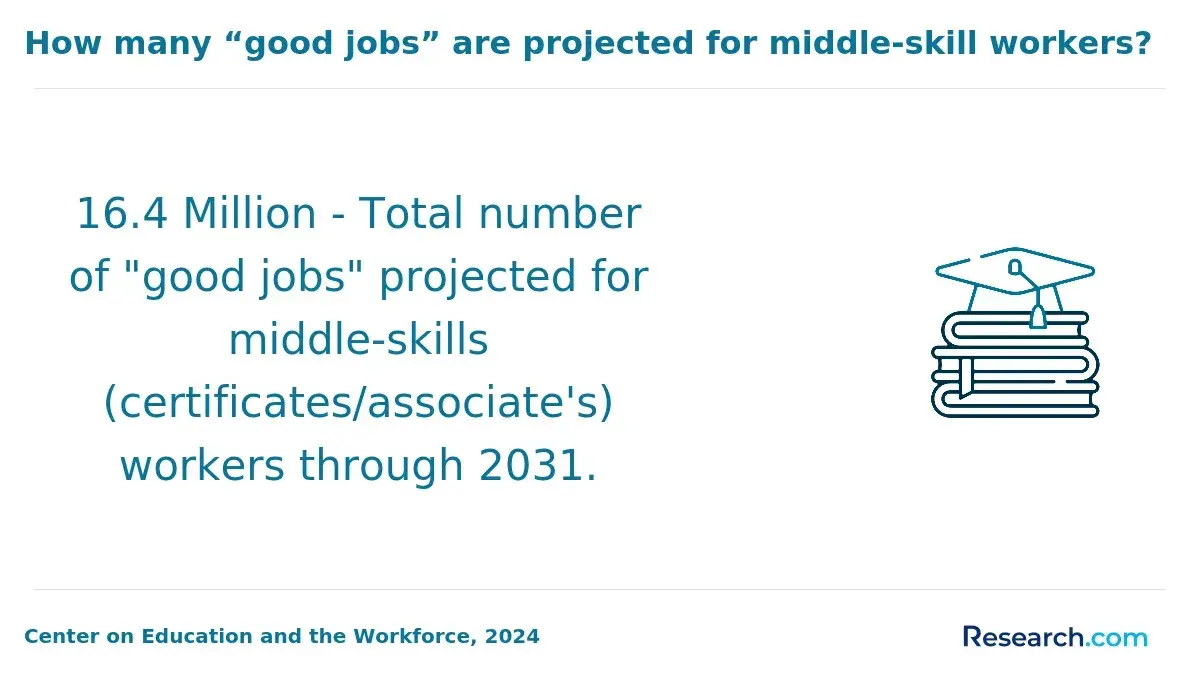
Student debt shapes the long-term return on investment for educational psychology programs by directly influencing financial flexibility and career decisions after graduation. Borrowers from private institutions often carry debts exceeding $40,000, compared to about $25,000 for public institution graduates, with nonprofit online programs generally falling in between. This debt disparity means that professionals may face heavier monthly repayments that delay wealth accumulation, such as saving for a home or retirement.
Since salary outcomes in educational psychology are often similar across institution types, the larger loan burden associated with private programs frequently diminishes net financial gains, underscoring the importance of evaluating total cost alongside anticipated income growth. Graduation rates and program duration further affect the total debt burden, with public institutions typically reporting higher completion rates for online educational psychology degrees, reducing the risk of extra costs from extended enrollment.
Financial aid and scholarships tend to be more accessible at public institutions, lowering debt levels, while private institutions show higher default rates, reflecting challenges in managing repayments without proportional salary increases. For career changers and working professionals weighing program options, it is essential to consider these repayment realities alongside educational quality and flexibility. Exploring alternatives like fastest post-master's FNP certificate programs may also offer insight into balancing advanced credentials with manageable debt, improving long-term financial outcomes.
How Do Flexibility and Adult Learner Support Affect Educational Psychology Program Value?
Flexibility in scheduling and robust adult learner support significantly shape the return on investment and practical value of online educational psychology programs, especially for working professionals balancing complex demands. Programs offering asynchronous course formats and part-time options enable students-such as parents or career changers-to progress steadily without compromising employment or family obligations.
A 2024 National Center for Education Statistics study reports that adult learners with access to such flexible structures complete their degrees 25% more often within four years, directly affecting time-to-degree and reducing opportunity costs tied to prolonged enrollment. Beyond flexibility, the nature of support services also influences persistence and employment outcomes, with public institutions often excelling at delivering scalable advising, veteran accommodations, and technology resources that ease barriers like transfer credits and scheduling conflicts.
Conversely, private and nonprofit programs frequently provide more personalized faculty access, synchronous mentoring, and career counseling that foster critical thinking and applied research skills-qualities highly valued by employers. However, these benefits come with higher tuition and sometimes additional fees, which can diminish net financial gains absent clear evidence of improved workforce placement or salary progression.
Students must therefore weigh affordability against the intensity of support and instructional engagement, considering how each institutional type impacts their capacity to complete efficiently while acquiring market-relevant competencies. For many adult learners, carefully assessing program structures involves balancing cost-efficiency with tailored support and credential recognition.
Public programs may offer affordability and alignment with licensure but often sacrifice individualized mentoring, while private and nonprofit options strengthen skill acquisition at a premium that may not always yield proportional economic returns. Ultimately, decisions hinge on how learners prioritize immediate financial burden, degree completion timelines, and the qualitative aspects of professional preparation essential for long-term career trajectories in educational psychology.
How Do Accreditation and Institutional Reputation Influence Educational Psychology ROI?
Accreditation and institutional reputation critically shape the return on investment for educational psychology programs, particularly when balancing tuition costs against career prospects. Regional accreditation signals basic academic legitimacy, essential for credit transfer and eligibility for licensure, but programmatic accreditation aligned with educational psychology standards often carries more weight with employers and graduate schools.
For example, a graduate from a regionally accredited but lesser-known institution might face obstacles transferring credits or accessing certain licensure paths compared to someone graduating from a program specifically accredited by a recognized professional body. Employers frequently prioritize graduates whose credentials clearly map to required competencies, influencing hiring decisions in tightly regulated or specialized roles.
Institutional reputation influences ROI by affecting not only perceived program quality but also the willingness of employers to value the degree in competitive job markets. Private or nonprofit institutions with high rankings can command higher tuition, increasing debt without guaranteeing proportionate improvements in employment outcomes.
According to recent data from the National Center for Education Statistics, graduation rates and post-graduation employment differ markedly across institutions with similar accreditation, underscoring that strong academic support and realistic career alignment are crucial factors. Working professionals and transfer students must weigh whether a prestigious name justifies added cost or if a more affordable, regionally accredited public institution with robust support services better serves their goals.
As online educational psychology programs expand, employers show growing acceptance of degrees earned remotely, especially when coupled with proven skills and licensure eligibility. However, ROI hinges on how well accreditation and institutional standing align with licensure requirements, credit transferability, and local job market reputation. Prospective students should critically assess these intersections against debt burden and personal career objectives, recognizing that neither accreditation nor prestige alone predicts long-term career success but are key variables within a broader, nuanced decision-making framework.
How Does Time-to-Degree Affect the ROI of Public, Private, and Nonprofit Educational Psychology Programs?
Time-to-degree critically shapes the practical return on investment for educational psychology programs, particularly when comparing public, private, and nonprofit online institutions. For example, private programs often offer accelerated pathways enabling completion in roughly 2.5 to 3 years, which can substantially curtail tuition accrual and minimize opportunity costs by accelerating re-entry into the workforce.
However, this speed typically requires full-time commitment, presenting a significant hurdle for working adults juggling employment and family responsibilities. Public and nonprofit programs, by contrast, frequently allow part-time enrollment and generous transfer credit policies, extending completion timelines to 3.5 to 4.5 years but offering valuable flexibility that may reduce dropout risks despite a longer overall duration.
These timeline differences directly affect cumulative debt and delay income growth, crucial factors within any comparative return on investment for online educational psychology degrees. Completion rates mirror this tradeoff: data shows private online programs often achieve graduation near or above 70%, while public institutions hover around 55%, reflecting how structured support in faster programs can enhance persistence and reduce sunk costs.
Prospective students must realistically assess their capacity for full-time study against the affordability benefits of slower, more flexible options. Additionally, incorporating deeply practical workforce considerations-such as employer preference for demonstrated expertise over mere speed-further complicates decisions about timing and educational format. Balancing these dynamics is vital, especially for adults weighing the benefits of accelerated formats against job and life demands.
Transfer credit policies and part-time options can shorten or extend degree timelines significantly, directly influencing financial burdens and career trajectories. Those interested in accelerated pathways might also explore proven models in similar online fields-such as accelerated NP programs online-to inform their strategic planning.
How Can You Choose the Best Educational Psychology Program Based on Your ROI Goals?
The best return on investment in an educational psychology program hinges less on institution type and more on how well program features align with a student's financial situation, career goals, and time constraints. Public institutions offer notable tuition savings, typically 40% to 60% lower than private or nonprofit options, yet often with less financial aid flexibility and longer graduation timelines, which may delay workforce reentry.
Conversely, nonprofit programs frequently provide stronger learner support and more flexible pacing, contributing to higher completion rates among part-time students and potentially faster realization of career outcomes. These tradeoffs impact total educational cost, including living expenses and debt accumulation, shaping net ROI differently depending on individual circumstances. Graduates from private programs tend to carry about 25% more student debt, a significant factor when weighing long-term financial stability against employer recognition and curriculum specialization commonly favored in nonprofit programs.
Public programs, while more affordable, may excel in practical training geared to regional job markets, an important consideration for professionals targeting specific employment sectors. For working adults balancing family and jobs, program flexibility and timely degree completion can outweigh sticker price, highlighting the need to consider graduation rates and support services when evaluating the best online educational psychology programs for career outcomes. Understanding these nuances is essential, especially for those comparing various types of therapist degrees within the broader counseling and education fields.
References
- Society for the Teaching of Psychology https://teachpsych.org/page-1784686/8675326
- What Is ROI in Education? A Practical Guide for K–12 Leaders https://leveldata.com/what-is-roi-in-education/
- Educational psychology - Wikipedia https://en.wikipedia.org/wiki/Educational_psychology
- The 5 Core Learning Goals of a Graduate Psychology Program - Carlow University https://www.carlow.edu/learning-goals-of-a-graduate-psychology-program/
- Best Online Educational Psychology Programs https://www.psychology.org/rankings/best-educational-psychology-programs/
- ROI in corporate training: what it is and how to calculate it https://www.apprendoo.com/en/roi-in-corporate-training-what-it-is-and-how-to-calculate-it/
- Examining the Effect of Accreditation on Higher Education Performance through Motivation as a Mediator https://dergipark.org.tr/en/pub/per/issue/76200/1248962
- Education ROI: How to Measure It https://www.brighthorizons.com/article/education/how-to-measure-education-roi
- Seattle Public and Private K-12 and College Admissions Coach https://www.schoolingdoula.com/blog/financial-matters-understanding-college-roi
- Making sure you're not a bot! https://www.econstor.eu/bitstream/10419/325009/1/cesifo1_wp12018.pdf
Other Things You Should Know About Educational Psychology
Online educational psychology programs at public institutions often emphasize structured pacing with cohort-based schedules, which can limit flexibility but foster stronger peer engagement. Private and nonprofit programs tend to offer more self-paced options, providing greater control for working professionals but potentially less consistent interaction. If maintaining a steady balance between professional responsibilities and studies is crucial, prioritizing programs with predictable timelines and active support-often found in public institutions-may reduce risk of burnout and improve completion prospects.
Employers in educational psychology typically prioritize demonstrated competencies, relevant experience, and professional credentials over institutional branding, especially for online degrees. However, degrees from public universities can sometimes carry a perceived advantage due to broader recognition and established state-funded research reputations.
Private and nonprofit programs that emphasize applied skills and specialized certifications may appeal more to niche employers. When selecting a program, consider alignment with your target employers' expectations and whether institutional type aligns with hiring trends in your desired career path.
Public institutions generally offer broader foundational coursework with options for research or applied tracks, which can support diverse career paths but may require additional specialization post-graduation. Private and nonprofit programs often customize curricula around emerging fields or practical skillsets, offering newer content that aligns with specific job markets but sometimes at the expense of theoretical depth. For individuals seeking leadership roles or doctoral study, a program with comprehensive academic rigor-more common at public institutions-may provide better long-term strategic value.
While minimizing upfront costs at nonprofit or certain private programs improves immediate ROI, undervaluing networking can limit career growth and salary advancement potential. Public universities, despite sometimes higher tuition, often have extensive alumni networks and partnerships within educational systems that directly benefit employment prospects. For adult learners planning to leverage professional connections for mentorship or advancement, investing in institutions with stronger networking infrastructure may yield greater long-term returns than focusing solely on sticker price.