2027 Educational Psychology Affordability by State: Where Students Pay the Most and Least

Co-Founder and Chief Data Scientist
Choosing between a low-tuition in-state Educational Psychology program and a prestigious out-of-state alternative often forces students to weigh immediate savings against long-term financial strain. According to a 2024 National Center for Education Statistics report, average out-of-state tuition at public universities rose 6% nationwide, outpacing in-state increases and intensifying debt burdens for those who cross state lines. This trend highlights how state residency profoundly influences affordability, with some students facing unexpectedly high living costs that overshadow advertised tuition discounts.
Understanding these cost disparities is crucial for students tracking educational investments against career outcomes and debt management. This article examines state-by-state Educational Psychology affordability to pinpoint where pursuing this degree is most and least financially accessible, guiding more informed enrollment decisions.
Key Things to Know About Educational Psychology Affordability by State
- In-state public educational psychology programs typically charge $500 to $800 per credit hour, while private programs can exceed $1,200, making residency and institution type major cost drivers by state.
- Out-of-state public university students face per-credit rates of $700 to $1,200, pushing total program costs to $30,000-$55,000, though some states offer tuition reciprocity agreements that reduce this premium.
- Florida offers some of the cheapest options nationally, with in-state online psychology tuition as low as $3,152 to $3,357 at schools like FAMU and UF, though costs can nearly quadruple for out-of-state residents at the same institutions.
- Key Things to Know About Educational Psychology Affordability by State Key Things to Know About Educational Psychology Affordability by State
- Which States Have the Most Affordable Educational Psychology Degree Programs? Most Affordable State Programs
- Which States Have the Highest Educational Psychology Degree Costs? Highest State Tuition Costs
- How Much Does a Educational Psychology Degree Cost by State? Degree Costs by State
- Why Does Educational Psychology Affordability Vary So Much Between States? State Affordability Variations
- How Do In-State and Out-of-State Tuition Rates Affect Educational Psychology Affordability? In-State vs. Out-of-State Rates
- How Does the Cost of Living Impact Overall Educational Psychology Affordability by State? Living Costs and Affordability
- Which States Offer the Best Value for a Educational Psychology Degree? Best Value State Degrees
- What Financial Aid and Scholarship Opportunities Can Reduce Educational Psychology Costs? What Financial Aid and Scholarship Opportunities Can Reduce Educational Psychology Costs?
- Are Online Educational Psychology Degree Programs More Affordable Than On-Campus Options? Are Online Educational Psychology Degree Programs More Affordable Than On-Campus Options?
- Is a Educational Psychology Degree Worth the Cost Based on Career Outcomes and ROI? Degree ROI and Outcomes
Which States Have the Most Affordable Educational Psychology Degree Programs?
States that consistently offer the most affordable educational psychology degree programs often do so because of deliberate policy choices to prioritize public higher education funding and leverage residency tuition advantages. For example, Wyoming's public university system charges in-state graduate tuition nearly half the national average, a reflection of robust state subsidies and smaller student populations. This kind of pricing structure can materially influence student decision-making, especially for budget-conscious learners who may weigh the savings against possible tradeoffs such as fewer campus resources or lower program variety. Understanding these dynamics is critical for prospective students weighing affordability alongside program quality and long-term employability outcomes.
The affordability of educational psychology programs by state also depends heavily on regional cost differences and financial aid accessibility. States in the Southeast and Mountain regions tend to have lower living expenses, which further reduces the total cost of degree completion beyond just tuition. For students facing the choice between out-of-state programs and those with in-state tuition reciprocity agreements, considerations like reduced travel and housing expenses become significant. Some also find that states with targeted need-based aid and scholarship programs, such as Mississippi, effectively lower reliance on student loans, thus impacting debt burden and career flexibility after graduation. Students may also explore hybrid learning options that further affect affordability, as seen in emerging trends including RN to BSN online no clinicals pathways that reduce ancillary costs without compromising learning.
Which States Have the Highest Educational Psychology Degree Costs?
Higher educational psychology degree costs in certain states stem largely from intertwined factors like state funding volatility, institutional concentration, and local cost of living. States where public funding for universities has diminished often see tuition rises as institutions offset budget shortfalls, with private universities-frequently the only option in states with limited public program availability-charging even higher rates. Additionally, residency rules and the scarcity of accredited programs intensify competition, sometimes pushing students toward more expensive private institutions. For instance, metropolitan areas such as Boston and New York City not only require students to cover steep tuition-often exceeding $20,000 annually for in-state students-but also grapple with significant living expenses, making overall attendance costs surpass $40,000 per year, according to 2024 data from the National Center for Education Statistics.
These cost patterns force prospective students to carefully evaluate tradeoffs, particularly when factoring employability and long-term financial impact. While high-cost states may offer robust research opportunities and connections vital for educational psychology careers, the elevated fiscal burden can lead to substantial loan debt that slows financial recovery post-graduation. Some students may weigh the benefits of enrolling in online or out-of-state programs with lower tuition but potentially fewer local employment links. The decision to pursue a degree in a high-cost state often hinges on balancing immediate affordability against anticipated career advantages tied to specific state labor markets and institutional reputation.
A recent graduate shared how their search for an educational psychology master's degree involved close scrutiny of tuition disparities shaped by residency status and institutional type. Initially attracted to a prestigious program in New York, they hesitated due to high out-of-state fees and urban living costs, prompting them to consider in-state public options with lower tuition but limited research focus. They also explored online degrees to reduce expenses but remained concerned about job market connections. Navigating this landscape required juggling financial aid possibilities against program quality, highlighting how cost factors beyond sticker price critically influence realistic enrollment decisions.
How Much Does a Educational Psychology Degree Cost by State?
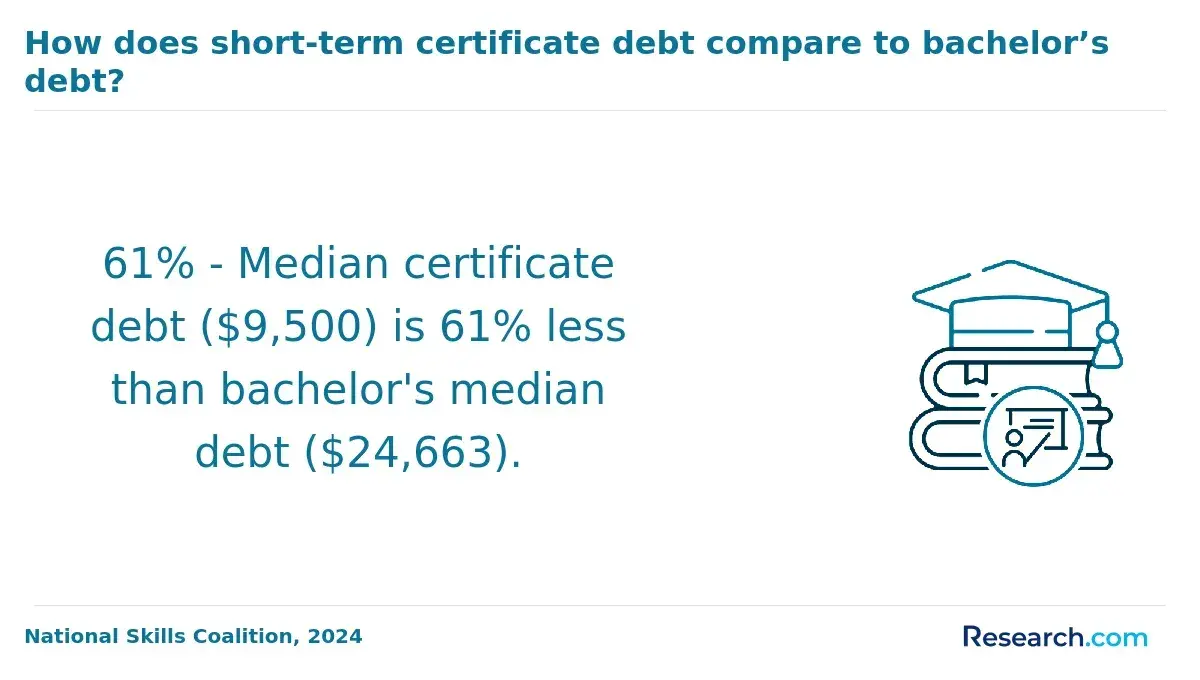
State-level disparities in educational psychology degree costs often reflect the interplay between residency-based tuition structures, institutional types, and local economic conditions, directly influencing students' financial strategies. For instance, a Texas resident pursuing a master's in educational psychology might pay roughly $8,500 annually in-state tuition, whereas an out-of-state student could face nearly double that amount, shaping decisions about relocation or online study options. Public universities tend to offer more predictable, lower tuition for residents, while private institutions in states like New York or Illinois maintain high, uniform rates exceeding $25,000 regardless of residency, making budgeting and debt considerations substantially different depending on the chosen state and institution.
Beyond sticker prices, cost-of-living variations significantly impact the total investment required, with states such as California and Massachusetts presenting elevated expenses for housing and daily living that compound tuition burdens. Meanwhile, more affordable living costs in the Midwest or South can reduce overall educational expenses despite tuition being comparable. According to the National Center for Education Statistics 2024 report, net graduate education prices vary by up to 35% after factoring in financial aid, meaning access to state funding policies, scholarships, and grants plays a critical role in effective affordability and shapes whether students can realistically enroll without excessive borrowing. These financial dynamics are especially crucial for those balancing immediate earnings needs with long-term career goals in educational psychology.
Choosing where to pursue an educational psychology degree therefore entails managing tradeoffs between program prestige, research opportunities, and financial accessibility. Students with constrained budgets might prioritize in-state public options or institutions in regions with lower living costs, whereas others may accept higher expenses for institutions that better align with their professional aspirations. The complexity of these cost factors underscores the importance of nuanced planning, incorporating state policies, residency benefits, and living expenses, to avoid unexpected financial strain and optimize the return on investment over a career trajectory in the field.
Why Does Educational Psychology Affordability Vary So Much Between States?
The affordability of educational psychology tuition differs widely across states primarily due to variations in how much public funding is allocated to higher education. States in the Midwest and South often subsidize public universities more generously, resulting in significantly lower tuition rates compared to states with less state investment. For budget-conscious students, navigating these disparities often means weighing the benefits of enrolling in public programs within their state against the higher costs imposed by private institutions or out-of-state options, especially where demand allows schools to maintain elevated prices. According to a 2024 report from the National Center for Education Statistics, states with higher public funding per student typically see lower educational psychology degree costs, underscoring the direct influence of funding policies on tuition affordability.
Local economic factors such as housing and transportation costs further complicate affordability, with states like California and New York imposing higher overall expenses that extend beyond tuition. Additionally, states with a larger share of private schools frequently exhibit steeper price tags, making institutional composition a crucial factor in cost analysis. Financial aid targeted at in-state residents, seen in states like Texas and Florida, can offset these costs to some extent, but these benefits depend on residency status and program demand. These dynamics affect student decisions on whether to pursue in-state, online, or out-of-state programs and factor into long-term educational planning.
Navigating these variables effectively can influence not just immediate affordability but also career trajectory and employability in educational psychology fields known for their regional hiring differences and variable credential expectations. For comparative financial planning, students may also consult data on related professions, such as the medical billing and coding salary, to align educational investments with realistic earnings outcomes.
How Do In-State and Out-of-State Tuition Rates Affect Educational Psychology Affordability?
Differences between in-state and out-of-state tuition rates significantly shape how affordable an educational psychology degree can be, especially since public universities often charge nonresidents more than twice the amount paid by in-state students. The National Center for Education Statistics (2024) reports average public university in-state tuition around $10,800 annually, compared to nearly $28,000 for out-of-state enrollees. This gap influences enrollment decisions, as students must weigh the financial tradeoffs of relocating, qualifying for residency reclassification, or opting for online programs that may charge uniform tuition regardless of residence. State-funded aid and regional compacts like the Western Undergraduate Exchange offer limited relief but rarely apply to specialized graduate fields such as educational psychology, intensifying cost disparities that can add substantial debt or alter program choice for many learners.
Private schools simplify budgeting with flat tuition regardless of residency but generally have higher upfront costs, pushing applicants to scrutinize financial aid packages or assistantships closely. For those willing to pursue online degrees, consistent pricing can ease cost concerns, yet the practical value hinges on program reputation and employer recognition, which vary widely. Students crossing state lines must also plan for additional fees and consider the long-term impact of tuition differentials on career flexibility and financial stability. Ultimately, residency status intertwines deeply with state policies and funding priorities, making it a strategic factor when mapping one's path through an educational psychology program.
A graduate recalled grappling with out-of-state tuition charges after moving states shortly before enrolling, unsure if establishing residency fast enough would qualify them for lower rates. The unexpected expense prompted a last-minute search for assistantships and more affordable online options. "It felt like I was paying a premium without the benefits I expected," they reflected, highlighting the complexity of residency rules and how timing and state-specific policies can unexpectedly affect educational costs and fiscal planning.
How Does the Cost of Living Impact Overall Educational Psychology Affordability by State?
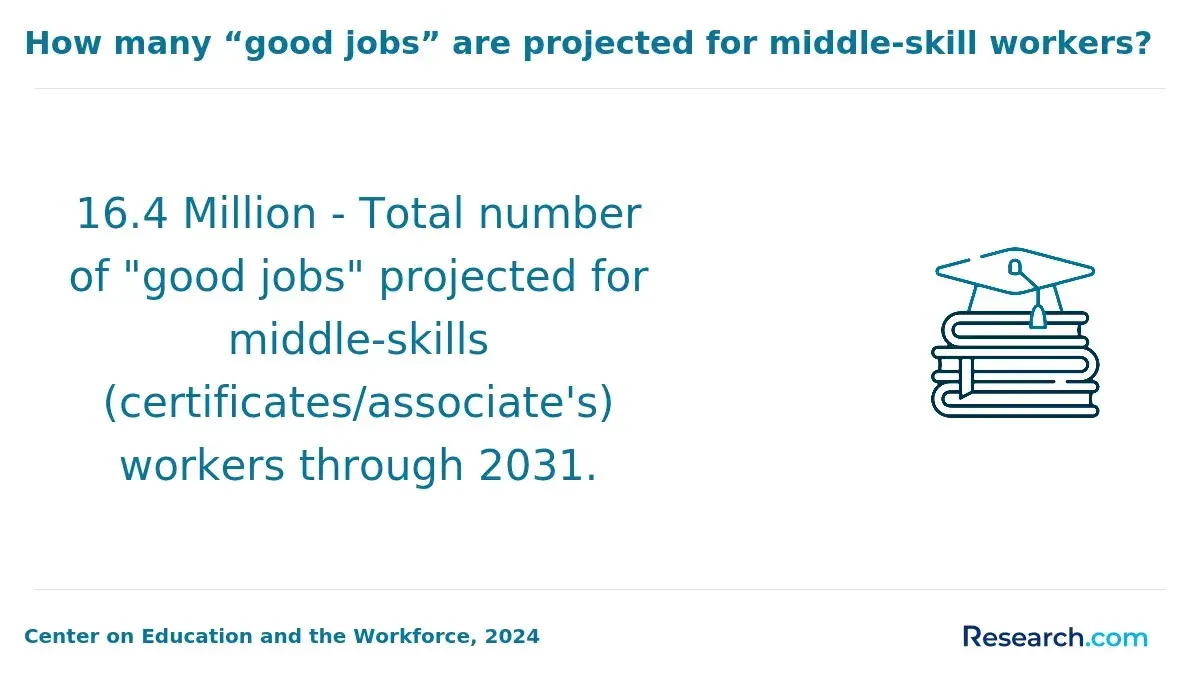
Differences in housing, transportation, and living expenses significantly reshape the actual financial burden students face when pursuing an educational psychology degree across states, often outweighing tuition disparities. For instance, while tuition costs might be similar, a student attending school in San Francisco must budget for monthly rent exceeding $3,000, sharply limiting funds for textbooks or part-time work compared to a peer in Ohio where rents can be under $1,000. Such variation affects not only day-to-day budgeting but also influences decisions on commuting methods, residency status, or opting for online coursework as means to mitigate costs.
State-by-state cost of living and educational psychology degree expenses thus extend beyond sticker tuition, encompassing food, healthcare, and utilities that can vary regionally by up to 25% or more. This variability complicates financial aid planning and can increase debt exposure if students underestimate total expenses. Those in states with sprawling suburbs and limited public transit often bear higher commuting costs, a practical factor that may push candidates toward institutions in more urban, transit-rich settings or prompt reconsideration of degree-completion strategies. Budget-conscious students must strategically weigh these factors against local wage conditions and academic offerings to optimize both living affordability and career prospects.
For prospective learners comparing the financial realities of educational psychology and related programs, exploring alternatives such as exercise science degrees may offer varying outcomes in cost and employability depending on location. Ultimately, understanding cost of living effects on educational psychology affordability by state provides crucial context for realistic enrollment decisions and long-term financial planning.
Which States Offer the Best Value for a Educational Psychology Degree?
Evaluating the value of pursuing an educational psychology degree requires looking beyond tuition sticker price to consider degree completion rates, financial aid accessibility, and local economic conditions that impact post-graduation outcomes. For instance, a state like Iowa-with in-state tuition under $8,000 and graduation rates near 65%-offers more than just affordability; higher completion rates reduce time to degree and debt accumulation, which is crucial for candidates balancing limited resources. This contrasts with states such as California or New York, where tuition can be substantially higher and students often face tougher financial decisions despite program prestige, given the associated risk of increased indebtedness without guaranteed income gains proportionate to cost.
State policies also shape practical affordability, particularly residency rules influencing who benefits from in-state tuition. In North Carolina, tuition levels hover around $9,000 annually, supported by state funding that, coupled with a lower cost of living, enhances the overall return on investment. Graduates here often enter a workforce with steady demand for psychology roles, improving employment prospects within five years, a critical factor for measuring value. Meanwhile, Utah's combination of generous financial aid and degree completion rates above 70% further highlights that accessible programs with strong support systems and manageable student loan default rates deliver pragmatic pathways toward financial stability, underscoring that cheapest tuition alone is insufficient as a value metric.
What Financial Aid and Scholarship Opportunities Can Reduce Educational Psychology Costs?
Financial aid availability can decisively shape the real cost of obtaining an educational psychology degree, with federal Pell Grants serving as a foundational support primarily for lower-income students. According to recent U.S. Department of Education data, over 70% of Pell recipients are enrolled in fields tied to social sciences and education, underscoring the grant's role in lowering initial tuition expenses without repayment obligations. However, navigating eligibility criteria and renewal requirements is critical; students who change enrollment status or fail to meet income thresholds risk losing aid mid-program, which can disrupt budgeting and completion timelines.
State-specific grants and tuition reciprocity agreements introduce further complexity and opportunity, especially for those weighing institutions across state lines. For example, the Midwest Student Exchange Program can reduce tuition by thousands for eligible students attending participating public universities, but residency rules and application deadlines vary significantly, impacting strategic financial planning. Meanwhile, merit-based scholarships targeted at educational psychology students often enforce restrictive criteria like full-time enrollment or demographic qualifications, meaning these awards may not be accessible to part-time learners or working professionals.
Employer-sponsored tuition benefits represent a practical yet underused avenue for cost reduction, particularly for part-time or graduate students balancing professional obligations. Such benefits can offset out-of-pocket expenses and align with career goals, but require understanding company policies on reimbursable expenses and potential tax implications. Ultimately, students must weigh geographic factors, institutional policies, and aid stacking limitations to optimize financial aid, recognizing that these decisions influence not only immediate affordability but also long-term debt and employment outcomes in this specialized field.
Are Online Educational Psychology Degree Programs More Affordable Than On-Campus Options?
Online educational psychology degree affordability in the United States varies widely depending on how tuition models intersect with residency policies, technology fees, and additional costs. While average online tuition tends to be 15-25% lower than on-campus rates according to NCES 2024 data, this advantage diminishes once factors like housing and transportation for on-campus students or technology and internet expenses for online learners are considered. For example, a student living in a high-cost state may save considerably by studying online and avoiding local housing costs, but that same student could face nonresident tuition rates online if their program does not differentiate by location. This complexity demands careful evaluation of state-specific pricing and institutional policies, which shape real affordability beyond headline tuition figures.
Students also need to weigh financial aid availability and scheduling flexibility in their cost calculations. On-campus enrollees generally have more access to scholarships, grants, and work-study options, whereas online students report lower institutional aid, impacting net prices significantly. Moreover, fixed class times and commuting for campus programs can limit employment opportunities, potentially increasing total opportunity costs. Conversely, flexible online formats can allow students to maintain or increase work hours, offsetting some expenses, but may require upfront investment in reliable technology. These practical tradeoffs influence the true cost-to-benefit ratio for learners seeking an educational psychology degree.
The cost comparison of online versus on-campus educational psychology programs by state reveals that no single mode guarantees affordability for every student. Prospective learners should consider how residency requirements, aid availability, and their personal circumstances interact with tuition structures. For those exploring related career paths, resources like autopsy technician school offer insights into program costs and workforce outcomes that can inform educational investments and career decisions.
Is a Educational Psychology Degree Worth the Cost Based on Career Outcomes and ROI?
Choosing to pursue an educational psychology degree demands careful consideration of tuition disparities and their impact on long-term outcomes. For instance, attending a high-cost graduate program in California or New York may offer access to competitive salary markets, yet the increased debt burden and living expenses often offset potential gains. Conversely, states like Texas or Georgia present lower tuition costs and shorter average completion times, which can enhance the return on investment by minimizing opportunity costs and enabling faster entry into the workforce. Students must weigh these factors alongside program quality, graduation rates, and alignment with targeted employment sectors, since substantial variation exists in educational psychology degree career outcomes in the United States depending on geographic and institutional contexts.
Data from 2024 indicates steady workforce demand in specialized areas such as school psychology and counseling, projecting approximately 6% employment growth over the next decade.
While median salaries for advanced degree holders typically range from $60,000 to $85,000, or for related educational leadership pathways, such as learning how to become a high school athletic director, job satisfaction and meaningful career impact often drive graduates' sense of value beyond mere income. Budget-conscious students should also consider geographic mobility and debt load when evaluating educational psychology costs, as these influence both financial stability and professional flexibility.
References
- Financial Aid For Psychology Students | Psychology.org https://www.psychology.org/resources/financial-aid/
- ECE Access and Affordability https://livehandbook.org/early-education/introduction/ece-access-and-affordability/
- Return on Investment For an Online Psychology Degree https://www.onlinepsychologydegrees.com/articles/return-on-investment-for-an-online-psychology-degree/
- 8 Best Educational Psychology courses In the USA 2026 https://www.hotcoursesabroad.com/study/training-degrees/us-usa/educational-psychology-courses/loc/211/cgory/o12-3/sin/ct/programs.html
- College Affordability Still Out of Reach for Students with Lowest Incomes, Students of Color https://www.ihep.org/college-affordability-still-out-of-reach-for-students-with-lowest-incomes-students-of-color/
- Most Affordable Online Psychology Degree Programs: School Reviews https://www.degreesforgood.org/online-degrees/psychology-programs/most-affordable/
- Is College Worth it? | Return on Investment Analysis of College Degree https://educationdata.org/college-degree-roi
- Cost of living can affect student achievement, study says http://hechingerreport.org/cost-of-living-can-affect-student-achievement-study-says/
- Top 15 Most Affordable School Psychology Programs https://www.bestpsychologydegrees.com/top/affordable-school-psychology-degrees/
- Making sure you're not a bot! https://www.econstor.eu/bitstream/10419/18699/1/cesifo1_wp1335.pdf
Other Things You Should Know About Educational Psychology
Lower tuition rates do not inherently mean poorer program quality, but affordable states often have fewer highly specialized or research-intensive educational psychology programs. Prospective students should weigh whether cost savings offset the potential lack of niche faculty expertise or limited local networking opportunities. Employers in regions with top-tier universities may also favor graduates from those programs, affecting job placement and advancement in those local job markets.
States with lower tuition sometimes have fewer diverse or prestigious practicum placements critical for hands-on educational psychology training. Students prioritizing affordable tuition must assess the availability and quality of local internship sites, as practical experience heavily impacts employability and readiness for licensure. In some cases, paying higher tuition in states with richer practicum networks can lead to stronger career outcomes, especially in competitive or urban areas.
If a state's programs are closely linked with prominent school districts, research institutes, or policy centers, the higher cost might translate into stronger professional connections and advanced skills training. Students aiming for careers in cutting-edge educational reform, clinical settings, or academia may find the investment worthwhile. Prioritizing such programs helps mitigate the financial burden by enhancing long-term employability and potential salary growth that can offset initial debt.
Out-of-state students enrolled in affordable-state programs might face higher non-resident tuition, eliminating some cost advantages. Additionally, remote students may struggle with field placement logistics and diminished access to in-person mentorship crucial for educational psychology training. When affordability is the priority, students should investigate whether hybrid or online formats include local practicum support or partnerships, ensuring educational value is preserved despite geographic distance.