2027 Educational Psychology Career Outcomes by Degree Level Report: Pay, Employment, and Advancement Patterns

Co-Founder and Chief Data Scientist
Key Things to Know About Educational Psychology Career Outcomes by Degree Level
- Employment data show master's degree holders in educational psychology gain 25% faster access to specialized roles than bachelor's graduates, reflecting employer preference for advanced theoretical and intervention skills.
- Doctoral credentials open broader advancement into research or administrative leadership, but require extended time and financial investment, posing significant opportunity cost compared to immediate workforce entry.
- Certificate programs boost practical skillsets for incumbent professionals yet offer limited standalone job-market leverage, underscoring the need to weigh short-term credential gains against long-term degree benefits.
- Key Things to Know About Educational Psychology Career Outcomes by Degree Level Key Things to Know About Educational Psychology Career Outcomes by Degree Level
- What Career Outcomes Can Students Expect From Each Educational Psychology Degree Level? Career Outcomes by Degree
- How Much Do Educational Psychology Graduates Earn by Degree Level? Salary by Degree Level
- Which Educational Psychology Degree Level Offers the Strongest Employment Prospects? Best Degrees for Employment
- What Entry-Level Jobs Can You Get With a Educational Psychology Degree? Entry-Level Career Opportunities
- How Do Educational Psychology Degree Levels Affect Career Advancement and Promotion Opportunities? Career Growth by Degree
- Is a Educational Psychology Degree Worth It Based on Salary, Employment, and ROI? Salary, ROI, and Value
- How Do Associate, Bachelor's, Master's, and Doctoral Educational Psychology Degrees Compare? Comparing Degree Levels
- Which Industries and Employers Hire Educational Psychology Graduates by Degree Level? Which Industries and Employers Hire Educational Psychology Graduates by Degree Level?
- What Skills, Credentials, and Experience Improve Educational Psychology Career Outcomes? What Skills, Credentials, and Experience Improve Educational Psychology Career Outcomes?
- Which Educational Psychology Degree Level Is Best for Your Career Goals? Choosing the Right Degree
What Career Outcomes Can Students Expect From Each Educational Psychology Degree Level?
Career trajectories in educational psychology differ sharply by degree level, with practical implications for licensure access, job roles, and advancement timelines. For example, individuals beginning with certificates or associate degrees often enter support positions that provide essential on-the-job experience but rarely lead to leadership or specialized clinical roles given limited employer demand for advanced credentials. Bachelor's degrees expand employment opportunities into administrative and coordination roles with moderately enhanced stability, yet without graduate-level training, candidates usually face a ceiling that restricts progression into licensed or policy-driven functions. This tiered access means adult learners and transfer students must weigh whether starting at lower levels offers meaningful footholds or primarily serves as a stepping stone within systems that value master's or doctoral credentials for career mobility and wage growth.
Master's degree graduates in educational psychology typically qualify for clinically relevant roles, including counseling and intervention design, where state licensure requirements are critical, and internships embedded in many programs ensure readiness for these responsibilities. The National Center for Education Statistics notes this credential level aligns closely with employer expectations for applied knowledge, opening avenues into higher pay brackets and supervisory tracks that associate or bachelor's levels seldom provide. Doctoral qualifications further transform prospects by enabling access to leadership, research, and academic positions demanding extensive specialized training and experience, translating into greater job influence and stability over time.
For professionals balancing work and education, understanding these distinctions informs strategic planning about time investment, credit transfers, and potential bottlenecks-critical factors when considering pathways such as RN to BSN programs without clinicals that might analogously reflect hybrid or flexible degree structures in educational psychology.
How Much Do Educational Psychology Graduates Earn by Degree Level?
Wage trajectories for educational psychology graduates underscore significant variation linked to degree attainment, licensure, and sector-specific roles. Entry-level jobs available to certificate holders or associate degree recipients typically fall within administrative or support roles, where median salaries hover between $35,000 and $45,000, often reflecting limited advancement potential and narrower responsibilities. Bachelor's degrees modestly improve starting salaries to roughly $45,000-$55,000 but often do not unlock specialized or leadership positions without further graduate credentials. Employers in school districts or counseling settings commonly prioritize candidates with master's degrees, where earnings jump to a range of $60,000 to $80,000, aligning with licensure eligibility and practitioner responsibilities that carry greater autonomy and job stability. Doctoral graduates, frequently positioned in academia, research, or policy advisory roles, experience top-tier salaries frequently exceeding $90,000, though such pathways also demand longer completion times, higher costs, and firm commitment to specialized expertise.
These salary ranges must be weighed alongside market dynamics such as geographic variation, local demand, and professional certification requirements. Many working adults considering return to school find that transferring credits or balancing part-time study materially affects their timeline for moving between degree levels, impacting potential income and job mobility. For example, an associate degree holder aiming for a counseling role must consider not only tuition and duration when pursuing a master's but also the employer's emphasis on evidence-based intervention skills and licensure. Data from the U.S. Bureau of Labor Statistics (2024) highlights that doctoral degree holders report the lowest unemployment and highest advancement rates, but these benefits accompany greater initial investments in time and resources, making the decision highly contextual for civilian, military, and transfer students alike.
One graduate reflected on comparing regional job listings after receiving an associate degree, initially expecting quicker promotion prospects. They soon realized that most practitioner roles requiring licensure mandated at least a master's degree, prompting a reevaluation of whether the additional two to three years of schooling, along with anticipated costs, justified the likely wage increase and longer-term stability. Conversations with local employers reinforced that a bachelor's only modestly expands opportunities without certification, influencing their cautious decision to delay further advancement until financial and scheduling flexibility improved. This nuanced understanding shaped a strategic approach balancing immediate employment with future educational investment.
Which Educational Psychology Degree Level Offers the Strongest Employment Prospects?
Employment access in educational psychology is strongly tied to degree level due to licensing requirements and employer expectations that often restrict independent practice and specialized roles to those with master's or doctoral credentials. For example, many school system psychologist positions mandate a master's degree combined with supervised internships, blocking entry for candidates with only certificates or associate degrees. While bachelor's graduates might secure initial roles supporting educational programs, their upward mobility typically stalls without further graduate education, especially where leadership or policy impact is concerned.
Doctoral degree holders in educational psychology benefit from wider labor-market opportunities, particularly in academia, senior research, and policy analysis, where deep expertise and research prowess are prized. Data from the U.S. Bureau of Labor Statistics (2024) highlights that unemployment rates for doctoral graduates in this field are roughly 12% lower than those with master's degrees, underscoring persistent demand for advanced specialization. However, the time and financial burden of doctoral programs can outweigh the benefits for some, making the master's path a common compromise that balances employability with practical timeframes, particularly for those aiming to enter the workforce more quickly or who prioritize applied roles over research or leadership tracks.
Decisions about educational psychology credentials should weigh immediate employment accessibility against long-term advancement potential. Students seeking quicker entry may favor bachelor's or master's degrees while considering credit transfer or part-time study to eventually pursue doctoral qualifications. Conversely, investing directly in doctoral education typically expands eligibility for higher-paying, regulated, or leadership roles but demands greater upfront commitment and may not align with all career goals or regional labor-market conditions. Understanding these tradeoffs is crucial for navigating credential choices relative to evolving employer demands and licensure conditions across educational psychology disciplines.
What Entry-Level Jobs Can You Get With a Educational Psychology Degree?
Entry-level positions available to graduates in educational psychology depend heavily on the degree attained, prior experience, and licensure requirements, creating notable differences in job scope and responsibility. Bachelor's degree holders typically enter support roles such as educational assistants or research aides, where hands-on experience via internships or practicum hours often determines employability more than academic qualifications alone. By contrast, master's degree graduates gain access to more specialized roles like intervention specialists or school psychologists in training, which often require supervised practice and certification, limiting bachelor's holders to less autonomous functions and longer pathways to professional licensure.
Employers increasingly expect candidates to demonstrate skills in data interpretation, behavioral assessment, and effective communication, with many entry-level listings requesting one to two years of relevant experience according to the National Center for Education Statistics 2024 report. This gap between academic preparation and workforce readiness can influence job stability and mobility, particularly in underserved or rural regions where flexible credentialing and remote work options sometimes compensate for supply shortages. Students focused on jobs for educational psychology graduates should weigh the tradeoff between immediate employment in support roles and the pursuit of advanced credentials facilitating faster transitions into licensed practitioner positions.
For those assessing educational psychology entry-level career options, understanding these differentiated pathways informs strategic decisions, especially when factoring long-term progression and credential investment. Those aiming beyond foundational roles must consider supervised fieldwork and certifications as gatekeepers to higher-earning and autonomous positions, making degree level and internship quality critical variables. Insights about potential earnings also extend to comparisons with related fields, like a PhD in nursing salary, emphasizing the importance of aligning education plans with realistic employment and advancement trajectories.
How Do Educational Psychology Degree Levels Affect Career Advancement and Promotion Opportunities?
Advancement opportunities in educational psychology strongly align with degree level, influencing role eligibility, leadership potential, and timing of promotion. Entry-level positions accessible to bachelor's degree holders often limit supervisory responsibilities and typically require further graduate education for upward mobility. In many districts and research settings, a master's or doctoral degree is a baseline for administrative and specialist roles, partly due to formal credentialing standards and employer expectations, not just raw experience. For example, school psychologists usually need certification combined with specialist or doctoral qualifications, which constrains advancement without those credentials. According to the 2024 Integrated Postsecondary Education Data System and Lightcast labor analyses, 63% of supervisors and higher-level professionals in this field hold graduate credentials, reflecting how additional degrees accelerate access to leadership positions rather than guarantee them outright.
For working adults and transfer students, the decision to pursue advanced degrees intersects with practical tradeoffs: the time and financial investment against eventual gains in promotional eligibility and professional credibility. Mid-career practitioners who obtain graduate training often report increased competitiveness for internal promotions and broader career mobility, especially where research methodology and leadership skills are prerequisites. Those with bachelor's degrees face slower progression and narrower specialization, while advanced degrees also enhance readiness for district-level coordination or academic research roles. However, the added credential does not replace the need for licensure or ongoing professional development, which remain crucial for occupational stability and advancement pacing.
A recently graduated educational psychology professional reflected on their path from a bachelor's degree to a master's while balancing a full-time role in a school district. Initially hesitant about pursuing graduate study due to workload and costs, they noted how several internal promotions required at least a master's credential plus certification. This understanding shaped their decision to enroll part-time, with cautious optimism about the impact on future leadership opportunities. Their experience underscored that advancing educational qualifications was less about immediate pay increases and more about qualifying for roles demanding higher responsibility and specialized expertise, a nuance often overlooked in career planning discussions.
Is a Educational Psychology Degree Worth It Based on Salary, Employment, and ROI?
Choosing to pursue a degree in educational psychology demands careful evaluation of salary potential, job security, and the time and financial investment involved. Entry-level roles with a bachelor's degree often lead to lower pay and underemployment risks, making advanced degrees practically necessary for meaningful career mobility. For example, professionals holding master's or doctoral degrees generally access positions requiring licensure or certification, especially within school districts or clinical environments, where these credentials significantly affect both earning capacity and employment stability. This dynamic illustrates the tight link between degree level and workforce outcomes, a critical consideration for working adults balancing education against ongoing income needs.
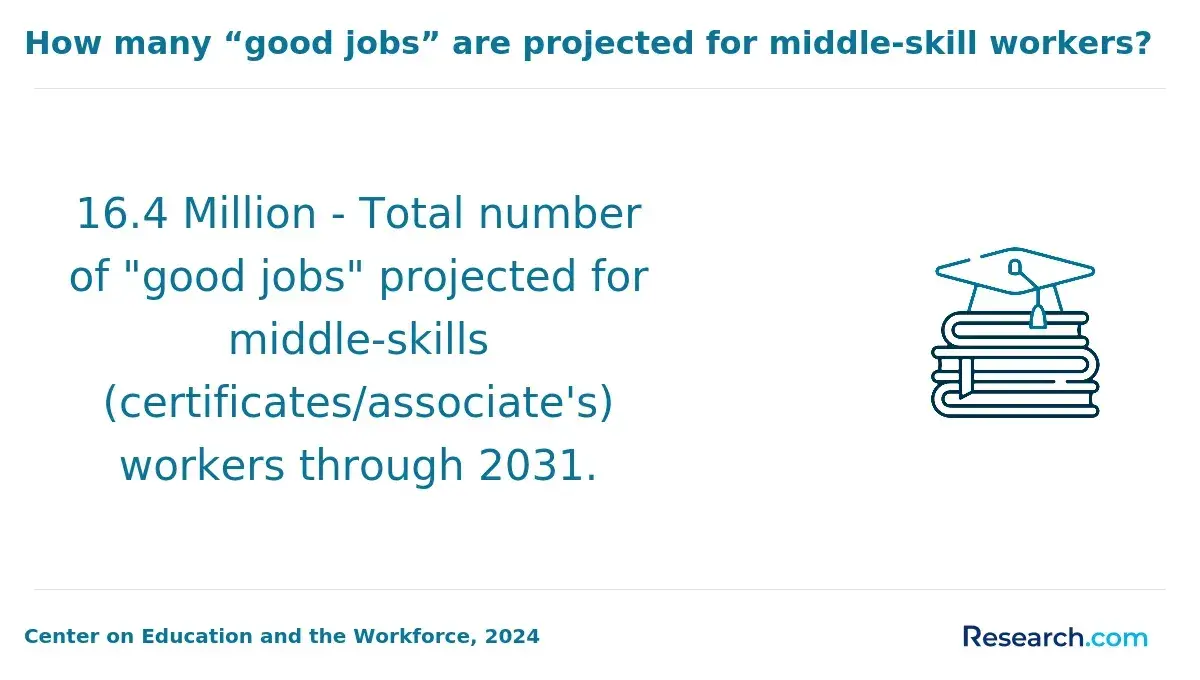
The return on investment for educational psychology graduates varies widely based on program length, cost, and local labor demand, with public sector jobs offering more predictable but often lower salaries than private or clinical roles. Loan debt may be substantial for master's and doctoral candidates, but greater earning power and advancement opportunities can improve repayment prospects-though these benefits are not uniform, depending on factors like geographic location and employer type. Adult learners and military-affiliated students must weigh these financial and opportunity costs carefully, especially when longer degree programs reduce short-term earning ability. Those exploring degree pathways may also find relevance in comparing related credentials, such as the online PharmD, for insight into balancing lengthy doctoral studies with career outcomes.
Employment projections indicate steady demand growth aligned with average trends; however, the credential requirements essential for upper-level roles make program selectivity and transfer credit acceptance significant variables in career planning. Understanding regional differences and credentialing mandates helps predict whether the pursued educational psychology degree aligns with individual career advancement goals. Incorporating knowledge from sources like educational psychology degree salary and employment outcomes, prospective students can better weigh the interplay of salary progression, advancement pathways, and program disruption risks to make an informed choice tailored to their professional context.
How Do Associate, Bachelor's, Master's, and Doctoral Educational Psychology Degrees Compare?
Associate degrees in educational psychology commonly serve as stepping stones rather than direct pathways to stable employment within the field, with less than half of students advancing to higher-level credentials within six years according to National Center for Education Statistics data. This credential often limits access to foundational roles, making it insufficient for sustained career progression alone, especially as employers increasingly demand advanced qualifications for meaningful responsibilities. Bachelor's degrees open doors to entry-level educational support positions but seldom enable substantive leadership or specialized roles without further study, reflecting a labor market where demonstrated expertise and licensure beyond the bachelor's degree are critical for advancement.
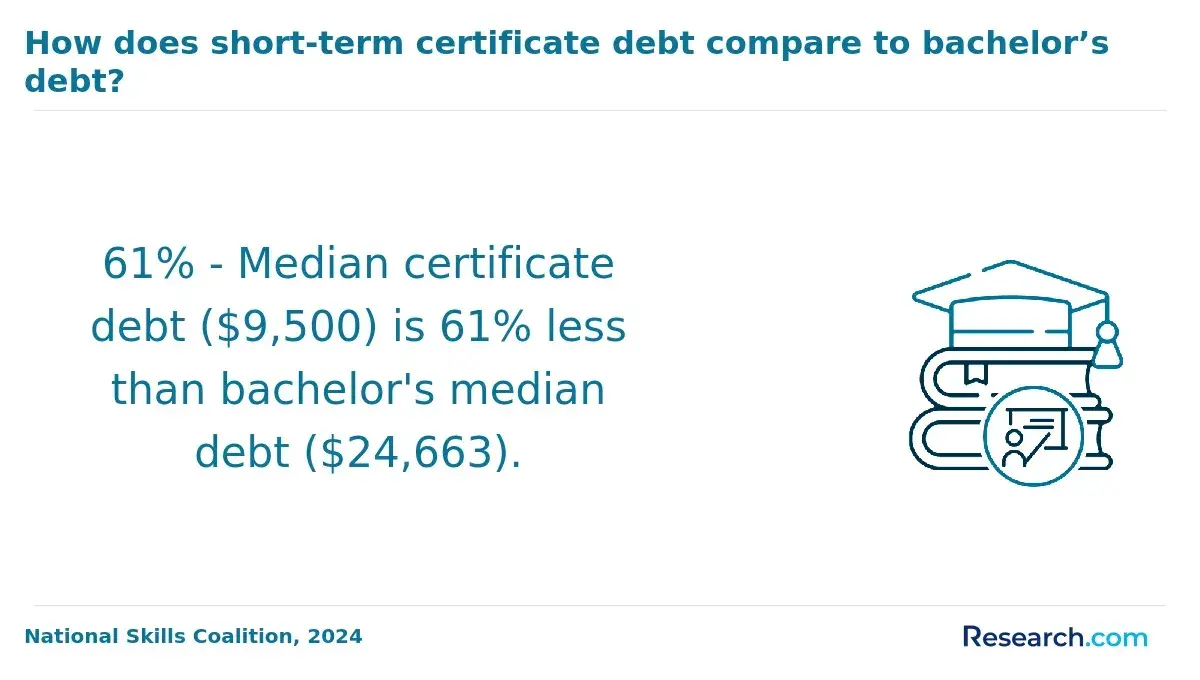
Master's degrees significantly broaden professional options, unlocking supervisory and consulting roles that associate and bachelor-level credentials usually cannot support, along with enhanced job stability as evidenced by Bureau of Labor Statistics findings. The tradeoff involves additional time and financial investment but often includes eligibility for state licensure and certifications essential in clinical and behavioral specialties. Doctoral-level study further emphasizes leadership, research, and clinical work, often required for academic faculty roles, policymaking, or licensed psychologist status, but at the cost of doubled median student debt relative to master's graduates. Prospective students must weigh whether the long-term workforce demand and autonomy justifies this investment, especially since many positions targeted by doctoral credentials represent specialized niches within educational psychology.
Which Industries and Employers Hire Educational Psychology Graduates by Degree Level?
Employment opportunities for educational psychology graduates are closely tied to degree level, shaping both the type of employer and expected job function. Associate degree holders typically enter support roles within public K-12 settings or private educational organizations, such as paraprofessionals or teacher aides, where licensure is minimal and responsibilities focus on assistance rather than independent practice. In contrast, bachelor's degree graduates face broad hiring across school districts, nonprofits, and government agencies but often find positions emphasizing practical behavioral or coordination tasks rather than clinical or research work, limiting advancement without additional credentials.
Master's degree holders gain access to specialized roles requiring licensure or certification, including school psychologists, educational consultants, and evaluators within public schools, healthcare providers, and private consulting firms. The National Association of School Psychologists reports over 70% of these graduates find employment in K-12 education or mental health, highlighting applied skill demand and field experience prerequisites. Doctoral graduates tend to occupy leadership, policy, research, or faculty roles within higher education, government, and large research or healthcare organizations, drawing on advanced methodological training to influence program development and policy. This degree level markedly improves eligibility for senior administrator roles and tenure-track faculty positions, which also command higher pay bands.
Certificate programs generally supplement existing qualifications to meet licensure or skill requirements rather than serve as standalone entry points. Employers increasingly favor candidates with specialized credentials and field experience, especially in regulated or multidisciplinary environments, while private sector growth in education technology and consulting firms is broadening opportunities beyond traditional public agency dominance. For prospective students, deciding whether to pursue advanced degrees hinges on balancing these prospects against greater time, cost, and licensure demands inherent to higher-level educational psychology credentials.
What Skills, Credentials, and Experience Improve Educational Psychology Career Outcomes?
Degrees in educational psychology yield distinct career pathways shaped strongly by how professionals integrate technical skills, credentials, and practical experiences aligned with employer priorities. Advanced degrees, particularly doctorates, provide significantly greater access to leadership positions and research roles, whereas master's degrees generally position candidates for practitioner or applied settings in schools and organizations. Employers prioritize candidates who combine core competencies-like psychometric assessment and data analysis-with experience using statistical software and educational technology, revealing a clear preference for applicants versed in current digital tools. These educational psychology professional skills and certifications often function as gatekeepers for promotion opportunities, especially when paired with licensure requirements needed for school psychologist roles.
Work-based experiences such as internships and field placements strongly differentiate candidates in competitive hiring pools; graduates with substantial practicum involvement increase their likelihood of securing positions by nearly a third within six months post-graduation. This practical exposure also fosters critical soft skills-communication, adaptability, leadership-that employers repeatedly highlight as necessary for advancement. For working adults, transfer students, and military-affiliated learners, strategically building a portfolio of applied projects and leadership roles can bridge gaps between existing credits and the demands of higher credentials. The choice to pursue board certification or specialist licensure exemplifies a common advancement tradeoff, enhancing credibility but requiring additional supervised hours beyond degree completion.
For those weighing educational investments, understanding these nuances informs decisions about degree level versus career stage. Resources such as the FNP to acnp bridge program online illustrate parallel bridging strategies applicable across disciplines to optimize credential stacking and career mobility.
Which Educational Psychology Degree Level Is Best for Your Career Goals?
Employment access and advancement potential vary significantly across educational psychology degree levels, shaping the practical choices of students and professionals. A master's degree, for example, often bridges the gap between entry-level positions and those requiring licensure, such as school psychologist assistants or educational consultants, roles generally inaccessible to bachelor's degree holders. Data from the National Center for Education Statistics shows master's degree holders experience an employment rate about 12% higher than those with only a bachelor's, highlighting the tangible workforce advantage. However, deciding to pursue a doctoral degree must weigh the higher upfront time and financial commitments against long-term benefits like eligibility for academic tenure, complex assessment roles, and leadership positions that often require such advanced credentials.
For working adults or transfer students, program flexibility and credit transfer policies at the master's level may facilitate balancing employment with continued study, whereas doctoral programs demand greater specialization and time investment. Employers increasingly require advanced degrees for licensure or certification, reflecting credential trends that directly impact job market access and salary trajectories. Considering affordability and opportunity costs, bachelor's degrees usually incur less debt but offer limited upward mobility compared to graduate credentials, which yield higher earnings growth over time.
Prospective students targeting regulated or specialized roles should also explore pathways available through programs like the cheapest DSW program, reflecting broader options in advanced social science fields related to educational psychology degree level career outcomes.
References
- Pursuing a career as an educational psychologist https://online.wrexham.ac.uk/blogs/pursuing-a-career-as-an-educational-psychologist/
- Education Psychology Degrees: Masters, PhD & Online Course Info https://learningpath.org/articles/Masters_Degrees_in_Education_Psychology_Career_Info.html
- How To Become An Educational Psychologist | Psychology.org https://www.psychology.org/careers/educational-psychologist/
- Return on Investment For an Online Psychology Degree https://www.onlinepsychologydegrees.com/articles/return-on-investment-for-an-online-psychology-degree/
- Psychology Career Center https://www.psychologydegree411.com/careers/
- All About the Role: Educational Psychology | Connect2Surrey https://www.connect2surrey.co.uk/blog-posts/all-about-the-role-educational-psychology/
- Psychology Major | Psychology Degree | Colleges and Schools https://www.bestpsychologydegrees.com/associates-bachelors-masters-and-doctorate-degrees-in-psychology/
- Graduate careers advice: you and your psychology degree https://gradireland.com/careers-advice/healthcare/graduate-careers-advice-you-and-your-psychology-degree
- Is College Worth It? A Comprehensive Return on Investment Analysis - FREOPP https://freopp.org/whitepapers/is-college-worth-it-a-comprehensive-return-on-investment-analysis/
- Is College Worth it? | Return on Investment Analysis of College Degree https://educationdata.org/college-degree-roi
Other Things You Should Know About Educational Psychology
The time commitment and workload vary significantly across degree levels in educational psychology, and these differences shape career transitions. For example, doctoral programs often require several years of intensive research and internships, which can delay entry into the workforce but build deeper specialization and networking opportunities. In contrast, master's programs typically offer shorter, more applied training that allows quicker workforce reentry but may limit access to the highest-tier roles that expect doctoral qualifications. Prospective students should weigh how much time they can invest upfront against their urgency for income and long-term career positioning.
Employers in educational psychology often value advanced degrees like doctorates for roles involving research leadership or policy development, but practical experience also plays a critical role. In many settings, having real-world experience with data analysis, program evaluation, or intervention design can sometimes compensate for not holding a terminal degree, especially in applied or practitioner-focused roles. Candidates should consider whether their target job emphasizes formal credentials or demonstrated impact and plan their education path accordingly, as doctoral degrees may open more doors but do not replace the need for relevant experience.
Balancing advanced study with ongoing employment is a key challenge that shapes educational psychology career trajectories. Part-time or online master's programs can offer flexibility but often extend the time to degree completion and may dilute immersion in the material. Doctoral programs typically demand greater episodic time investment, including residencies or intense research phases that are difficult to manage alongside full-time work. Professionals should prioritize program formats that align with their work schedules and cognitive bandwidth, accepting that there is often a tradeoff between flexibility and depth of training or speed of completion.
Yes, emphasizing only degree attainment in educational psychology without engaging in professional networking or mentorship can limit career advancement despite academic credentials. Advanced degrees provide foundational knowledge, but connections with faculty and field professionals often determine access to competitive job openings and collaborative opportunities. Students should prioritize programs and experiences that integrate mentorship, internships, or cohort community-building, as these relationships significantly enhance employability and long-term career growth beyond the credential itself.