2027 Creative Writing Salary Trends Report: Are Wages Keeping Up With Tuition and Inflation?

Co-Founder and Chief Data Scientist
A prospective creative writing student weighs the rising costs of tuition against potential earnings after graduation. With tuition fees climbing steadily and inflation eroding purchasing power, assessing whether a creative writing degree offers a solid financial return becomes complex. This decision requires more than looking at starting salaries; it demands an understanding of how wages keep pace with education costs and broader economic shifts. The challenge lies in evaluating if salary growth can offset the initial debt and ongoing expenses tied to higher education.
Salary increases, tuition hikes, and inflation rarely move in sync, complicating the financial outlook for graduates. Without factoring in these variables, prospective students risk overestimating the true value of their degree. Examining creative writing salary trends, tuition costs, inflation rates, and return on investment offers crucial insight. This article explores these factors to clarify the long-term affordability and economic benefits of earning a creative writing degree.
Key Things to Know About Creative Writing Salary Trends
- Recent data shows median graduate wages in creative writing lag behind inflation-adjusted tuition increases, signaling diminished real income returns that challenge the program's financial viability for many students.
- Salary growth in creative writing careers depends heavily on niche specialization and networking, implying graduates must strategically position themselves beyond general credentials to secure higher-paying roles.
- Long-term earning potential is positively correlated with supplementary skills like digital content creation, which suggests that pairing creative writing with market-relevant competencies mitigates stagnant traditional salary trends.
- Key Things to Know About Creative Writing Salary Trends Key Things to Know About Creative Writing Salary Trends
- What Is the Current Salary Outlook for Creative Writing Graduates? Salary Outlook
- Are Creative Writing Salaries Keeping Up With Inflation? Inflation Impact
- How Do Tuition Costs Compare With Creative Writing Salary Growth? Tuition vs Salary
- Does a Creative Writing Degree Deliver a Positive Return on Investment? Degree ROI
- Which Industries Offer the Highest Salaries for Creative Writing Graduates? Which Industries Offer the Highest Salaries for Creative Writing Graduates?
- Which States and Cities Offer the Highest Pay for Creative Writing Professionals? Which States and Cities Offer the Highest Pay for Creative Writing Professionals?
- How Do Creative Writing Salaries Grow Throughout a Career? Career Growth
- How Do Creative Writing Salaries Compare With Similar Degrees? Salary Comparison
- How Is Employer Demand Affecting Creative Writing Salary Trends? Employer Demand
- How Can Students Maximize Their Lifetime Earnings With a Creative Writing Degree? Maximizing Earnings
What Is the Current Salary Outlook for Creative Writing Graduates?
The current earnings for creative writing majors often depend heavily on the career path and industry they enter after graduation. Entry-level writers and authors typically start with median salaries around $56,000, according to 2024 data from the U.S. Bureau of Labor Statistics, though beginning pay in publishing, media production, and advertising frequently ranges from $40,000 to $50,000. For example, one graduate who pursues a staff writer position at a publishing firm may earn a consistent mid-level income, while another who freelances might face unstable initial compensation despite the possibility of higher earnings through contracts or book deals. This variability reflects the nuanced reality behind creative writing graduate salary trends and the influence of experience, location, and network development on financial outcomes.
A creative writing degree does not guarantee rapid salary growth, particularly as inflation outpaces average increases for humanities fields, which have lagged near 6% annually as shown by research from established educational organizations. The rising costs of tuition-growing about 4% annually-intensify concerns about the immediate return on investment. Yet, the long-term outlook can improve substantially when graduates leverage their skills into related areas or hybrid roles that combine creative storytelling with digital media or marketing expertise. Those looking to enhance their career trajectory might also consider specialized programs or credentials, such as accelerated social work programs, to diversify income potential and employment stability beyond traditional creative writing positions.
The current salary outlook for creative writing graduates should be interpreted as a starting point rather than a fixed endpoint. Salary growth tends to be closely tied to portfolio quality, professional connections, and adaptability to evolving job markets, which vary widely from person to person. Decision-making informed by comprehensive data and realistic scenarios, rather than entry-level pay alone, provides a better gauge for assessing whether investing in a creative writing degree aligns with individual financial goals over time.
Are Creative Writing Salaries Keeping Up With Inflation?
Nominal wage increases in creative writing occupations have averaged around 2% annually over the past five years, according to the U.S. Bureau of Labor Statistics. However, with inflation rising at nearly 3% per year during this period, creative writing salary growth versus inflation indicates a decline in real earning power for most professionals in the field. For instance, a graduate who earned $50,000 five years ago with steady 2% annual raises would find their adjusted income purchasing less today, squeezing their budget for essentials and discretionary spending alike.
This disparity matters especially when weighed against rising educational expenses. Tuition and fees for programs in creative writing have increased faster than wage growth, heightening concerns about the return on investment for graduates. Factors such as the predominance of gig-based work and limited wage security further complicate the economic outlook for those relying solely on creative writing incomes. Prospective students might consider blending their studies with more cost-effective or complementary career options, like pursuing an accounting degree online cost paths, to better hedge against these financial pressures.
Ultimately, impact of inflation on creative writing wages shapes the financial realities for emerging writers and recent graduates, demanding careful consideration beyond surface-level salary figures. Distinctions between nominal increases and real, inflation-adjusted income highlight the need for strategic planning amid a competitive and evolving job market. Understanding these dynamics helps individuals assess whether the investment in a creative writing degree aligns with their long-term financial sustainability goals.
How Do Tuition Costs Compare With Creative Writing Salary Growth?
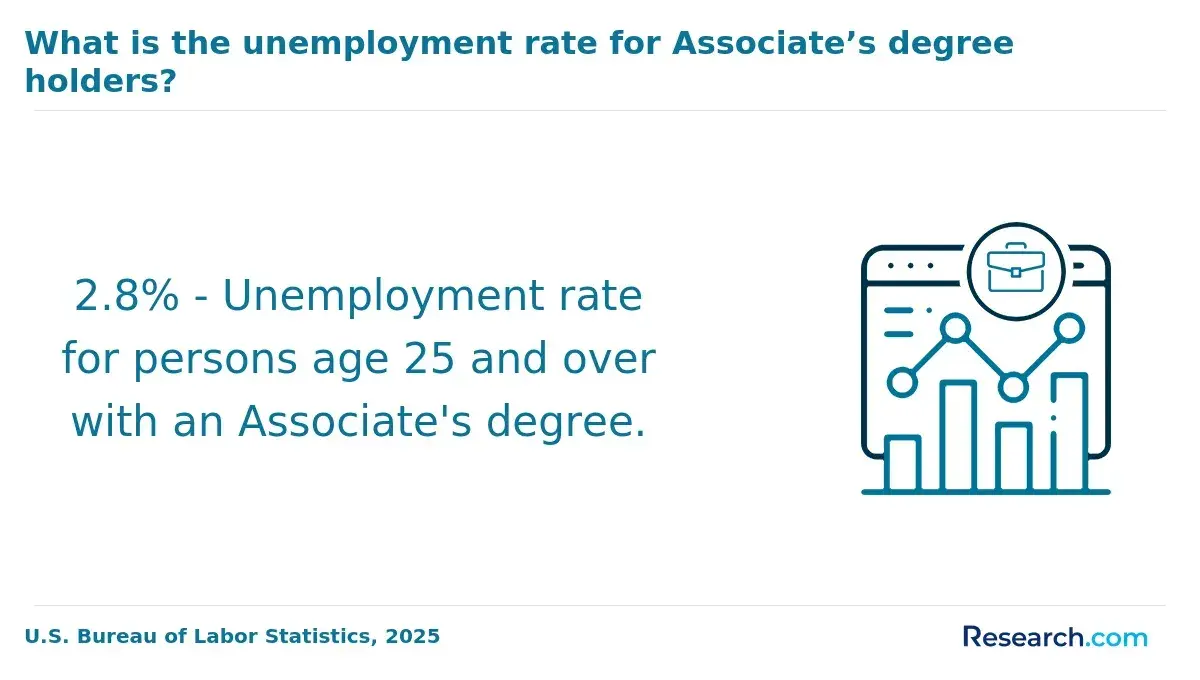
Evaluating the financial value of a creative writing degree becomes more insightful when comparing the pace of tuition increases against salary growth rather than analyzing each separately. According to 2024 data from the National Center for Education Statistics, average tuition at four-year institutions has risen about 3.8% annually over the past decade. Meanwhile, early-career salaries for creative writing graduates, based on figures from the U.S. Bureau of Labor Statistics and the National Association of Colleges and Employers, have increased by only about 1.5% per year, hovering between $35,000 and $45,000. This widening gap means that the cost of obtaining the degree outstrips the typical wage growth, making it increasingly difficult for graduates to manage their educational debt through earnings alone.
Consider a student who began a creative writing program five years ago, facing tuition increases higher than their anticipated salary gains. While the average mid-career salary rises to approximately $55,000 to $65,000, this boost often falls short of matching the compounded financial burdens caused by tuition inflation and associated living costs. Factors such as regional job markets, specific career paths within creative writing, and alternative income streams heavily influence how this cost-to-earning disparity impacts individual graduates. For some, a higher-paying role in publishing or academia might mitigate financial strain, whereas others focusing on freelance or teaching may see a more challenging return on investment.
One creative writing graduate recalls grappling with these conflicting forces after completing their degree. Initially excited about pursuing content writing, they faced hesitation when student loan repayments surged faster than their freelance income growth. The decision to supplement their income with related skills like editing and digital marketing emerged not from choice but necessity, highlighting how rising tuition and slow salary growth can pressure graduates into diversifying their career plans earlier than expected. This experience underscores how the financial equation tied to creative writing degrees is deeply personal and dependent on both evolving market conditions and pragmatic adaptation.
Does a Creative Writing Degree Deliver a Positive Return on Investment?
Return on investment (ROI) in higher education goes beyond initial salary figures to assess whether the cost of earning a degree aligns with long-term career prospects, earning growth, and professional development. For creative writing degrees, this calculation is particularly nuanced because median earnings often lag behind those in STEM or business fields. For example, a graduate with $40,000 in student loan debt pursuing a writing career earning a median salary near $50,000 might face a prolonged period before breaking even, especially as wage growth in related roles such as authors, editors, or content creators has largely plateaued amid rising inflation and living costs.
Several factors influence whether a creative writing degree achieves a positive ROI. Geographic location, supplemental income from freelance or adjunct work, and the ability to diversify skills into digital content or publishing significantly affect outcomes. Data from the Bureau of Labor Statistics 2024 indicate that without additional certifications or advanced degrees, many creative writing graduates earn modest incomes insufficient to quickly recoup educational expenses. Nevertheless, individuals who strategically expand their expertise or enter emerging digital markets tend to see improved financial returns. Ultimately, the ROI for creative writing varies widely, hinging on economic conditions and personal adaptability rather than guaranteed financial uplift.
Which Industries Offer the Highest Salaries for Creative Writing Graduates?
Choosing an industry after earning a creative writing degree involves carefully weighing long-term earning potential alongside personal interests and job stability. Data from the U.S. Bureau of Labor Statistics and the National Association of Colleges and Employers highlights key sectors where creative writing graduate salary by industry is notably strong. Graduates should consider not only median wages but also market demand and skill relevance when targeting the highest paying industries for creative writing careers. Below are industries that typically offer superior compensation and career opportunities for creative writing professionals.
- Technology Sector: Technology companies, especially in software, gaming, and multimedia, increasingly value creative writing skills for UX writing, content design, and scriptwriting roles. Median salaries here range roughly from $70,000 to $100,000, reflecting high demand for clear, engaging communication that enhances user experience. Advanced technical knowledge or familiarity with digital tools often boosts earning potential in this competitive field.
- Publishing and Media: Traditional media roles such as editors, content strategists, and technical writers continue to offer solid wages typically between $60,000 and $80,000, with senior positions exceeding $90,000. Success in this industry hinges on strong editorial skills, adaptability to digital formats, and an understanding of audience engagement.
- Advertising and Public Relations: Copywriters and brand strategists in prominent advertising and PR firms report median salaries near $65,000, with higher earnings linked to client portfolios and creative impact. The blend of marketing savvy and creative content development allows writers to command competitive pay.
- Higher Education and Nonprofits: While generally offering lower salaries ($45,000 to $60,000), these sectors provide rewarding work in grant writing, instructional design, and communications. Stability and mission-driven roles characterize these fields, but graduates must manage tradeoffs between compensation and job satisfaction.
- Financial and Legal Services: These industries are emerging as lucrative outlets for writers who specialize in compliance writing, technical documentation, and financial communications. High accuracy and sector-specific knowledge can push salaries above $75,000, attracting creative writing graduates with niche expertise.
- Corporate Communications: Large corporations require internal and external communication specialists to craft clear messaging for diverse stakeholders. Salaries often range from $60,000 to $90,000, boosted by skills in strategic storytelling and media relations.
- Blockchain and Fintech: An unconventional but growing area for creative writing graduates involves content creation and explanatory writing within fintech and blockchain industries. Innovative firms pay well for writers who can translate complex topics into accessible language, and interested students should consider programs like a blockchain degree to complement their writing skills.
Which States and Cities Offer the Highest Pay for Creative Writing Professionals?
Geographic location substantially impacts earning potential for creative writing graduates, with certain states and metropolitan areas consistently providing higher wages due to their unique industry ecosystems. While top salaries reflect strong publishing, media, and entertainment sectors, they often come paired with steep living costs that can erode disposable income. For example, a graduate targeting Los Angeles may secure a salary above $80,000 but face significant housing expenses that reduce net gains. Evaluating these tradeoffs is vital for realistic financial planning and long-term career sustainability. The following highlights key high-paying regions along with critical factors to consider before relocating.
- California - Los Angeles Metro: Fueled by Hollywood's dominance and a booming digital content scene, Los Angeles offers some of the nation's highest average salaries for writers. However, soaring housing prices and living expenses temper these advantages, challenging new writers to balance opportunity with affordability.
- New York - New York City: As a global publishing and media hub, NYC provides robust demand and competitive wages often exceeding national medians. The city's high cost of living demands careful budgeting, though extensive networking options can accelerate career growth.
- Massachusetts - Boston Area: Known for its literary heritage and prestigious educational institutions, Boston supports well-paying roles particularly in educational publishing and digital storytelling. While salaries are strong, local living costs are moderately high, necessitating strategic financial decisions.
- California - San Francisco Bay Area: Though salary levels here are competitive, escalating real estate prices often outpace income gains. New graduates should weigh potential earnings against the risk of living paycheck to paycheck in this high-demand tech and creative market.
- Texas - Austin: Emerging as a vibrant creative and tech center, Austin offers a more affordable cost of living combined with growing writing opportunities. This balance appeals to early-career professionals seeking viable income without overwhelming expenses.
- Washington - Seattle: Seattle's expanding tech industry and cultural investments have created new roles for creative writers, paired with a cost of living lower than coastal metros. Writers here can potentially enjoy a better quality of life relative to salary.
How Do Creative Writing Salaries Grow Throughout a Career?
Early career earnings for creative writers generally start modestly, with median salaries around $50,000 according to the 2024 U.S. Bureau of Labor Statistics. Initial roles often involve freelancing or part-time editorial work where income fluctuates and lacks stability. By mid-career, typically after five to ten years, wages tend to rise to $65,000-$75,000 as writers establish networks and secure more consistent contracts or salaried positions in publishing, academia, or media. The path upward is not linear for all; those who diversify into teaching, editing, or content creation often see steadier income growth than peers focused solely on writing projects.
At senior levels, earnings may reach $90,000 or higher, particularly for writers with recognized works or positions in major publishing houses and universities. Yet, competition and the gig economy limit widespread substantial increases, leaving some veterans with stagnant pay despite experience. Two graduates with the same creative writing degree may diverge: one pursues adjunct teaching and freelance editorial gigs, progressively boosting income and benefits; the other remains primarily a freelance author, encountering unpredictable earnings with slower financial growth. Long-term salary gains correlate strongly with expanding professional roles, continuous skill development, and strategic networking rather than relying solely on literary output.
One creative writing graduate recalls feeling uncertain after finishing school, hesitant about supplementing writing with teaching amid mounting student debt. Over time, they balanced adjunct professor roles with editorial freelancing, steadily raising income despite initial doubts. This blend not only eased financial stress but built valuable connections, illustrating how adaptability and widening professional involvement often determine whether creative writing salaries truly grow throughout a career.
How Do Creative Writing Salaries Compare With Similar Degrees?
Graduates with creative writing degrees generally start with salaries lower than those of many related fields, a reality that reflects the income patterns typical to creative industries. According to the U.S. Bureau of Labor Statistics and the National Association of Colleges and Employers, new creative writing graduates earn median salaries typically ranging from $40,000 to $45,000 annually. This is notably less than some peers in similar liberal arts disciplines, where early-career pay can offer a modest premium. For students weighing creative writing salary comparison with similar degrees, it's crucial to consider career trajectories and industry norms rather than just entry-level figures.
Below is a comparison of median salaries and career contexts for graduates in creative writing versus related majors, highlighting the significant factors behind these differences:
- English Literature: English graduates generally see slightly higher starting salaries, around $47,000, as they often pursue roles in education, publishing, or management. Their broader academic scope can provide entry into administrative and consultancy positions, which support steady wage growth over time.
- Journalism: Journalism majors tend to have median salaries between $43,000 and $50,000, influenced by rapid changes in media industries. Jobs in news, reporting, and digital media can be more competitive but may offer faster salary increases with experience.
- Communications: Graduates with communications degrees often benefit from diverse job opportunities in corporate communications, advertising, and public relations, which typically start on the higher end of the $43,000-$50,000 salary range. The practical marketing skills acquired can accelerate progression into lucrative roles.
- Creative Writing: Although starting salaries are generally lower, around $40,000 to $45,000, creative writing skills are highly transferable to marketing, content creation, and media industries where experienced professionals can see substantial salary growth. Some alumni navigate to higher-paying sectors, demonstrating the degree's potential beyond initial pay.
Understanding how creative writing wages stack up against related majors helps prospective students set realistic expectations. For example, a recent graduate might choose creative writing for its storytelling strengths while planning to supplement earnings through related roles or advanced study, such as pursuing an online masters clinical psychology. Rising tuition and inflation highlight the importance of aligning these decisions with long-term career and financial goals.
How Is Employer Demand Affecting Creative Writing Salary Trends?
Employer demand has a direct and nuanced impact on creative writing salary trends by shaping the balance between job openings and qualified candidates. The U.S. Bureau of Labor Statistics projects a modest 4% growth in roles for writers and authors through 2032, which slows hiring activity relative to many other fields. In a real-world scenario, a recent graduate with a creative writing degree faces competition in a market where supply often outstrips demand, limiting the ability of employers to offer higher wages. This dynamic reinforces stagnant or slow wage growth even as living costs and tuition fees rise, challenging graduates to find pathways that sustain or improve their earning potential over time. This illustrates how employer demand impacts salary by influencing competition levels and compensation strategies within a constrained job market.
A major factor shaping employer demand is the increasing preference for multi-skilled writers who combine creative writing with technical expertise, digital media, or marketing skills. This shifts employer demand away from pure creative writing roles and toward adaptable professionals who can contribute across platforms, offering stronger salary prospects but also raising entry barriers. Experience, specialization, and economic conditions further modulate salary trends, demonstrating why rising employer demand alone does not guarantee faster wage growth. For students considering financial outcomes, it's essential to evaluate how skill diversification might alter their position in the job market. Those exploring adjacent fields may also benefit from resources like data analytics masters programs to develop complementary capabilities that enhance salary opportunities in evolving creative industries.
Employer demand impact on creative writing salaries reflects broader creative writing job market trends and wages that remain tempered by supply and shifting employer priorities. While strong demand can boost wages, many creative writing professionals must navigate a competitive landscape where traditional salary gains are modest. Understanding these factors enables more strategic career and education decisions aligned with real-world labor market conditions.
How Can Students Maximize Their Lifetime Earnings With a Creative Writing Degree?
Maximizing lifetime earnings with a creative writing degree requires strategic skill-building and deliberate career planning. Data from the U.S. Bureau of Labor Statistics and the National Association of Colleges and Employers show that combining creative writing with business or technical skills leads to stronger salary growth. For instance, a graduate who pairs storytelling ability with digital marketing expertise can access higher-paying roles in content strategy or advertising. Below are key strategies that leverage these insights to enhance earning potential over time.
- Skill Diversification: Supplement creative writing with digital media, SEO, or data analytics training to increase versatility and open access to higher-paying industries like marketing and corporate communications.
- Industry Specialization: Focus on niches such as screenwriting, video game narrative design, or technical communication where storytelling skills command premium wages due to specialized demand.
- Practical Experience: Engage in internships and collaborative projects during college, as these boost the chance of securing well-paid roles early in one's career, according to the Creative Writing Alumni Network's 2024 survey.
- Networking: Build professional relationships within creative and business communities to uncover freelance, entrepreneurial, and full-time opportunities that accelerate income growth.
- Portfolio Development: Maintain a diverse portfolio showcasing writing across multiple media to demonstrate adaptability and business acumen to prospective employers.
- Continuous Learning: Pursue certifications or workshops in emerging tools related to multimedia production and communication, ensuring skills stay relevant in evolving markets.
References
- Creative Writing Degree: Is It Worth It in 2026? | Chapter Blog https://blog.chapter.pub/creative-writing-degree/
- Do increases in public sector wages affect inflation? :: Public Sector Economics https://www.pse-journal.hr/en/archive/do-increases-in-public-sector-wages-affect-inflation_13377/
- Studying creative writing: How much are you willing to pay? — Kill Your Darlings https://www.killyourdarlings.com.au/article/studying-creative-writing-how-much-are-you-willing-to-pay/
- Has pay kept up with inflation? - The Hamilton Project https://www.hamiltonproject.org/data/has-pay-kept-up-with-inflation/
- What Can You Do With a Creative Writing Degree? 10 Careers That Pay You to Write | Extern https://www.extern.com/post/what-can-you-do-with-a-creative-writing-degree-career-guide
- Medical Writer Career Path UK 2026 | PharmaLink Academy https://www.pharmalinkacademy.co.uk/blog/medical-writer-career-path-uk
- Creative Industries 2025 Salary Census | Major Players https://www.majorplayers.co/en/the-creative-industries-census
- Is College Worth It? A Comprehensive Return on Investment Analysis - FREOPP https://freopp.org/whitepapers/is-college-worth-it-a-comprehensive-return-on-investment-analysis/
- Creative Writer https://aiapply.co/salaries/creative-writer
- Creative Writers Career Guide: Salary, Skills, Education & Outlook https://www.assessment.com/arts-and-design-careers/creative-writers
Other Things You Should Know About Creative Writing
Yes, prioritizing programs that offer robust career services can substantially affect long-term earning potential even when salary growth is slow. Programs with active internship placements, alumni networks, and industry connections enhance job readiness and open doors to higher-paying opportunities. Since wages in creative writing often lag behind tuition and inflation, leveraging such non-academic support becomes critical for improving career outcomes and managing financial risk.
Students in creative writing programs face an unusual balance because the discipline demands significant time for producing quality work, workshops, and peer critique. This workload limits the feasibility of working extensive hours during school, reducing the ability to offset tuition debt through part-time jobs. Prospective students should account for this tradeoff by planning finances carefully or choosing programs with flexible scheduling or online components to maintain some income flow.
Given the slow wage growth in creative writing-focused roles, students benefit from intentionally building complementary skills like digital content creation, editing, or marketing. These adjacent competencies increase employability in broader writing-related fields and provide buffers against stagnant salary trends in core creative writing jobs. It is pragmatic to view creative writing as part of a wider professional portfolio rather than a standalone path in today's competitive and inflationary job market.
Evidence suggests that prestige alone rarely translates into higher salaries or stronger returns in creative writing careers. Programs with higher tuition but limited professional integration impose greater financial risk without adequately compensating benefits. Prospective students should weigh program costs against concrete career support, real-world publishing or employment success, and alumni outcomes rather than prestige signals alone to avoid compounding financial strain in an already challenging salary environment.