2027 Creative Writing Degree Popularity by Gender, Region, and Degree Level

Co-Founder and Chief Data Scientist
A student researching creative writing programs notices a striking regional disparity: institutions in the Northeast report a 35% higher enrollment in bachelor's creative writing degrees compared to the South. This uneven demand shapes peer networks and perceived program prestige, influencing access to industry connections and internships. Meanwhile, a recent 2024 DOE dataset reveals that female students represent nearly 70% of all creative writing enrollees nationally, a factor that can affect classroom dynamics and departmental resources. Understanding these patterns is crucial, as they reflect more than mere popularity-they impact educational quality, workforce pathways, and the practical value of specific degrees.
This article examines creative writing degree popularity by gender, region, and degree level to clarify these dynamics and aid informed decisions on educational and career pathways.
Key Things to Know About Creative Writing Degree Popularity by Gender, Region, and Degree Level
- Women comprise over 65% of creative writing degree enrollments in 2024, reflecting a gender imbalance that may influence employer expectations around communication skills versus technical proficiency in hiring.
- Creative writing programs show highest enrollment in urban Northeast and West Coast regions, indicating stronger academic networks but also increased tuition costs, impacting cost-sensitive students' access.
- Graduate-level creative writing enrollment rose 12% since 2022, revealing an emphasis on advanced specialization that may delay workforce entry and increase cumulative education expenses for students.
- Key Things to Know About Creative Writing Degree Popularity by Gender, Region, and Degree Level Key Things to Know About Creative Writing Degree Popularity by Gender, Region, and Degree Level
- How Does Job Market Demand Influence Creative Writing Degree Popularity? Market Demand and Degree Popularity
- How Does Online Creative Writing Degree Enrollment Compare to Traditional Campus Programs? Online vs. Campus Enrollment
- What Degree Level Is Most Common Among Creative Writing Students? Most Common Degree Levels
- How Do Enrollment Trends Differ Between Associate, Bachelor's, Master's, and Doctoral Creative Writing Degrees? Enrollment Trends by Degree Level
- How Popular Is the Creative Writing Degree Compared to Other College Majors? Degree Popularity vs. Other Majors
- Why Is the Creative Writing Degree More Popular in Certain States and Regions? Regional Popularity Drivers
- What Demographic Groups Are Driving Growth in Creative Writing Degree Programs? Growth by Demographic Groups
- What Is the Future Outlook for Creative Writing Degree Enrollment by Gender, Region, and Degree Level? What Is the Future Outlook for Creative Writing Degree Enrollment by Gender, Region, and Degree Level?
- How Have Creative Writing Degree Enrollment Trends Changed Over the Past Decade? How Have Creative Writing Degree Enrollment Trends Changed Over the Past Decade?
- Where Is the Creative Writing Degree Most Popular Across the United States? Geographic Popularity Analysis
How Does Job Market Demand Influence Creative Writing Degree Popularity?
The influence of job market demand on creative writing degree popularity is often indirect, reflecting nuanced regional and occupational variations rather than sweeping national trends. For example, urban areas with concentrated media and cultural sectors-such as New York City or Los Angeles-tend to see stronger enrollment due to visible career pathways in publishing, advertising, and digital content creation. This regional job opportunity dynamic influences creative writing degree enrollment trends by encouraging prospective students in these hubs to pursue academic credentials aligned with evolving employer expectations around multimedia storytelling and technical communication.
Labor market signals also interact with degree level and gender participation in complex ways. While employment growth for writers is moderate, the minimal formal credential requirements mean that many students, including a disproportionately higher number of women, enroll driven by passion or cultural motivation rather than direct hiring demand. Graduate-level enrollment may reflect a strategic attempt to build portfolios and specialized skills that matter more to employers than the degree itself, particularly in competitive metropolitan job markets. As students weigh the long-term relevance of their creative writing education, it is crucial to recognize that practical employment considerations vary widely across regions and that labor market demand alone often does not explain differences in program popularity.
For those evaluating the relative economic viability of advanced study, tapping into data from trusted sources can clarify potential returns. While official projections indicate steady but unspectacular job growth for creative writing-related roles, some programs respond by highlighting emerging content niches or interdisciplinary pathways. Prospective students might also consider more cost-effective options when researching their academic plans, such as exploring the most affordable doctoral programs, which can influence investment decisions when job markets remain uncertain. Ultimately, a realistic understanding of workforce shortages, credential preferences, and regional economic conditions is essential for making informed decisions about creative writing degrees across gender, region, and degree level.
How Does Online Creative Writing Degree Enrollment Compare to Traditional Campus Programs?
Online creative writing degree programs have notably shifted the demographic composition of enrollees, drawing in a larger proportion of non-traditional students-typically adults over 25 pursuing either career changes or continued education. According to 2024 data from the National Center for Education Statistics, nearly half of U.S. creative writing students are now enrolled fully online, a 30% increase since 2019. This growth in online participation largely reflects the modality's appeal to learners managing work, family, or geographic constraints, especially in rural regions underserved by campus offerings. In contrast, traditional campus programs remain more attractive to younger, recent high school graduates seeking immersive, collaborative environments that foster face-to-face mentorship and peer interaction, contributing to distinct participation trends between the formats.
Despite comparable degree recognition across modalities, completion rates differ, with online programs exhibiting roughly 12% lower graduation rates as reported by the Council on Higher Education Accreditation in 2024. These disparities suggest that prospective students focused on intensive mentorship or hands-on guidance may find campus programs better suited to their needs, while those prioritizing flexibility should carefully consider self-discipline challenges inherent in asynchronous learning. Employers generally regard degree completion as essential regardless of delivery mode but frequently emphasize demonstrated writing skill and portfolio quality over how the degree was earned. Consequently, the choice between online and traditional routes affects not only access and convenience but also the nature of academic support and community engagement experienced by creative writing students.
A mid-career creative writing student from a small rural town recounted weighing options between a local community college's campus program and a fully online bachelor's degree offered by a university several states away. Limited course availability and inflexible class schedules at the local campus made the online program more appealing despite initial skepticism about online learning quality and fewer chances for in-person workshops. She found that while the online format provided essential flexibility around her work hours, building a sense of peer connection required extra effort through virtual forums. Her experience highlights how geographic and scheduling constraints increasingly drive enrollment into online creative writing degrees, even as some students remain cautious about replicating the traditional campus experience virtually.
What Degree Level Is Most Common Among Creative Writing Students?
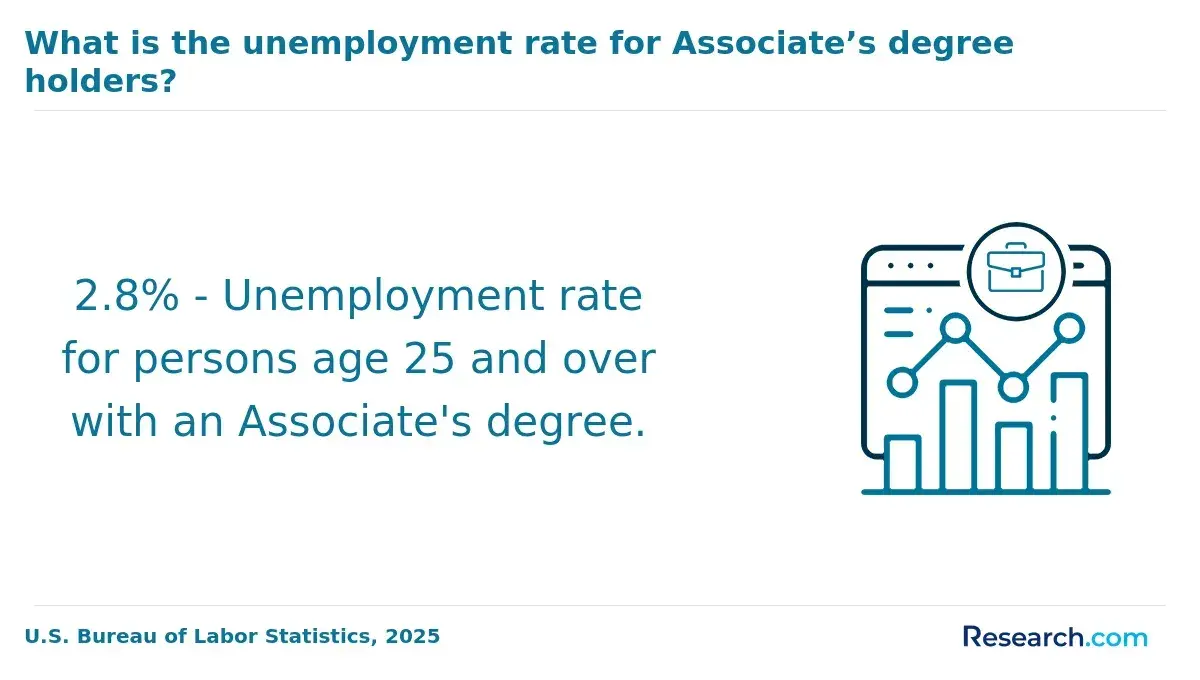
The bachelor's degree dominates creative writing education, representing about 65% of degree completions according to the National Center for Education Statistics data from 2023-2024. This prevalence is largely driven by the degree's accessibility through numerous institutions nationwide, including expanding online options, and its alignment with entry-level qualifications sought by employers in media, publishing, and education. Compared to associate degrees, which often function as transfer stepping stones or cost-conscious alternatives without strong ties to professional creative writing careers, the bachelor's degree offers a more recognized credential that balances time commitment and career flexibility.
Graduate degrees-master's and doctoral-comprise roughly 30% of completions but serve markedly different student aims. Master's programs cater primarily to those targeting specialized roles, academic appointments, or advanced literary study, demanding a longer investment and often leading to narrower but deeper career paths. Doctoral creative writing degrees remain rare and institutionally limited, mostly found at research universities with hybrid models, making them less accessible and lower in overall demand. This distribution reflects practical tradeoffs prospective students weigh: bachelor's degrees provide broader workforce entry points, while graduate credentials cater to focused professional or academic trajectories that require more time and financial resources.
How Do Enrollment Trends Differ Between Associate, Bachelor's, Master's, and Doctoral Creative Writing Degrees?
Enrollment trends within creative writing degree programs reveal sharp contrasts in student intent and institutional emphasis across degree levels. Associate degrees in this field typically attract individuals aiming for foundational skills and quicker workforce entry, often in support roles within publishing or communications, reflecting the practical tradeoff of limited depth for accessibility. Bachelor's programs dominate enrollment, with a 15% rise in completions reported by the National Center for Education Statistics (NCES, 2024), driven largely by expanded offerings and strong demand, particularly among women concentrated on the Northeast and West Coast. These patterns highlight how bachelor's degrees serve as the primary credential for those seeking broader creative career opportunities despite ongoing gender imbalances and regional disparities.
Master's programs show slower growth and attract candidates focused on deeper specialization, including teaching or advanced artistic development, balancing gender more evenly than bachelor's levels. However, rising tuition and shifting workforce demands temper some regional enrollments, emphasizing the need for prospective students to weigh costs against career goals. Doctoral creative writing enrollments remain minimal and heavily concentrated in research universities, targeting individuals pursuing academia or literary scholarship rather than industry roles. Those considering graduate pathways must navigate these enrollment realities thoughtfully, situating their choices within the context of regional trends in creative writing graduate programs, institutional selectivity, and long-term career prospects. For those assessing educational planning, examining how degree level correlates with professional outcomes-including a review of options such as cybersecurity graduate programs-can sharpen decision-making toward practical value.
How Popular Is the Creative Writing Degree Compared to Other College Majors?
The relative popularity of a creative writing degree highlights its niche position within the broader college major landscape rather than signaling mass-market appeal or widespread career pathways. Despite national data from the National Center for Education Statistics showing approximately 4,500 bachelor's degrees conferred in creative writing in 2023, this figure remains modest compared to leading fields like business or psychology, which award degrees by the hundreds of thousands. This disparity reflects practical labor market realities where creative writing graduates face a more competitive and less defined employment trajectory, influencing enrollment trends and limiting program growth.
At the graduate level, creative writing retains steady but selective interest, particularly for Master of Fine Arts programs, which have seen slight enrollment increases according to Integrated Postsecondary Education Data System records. However, overall cohort sizes remain small compared to professional or STEM master's programs, underlining how creative writing appeals primarily to a specialized student segment often concentrated in urban regions with rich literary communities, including New York and California. The degree's gender demographics reveal a pronounced female majority, consistent with humanities fields, which may affect peer networks and program culture but do not necessarily translate into broader workforce penetration.
One former student recalled noticing the small class sizes and fewer peer options when choosing creative writing compared to friends pursuing nursing or education. Academic advisors candidly discussed the uncertain job landscape and cautioned about the degree's limited popularity and regional concentration, prompting the student to weigh passion for literary arts against pragmatic considerations. This helped frame creative writing not just as a common academic choice but as a specialized path requiring deliberate commitment amidst a competitive and evolving market.
Why Is the Creative Writing Degree More Popular in Certain States and Regions?
Creative writing degree popularity varies not only by student interest but also due to the interplay of local industry presence, institutional offerings, and demographic dynamics. States like California and New York, which host major publishing hubs and media companies, present tangible networking and employment opportunities that make these degrees more attractive and valuable regionally. Conversely, areas with fewer creative economy employers, despite having low enrollment, offer limited practical pathways, which shapes student decisions regarding where to study and work. This geographic clustering impacts perceptions of degree value, as graduates from cultural centers benefit from stronger local ecosystems that support career entry and progression.
Regional educational infrastructure further skews creative writing degree popularity by state; for example, Texas and Illinois attract students nationally due to established MFA programs and supportive state policies. Meanwhile, the rise of online education has begun to redistribute enrollments but remains affected by state-specific tuition and financial aid rules that influence accessibility for out-of-state learners. These factors cause prospective students to weigh program availability against affordability and career prospects, often prompting consideration of alternative credentials such as a lMFT online program when practical concerns override purely academic interests.
Demographics also influence regional demand for creative writing programs, as younger and culturally diverse populations in metropolitan areas like Seattle and Atlanta contribute to incremental enrollment growth despite slower workforce expansion in related fields compared to STEM. This complex landscape requires students and graduates to carefully assess how regional demand and employer expectations will affect the long-term usefulness of their creative writing degree. The uneven distribution of such programs thus reflects broader economic and cultural priorities, revealing meaningful tradeoffs between educational access, career viability, and geographic mobility.
What Demographic Groups Are Driving Growth in Creative Writing Degree Programs?
The dominance of women in creative writing degree programs, which comprises about 70% of enrollments, reflects deeper workforce and cultural dynamics that influence student choices and classroom cultures. This gender skew can shape peer interactions and the thematic focus of creative projects, potentially reinforcing certain literary traditions while limiting diverse perspectives. For prospective students and educators, understanding this helps highlight the importance of intentional recruitment and support strategies to maintain varied voices and address industry demands for broader representational storytelling skills.
Regionally, enrollment growth is strongest in the South and West of the United States, driven largely by expanded access to online and hybrid learning models. This trend illustrates how technological adoption and flexible delivery methods increase participation from students who might otherwise be restricted by geographic or work-life constraints, especially adult learners aged 25 and older who are growing at a 10% annual pace in these programs. The rising presence of Hispanic and Asian American students further emphasizes how shifting demographics and targeted institutional support are gradually diversifying the creative writing pipeline, with noteworthy implications for how curricula and peer networks evolve to meet multicultural and interdisciplinary career goals.
At the graduate level, particularly in MFA tracks, increased enrollment of international and career-focused students signals a pivot toward applied writing disciplines such as digital media, content creation, and interdisciplinary practice. This evolution reflects employer preferences for writing skills that combine creative expression with marketable competencies, underscoring the tradeoff between purely artistic training and career-oriented flexibility. For current and prospective students, weighing these program emphases against personal and professional objectives is crucial, as the expanding demographic shifts reshape not only enrollment but also program design and graduate employability profiles.
What Is the Future Outlook for Creative Writing Degree Enrollment by Gender, Region, and Degree Level?
Creative writing degree enrollment is expected to shift considerably due to evolving demographics and regional educational investments, with master's-level programs poised for the strongest growth. Female undergraduate enrollment is projected to maintain a roughly 3:1 ratio over males, though this disparity may narrow as increasing numbers of male students integrate creative writing with interdisciplinary literary and communication fields. Meanwhile, institutional expansions in the South and West-particularly states like Texas and California-reflect underlying population growth and targeted support for creative industries, shaping regional enrollment patterns and program availability.
The rise of online and hybrid course formats further alters enrollment dynamics by broadening access for nontraditional students, including working adults seeking flexible learning schedules. This trend underpins a 6% annual increase in graduate humanities enrollment, according to the Council of Graduate Schools, signaling a practical advantage in accessibility and specialization for master's students. Conversely, bachelor's degree enrollment in creative writing may plateau or decline slightly, as student preference shifts toward STEM and vocational degrees that align more directly with labor market demands. These developments imply that prospective students must weigh degree level, geographic location, and program delivery mode carefully against their career objectives and the realities of employer expectations.
As creative writing continues to be valued primarily for its complementary skill set in communication and critical thinking rather than as a direct vocational credential, educators and learners face ongoing challenges adapting curricula to digital content trends and storytelling demands. Understanding these enrollment shifts is crucial for current students and graduates examining opportunities within changing market landscapes and for workforce analysts assessing the long-term viability and reach of creative writing credentials across the United States.
How Have Creative Writing Degree Enrollment Trends Changed Over the Past Decade?
The decade-long rise in creative writing degree enrollment, marked by a 25% increase in bachelor's completions, signals a shifting academic landscape where program accessibility and demographic composition shape student choices more than ever. Female students, consistently representing around 70% of graduates, highlight persistent gender disparities that reflect broader humanities trends rather than changes specific to this field. This gender dynamic influences how programs design curricula and support services, which has practical implications for recruitment and retention strategies as well as for graduates navigating a competitive job market often decoupled from their specialization.
Regional distinctions also sharply affect creative writing degree enrollment trends, with public institutions in the Northeast and West Coast outperforming counterparts in the Midwest and South-not only in completions but also in program availability and quality. These areas benefit from denser literary communities and stronger cultural investments, factors that elevate student demand and contribute to vibrant local employment ecosystems. Meanwhile, the expansion of online and hybrid formats has broadened access, enabling nontraditional students to pursue these degrees through flexible learning options, a development important enough to appear amid lists of non profit universities in USA.
Such enrollment shifts are not merely numeric but affect perceptions of the creative writing degree's practical value and relevance. Despite increased participation, employment growth in writing-specific roles remains limited, prompting many students to weigh the degree's educational merits against constrained career outcomes. Understanding these enrollment patterns alongside workforce realities offers critical insight for prospective students, current enrollees, and workforce analysts evaluating the long-term implications of choosing creative writing as a field of study in the United States.
Where Is the Creative Writing Degree Most Popular Across the United States?
The popularity of creative writing degrees across the United States clusters in states with robust educational infrastructures and active industry ecosystems rather than dispersing evenly nationwide. This geographic concentration reflects how access to prestigious institutions and proximity to cultural industries shape where students pursue creative writing. For example, states with dense university networks also offer richer networking opportunities and visibility for graduates, which ultimately affect long-term career prospects. These patterns suggest that while demand exists broadly, the perception of degree value and practical connections to creative sectors are stronger in specific regions.
Top states for creative writing degree enrollment typically combine metropolitan cultural hubs with established academic programs, reinforcing regional workforce needs in publishing, media, and arts administration. The interaction between enrollment patterns and local economies means students in less concentrated areas may face limited program options and fewer employment pathways directly aligned with their degrees. Demographic differences also influence participation, as urban centers with diverse populations tend to attract more creative writing candidates, highlighting how population trends intersect with educational access. Prospective students should weigh these regional nuances carefully, especially when comparing program quality and post-graduate opportunities.
National data from the National Center for Education Statistics underscores these trends, showing that states like California and New York lead due to their institutional density and cultural industries, while more rural areas see lower enrollment rates. These realities emphasize the importance of selecting programs that align not just with academic goals but also with regional career markets. For learners exploring flexible options, the best online master's for teaching may provide alternate pathways to blend creative and instructional skills, especially when local creative writing opportunities are limited.
References:
- English Studies in numbers: data on student enrolment and trends | The English Association https://englishassociation.ac.uk/english-studies-in-numbers-data-on-student-enrolment-and-trends/
- Degrees Explained: A Guide to College Degrees https://ingeniusprep.com/blog/degrees-explained-a-guide-to-college-degrees/
- The End of the English Major https://www.newyorker.com/magazine/2023/03/06/the-end-of-the-english-major
- What You Need to Know About Majoring in Creative Writing | by Li Charmaine Anne | The Writing Cooperative https://writingcooperative.com/what-you-need-to-know-about-majoring-in-creative-writing-44bc743dcd4f
- Types of College Degrees https://www.act.org/content/act/en/students-and-parents/high-school-success/what-to-do-after-high-school/college-degrees.html
- Creative Writing, Cultural Capital and the Labour Market https://australianhumanitiesreview.org/2012/11/01/creative-writing-cultural-capital-and-the-labour-market/
- How can we make bachelor’s degrees worth it for students? — Discourse https://discoursemedia.org/the-best-creative-writing-colleges-and-programs
- Creative Writing is More Than Just Writing Creatively https://www.asuprepdigital.org/student_blog/creative-writing-is-more-than-just-writing-creatively/
- Did the decade-long enrollment decline turn around? https://bryanalexander.org/enrollment/did-the-decade-long-enrollment-decline-turn-around/
- Demand booming on college campuses for creative writing https://apnews.com/general-news-286ad20c060f4e57b545d1dcd5793c44
Other Things You Should Know About Creative Writing
Gender disparities in creative writing degree enrollment can reflect varying peer and mentorship dynamics, which may impact your learning experience. Programs with higher enrollment of your gender might offer stronger support networks but could also mean less diversity in perspectives and critique. Prioritize programs that actively foster inclusive environments and balanced representation, as these conditions better prepare students for diverse professional settings beyond academia.
Regional variations often influence the thematic focus and available resources in creative writing programs. For example, coastal regions may emphasize contemporary and experimental approaches, while Midwest or Southern programs might center on traditional narrative forms and regional storytelling. Choosing a program aligned with your creative goals matters more than prestige alone, as regional flavor affects workshops, faculty expertise, and networking opportunities relevant to your intended career path.
Higher degree levels typically demand deeper theoretical engagement and substantial original work, increasing workload and time commitment. Master's and doctoral programs emphasize research and critical analysis alongside writing, which can delay entry into the workforce but may open doors to academic careers or specialized publishing roles. If immediate employability and practical writing skills are priorities, a bachelor's degree often offers a better balance, while advanced degrees favor those targeting teaching positions or literary scholarship.
In regions with fewer creative writing choices, the curriculum's alignment with your career objectives should outweigh program reputation. A highly reputed program that doesn't emphasize your preferred genres or professional preparation may hinder your practical development. Opt for programs with a clear, transparent curriculum and faculty expertise matching your goals, as this focus is more directly tied to refining skills and building relevant industry connections than brand recognition alone.