2027 Creative Writing Career Outcomes by Degree Level Report: Pay, Employment, and Advancement Patterns

Co-Founder and Chief Data Scientist
Choosing the right degree level for a creative writing program poses significant challenges, particularly when trying to predict long-term career success. Recent 2024 data reveals that employment rates vary notably between associate, bachelor's, and graduate degree holders, highlighting disparities in job market access and advancement potential. These differences shape graduates' ability to navigate competitive fields where pay often correlates with degree attainment and experience.
For working professionals or transfer students balancing costs and outcomes, understanding these nuanced patterns is critical. This article examines pay, employment, and advancement trends across degree levels to help readers make informed decisions about their creative writing education pathways.
Key Things to Know About Creative Writing Career Outcomes by Degree Level
- Employers prioritize bachelor's degrees for most entry-level creative writing roles, reflecting a workforce preference for foundational literary skills over shorter credentials, which limits job-market access for associate holders.
- Advanced degrees like master's enhance leadership and editorial advancement but do not guarantee broader opportunities, signaling a credential plateau where practical experience often outweighs additional credentials.
- Longer degree paths incur higher costs and delayed entry into the labor market, making certificate programs appealing for timely skill credentialing despite offering narrower advancement potential in competitive creative fields.
- Key Things to Know About Creative Writing Career Outcomes by Degree Level Key Things to Know About Creative Writing Career Outcomes by Degree Level
- What Career Outcomes Can Students Expect From Each Creative Writing Degree Level? Career Outcomes by Degree
- How Much Do Creative Writing Graduates Earn by Degree Level? Salary by Degree Level
- Which Creative Writing Degree Level Offers the Strongest Employment Prospects? Best Degrees for Employment
- What Entry-Level Jobs Can You Get With a Creative Writing Degree? Entry-Level Career Opportunities
- How Do Creative Writing Degree Levels Affect Career Advancement and Promotion Opportunities? Career Growth by Degree
- Is a Creative Writing Degree Worth It Based on Salary, Employment, and ROI? Salary, ROI, and Value
- How Do Associate, Bachelor's, Master's, and Doctoral Creative Writing Degrees Compare? Comparing Degree Levels
- Which Industries and Employers Hire Creative Writing Graduates by Degree Level? Which Industries and Employers Hire Creative Writing Graduates by Degree Level?
- What Skills, Credentials, and Experience Improve Creative Writing Career Outcomes? What Skills, Credentials, and Experience Improve Creative Writing Career Outcomes?
- Which Creative Writing Degree Level Is Best for Your Career Goals? Choosing the Right Degree
What Career Outcomes Can Students Expect From Each Creative Writing Degree Level?
Career outcomes for creative writing degree holders differ markedly by credential level, influencing both employment accessibility and long-term mobility. Associate and certificate credentials often serve as pragmatic entry points, equipping students for support roles such as editorial assistants or content contributors, though these positions generally lack pathways to leadership and may involve slower wage progression. Bachelor's degrees deliver broader employability across journalism, publishing, and digital content fields, backed by stronger role preparedness through internships and portfolio development. For example, a working adult who begins with an associate degree can leverage transfer pathways toward a bachelor's, aligning time investment with expanding opportunity, but must weigh the short-term benefits of immediate entry-level work against the restricted advancement typical of lower credentials, reflecting industry data indicating employer preference for bachelor's-level candidates to ensure credential-driven job stability.
Graduate degrees in creative writing unlock advanced roles and specialized career tracks, including creative director positions, senior editorial roles, and academic tenure paths that require research acumen and publication history. Master's and doctoral credentials also align with higher earning potential and leadership readiness, though they represent a more substantial time and credit commitment, which should be evaluated alongside personal and professional goals. This is particularly relevant for military-affiliated students or working professionals planning their educational trajectory to maximize return on investment.
Understanding how each degree level impacts career path differentiation is critical; the labor market favors higher credentials for upward mobility, while those focused on shorter-term employment gains may prefer the flexibility of lower-degree credentials. Adult learners interested in balancing both horizons should consider fast track MSW programs online for expedient credentialing that reflects similar tradeoffs in related creative and professional fields.
How Much Do Creative Writing Graduates Earn by Degree Level?
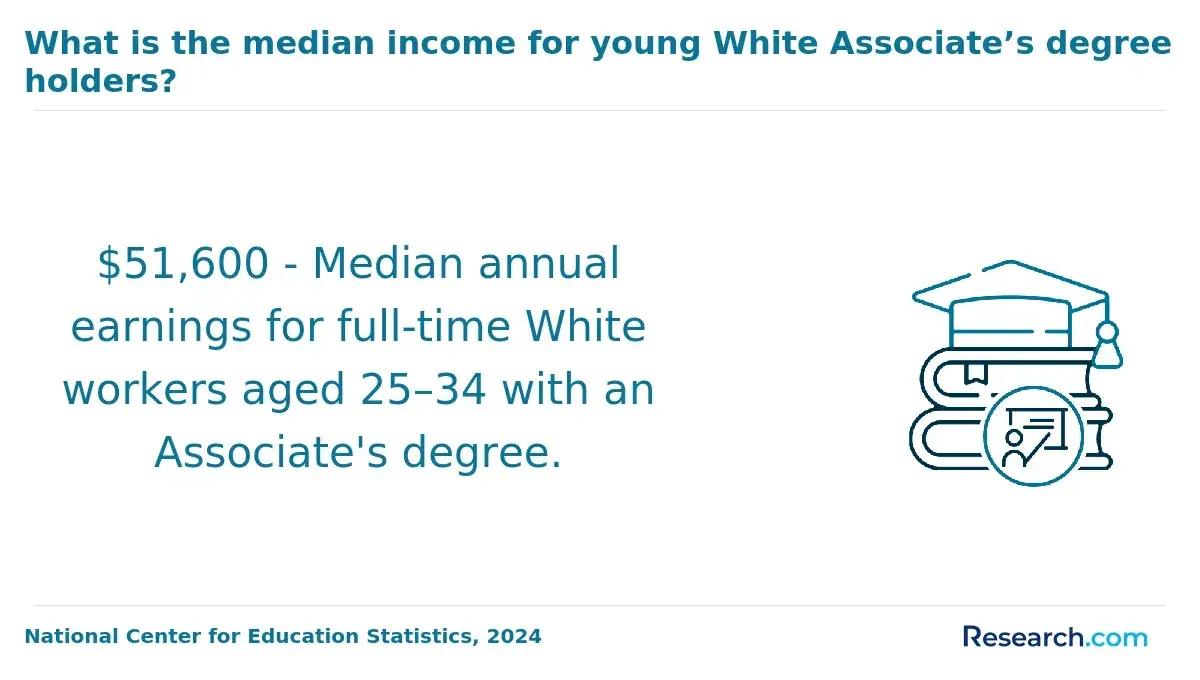
Creative writing graduates' earnings differ notably by degree level, but these differences do not exist in isolation from employment conditions, regional factors, and role expectations. Bachelor's degree holders often see median annual wages near $50,000 to $55,000, reflecting their access to more stable editorial or professional writing positions compared to associate degree or certificate holders, whose earnings generally fall below $40,000. Higher degrees like master's or doctorates may push median incomes past $65,000, but this premium frequently accompanies more competitive hiring environments and job roles demanding research skills or teaching experience, which can extend time and financial investment before payoffs materialize. Adult learners and working professionals should evaluate whether the incremental income justifies the cost and duration of advanced study, especially when transfer credits and full-time work obligations impact completion timelines and career momentum.
Employment type also influences how earnings translate into longer-term career benefits. Those with lower-level credentials often rely on freelance or contract writing with fluctuating income and fewer advancement pathways, whereas graduates holding bachelor's or postgraduate degrees tend to secure full-time roles that offer clearer trajectories for salary growth and professional development within institutional settings. Geographic market differences matter as well; urban publishing centers may offer higher wages but also require consideration of higher living expenses. The gap between advertised salaries and typical early-career earnings can be substantial, underscoring the need for realistic expectations and a strategic approach to stacking credentials alongside tangible experience and professional networks.
One graduate initially pursued an associate degree seeking a quick entry into writing but found local job listings prioritized bachelor's degrees for steady editorial positions. After weighing the modest salary gains against additional tuition and time needed to complete a bachelor's, they chose to transfer credits and enroll part-time, balancing work and study to avoid income disruption. Conversations with employers revealed that advanced degrees weren't universally required, but holding a bachelor's opened doors to more stable roles. This experience highlighted the importance of matching educational investments to practical job market conditions rather than assuming linear pay increases with every credential level.
Which Creative Writing Degree Level Offers the Strongest Employment Prospects?
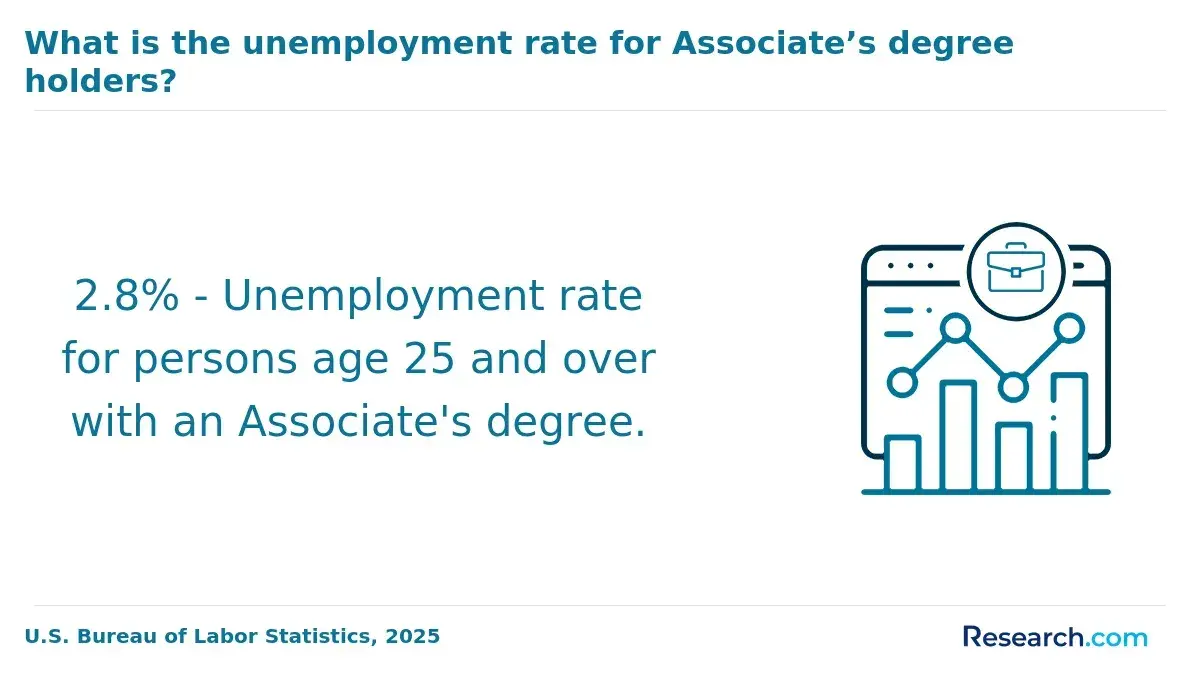
Bachelor's degrees in creative writing continue to provide the most reliable gateway to employment, with roughly 78% of graduates securing work within a year, according to 2024 labor statistics. Employers often view a bachelor's credential as the minimum standard for roles involving content development, editing, and communications, making these graduates more competitive for stable, credential-sensitive positions. In contrast, certificate and associate degrees offer quicker labor market entry but typically funnel into lower-wage jobs with limited upward mobility due to narrower skill sets and employer preference for more comprehensive training.
While master's degrees may not vastly improve immediate job placement numbers, they tend to enhance mid-career earning potential and open doors to leadership or specialized roles within creative industries and academia. Doctoral degrees generally target university faculty or research-intensive careers, which are scarce and highly competitive. These distinctions mean students must weigh whether faster entry into the workforce or investment in advanced education aligns better with their long-term goals, particularly given regional variations where urban centers may demand higher qualifications due to concentrated industry networks.
Practical considerations also include internships embedded in bachelor's and master's curricula that directly boost employability through experience, unlike shorter certificate programs. For individuals balancing work and study, transferring credits between degrees might provide a strategic pathway to elevate credentials without pausing career momentum. Ultimately, the choice between faster labor market access with limited advancement and slower progression with broader opportunities hinges on one's career timing, industry expectations, and willingness to invest in education for higher-value roles.
What Entry-Level Jobs Can You Get With a Creative Writing Degree?
Entry-level jobs with a creative writing degree vary significantly by degree level and prior experience, shaping how graduates approach early workforce integration. Bachelor's degree holders commonly secure writing or editing roles but often must demonstrate portfolios or internship experience to be competitive, whereas associate degree graduates are more likely to start in support positions such as editorial or content coordination, relying heavily on employer training. This distinction affects not only immediate employability but also access to opportunities with greater autonomy or specialization. For many, internships during their studies act as a crucial differentiator, signaling practical skill application in a landscape where certifications are scarce and digital literacy increasingly valued.
Employers typically prioritize flexible writing abilities alongside transferable skills like research and adaptability, challenging graduates to balance creativity with practical outputs. Geographic location influences job availability; urban centers offer more concentrated openings but face high competition, while remote roles demand proven independent productivity, often through freelance or internship precedents. According to the National Center for Education Statistics, about 55% of creative writing graduates find employment within six months, although these roles frequently combine writing with marketing or administrative tasks, potentially limiting immediate specialization.
Students weighing options should consider how degree level and accumulated experience affect both job stability and long-term mobility, especially if graduate study or specialized fields are goals. For those exploring associate degrees, understanding how this pathway aligns with market realities can benefit from consulting the easiest 2 year degree to get analyses, which highlight pragmatic decision-making factors alongside skill development. Ultimately, early career choices often emphasize versatility over niche expertise, making targeted internships and diversified skill sets essential for advancement.
How Do Creative Writing Degree Levels Affect Career Advancement and Promotion Opportunities?
Advanced degrees in creative writing tend to shift a candidate's eligibility toward supervisory and specialized roles, with master's credentials often serving as a de facto minimum for leadership tracks in publishing, education, and content development. According to the U.S. Department of Education's 2024 postsecondary workforce outcomes report, those holding master's degrees are more than twice as likely to access mid-level and managerial positions compared to bachelor's holders. However, this advantage is not automatic; employers frequently expect candidates to pair degrees with tangible project management skills and ongoing contributions such as publications or grant writing. For working professionals, the decision to pursue graduate study must balance the delay in workforce entry against the strategic boost in advancement speed and job stability offered by higher credentials.
Bachelor's degrees in creative writing generally support entry into a broad array of writing and communication roles but often limit direct promotion to senior or tenure-track positions without additional credentials or demonstrated work experience. Those combining bachelor's credentials with several years of industry engagement may find internal mobility viable, yet certain academic or editorial leadership positions remain largely inaccessible without graduate-level qualification. For adult learners or military-affiliated students considering further education, data from the National Center for Education Statistics highlights that integrating professional expertise with master's programs reduces promotion timelines, emphasizing the critical role of experiential learning alongside academic achievement. In effect, degree level interacts with real-world experience, shaping timing, role eligibility, and leadership readiness in nuanced ways.
One recent creative writing graduate faced a crossroads after years as an editorial assistant in a mid-sized firm. Hesitant about returning to school full-time, they weighed earning a master's against gaining more on-the-job experience. "I wasn't sure if the degree would open doors fast enough to justify the cost and time, especially since some supervisors valued practical portfolio work over advanced degrees," they reflected. Ultimately, choosing a part-time master's program with tailored coursework in grant writing felt like a compromise that would enhance leadership candidacy without sacrificing current income. Their cautious optimism underscored how degree decisions in creative writing frequently hinge on an interplay between credential value and immediate professional context.
Is a Creative Writing Degree Worth It Based on Salary, Employment, and ROI?
Deciding if a creative writing degree is worth pursuing involves comparing salary outcomes, employment stability, and opportunity costs across education levels. Bachelor's holders often start with lower salaries and face a competitive market that includes freelance and related roles like editing or content marketing, which may dilute direct employment in writing. In contrast, master's degree graduates typically access higher-paying positions through expanded professional networks and specialization, but these gains must be measured against longer time-to-degree and higher tuition costs, affecting overall ROI. For adult learners or working professionals, the decision to pursue advanced credentials hinges on their current experience, local demand, and ability to avoid significant income disruption during study.
Employment projections show moderate growth in writing-related fields, which suggests graduates must strategically enhance their credentials to improve mobility and job security. Combining a creative writing degree with certifications or fields like digital media can shift earnings potential positively, though debt repayment remains a significant factor, especially for those graduating from costly private institutions. Real-world tradeoffs also include regional labor market variations and the need to integrate related skills, highlighting why some students might consider alternative paths such as an online communications masters for more direct career impact. Evaluating creative writing degree salary outcomes requires careful attention to these variables to align educational investments with realistic employment and advancement prospects.
How Do Associate, Bachelor's, Master's, and Doctoral Creative Writing Degrees Compare?
The value of creative writing degrees shifts notably with each level, largely influenced by employer expectations and practical career pathways. Associate degrees provide a cost-effective entry, offering basic skills useful for junior roles in content creation or publishing support, but they yield only about a 60% employment rate in related fields according to the National Center for Education Statistics. For students aiming at broader opportunities and mid-level positions, a bachelor's degree markedly improves prospects, combining literary techniques with digital media and critical thinking; this level sees employment rates near 75%, reflecting employer preference and opening doors to specialties like screenwriting. However, the jump from associate to bachelor's typically represents the steepest gain in professional mobility and earnings potential, while credit transferability facilitates this progression but less so beyond the bachelor's.
Graduate degrees introduce more nuanced tradeoffs. Master's programs tend to fit those targeting advanced craft mastery or leadership roles in publishing and content strategy, with workforce demand increasing by 5-7% over bachelor's holders in five years. These degrees incorporate analytical research that can broaden prospects beyond creative jobs, though the longer study period and higher debt loads require carefully weighing those benefits versus costs.
Doctoral degrees, meanwhile, are primarily geared toward academic careers and research fellowships, with roughly 85% of graduates securing tenure-track positions, but they rarely translate into broader industry advantage due to their specialized nature and substantial time investment. Completion rates decline at higher degrees, emphasizing that beyond bachelor's level, additional education should align tightly with specific academic or institutional career aims rather than broad employability goals.
Which Industries and Employers Hire Creative Writing Graduates by Degree Level?
Employers hiring creative writing graduates display distinct expectations tied closely to degree level, shaping not only immediate job roles but also longer-term career trajectories. Associate degree holders generally enter positions focused on foundational writing tasks within local publishing, marketing agencies, or community education, where practical skills outweigh advanced credentials, but upward mobility is often limited without further study. By contrast, bachelor's graduates tend to secure roles in advertising, media production, and corporate communications, where proficiency in digital literacy and project management augments writing skills; roughly 70% of content writers in public relations and advertising hold at least this level of education, underscoring market preference for this credential despite competition from extensive portfolios or experience.
Graduates with master's and doctoral degrees overwhelmingly fill academia, specialized publishing, and research roles, where advanced qualifications enable eligibility for faculty positions, leadership in literary journals, and grant writing consultancies. Over 85% of doctoral creative writing graduates attain full-time academic employment within five years, reflecting stringent employer screening focused on peer-reviewed publications and teaching credentials. Certificates serve a different niche, primarily validating targeted competencies in digital marketing or technical writing, favored by startups and media agencies, but seldom replacing degree-level qualifications in traditional publishing or academic settings. These differences illustrate critical tradeoffs in access and advancement, especially for students weighing immediate labor market entry against long-term career flexibility or specialization.
What Skills, Credentials, and Experience Improve Creative Writing Career Outcomes?
Employers in creative writing increasingly seek candidates whose skills extend beyond basic writing proficiency to include digital literacy and critical analysis, reflecting contemporary content demands. For associate degree holders, practical credentials like internships and apprenticeships significantly enhance employability, bridging academic learning and industry needs; data shows those engaging in such experience achieve a 15% higher employment rate within two years. Adult learners and transfer students often face a tradeoff between broad foundational training and targeted experiential learning, making options like online associate degree programs particularly valuable for combining flexibility with applied skills.
Bachelor's degree graduates benefit from advanced specialization and maintaining a robust portfolio, which serves as tangible proof of originality and technical capability during recruitment. Leadership roles in literary organizations or campus publications add a crucial layer of project management and teamwork skills that employers value for roles in publishing and content strategy. Meanwhile, graduate degrees emphasize analytical rigor and research, supporting career mobility into academia, screenwriting, or editorial leadership, but the return on investment depends on layering certifications and soft skills like communication to complement technical competency.
Decisions about pursuing higher credentials hinge on how experience and qualifications for creative writing jobs align with long-term goals. Credential stacking through certificates in digital content tools enhances promotion readiness and adaptability in evolving media landscapes. For military-affiliated students and working professionals, recognizing the interplay of practical experience, transferable credits, and formal qualifications is essential to navigating competitive fields and optimizing outcomes across employment and advancement pathways.
Which Creative Writing Degree Level Is Best for Your Career Goals?
Choosing which creative writing degree level offers the best career advancement opportunities hinges on aligning education choices with realistic job market demands and long-term goals. For example, an associate degree may quickly place learners into entry-level writing or editorial roles but often limits upward mobility without additional credentials. According to 2024 data from the National Center for Education Statistics, bachelor's degree holders see roughly a 75% employment rate within a year, reflecting broader access to positions such as content development and mid-level editorial work. Yet, pursuing a graduate degree like an MFA can unlock specialized roles in academia, publishing leadership, or advanced freelance opportunities, though this path typically involves higher tuition costs and greater time investment, which affect opportunity costs for working adults or military-affiliated students considering further education.
Comparing employment outcomes and pay by creative writing degree level reveals critical tradeoffs in credential expectations and program design. Many employers in corporate settings prioritize demonstrated portfolios and practical experience over terminal degrees, whereas fields like university-level teaching or literary agencies often require graduate credentials for leadership or specialized roles.
The Integrated Postsecondary Education Data System emphasizes that experiential learning components correlate strongly with higher graduate employment rates, which adult learners and transfer students should weigh carefully alongside degree level and tuition burden. Decision-makers navigating credit transfer strategies or weighing time-to-completion will also benefit from exploring shorter, cost-effective pathways such as an online degree in Spanish for ideas on balancing educational investment and career readiness.
References
- Jobs you can do with a creative writing degree https://www.whatuni.com/advice/career-advice/10-jobs-you-can-do-with-a-creative-writing-degree/57602/
- 5 Authors Share the Quirky Workplace Skills That Make Them Successful in their Creative Writing Careers - Lisa Tener https://www.lisatener.com/2015/02/quirky-workplace-skills-for-creative-writing-careers/
- 20 Creative Writing Jobs for Graduates (+ Entry-Level Positions) https://reedsy.com/freelancer/creative-writing-jobs/
- Creative Writing Degree | Online Creative Writing Degree https://www.creativewritingedu.org/degree-creative-writing/
- Reflecting on the Worth of My Creative Writing Degree https://tumbleweedwrites.com/2021/07/19/reflecting-on-the-worth-of-my-creative-writing-degree/
- What I Wish I Knew as a Creative Writing Major https://www.pearsonaccelerated.com/blog/creative-writing-major.html
- Is a Creative Writing Degree Worth It? Letâs Get Into It. https://www.dabblewriter.com/articles/creative-writing-degree
- Creative Writing: Exciting Career Paths https://www.creativewritingacademy.ie/blog/creative-writing--exciting-career-paths
- Creative Writing Degree: Is It Worth It in 2026? | Chapter Blog https://blog.chapter.pub/creative-writing-degree/
- 5 skills you’ll gain from a creative writing degree https://online.hull.ac.uk/blog/skills-youll-gain-from-a-creative-writing-degree
Other Things You Should Know About Creative Writing
The workload in creative writing programs increases markedly at the graduate level, with master's and doctoral students experiencing greater demands for independent research, extended writing projects, and critical engagement with theory compared to undergraduate programs. This heavier workload often requires advanced time management and self-motivation, which may not align well with students balancing full-time jobs or family commitments. Prospective students should weigh their capacity for intensive study and sustained creative output when choosing higher degree levels, prioritizing realistic workload expectations to avoid burnout and ensure successful completion.
While many employers value the foundational skills acquired in a bachelor's degree, advanced degrees like master's or doctorates mainly serve niche roles, such as teaching at the college level or specialized editorial positions. In most creative writing careers, practical writing experience and portfolio strength outweigh holding a graduate degree. Therefore, those targeting industry roles centered on content creation or publishing should prioritize gaining professional experience over pursuing higher degrees unless planning an academic career, where a doctorate is typically essential.
Graduate programs often provide more concentrated mentorship and access to professional networks than undergraduate programs, due to smaller cohorts and faculty with specialized expertise. This advantage can accelerate career advancement for students who actively engage in these relationships, especially in literary circles or academic settings. Students lacking substantial industry connections before matriculating may benefit more from enrolling in a master's program that facilitates targeted networking. However, those already embedded in relevant communities might prefer bachelor's programs combined with external internships to maximize practical exposure.
For working professionals, the financial and time investment in advanced creative writing degrees must be carefully balanced against expected career gains, which may not always include significant salary increases or job promotions outside academia. Since many writing careers reward published work and experience over credentials, employers often view graduate degrees as supplemental rather than essential. Therefore, professionals should assess whether their career goals specifically require graduate-level qualifications-such as university teaching-or if alternative pathways like workshops, residencies, and published work could yield better professional returns with less disruption.