2027 Creative Writing Degree Outlook Through 2030: Enrollment, Salary, and Hiring Projections

Co-Founder and Chief Data Scientist
Choosing whether to pursue or continue a creative writing degree demands close attention to nuanced market signals. While enrollment in creative writing programs has climbed by 5% since 2022, this uptick accompanies a growing number of graduates competing for limited roles, particularly in saturated urban markets. National hiring projections suggest only modest job growth, complicating prospects for fresh graduates seeking stable employment.
Moreover, salary trajectories vary dramatically across regions and industries, and technological shifts affect traditional publishing roles unevenly. Oversimplified reliance on single metrics masks these complexities, risking misaligned expectations. This article dissects enrollment trends, salary patterns, hiring forecasts, demand variations, geographic nuances, and workforce shifts through 2030 to inform sound decisions.
Key Things to Know About the Creative Writing Degree Outlook Through 2030
- Enrollment in creative writing programs declined 5% annually from 2022 to 2024, reflecting rising tuition costs and growing competition from digital content alternatives; students must weigh cost against uncertain career ROI.
- Employers increasingly prioritize candidates with cross-disciplinary skills alongside creative writing, signaling tighter hiring criteria and a shift toward hybrid roles blending storytelling with technical expertise.
- AI-driven content generation reduces entry-level writing roles but boosts demand for specialized narratives and editorial oversight, suggesting graduates should focus on niche genres or editorial skills for sustained employability.
- Key Things to Know About the Creative Writing Degree Outlook Through 2030 Key Things to Know
- How is Creative Writing Degree Enrollment Expected to Change Through 2030? Enrollment Trends Through 2030
- How Many Creative Writing Graduates Will Enter the Workforce by 2030? Graduate Workforce Entry Projections
- What Are the Hiring Projections for Creative Writing Graduates Through 2030? Hiring Projections Through 2030
- Which Creative Writing Careers Will Experience the Most Job Growth? Fastest-Growing Career Paths
- What Is the Salary Outlook for Creative Writing Graduates Through 2030? Salary Outlook Through 2030
- Which Industries Will Hire the Most Creative Writing Graduates by 2030? Top Hiring Industries
- Where Will Demand for Creative Writing Graduates Be Strongest? Strongest Geographic Demand
- Which Creative Writing Specializations Will Be Most in Demand by 2030? Specializations
- How Will AI and Technology Affect Creative Writing Careers Through 2030? AI and Technology Impact
- Is a Creative Writing Degree Worth Pursuing Based on 2030 Projections? Degree Value Through 2030
How is Creative Writing Degree Enrollment Expected to Change Through 2030?
Shifts in creative writing degree enrollment reflect nuanced labor market and educational dynamics that warrant careful consideration through 2030. While overall interest in humanities disciplines may decline by 5% to 7%, programs that integrate interdisciplinary skills like digital content creation or screenwriting often maintain or grow their student base, demonstrating the importance of curriculum adaptability.
For example, colleges blending traditional creative writing with practical internships or career preparation tend to attract first-generation and underrepresented students, influencing regional and institutional enrollment trends beyond simple headcount fluctuations. This uneven demand affects program availability and specialization options, with less flexible departments risking contraction or closure amid tuition pressures and institutional budget constraints.
These enrollment patterns have direct workforce implications, especially given employers' rising emphasis on multimedia fluency alongside strong storytelling. Graduates equipped solely with traditional creative writing skills face competitive tradeoffs in employment outcomes compared to peers who pursue complementary paths or dual degrees.
The projected moderate decline in student numbers should caution prospective students and educators that increased admissions competition at innovative programs may coexist with shrinking class sizes elsewhere, potentially leading to both oversaturation in some labor markets and shortages in specialized niches. Understanding these enrollment trends alongside regional demographic shifts and labor demand helps stakeholders anticipate realistic hiring prospects and adapt academic offerings accordingly, much like evolving strategies seen in programs such as the bachelor of science in healthcare administration.
How Many Creative Writing Graduates Will Enter the Workforce by 2030?
The volume of creative writing graduates alone does not dictate workforce prospects due to fluctuating labor market demands and diverse post-graduation pathways. While recent data from the National Center for Education Statistics indicates a steady increase to roughly 5,500 annual graduates by 2024, factors like graduate school enrollment, career shifts, and underemployment temper the direct translation of these figures into immediate workforce entrants.
Many graduates opt out of traditional literary roles, either pursuing further education or branching into communications, marketing, or education sectors, where creative writing skills complement but do not guarantee job placement. The Bureau of Labor Statistics projects modest 4%-6% growth in related occupations through 2030, highlighting a relatively stable demand that may not absorb all new graduates, especially given increasing program enrollments and online expansion fueling supply.
Considering seven years of projected graduations until 2030, an estimated 40,000 to 45,000 individuals could enter the labor pool, but this broad metric masks varied employment outcomes. Median starting salaries around $40,000 to $50,000 and employers' preference for digital literacy or marketing experience may drive graduates toward hybrid roles or freelancing rather than full-time literary fields.
Regional market differences and the saturation of candidates require prospective students and current degree holders to assess whether investing in creative writing aligns with realistic employment landscapes and evolving industry expectations. Caution and strategic skill development beyond core writing are pivotal to navigating these nuanced trade-offs.
What Are the Hiring Projections for Creative Writing Graduates Through 2030?
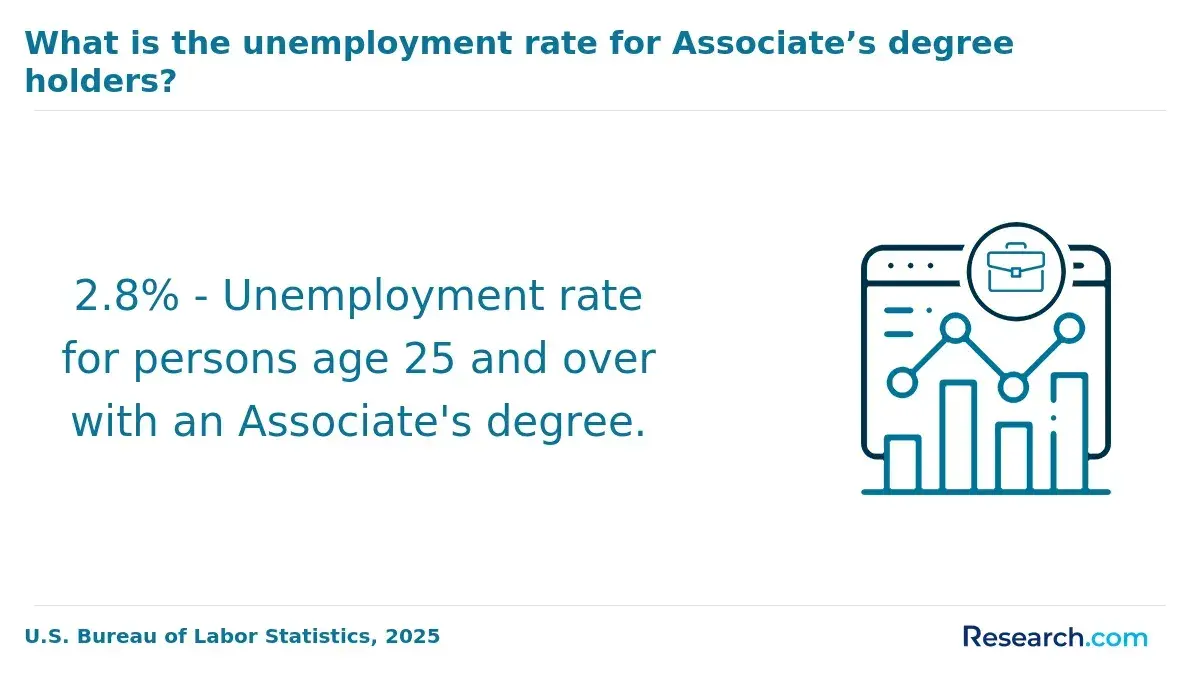
Employer demand for creative writing graduates through 2030 appears moderate but uneven, influenced heavily by shifting industry requirements and regional market dynamics. While the U.S. Bureau of Labor Statistics projects a 7% growth rate for writers and authors-translating to about 14,000 annual openings-this broad category includes roles beyond traditional literary vocations. Graduates focused solely on creative writing often face fierce competition, especially in core areas such as novel writing or screenwriting, where freelance and project-based work predominates and job stability can be elusive.
Industry shifts favor writers with hybrid skill sets equipped for digital media, content marketing, and multimedia platforms, highlighting a growing expectation for practical business or technical competencies alongside literary craft. Metropolitan hubs like Los Angeles and New York offer comparatively more opportunities but require navigating densely competitive environments. Consequently, those relying exclusively on national employment projections risk overestimating accessible entry-level roles without considering local labor market complexities or the necessity of portfolio development and versatile skills.
For students and degree holders, long-term career sustainability hinges on adaptability, complementary skills, and active networking rather than academic credentials alone. Although steady openings exist, many creative writing roles involve freelance contract work with variable income and unpredictable demand, underscoring the importance of internships, digital fluency, and strategic positioning within evolving content ecosystems. These realities suggest that evaluating creative writing education requires careful consideration of practical employability factors beyond headline growth statistics.
Which Creative Writing Careers Will Experience the Most Job Growth?
Employment growth for careers connected to creative writing varies substantially, with the strongest demand tied to roles integrating digital media and content production skills. Content creators and digital media specialists are set to expand notably as companies increase investment in online marketing and social media engagement, a trend highlighted by the U.S. Bureau of Labor Statistics and Lightcast projections.
Technical writing also demonstrates above-average growth, fueled by steady needs in technology, finance, and healthcare sectors for clear communication of complex information. However, authors and novelists face slower expansion, largely relying on niche markets like eBooks and self-publishing where competition often suppresses earnings and job stability.
For prospective creative writing students, the decision to pursue specific career paths requires weighing growth potential against market realities. Scriptwriting, for example, benefits from streaming and interactive media trends but demands cross-disciplinary expertise in media production to translate creativity into viable employment. Many roles in this field involve freelance or contract arrangements, which affect income consistency and benefits.
Consequently, incorporating complementary skills such as digital marketing or multimedia production can enhance employability in this competitive landscape. This nuanced evaluation of creative writing careers with highest job growth underscores the importance of aligning educational choices with realistic workforce expectations. Students interested in quick credential paths that might support broader career goals can explore fast track LPN programs as an alternative embedded in healthcare demand projections.
What Is the Salary Outlook for Creative Writing Graduates Through 2030?
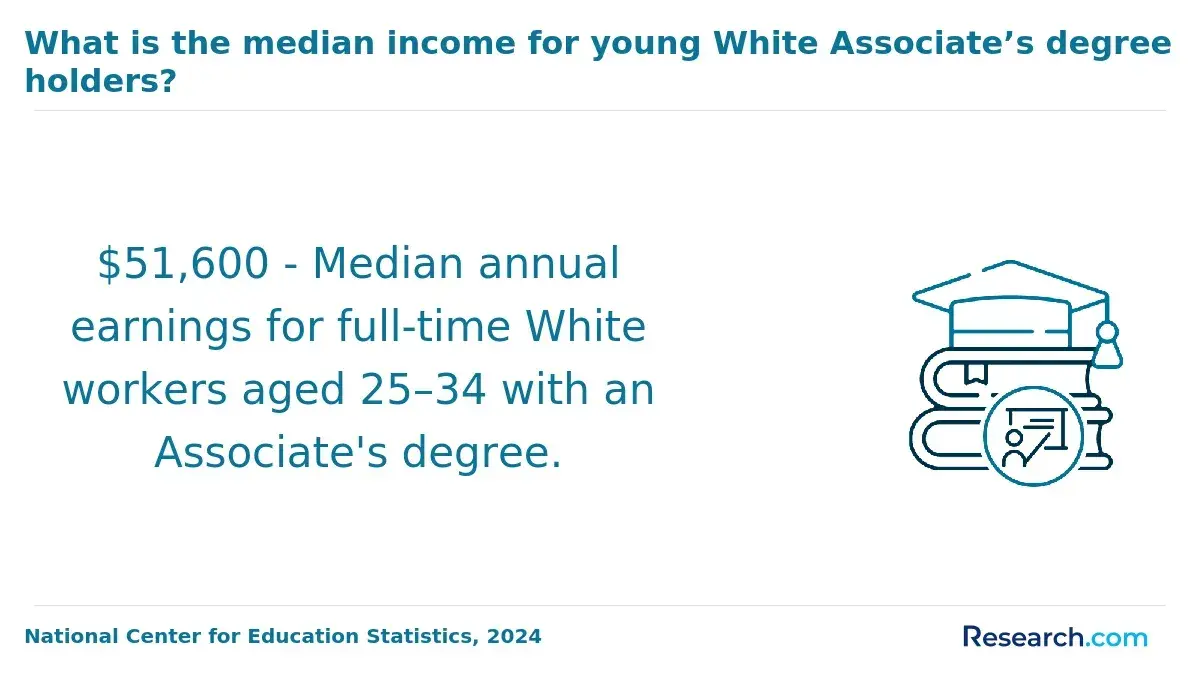
Salary projections for creative writing graduates through 2030 should be viewed in light of inflation trends, evolving labor market demands, growing credential expectations, and occupational shifts within related industries. While median wages hover around $69,000 as of 2024, actual compensation changes will differ widely depending on sector growth and specialization. Hiring patterns show modest expansion, roughly 4% through 2030, indicating stable but not rapid wage increases.
Graduates combining creative writing with technical or digital skills tend to access better-paying roles than those relying solely on traditional literary capabilities. The primary factors shaping earning potential include:
- Industry Sector: Compensation varies across publishing, advertising, education, and digital media, with digital content strategy and corporate copywriting often yielding higher wages than traditional roles.
- Geographic Location: Salaries reflect regional economic conditions and living costs; urban centers with vibrant media industries typically offer higher pay but also higher expenses.
- Skill Diversification: Adding expertise in SEO, multimedia, or analytics significantly enhances salary prospects, as employers increasingly value hybrid skill sets.
- Experience Level: Entry-level salaries commonly range between $40,000 and $50,000, but wages tend to plateau without consistent portfolio growth or published work.
- Professional Network: Relationships built through internships, freelancing, and workshops can open doors to better-compensated assignments and roles.
- Credential Integration: Employers prioritize candidates who pair creative writing degrees with knowledge in digital marketing or content management.
A recent graduate entering the workforce in a midsize city received an initial offer near $42,000 for a copywriting position. Despite some hesitation about the modest wage relative to living costs, the candidate pragmatically accepted, recognizing that early experience in a corporate setting could lead to higher future earnings.
Negotiations highlighted how limited formal experience constrained immediate salary growth, emphasizing the tradeoff between entry-level compensation and portfolio development. This scenario illustrates that while the salary outlook remains cautious, strategic career decisions and skill acquisition can improve financial trajectories over time.
Which Industries Will Hire the Most Creative Writing Graduates by 2030?
Creative writing graduates face a labor market shaped by shifting media consumption, digital transformation, and evolving employer expectations. Industry growth and workforce replacement needs vary widely across sectors, requiring graduates to strategically build expertise beyond traditional writing. Technological changes such as AI content tools and data-driven marketing also recalibrate skills demand, with adaptability critical to sustained employability.
For example, graduates combining narrative skills with SEO and multimedia storytelling can better secure roles within competitive digital content fields. Below are industries projected to expand hiring of creative writing graduates through 2030.
- Digital Marketing and Advertising: Strong demand persists for creative professionals skilled in storytelling, SEO, and brand strategy to produce engaging, audience-focused content across platforms. Entry-level roles include content writers and social media specialists, advancing to brand story architects; digital literacy is vital.
- Publishing and Media: Despite industry contraction, niches in digital publishing and podcasting grow, favoring graduates adept at adapting content for emerging formats and diverse audiences, including editorial and content development roles.
- Entertainment Industry: Film, television, and video game sectors seek writers for scriptwriting and interactive narratives. Collaborative and conceptual skillsets enhance prospects amid intensifying platform competition.
- Education and Nonprofits: Steady hiring for curriculum developers and grant writers leverages graduates' ability to clarify complex ideas; however, salary growth is limited compared to private media sectors.
- Corporate Communications: Expanding internal and external communications roles require writing talent with strategic messaging and stakeholder engagement skills; experience with digital tools supports advancement.
These projections reflect creative writing job growth in the United States through 2030 that emphasizes versatile portfolios and complementary skills. Prospective students should consider how practical experience and networking affect market entry. For those exploring interdisciplinary options, understanding related fields such as online PMHNP programs offers insight into professional pathways requiring specialized knowledge but similar communication proficiency.
Where Will Demand for Creative Writing Graduates Be Strongest?
Demand for creative writing graduates through 2030 will concentrate heavily in metropolitan areas with dense media, advertising, and technology ecosystems rather than being evenly distributed nationally. Cities like New York, Los Angeles, and Seattle continue to attract employers valuing narrative and content skills fused with digital literacy, though higher living costs and intense applicant competition may offset income gains for entry-level roles.
These established hubs offer significant contract and freelance options, reflecting trends in flexible employment, but prospective graduates should evaluate the tradeoffs between volume of opportunities and local cost of living as well as sector specialization demands. Emerging industries such as interactive media, gaming, and educational technology are driving new avenues for creative writing professionals who diversify beyond traditional publishing.
Digital storytelling careers tied to narrative design and branded content production often require supplemental technical skills like SEO and multimedia proficiency, which enhances employability in roles with generally higher salary potential than classic literary arts positions. With employers increasingly merging creative and technical competencies, graduates without interdisciplinary training risk narrower prospects, emphasizing the practical importance of targeted skills development integrated with the core creative writing curriculum.
While salary projections vary widely depending on geography and industry focus, growth aligned with media and information sectors warrants strategic planning for graduates aligning educational experiences with market realities. The strongest demand will likely emerge where creative writing intersects with technology and marketing, especially in urban areas sustaining media clusters supported by public and private investments.
Prospective students and current professionals should critically assess local workforce shortages, remote work opportunities, and credential expectations to ensure alignment with realistic job market conditions rather than relying solely on broad national averages that obscure substantial regional and sectoral disparities.
Which Creative Writing Specializations Will Be Most in Demand by 2030?
Employment trends through 2030 indicate creative writing specializations tied closely to digital media and applied communication will see more consistent growth and practical opportunity than purely literary disciplines. For students weighing technical skill development and adaptability, the contrast between traditional fiction or poetry and emerging media formats is significant. While literary fields often require deeper immersion and may lead predominantly to academia or small-scale publishing, digital storytelling and technical writing roles align with expanding sectors such as technology, healthcare, and marketing.
Candidates who integrate data literacy, SEO, or multimedia production stand a better chance in dynamic labor markets with measured competition. For example, a student choosing between fiction and content marketing should consider not only projected hiring growth but also the transferable skills that blend creative competence with digital fluency. Demand from multiple industries-software, healthcare, gaming-underscores the value of hybrid skill sets.
The five key specializations expected to shape employment opportunities include:
- Digital Media Storytelling: Writers focused on multimedia content for podcasts, social platforms, and interactive media benefit from broadening narrative skills alongside technical production capabilities, reflecting strong projected hiring growth in evolving digital ecosystems.
- Technical Writing: Specializing in documentation for regulated industries such as healthcare, engineering, and software development demands precision and familiarity with compliance standards, ensuring stable demand and clear employer expectations.
- Copywriting and Content Marketing: Positions requiring data-driven storytelling combined with SEO and persuasive messaging continue to grow as brands intensify online customer engagement efforts across sectors.
- Scripting for Interactive Platforms: Emerging roles in video game and immersive experience writing call for cross-disciplinary knowledge including programming and multimedia skills, representing niche but expanding opportunities.
- Regulatory and UX-Focused Writing: Experts who integrate user experience principles with compliance and accessibility considerations provide critical value in industries emphasizing clear, user-centered communication.
These projections draw on the U.S. Bureau of Labor Statistics and Lightcast labor market analysis, highlighting the importance of aligning creative writing education with tangible technical skills and market demands to maximize employability to 2030.
How Will AI and Technology Affect Creative Writing Careers Through 2030?
Emerging technologies and artificial intelligence are more likely to augment rather than fully automate creative writing responsibilities through 2030, particularly by automating routine content generation such as formulaic storytelling or basic copywriting. This shift will reduce entry-level roles focused solely on repetitive writing tasks, increasing demand for writers with interdisciplinary skills who can incorporate AI tools to enhance narrative complexity and emotional resonance.
For instance, a creative writer who integrates AI-assisted writing platforms and digital media skills will have better hiring prospects and productivity outcomes compared to peers relying solely on traditional literary skills. Failing to adapt to these evolving technical competencies may result in limited employment opportunities or stagnant wage growth in a market increasingly valuing digital fluency.
The impact of emerging technology on creative writing job market through 2030 indicates a clear premium on originality, critical judgment, and high-impact storytelling that AI cannot easily replicate. Employers are expected to prioritize candidates blending creative expertise with technical proficiency, expanding contract or freelance opportunities that demand rapid content adaptation across multimedia platforms.
Current degree holders and prospective students should critically evaluate coursework and certifications that emphasize applied technology use, interdisciplinary collaboration, and ethical considerations in automated content generation. Without continuous upskilling aligned with these workforce trends, the traditional creative writing degree risks becoming insufficient for sustainable employment, unlike specialized programs such as accelerated PharmD programs that clearly delineate career pathways based on evolving industry requirements.
Is a Creative Writing Degree Worth Pursuing Based on 2030 Projections?
Prospective students weighing a creative writing degree must balance modest job growth with increasingly competitive market conditions. Employment for authors and writers is expected to grow by just 4% through 2030, a rate slower than the overall labor market, signaling a tight field where entry-level roles often provide lower pay and predominately freelance or contract-based work.
A student focusing solely on creative writing without complementary skills may face challenges in securing stable positions, especially as employers in publishing and media increasingly seek candidates proficient in digital media, marketing, or editing. The future job prospects for creative writing graduates depend heavily on geographic location, industry specialization, and ability to adapt to diverse roles. Median annual wages hover near $70,000, but earnings vary widely, and a degree alone rarely guarantees financial security.
Enrollment trends mirror shifting student priorities, with some decline attributed to STEM and business attracting more candidates. Those considering this path should carefully compare tuition and program length with accessibility to robust internships or professional networks. Additionally, students might explore opportunities within evolving markets such as online healthcare programs to enhance career flexibility and safeguard against oversupply risks.
Ultimately, assessing the creative writing degree career outlook 2030 requires a nuanced view of market realities. Intellectual gains from the degree are clear, but long-term employability hinges on broad skill development and pragmatic career strategies. Graduates prepared for hybrid roles that blend creativity with technical competencies will be better positioned to navigate a market shaped by contraction and digital disruption.
References:
- 2030 Creative and Media Jobs: The Human-AI Collaboration Shift (And How to Profit from It) https://skillseek.eu/answers/2030-shift-in-creative-and-media-jobs
- University to cut or pause 23 programs next fall amid restructuring https://www.newschoolfreepress.com/2025/11/26/university-to-cut-or-pause-25-programs-next-fall-amid-restructuring/
- Writer roles: AI transforms content creation careers https://morganhr.com/blog/writer-roles-future-workforce-evolution/
- English Creates Employment FAQS https://universityenglish.ac.uk/english-creates-faqs/
- Creative Writing Degree: Is It Worth It in 2026? | Chapter Blog https://blog.chapter.pub/creative-writing-degree/
- Creative Writing: Exciting Career Paths https://www.creativewritingacademy.uk/blog/creative-writing--exciting-career-paths
- Creative writing classes see record demand | Yale Daily News https://yaledailynews.com/articles/creative-writing-classes-see-record-demand
- Why the UK needs one million new creative jobs by 2030 and what the government can do about it https://www.nesta.org.uk/blog/why-the-uk-needs-one-million-new-creative-jobs-by-2030-and-what-the-government-can-do-about-it/
- Creative Writers Career Guide: Salary, Skills, Education & Outlook https://www.assessment.com/arts-and-design-careers/creative-writers
- Preparing for 2030 - The future of workforce reskilling https://www.eitdeeptechtalent.eu/news-and-events/news-archive/the-future-of-work-preparing-for-2030-the-future-of-workforce-reskilling/
Other Things You Should Know About Creative Writing
Many creative writing programs vary considerably in structure, with some emphasizing workshops and peer critique, while others focus on literature study or multimedia writing. Students aiming for a traditional publishing path may prioritize programs with strong mentorship, extensive workshop components, and opportunities for publication, as these better align with industry expectations. Conversely, those seeking innovation or multi-genre fluency might accept less rigid structures to nurture experimentation. Evaluating how a program balances formal instruction with creative autonomy is critical for aligning learning outcomes with long-term career goals.
Creative writing degrees often prioritize artistic expression, which can limit exposure to practical skills like digital content creation, marketing, or editing software proficiency. Graduates may struggle in competitive job markets unless they supplement their creative training with skills that employers value, such as multimedia storytelling or content strategy. Prioritizing programs offering on-the-ground experience, internships, or cross-disciplinary training enhances employability, although this can mean less focus on pure literary craft. Prospective students should critically assess whether their program equips them with portfolio-ready work beyond creative manuscripts.
The rigor of creative writing curricula often involves intensive writing, revision, and peer review schedules that can be time-consuming and mentally taxing. Programs with heavier credit loads or additional required components, such as literature surveys or theory courses, may reduce the time available for focused creative development. Students must consider how workload intensity might affect their ability to produce quality creative work and gain practical experience simultaneously. Choosing a program with a manageable structure helps maintain both academic success and creative growth.
Given the relatively limited direct hiring projections for creative writing graduates, students should critically consider supplemental or alternative pathways that align with their interests but have stronger market demand. Integrating creative writing skills with fields like digital media, publishing, education, or communications broadens employment prospects and better matches employer expectations for versatility. Prioritizing interdisciplinary programs or dual majors can mitigate risks associated with narrow career options while preserving core creative competencies. This approach requires balancing passion for creative writing with pragmatic career planning.