2027 Creative Writing Job Market Report: Open Roles, Salary Bands, and Hiring Momentum

Co-Founder and Chief Data Scientist
The creative writing job market reflects a complex interplay of shifting employer priorities and evolving skill demands shaped by technological adoption and content diversification. Increasing integration of digital storytelling and multimedia requires writers to blend traditional narrative skills with technical fluency, influencing both open role specifications and compensation structures. Hiring momentum fluctuates alongside industry investment cycles and regional concentration of media hubs, exposing talent bottlenecks where specialized expertise is scarce. Credential expectations are also adapting, with greater emphasis on cross-disciplinary capabilities.
Analyzing open roles, salary bands, and hiring trends reveals how workforce demographics and organizational restructuring drive the profession's transformation and future direction.
Key Things to Know About Creative Writing Job Market
- Open roles in creative writing remain niche with slow growth, reflecting specialized demand; this limits entry points but rewards candidates with diverse, cross-industry skills relevant to emerging media formats.
- Salary bands show marked disparity, influenced by employer type and content platform; understanding this variance encourages targeted skill development tailored to higher-paying sectors, rather than broad generalization.
- Recent 2024 studies reveal fluctuating hiring momentum impacted by economic cycles, implying candidates should balance program duration against labor market timing to avoid opportunity costs in early career phases.
- Key Things to Know About Creative Writing Job Market Key Things to Know About Creative Writing Job Market
- How Strong Is the Demand for Creative Writing Graduates in Today's Job Market? Demand for Graduates
- Which Creative Writing Careers Have the Most Open Job Opportunities? In-Demand Careers
- What Salary Bands Are Employers Offering Across Creative Writing Careers? Offered Salary Bands
- Which Industries Are Hiring the Most Creative Writing Graduates? Top-Hiring Industries
- How Does Hiring Demand Vary by State, Region, and City? Hiring Demand by Location
- What Skills Are Employers Prioritizing in Creative Writing Job Postings? In-Demand Skills
- Which Certifications Increase Employability and Salary Potential? High-Value Certifications
- How Do Remote and Hybrid Opportunities Affect the Creative Writing Job Market? How Do Remote and Hybrid Opportunities Affect the Creative Writing Job Market?
- Which Creative Writing Careers Show the Strongest Long-Term Hiring Momentum? Strongest Careers
- How Can Students Use Job Market Data to Make Better Career Decisions? How Can Students Use Job Market Data to Make Better Career Decisions?
How Strong Is the Demand for Creative Writing Graduates in Today's Job Market?
Current labor market data indicates that demand for creative writing graduates in the United States remains moderate and nuanced. The U.S. Bureau of Labor Statistics (2024) shows growth in roles that explicitly require creative writing skills, such as authors and content creators, but these openings tend to align closely with average occupational growth, reflecting a competitive landscape.
LinkedIn Workforce Reports from 2024 further clarify that while creative writing expertise is increasingly sought after in marketing, advertising, and entertainment industries, employers favor candidates who combine writing proficiency with digital skills and multimedia literacy. This trend means that pure creative writing positions represent a smaller, more selective segment within broader communications and media sectors, influencing hiring momentum and salary potential.
Technological advancements and evolving content consumption patterns are key drivers shaping demand for creative writing graduates. The integration of social media, digital advertising, and multimedia storytelling has expanded the scope of creative writing roles, encouraging adaptability and cross-disciplinary competencies.
Employers prioritize candidates who can create audience-focused content that supports brand development and strategic communication, rather than solely literary or artistic writing. Regional labor markets reflect this shift to varying degrees, with metropolitan areas exhibiting stronger demand due to higher concentrations of media and marketing firms. The rise of automation and algorithm-driven content also pressures graduates to cultivate unique storytelling capabilities paired with technical fluency to maintain relevance.
For prospective students and early-career professionals, these dynamics underline the importance of versatility in navigating the creative writing graduate job demand in the United States. Long-term career trajectories favor those who balance foundational storytelling strengths with proficiency in digital content environments and strategic communication.
Graduates should critically assess how their skill sets align with market realities and consider program options that enhance adaptability rather than narrow specialization. For broader educational pathways, exploring online EdD programs can offer models of integrating advanced competencies that respond dynamically to labor market needs.
Which Creative Writing Careers Have the Most Open Job Opportunities?
Job opportunity distribution within creative writing careers reflects broader labor market shifts rooted in evolving industry requirements and persistent skills shortages. Open positions increasingly concentrate where digital communication, technical accuracy, and multimedia integration drive organizational value.
This dynamic is especially evident in sectors prioritizing rapid content production combined with specialized expertise, a pattern influenced by continuous technological adoption and branding investments. Understanding which roles lead in open job availability requires unpacking how these economic and organizational factors reshape employer needs across creative writing pathways.
- Content Writers and Copywriters: These roles dominate job openings due to sustained growth in digital marketing and brand storytelling. Businesses across industries demand professionals skilled in SEO-focused writing, engaging social media content, and persuasive messaging, reflecting a market expansion fueled by online consumer engagement. The Bureau of Labor Statistics projects an 8% growth rate through 2032, driven largely by the need for scalable, search-engine-optimized content that directly supports sales and customer acquisition strategies.
- Technical Writers: Emerging opportunities in highly specialized sectors such as technology, healthcare, and finance keep technical writing vacancies robust. Employers increasingly seek writers capable of translating complex information into clear, accurate documentation that meets regulatory standards and supports product usage. This demand is underscored by a steady growth forecast of approximately 6%, rooted in continuous innovation and stringent compliance environments.
- Digital Storytellers and Multimedia Writers: Roles integrating text with video, podcasts, and interactive elements are expanding as content consumption diversifies across platforms. Writers proficient in transmedia storytelling are prized for their ability to engage audiences across channels, blending narrative expertise with digital fluency. This segment's growth of about 10% annually reflects the content industry's strategic pivot toward immersive and interactive engagement models.
- Screenwriters: While less abundant in entry-level openings, screenwriting remains an in-demand specialization within media companies increasingly focused on original visual and audio content. These roles require portfolios demonstrating narrative depth and adaptability, often tied to expanding entertainment platforms producing films, series, and digital shorts. Despite a competitive landscape, the sector reflects steady demand aligned with content production growth.
- Grant and Proposal Writers: Nonprofit organizations, government agencies, and educational institutions fuel demand for grant writers who can compellingly articulate program goals and substantiate funding needs. This writing niche demands precision, persuasive clarity, and familiarity with sector-specific jargon, reflecting funding cycles and competitive resource acquisition strategies that shape open job opportunities.
- Instructional Designers and Educational Content Writers: Increased reliance on e-learning and online education has amplified needs for writers crafting course materials, assessments, and training guides. These roles require a blend of pedagogical understanding and writing skill, responding to ongoing digital transformation within education and corporate training sectors.
These trends illustrate that job availability for creative writing careers is tightly linked to where employers prioritize strategic communication, specialized knowledge, and multimedia integration. Understanding these underlying forces offers early-career professionals clearer insights into where opportunities cluster and the competencies that will sustain employability in a shifting job market. The top creative writing job openings by industry and region reflect these evolving employer expectations and sector-specific growth patterns.
For those considering further specialization, exploring fields like digital content or technical writing may align well with sustained demand. Individuals evaluating educational pathways should weigh how programs address practical skill acquisition relevant to these roles, including digital literacy, regulatory comprehension, and audience engagement, which are crucial for long-term career resilience. Prospective students may also consider interdisciplinary studies complementing creative writing, such as communication technology or subject-matter expertise, to navigate competitive hiring landscapes effectively.
As part of professional development, some early-career writers explore credentials aligned with these in-demand careers. For example, pursuing an online psychology masters can enhance understanding of audience behavior and cognition, providing an edge in crafting targeted content that resonates across sectors where psychological insight informs communication strategies.
What Salary Bands Are Employers Offering Across Creative Writing Careers?
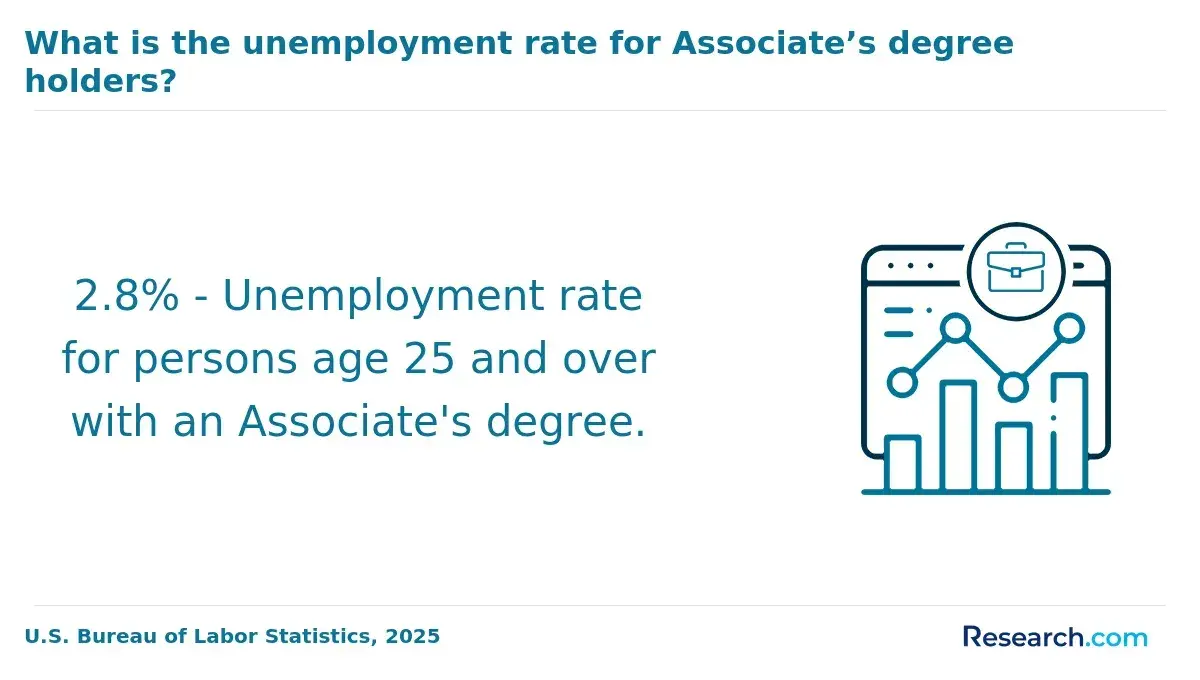
Compensation within creative writing careers varies notably by role and experience, with 2024 labor data from sources like the U.S. Bureau of Labor Statistics and LinkedIn Salary Insights indicating clear stratification. Entry-level positions such as junior writers or copywriting interns typically earn between $35,000 and $50,000 annually, reflecting competitive entry points where portfolio strength often outweighs formal qualifications.
Mid-level roles—staff writers, content strategists, or seasoned freelancers—see increases to a $50,000-$75,000 range, emphasizing output quality and market relevance over tenure. Senior roles that require leadership, strategic content direction, or agency-level responsibilities command salaries extending from $75,000 up to $110,000 or beyond, especially in sectors like advertising and media where complex project management and proven track records drive premium pay.
Salary differences are driven by factors including specialization intensity, industry competition, and geography. High-demand niches—such as gaming or digital marketing—reward expertise with above-average compensation while also requiring familiarity with SEO, campaign analytics, or cross-functional collaboration. Urban centers with elevated living costs, including New York and San Francisco, establish higher salary floors but intensify competition and cost-of-living tradeoffs.
Moreover, company size affects pay dispersion; larger organizations tend to offer steadier salaries with benefits, while freelancers or smaller entities present income volatility that can surpass salaried roles but lack stability. Skill scarcity, especially in adaptable and multifaceted writing talents, increasingly dictates wage progression more than traditional experience measures, reinforcing the need for strategic skills development and portfolio curation.
After completing a creative writing degree, one graduate recalled navigating rolling admissions with mixed feelings, unsure whether to commit early or wait for better options. They hesitated when initial application feedback was delayed, leading to uncertainty about timing and competitiveness.
Nonetheless, their strategic choice to enhance a writing portfolio during the waiting period ultimately strengthened their candidacy. This experience underscored how preparation and timing can influence opportunities, paralleling how adaptability and visible output shape earning potential within creative writing careers.
Which Industries Are Hiring the Most Creative Writing Graduates?
Demand for creative writing graduates is concentrated in sectors undergoing significant digital transitions, workforce growth, or gaps in specialized communication skills. This hiring activity reflects broader economic and technological shifts rather than isolated job openings. Industries expanding their content offerings, consumer engagement, or instructional materials increasingly seek professionals with storytelling expertise, narrative construction skills, and adaptability to multimedia platforms. Understanding these dynamics can clarify why certain sectors prioritize hiring creative writing talent over others.
- Media and Entertainment: This sector remains the largest employer due to its ongoing diversification into digital formats like streaming, podcasts, and interactive content. Publishing houses, film companies, and digital media producers require writers who can craft engaging scripts, stories, and branded content that resonate with varied audiences. Employers prioritize versatility in writing styles and proficiency in multimedia storytelling tools to meet evolving consumer expectations.
- Advertising and Marketing: Marketing firms increasingly depend on creative writers to develop persuasive brand narratives and digital campaign content tailored to social media, SEO, and influencer channels. A reported 12% hiring growth between 2022 and 2024 highlights rising demand for writers who blend storytelling with data awareness and audience targeting, underlining the strategic role content plays in brand differentiation and customer engagement.
- Education: The expansion of online learning platforms and educational publishing fuels demand for writers skilled in curriculum design, instructional content, and e-learning development. With an approximate 8% annual increase in job openings requiring creative writing skills, educational institutions seek professionals who can translate complex concepts into accessible, compelling materials suitable for diverse learners and digital delivery formats.
- Technology: Tech companies now employ creative writers as content strategists and UX writers tasked with producing user-centered documentation, interface text, and help resources. This reflects a wider industry focus on enhancing user experience through clear, concise language, requiring technical awareness combined with narrative clarity and audience empathy.
- Nonprofit and Corporate Communications: Nonprofits emphasize grant writing and community engagement messaging, while corporations increasingly invest in internal communications and training content. Both sectors demand writers capable of adapting tone and style to purpose-driven contexts, helping organizations convey mission and values effectively to stakeholders and employees.
How Does Hiring Demand Vary by State, Region, and City?
Hiring demand for creative writing roles varies markedly across states and broader regions, shaped by the concentration of industry clusters and economic ecosystems. States like California and New York, with prominent media, publishing, and entertainment industries, show robust demand for creative writing graduates, driven by the presence of major film studios, publishing houses, and digital content creators.
According to recent labor market analyses from the U.S. Bureau of Labor Statistics and regional economic reports, these states not only offer a greater volume of positions but also display wider salary ranges, reflecting both opportunity and competition intensity. In contrast, regions such as the Midwest and South often exhibit more modest demand, linked to localized sectors including education and nonprofit organizations. Understanding how hiring demand for creative writing jobs varies by state and region is essential for candidates needing to align their expectations with regional economic realities and workforce dynamics.
At the city level, demand concentrates within urban centers that support diverse cultural institutions, tech hubs, and media companies, which in turn influence hiring intensity, salary levels, and competition among employers. Cities like Los Angeles, New York City, and Seattle lead creative writing job growth and opportunities due to their infrastructural advantages and established talent pipelines, which also drive up living costs and competition. These metropolitan areas require applicants to demonstrate cross-disciplinary skills such as digital literacy and content marketing experience to stay competitive.
Conversely, smaller cities and rural areas often see fewer openings, making remote work or contract roles more prevalent. Considering these localized demand differences alongside cost-of-living factors is crucial for prospective students and professionals evaluating job prospects in creative writing. Research on accelerated MBA programs online and other adaptable educational pathways may offer additional advantages for those seeking flexibility in evolving labor markets.
What Skills Are Employers Prioritizing in Creative Writing Job Postings?
Employer expectations for creative writing roles have shifted notably in response to accelerating technological advances, automation of routine content tasks, and the increasing need for writers who can navigate multiple formats and digital platforms. Job postings now reflect a demand for hybrid skill sets that combine narrative craftsmanship with digital fluency and strategic insight.
This underscores how interdisciplinary capabilities are becoming essential as the creative writing field intersects more closely with marketing, data analysis, and multimedia production.
- Strong Storytelling Ability: Employers still prioritize writers who can craft compelling, original narratives because storytelling remains central to effective communication across media. This skill supports engagement and emotional connection, which automated or formulaic content often lacks, thereby enhancing a candidate's value in diverse writing contexts.
- Digital Literacy: Proficiency with content management systems, analytics platforms, and multimedia tools is increasingly non-negotiable. As organizations demand measurable impact from content, writers who understand digital ecosystems can better tailor material for platform-specific audiences and optimize distribution strategies.
- SEO and Content Strategy: Knowledge of search engine optimization and strategic planning reflects the growing commercial orientation of creative writing roles. Writers who integrate SEO fundamentals into their craft enhance visibility and reach, directly influencing marketing outcomes and justifying their role beyond traditional literary functions.
- Versatility Across Formats: The capacity to write across blogs, social media, scripts, and other formats signals adaptability, a trait favored in an environment where platforms and audience behaviors evolve rapidly. Multi-format competence increases a candidate's usefulness to employers managing diverse content channels.
- Collaborative Communication: Given the cross-functional nature of many creative projects, strong collaboration and clear communication skills enable writers to work effectively with designers, marketers, and product teams. This teamwork competency is linked to better project outcomes and iterative creative development.
- Attention to Language Precision: Despite technological shifts, a rigorous command of grammar, clarity, and style remains critical. This foundational skill ensures quality and professionalism, distinguishing human-created work in a field increasingly populated by AI-generated text.
Recent data from the U.S. Bureau of Labor Statistics indicates that about 68% of creative writing job listings prioritize candidates who combine storytelling talent with adaptability to diverse content platforms, illustrating how hiring preferences now balance literary skills with practical digital capabilities. This combination reflects broader industry trends favoring multifaceted writers able to respond to rapid changes in media consumption and technology.
Which Certifications Increase Employability and Salary Potential?
Certifications in creative writing-related fields function primarily as indicators of specialized expertise, technical competence, and readiness to meet evolving industry demands. Rather than replacing formal education, they strategically complement it by filling specific skill gaps that employers increasingly seek in a competitive talent pool. These credentials provide tangible proof of applied knowledge, helping hiring managers prioritize candidates who bring both creativity and practical industry-aligned abilities.
- Certified Content Marketer (CCM): This credential is valued because it bridges creative writing with digital marketing principles, addressing the growing need for professionals who can craft compelling narratives optimized for online engagement. Employers often view CCM holders as candidates who can directly contribute to multi-channel content strategies, leading to approximately a 12% salary increase as reported by workforce analyses in 2024.
- Project Management Professional (PMP): Though not exclusive to creative writing, PMP certification signals proficiency in organizing projects, managing deadlines, and coordinating teams—skills crucial for writers working in collaborative or agency settings. Data from recent labor market studies suggests PMP certification can enhance employability by around 15%, reflecting its importance in managing creative workflows efficiently.
- Technical Writing Certification: Focused on clarity, precision, and domain-specific documentation, this credential meets a persistent employer demand for writers who can translate complex concepts into user-friendly materials. The U.S. Bureau of Labor Statistics notes that writers with technical writing credentials typically realize 10-20% higher wages, highlighting the premium placed on this niche expertise.
- UX Writing Certificate: As digital interfaces proliferate, the need for content that improves user experience is rising sharply. Employers prize UX writing certifications because they validate understanding of user-centered design principles and content strategy, positioning credential holders for roles in technology-driven sectors where clear communication directly impacts product success.
- Scriptwriting Certificate: Specialized in audiovisual storytelling, this certification appeals to industries such as entertainment, advertising, and multimedia production. It signals a command of narrative structure and audience engagement unique to screen and digital media formats, thus enhancing hiring prospects within these competitive creative sectors.
A recent graduate shared that while pursuing creative writing, the decision to seek additional certifications was influenced by the highly selective nature of job openings and the uneven weight employers placed on formal credentials versus portfolio work. During a lengthy application cycle marked by rolling deadlines, the writer hesitated to commit to certification programs due to timing and cost considerations.
Ultimately, choosing one certification aligned with digital marketing while continuing to build a prioritized writing portfolio helped balance immediate employability concerns with long-term skill development. This strategic blend eased anxiety and improved networking opportunities as they navigated job offers and interview processes.
For creative writing graduates looking to earn these certifications without extending their job search timeline further, accelerated online degrees and certificate programs can offer a faster path to adding credentials like UX writing or technical writing to a resume while still actively pursuing employment.
How Do Remote and Hybrid Opportunities Affect the Creative Writing Job Market?
Recent labor market analysis indicates that remote and hybrid work opportunities have expanded hiring patterns within creative writing roles by enabling employers to tap into broader talent pools beyond traditional urban hubs. According to the latest LinkedIn Workforce Reports, the remote work impact on creative writing job market dynamics includes a significant increase in employer willingness to consider candidates from diverse geographic locations, which intensifies competition among early-career professionals.
Hybrid job opportunities in creative writing careers typically require adaptability to both virtual and in-person collaboration, raising employer expectations for technological proficiency and self-directed productivity. These evolving hiring trends reflect a strategic shift toward greater workforce flexibility but also create more variable employment arrangements, often emphasizing contract or freelance engagements over full-time roles.
The broader implications of these work models manifest in a more geographically distributed labor force and mixed salary structures, with some employers applying regional cost-of-living adjustments while others maintain flat nationwide pay scales. This geographic mobility fosters inclusivity but complicates long-term earning potential and benefits stability, heightening the importance of digital communication and time management skills.
As these trends continue, creative writing professionals must navigate a labor market increasingly marked by fluctuating employer expectations and intensified competition. Candidates weighing career pathways should consider factors such as income security against flexible schedules, a balance similarly relevant when exploring fields that share hybrid or remote work modalities, like the pros of being a forensic psychologist.
Which Creative Writing Careers Show the Strongest Long-Term Hiring Momentum?
Long-term hiring momentum in creative writing careers stems not from short-term fluctuations but from structural shifts across industries that reshape media consumption, publishing, and corporate communications. This momentum reflects enduring economic and technological trends influencing workforce demand rather than transient job market changes. Understanding these forces allows early-career professionals to better align educational and skill investments with roles that offer sustainable employment prospects and evolving opportunities.
- Technical Writers benefit from consistent demand driven by ongoing advances in technology and product complexity. As organizations release increasingly sophisticated hardware, software, and regulated products, clear and precise documentation becomes essential, sustaining stable hiring backed by compliance requirements and user experience considerations.
- Digital Content Creators maintain momentum due to the rapid expansion of online platforms requiring constant, engaging content. The transition from traditional to digital marketing amplifies the need for writers adept in SEO, UX writing, and multimedia integration, ensuring steady opportunities as companies vie for attention in crowded digital marketplaces.
- Scriptwriters for Streaming and Multimedia grow in importance as digital entertainment and e-learning platforms diversify content delivery formats. The surge in demand for narratives that translate well across video, interactive media, and podcasts reinforces the long-term viability of this creative writing path within evolving media ecosystems.
- Corporate Communications Specialists sustain hiring momentum because businesses increasingly rely on specialized storytelling to shape brand identity, internal culture, and crisis messaging. The growth of complex stakeholder engagement strategies elevates the role's strategic importance, supporting more stable contract lengths and predictable income compared to freelance literary work.
According to the U.S. Bureau of Labor Statistics (2024), employment for writers and authors is projected to grow about 7% over the next decade, a rate slightly faster than the average for all occupations, highlighting the relative robustness of demand in these specialized creative writing sectors. This projection also reflects structural demand rather than fleeting trends. The highest-demand creative writing roles with sustained job growth increasingly emphasize hybrid skill sets combining narrative craft with digital fluency and technical precision.
Long-term hiring trends for creative writing professionals in the US show that adaptability to evolving media forms and corporate needs is often more critical than traditional literary skills alone. Early-career writers who broaden their capabilities to include digital content strategy, SEO, and technical communication are better positioned for employment stability and enhanced salary potential. Conversely, those focused solely on conventional literary arts face greater competition, unpredictable income, and a less consistent job market, though with possible creative fulfillment beyond measurable metrics.
Given these dynamics, individuals considering related advanced study may also assess complementary credentials like one year MBA programs to strengthen strategic, cross-functional workplace competencies that support long-term career growth in content-driven roles.
How Can Students Use Job Market Data to Make Better Career Decisions?
Students aiming for careers in creative writing can leverage job market data from 2024 sources like labor reports, hiring platforms, and salary databases to evaluate industry demand, compensation patterns, and growth potential. These sources reveal that demand often concentrates in sectors such as publishing, content marketing, and entertainment, with significant regional variation.
Salary bands vary widely by role, seniority, and geography, underscoring the importance of examining specific job titles and markets rather than relying on aggregated averages. By analyzing hiring trends and industry cycles, students can identify periods of increased opportunity and emerging skill requirements, enabling targeted educational and professional development aligned with employer needs.
Interpreting this data requires balancing short-term hiring fluctuations against long-term career stability and personal aptitude. Students should critically assess whether regional demand matches their geographic flexibility and consider upskilling in complementary areas such as digital media or editorial work to enhance employability. Overreliance on transient project-based openings risks undervaluing consistent but less visible opportunities.
Ultimately, integrating empirical labor data with individual goals and realistic expectations facilitates strategic decision-making that aligns creative writing aspirations with evolving workforce dynamics, mitigating risks associated with inflated salary expectations or narrow skill sets.
References
- A Seriously Long List of Jobs That Involve Creative Writing https://www.dabblewriter.com/articles/creative-writing-jobs
- 7 Creative Writing Degree Jobs - The Writer's Cookbook https://www.writerscookbook.com/7-jobs-creative-writing-graduates/
- Creative Writer Certifications: Best Credentials to Advance Your Career | Teal https://www.tealhq.com/career-paths/creative-writer-certifications
- How to Find a Job in Creative Writing without Work Experience - The Hub https://hub.fullsail.edu/articles/how-to-find-a-job-in-creative-writing-without-work-experience
- Creative Writing: Exciting Career Paths https://www.creativewritingacademy.uk/blog/creative-writing--exciting-career-paths
- Careers for Writers/ People Who Love to Write or Edit https://valnelson.com/career-transitions/careers-for-writers/
- Highest-Paying Writing Jobs [Responsibilities, Skills, & Salary] https://internshala.com/blog/highest-paying-writing-jobs/
- 20 Creative Writing Jobs for Graduates (+ Entry-Level Positions) https://reedsy.com/freelancer/creative-writing-jobs/
- Careers you can get with a creative writing qualifications - Association of Learning https://associationoflearning.com/blog/careers-you-can-get-with-a-creative-writing-qualifications/
- 10 Writing Jobs You Can Do for a Living https://thewritepractice.com/writing-jobs/
Other Things You Should Know About Creative Writing
Specializing in niche genres like science fiction or poetry can differentiate you in a competitive market but may limit the volume of open roles available, especially outside literary-focused positions. Conversely, broad creative writing skills open more generalist opportunities, such as content creation or copywriting, but may pit you against a larger candidate pool. Prioritize specialization only if you have a clear career path aligned with specific employers or projects; otherwise, building versatile skills tends to improve employability and adaptability.
Salary bands for creative writing roles vary widely between industries like publishing, marketing, and education, with lower initial pay common in nonprofit or literary arts sectors. Early-career writers should consider whether starting in lower-paid, passion-driven roles provide valuable experience and networking or whether aiming for higher-paying commercial writing jobs better supports financial sustainability. A strategic approach is to use lower-paying positions as stepping stones only if they clearly enhance your portfolio and professional connections relevant to longer-term goals.
Hiring momentum can be cyclical, often influenced by budget cycles, project timelines, or seasonal content demands. Applying during peak hiring periods maximizes your chances but requires proactive timing and persistent outreach. Additionally, targeting regions or companies with steady or growing momentum improves odds of sustained employment rather than short-term contracts. Plan applications around observed trends rather than uniform job-seeking efforts to focus resources efficiently.
While formal education offers structured skill development and critical feedback, many employers value measurable writing accomplishments and publication history more heavily. Early-career writers benefit most by balancing education with active submission, freelance work, or internships that produce tangible outputs. Prioritize gaining real-world experience that leads to a visible portfolio, especially if resources or time constrain extended academic programs, as this often translates more directly into job readiness and employer confidence.