2027 How Employers Are Changing Hiring Criteria for Creative Writing Graduates in the AI Era

Co-Founder and Chief Data Scientist
Imagine a recent creative writing graduate preparing to enter the job market only to find that having a degree no longer guarantees opportunities. In today's AI-driven landscape, employers increasingly prioritize candidates who demonstrate adaptability beyond traditional qualifications. According to the 2024 report by the U. S. Bureau of Labor Statistics, nearly 45% of employers now factor advanced digital literacy and cross-disciplinary skills into hiring decisions, reflecting a shift in workforce demands fueled by accelerating AI adoption.
This shift challenges creative writing graduates to reconsider how they position themselves professionally. Proficiency with AI tools and the ability to integrate creativity with technology have become essential. This article explores how employers are redefining hiring criteria for creative writing graduates, highlighting the rising importance of AI literacy and transferable skills. It also outlines strategies students can adopt to stay competitive and relevant in a labor market shaped by artificial intelligence innovation.
Key Things to Know About the Changing Hiring Criteria for Creative Writing Graduates in the AI Era
- Employers now prioritize originality beyond AI-generated text, expecting creative writing graduates to critically integrate AI tools, deepening narrative authenticity rather than relying on automation.
- AI literacy combined with transferable skills like digital storytelling and metadata tagging boosts employability, reflecting a 2024 LinkedIn survey showing 42% of hiring managers favor these hybrid competencies.
- Graduates demonstrating adaptability to evolving AI workflows-such as prompt engineering and iterative revision-stand out, addressing shifting workflow demands and complex editorial roles.
- Key Things to Know About the Changing Hiring Criteria for Creative Writing Graduates in the AI Era Key Things to Know About the Changing Hiring Criteria for Creative Writing Graduates in the AI Era
- How Is AI Changing What Employers Look for in Creative Writing Graduates? How Is AI Changing What Employers Look for in Creative Writing Graduates?
- Which AI Skills Are Employers Expecting Creative Writing Graduates to Have? AI Skills
- Which Human Skills Are Employers Looking for in Creative Writing Graduates? Human Skills
- How Are AI Tools Changing Daily Work in Creative Writing Careers? AI Workplace Tools
- How Are Employers Evaluating Creative Writing Candidates Beyond Academic Credentials? Hiring Criteria
- How Are Creative Writing Degree Programs Adapting to AI? AI Curriculum
- Which Industries Are Changing Hiring Expectations Most for Creative Writing Graduates? AI and Industry Expectations
- How Is AI Changing Career Growth for Creative Writing Professionals? AI and Career Growth
- How Should Creative Writing Students Prepare for AI-Driven Hiring? Career Preparation
- How Should Students Choose a Creative Writing Program for the AI Era? How Should Students Choose a Creative Writing Program for the AI Era?
How Is AI Changing What Employers Look for in Creative Writing Graduates?
Employers hiring creative writing graduates in 2024 increasingly expect candidates to demonstrate proficiency in collaborating with AI tools rather than relying solely on independent writing skills. According to recent data from the National Association of Colleges and Employers, over 65% of hiring managers in content-driven fields prioritize applicants who can use AI systems-such as text generators and editing software-to enhance their creative process. This shift means graduates must develop critical evaluation skills to refine AI-generated drafts and strategically integrate these technologies, rather than treating AI simply as a source of ideas. The AI impact on creative writing graduate hiring is clear: it elevates the importance of adaptability and nuanced judgment over routine content creation.
The evolving hiring landscape places greater emphasis on interdisciplinary competencies and a growth mindset. A 2024 World Economic Forum survey ranks AI literacy, digital content curation, and flexibility among the most desired skills for creative writing professionals. Employers now seek graduates who combine human intuition, emotional intelligence, and storytelling abilities that AI cannot replicate, especially for persuasive narratives requiring cultural sensitivity. For example, a recent graduate working on an AI-assisted marketing campaign might leverage coding knowledge alongside storytelling techniques to craft customized content that resonates more deeply with diverse audiences. This blend of technical savvy and traditional creativity reflects changing employer expectations for creative writing graduates in the AI era.
In this context, creative writing students and early professionals must prioritize continuous learning about AI advancements and broaden their skills beyond writing alone. Graduates with complementary expertise in areas like data analysis or marketing hold a competitive advantage, as such interdisciplinary capabilities enable seamless integration of storytelling within AI-driven projects. For those considering further education, exploring options like SLP online programs or related fields can enhance versatility and career resilience. Ultimately, despite AI's growing role, uniquely human skills remain essential for standing out in today's content-focused job market.
Which AI Skills Are Employers Expecting Creative Writing Graduates to Have?
The integration of artificial intelligence into the creative writing landscape has fundamentally reshaped employer expectations. Graduates are no longer evaluated solely on storytelling and literary technique but increasingly on their ability to leverage AI tools that optimize content creation workflows. Employers expect a practical command of AI that complements traditional creative skills, reflecting a broader trend towards hybrid expertise in the workforce. Understanding how to apply AI thoughtfully enables writers to increase productivity and adapt to evolving content demands. Below are five AI skills that have become critical for creative writing graduates aiming to meet these new standards.
- Natural Language Processing (NLP) Proficiency: Mastery of NLP platforms allows graduates to interact with and utilize AI that interprets and generates human language. Employers value writers who understand the capabilities and limitations of NLP models, enabling them to prompt these systems effectively for ideation, drafting, and refinement. Students can cultivate this skill by exploring open-source NLP tools and experimenting with language models to enhance text generation quality.
- AI-Powered Editing Tools: Familiarity with AI-driven editing software is essential as companies seek professionals who streamline revision processes without sacrificing voice and style. Effective use involves critically assessing AI suggestions to maintain originality, requiring a nuanced understanding of both creative intent and algorithmic biases. Developing this competency involves hands-on practice with popular editors that incorporate machine learning features.
- Content Personalization Techniques: Creative writing graduates are expected to harness AI to tailor content to specific audiences, increasing engagement and relevance. Employers prioritize those who can analyze data-driven insights and integrate personalization strategies into their narratives. Gaining experience with AI tools designed for audience segmentation and adaptive storytelling is recommended for students.
- Prompt Engineering: The ability to craft precise prompts that guide AI outputs toward desired results is increasingly prized. This skill affects productivity and content quality, as poorly designed prompts can waste resources or produce irrelevant output. Graduates should practice iterative prompt testing and refinement to optimize AI collaboration in writing projects.
- Critical Evaluation of AI Outputs: Employers expect writers to maintain a critical perspective on AI-generated content, ensuring it aligns with ethical standards, brand voice, and originality. This involves discerning when to accept, modify, or reject AI suggestions. Students can develop this capacity through case studies and by reviewing generated text critically in editing workshops or AI-assisted writing labs.
Recent data from the U.S. Bureau of Labor Statistics and the National Association of Colleges and Employers show a growing premium for digital and AI-related skills among creative writing graduates. Reports indicate those proficient in artificial intelligence and machine learning technologies receive higher salary offers and more competitive placements. For prospective and current students considering how to prepare, practical exposure to AI content systems complements rigorous creative training. Exploring resources like the best online criminal justice degree programs can also provide insights into structured digital skill acquisition pathways helpful for interdisciplinary competency development in this evolving market.
Which Human Skills Are Employers Looking for in Creative Writing Graduates?
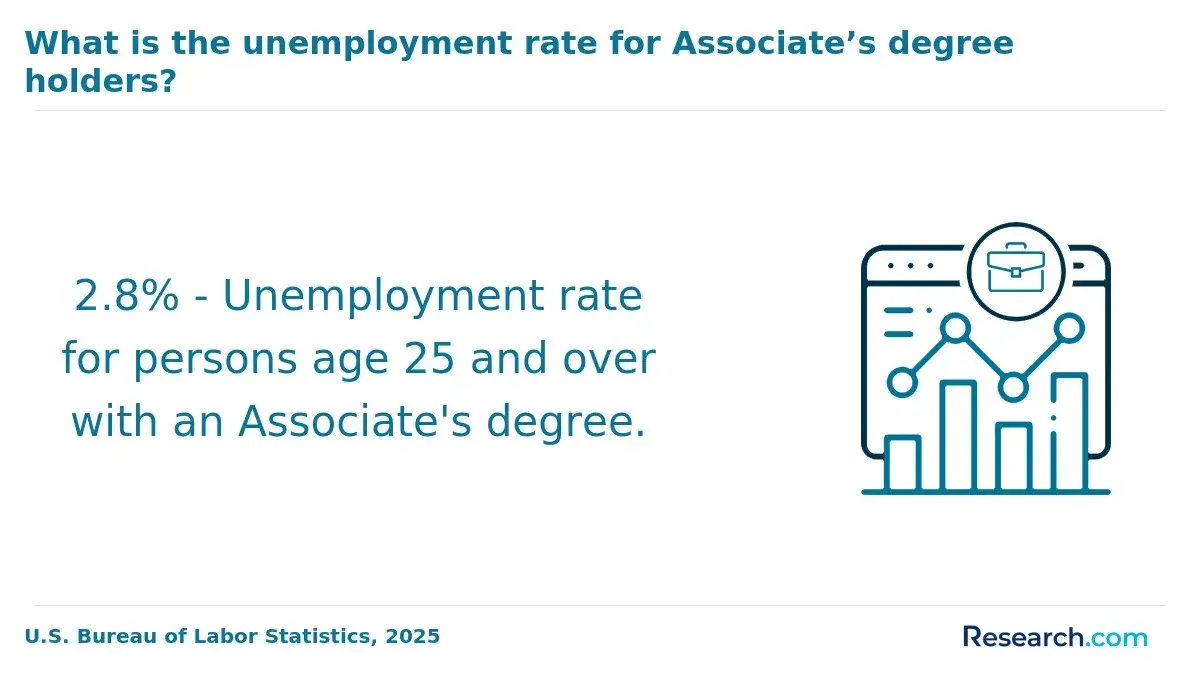
As artificial intelligence increasingly takes over repetitive writing tasks, the value of human skills that AI struggles to replicate is growing in creative writing professions. Employers now look beyond text generation toward abilities that require emotional insight, strategic judgment, and ethical discernment. This shift reflects findings from the U.S. Bureau of Labor Statistics and the National Association of Colleges and Employers in 2024, emphasizing that graduates must complement AI with distinctly human contributions. Understanding which skills hold sustainable value in a tech-augmented landscape is critical for creative writing students preparing for the workforce.
The key human skills gaining traction include:
- Narrative Empathy: Grasping and expressing complex emotions and perspectives enables writers to connect authentically with audiences. Unlike AI's formulaic text, narrative empathy requires immersive understanding and nuanced interpretation, which students can hone by engaging deeply with diverse stories and practicing reflective writing.
- Creative Problem-Solving: Addressing ambiguous challenges with original ideas is essential as routine content is automated. Human writers add value by curating and reframing content thoughtfully to meet evolving client goals. Developing this skill involves tackling open-ended projects and embracing interdisciplinary thinking.
- Collaborative Communication: Integrating insights from marketing, design, and analytics underscores successful teamwork in content creation. Strong interpersonal communication fosters shared vision and iterative feedback, skills honed through collaborative assignments and real-world internships.
- Digital Literacy: Beyond basic tech use, this includes understanding AI's strengths and ethical limits, allowing writers to wield tools responsibly and preserve authenticity. Staying informed on emerging platforms and ethical debates in digital media sharpens this competence.
- Adaptability and Critical Thinking: Navigating rapid changes in technology and audience preferences requires reflective judgment and flexibility. Training in critical reading, media literacy, and scenario planning prepares graduates to respond with agility rather than rote methods.
A recent graduate described a pivotal moment when an agency requested content reflecting a sensitive cultural topic. Despite AI's ability to draft multiple versions quickly, the graduate hesitated before submitting work. They spent extra time consulting community sources and revising the narrative to ensure respectful, authentic representation-an effort AI could not replicate. This careful human intervention not only averted potential backlash but also earned client trust, illustrating firsthand how empathy and critical judgment remain indispensable even as AI reshapes creative writing roles.
How Are AI Tools Changing Daily Work in Creative Writing Careers?
AI tools are increasingly embedded in the workflows of creative writing professionals, automating routine tasks like grammar checks, format standardization, and initial content generation. A 2024 report from the National Association of Writers and Authors indicates that over 60% of creative writing practitioners now rely on AI for drafting outlines and brainstorming ideas, allowing them to produce polished material more quickly. For example, a novelist may use AI-generated suggestions to overcome writer's block, then invest their effort in shaping narrative voice and deeper thematic elements-the AI expedites groundwork but does not replace thoughtful storytelling.
This technological shift reallocates creative writers' energies from repetitive production toward higher-level responsibilities such as critically evaluating AI outputs, ensuring originality, and adhering to ethical standards in content use. The World Creative Economy Forum highlights that employers now favor candidates skilled in integrating AI efficiently while maintaining a unique authorial perspective. In practical terms, this means writers must act as curators and collaborators with AI, blending human insight with algorithmic efficiency to deliver authentic stories that resonate and meet market demands.
These evolving expectations underscore the need for new competencies beyond traditional writing talent, including digital literacy, ethical judgment, and adaptive problem-solving. Creative writing graduates who embrace AI as a tool rather than a replacement can expand their role by focusing on complex character development, emotional nuance, and strategic communication. Ultimately, the fusion of human creativity with AI capabilities reshapes the profession into a hybrid craft where productivity gains coexist with sustained artistic integrity.
How Are Employers Evaluating Creative Writing Candidates Beyond Academic Credentials?
Employers evaluating creative writing candidates for AI era roles are moving decisively beyond traditional academic credentials, emphasizing practical experience and demonstrated skills instead of relying solely on grades or coursework. A 2024 report from the National Association of Colleges and Employers reveals that 78% of hiring managers place greater value on adaptability and real-world proficiency, particularly in digital storytelling and AI-assisted content creation. For example, a candidate who presents a portfolio featuring multimedia projects and collaborations with AI-driven tools often stands out more than one with only strong academic records. This shift means internships, certifications, and hands-on projects reflecting problem-solving and teamwork are crucial in assessing a graduate's readiness to contribute effectively in tech-integrated creative environments.
Recent data from the U.S. Bureau of Labor Statistics and LinkedIn's 2024 Workforce Report underscore how vital versatility and communication skills have become, as employers seek creative writing graduates who can navigate interdisciplinary teams and leverage AI tools ethically and innovatively. Continuous learning also emerges as a key differentiator; a Creative Industries Federation survey found 65% of employers now prefer candidates who actively pursue ongoing professional development in AI and related content technologies. This more holistic hiring approach reveals that the ability to integrate evolving digital competencies alongside traditional writing craft better equips candidates for the complexities of today's job market, improving long-term employability.
Understanding these trends, prospective and current students can enhance their career prospects by cultivating a dynamic portfolio and embracing opportunities such as workshops and online courses for moms or others targeting AI literacy and ethical content creation. Illustrating collaborative problem-solving and adaptability in tangible projects often speaks louder than academic transcripts when competing for creative roles. Consequently, those prepared with a blend of technical fluency, creative intuition, and real-world experience are more aligned with what employers seek, reflecting a pragmatic response to the evolving demands of evaluating creative writing candidates for AI era roles.
How Are Creative Writing Degree Programs Adapting to AI?
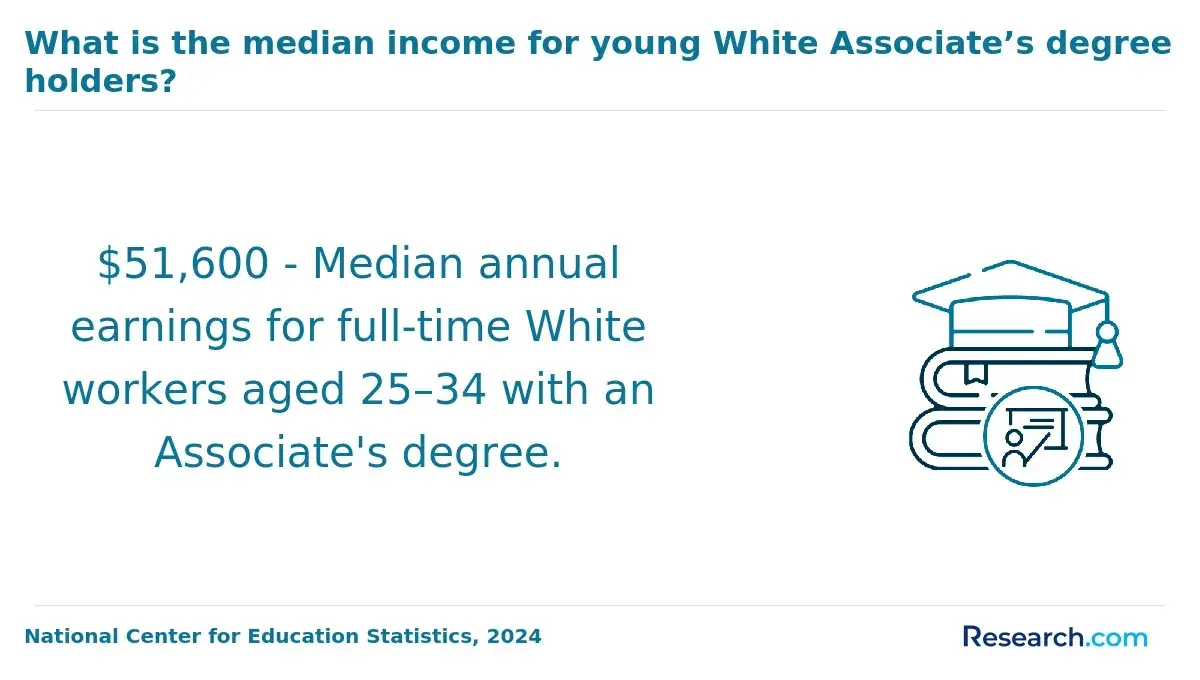
Creative writing degree programs are shifting to incorporate AI literacy as a fundamental component, reflecting data from EDUCAUSE showing over 60% of higher education institutions included AI-related content in humanities curricula by 2024. These programs are not simply adding technical training but actively integrating AI-driven tools such as automated content generators and machine learning-enhanced storytelling into coursework. At the same time, they emphasize critical engagement with the ethical dilemmas around AI authorship and originality, aiming to equip students with the judgment needed to maintain authentic creative practices alongside emerging technologies.
This evolution extends beyond the classroom, as universities update curricula to include interdisciplinary training that bridges digital literacy, data analysis, and narrative craft. Partnerships with industry and experiential learning opportunities expose students to real-world AI platforms, preparing them to critically assess and refine machine-generated drafts rather than relying on them uncritically. For example, a student might collaborate on a project using AI tools to generate narrative frameworks while applying human editorial skills to preserve distinct voice and meaningful storytelling, a balance increasingly valued by employers.
However, this integration presents tradeoffs. A 2024 analysis by the National Association of Colleges and Employers highlights concerns that as AI skills gain prominence, traditional literary analysis and nuanced humanistic inquiry risk diminishing, potentially narrowing graduates' interpretive abilities. Institutions are therefore challenged to balance preserving deep creative writing expertise with fostering adaptability in AI-augmented environments. Graduates proficient in both AI collaboration and foundational writing skills are positioned to meet employer demand for professionals who can navigate and shape the evolving, technology-enhanced creative landscape.
Which Industries Are Changing Hiring Expectations Most for Creative Writing Graduates?
The speed at which artificial intelligence reshapes hiring varies significantly among industries, influencing the skills employers demand from creative writing graduates. Some sectors rapidly adopt AI-enhanced tools to improve efficiency and innovation, causing a shift in recruitment criteria, while others integrate technology more cautiously due to traditional workflows or regulatory constraints. For a recent creative writing graduate weighing career options, understanding these variations is crucial. For instance, a candidate might find that storytelling remains paramount in some fields, whereas tech fluency or data literacy becomes essential in others. Below are industries where AI-driven transformation is actively redefining hiring expectations.
- Media and Entertainment: AI automates routine content production tasks, prompting employers to seek candidates skilled not only in storytelling but also in leveraging AI-powered platforms like scriptwriting software and content personalization tools. Graduates familiar with these technologies stand out as they can enhance creative output and meet digital audience demands.
- Marketing and Advertising: With AI analyzing consumer behavior and optimizing campaigns, companies increasingly require writing talent who can interpret data insights and craft narratives aligned with analytics. Combining creativity with an understanding of digital trends and performance metrics is becoming a key hiring criterion.
- Publishing: Traditionally slower to evolve, this sector is embracing AI for editing, design, and market forecasting. Employers value graduates who can collaborate with AI-driven processes to streamline production while maintaining strong editorial judgment, reflecting a balance of human nuance and technological assistance.
- Technology Industry: Growing demand for user experience (UX) writing and content design involves a thorough grasp of AI's role in creating intuitive digital interfaces. Graduates must adapt to writing that prioritizes clarity and engagement across complex platforms, often working alongside AI tools for content personalization and accessibility.
- Education and E-Learning: AI integration in digital learning materials is prompting a need for writers who can develop adaptive, interactive content. Creative writing graduates with skills in instructional design and AI-enhanced content creation are increasingly sought after to produce engaging, personalized educational experiences.
One recent graduate recalled the challenge of choosing between sectors after graduation. Initially drawn to traditional publishing, they hesitated as job postings increasingly emphasized experience with AI tools for content automation and market analytics. Exploring marketing roles revealed a sharper focus on data-driven storytelling, which demanded new skills and a willingness to engage with constantly evolving technologies. Ultimately, the graduate found relief when transitioning into a tech company's UX writing team, where creativity paired with AI literacy was clearly valued. Reflecting on this journey, they noted the urgency to continuously adapt or risk missing opportunities, emphasizing that aligning one's skillset with the distinct AI expectations in each industry can profoundly influence career prospects.
How Is AI Changing Career Growth for Creative Writing Professionals?
Adoption of AI varies widely by industry, directly shaping hiring criteria for creative writing graduates. Sectors with rapid digital transformation demand skills that extend beyond traditional narrative talent, including proficiency in AI tools, data-driven content creation, and adaptability to hybrid workflows. Conversely, industries slower to integrate AI maintain more conventional expectations but face increasing pressure to adjust. These differences mean prospective creative writing students need tailored insight into where AI impact on creative writing careers accelerates hiring evolution the most. Below are five key industries reshaping hiring patterns.
- Marketing and Advertising: AI-powered analytics and automated content generation are redefining how campaigns are crafted. Employers now prioritize skills in prompt engineering and AI-assisted editing to produce personalized and scalable narratives that engage diverse audiences. Creative writing graduates should develop digital fluency to meet these evolving demands.
- Publishing and Media: The rise of natural language generation platforms streamlines drafting and fact-checking, necessitating creativity paired with technical proficiency. Companies seek writers who can collaborate with AI to maintain originality amid increased content volume and speed.
- Video Game Development: Narrative design in games increasingly uses AI-driven tools to create dynamic storylines and personalized player experiences. Writers with hybrid skills in storytelling and AI interaction scripts are becoming indispensable in this innovation-driven sector.
- Corporate Communications: Automated report generation and AI content customization require communicators adept at overseeing AI outputs while ensuring brand voice consistency. Mastery of AI editing software complements strong writing fundamentals here.
- Education Technology: With personalized learning content created through AI, educational publishers and platforms prefer creative writing professionals who understand AI-based content generation and can tailor narratives to diverse learner profiles. This trend aligns with workforce transformation data from the U.S. Bureau of Labor Statistics highlighting rapid growth in AI-integrated writing roles.
Creative writing students targeting these fields should combine storytelling craft with technical skills to navigate shifts in hiring expectations caused by AI. For those balancing affordability with career goals, options like the cheapest online environmental science degree may provide cost-effective pathways that emphasize integrated tech proficiency and narrative skill development.
Employers' increasing emphasis on digital and AI competencies means career growth with AI for creative writing professionals hinges on adopting tools that enhance, rather than replace, human creativity.
How Should Creative Writing Students Prepare for AI-Driven Hiring?
Preparing for AI-driven hiring requires more than earning a creative writing degree; it demands a strategic combination of technical proficiency, AI literacy, and human-centered storytelling skills. Employers are increasingly integrating AI tools in content creation and evaluation, which reshapes their expectations of creative writing graduates. Success now hinges on how well candidates merge traditional narrative craft with digital adaptability and ethical awareness of AI's role. The following practical strategies can help creative writing students navigate this evolving job market effectively.
- Develop Hybrid Technical Skills: Building foundational knowledge in coding or machine learning enables students to collaborate more effectively with AI tools in storytelling. Acquiring these skills before graduation can differentiate candidates in a job market where over 50% of companies use AI for content creation, according to the World Economic Forum.
- Gain Hands-On AI Experience: Familiarity with AI-assisted writing platforms is essential, as employers value candidates who can enhance creativity with AI rather than replace it. Students should seek internships or projects involving AI-driven tools to demonstrate practical competence.
- Focus on Ethical AI Awareness: Understanding the ethical implications of AI in creative fields cultivates critical thinking and responsible problem-solving, traits that hiring managers increasingly prioritize in candidates navigating AI-driven roles.
- Engage in Interdisciplinary Collaboration: Working on teams that combine creative writing with technology fosters innovation and adaptability. Such experiences signal to employers that candidates can bridge storytelling with AI-enhanced formats, including immersive and interactive media.
- Enhance Data Literacy Skills: Interpreting audience data and analytics supports informed narrative decisions in AI-augmented content development. Students should incorporate basic data analysis into their skillset to meet employer demands outlined in a 2024 survey by the National Association of Colleges and Employers.
For students comparing fields or concerned about costs, examining how much does a criminal justice degree cost offers perspective on tuition and fees, aiding informed decisions across disciplines including creative writing.
How Should Students Choose a Creative Writing Program for the AI Era?
Choosing a creative writing program today requires assessing more than reputation or tuition costs; students must evaluate how effectively a program integrates AI literacy to meet shifting employer demands. A 2024 National Center for Education Statistics report reveals programs combining AI skills with narrative arts achieve a 35% higher graduate employment rate in creative sectors. This underscores the importance of curricula that blend traditional storytelling with AI tools, preparing students for roles where human creativity and AI collaboration coexist. Consider these five critical factors when selecting a program that equips you for an AI-driven workforce.
- AI-Integrated Curriculum: Programs should incorporate AI-enhanced technologies like automated content generation and data-driven research. This fosters adaptability and ensures graduates can navigate emerging digital storytelling landscapes.
- Interdisciplinary Opportunities: Combining creative writing with computer science or digital media sharpens both technical fluency and narrative skills, essential for innovative content creation.
- Accreditation and Curriculum Updates: Select institutions accredited by recognized bodies that regularly revise courses to reflect AI advancements, demonstrating a commitment to relevant education.
- Practical AI Experience: Availability of internships, workshops on AI ethics, and hands-on training with AI content platforms builds real-world competencies highly valued by employers.
- Critical Thinking Emphasis: Programs encouraging analysis of AI's impact on storytelling equip students to engage thoughtfully with technology rather than becoming passive users, enhancing creativity and professional judgment.
References
- The Writers College AI Policy for Journalism and Creative Writing Students - https://www.thewriterscollege.com/the-writers-college-ai-policy-for-journalism-and-creative-writing-students/
- 27 Best AI Writing Tools in 2026 (Tested & Reviewed) https://www.emailvendorselection.com/best-ai-writing-tools/
- What You Need to Know to Get a Creative Job in AI | Envato Tuts+ https://business.tutsplus.com/tutorials/get-creative-job-in-ai--cms-108501
- WRITER careers https://writer.com/company/careers/
- Creative workers on the affects of AI on their jobs https://www.bbc.com/news/articles/c8e9627w156o
- The Technical Writer’s Edge: A Job Search Guide for the AI Era https://www.writethedocs.org/hiring-guide/job-search-ai-era/
- Artificial Intelligence in Creative Writing Studies: Threat or Opportunity | IntechOpen https://www.intechopen.com/chapters/1202604
- Careers and Jobs in Creative Writing | University of Phoenix https://www.phoenix.edu/articles/liberal-arts/careers-and-jobs-in-creative-writing.html
- AI's Impact on Graduate Jobs: A 2025 Data Analysis | IntuitionLabs https://intuitionlabs.ai/articles/ai-impact-graduate-jobs-2025
- AI writing tools comparison with examples | Kontent.ai https://kontent.ai/blog/top-ai-tools-for-content-writers/
Other Things You Should Know About Creative Writing
Employers increasingly recognize AI's role but remain cautious about overreliance that dilutes authentic creative voice. Graduates must strategically present samples that highlight their unique narrative style while transparently acknowledging when and how AI tools contributed, if at all. Prioritizing original, unpublished work or drafts that demonstrate ideation and voice development helps signal genuine creative capacity beyond AI-generated text.
The challenge is allocating limited time between mastering AI tools and cultivating core artistic strengths like character development, voice, and thematic complexity. Employers value graduates who can integrate AI fluently but not at the expense of foundational literary craft. Graduates should prioritize deep literary skills first, then layer AI competencies as complementary enhancers rather than replacements, preserving their distinct creative identity.
As AI content use proliferates, employers expect graduates to navigate ethical dilemmas and intellectual property issues confidently. Lack of this knowledge can increase risk for organizations and harm a candidate's perceived professionalism. Graduates benefit from seeking programs or supplementary workshops that rigorously address these concerns, signaling preparedness to engage responsibly with evolving creative technologies.
Choosing positions heavily centered on AI may accelerate tech fluency but risk pigeonholing writers into narrow functions like content editing or augmentation. Conversely, roles valuing narrative innovation deepen artistic development but may initially offer slower career progress in tech-driven industries. A balanced approach recommending initial immersion in traditional storytelling roles, followed by gradual integration of AI-related tasks, optimizes long-term adaptability and creative growth.