2027 Counseling Psychology Transfer Credit Trends: How Schools Are Adapting for Adult Learners

Co-Founder and Chief Data Scientist
When a working professional with military training and several college credits from various institutions, enrolled in a counseling psychology program, expected most of the coursework to transfer seamlessly. Instead, faced an unexpected denial of nearly 30% of credits, threatening to extend graduation timeline and increase tuition costs significantly. This scenario is increasingly common: a 2024 National Student Clearinghouse report found that only 58% of transferred credits are accepted fully by receiving institutions, reflecting a growing complexity in credit evaluation and prior learning assessment policies.
For adult learners balancing careers and finances, understanding these trends critically shapes academic planning and affordability. This article analyzes current transfer credit patterns within counseling psychology programs, highlighting how schools are adapting policies to better serve adult and transfer students aiming to optimize degree completion time and cost.
Key Things to Know About Counseling Psychology Transfer Credit Trends for Adult Learners
- Expanded acceptance of prior learning assessment in counseling psychology programs allows recognition of military training and workforce experience, yet this can lengthen transcript evaluation times, delaying enrollment decisions and initial coursework.
- Technology-enabled credit evaluation streamlines transfer reviews but may underemphasize qualitative course alignment, leading some credits to transfer with limited employer-recognized relevance, affecting long-term career advancement decisions.
- Community college pathways increasingly facilitate adult learner enrollment with accessible credit transfer, yet required remedial courses or non-transferable electives can extend time-to-degree and increase cumulative costs for working professionals.
- Key Things to Know About Counseling Psychology Transfer Credit Trends for Adult Learners Key Things to Know About Counseling Psychology Transfer Credit Trends for Adult Learners
- How Are Counseling Psychology Programs Changing Transfer Credit Policies for Adult Learners? Evolving Adult Transfer Policies
- Why Are More Counseling Psychology Schools Accepting Credit for Prior Learning and Work Experience? Prior Learning Credit Benefits
- How Do Counseling Psychology Colleges Evaluate and Award Transfer Credits Today? Transfer Credit Evaluation Process
- Which Alternative Credits Are Most Commonly Accepted by Counseling Psychology Programs? Accepted Alternative Credits
- How Are Counseling Psychology Schools Improving Transfer Pathways for Community College Students? Improved Community College Pathways
- How Can Transfer Credits Help Counseling Psychology Students Graduate Faster? Accelerating Degree Completion
- How Much Money Can Students Save Through Counseling Psychology Transfer Credit Opportunities? Cost Saving Through Transfers
- How Are Counseling Psychology Programs Supporting Military Students and Workforce Learners Through Transfer Credits? Military Credit Transfer
- What Transfer Credit Innovations Are Shaping the Future of Counseling Psychology Education? Transfer Credit Innovations
- How Can Adult Learners Maximize Transfer Credits in a Counseling Psychology Program? Maximizing Your Transfer Credits
How Are Counseling Psychology Programs Changing Transfer Credit Policies for Adult Learners?
A noticeable shift in how counseling psychology programs manage transfer credit acceptance addresses the more complex needs of adult learners, working professionals, and military-affiliated students. Programs increasingly recognize diverse learning pathways by accepting credits from community colleges, professional certifications, and relevant military training, which can notably shorten time-to-degree and reduce overall costs.
For example, a veteran transferring from a community college to a counseling psychology bachelor's program may find that previously non-traditional credits are now evaluated more favorably, allowing smoother progress without redundant coursework. However, students must weigh institutional differences in credit equivalency and the potential requirement for supplementary classes, since maintaining CACREP accreditation often limits acceptance of credits from non-accredited sources and specialized counseling courses.
As transfer credit policies evolve, the integration of advanced transcript evaluation technologies helps expedite these decisions, benefiting adult learners who balance education with career demands. Nearly 68% of adult learners gain tangible advantages from these more flexible transfer credit options, as reported by the National Center for Education Statistics, highlighting their role in supporting timely degree completion and affordability.
Nonetheless, prospective students should critically assess articulation agreements and credit transfer policies when comparing programs to ensure compatibility with their academic and professional backgrounds. For those navigating complex credit portfolios, especially military-affiliated students or those seeking to earn a healthcare administration degree, understanding each institution's approach to credit mobility and course sequencing remains crucial to avoid unexpected delays or costs.
Why Are More Counseling Psychology Schools Accepting Credit for Prior Learning and Work Experience?
The increasing acceptance of credit for prior learning (CPL) and work experience in counseling psychology programs signals more than just leniency in transfer policies; it reflects systemic shifts aimed at accommodating adult learners with diverse educational and professional backgrounds. These programs must balance maintaining academic rigor and licensure requirements with streamlining degree pathways to reduce redundancy.
For instance, recognizing military training or industry certifications as eligible for credit can shorten time to degree, but institutions often impose strict documentation and competency assessments to preserve program quality. A 2024 report from the Council for Adult and Experiential Learning found a 15% boost in degree completion rates for students utilizing CPL, highlighting how such policies can increase persistence while also raising questions about consistent credit evaluation standards across schools.
From a workforce perspective, expanding prior credit recognition aligns academic credentials with practical skills, which is essential in counseling psychology where clinical competencies are critical for licensure and employment. However, the variation in how institutions value experiential learning means that transfer students and working professionals must navigate uneven policies that can affect course planning and financial considerations.
While leniency in credit acceptance can improve accessibility and reduce tuition burden, it may also require students to carefully scrutinize how these credits fit within program requirements to ensure they meet long-term career objectives without compromising essential clinical training. These evolving transfer credit strategies, therefore, play a crucial role in shaping enrollment decisions and academic timelines for many adult learners in the field.
How Do Counseling Psychology Colleges Evaluate and Award Transfer Credits Today?
Transfer credit evaluation in counseling psychology programs has shifted from a routine administrative step to a strategic process that directly influences enrollment management and student success. Institutions weigh factors like accreditation status, course content alignment, and grade minimums, but also contend with the complexity of assessing applied skills and practicum equivalencies crucial to counseling psychology. For example, a military-affiliated student with professional training must navigate institutional policies that balance recognition of prior learning with requirements for residency credits and upper-division coursework, which can significantly affect time to degree and tuition expenses.
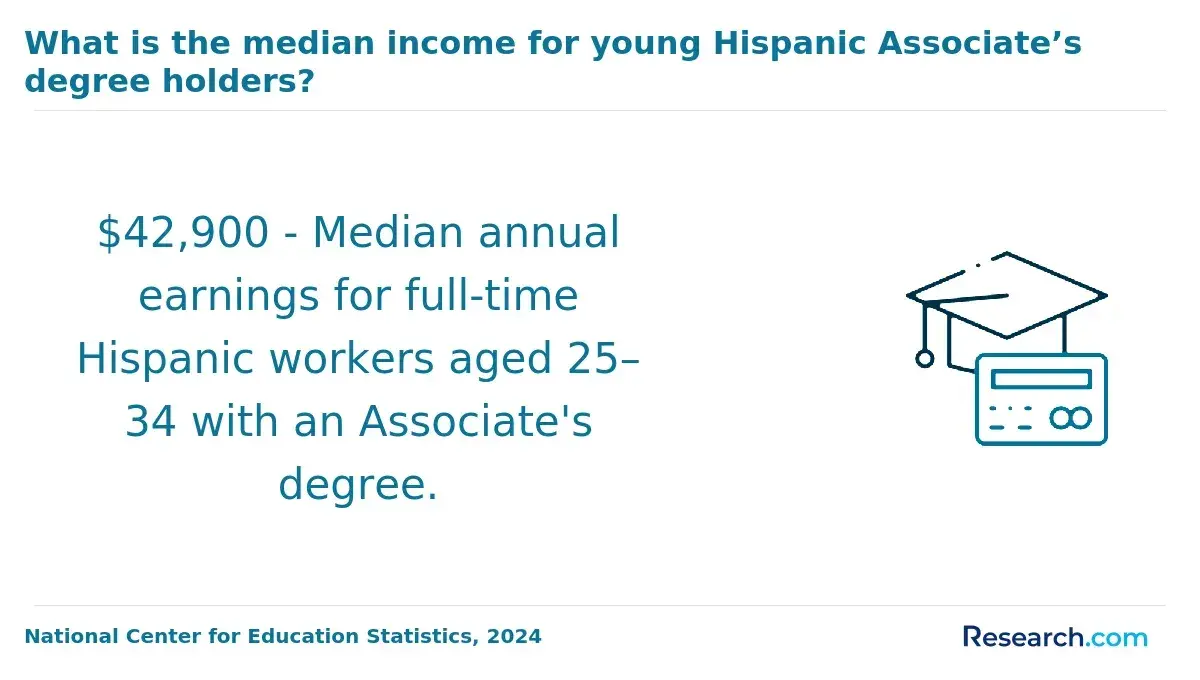
Colleges increasingly use formal articulation agreements to streamline acceptance of foundational coursework from community colleges or other universities, yet specialized counseling psychology classes often require individualized assessment due to varied learning outcomes. A 2024 report from the American Council on Education highlights that nearly 60% of institutions now integrate credit for prior learning, reflecting a growing trend to reduce redundancy and accelerate completion for adult learners and workforce professionals. While technology-assisted tools aid in matching courses, human judgment remains essential for evaluating nuances relevant to ethical standards and core competencies, which ultimately shapes degree applicability and career-readiness.
These evolving policies present both opportunities and challenges: transfer students can leverage past education more effectively, but must also plan strategically around institutional limits on elective versus core credit acceptance and credit recency standards. Those transitioning from military or alternative credential backgrounds may see varied credit recognition linked to the quality of demonstrated competencies. Consequently, the practical tradeoff often involves balancing faster degree progression against ensuring rigorous preparation for counseling roles, which employers increasingly scrutinize amid rising demand in behavioral health services.
Which Alternative Credits Are Most Commonly Accepted by Counseling Psychology Programs?
Alternative credit acceptance has emerged as a strategic approach to enhance degree accessibility and shorten completion timelines for adult learners in counseling psychology programs rather than a mere administrative adjustment. Commonly evaluated sources include credit for prior learning (CPL), military training credits, standardized CLEP exams, and workforce certifications recognized by entities such as the American Council on Education.
Institutions often impose strict course equivalency reviews, accreditation standards, and residency requirements that limit the transferability of these credits, especially for upper-division or core counseling psychology coursework. For example, an adult learner with extensive military experience and professional certifications may accelerate their progress but still need to complete in-person or advanced clinical courses unique to the program.
Transfer credit options for counseling psychology programs vary widely but increasingly incorporate competency-based assessments and credits from alternative accredited providers, reflecting shifts toward flexible, skills-focused evaluation methods. According to the Council for Adult and Experiential Learning in 2024, over 70% of institutions factor CPL into their credit policies, a trend that supports working professionals needing greater schedule adaptability.
Awareness of these policies influences transfer planning, affordability, and degree completion strategies, as not all coursework or employer-sponsored learning counts equally. Adult learners weighing their prior learning credentials should consider both institutional policy nuances and the potential impact on time-to-degree when selecting or continuing counseling psychology studies.
Those navigating these pathways might also explore aligned programs such as MHA online programs for broader options in healthcare administration, which sometimes offer complementary credit recognition and cost efficiency, particularly in institutions with integrated health sciences curricula.
How Are Counseling Psychology Schools Improving Transfer Pathways for Community College Students?
Improving transfer pathways has become a strategic priority for counseling psychology programs due to the critical need to reduce time-to-degree and prevent credit loss amid growing enrollment of community college students. Institutions are increasingly adopting formal articulation agreements that clearly define course equivalencies, enabling more predictable credit transfers. This approach, combined with aligning foundational coursework and prerequisite requirements, allows transfer students to maintain academic momentum and avoid unnecessary repetition.
However, the variability of state policies and institutional standards means not all credits transfer uniformly, requiring students to carefully navigate these frameworks to optimize their credit applicability and degree progress. Many counseling psychology programs are also integrating enhanced credit evaluation tools such as prior learning assessments and credit mobility platforms, which recognize professional certifications and experiential learning-critical for adult learners and military-affiliated students.
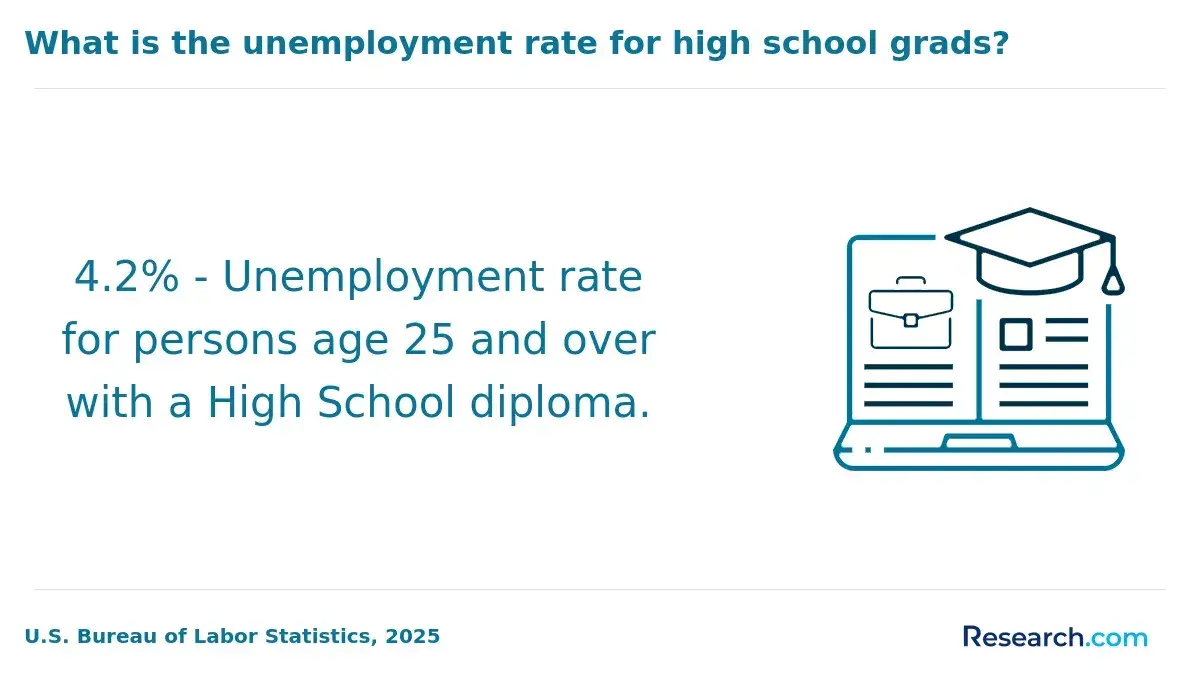
Robust transfer advising has emerged as another essential adaptation, guiding transfer students through degree maps tailored to community college curricula and helping them anticipate potential course gaps. According to recent data from the National Center for Education Statistics, students who transfer with an associate degree designed for transfer are 25% more likely to graduate on time, underscoring the tangible impact of structured, transparent transfer frameworks on degree completion rates and educational accessibility.
How Can Transfer Credits Help Counseling Psychology Students Graduate Faster?
Transfer credit policies for counseling psychology students significantly shape how quickly adult learners and professionals can complete their degrees, but accelerated graduation is not guaranteed simply by submitting previously earned credits. Many programs impose strict residency and upper-division coursework requirements that limit how much credit can be applied toward core counseling psychology courses, especially those involving sequential clinical practice or theory.
Graduates must also navigate how licensure standards affect credit acceptance, as credits satisfying general education or foundational psychology may not translate into progress on specialized degree milestones, potentially extending timeframes despite initial assumptions. Institutional recognition of prior learning assessments and credits from regionally accredited institutions, workforce training, and military experience create valuable flexibility, yet the reality of counseling psychology transfer credit acceptance often reflects curriculum alignment challenges.
Students benefit most from formal articulation agreements that clarify which credits will fulfill degree benchmarks, reducing administrative friction and enabling strategic course planning. This is particularly important for working adults or military-affiliated students balancing multiple responsibilities, as evolving transfer-friendly policies can influence enrollment decisions, affordability, and long-term degree completion plans.
When evaluating transfer credit options, counseling psychology students should consider how policies affect the applicability and timing of credits within their specific program pathways rather than assuming a straightforward reduction in time-to-degree. Integrating these insights with resources like nutrition school online guides can help adult learners frame their transfer credit strategies more realistically. Understanding these dynamics is critical to managing expectations about faster graduation through transfer credits in counseling psychology and maximizing previous academic investments without unintended delays.
How Much Money Can Students Save Through Counseling Psychology Transfer Credit Opportunities?
Transfer credit acceptance in counseling psychology programs can lead to meaningful cost and time savings, but these benefits are highly contingent on institutional policies and program-specific limits. For instance, while prior learning assessments and partnerships with community colleges may allow students to earn up to 30 credits-effectively a quarter of a bachelor's degree-many schools enforce residency requirements and credit caps that restrict the total number of transferable credits. This often obliges students to complete the final 30 to 45 credits directly through their degree-granting institution, reducing potential savings and sometimes necessitating retaking key courses despite relevant prior experience.
Military-affiliated students and working professionals frequently leverage articulation agreements and credit for workforce training to accelerate degree completion, yet success in maximizing these benefits hinges on proactive academic advising and careful evaluation of course equivalencies. According to a 2024 report from the National Student Clearinghouse Research Center, students who transfer credits effectively can shorten their degree paths by 12 to 18 months, translating into thousands saved in tuition. However, transfer students moving from two-year colleges to four-year programs often encounter credit loss or denied equivalencies, softening the financial impact and complicating long-term academic planning.
Ultimately, students must balance potential tuition reductions against the institutional realities of credit portability within counseling psychology. Transfer credits can reduce repetitive coursework and lower total expenses, but institutional variations in acceptance-driven by elective versus core course policies and strict residency rules-often mandate strategic enrollment decisions. Adult learners and degree completers, in particular, should approach transfer credit evaluations not simply as a way to save money upfront but as an integral factor influencing degree timeline, program affordability, and alignment with personal and professional commitments.
How Are Counseling Psychology Programs Supporting Military Students and Workforce Learners Through Transfer Credits?
While many counseling psychology programs have expanded transfer credit policies to acknowledge military training and workforce credentials, the practical impact on degree timelines varies significantly. Military-affiliated students often leverage prior learning assessments and ACE-endorsed credit recommendations to convert leadership or technical training into academic credit, potentially accelerating graduation.
However, inconsistent evaluation criteria across institutions mean that accepting these credits is not guaranteed, with only about 62% of military students reporting full acceptance in relevant programs according to recent NCES data. This variability necessitates careful academic planning for students relying on transfer credits to avoid unexpected gaps in requirements or extended enrollment. For working professionals, the recognition of professional certifications and apprenticeships within transfer frameworks can reduce redundant coursework and lower overall educational costs.
Still, these credits frequently apply only to elective or non-core components, requiring strategic consultation with advisors to ensure alignment with licensing or employment prerequisites. Institutional strategies that incorporate flexible degree pathways-such as part-time or online formats-serve to accommodate adult learners' schedules but do not always offset the complexity of credit articulation, which may prolong degree completion despite credit recognition. Consequently, students must weigh the potential time savings from credit acceptance against possible institutional constraints and the need to meet specific program competencies valued by employers in high-demand mental health fields.
What Transfer Credit Innovations Are Shaping the Future of Counseling Psychology Education?
Recent shifts in transfer credit policies are directly impacting access and degree mobility for adult counseling psychology learners, especially those balancing professional or military obligations. The expansion of credit for prior learning (CPL) to include military service, professional certifications, and digital micro-credentials provides tangible recognition for experiential knowledge but also introduces challenges in maintaining consistent academic standards across institutions.
For example, a military-affiliated student may find credits accepted at one university yet require additional coursework at another, highlighting the uneven credit portability despite growing transfer pathway agreements. The practical implication is that while these flexible transfer credit policies can reduce time to graduation, careful institutional and learner planning is essential to avoid unexpected delays or gaps in credentialing. Artificial intelligence-assisted transcript evaluation systems are now deployed by some programs to expedite credit assessments, with a 2024 National Center for Education Statistics report noting up to a 40% reduction in evaluation time.
This accelerates the onboarding process for transfer students but risks overreliance on automated matching without nuanced consideration of counseling psychology's competency requirements. Competency-based education (CBE) models, prominently used in adult counseling psychology education, address this by allowing students to earn credit through demonstrated mastery aligned with workforce needs. However, integrating CBE alongside traditional credits demands robust advising to ensure learners understand how their prior experiences and credentials-whether military, professional, or digital-translate into program competencies.
These innovations improve educational accessibility and pathways but require learners and institutions to navigate complex tradeoffs around credit consistency and academic quality, underscoring the need for strategic degree planning that factors into long-term employability. For those considering related career transitions, understanding how flexible transfer options interact with workforce demands, such as shifts in credential expectations documented in fields like pharmaceutical sales, remains critical for pharma sales rep salary.
How Can Adult Learners Maximize Transfer Credits in a Counseling Psychology Program?
Maximizing transfer credit acceptance requires adult learners to critically assess how prior coursework and experiences align with counseling psychology program requirements, especially given common institutional caps that typically limit transferred credits to 60-75% of degree requirements. For instance, a working professional with military training and previous college credits must navigate transcript evaluations that weigh relevance to core counseling psychology competencies like ethics and human development.
Because outdated or vague course descriptions often obstruct credit approval, early and detailed engagement with academic advisors to ensure accurate course equivalencies is essential. Overlooking this step can lead to unnecessary repetition of foundational courses, extending time-to-degree and increasing educational costs. Many counseling psychology programs now incorporate formal credit for prior learning policies that recognize military and workforce training, a vital consideration for adult learners balancing professional commitments.
Articulation agreements between institutions can streamline credit transfers but are unevenly distributed, requiring learners to verify existing pathways thoroughly. Alternate credit options such as standardized examinations or professional certifications offer additional acceleration, though their acceptance varies and may impact licensure eligibility. For those exploring efficient educational routes, comparing transfer policies across programs, such as those found in the best easiest counseling degree programs, can reveal pathways that reduce redundant coursework while preserving academic rigor.
References:
- Streamline Adult Learner Enrollment: Best Practices Guide - Collegis Education https://collegiseducation.com/insights/streamline-adult-learner-enrollment-best-practices-guide/
- Tips for Military Spouses Going Back to School | TUW Online Degree https://www.tuw.edu/military-news/tips-for-military-spouses-going-back-to-school/
- Adult Learner Enrollment to Completion via Cross-Sector Partnerships https://changinghighered.com/adult-learner-enrollment-completion-partnerships/
- What is the transfer policy? https://help.paloaltou.edu/what-is-the-transfer-policy
- Military Bridge | Admissions | Northwest Technical College https://www.ntcmn.edu/admissions/military-bridge/
- www.degreesight.com: Verifying that you are not a robot... https://www.degreesight.com/news/transfer-credit-evaluation-the-key-to-unlocking-enrollment-growth/
- Changes in Education Policy and What They Mean for Adult Learners - ReUp Education https://reupeducation.com/blog/changes-in-education-policy-and-what-they-mean-for-you/
- The Missing Link: Adult Learners and the Transfer Process https://www.cael.org/resouces/pathways-blog/the-missing-link-adult-learners-and-the-transfer-process
- Going Back To School For Psychology | Psychology.org https://www.psychology.org/resources/returning-to-school/
- Counseling Trends to Watch in 2026 https://www.iccp2026.com/post/emerging-trends-in-counseling-for-2026
Other Things You Should Know About Counseling Psychology
Transfer credit acceptance rates can influence the depth and scope of counseling psychology training students receive. Programs that accept a high volume of transfer credits may shorten coursework but risk gaps in foundational or specialized content critical to clinical competencies. Students should weigh whether faster progression compensates for potentially reduced exposure to essential theories and practicum requirements, especially since employers and licensing boards often prioritize comprehensive supervised training over accelerated timelines.
Many counseling psychology programs impose strict ceilings on transferable credits to ensure degree integrity, which can extend time to degree completion. For working adults balancing jobs and family, this means carefully planning course loads, as transfer credits might not substantially reduce scheduled semesters. Prioritizing programs that offer flexible scheduling alongside moderate transfer policies can better support manageable workloads without sacrificing educational quality.
While generous transfer policies may shorten educational timelines, the reputation and accreditation of the counseling psychology program often weigh more heavily in employer hiring and licensure consideration. Prioritizing schools with solid professional connections and rigorous curricula can enhance career prospects, even if it requires taking more courses onsite or online instead of relying heavily on transfer credits.
Transfer credits may not fully satisfy the specific coursework or supervised experience mandates of certain state licensure boards. Students must verify that their transferred courses align closely with license criteria to avoid delays or additional training post-graduation. When possible, consulting both academic advisors and licensing authorities prior to program selection can minimize licensure complications caused by non-aligned transfer credits.