2027 Counseling Psychology Salary Trends Report: Are Wages Keeping Up With Tuition and Inflation?

Co-Founder and Chief Data Scientist
A prospective counseling psychology student weighing the decision to enroll faces a complex financial puzzle. Tuition rates continue to climb while inflation erodes purchasing power, raising doubts about whether the future salary will justify the initial investment.
The challenge lies in balancing immediate costs against uncertain long-term earnings, especially when debt and living expenses compound the burden. Understanding how wages keep pace with these economic pressures is essential for making an informed choice.
Salary growth, tuition inflation, and general price inflation often move at different rates, which complicates straightforward assessments of degree value. Evaluating only salary figures without context risks overlooking shifts in affordability and real income over time.
This article analyzes trends in counseling psychology salaries, tuition costs, and inflation to clarify the degree's return on investment. It also explores factors influencing long-term financial outcomes and affordability for students and recent graduates.
Key Things to Know About Counseling Psychology Salary Trends
- Average entry-level salaries for counseling psychology graduates have stagnated near $47,000 despite a 12% average tuition increase over five years, highlighting a growing gap between investment and immediate returns.
- Inflation-adjusted wages have declined annually by 1.5% since 2022, reducing the real purchasing power of recent graduates and necessitating strategic career moves to offset financial pressure.
- Specialization in high-demand areas like neuropsychology or trauma counseling predicts a 20% higher lifetime earning potential, emphasizing the need to align graduate focus with evolving labor market demands.
- Key Things to Know About Counseling Psychology Salary Trends Key Things to Know About Counseling Psychology Salary Trends
- What Is the Current Salary Outlook for Counseling Psychology Graduates? Salary Outlook
- Are Counseling Psychology Salaries Keeping Up With Inflation? Inflation Impact
- How Do Tuition Costs Compare With Counseling Psychology Salary Growth? Tuition vs Salary
- Does a Counseling Psychology Degree Deliver a Positive Return on Investment? Degree ROI
- Which Industries Offer the Highest Salaries for Counseling Psychology Graduates? Which Industries Offer the Highest Salaries for Counseling Psychology Graduates?
- Which States and Cities Offer the Highest Pay for Counseling Psychology Professionals? Which States and Cities Offer the Highest Pay for Counseling Psychology Professionals?
- How Do Counseling Psychology Salaries Grow Throughout a Career? Career Growth
- How Do Counseling Psychology Salaries Compare With Similar Degrees? Salary Comparison
- How Is Employer Demand Affecting Counseling Psychology Salary Trends? Employer Demand
- How Can Students Maximize Their Lifetime Earnings With a Counseling Psychology Degree? Maximizing Earnings
What Is the Current Salary Outlook for Counseling Psychology Graduates?
The current salary outlook for counseling psychology graduates in 2024 reveals considerable variability based on work setting, location, and experience level. Median annual wages for clinical, counseling, and school psychologists hover around $83,000 according to the U.S. Bureau of Labor Statistics, but entry-level professionals often start closer to $60,000.
For instance, a recent graduate working in a metropolitan private practice with licensure and specialized certifications could surpass $100,000 within a few years, while another working in a school district or nonprofit in a lower-cost area might see more modest earnings.
This divergence illustrates how two individuals holding the same degree may experience vastly different financial outcomes depending on their career choices and professional development efforts, underscoring the complexity behind average earnings for counseling psychology professionals.
Evaluating the counseling psychology graduate salary trends requires weighing early salary figures alongside long-term opportunities, job demand, and cost considerations. Demand for mental health services is growing, particularly in sectors like telehealth and integrated care, which may lead to accelerated wage growth over time.
However, rising tuition fees and inflation pressures mean that initial salaries sometimes lag behind education costs, challenging new graduates managing student debt. Prospective students should therefore balance salary prospects with these economic realities and consider professional credentials carefully to maximize earning potential.
Exploring a health administration degree as a complement or alternative pathway might also affect career flexibility and income trajectories in related fields.
Are Counseling Psychology Salaries Keeping Up With Inflation?
Wage increases for counseling psychology professionals have fallen short of keeping pace with inflation, leading to a decline in real earning power. Data from the U.S. Bureau of Labor Statistics shows that median wages for clinical, counseling, and school psychologists have grown at an average annual rate of just under 2.5%, while inflation tracked by the Consumer Price Index has hovered around 4% per year.
This discrepancy means that even though nominal salaries rise, their purchasing power erodes, limiting the economic benefits of a counseling psychology degree over time. For example, a recent graduate facing a 4% annual increase in living expenses but receiving only a 2.5% salary bump effectively sees a shrinkage in disposable income after costs like housing and healthcare are accounted for.
Consider a graduate entering the field after completing a master's degree, who also carries student debt that grew alongside tuition inflation rates exceeding 5% annually. This individual confronts a challenging financial tradeoff: their earnings increase too slowly to outpace both general inflation and the escalating costs of educational debt repayment.
Factors such as geographical region, specialization, and experience further complicate whether counseling psychology salary growth keeps up with inflation, sometimes widening the income gap.
Prospective students may benefit from exploring alternative pathways, such as health administration master programs, which might offer different financial trajectories and wage growth patterns aligned more closely with inflation.
How Do Tuition Costs Compare With Counseling Psychology Salary Growth?
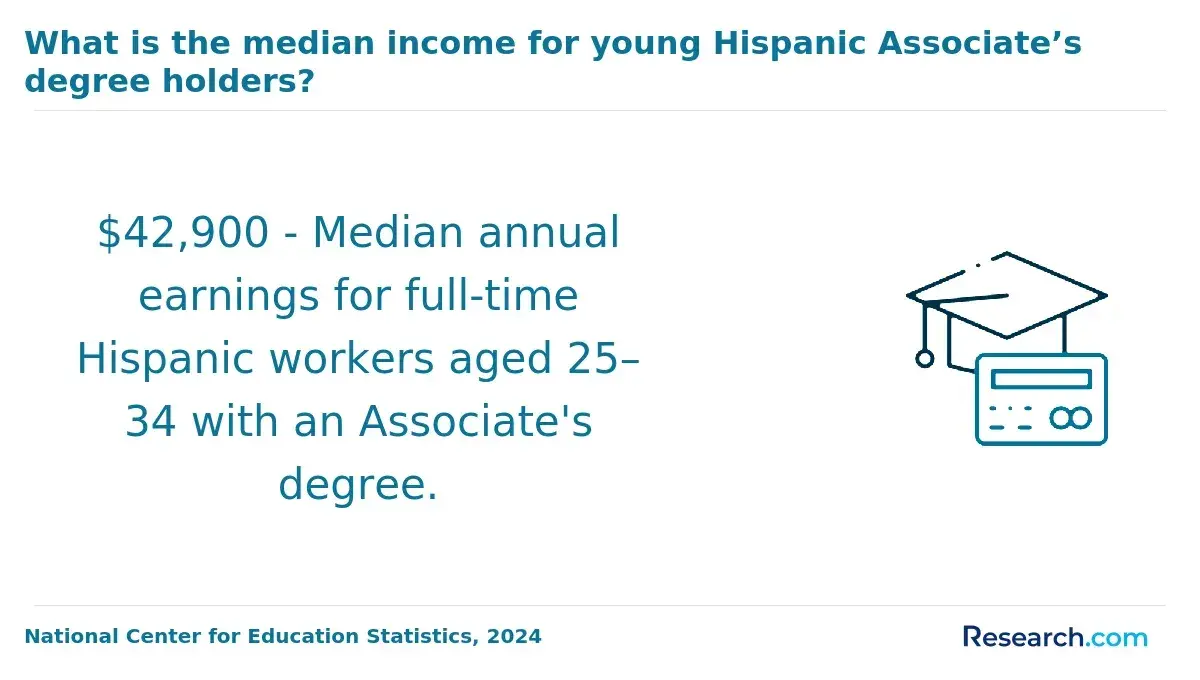
Evaluating the financial viability of a counseling psychology degree requires looking beyond isolated figures for tuition and salaries and instead assessing their relative trajectories. Recent data from the National Center for Education Statistics and the U.S. Bureau of Labor Statistics reveal that graduate tuition in counseling psychology has risen by about 4% annually over the past five years, outpacing salary growth for new professionals, which averages only 2% to 3% yearly.
For example, median annual tuition can now exceed $30,000 per year, while starting salaries hover near $58,000 and mid-career earnings reach roughly $70,000. This widening gap suggests that students face increasing upfront costs without a commensurate rise in early earnings, complicating decisions about investment and debt management.
Consider a prospective student weighing two programs: one with tuition that steadily increases each year and another with a fixed rate but lower overall reputation. The rising tuition means the first student might incur significantly more debt by graduation while only experiencing modest salary growth afterward, which could extend the time needed to achieve a positive return on investment.
Factors like local job market conditions, licensure expenses, and specialization opportunities can moderately influence earning potential but don't fully bridge the disparity caused by inflation and tuition inflation outpacing earnings. Thus, comparing tuition costs directly against salary growth offers a more nuanced framework for financial planning than either number alone, highlighting the need for carefully calibrated expectations and strategies tailored to individual circumstances.
One counseling psychology graduate recalled hesitating before committing to an out-of-state program with high tuition hikes amid uncertain salary prospects. Despite passion for the field, the reality of accumulating debt without guaranteed salary gains made the choice stressful.
They eventually chose a less expensive in-state university, prioritizing manageable debt levels over program prestige, recognizing that salary growth in counseling psychology tends to be gradual and that starting with a smaller financial burden provided essential peace of mind during early career stages.
This experience emphasizes how tuition inflation relative to salary growth can heavily influence educational choices beyond academic factors alone.
Does a Counseling Psychology Degree Deliver a Positive Return on Investment?
Return on investment in higher education, particularly for a counseling psychology degree, extends beyond immediate earnings to encompass the full cost of study and the potential for long-term career growth. This means weighing tuition expenses, which at private graduate programs can exceed $30,000 annually, alongside living costs and debt, against the expected income trajectory over decades.
For example, a graduate who accumulates $100,000 in combined debt and expenses yet secures licensure and employment in healthcare or education sectors may see salary growth from a median of around $81,000, increasing steadily as experience and credentials deepen. The stability of these sectors further buffers earning potential against economic fluctuations, enhancing the degree's financial viability over time.
Data from the U.S. Bureau of Labor Statistics and the Georgetown University Center on Education and the Workforce indicates that the counseling psychology field enjoys an estimated 8% job growth over the next ten years, suggesting expanding opportunities.
However, the initial return on investment can vary widely depending on choices like institution type, program cost, and financing methods such as scholarships or part-time work. Those entering the profession burdened by heavy loan repayments may experience a slower payback period, underscoring that return on investment is not uniform but influenced heavily by individual financial circumstances and regional job markets.
Overall, while counseling psychology may not promise rapid salary spikes, its long-term value lies in steady income increases, professional stability, and career longevity.
Which Industries Offer the Highest Salaries for Counseling Psychology Graduates?
Identifying the industries that offer the highest salaries for counseling psychology graduates requires analyzing both demand and specialized roles that leverage their expertise.
According to recent data from the U.S. Bureau of Labor Statistics and reports from 2024, earnings vary significantly by sector, with some fields consistently outperforming others. Knowing where the strongest salary potential lies enables graduates and career changers to align their skillsets and career paths with market realities.
Below is an overview of the top industry salaries for counseling psychology professionals, drawn from trusted labor statistics and sectoral analyses:
- Healthcare Institutions: Hospitals and outpatient care centers lead in compensation due to the complexity and urgency of patient needs. Roles often include clinical counseling, patient rehabilitation, and integrated mental health services, where advanced licensure and specialized training substantially enhance pay.
- Corporate Sector: Large corporations invest in employee wellness, organizational development, and leadership coaching, which require expertise in behavioral health and human resources. These roles offer competitive salaries because counseling psychologists contribute directly to productivity and retention strategies.
- Government Agencies: Federal, state, and local government positions in public health, correctional systems, and veterans' affairs provide stable pay with additional benefits. Loan forgiveness programs and incentives frequently improve the total compensation packages for counseling psychology graduates in this sector.
- Educational Institutions: Universities and private colleges employ counseling psychologists for student support, research, and academic administration. While compensation is usually moderate, long-term benefits like tuition assistance and retirement plans add to total value.
- Nonprofit Organizations: Specialized mental health nonprofits and community outreach programs can offer opportunities in counseling and program management. Though typically lower-paid, these roles provide pathways into niche areas and leadership positions with experience.
- Organizational Consulting: Guided by findings from the American Psychological Association's 2024 earnings report, consulting that focuses on workplace mental health and organizational change attracts above-average salaries due to its strategic impact on business performance.
- Private Practice Networks: Independent counseling practices usually face variable income, but joining established outpatient clinics or multidisciplinary teams offers higher pay and client volume. Success here depends heavily on reputation, specialization, and business skills.
For potential counseling psychology students weighing the investment of graduate study against future earnings, targeting these highest paying industries for counseling psychology graduates in the US can help sharpen career focus.
For example, a counseling psychology graduate with a license who chooses to work in hospital settings or corporate employee wellness programs may start with salaries 20-30% higher than those entering education or community-based roles. Meanwhile, programs such as loan forgiveness for government roles and tuition assistance provided by educational employers offer important financial tradeoffs worth considering alongside salary.
Integrating this understanding with informed program choices, including options like an online dietitian degree for complementary expertise, enhances long-term career resilience and earning potential within counseling psychology.
Which States and Cities Offer the Highest Pay for Counseling Psychology Professionals?
Geographic location significantly shapes the earning potential of professionals holding Counseling Psychology degrees, as regional market dynamics and living costs influence salary offerings. While top-paying states often command salaries well above the national average, the benefits of such compensation must be weighed against higher expenses and competitive job markets.
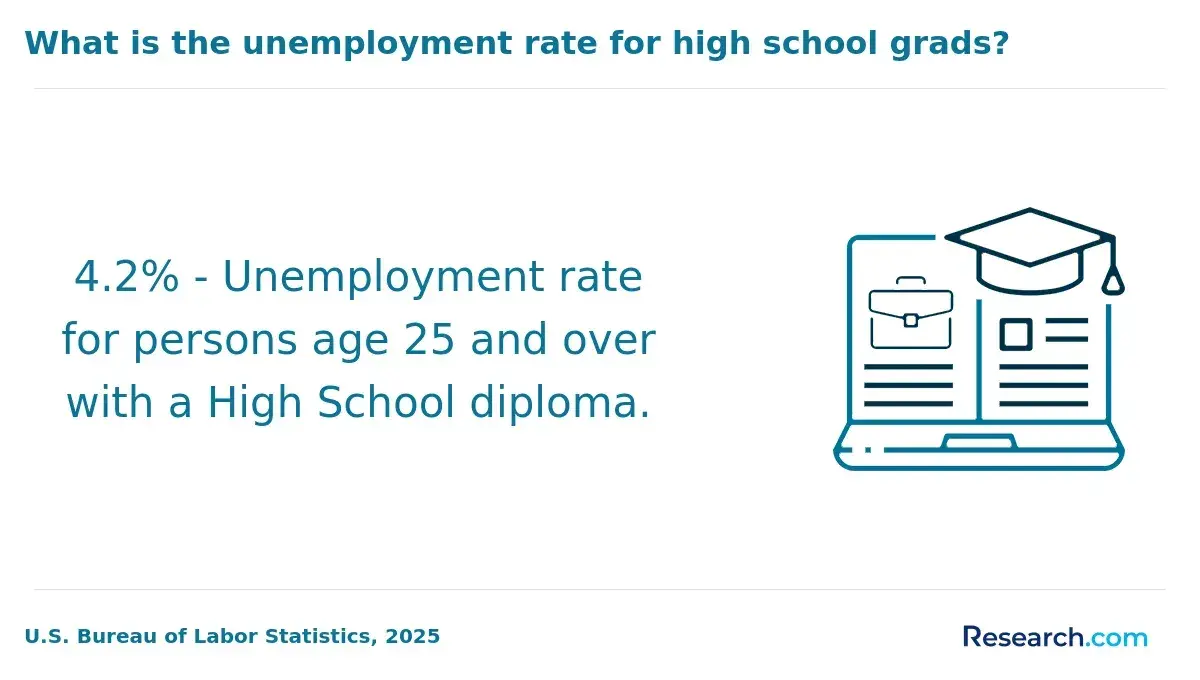
Recent data from the U.S. Bureau of Labor Statistics for 2024 highlights where payment peaks, but navigating these numbers requires attention to long-term financial outcomes, especially when factoring in student debt and licensure pathways. Below are key regions where counseling psychology professionals tend to earn the most:
- California: This state leads with average salaries exceeding $90,000 annually, driven by a dense healthcare system and extensive private practice opportunities. The high cost of living, especially in urban hubs like Los Angeles and San Francisco, reduces disposable income, so graduates should assess whether premium wages offset housing and commuting expenses.
- San Francisco, CA: Metropolitan San Francisco stands out with median salaries surpassing $110,000 due to a concentrated network of specialized mental health providers and corporate wellness programs. However, soaring rent and living costs require professionals to carefully evaluate their net financial gain, particularly early in their careers.
- New York: New York consistently ranks near the top, offering salaries typically in the $95,000-$105,000 range. The city's academic institutions and hospital systems create diverse job openings, yet the intense competition and substantial living expenses mandate a strategic approach to career planning.
- Boston, MA: Boston shares New York's salary range, benefiting from a robust healthcare infrastructure and academic demand. While higher pay is attractive, prospective psychologists must balance this against tuition debt incurred in a region known for costly graduate programs.
- Illinois: Salaries in Illinois hover between $65,000 and $80,000, somewhat lower than coastal metropolises but paired with more affordable living costs. This combination can provide better income-to-expense ratios for recent graduates or those entering supervised practice phases.
- Texas: Texas offers growing demand in urban centers like Houston and Dallas, compensating professionals at similar mid-range salaries with relatively lower living costs. This balance may allow earlier financial stability despite less aggressive wage growth.
- Florida: Like Texas, Florida presents moderate salaries yet expanding clinical opportunities, appealing to professionals prioritizing cost-effective lifestyles and diverse client populations over top-tier income.
How Do Counseling Psychology Salaries Grow Throughout a Career?
Starting salaries for counseling psychology professionals often hover near a median of $60,000, reflecting roles for recent graduates typically engaged as supervised therapists or counseling assistants. As experience accumulates, particularly between five to ten years, annual wages tend to rise to a range of approximately $75,000 to $90,000, driven largely by licensure attainment and expanded clinical independence.
By the time practitioners reach the later stages of their careers-fifteen years or more-median salaries frequently exceed $100,000, especially for those holding senior roles in clinical settings or academia, with the highest earners, who integrate supervision or research, sometimes surpassing $130,000 according to recent data from the U.S. Bureau of Labor Statistics and the American Psychological Association.
However, these figures can be influenced considerably by factors such as geographic location, employer type, and sector, which often moderate wage trajectories despite the anticipated growth.
Consider two counseling psychology graduates who start at similar entry-level salaries but choose different paths: one remains in a public agency with limited scope for licensure advancement, while the other pursues additional certifications and private practice opportunities. Over a decade, the second individual's income could grow significantly faster, benefitting from autonomy and diversified revenue streams, reflecting the crucial role of professional development decisions in long-term earnings.
Consistent with observations from the National Association of Social Workers, wage gains are not guaranteed and may lag behind rising education costs and inflation, underscoring the importance of strategic career choices that prioritize licensure, specialties, and settings with higher earning potential. Ultimately, salary progression in counseling psychology hinges on a combination of experiential growth and proactive pursuit of qualifications that elevate clinical responsibilities and market value.
A counseling psychology graduate recalled feeling apprehensive early on about incurring substantial student debt, questioning whether the salary increases would ever justify the cost. After several years in a state-funded counseling clinic, they took the leap to pursue licensure and transitioned into private practice, a move that initially felt risky and demanding.
Within a few years, they noticed a marked improvement in earnings-enough to not only repay debt but also invest in ongoing training. This experience reflected the challenging but potentially rewarding nature of navigating salary growth, where deliberate investment in specialized credentials and shifts in practice settings can transform earlier financial uncertainty into sustainable income gains.
How Do Counseling Psychology Salaries Compare With Similar Degrees?
Recent 2024 data highlight the complex position of counseling psychology salaries when compared with related degree holders. While graduates with counseling psychology degrees benefit from steady employment opportunities and competitive wages, their earnings tend to fall behind some closely related professions.
For students evaluating the financial viability of a counseling psychology degree versus similar paths, it is helpful to consider typical salary outcomes alongside career contexts.
Below is a concise comparison of counseling psychology salary data relative to other relevant mental health and social services degrees:
- Clinical Psychology: Clinical psychologists typically earn higher median salaries around $90,000 annually, attributed to their advanced licensing requirements and broader scope of practice including severe mental health diagnoses. These roles often command premium wages due to the complexity and demand for clinical interventions, putting clinical psychology above counseling psychology in salary benchmarks.
- Social Work (Mental Health Focus): Social workers specializing in mental health earn approximately $67,000 per year, somewhat less than counseling psychologists. Their salaries are influenced by a combination of public sector funding constraints and the variety of non-clinical roles in social service agencies, which generally limits earning potential despite high job demand.
- School Counseling: School counselors commonly earn near $58,000, significantly lower due to public education budgets and salary scales. Although their work is crucial, earning differences reflect institutional pay structures rather than professional scope alone.
- General Psychology: Graduates with general psychology degrees without counseling specialization tend to earn less than counseling psychologists, as their roles often lack direct licensure and clinical practice pathways. This results in less consistent salary growth and fewer high-paying career options.
Choosing counseling psychology involves balancing moderate to strong salary prospects against factors like job stability and professional fulfillment.
For some, a counseling psychology degree's earning potential may justify its cost compared to alternatives, but others might weigh whether fields like clinical psychology or even less directly related but higher-paying paths, for example, autopsy technician roles, better match their financial goals.
Understanding these nuances can improve decision-making when considering counseling psychology salary comparison with related degrees.
How Is Employer Demand Affecting Counseling Psychology Salary Trends?
Employer demand significantly influences salary trends in counseling psychology by shaping how competitive hiring environments become for qualified professionals. Increased demand typically leads to more hiring activity and compels organizations to offer higher wages to attract and retain talent.
For example, an urban mental health clinic experiencing a surge in patient volume may raise salaries or offer signing bonuses to counseling psychologists, whereas a rural facility with stagnant demand might maintain lower wage growth. This dynamic means that job market trends for counseling psychology graduates depend heavily on local and sector-specific demand fluctuations.
Major factors shaping employer demand include broader social awareness of mental health, expanded health coverage, and institutional commitments to behavioral services in schools and hospitals. The U.S. Bureau of Labor Statistics projects an 8% employment growth for psychologists through 2032, reflecting these trends, but salary increases are uneven.
Strong employer demand can accelerate wage growth, but salaries are also moderated by experience levels, specialization, and organizational budget constraints. Additionally, despite moderate salary increases linked to employer demand, rising tuition and living costs highlight the importance of assessing whether compensation gains balance out long-term education expenses for counseling psychology students.
Prospective students evaluating costs would benefit from comparing tuition with potential earnings in various regions, especially considering disparities between urban and rural salaries. For those exploring affordable education, investigating alternatives like speech pathology degree cost online can provide insights into managing education expenses while targeting in-demand counseling psychology roles.
How Can Students Maximize Their Lifetime Earnings With a Counseling Psychology Degree?
Maximizing lifetime earnings with a counseling psychology degree requires more than completing coursework; it hinges on strategic career choices aligned with market demand and professional growth trends.
Data from the U.S. Bureau of Labor Statistics in 2024 show higher salaries are linked to specialized roles, credentialing, and geographic factors. For example, those focusing on clinical supervision or industrial-organizational psychology in metropolitan areas often out-earn general counseling practitioners.
The following strategies help students realistically enhance their long-term income potential:
- Specialize Early: Focusing on in-demand niches like trauma-informed care or substance abuse counseling while studying allows students to build expertise that commands higher salaries and distinct job opportunities.
- Obtain Advanced Credentials: Earning licenses such as Licensed Professional Counselor (LPC) or Board Certified Psychologist unlocks leadership and private practice roles, which significantly increase earnings over time.
- Target High-Demand Locations: Relocating or seeking positions in metropolitan areas or underserved regions typically offers better compensation due to supply-demand imbalances in mental health services.
- Engage in Continuous Learning: Staying current with emerging fields like telehealth boosts marketability and positions graduates for stable, better-paying roles within evolving healthcare settings.
- Leverage Interdisciplinary Skills: Combining counseling psychology with skills in education or corporate sectors enhances versatility, opening doors to higher-paying interdisciplinary teams and projects.
- Pursue Supervisory Roles: Transitioning into clinical supervision early increases responsibility and pay, reflecting data linking leadership scope to stronger lifetime earnings.
- Build Professional Networks: Active involvement in professional associations and collaboration with academic or government agencies provides access to advanced career options and salary growth prospects.
References
- Mental Health Therapist Salary Guide 2026 - PsychologyJobs.com https://psychologyjobs.com/mental-health-therapist-salary/
- Return on Investment For an Online Psychology Degree https://www.onlinepsychologydegrees.com/articles/return-on-investment-for-an-online-psychology-degree/
- What are Psychologist Salaries? - Expathy.org https://www.expathy.org/what-are-psychologist-salaries
- The price of college is rising faster than wages for people with degrees | USAFacts https://usafacts.org/articles/is-college-worth-it-the-price-of-college-is-rising-faster-than-wages-for-people-with-degrees/
- Is Grad School Worth It? A Comprehensive Return on Investment Analysis - FREOPP https://freopp.org/whitepapers/is-grad-school-worth-it-a-comprehensive-return-on-investment-analysis/
- Is College Worth it? | Return on Investment Analysis of College Degree https://educationdata.org/college-degree-roi
- That Question: “What’s a Psychology Degree Worth, Anyway?" https://www.psychologytoday.com/us/blog/head-of-the-class/201403/that-question-whats-a-psychology-degree-worth-anyway
- Top 5 Highest-Paying Psychology Careers - Rivier Academics https://www.rivier.edu/academics/online/resources/program-resources/top-5-highest-paying-psychology-careers-rivier-university/
- Counseling psychologists: Salary, career path, job outlook, education and more - RaiseMe https://www.raise.me/careers/life-physical-and-social-science/psychologists/counseling-psychologists/
Other Things You Should Know About Counseling Psychology
While pursuing a counseling psychology doctorate, significant time spent on part-time roles or internships can limit opportunities for paid work, potentially delaying debt repayment and income growth. However, these experiences often enhance clinical skills and employability, which can translate into slightly higher salaries post-graduation. The tradeoff is that a more demanding training schedule may postpone full-time employment, so prospective students should weigh short-term financial strain against long-term earning potential tied to hands-on experience.
Programs focused heavily on research may open doors to academic and grant-funded positions that sometimes offer higher starting salaries but fewer clinical job placements. Conversely, programs with intensive clinical practicum prepare graduates for direct client work, which generally leads to more immediate employment but often with moderate starting pay. Given current salary trends, prioritizing programs that balance clinical experience with research may offer better career flexibility and steadier income growth over time.
Private practice can yield higher income potential for counseling psychologists who successfully build a client base but includes risks like inconsistent demand, administrative overhead, and slower initial income growth. Institutional roles-such as hospitals or universities-usually provide steadier early-career salaries and benefits but limit earning ceilings and advancement speed. Graduates should consider their risk tolerance, entrepreneurial interest, and preference for financial stability when deciding their career path.
Geographic mobility remains a key lever for enhancing salary prospects, as many higher-paying counseling psychology positions cluster in urban or economically expanding regions. However, relocating may increase living costs and disrupt social support systems, mitigating salary gains. For those managing significant tuition debt, targeted moves to moderately expensive but higher-paying areas can strike a balance, whereas remaining in lower-cost regions may limit income progression and prolong financial recovery.