2027 Counseling Psychology Degree Completion Rates by Format: Online, Hybrid, and Campus Programs Compared

Co-Founder and Chief Data Scientist
Deciding how to complete a counseling psychology degree involves weighing multiple factors beyond course content. A prospective student may face challenges balancing work, family responsibilities, and financial constraints, making the choice between online, hybrid, or campus formats critical. Each format carries implications for engagement, access to resources, and time management, all of which influence a student's ability to persist and finish the degree.
Completion rates vary across these educational formats due to differences in structure, support systems, and student demographics. Understanding how these elements interact sheds light on the practical realities behind degree attainment. This article compares online, hybrid, and campus counseling psychology degree completion rates, explores the factors driving student success, and offers guidance on selecting the format that best aligns with educational and career objectives.
Key Things to Know About Counseling Psychology Degree Completion Rates by Format
- Online counseling psychology programs show a 12% lower completion rate than campus formats, reflecting challenges in maintaining engagement and practical skill acquisition critical for licensure readiness.
- Hybrid formats demonstrate a moderate 7% higher completion rate than fully online programs, suggesting that in-person components enhance accountability and experiential learning opportunities.
- A 2024 study found campus-based programs maintain the highest completion consistency, linked to structured peer interaction and direct faculty support, which strongly correlates with long-term professional retention.
- Key Things to Know About Counseling Psychology Degree Completion Rates by Format Key Things to Know About Counseling Psychology Degree Completion Rates by Format
- How Do Completion Rates Compare Across Online, Hybrid, and Campus Counseling Psychology Programs? Completion Rate Comparison
- What Factors Have the Greatest Impact on Counseling Psychology Degree Completion? Degree Completion Factors
- Which Counseling Psychology Degree Format Is Hardest to Complete? Completion Difficulty
- How Does Each Counseling Psychology Learning Format Affect Student Success? How Does Each Counseling Psychology Learning Format Affect Student Success?
- How Does Enrollment Status Affect Counseling Psychology Completion Rates? How Does Enrollment Status Affect Counseling Psychology Completion Rates?
- Can Transfer Credits Improve Counseling Psychology Degree Completion? Transfer Credits
- What Student Support Services Improve Counseling Psychology Completion Rates? Student Support Services
- How Do Counseling Psychology Completion Rates Affect Career Outcomes? Impact on Career Outcomes
- How Should Students Choose the Best Counseling Psychology Learning Format? Choosing the Best Format
- What Are the Long-Term Pros and Cons of Each Counseling Psychology Learning Format? Learning Format Pros & Cons
How Do Completion Rates Compare Across Online, Hybrid, and Campus Counseling Psychology Programs?
Completion rates serve as useful indicators of student outcomes rather than direct reflections of program quality because they often mirror the diverse backgrounds and circumstances of those enrolled. For example, students in campus programs, which tend to have higher rates, frequently benefit from structured schedules, direct faculty interaction, and access to campus resources.
Conversely, those in online settings might face challenges rooted in self-motivation and limited immediate support rather than deficiencies in curriculum or instruction, underscoring that completion statistics capture more than just academic rigor in the counseling psychology field.
The variation in completion rates among online, hybrid, and campus counseling psychology programs largely stems from differences in student commitments and learning environments. Online students often juggle full-time jobs and family responsibilities, requiring scheduling flexibility but confronting isolation and distractions that can impede progress.
Prospective students should weigh completion rate comparisons alongside their learning preferences and personal constraints to identify the best fit for their path. For instance, a working adult with caregiving duties might prioritize a hybrid or online program for flexibility, accepting somewhat lower average completion rates in exchange for balancing obligations.
Accessing realistic program fees is also critical when making choices, and resources outlining hospital administration course fees can offer useful financial context across health-focused fields. Ultimately, aligning format choice with commitment capacity and career aspirations maximizes the likelihood of degree completion in counseling psychology.
What Factors Have the Greatest Impact on Counseling Psychology Degree Completion?
Degree completion in counseling psychology programs is shaped by a complex interplay of personal circumstances, academic readiness, and the nature of the program itself—not simply by motivation or interest alone. Students must navigate external pressures alongside internal demands, making persistence dependent on multiple overlapping factors.
Recognizing these elements can guide deliberate preparation and informed format selection. Below are primary influences on completion success:
- Academic Preparedness and Prior Achievement: Strong foundational skills and a higher undergraduate GPA are proven predictors of completion across online, hybrid, and campus-based counseling psychology programs. According to the National Center for Education Statistics, these academic credentials significantly correlate with persistence, especially for students entering graduate studies directly from college. Prospective students can improve outcomes by strengthening prerequisites or gaining relevant experience before enrollment.
- Balancing Life Responsibilities: Managing work, family, and study commitments is critical, particularly for online learners who often juggle full-time employment or caregiving duties concurrently. Those struggling to maintain an effective balance may face extended program durations or dropout risks. Students can enhance completion odds by setting realistic schedules and seeking flexible program formats aligned with their personal demands.
- Institutional Support Quality: Access to academic advising, mental health resources, and career counseling plays a key role in supporting persistence. Graduate programs noted for proactive outreach and tailored assistance report 15-20% higher completion rates, per the Council of Graduate Schools. Students should investigate institutional support services when comparing programs, as these mitigate isolation and foster accountability.
- Social Integration and Peer Interaction: Campus programs benefit from immersive ecosystems promoting motivation through daily interactions, whereas online formats often require deliberate community-building efforts. Hybrid models with periodic in-person engagement offer moderate improvements in completion by combining flexibility with social support. Cultivating networks and mentorship relationships enhances student resilience in all formats.
- Financial Stability and Resource Management: Economic hardship remains a pervasive barrier, increasing dropout likelihood across all delivery methods. Yet, online and hybrid students may offset some financial stress by maintaining employment throughout their studies, albeit sometimes extending time to degree. Thoughtful financial planning and leveraging institutional aid can buffer challenges.
- Program Format and Structure Nuances: The nature of online, hybrid, or campus delivery influences completion through interaction opportunities, workload pacing, and learning environment adaptability. Students with strong self-regulation often succeed online, while those needing frequent feedback may prefer hybrid or campus programs. Understanding your learning style and evaluating format-specific demands helps optimize the match and improves degree completion probability.
In deciding among program formats, prospective students might consider a scenario where a working parent with limited local access to campus programs uses a hybrid option to maintain employment and gain essential face-to-face mentoring. This tailored approach can improve balance and completion prospects compared to purely online or campus-only enrollment.
Individuals facing significant economic constraints should weigh the potential tradeoffs between program format flexibility, job commitments, and time to degree, reinforcing that no single factor guarantees success but rather their interaction matters most.
Students interested in exploring programs that align with their financial planning can review options such as a master in health administration, which exemplifies how degree choice and format affect completion and career readiness.
Which Counseling Psychology Degree Format Is Hardest to Complete?
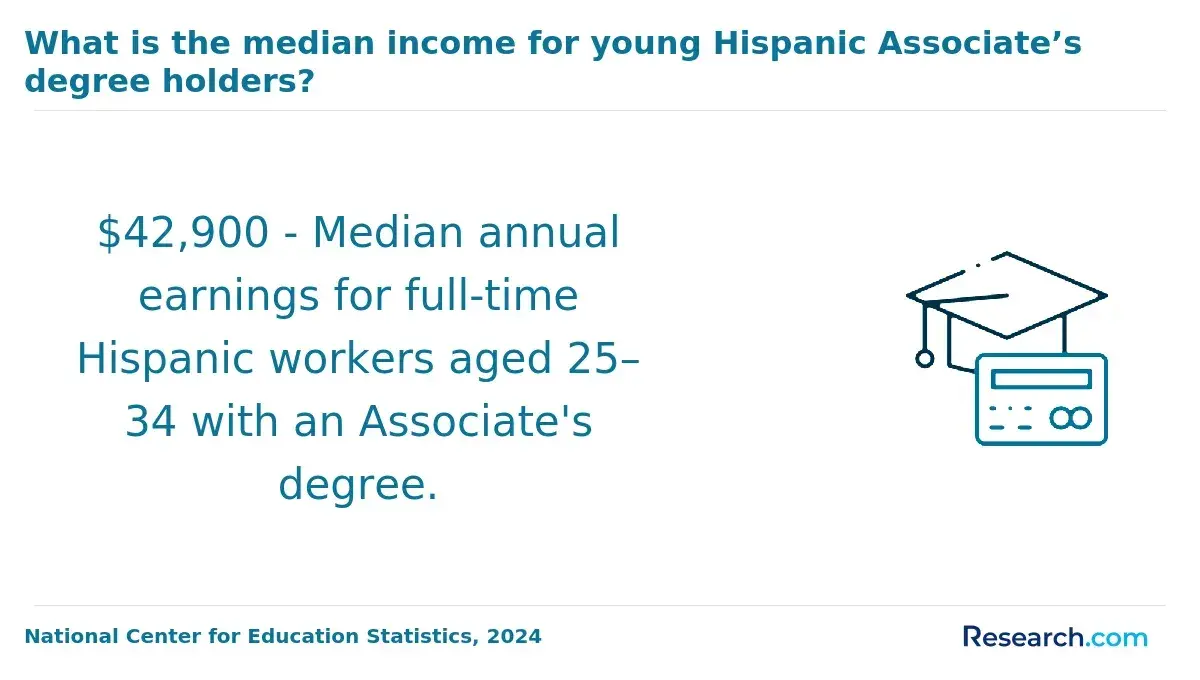
Completion rates for counseling psychology programs vary notably by format, with fully online tracks generally exhibiting the greatest challenges. According to data from the National Center for Education Statistics in 2024, online graduate programs show retention rates roughly 10 to 15 percentage points lower than campus-based programs, reflecting increased dropout risks linked to less direct oversight and peer interaction.
Hybrid formats fall in between, balancing flexibility with in-person engagement, which supports motivation and skill development better than fully remote settings. Campus programs benefit from structured environments and richer resources, fostering a stronger sense of community and accountability essential for demanding applied disciplines like counseling psychology.
However, campus-based options may not suit everyone; their rigidity can impede students juggling employment or family commitments. Online programs demand exceptional self-discipline and institutional support to offset isolation and limited hands-on practice, while hybrid models offer a middle ground that mitigates some online drawbacks without sacrificing accessibility.
Thus, the difficulty of completion is conditional, influenced as much by personal circumstances and support systems as by format alone, underscoring the need for prospective students to align choice with their readiness for autonomy and how critical face-to-face interaction is to their learning style.
A counseling psychology graduate recalls choosing an online program for its convenience during a period of full-time employment and caregiving. Initially confident, they quickly encountered barriers: sporadic access to faculty feedback and a lack of peer connection led to feelings of isolation and self-doubt.
It wasn't until they proactively sought out supplemental virtual study groups and institutional advising services that persistence improved. Their experience highlights how online formats, while flexible, necessitate proactive engagement and robust external supports to navigate the heightened demands and succeed.
How Does Each Counseling Psychology Learning Format Affect Student Success?
Success in counseling psychology programs hinges more on the fit between a student's personal learning style, life commitments, and the chosen delivery format than on the format itself. Students juggling work, family, or other responsibilities may find that flexibility outweighs the benefits of face-to-face engagement, while others thrive on the structure and direct support available in a traditional classroom.
Recent data from the National Center for Education Statistics and the National Student Clearinghouse Research Center in 2024 highlight distinct patterns in completion rates tied to these formats. Below are key factors that illustrate how program format influences student outcomes:
- Engagement Through Direct Interaction: Campus-based programs offer consistent face-to-face contact with faculty and peers, creating a structured environment that fosters accountability and motivation. This benefits students who excel with in-person support but may challenge those needing more flexible schedules.
- Balancing Flexibility and Connection: Hybrid formats blend online convenience with scheduled in-person sessions, appealing to students who require adaptable pacing but still value interpersonal interaction. This middle ground typically yields completion rates slightly below campus programs but above fully online options.
- Self-Discipline and Isolation Risks: Fully online learners enjoy accessibility and convenience but often face increased risks of attrition due to isolation and difficulties in time management. Students lacking strong self-regulation skills may struggle without immediate faculty interaction or an embedded social learning environment.
- Access to Academic Support Services: On-campus students generally benefit from real-time tutoring, advising, and peer networks unavailable or less immediate in online settings. While virtual advising can mitigate gaps, the immediacy and personal nature of in-person support remain strong retention factors in counseling psychology.
- Alignment with Personal Circumstances: For example, a working parent might thrive in a hybrid program that balances in-person check-ins with online flexibility, whereas a recent college graduate could leverage campus resources and routines to stay motivated. Matching format to lifestyle is critical for persistence and degree completion.
- Impact of Community and Peer Interaction: Students in campus settings often report feeling more connected and supported, which research shows correlates with higher persistence. While online platforms try to replicate this through forums and study groups, the depth of connection frequently remains uneven.
How Does Enrollment Status Affect Counseling Psychology Completion Rates?
Enrollment status is a critical determinant of counseling psychology degree completion rates, deeply influenced by individual circumstances rather than just the number of courses taken. The impact of full-time versus part-time enrollment depends on students' life situations, support systems, and capacity to manage academic and external demands simultaneously.
Recognizing these nuances helps prospective students decide the most sustainable pace for their degree progress. The following points outline key ways enrollment status affects counseling psychology degree completion:
- Time and Resource Commitment: Full-time students generally complete their degrees more quickly because they dedicate larger blocks of uninterrupted time to coursework and practicum experiences. Part-time students, especially those balancing work and family, often face protracted timelines and risks of attrition due to competing priorities.
- Continuity of Learning and Engagement: Full-time enrollment fosters consistent interaction with faculty and peers, which enhances skill acquisition and retention in counseling psychology programs. This consistency supports progression through sequential skill-building and clinical placements critical in the field.
- Flexibility Versus Fragmentation: Online and hybrid formats attract more part-time students because they offer flexibility, but this can fragment student engagement and delay completion. Hybrid programs may mitigate this by combining flexibility with some in-person interaction to bolster retention.
- Institutional Support and Advising: Students enrolled full time often have better access to institutional resources, such as advising and cohort support models, that can proactively address challenges affecting completion rates. Part-time students may need more tailored support to navigate these hurdles effectively.
- Real-World Obligations Impact: Part-time students frequently juggle employment or caregiving responsibilities. For example, a working parent taking two courses per semester may take longer to finish but can maintain steady progress with strategic time management and support networks.
- Statistical Completion Differences: According to recent data from the National Center for Education Statistics in 2024, full-time counseling psychology students complete their degrees at rates approximately 20% higher than part-time counterparts, reflecting the substantial role of enrollment intensity.
- Career Timing and Readiness: Full-time enrollment often aligns with faster entry into professional roles, while part-time pathways cater to those needing to integrate education with ongoing employment, impacting timing but not necessarily long-term employability.
When weighing program options, prospective students are well served by understanding how enrollment status aligns with their unique life demands and career timelines. Those balancing significant external responsibilities may consider programs listed among the top dietetics masters programs for structural ideas on managing part-time commitments effectively. This context underscores that enrollment in counseling psychology is not just a quantitative decision but a strategic one grounded in realistic assessment of personal and professional priorities.
Can Transfer Credits Improve Counseling Psychology Degree Completion?
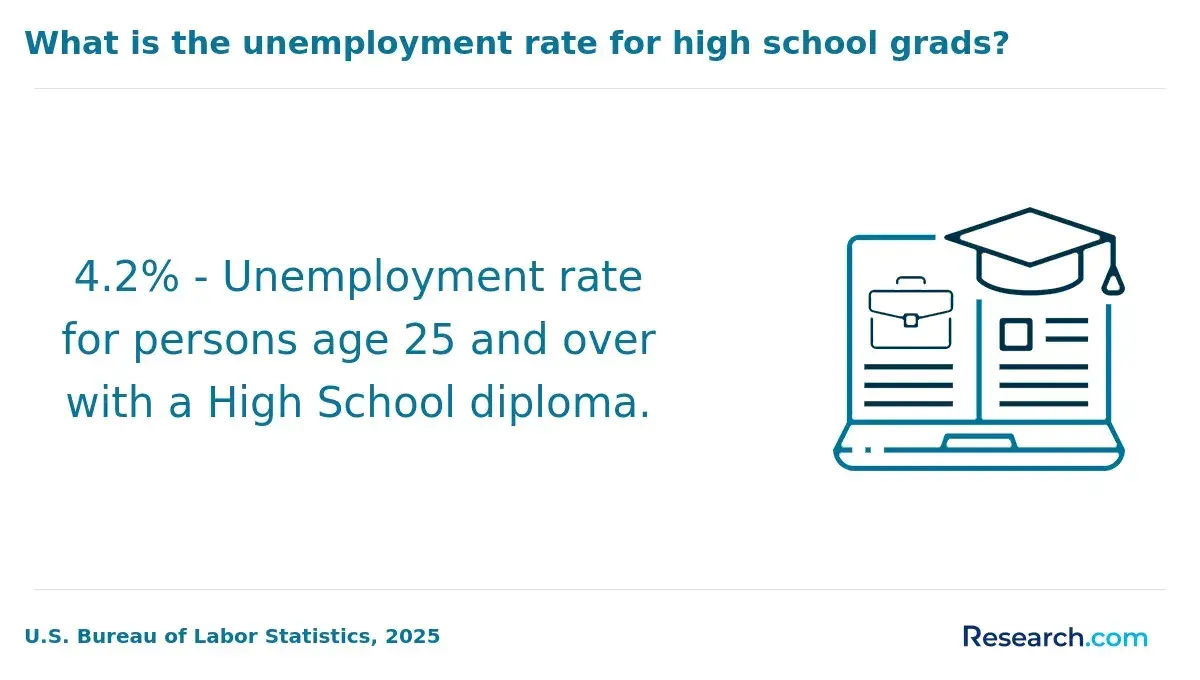
Transfer credits have the potential to shorten the pathway to degree completion in counseling psychology programs by reducing redundant coursework. According to a 2024 report from the National Center for Education Statistics, students who transfer credits typically experience a reduction of about 25% in program length, often improving graduation rates. This acceleration results from credit recognition that allows students to bypass classes covering familiar material, thus focusing their efforts on remaining requirements.
However, the actual impact varies widely depending on several factors. Key among these are the relevance and applicability of transferred credits to program-specific curricula, institutional policies on transfer acceptance, and the format of the degree program. For example, a student with previous graduate credits in psychology or related disciplines might see greater benefit in an online program that tends to offer more flexible credit transfer policies compared to campus-based programs with stricter residency or accreditation rules.
Consider a working professional who completed graduate coursework during military service or prior graduate study. If enrolled in a hybrid counseling psychology program that accepts these credits toward core requirements, this student could feasibly reduce time-to-degree and tuition costs, enabling earlier entry into licensure and practice. Conversely, a peer in a traditional campus setting might face limitations due to credit restrictions or mandatory on-site credit minimums, resulting in a slower progression despite similar prior experience.
Importantly, transfer credits do not guarantee faster completion for all learners. The alignment of prior coursework with degree requirements is critical; unaligned credits may be rejected or accepted only as elective hours, minimally affecting time-to-degree. Prospective students should obtain official credit evaluations early, carefully review program requirements, and compare remaining credits against their planned enrollment intensity. This analysis helps determine whether transferring credits will meaningfully accelerate their path or primarily influence financial investment rather than time.
Ultimately, while transfer credits often enhance completion prospects—especially within flexible online and hybrid formats—they represent only one piece of a complex graduation puzzle shaped by course sequencing, personal circumstances, and institutional rules.
What Student Support Services Improve Counseling Psychology Completion Rates?
Completion rates in counseling psychology programs vary significantly depending on how well student support services address both academic and emotional challenges. Research from 2024 highlights that programs integrating comprehensive advising, mental health assistance, and targeted tutoring see meaningful improvements in retention and graduation, particularly in online and hybrid formats where students often experience isolation. Effective supports mitigate common obstacles such as course complexity and psychological burnout, making a measurable difference.
Below are key student support services linked to better counseling psychology degree completion outcomes:
- Specialized Academic Advising: Advisors knowledgeable about counseling psychology curricula guide students through coursework choices, practicum scheduling, and licensure paths, which reduces confusion and helps maintain steady progress. Programs with proactive advising report up to an 18% higher completion rate as students gain clarity and confidence.
- Mental Health Counseling Services: Embedded psychological support services are critical given the emotional demands of counseling psychology training. Access to counselors or peer support networks, virtual or campus-based, can significantly reduce dropout by addressing stress and burnout before they escalate.
- Real-Time Tutoring and Skill Workshops: Support focusing on research methods, ethical standards, and clinical documentation helps students overcome academic barriers that often cause delays or withdrawals. Technology-enabled tutoring accessible on demand is especially beneficial for remote learners.
- Faculty Mentorship Coordination: When student success centers collaborate closely with faculty mentors, students receive personalized guidance linking academic and professional development. This integrated approach fosters resilience and persistence.
- Integrated Peer Support Networks: Structured peer discussions and study groups reduce feelings of isolation common in non-campus formats, building community and accountability that boost persistence.
- Accessible Licensing Exam Preparation: Programs offering focused preparation resources and early guidance on licensure requirements help students plan more strategically, reducing last-minute stress that can impede graduation.
One recent graduate from an online counseling psychology program described the tipping point in her journey as stemming from a critical advising session that helped her restructure a challenging practicum timeline. Initially hesitant about remote learning, she admitted feeling overwhelmed by balancing work, study, and personal obligations.
Having access to a mental health counselor who understood the field's pressures and a peer group that met regularly online provided her with emotional steadiness and practical tips to manage coursework. She credited these combined supports with not only preventing burnout but also transforming her sense of isolation into motivation to complete the degree on schedule.
How Do Counseling Psychology Completion Rates Affect Career Outcomes?
Completion rates in counseling psychology degree programs strongly shape career trajectories, with meaningful effects on employment stability, earning potential, and access to advanced education. Data from 2024 indicates that students who complete their degrees on time often experience better workforce integration and higher salaries compared to those who withdraw or face extended time to completion.
A practical example involves a student choosing between fully online, hybrid, or campus programs: while online offers flexibility, the higher dropout risk can limit early career momentum, whereas campus programs support stronger networks but require significant time and location commitment.
The following points highlight key ways that completing a counseling psychology degree influences career outcomes:
- Employment Stability and Starting Salaries Improve with Completion: Graduates who finish their counseling psychology degrees are more likely to secure stable jobs quickly. Research shows that degree completers earn on average 20% more than non-completers within their first five years post-graduation, reflecting the importance of degree attainment for financial foundation. Students committed to finishing benefit most from maintaining steady progress despite challenges.
- Advanced Education Access and Professional Licensing Opportunities Expand: Completing the degree unlocks eligibility for graduate programs and state licensure requirements central to many counseling roles. Persistence through graduation ensures students keep open pathways to specialized credentials, which directly impact career advancement and earning potential over time. Hybrid and campus formats tend to foster higher completion rates, enhancing these prospects.
- Career Networks and Internship Influence Accelerate Job Placement: Students completing campus-based programs often gain stronger professional ties and internship experience that smooth transitions into the workforce. These relationships yield tangible benefits in referrals and on-the-job learning that support long-term career development beyond the degree itself. Online students may need to proactively build networks to offset less in-person interaction.
- Early Momentum in Career Development Hinges on Timely Completion: Degree completion speeds the transition from education to employment or graduate study, preserving career momentum. Prolonged or incomplete programs can delay income growth and reduce initial workplace competitiveness. Flexibility-rich hybrid formats can offer a balance, enabling persistence alongside other commitments.
For students weighing program options, understanding these graduation-related outcomes alongside personal learning preferences factors into strategic decisions. Those who prioritize structured environments or richer interpersonal engagement may find campus routes advantageous, while those requiring schedule adaptability might consider hybrid or online pathways but remain attentive to the increased completion demands. The balance of completion likelihood and career benefits underscores the critical role of persistence in counseling psychology programs.
In related fields, professionals like the functional nurse practitioner also navigate similar tradeoffs, emphasizing how completion and credentialing shape opportunities in evolving healthcare environments.
How Should Students Choose the Best Counseling Psychology Learning Format?
Deciding on the best counseling psychology learning format requires a realistic evaluation of how personal circumstances align with program demands. National Center for Education Statistics data from 2024 show that students juggling work and family commitments benefit most from flexible formats but face higher attrition without strong self-management. A student working full-time, for example, might thrive in a hybrid program that offers some in-person support while allowing remote coursework, balancing flexibility with connection.
Below are key factors to consider when selecting a learning format for counseling psychology programs:
- Self-discipline and Time Management: Online programs demand strong self-motivation and effective scheduling to prevent procrastination and dropout. Students who anticipate needing structured in-person accountability might find hybrid or campus formats better for sustaining momentum.
- Work and Family Commitments: Those balancing employment or caregiving often benefit from online or hybrid options that reduce travel time and offer asynchronous learning. Campus programs can be less accessible and risk completion delays for non-traditional students.
- Interaction and Networking Needs: Campus and hybrid formats foster peer and faculty engagement, which correlates with higher retention and job market advantages. Online students should seek programs with strong virtual community support to offset limited face-to-face interaction.
- Access to Academic Resources: Immersive campus environments typically provide more immediate access to advising, counseling, and hands-on training, which can enhance learning and completion rates.
- Career Outcomes and Employer Expectations: Employability is increasingly tied to competencies and internships rather than format alone, but networking opportunities available in hybrid and campus settings can offer an edge in competitive job markets.
- Geographical and Financial Constraints: Students living remotely or facing relocation costs may prioritize flexibility over immersive experiences, making online formats more viable.
- Long-Term Educational Goals: Students planning further specialization or licensure should evaluate which format best supports required practical experiences and state-specific clinical hours.
Choosing the most sustainable format is crucial given that completion rates, as shown in studies on factors influencing counseling psychology degree completion rates, vary widely based on alignment between student lifestyle and program design. Finally, prospective students interested in related fields can explore how hard is it to get into speech pathology grad school for comparative insights.
What Are the Long-Term Pros and Cons of Each Counseling Psychology Learning Format?
Choosing a learning format for a counseling psychology degree impacts more than just immediate convenience; it shapes retention, skill development, and professional opportunities over time. Recent findings from the National Student Clearinghouse Research Center show campus programs hold a roughly 10% higher completion rate than purely online ones in 2024.
However, individual circumstances heavily influence success. For example, a working parent may thrive in an online format, whereas a recent high school graduate may benefit more from campus immersion. Here are key long-term factors to evaluate:
- Retention and Completion Rates: Campus programs tend to have higher completion rates due to structured environments and direct mentorship, benefiting those who prefer routine and social accountability. Online formats can face higher dropout rates but suit self-motivated learners balancing other commitments.
- Clinical Skill Development: Face-to-face mentoring in campus and hybrid programs fosters stronger hands-on experience essential for licensure, while online students might face limitations in synchronous clinical practice.
- Flexibility and Accessibility: Online programs offer unmatched scheduling freedom and remove geographic barriers, ideal for students managing jobs or family, though at the expense of real-time interaction.
- Professional Networking Opportunities: Campus and hybrid students benefit from robust peer and faculty networks, which often translate into better job prospects post-graduation; virtual connections may be less impactful long-term.
- Stress and Time Management Demands: Hybrid formats require juggling both in-person and online commitments, which can be challenging but reward those who manage multitasking well.
- Long-Term Employability and Licensure: Graduates from campus and hybrid programs often report greater confidence and readiness for licensure exams, linked to more extensive experiential learning compared to fully online graduates.
References
- Counselling Psychology with Practicum - MA https://york.citycollege.eu/m/articles.php
- Best Online Counseling Psychology Ph.D. Programs https://www.psychology.org/rankings/best-counseling-psychology-doctorate-programs/
- MA in Clinical Mental Health Counseling | Palo Alto University https://paloaltou.edu/academic-programs/ma-counseling
- 7 Mistakes to Avoid in an Online Master's in Counseling https://www.counselingpsychology.org/articles/mistakes-masters-counseling/
- Online Counseling: Advantages and Disadvantages | Psychology Paper Example https://psychologywriting.com/online-counseling-advantages-and-disadvantages/
- Counselling psychologist - is it a realistic career? | ClinPsy https://clinpsy.com/threads/counselling-psychologist-is-it-a-realistic-career.21052/
- Effect of Guidance and Counseling on the Students’ Academic Performance in Bulgaria https://stratfordjournalpublishers.org/journals/index.php/journal-of-education/article/view/1261
- Degree Completion - Psychology - Simpson University https://simpsonu.edu/academics/degree-completion/psychology/
- Integral Counseling Psychology - Hybrid | CIIS https://www.ciis.edu/academics/graduate-programs/integral-counseling-psychology-hybrid
- Which Type of Therapy Is Best for Me? A Guide (With Examples) https://blog.opencounseling.com/what-therapy-method-is-right-for-me/
Other Things You Should Know About Counseling Psychology
Online counseling psychology programs offer unmatched scheduling flexibility, which supports many students balancing work and family. However, this flexibility can also lead to inconsistent study habits and lower accountability, contributing to more variable completion rates. Students who struggle with self-motivation or need structured environments may find hybrid or campus programs more reliable for maintaining steady progress.
Because counseling psychology degrees often require intensive practicum and internship hours, students in online programs might face more logistical hurdles arranging in-person placements, potentially delaying completion. Hybrid and campus students generally have more seamless access to on-site supervisors and local agencies, smoothing the transition to practicum and reducing completion delays. Prioritizing formats with integrated, accessible fieldwork components is advisable for those aiming for timely graduation.
While many employers value degree content over format, some counseling psychology roles-especially those in clinical or community settings-may still prefer traditional campus degrees due to perceived rigor and face-to-face training. Hybrid programs can offer a compromise by providing in-person experiences alongside online coursework. Students targeting licensure or competitive clinical roles should consider program format as a strategic factor to enhance post-graduation opportunities.
Programs that use cohort models often improve peer support and accountability, which correlates with higher completion rates. Hybrid and campus programs typically adopt this structure more frequently than purely online formats. For students who benefit from routine interaction and collaborative learning, prioritizing cohort-based programs could significantly increase the likelihood of finishing the degree as planned.